What Was Built Here
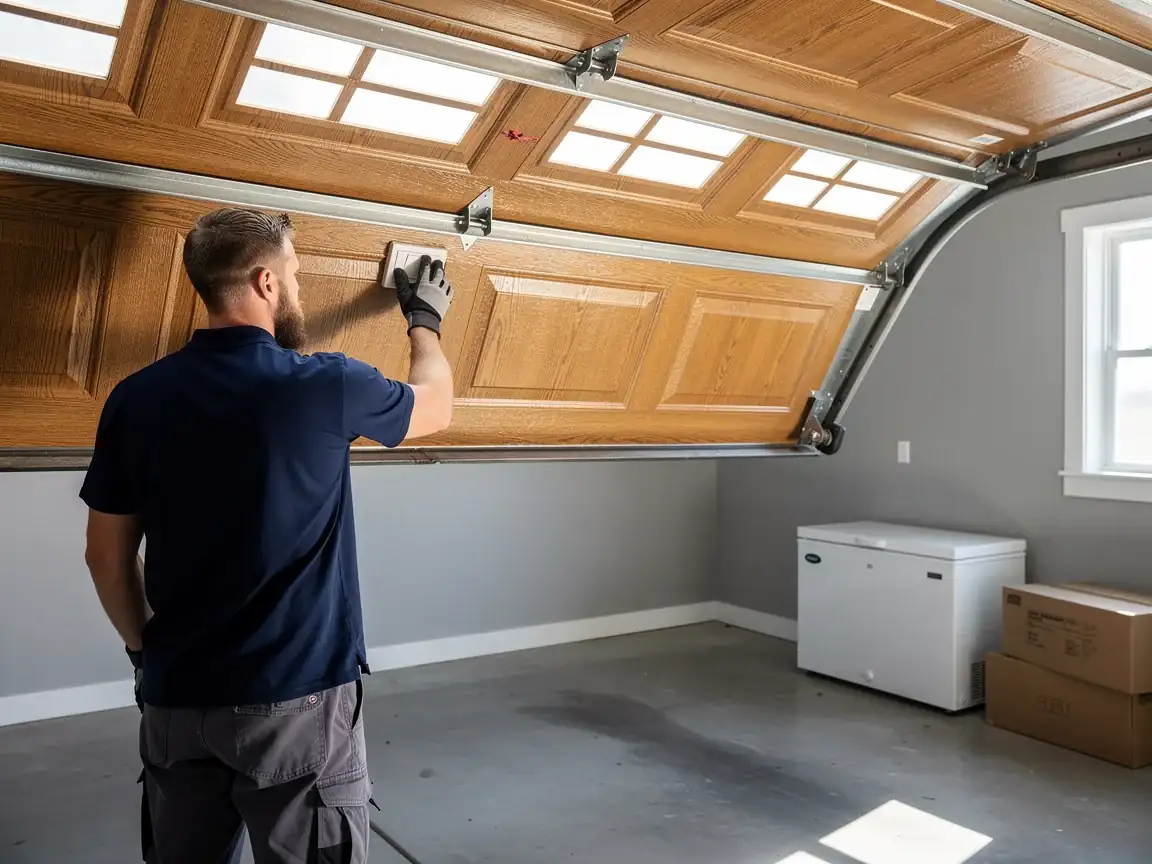
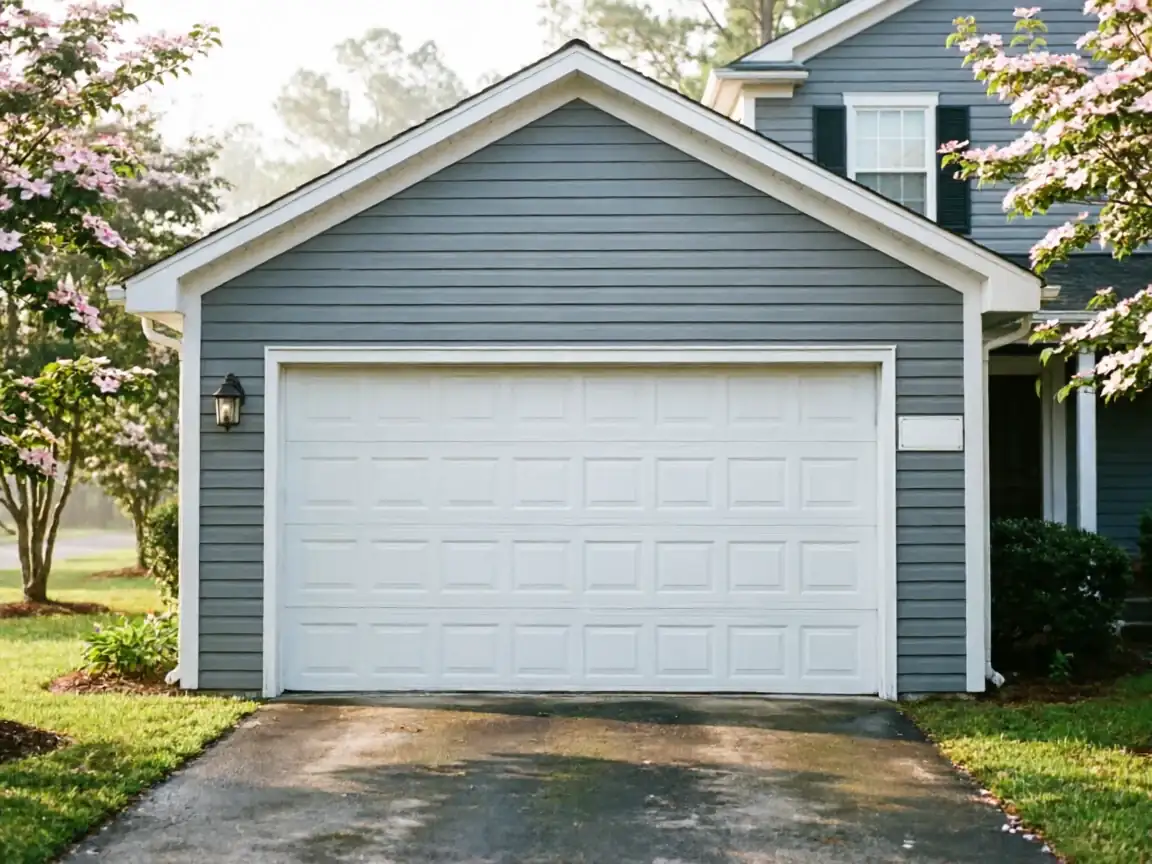
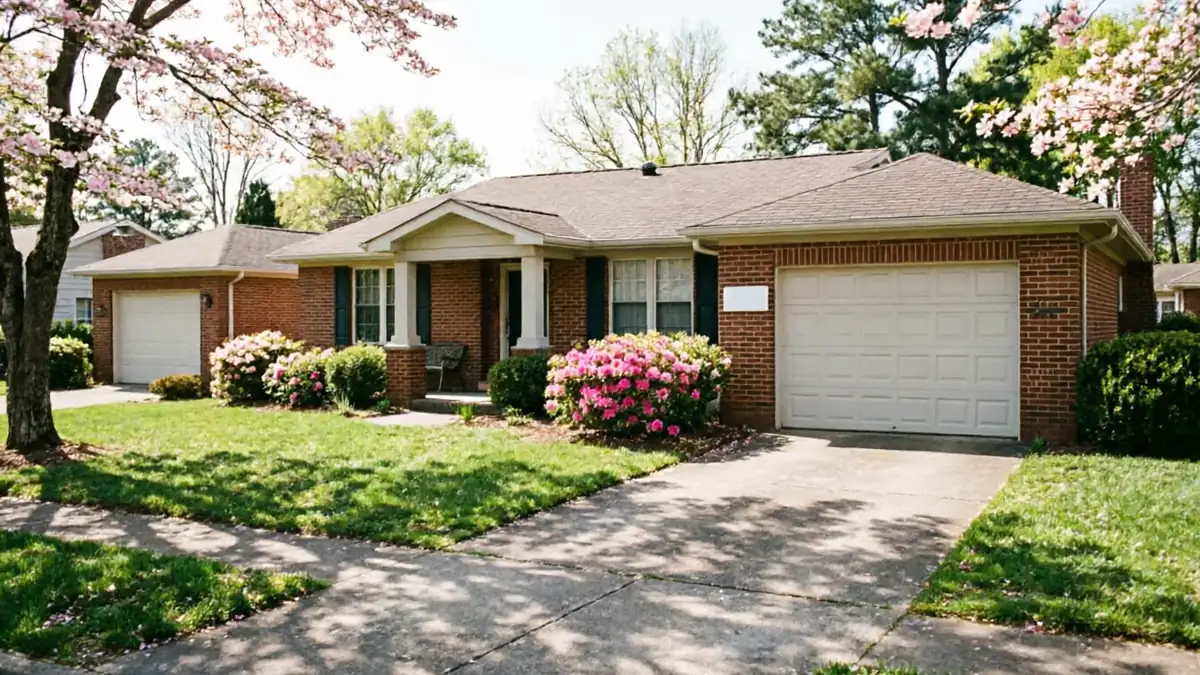
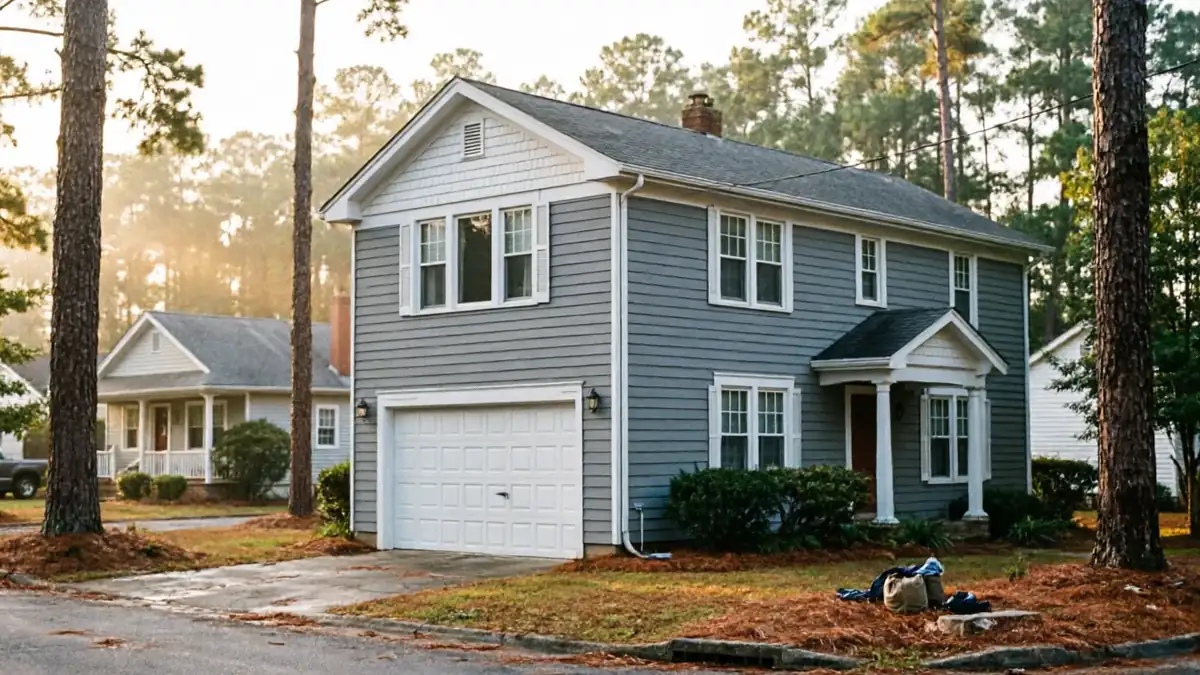
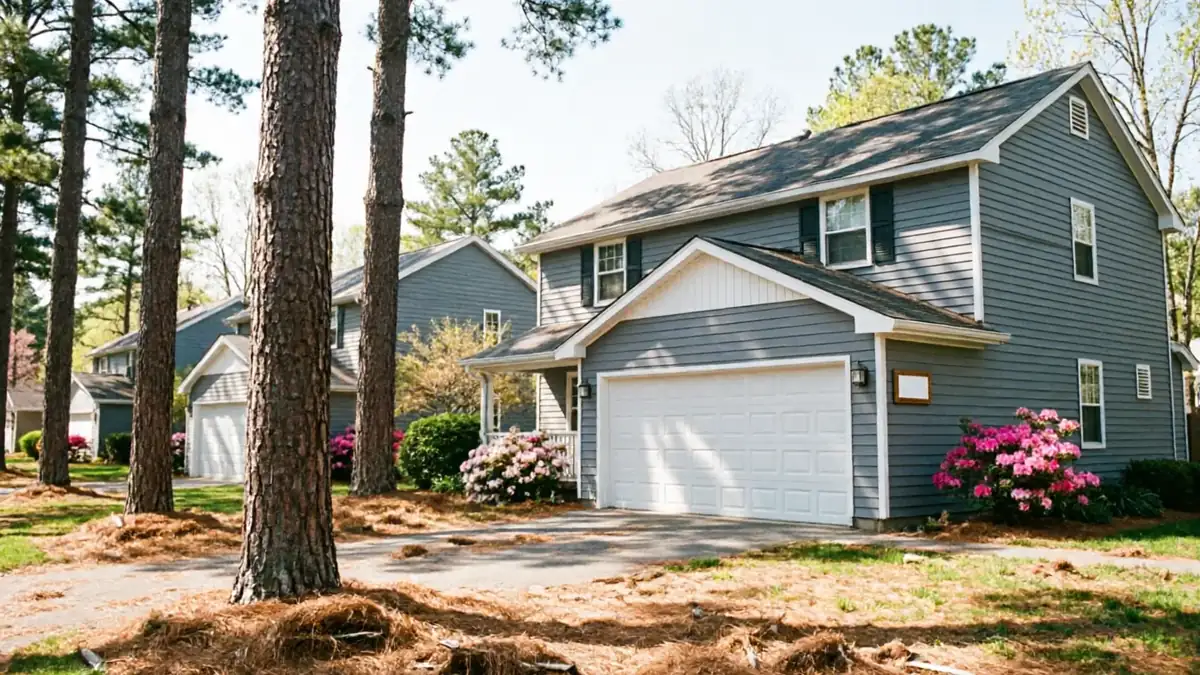
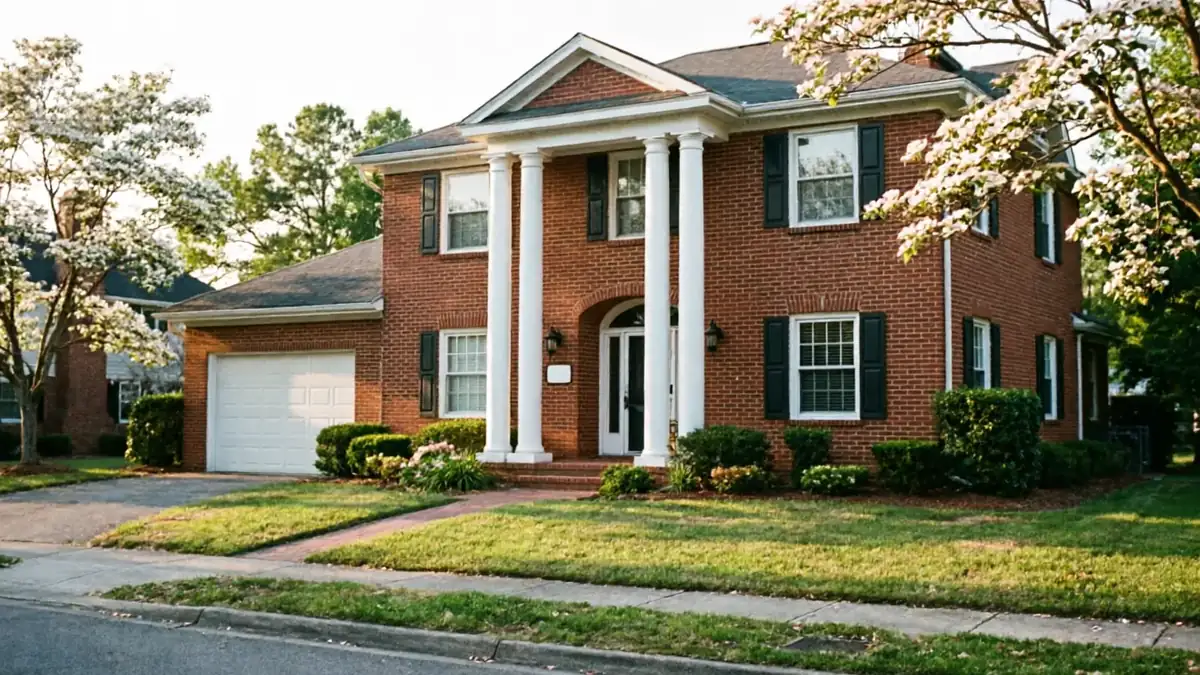
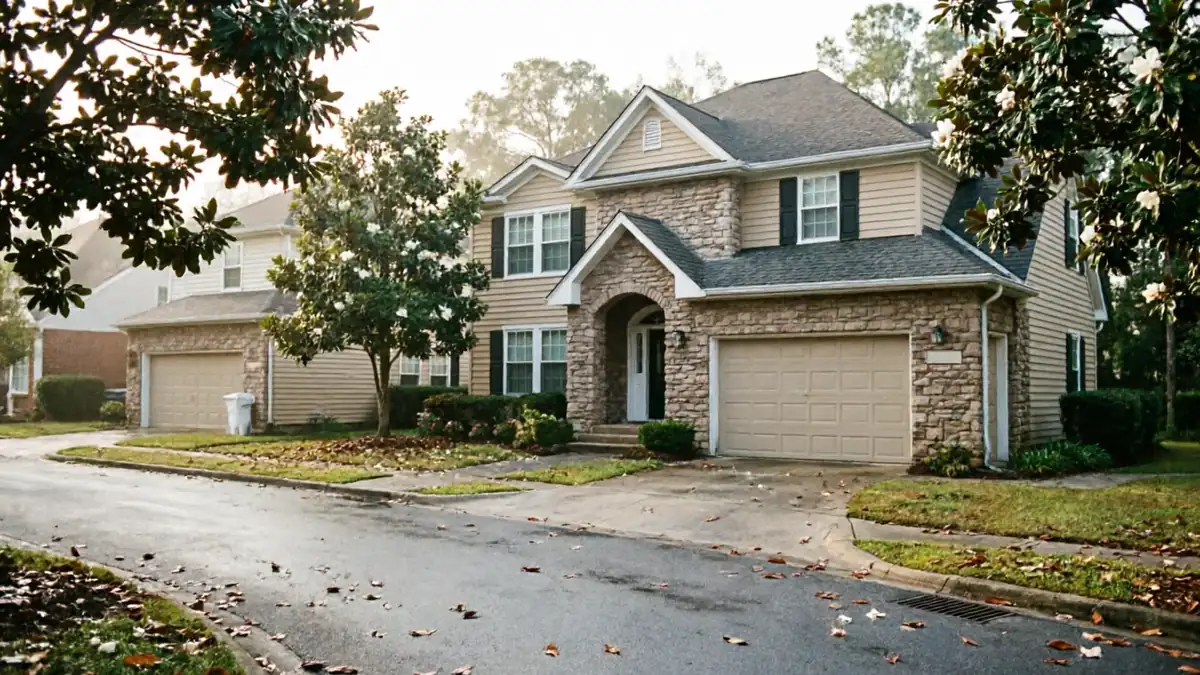
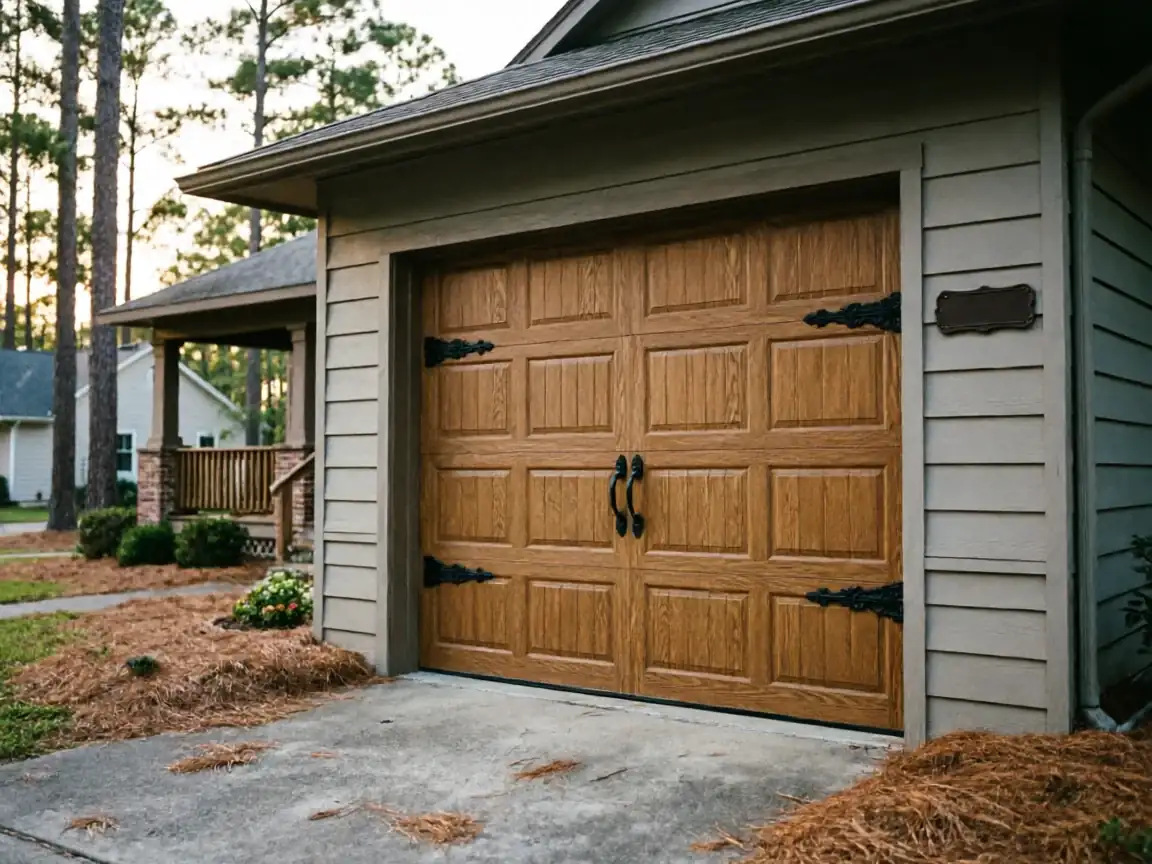
Euharlee is newer construction than a lot of what we work on closer to Acworth. The median house out here went up around 1996, which puts most of the neighborhood solidly into steel sectional doors on standard torsion springs rather than the older wood-panel doors with drum hardware you'll still find on pre-1980 houses elsewhere in the service area. That matters because parts availability and failure patterns both track the build era. A 1996 door is old enough that the original springs have likely been replaced at least once, but young enough that the opener is probably a chain or belt-drive unit with a circuit board, not a mechanical relay system. Across the wider area we cover, the median build year is 1989, so Euharlee sits about seven years newer than the norm. That's not a huge gap, but it's enough that we see fewer of the oddball torsion-drum setups and more standard 7-foot sectional doors with off-the-shelf spring sizes. Easier to source parts for, generally. The housing stock across our 12 named service areas runs mostly 1980s and 90s construction anyway, and Euharlee falls on the newer end of that range rather than being an outlier.
What That Means for Doors
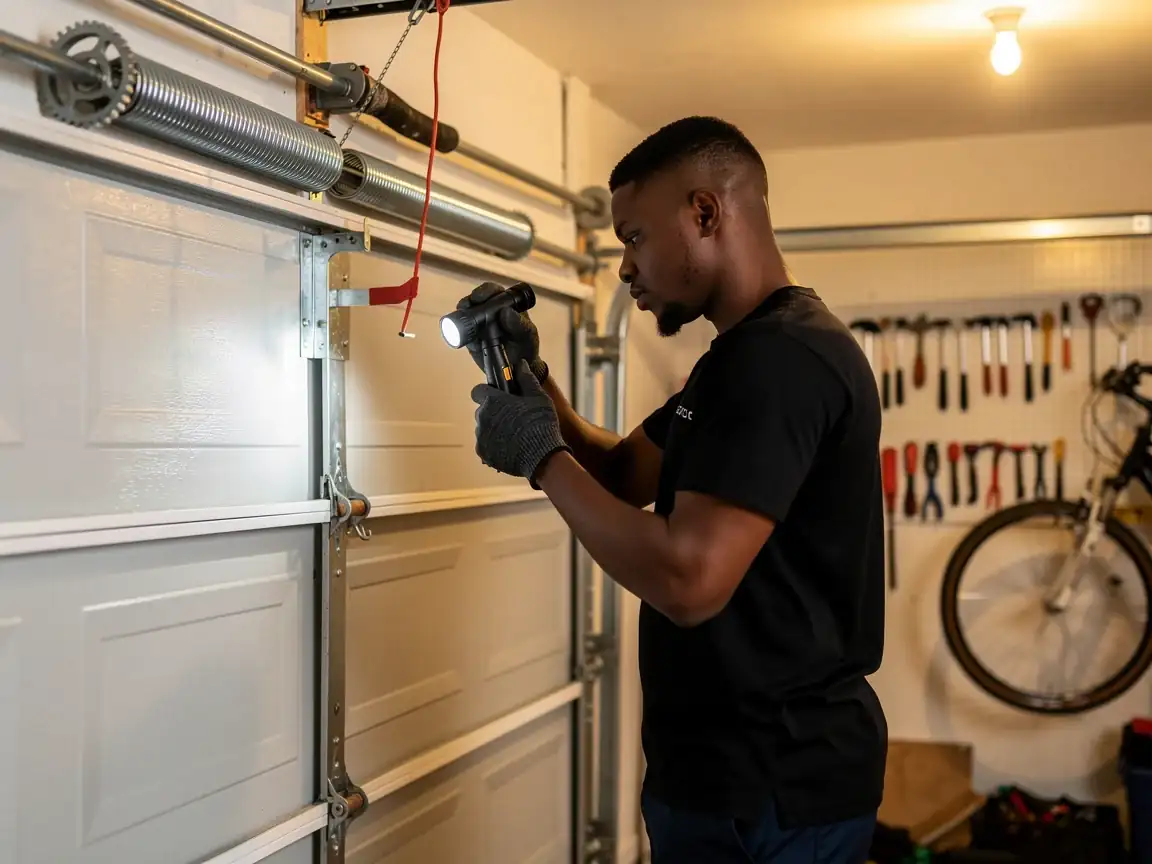
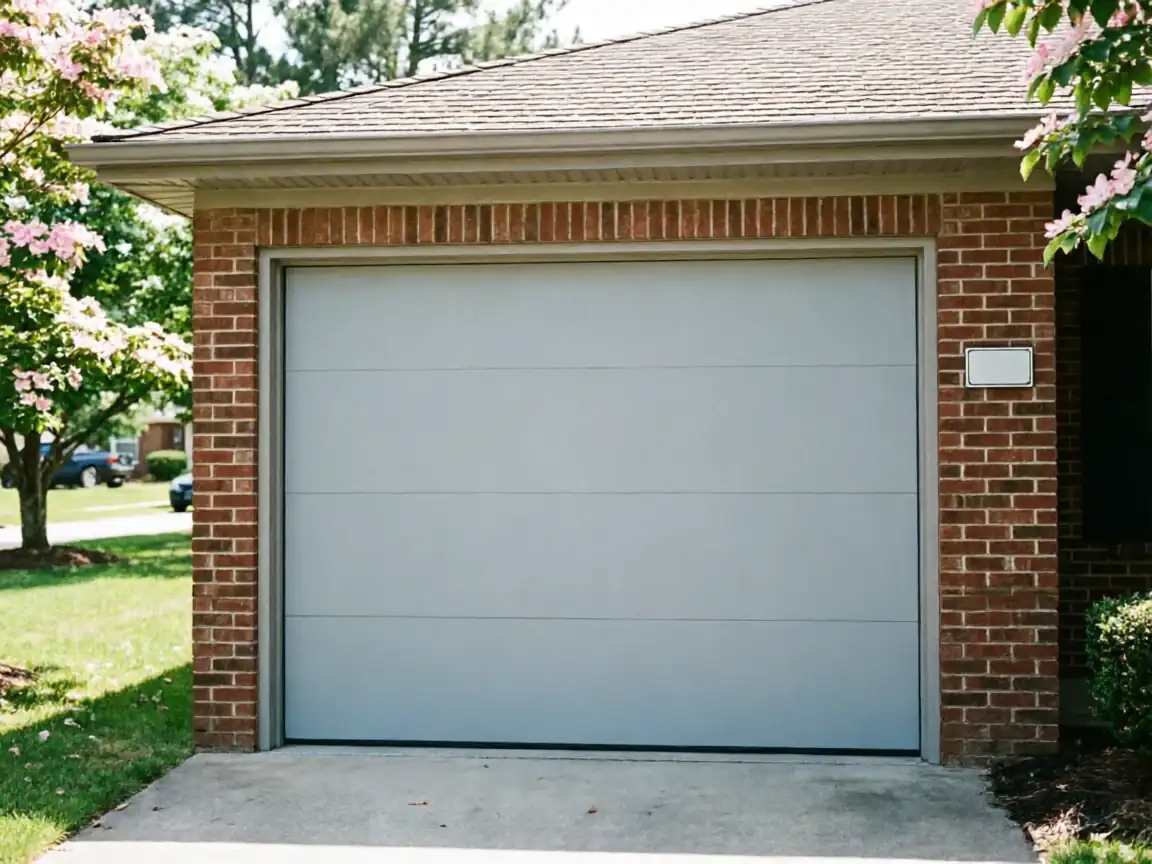
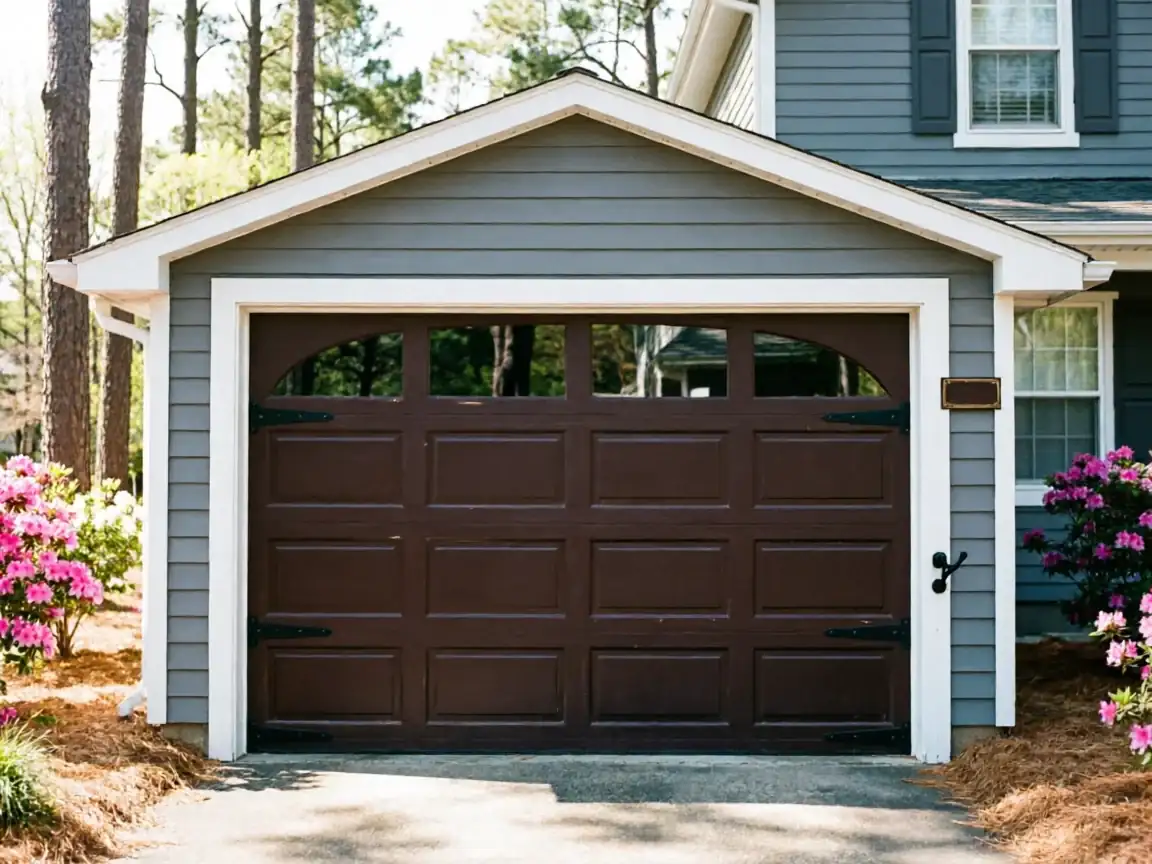
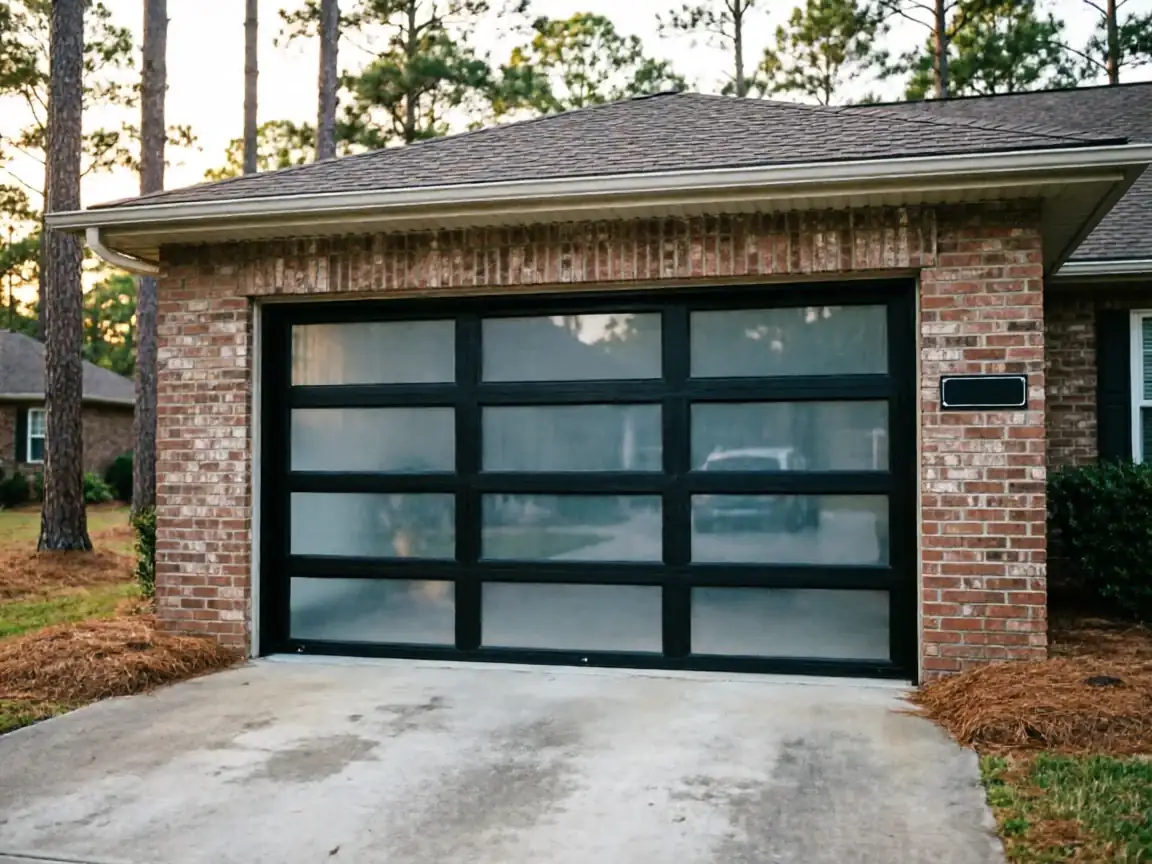
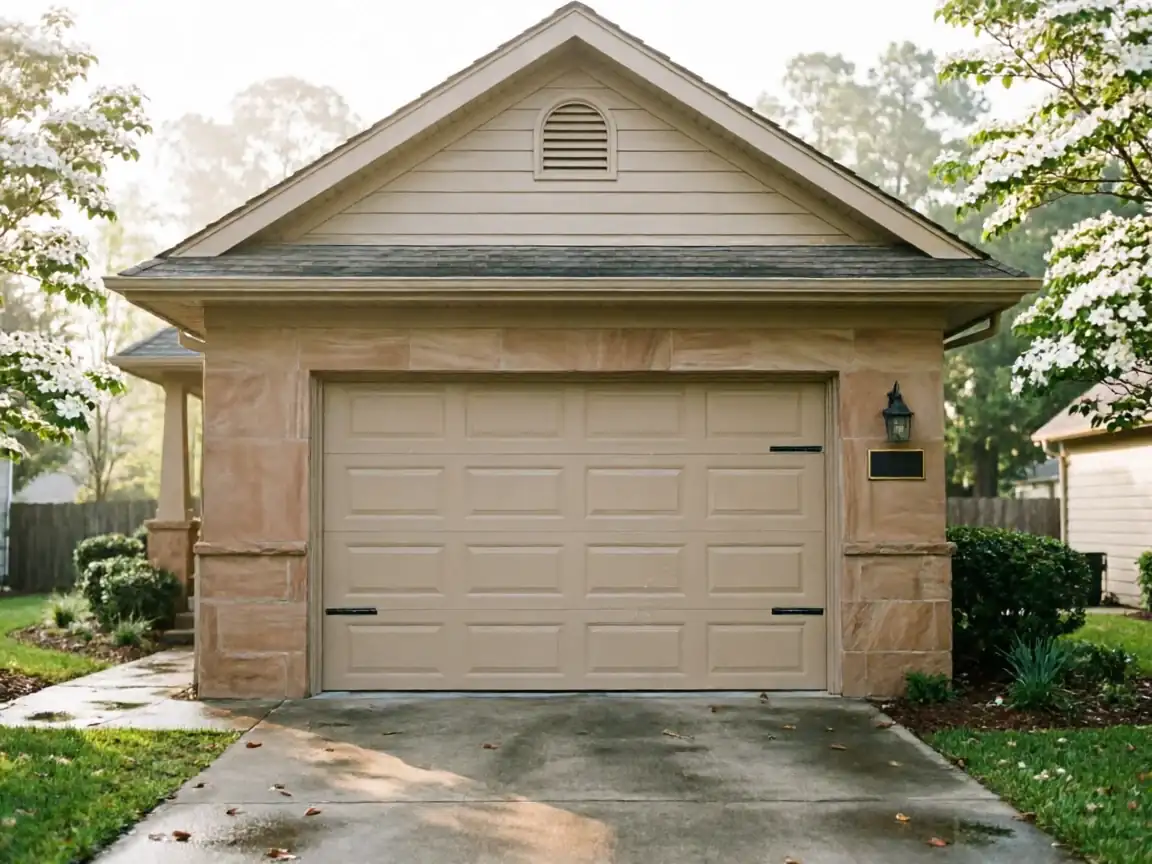
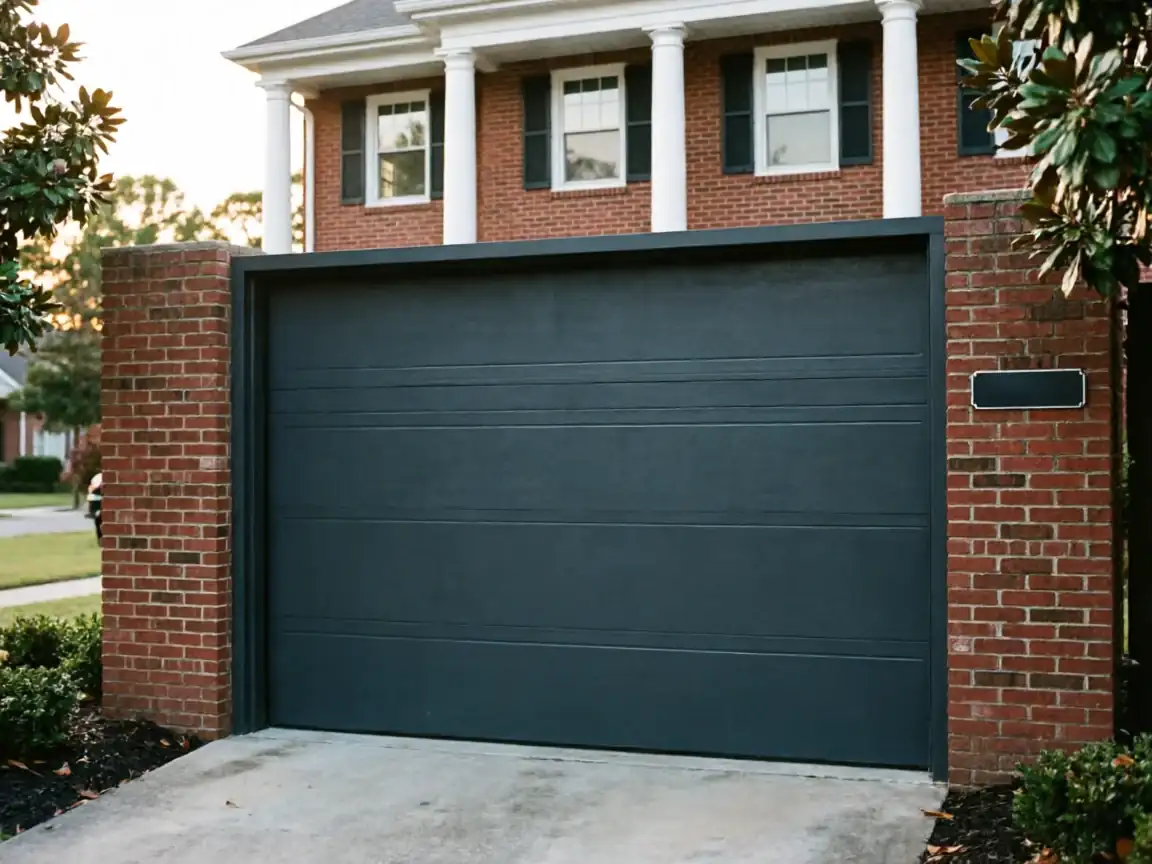
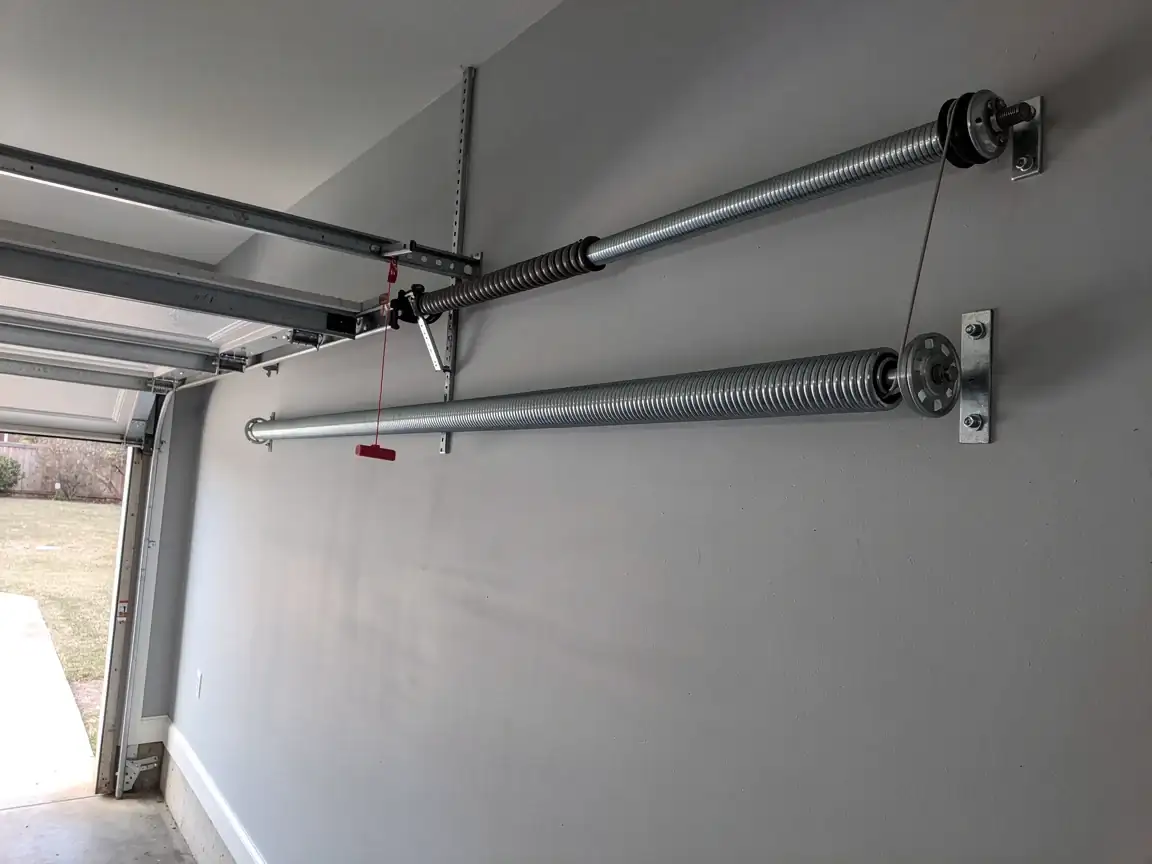
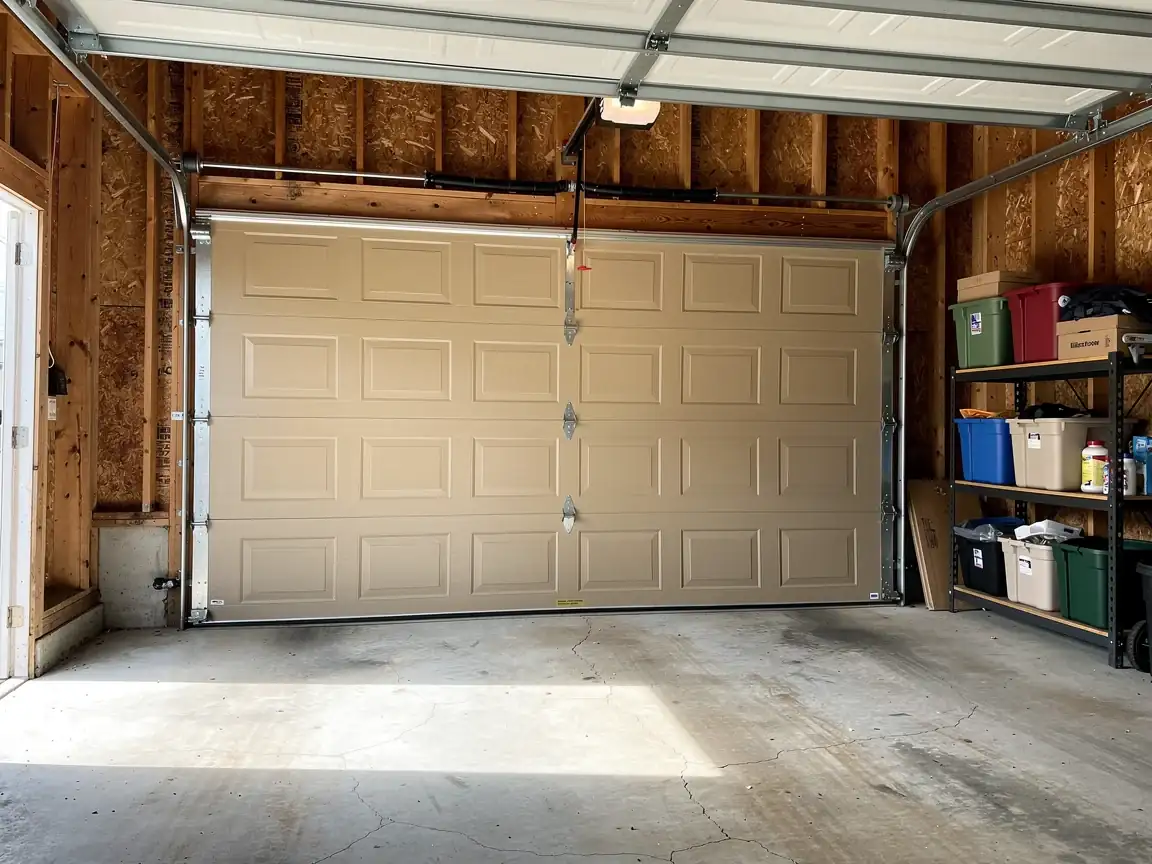
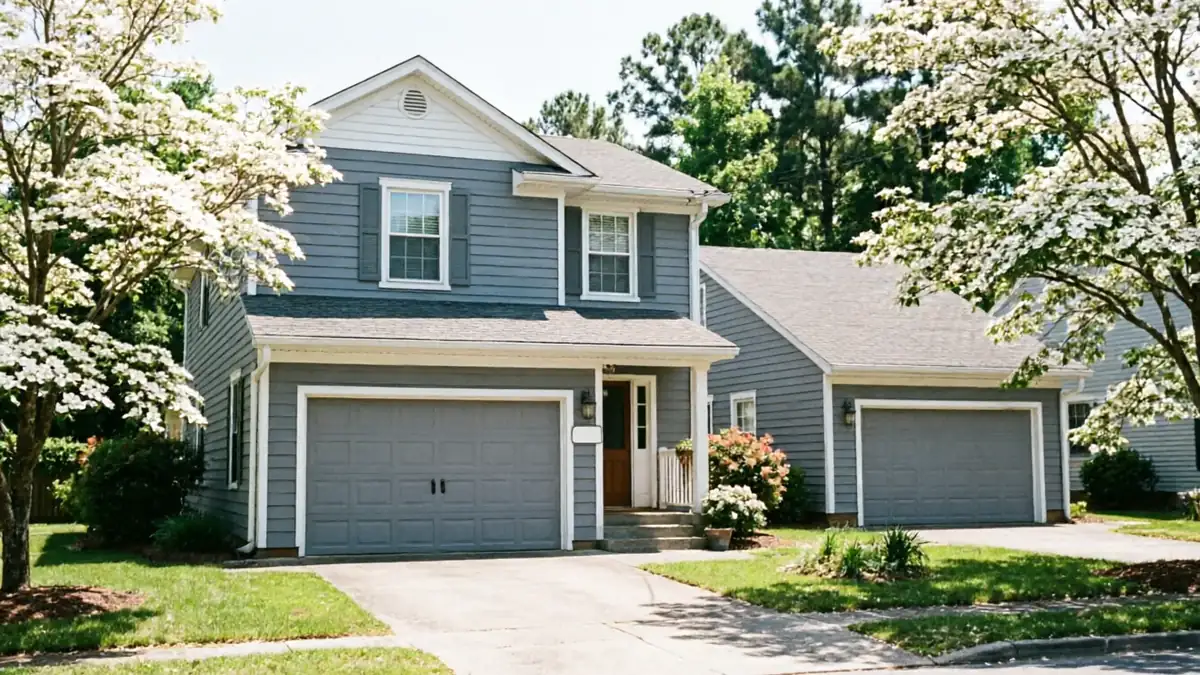
With houses mostly dating to the mid-90s, the doors we see in Euharlee are steel sectional units, usually on torsion springs sized for a 7-foot opening, with openers that are chain or belt drive rather than the older screw-drive units from the 1970s and 80s. That's a more standardized setup than what we deal with in older pockets of the service area, which cuts down on guesswork when we're sizing a replacement spring or matching a track. The climate here runs cold-moderate, which doesn't demand anything exotic in hardware, but it does mean galvanized springs and weatherstripping that actually seals matter more than they would somewhere warmer. One honest limitation: if your door is an older or less common brand from that era, with a proprietary track profile or a discontinued opener board, we may not carry that part on the truck and could need to order it. That's true of any 1990s door regardless of town, but it's worth knowing before you expect a same-visit fix. A straightforward spring swap or roller replacement, though, is usually a one-trip job on this generation of hardware.
The Calls We Get From Here
Euharlee has roughly 1,336 households, a small slice of the 37,582 across the full area we cover from Acworth, so this isn't a neighborhood we're running trucks through every day. Median household income here runs around $83,750, a few thousand above the $78,351 median across the wider service area, and homes in this bracket tend to have kept up on maintenance, so the calls skew toward a specific spring or opener failing on schedule rather than years of deferred neglect catching up all at once. That lines up with what you'd expect from 1990s-built housing stock generally: parts wear out in a fairly predictable order, starting with springs, then rollers, then opener boards. We don't try to guess what's wrong over the phone beyond ruling out the obvious, and we won't quote a repair before someone's looked at the door in person. If the hardware's original to a 1996 build and still functioning, replacement is sometimes the better call over patching a 30-year-old torsion system, but that's a conversation to have on site, not a default we push.