How It Shows Up
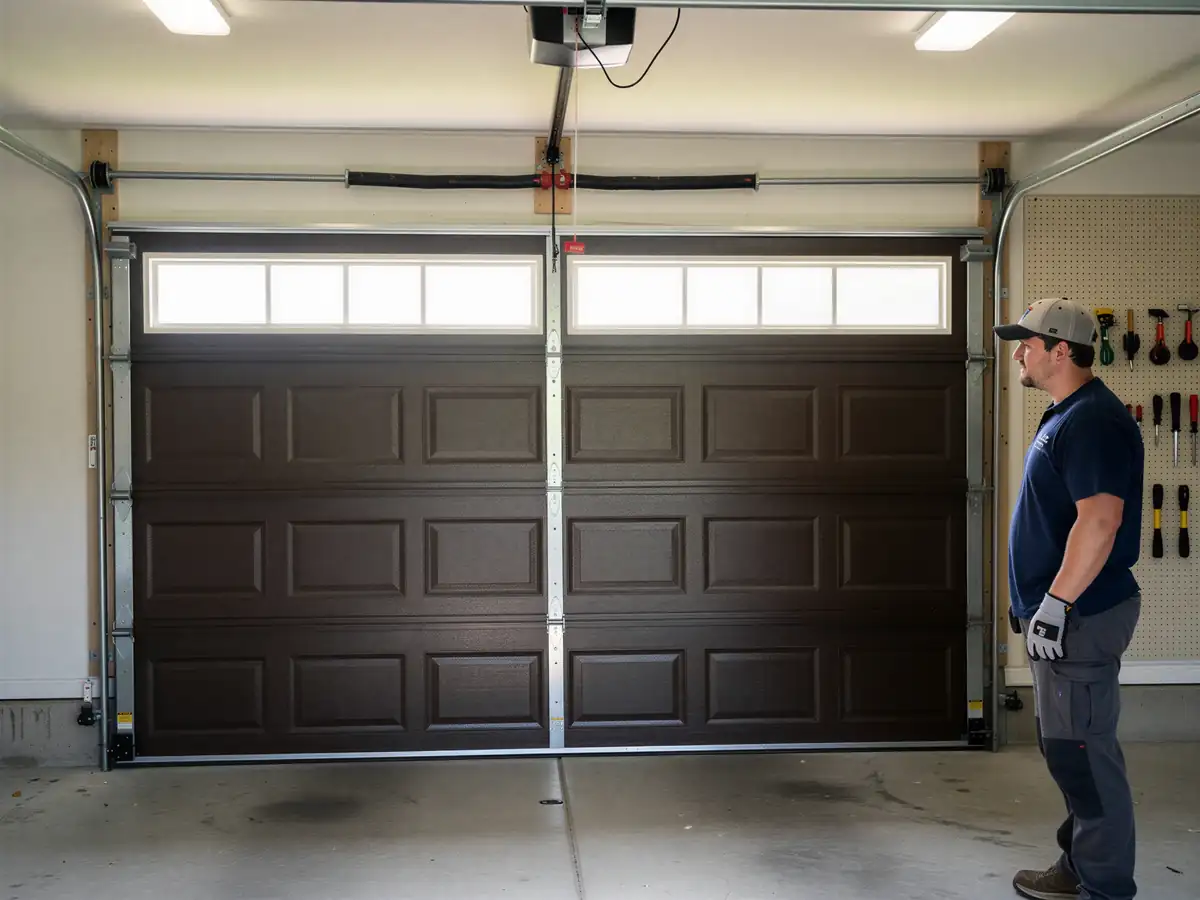
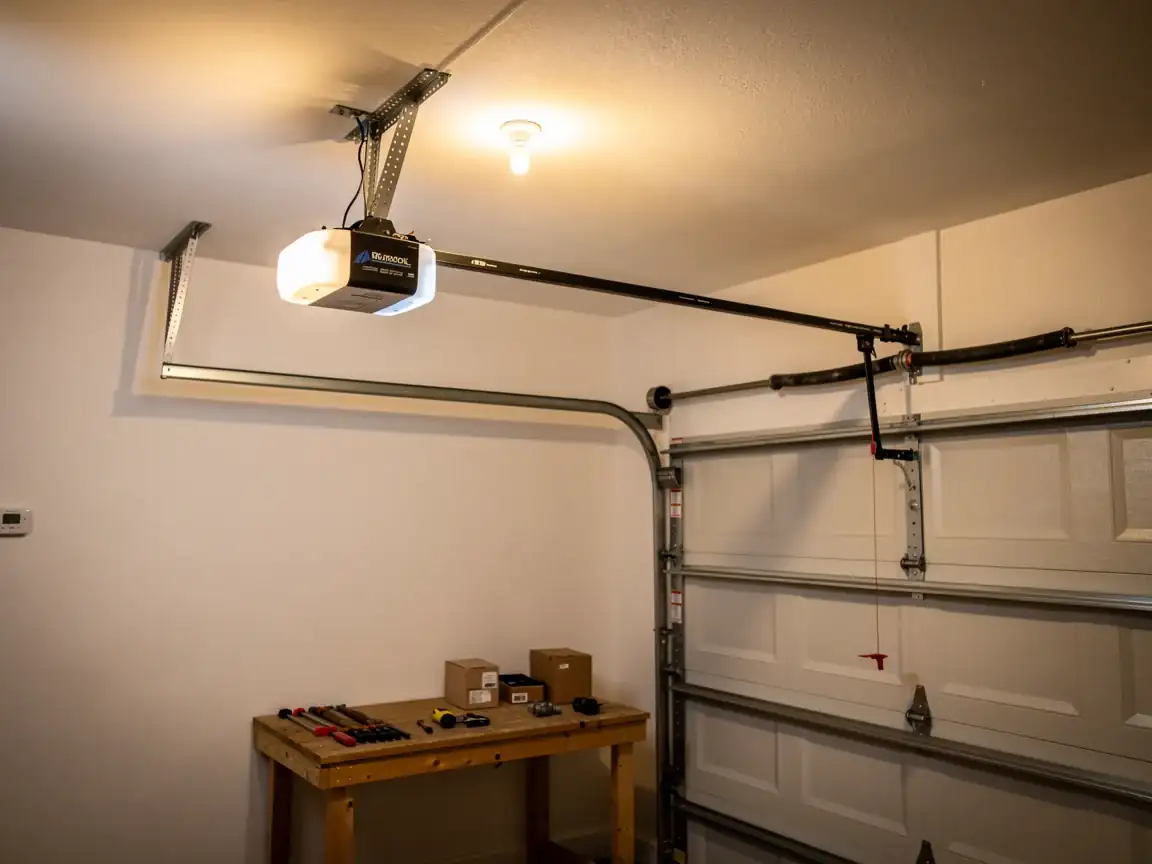
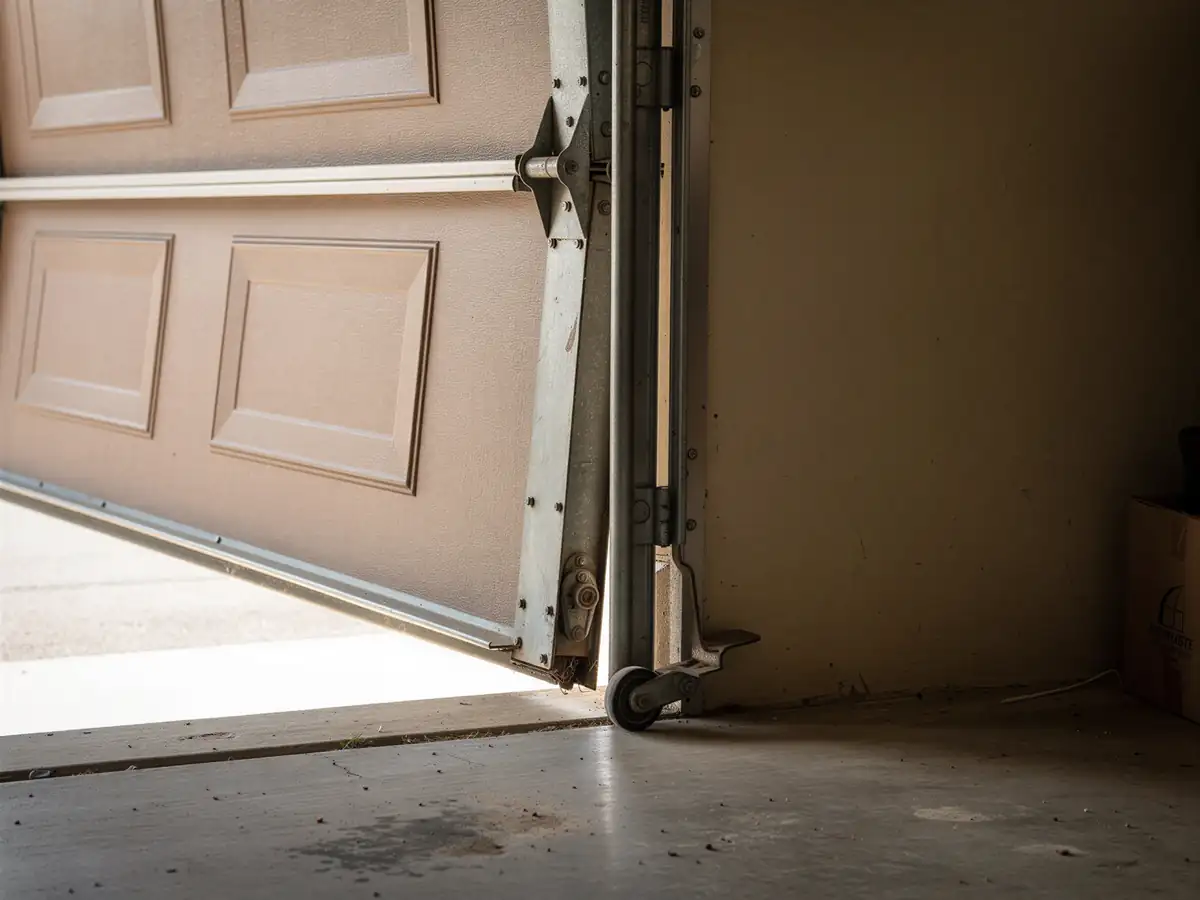
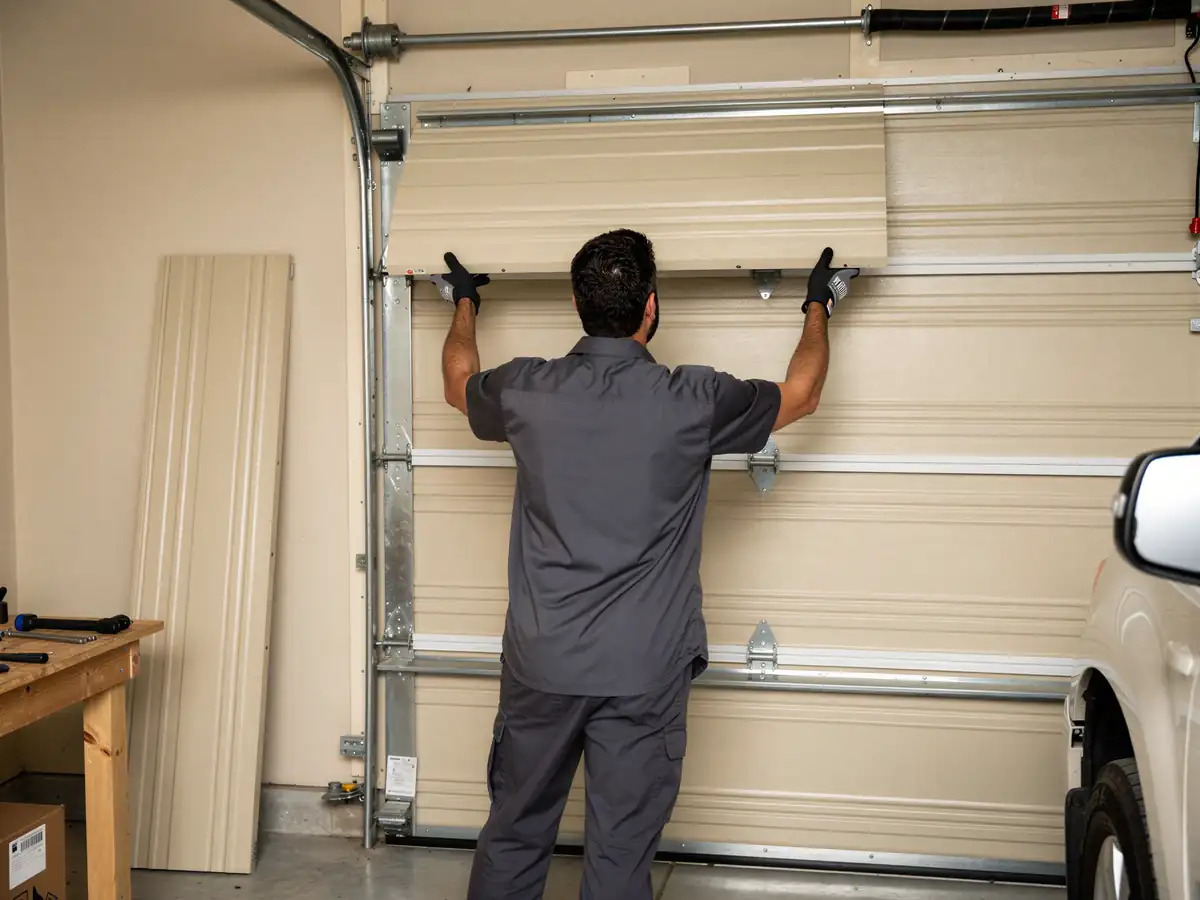
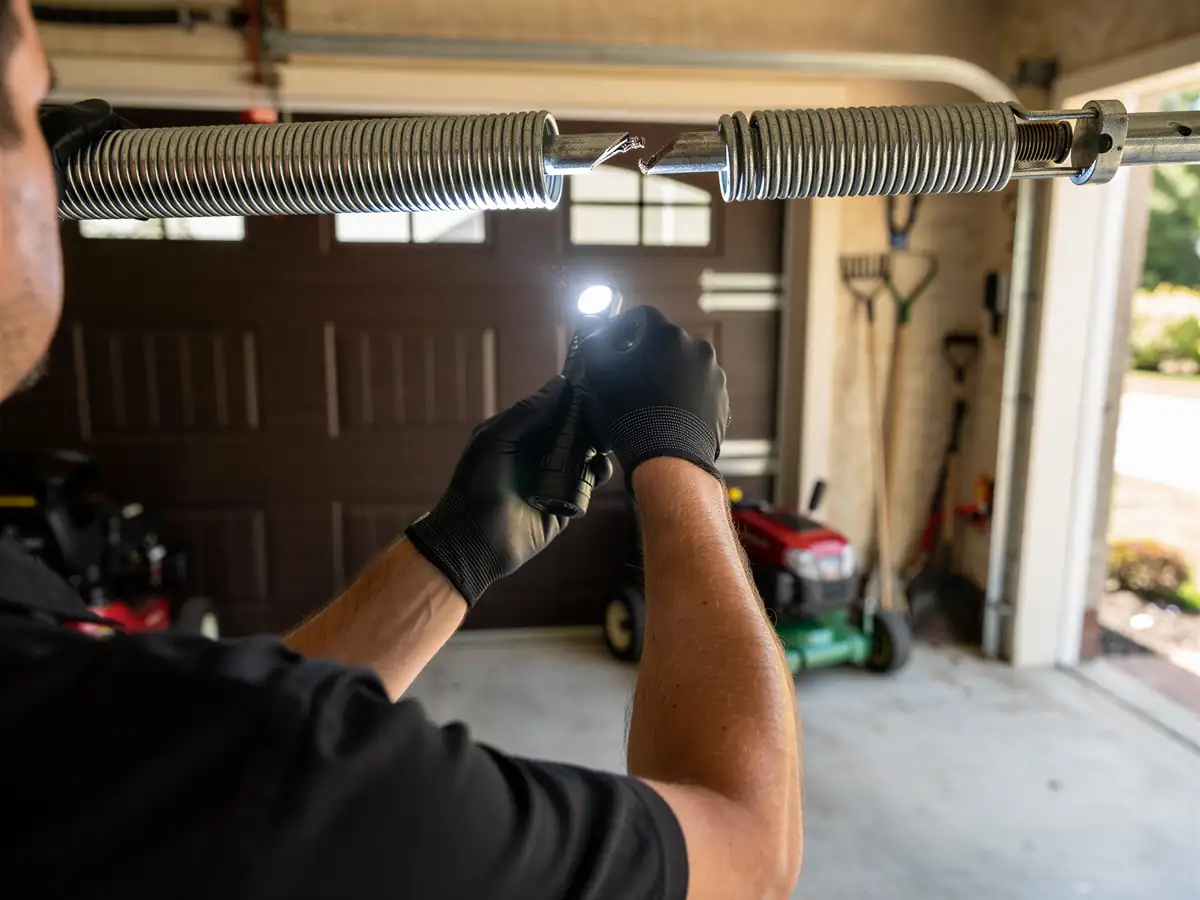
Most calls start the same way: the door hesitates, then groans, then stops partway. Sometimes it's a slow sag on one side as a cable starts to fray. Sometimes the opener runs but the door doesn't move at all, which usually points to a spring that's already gone. In Acworth, where the bulk of the housing was built between 1964 and 2007 with the median landing around 1989, a huge share of doors are original equipment or a first replacement from the 90s or early 2000s. That means a lot of torsion springs are well past their cycle life, and a lot of openers still running on chain-drive units from that era are due for failure, not just a tune-up. You'll also see panels pulling away from rollers on older steel doors, since the galvanizing on 80s-era hardware wears thin faster than people expect. None of this is dramatic until the day it is - the door that worked fine yesterday and won't budge this morning.
Doing It Yourself
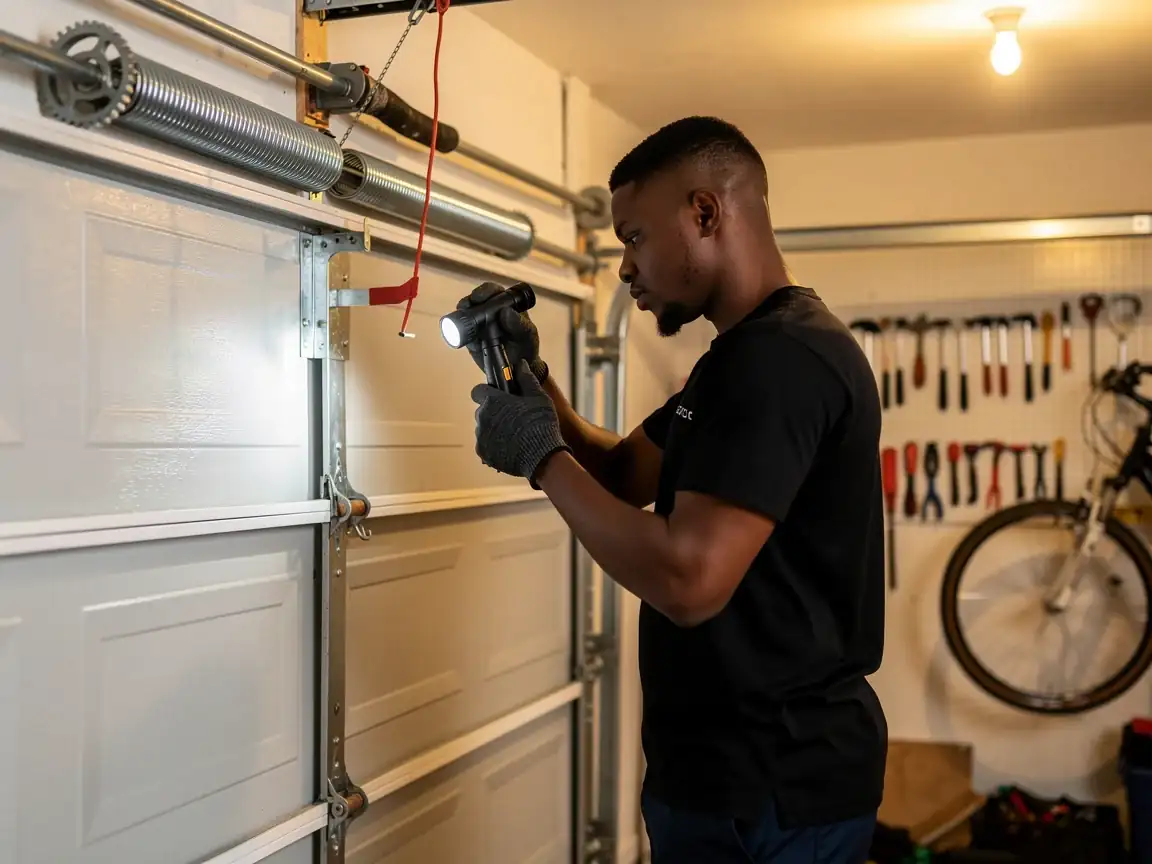
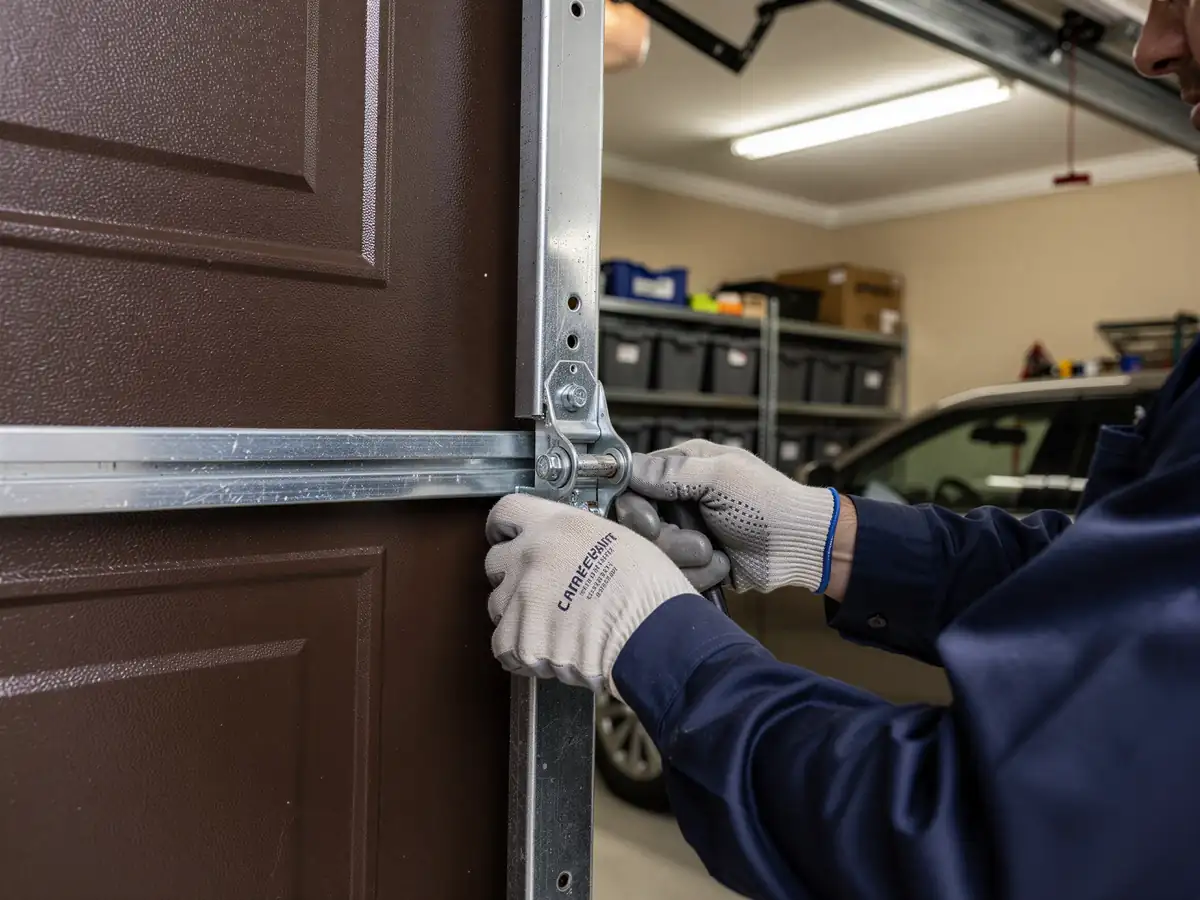
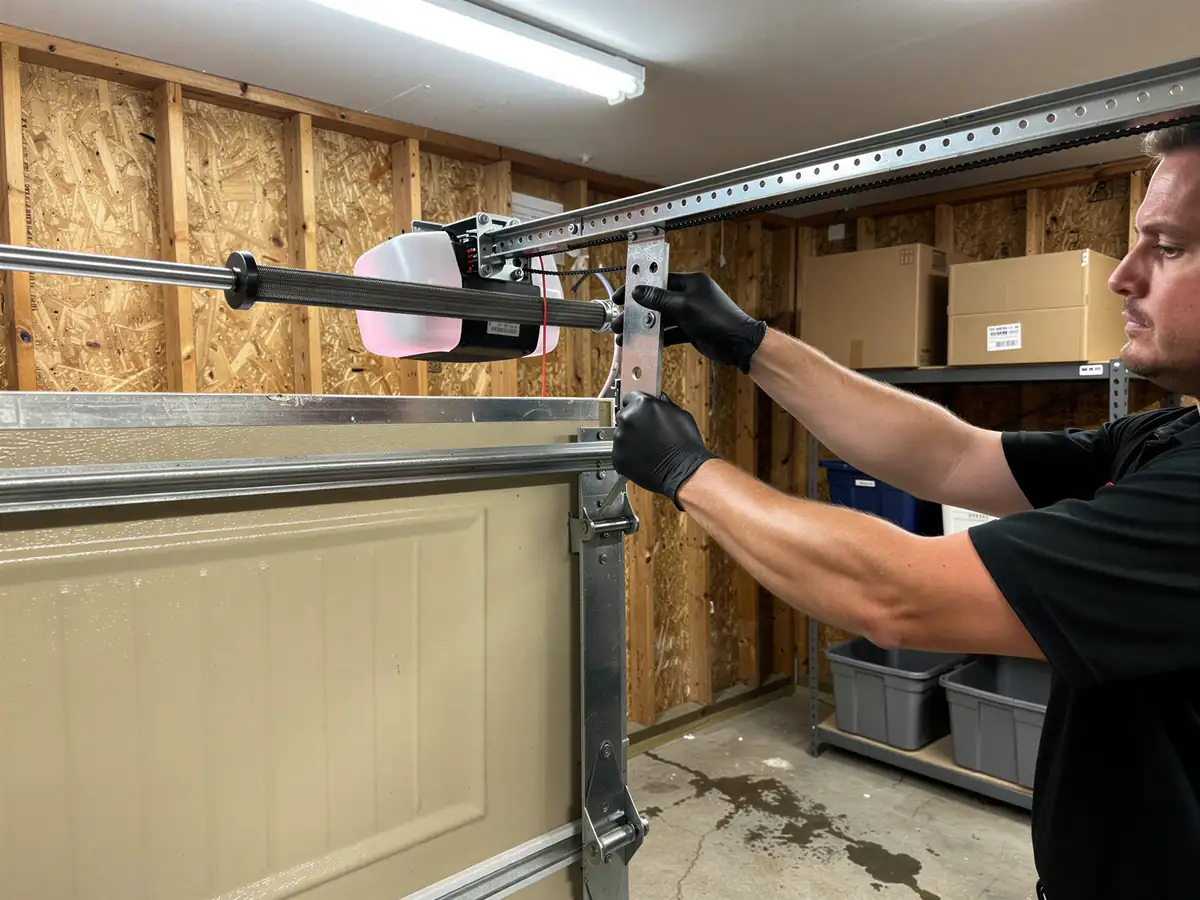
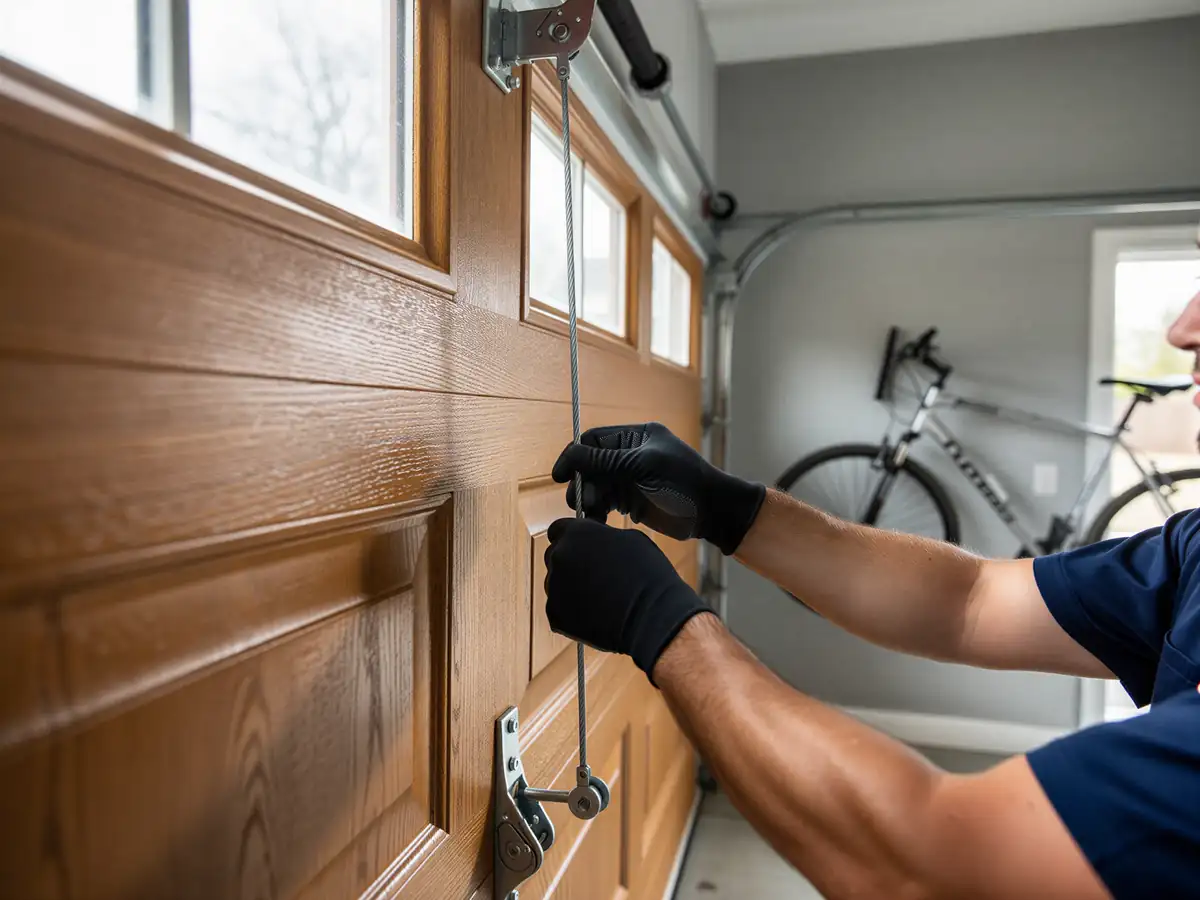
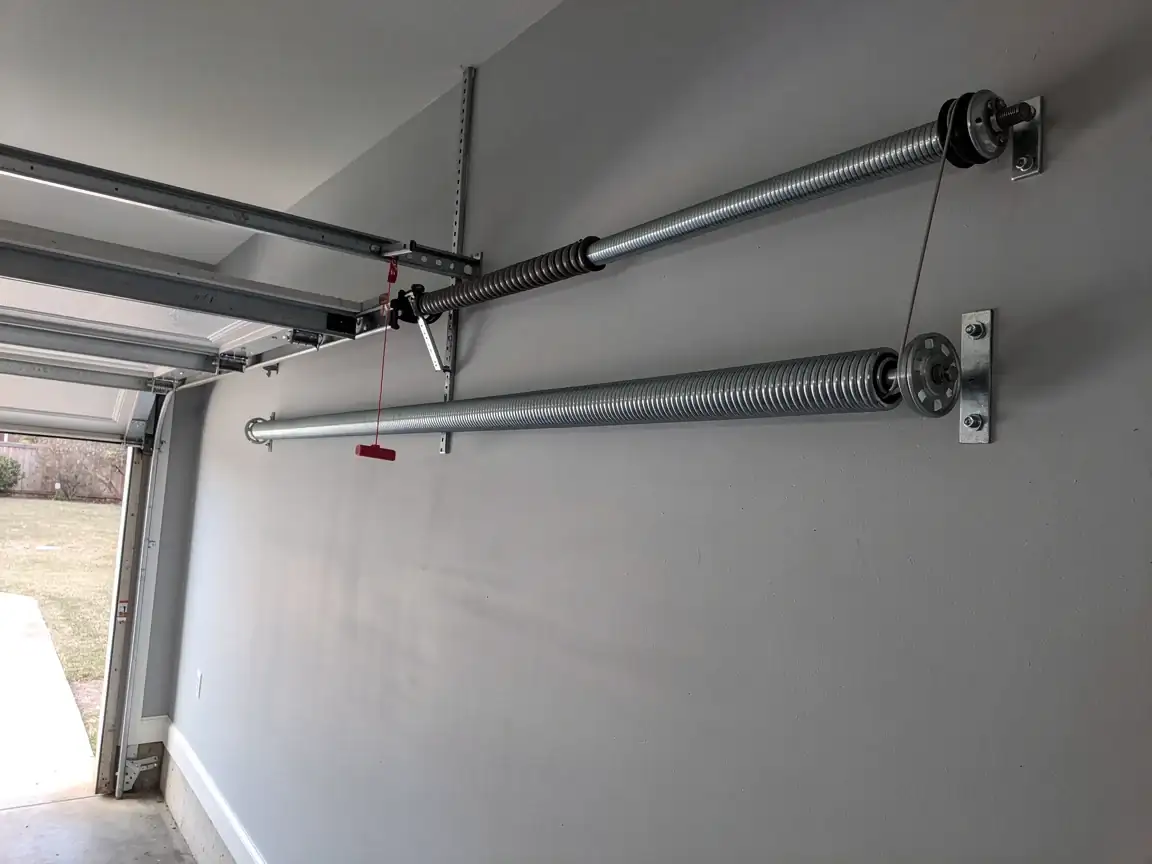
Lubricating hinges, rollers, and the track, tightening visible hardware, and testing the auto-reverse safety feature are all reasonable homeowner jobs, and worth doing a couple times a year regardless of what else is going on. What isn't reasonable is touching a torsion spring. These are under enough stored tension to cause serious injury, and that's true whether the door is five years old or thirty. If your door is from the original build era common across Acworth's older sections, the spring, cable, and drum are usually sized to specs that are hard to match without the right gauge and winding bars. We'd rather you call for that one part of the job and handle the rest yourself.
What Causes It Around Here
The pattern in Acworth traces back to timing: across the 12 named areas in the service territory, most homes went up through the 80s and 90s, with the overall build range running 1964 to 2007. That's a lot of houses crossing the 20-to-35-year mark on original or first-replacement hardware at roughly the same time, which is why service calls cluster the way they do rather than trickling in evenly. The cold-moderate climate here doesn't cause the kind of extreme swings that crack doors outright, but repeated freeze-thaw cycles in winter stiffen lubricant and tighten metal tolerances just enough to turn a marginal spring or worn roller into a failure point. Add in homes within a few miles of each other - Emerson at 6 miles, Hiram and Fair Oaks each around a dozen - built in the same construction wave, and you get a service area where age of hardware, not damage or misuse, is the main driver of the calls we run.