What Was Built Here
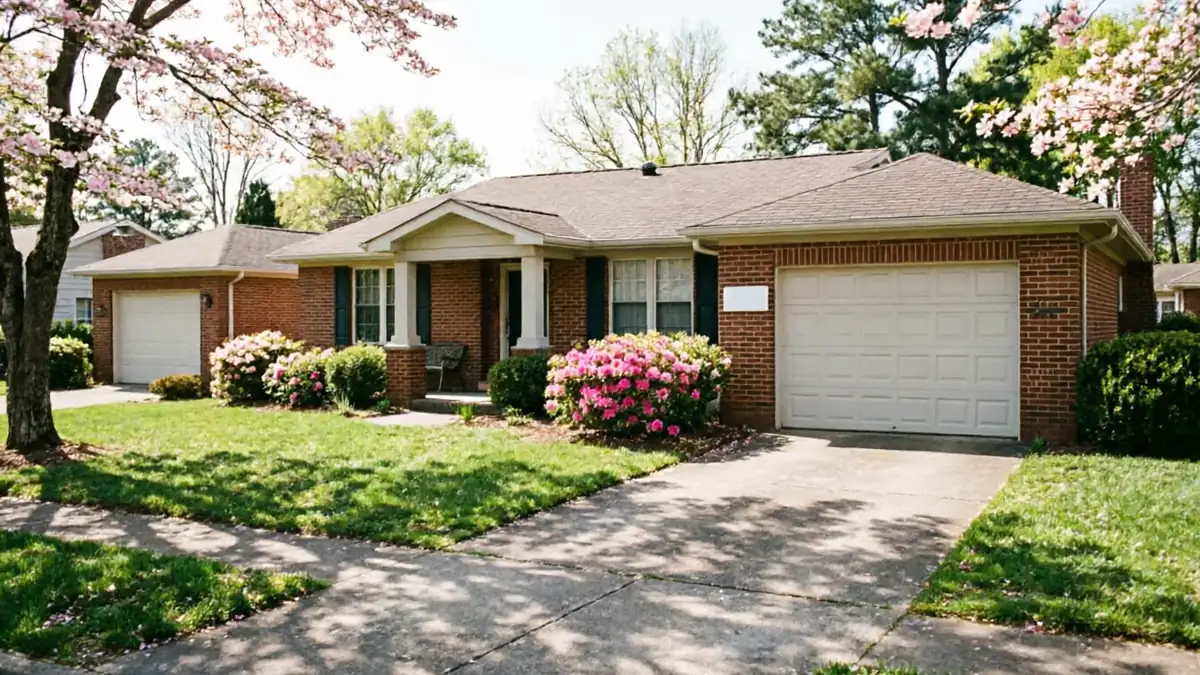
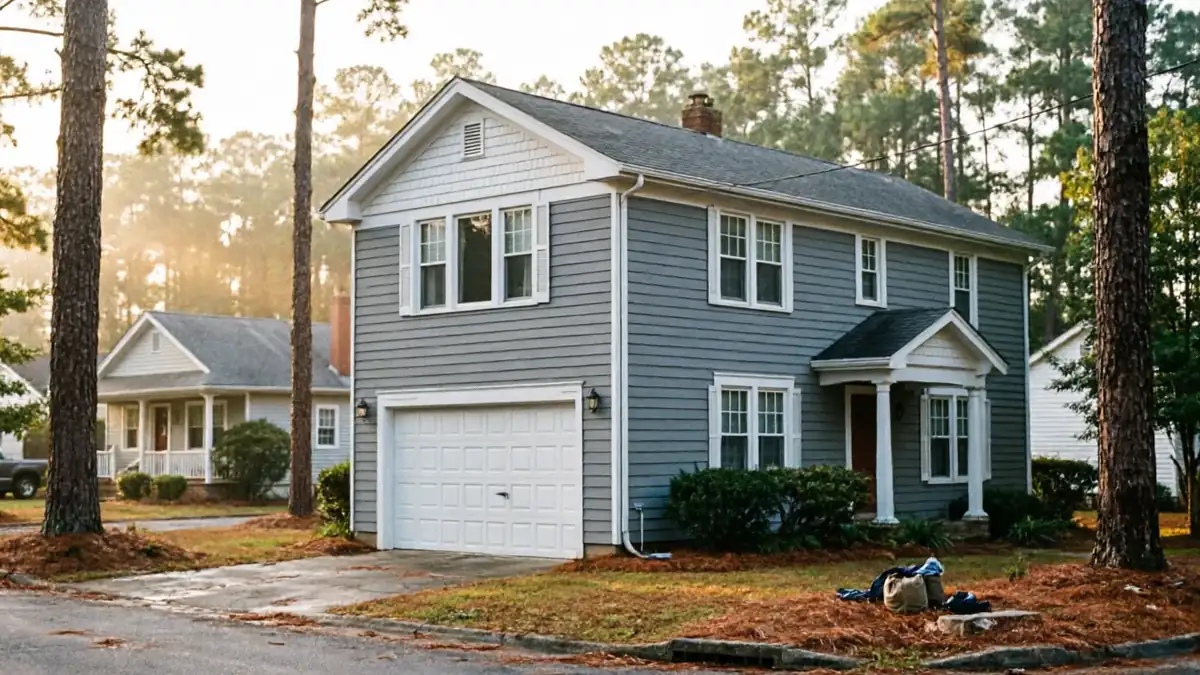
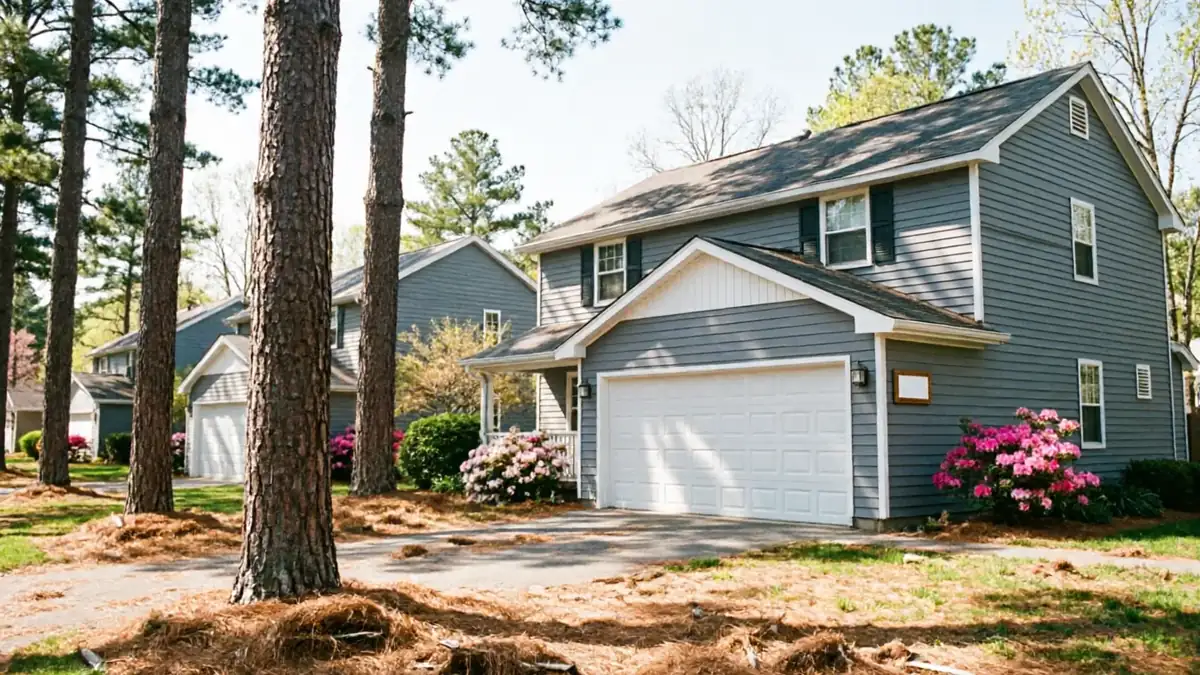
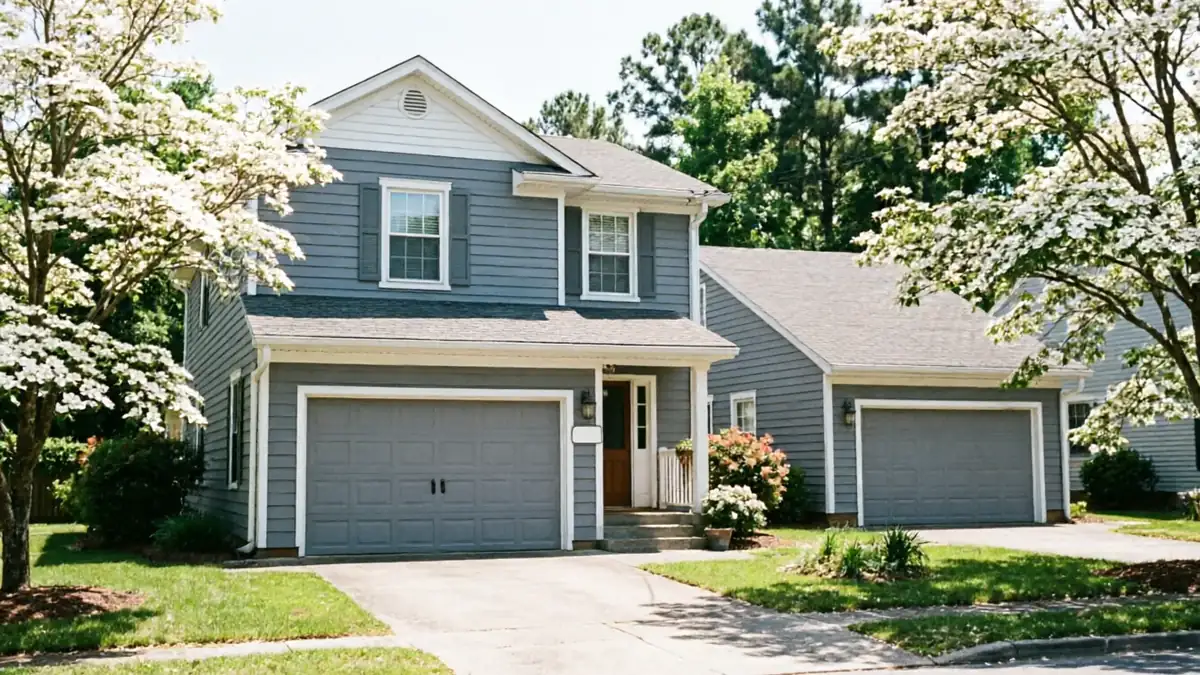
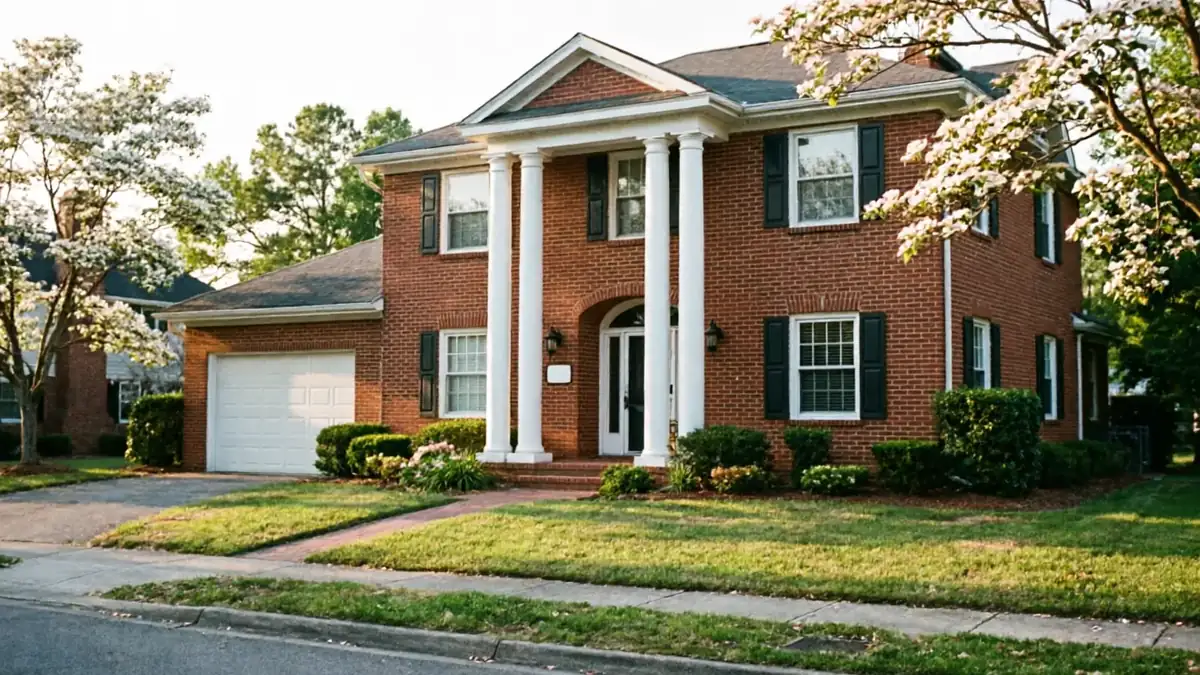
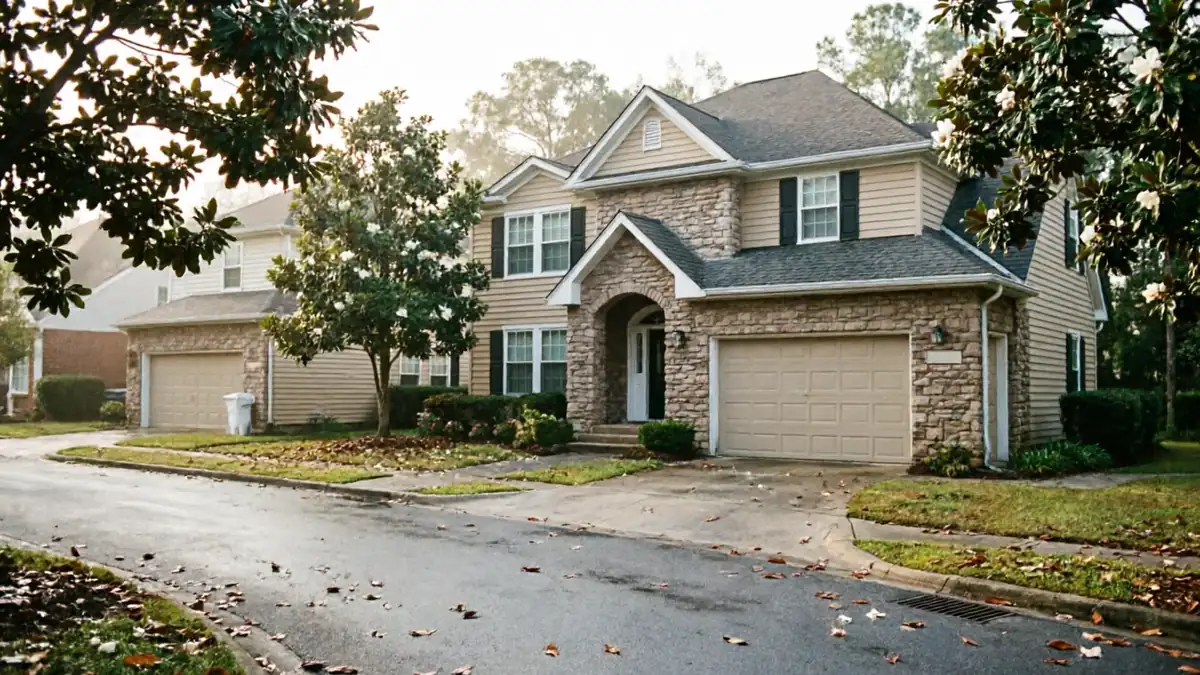
Powder Springs doesn't match the rest of our service area on paper. Across the twelve communities we cover, the housing runs from 1964 through 2007, with a median build year of 1989 and a real mix of eras in the mix. Powder Springs skews newer than that blend - the median build year here sits closer to 1995, which puts most of the stretch into one tight window instead of three or four overlapping ones.
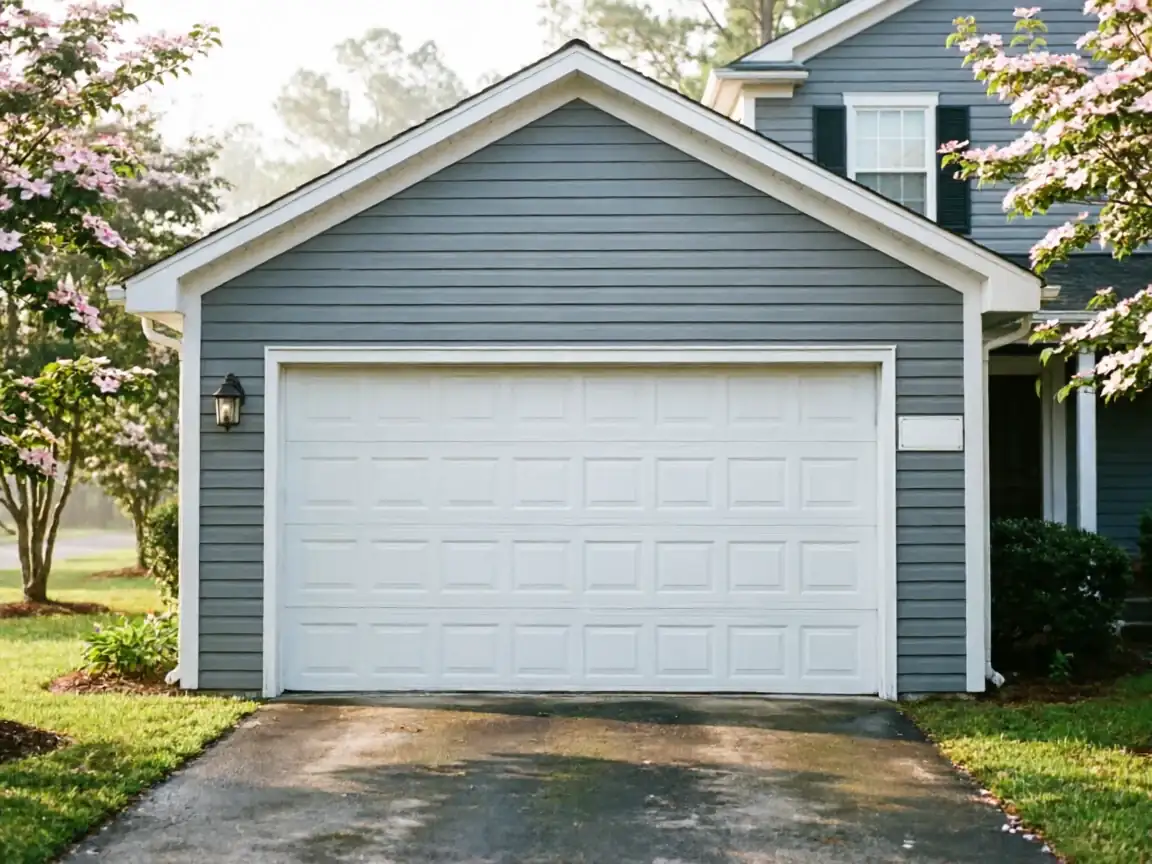
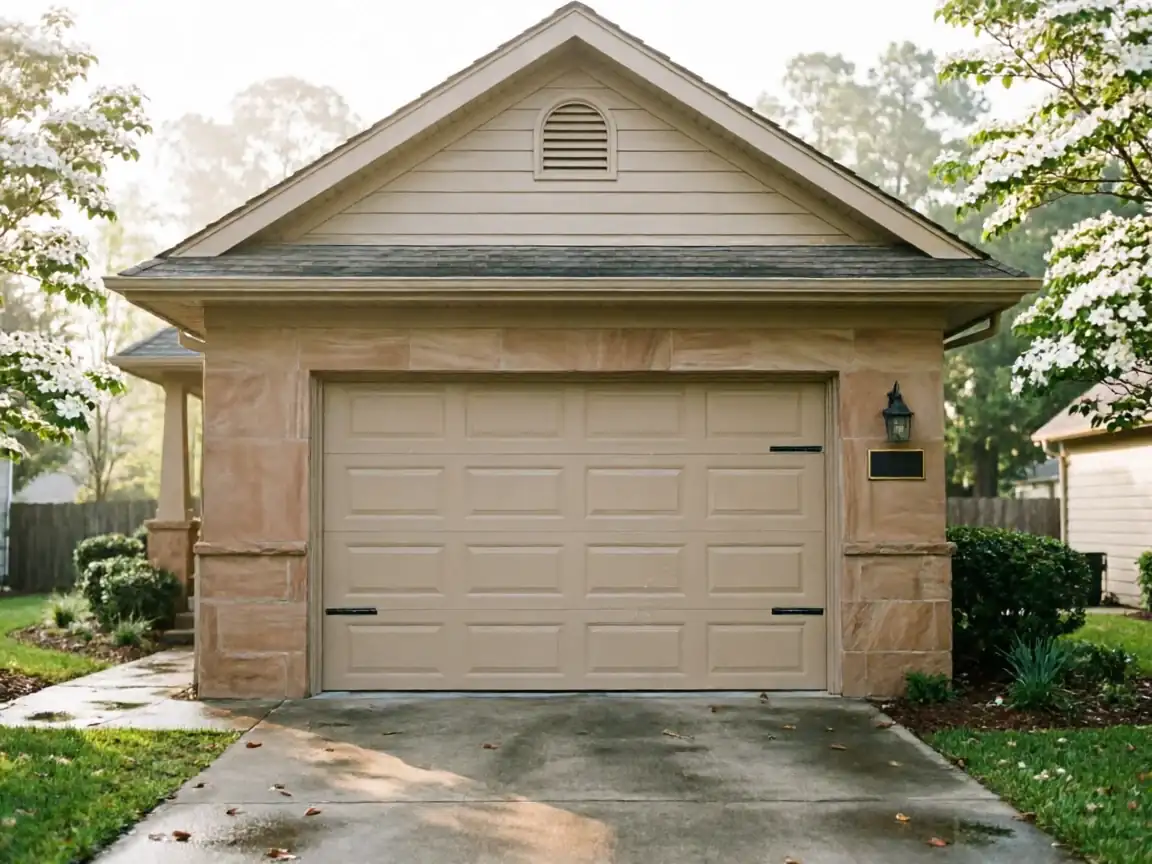
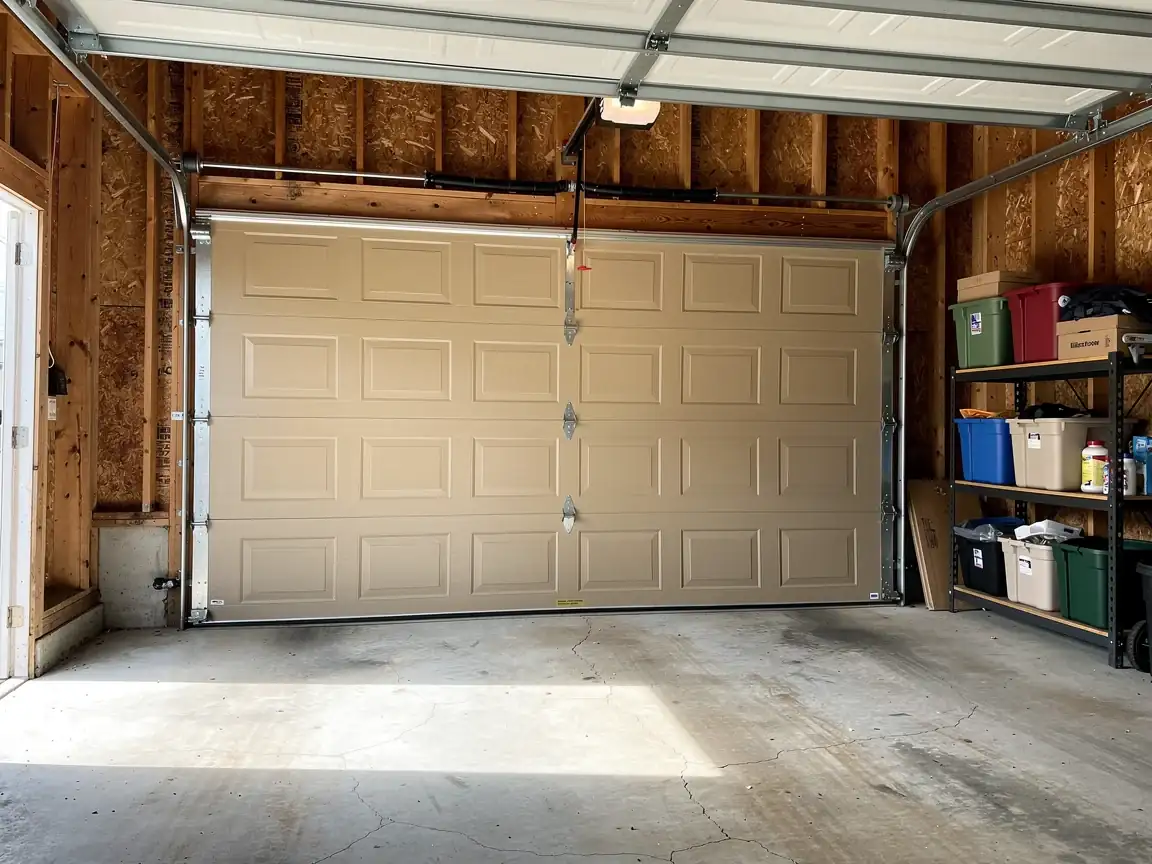
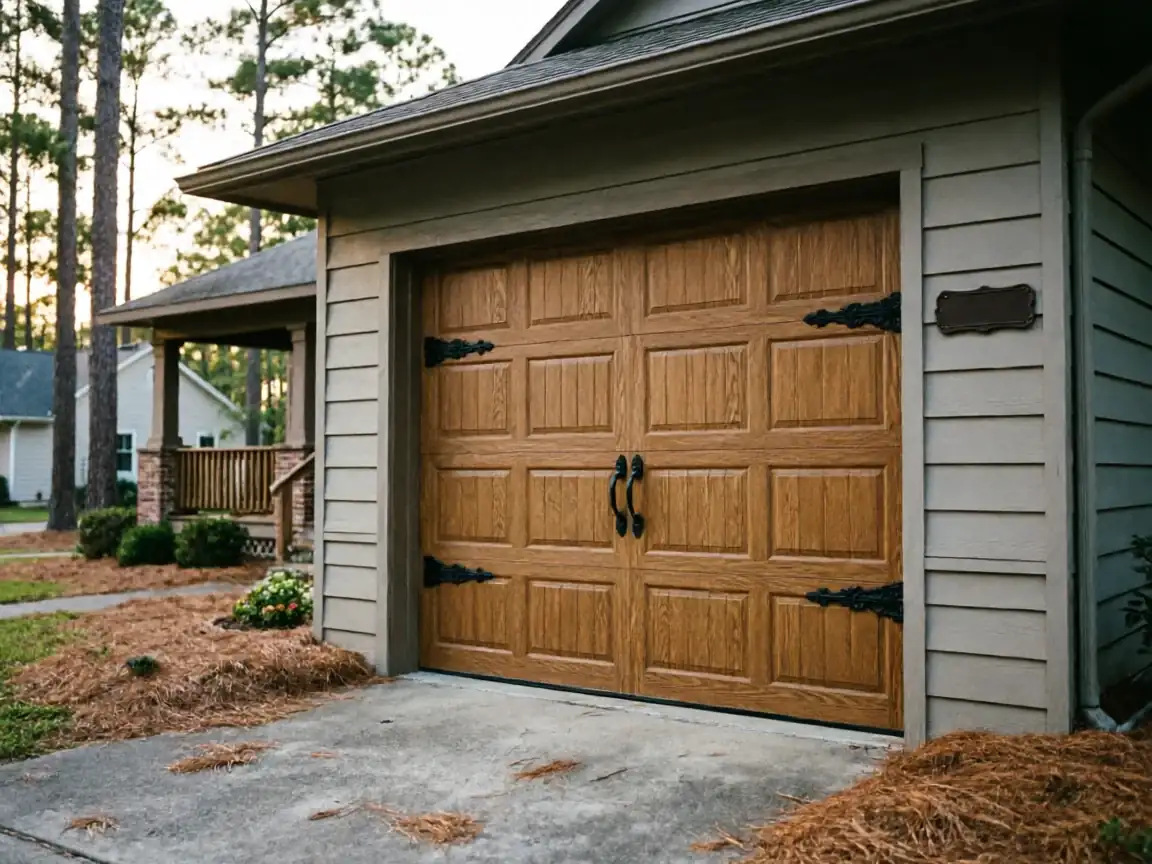
That matters more than it sounds. A neighborhood built in a six-year span tends to have the same door, the same opener bracket, and the same spring wind on every third house, because one or two builders worked the whole area at once. We see that pattern here: steel raised-panel doors on torsion springs, garage openers that were mid-grade for 1995 - chain drive, no battery backup, a keypad that's probably been swapped once already.
The honest limitation: we can't tell you which builder worked your specific street. The build year comes from Census housing data for this area, not a property record, so treat 1995 as the center of the range, not a guarantee for your address.
When We Can Get There
We run out of Acworth
And Powder Springs is about 14 miles from there - one of the farther stops on our route, though not the farthest; a few of the other communities we reach run out to 19 miles. We don't keep a second location in Powder Springs and we're not going to pretend otherwise. What we can tell you is that it's a drive we make regularly, not a one-off.
We're not going to quote you a response time here
Because that depends on where our truck already is that day and what's ahead of your call. If your spring snapped and the door won't move, say so when you call - that changes how we schedule the day. If it's a noisy opener that still works, that's a different kind of call and we'll say so.
Distance affects one practical thing
If a job needs a part we don't carry on the truck that day, the round trip adds time to getting it installed. We'd rather tell you that up front than have you wondering why a second visit got scheduled.
What That Means for Doors
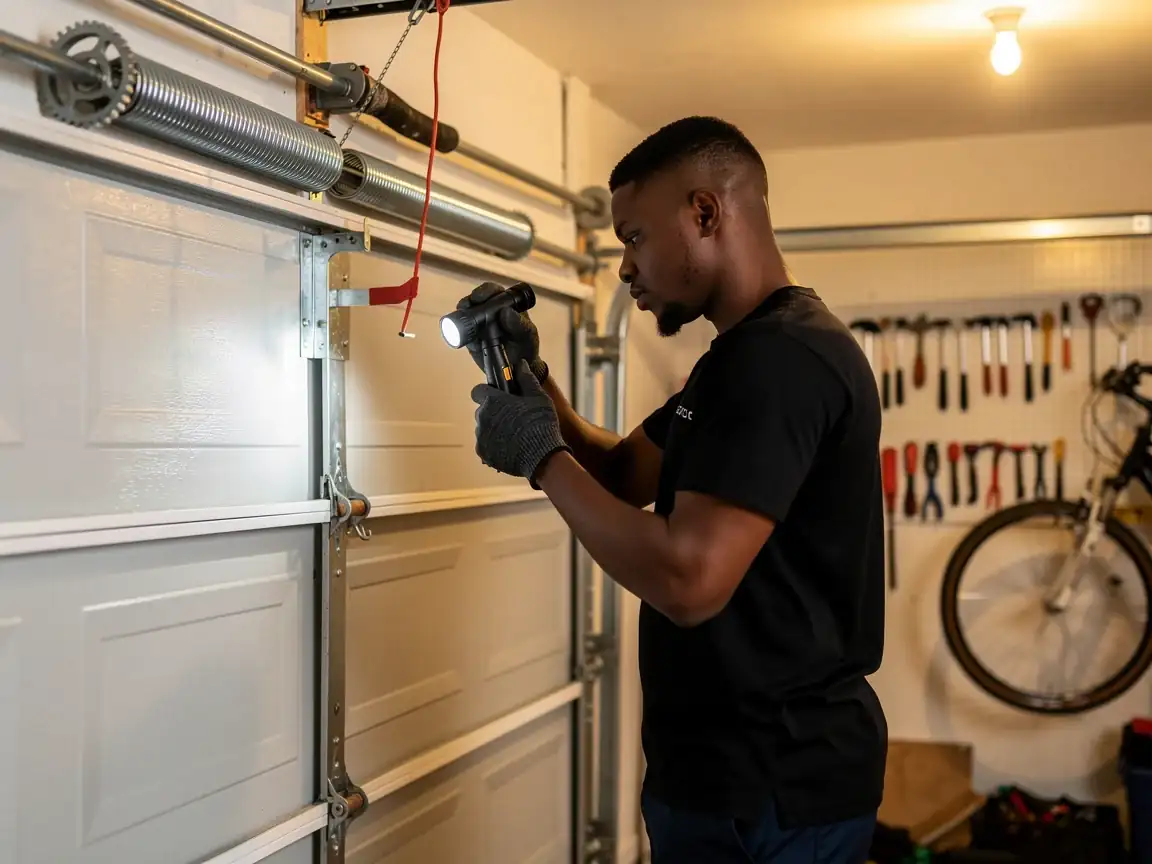
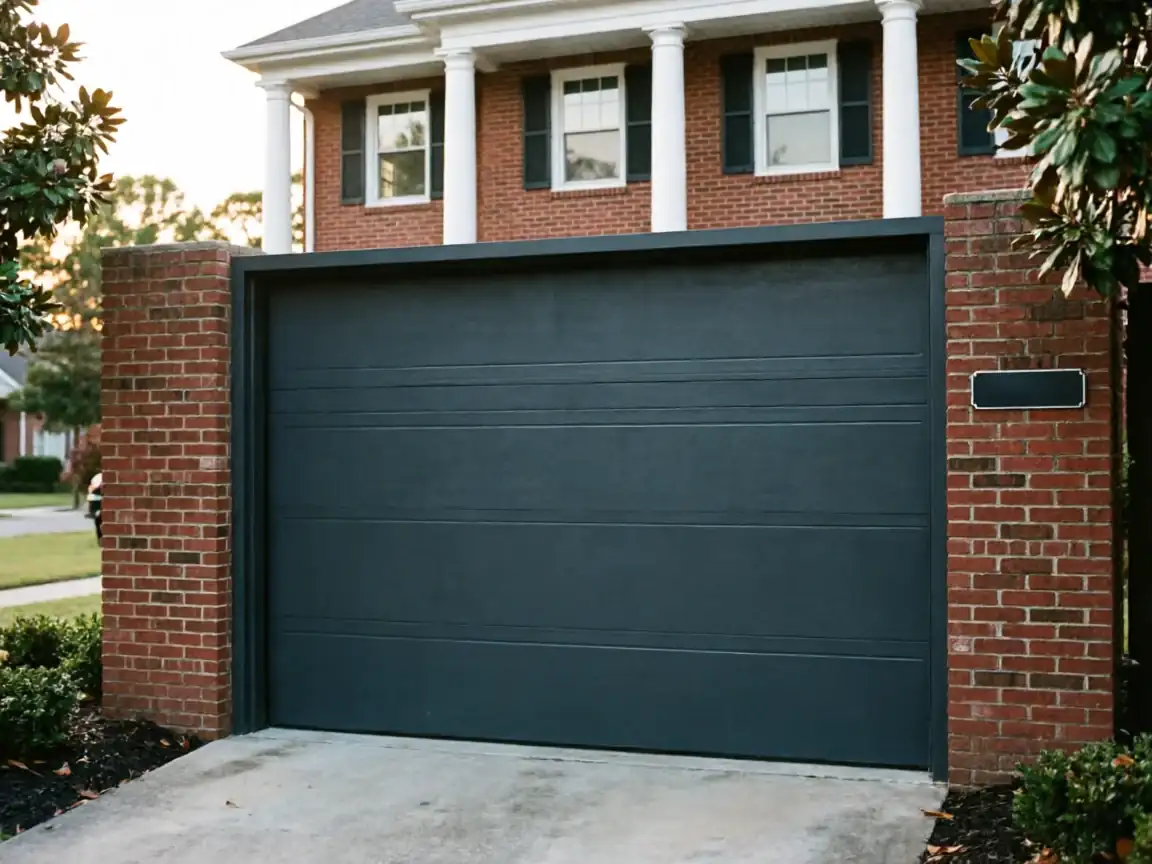
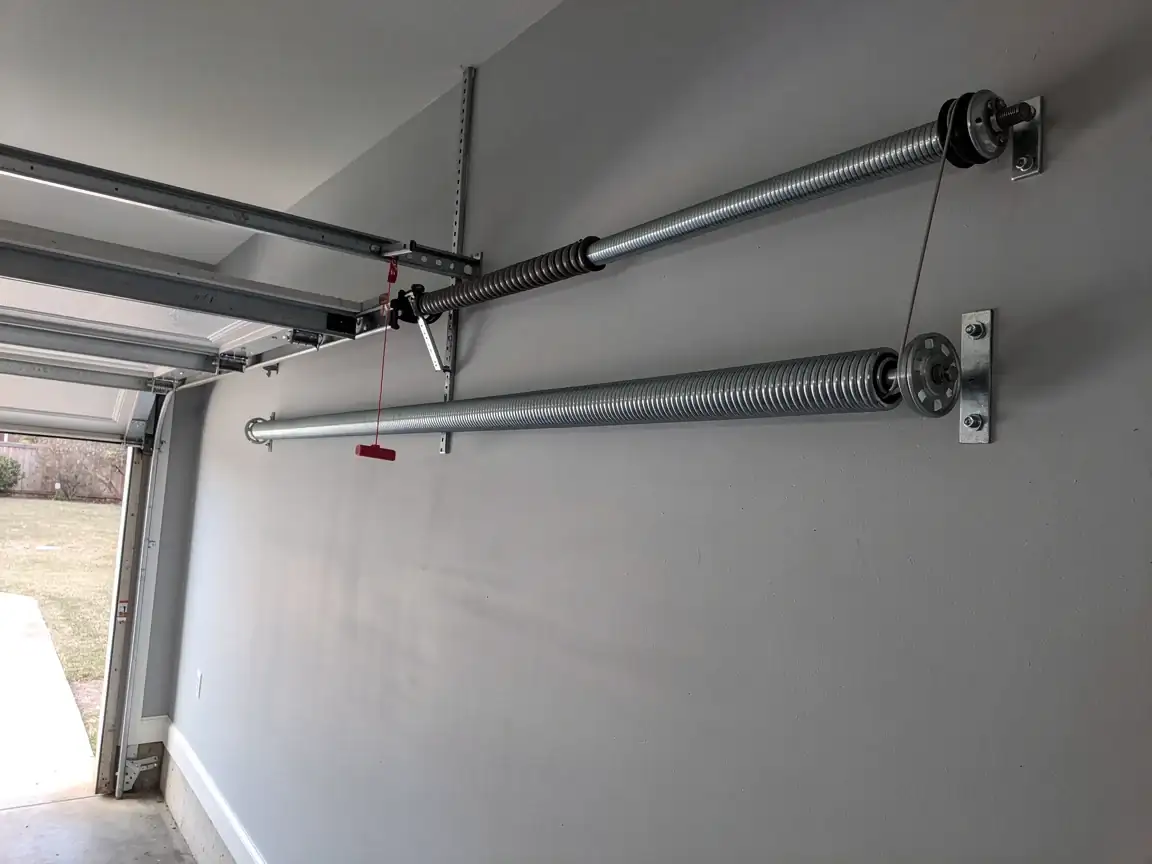
A door installed around 1995 is now roughly thirty years old, and the parts that fail on a thirty-year-old door aren't the parts that fail on a ten-year-old one. Galvanized torsion springs from that era were typically rated for somewhere in the 10,000-cycle range - two cycles a day, which is normal for a household, used that up a long time ago. Fatigue, not a single event, is usually what ends them.
The climate here is the other half of it. This area sits in a cold-moderate band - not the deep freezes you'd get further north, but enough cold-weather swing that steel contracts, lubricant stiffens, and a spring already near the end of its life is more likely to go in a cold snap than a mild one. We see that pattern every winter: calls cluster when the temperature drops hard for a few days in a row.
Openers from the mid-90s are the other weak point. Many are chain-drive units with aging circuit boards and no battery backup, which means a power blip doesn't just stop the door - it can strand it. Replacing the board alone sometimes isn't possible if the model's been discontinued; at that point a full opener swap is the more honest answer than chasing parts.
The Calls We Get From Here
The calls from this part of our coverage area follow the build year. Torsion spring failure on the original hardware is the most common one - the door won't lift, or it slams down because one spring snapped and the other is carrying the whole weight. Second most common: worn rollers and track that's gone out of alignment after three decades of use, which shows up as grinding or a door that binds partway up.
Median household income across this stretch runs notably above the broader service area figure of $78,351 - closer to $96,961 here - and we see that reflected in the kind of repairs people choose. More owners here opt for a full torsion conversion or a new insulated door instead of patching an old extension-spring setup, especially once we explain what a thirty-year-old spring is actually rated for.
With roughly 6,195 households in this part of our coverage, most still running original-era openers, the other recurring call is a dead or intermittent opener - failing capacitors, a logic board that's finally quit, or a remote that stopped pairing. We'll tell you straight if a repair isn't worth it against the cost of a new opener; sometimes it isn't.