Parts We Carry
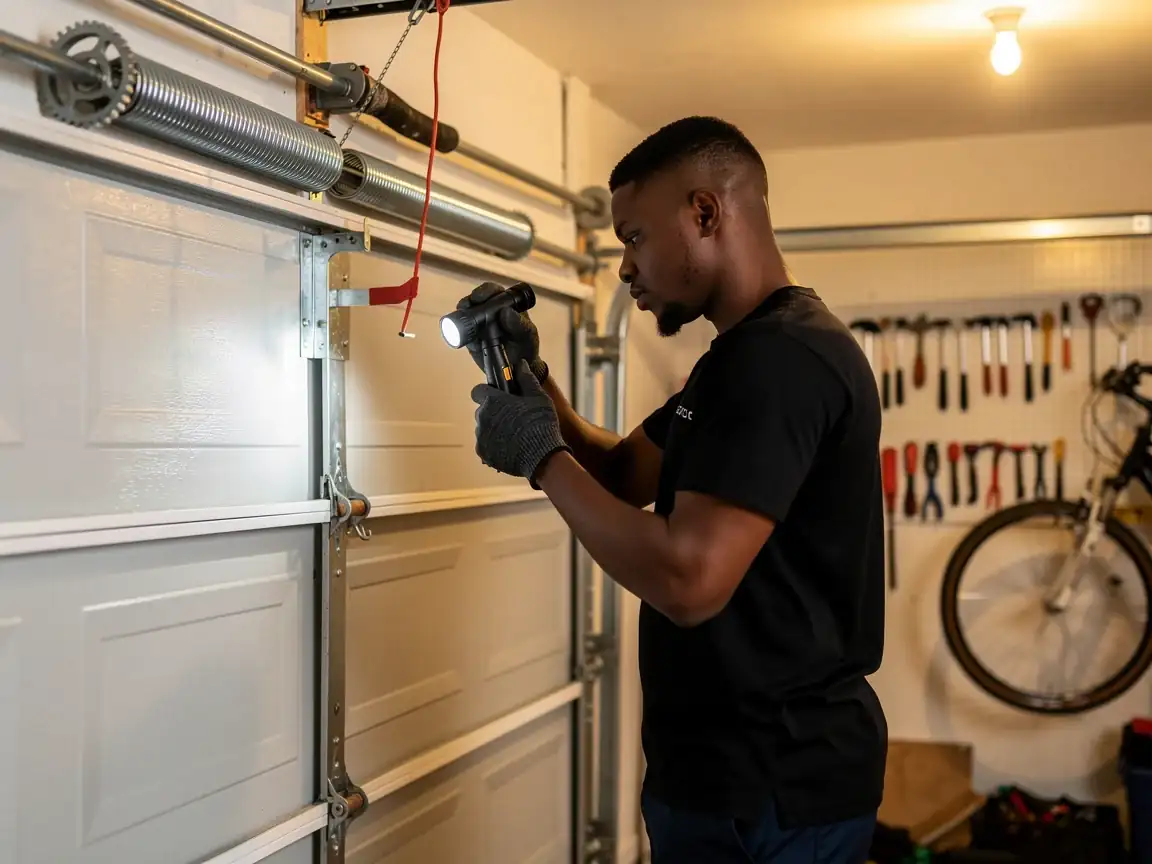
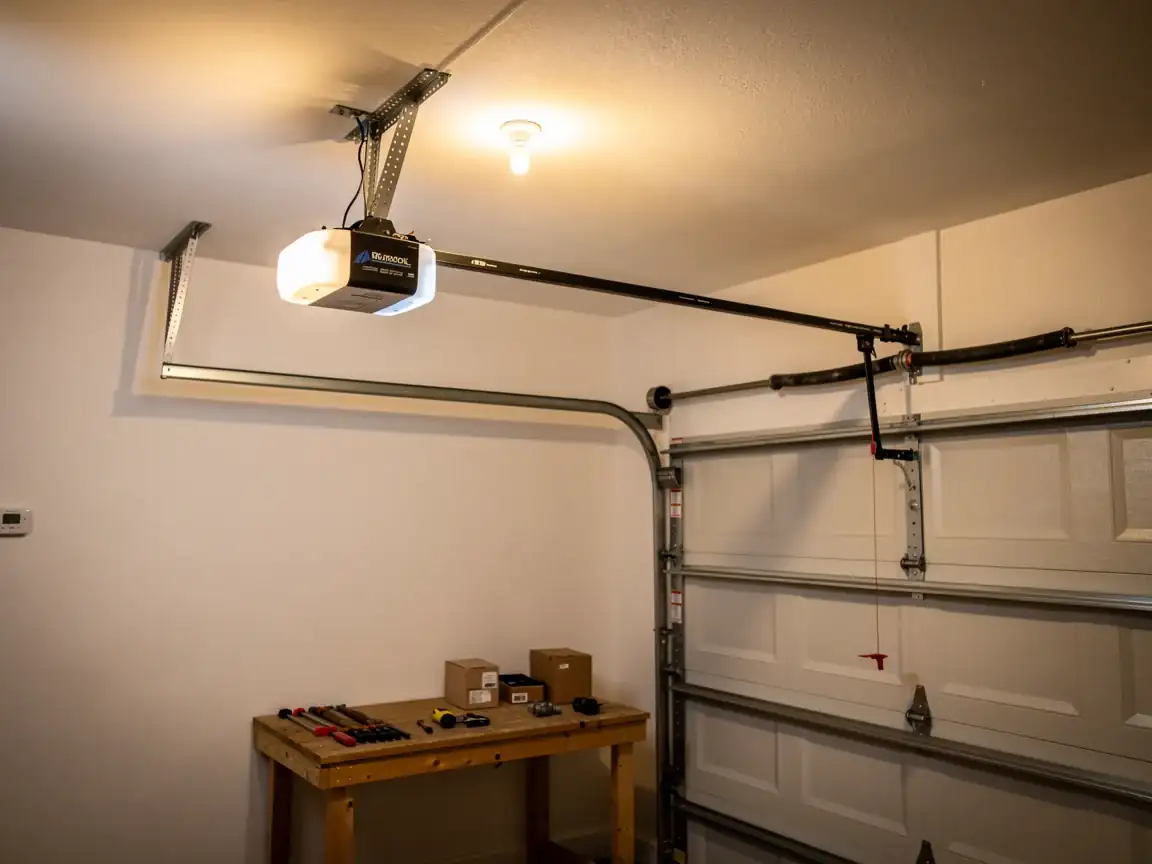
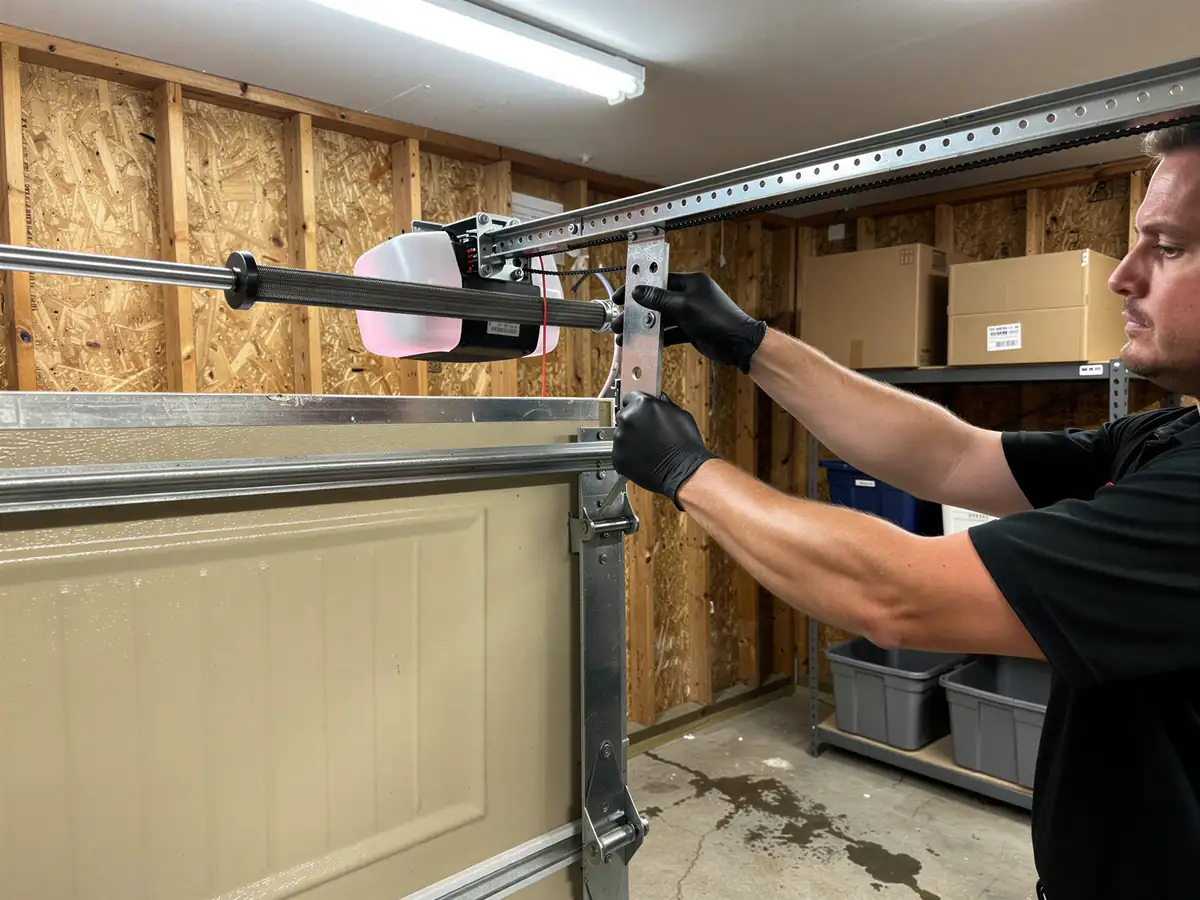
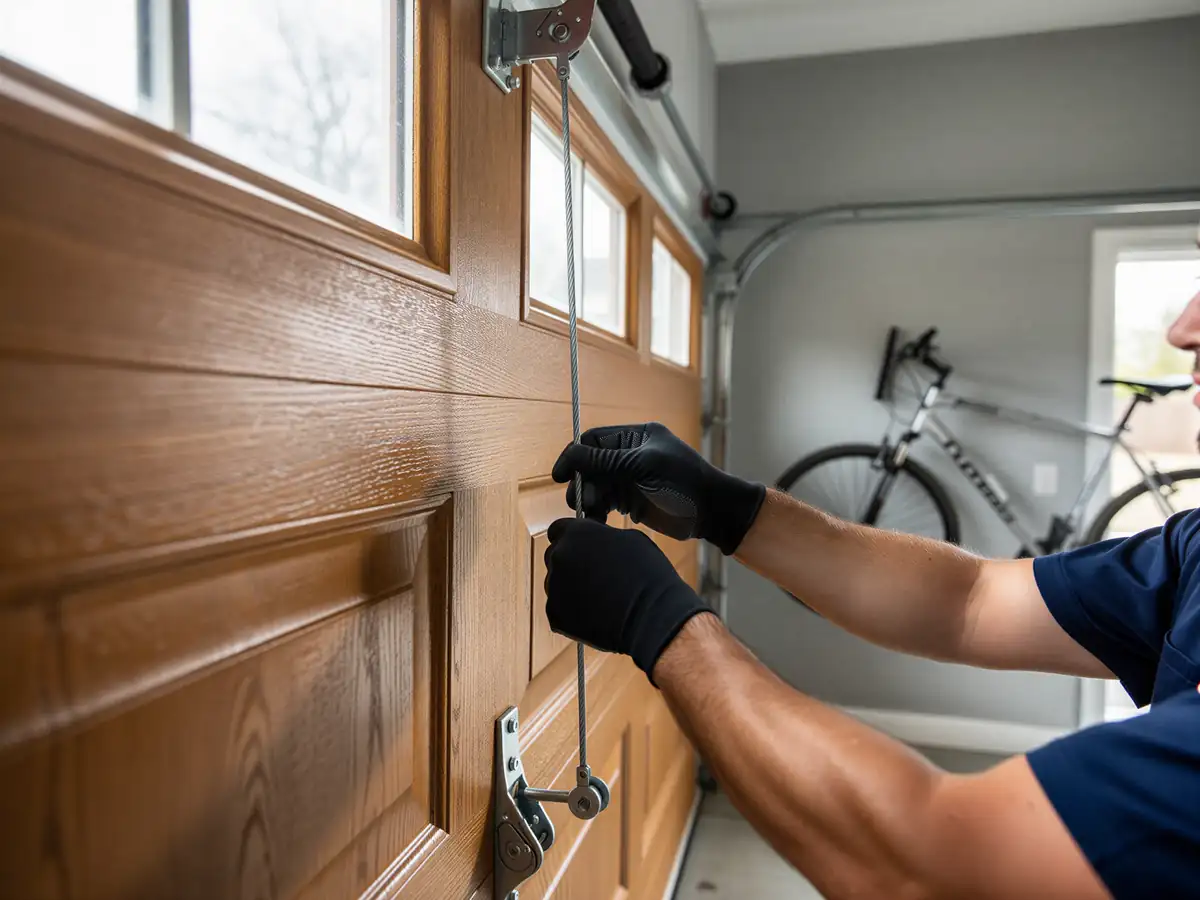
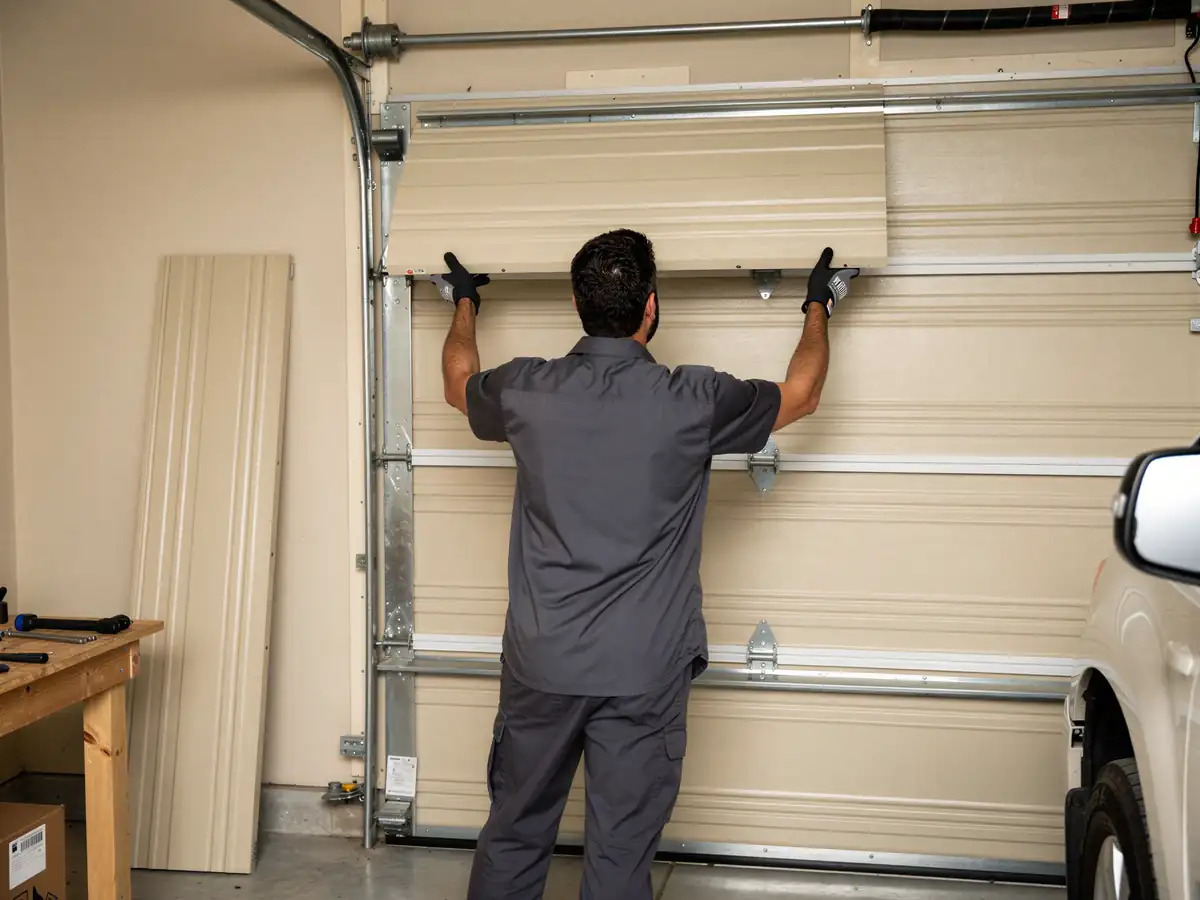
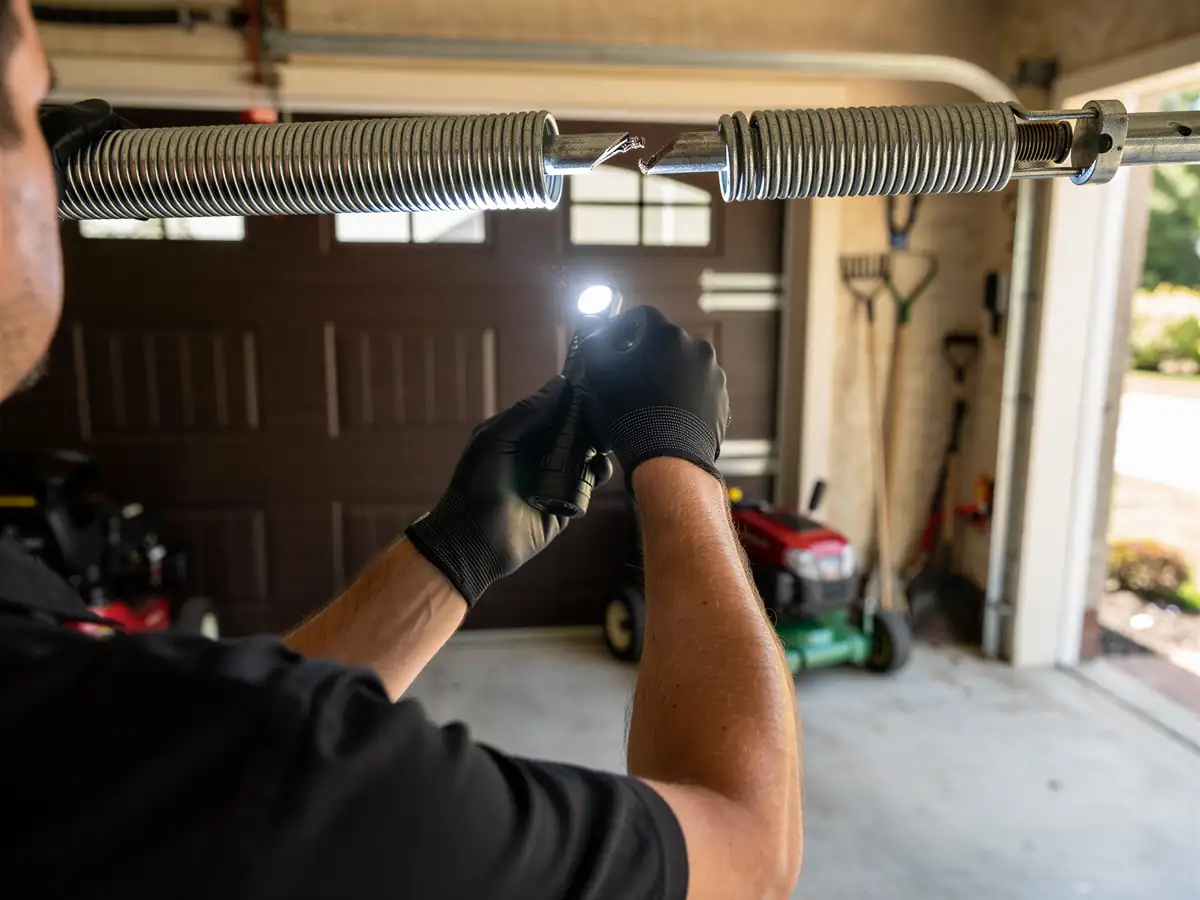
Euharlee sits 16 miles out from our Acworth shop, which changes how we load the truck before we leave. On a same-day call to a house this far out, we're not driving back for a part we forgot - so for Euharlee stops we load heavier on rollers, extension and torsion springs sized for mid-90s standard lift openers, and the steel hinge sets that match doors from that era. Most houses in this part of the county were built around 1996, which puts the garage door and opener squarely in the mid-size torsion spring range that was standard then, not the heavier coils newer homes use. We carry both 1/3 and 1/2 horsepower opener logic boards too, since that's the split we see most on these builds. What we don't stock on the truck: oddball custom panel sizes or discontinued opener models from the early 80s - those get ordered in, and we'll tell you that up front on the phone rather than promise a same-visit fix we can't do.
What Causes It Around Here
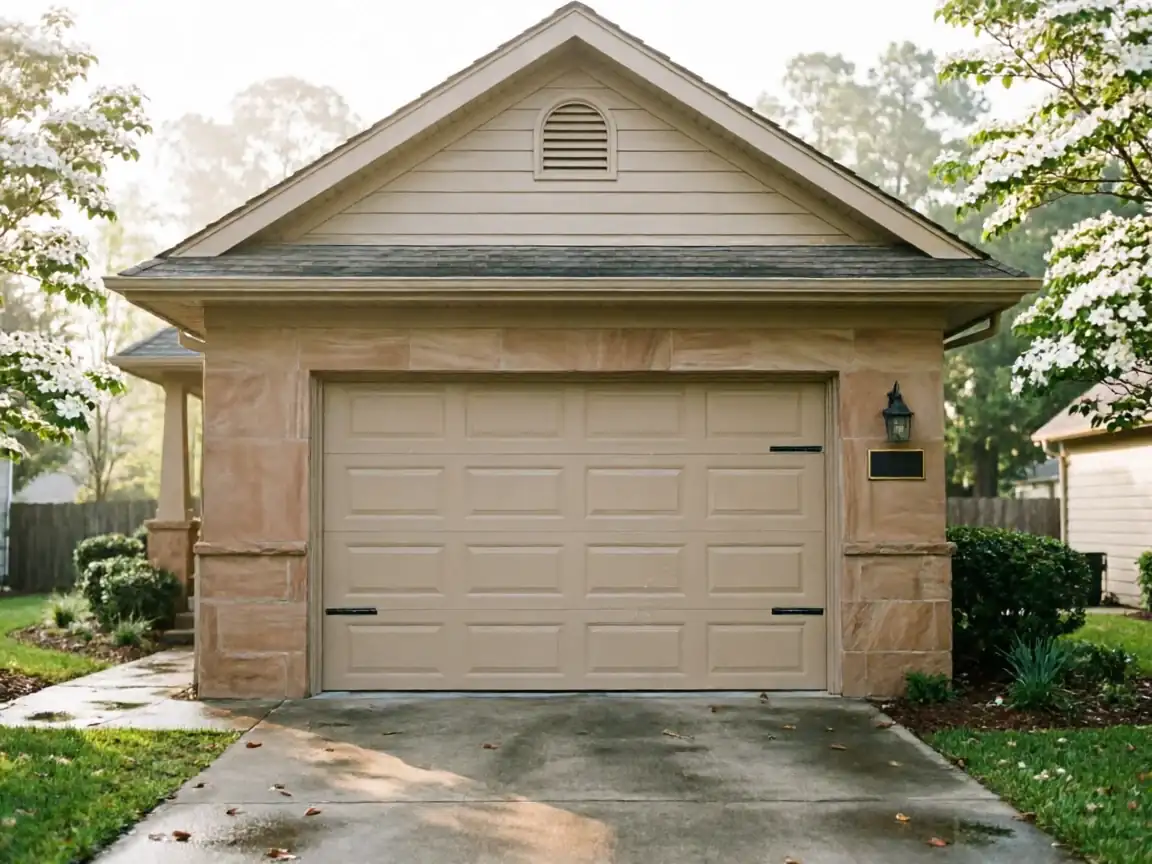
The housing stock feeding this part of our service area runs 1964 to 2007, with 1989 as the overall median - but Euharlee itself centers closer to 1996, squarely in that later wave of construction. That means less of the original-hardware problem we see on older streets, and more wear-pattern failures: the torsion spring that's done its 10,000-cycle life, the nylon roller that's gone out of round, the opener logic board that's 25-plus years old and finally quitting. Cold-moderate winters put stress on steel springs through repeated contraction, and that's consistent across this climate band, not just here. With 1,336 households in Euharlee and a median income of $83,750, we also see more owners opting for full opener replacement over a patch repair when a unit hits this age, rather than nursing a chain drive along for another two winters.
Doing It Yourself
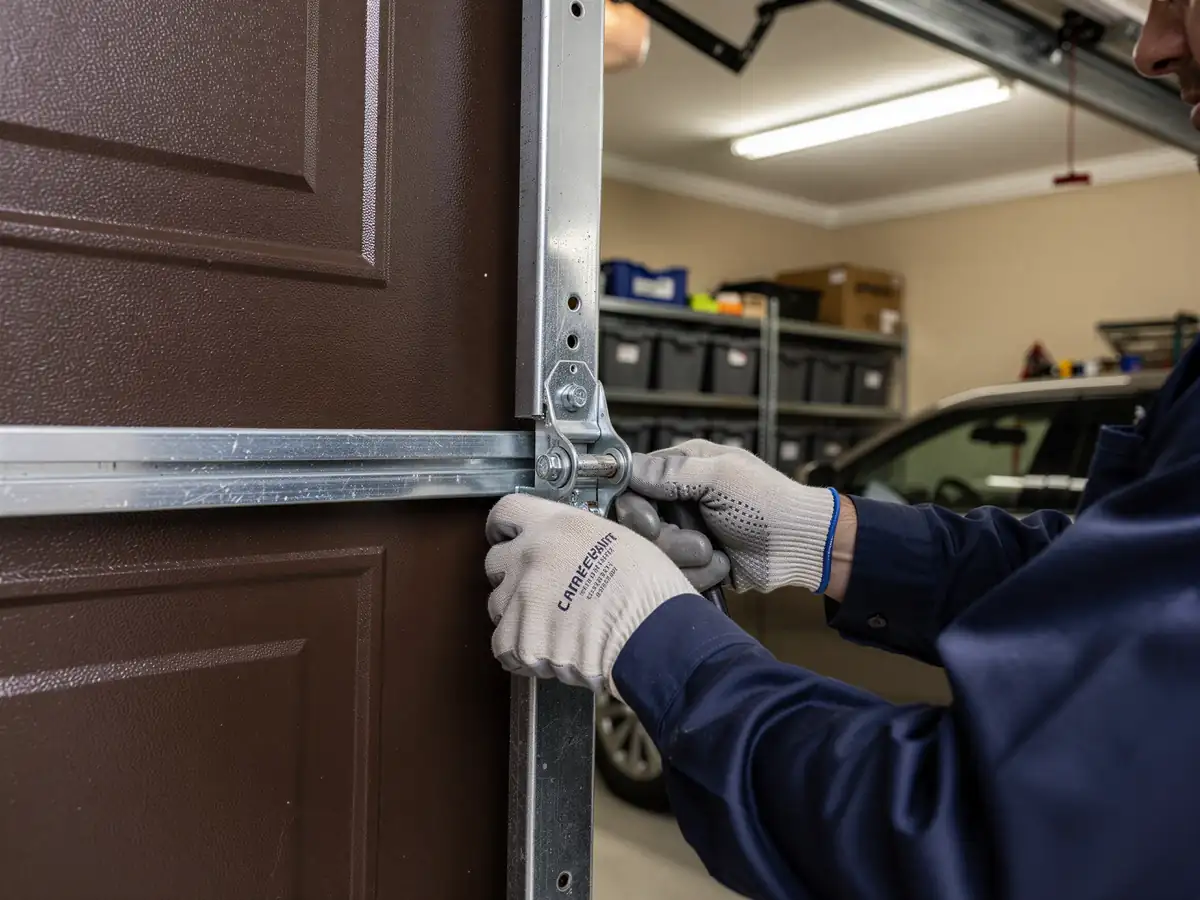
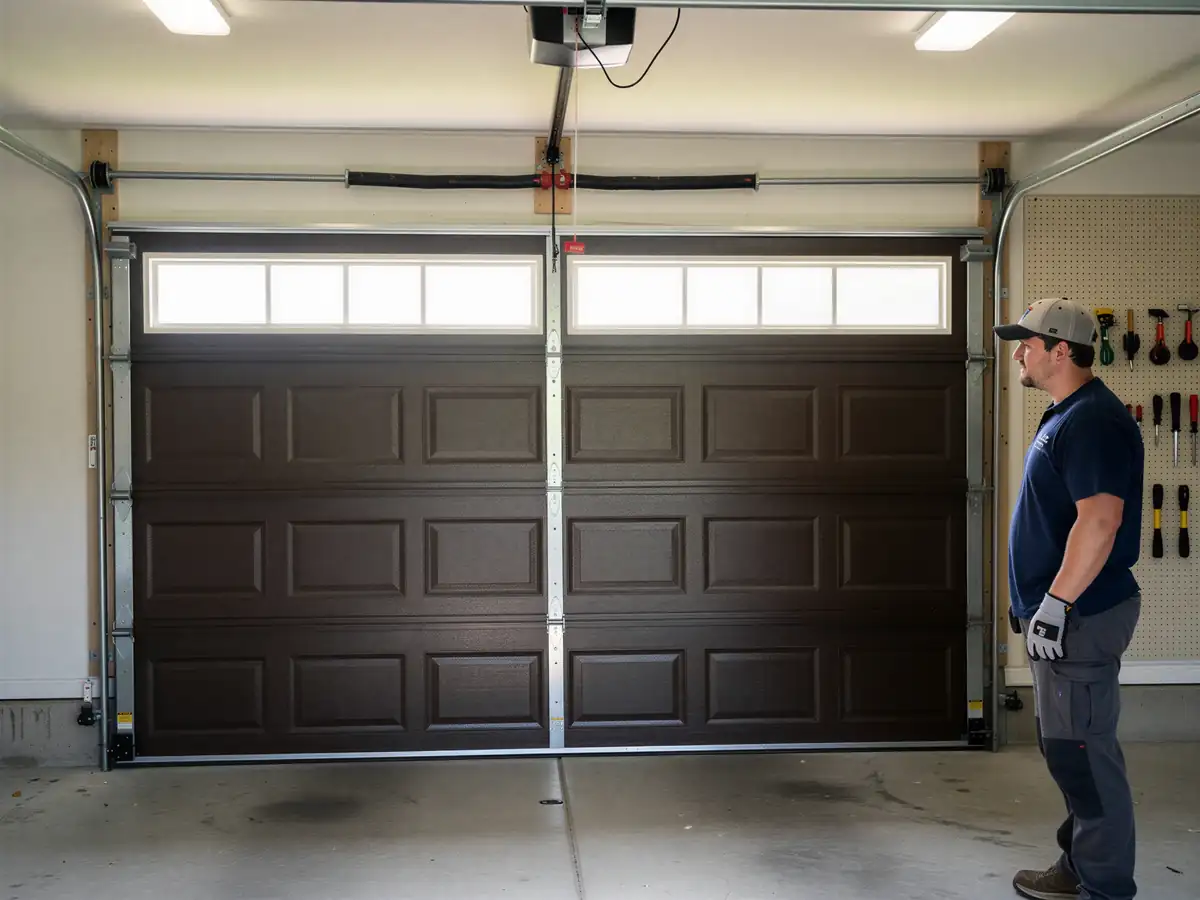
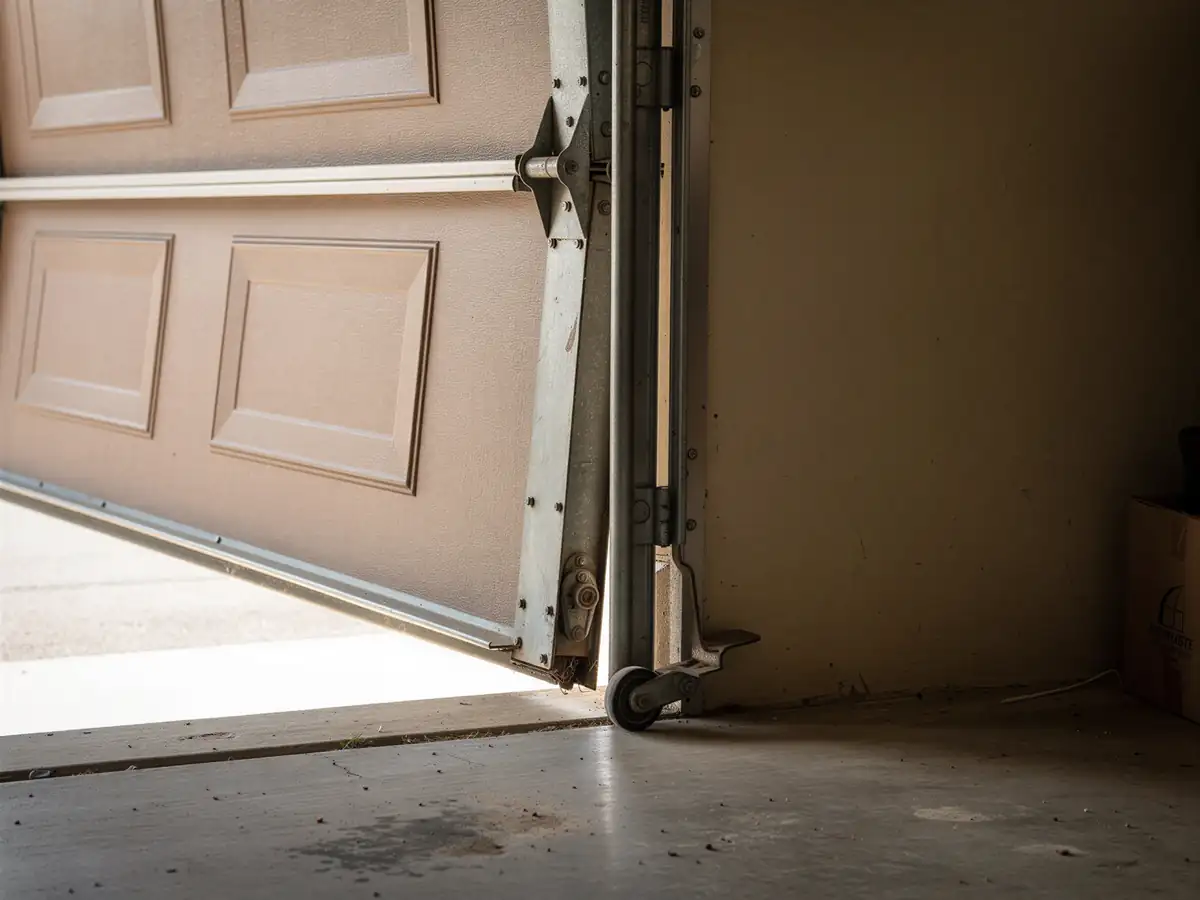
A loose hinge screw or a track bracket that's worked itself a quarter-inch out of alignment - those are fair DIY jobs, and tightening them yourself before calling anyone is reasonable. What isn't: touching a torsion spring under tension. On the 1990s-era double-door setups common in Euharlee, that spring is wound tight enough to cause real injury, and we don't walk anyone through doing it over the phone. If your opener is cycling but the door won't seat flush at the bottom, that's usually a track or roller issue you can sometimes clear yourself by checking for debris in the track. If it's the spring, the cable, or anything bent on the frame, that's a call, not a weekend project - and given the drive, we'd rather diagnose it right the first time than make two trips.
How It Shows Up
On houses in this part of the county, the first sign is usually the opener straining louder than it used to on the way up, followed within a few weeks by the door hanging slightly crooked at the bottom corner - that's the spring losing tension unevenly. Given a median build year around 1996, we're now 25-plus years into the life of a lot of this original hardware, and logic boards that were solid for two decades are the ones failing now, not the springs, in a lot of the calls we've taken out this way. If your door reverses before touching the floor, or the opener light blinks a code you don't recognize, that's worth a call rather than a guess, especially since a wrong diagnosis means a second trip from Acworth.