Parts We Carry
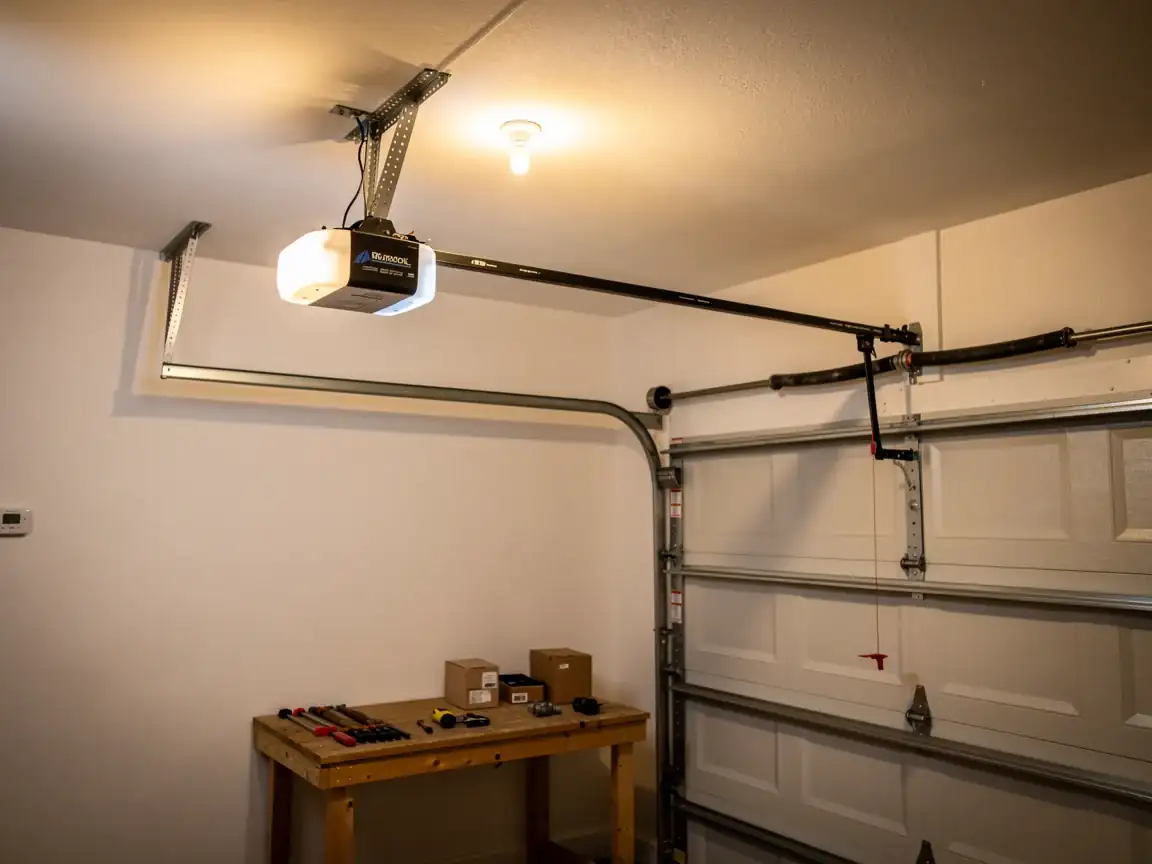
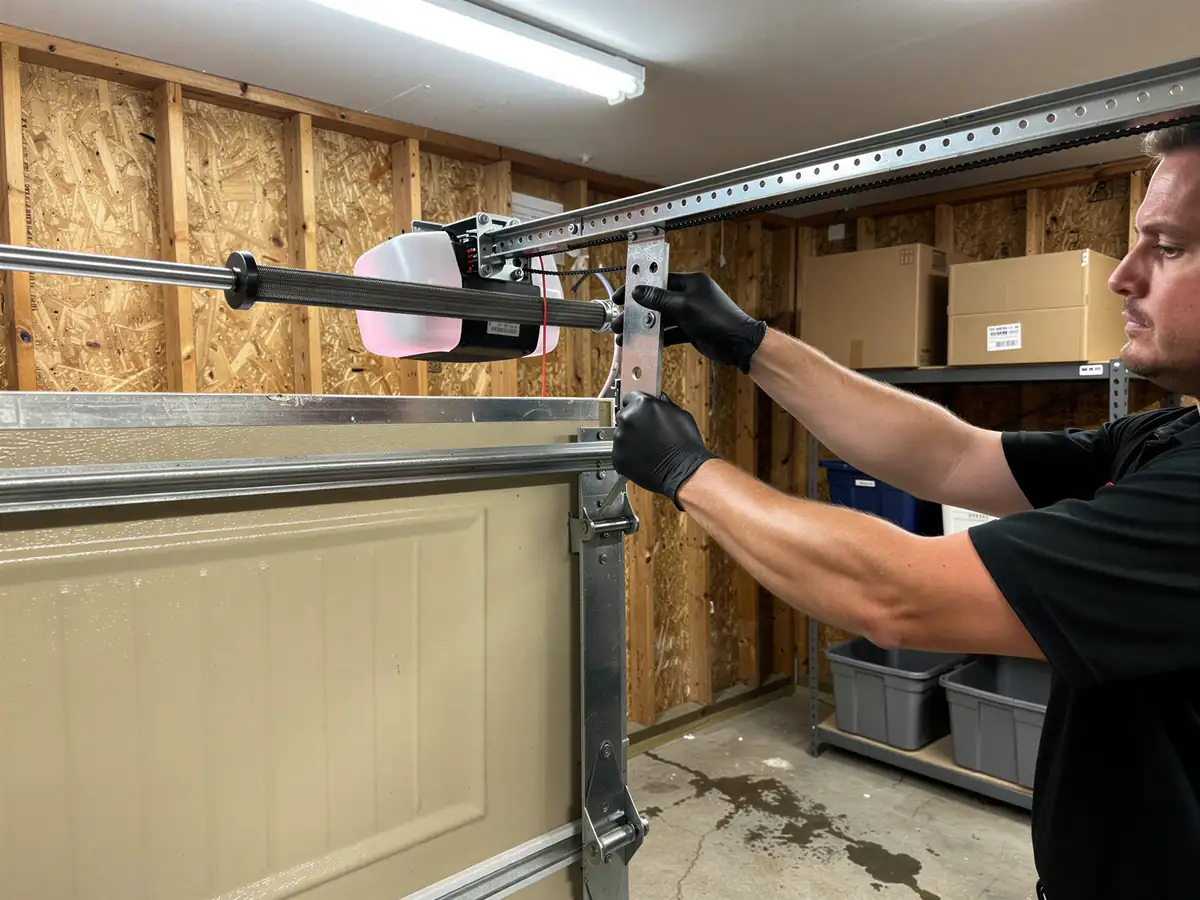
Most of Euharlee's houses date to around 1996, which puts them past the point where a single opener has likely lasted the life of the house. An opener runs 10 to 15 years before the gears, the circuit board, or the drive mechanism give out - so a house built in the mid-90s is probably on its second unit already, bolted to a rail and header bracket that may still be original. We install chain-drive and belt-drive openers, both in 1/2 HP and 3/4 HP, with battery backup for the winter mornings when the power blips before anyone's left for work. Belt-drive is the one we point people to if the garage sits under or next to a bedroom - it's quieter running over the same rail length. We don't carry every opener brand on the market, and if you want one specific brand we don't stock, we'll tell you that up front rather than order it in and have you wait on it. For a cold-moderate climate like this one, we also check that the opener's cold-weather rating matches what the garage actually sees - an unconditioned garage runs colder than the rated range on some budget units.
What Causes It Around Here
The driver out here isn't bad luck, it's math: a 1996 build year means the opener hardware is old enough that gear-and-sprocket kits have worn past where grease fixes it, and drive belts on the earliest belt-drive units have stretched past spec. Cold-moderate winters add their own wear - a drive belt that's slightly loose in July pulls tighter and noisier once temperatures drop, and circuit boards that have taken thirty years of humidity swings in an unconditioned garage are the ones that finally fail on the coldest morning of the year, not the warmest. We also see openers in this area that were upgraded once, maybe in the 2000s, but kept the original 1990s rail and header bracket - a mismatch that shows up as grinding or a door that hesitates partway up because the rail is sagging under a unit it wasn't sized for.
Doing It Yourself
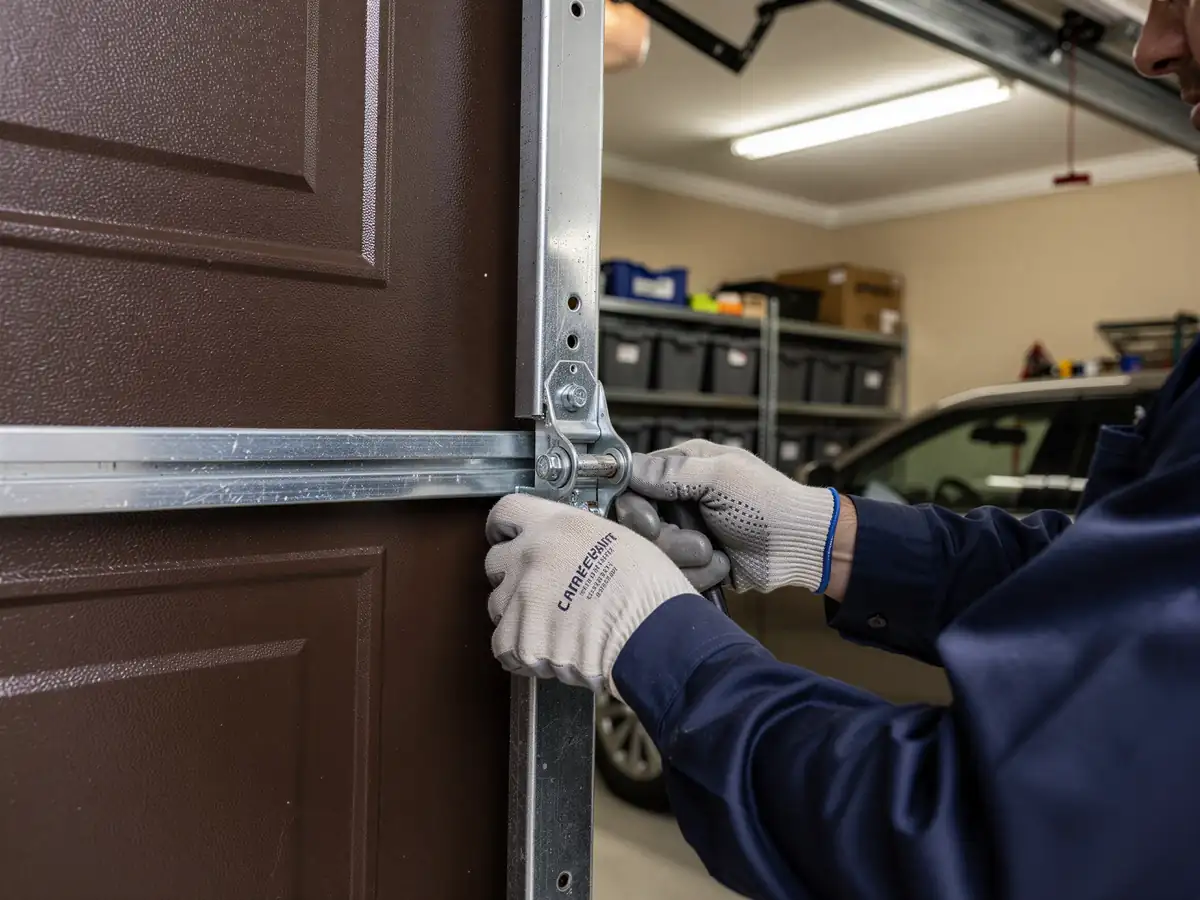
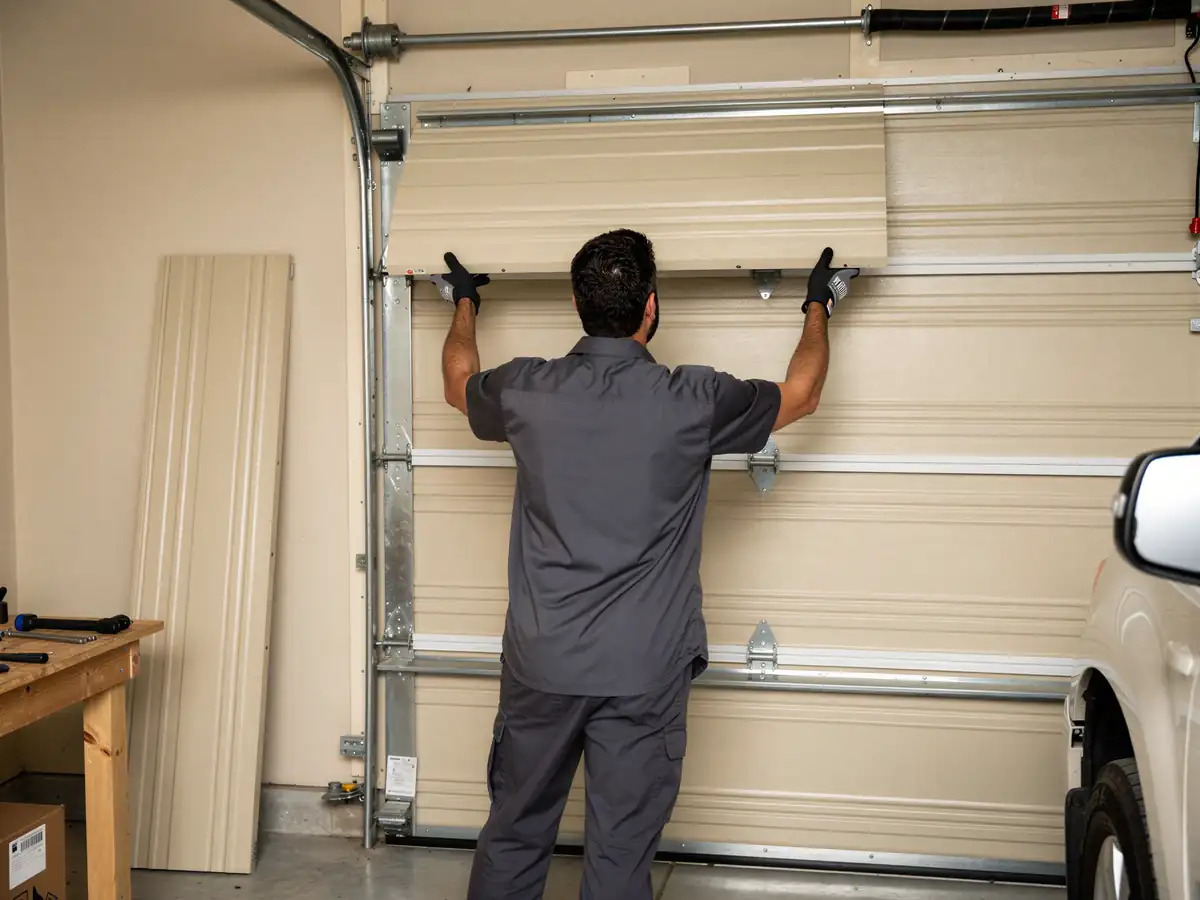
Swapping a remote battery or reprogramming a keypad code is a ten-minute job anyone can do with the manual. Replacing the opener itself is not - it means working overhead with a spring-loaded door, running new electrical, and getting the travel limits and force settings right, and getting the safety reversal wrong is the one mistake that actually matters. If your garage sits below a bedroom or shares a wall with living space, we'd also rather talk through belt-drive versus chain-drive with you before you order the wrong one online and find out it's loud. One honest limit: we don't install openers on doors with damaged panels or worn-out rollers and call it done - if the door itself is tired, a new opener just pushes harder against the same problem.
How It Shows Up
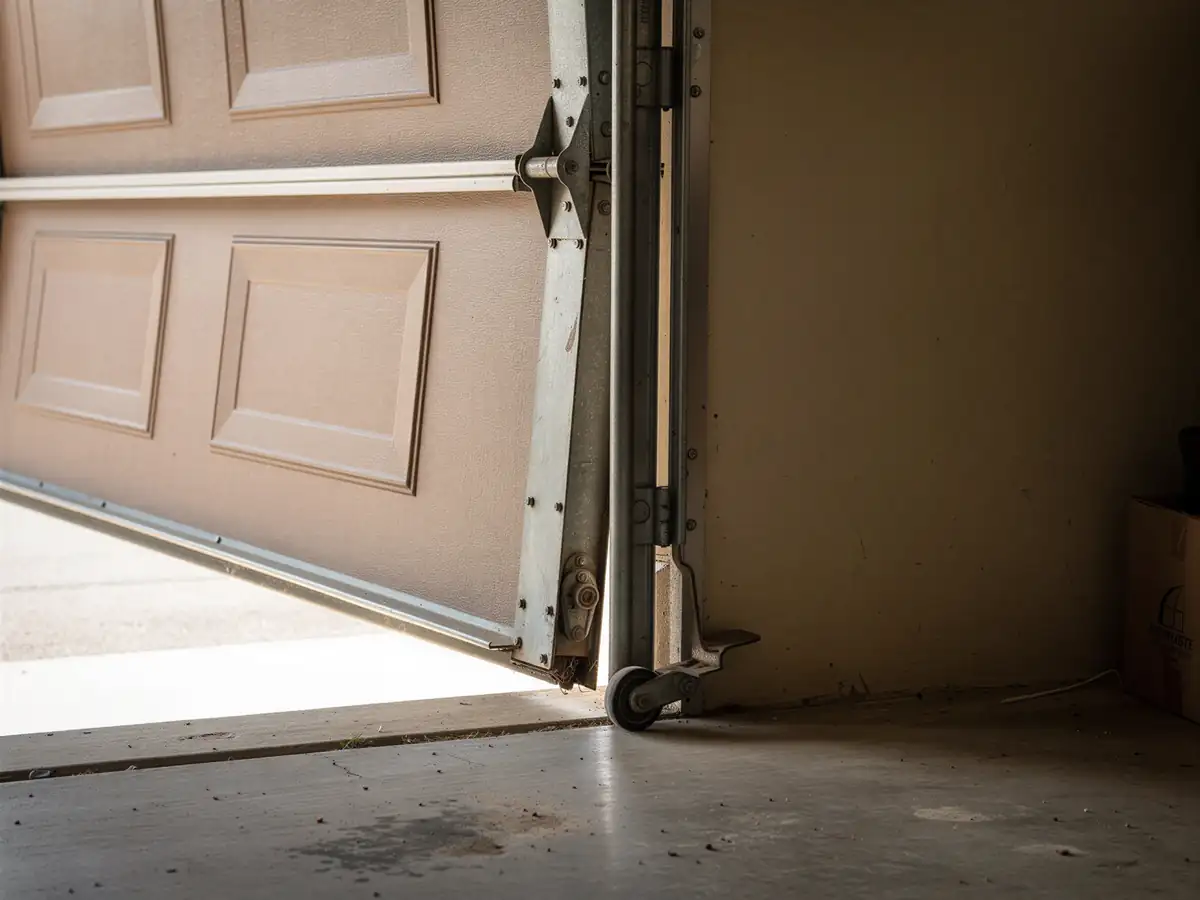
The pattern we hear most from this area: the door starts reversing a few inches from closed, or it stalls halfway and someone has to pull the emergency release and lift it by hand. Sometimes it's a grinding or clicking sound that's new in the last month - that's usually the gear kit going, not the motor. Other times it's slower on cold mornings and normal by afternoon, which points at a belt or chain that's lost tension and tightens unevenly as the garage warms. If your remote only works standing right under the opener, that's range, not the motor, but it's worth a look together since the fix is sometimes the same visit. See our Euharlee page for the other door work we do out here, or check opener installation from our Acworth base for how the job runs start to finish.