Parts We Carry
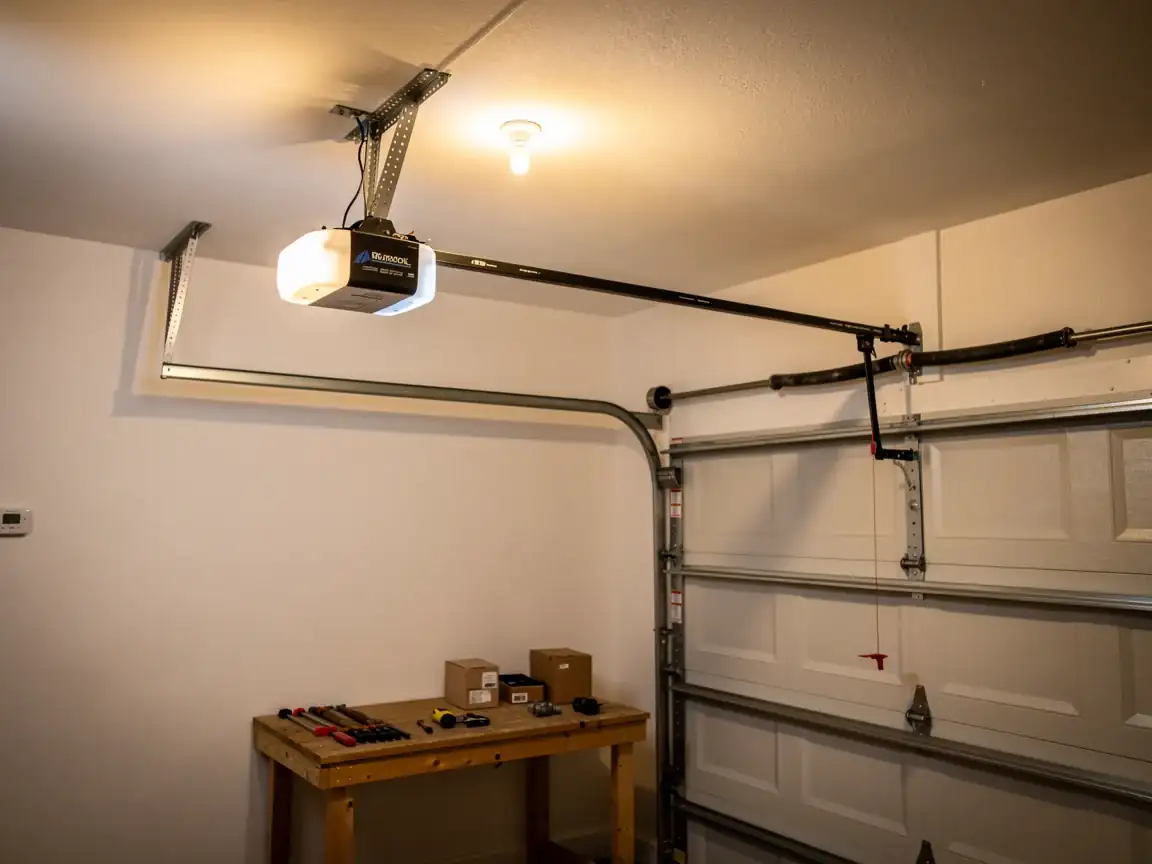
We stock the lifting cables, aircraft-cable drums, and standard cable clips that fit the torsion and extension setups built into homes from the mid-1980s through the mid-2000s, which covers most of what's on the ground in Euharlee. The median year built here lands around 1996, so the majority of doors we open up are on galvanized 7x19 or 7x7 lifting cable, not the older flat-braided style you'd find on a pre-1980 door. We carry both drum styles for torsion setups and the pulley hardware extension systems use, along with the fasteners and safety cables that should be present but often aren't on older installs.
What we don't stock on the truck: cable for oversized commercial doors or anything outside standard residential sizing. If your door is a non-standard width or height, that part gets ordered, and we'll tell you that before we quote the job rather than after. At a median household income of $83,750, most owners here are replacing a snapped cable rather than financing a full door - the parts cost is small relative to the visit, and we price it that way.
How We Fix It
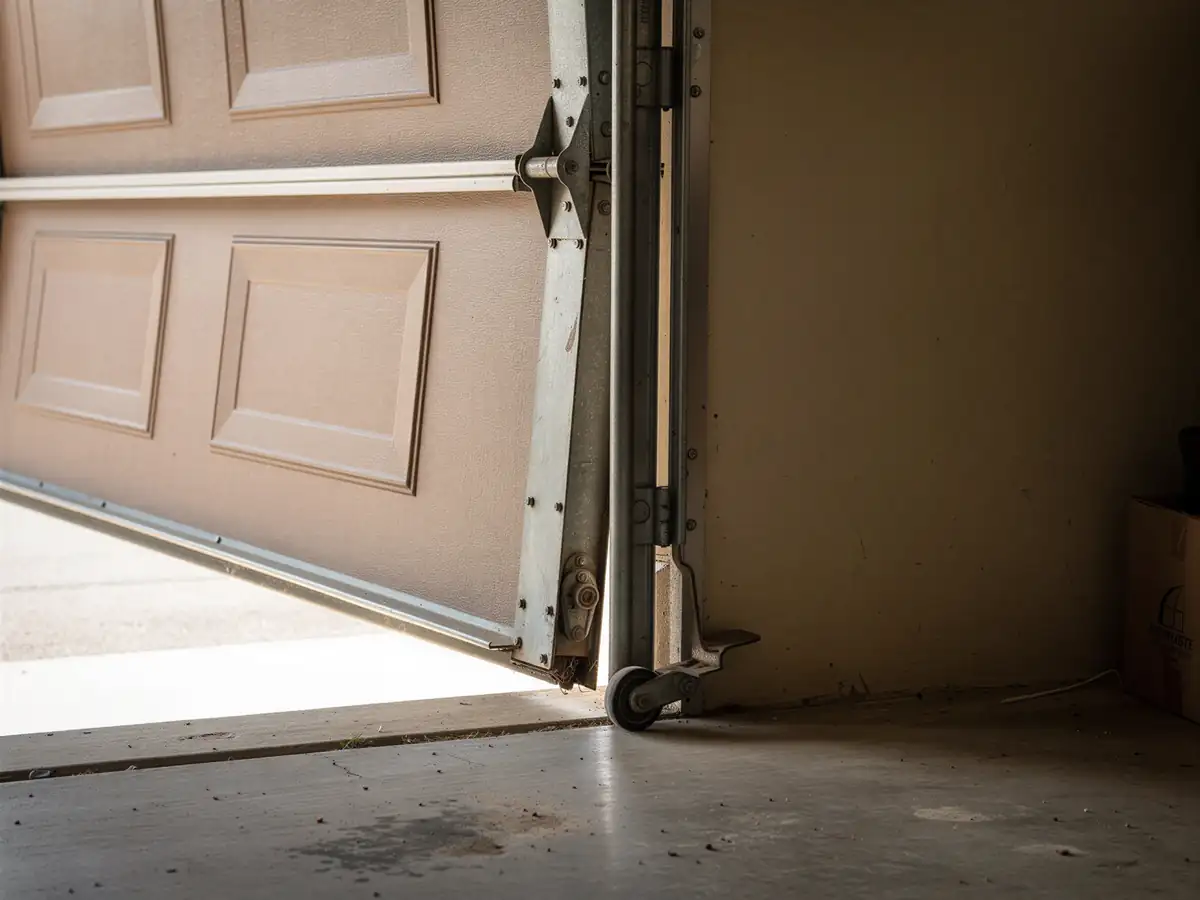
A broken lifting cable means the door is either stuck shut or hanging crooked on one side
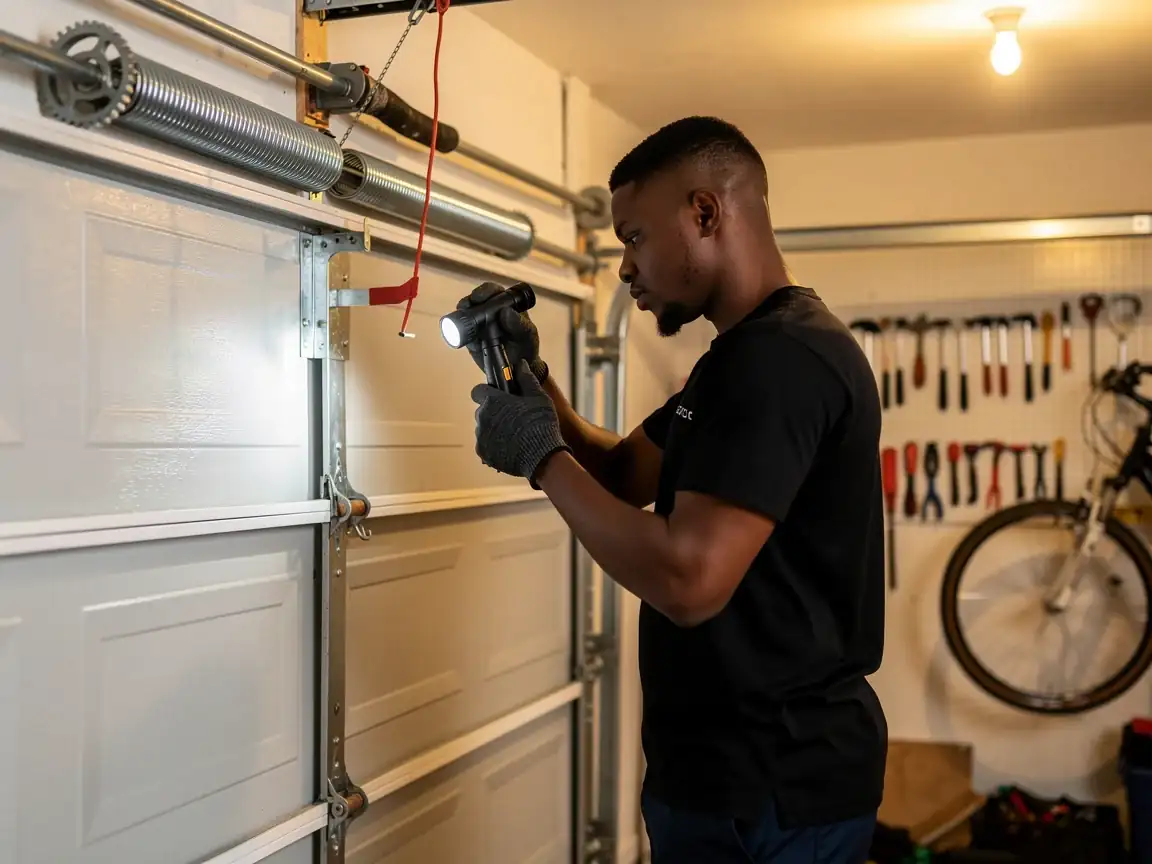
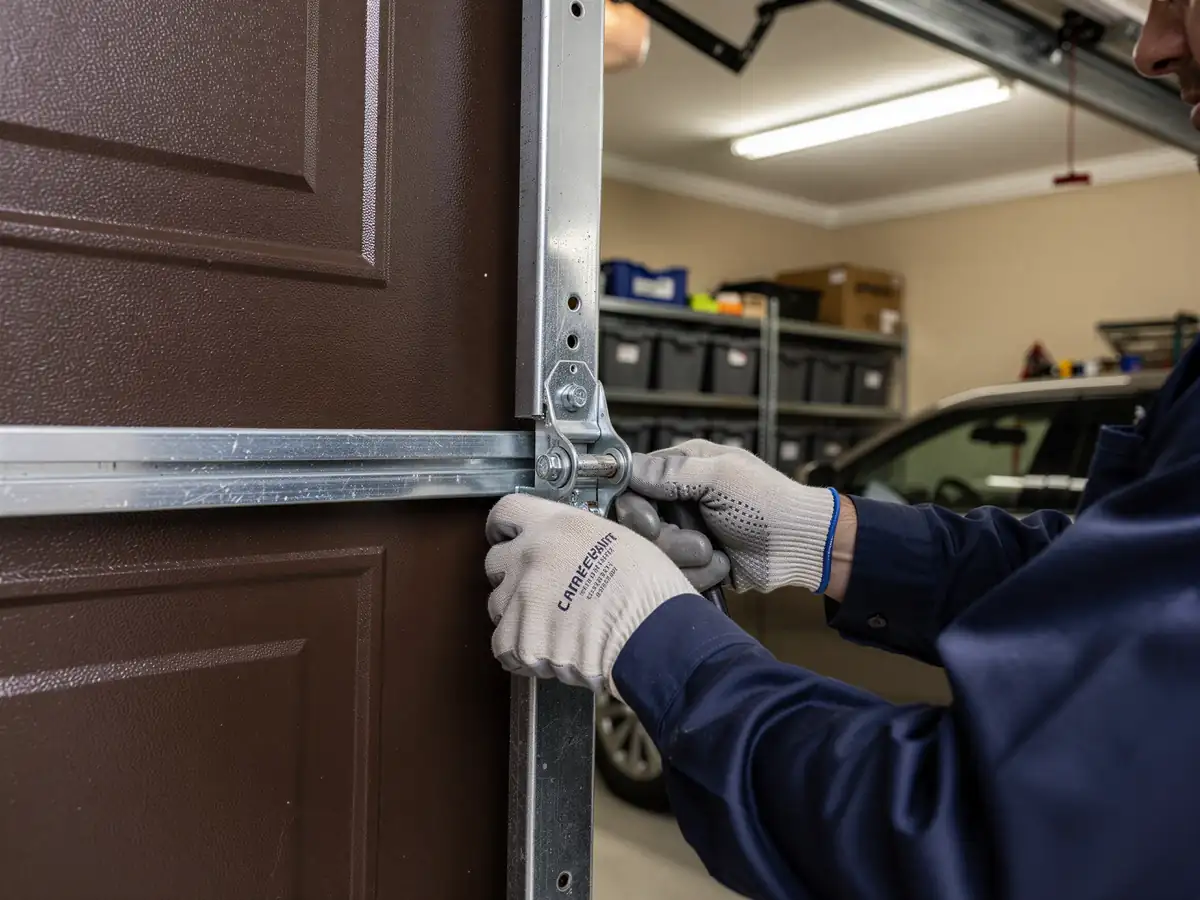
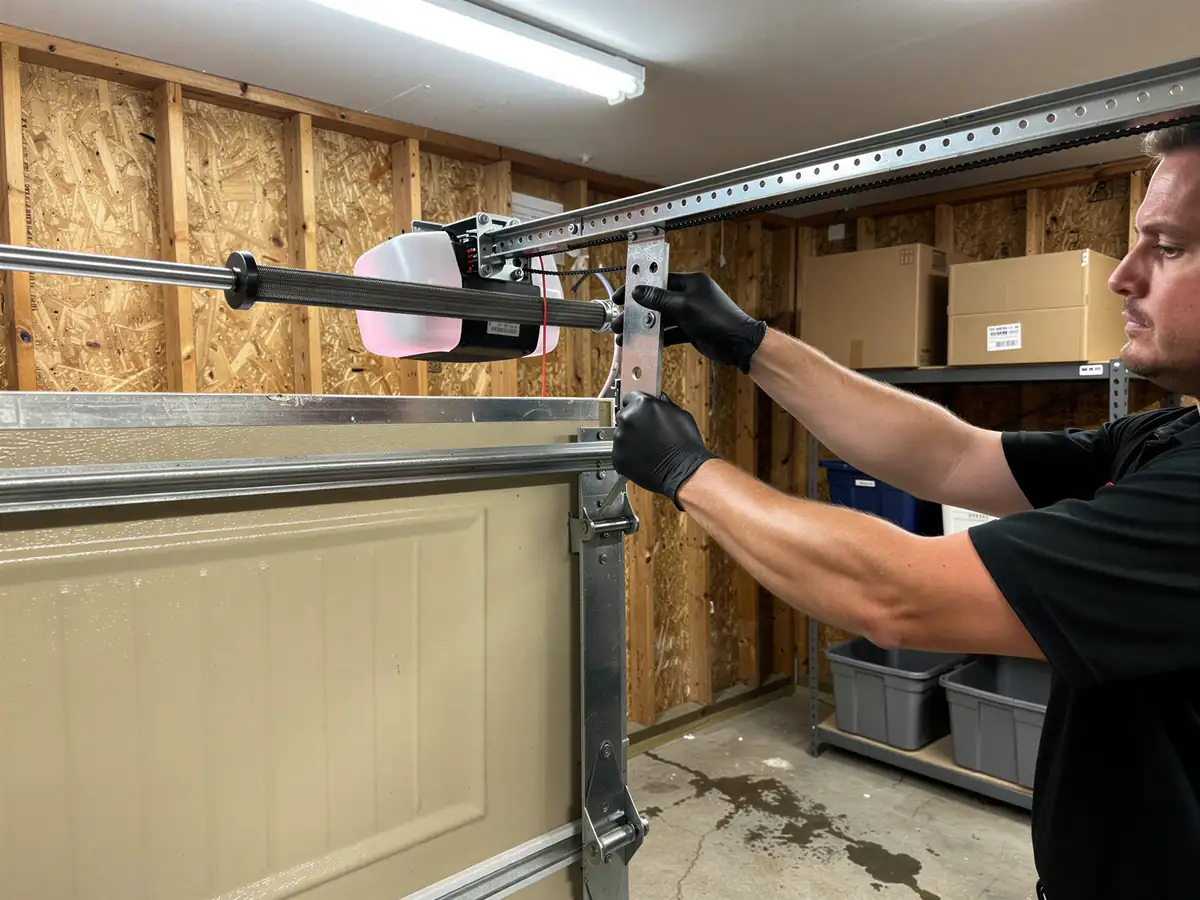
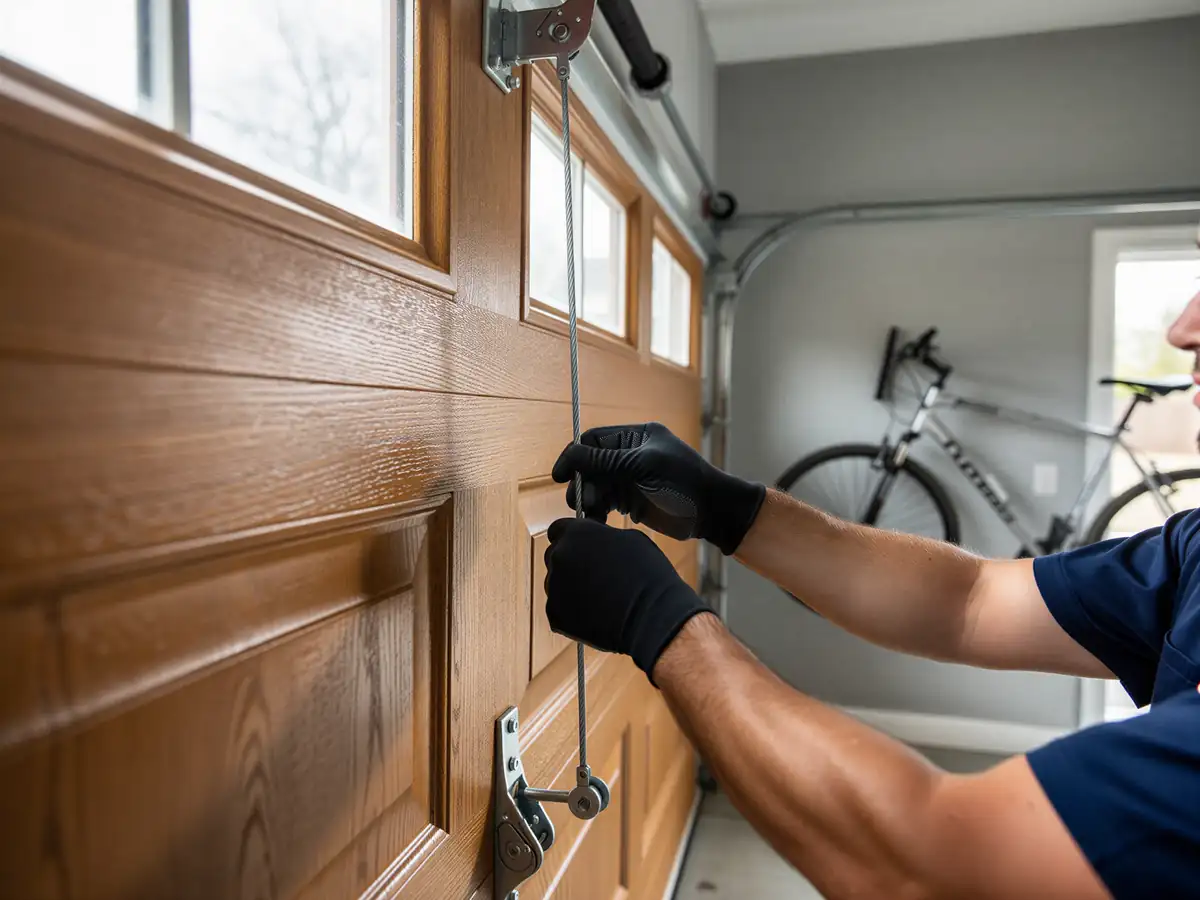
We don't force it open first. We release tension from the opposing spring side, pull the old cable and drum assembly, check the drum for grooving or a worn cable track, and rewind fresh cable to factory spec tension. On a torsion system that's a drum-by-drum job; on extension systems we're replacing cable and checking the pulley wheel at the same time, since a cable that frays usually took a worn pulley down with it.
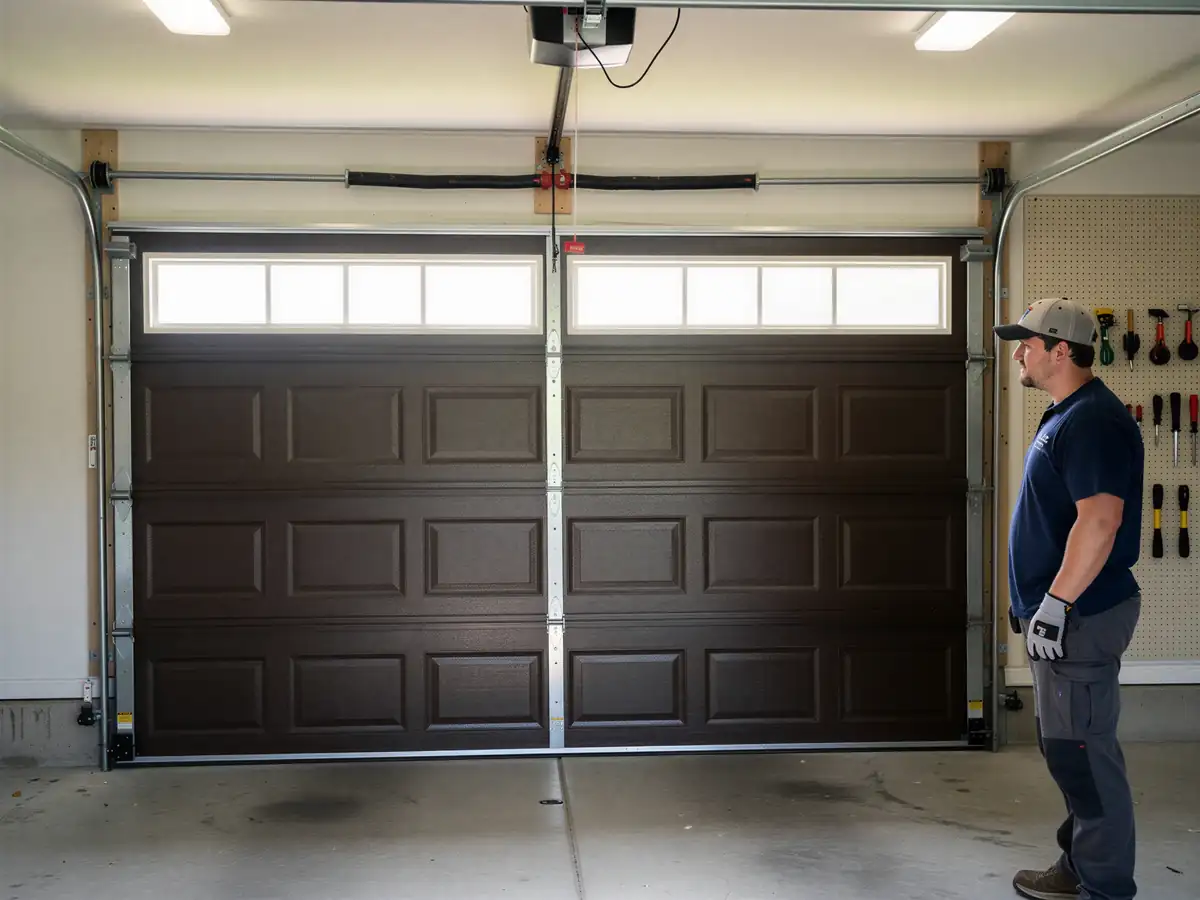
We test full-cycle movement before we call it done, not just a partial lift
If the door is original to a house built in the 1980s or 90s stock common across this service area, we also check whether the opener's force settings were ever adjusted to compensate for the failing cable - a common side effect that doesn't fix itself once the new cable's in.
What Causes It Around Here
Most of the housing stock feeding this job sits in that 1980s-through-2000s build window, which means two to three decades of cable wear on original hardware for a lot of these doors. Cold-weather cycling is the other driver - this area sits in a moderate cold climate band, and repeated freeze-thaw swings stiffen cable and tighten tolerances on drums that haven't been serviced. That combination, older hardware plus seasonal stiffness, is what shows up as a frayed strand or a snapped cable more than any single dramatic cause.
We also see wear accelerated by openers set to compensate for a door that's gone slightly out of balance - the opener fights the imbalance, the cable takes the extra load, and it goes before the spring does. None of this is specific to one house; it's the pattern across a service area where a lot of doors are now 25 to 40 years into their working life.
Doing It Yourself
Don't. A lifting cable under tension, especially on a torsion system, can whip hard enough to break bone or worse if you unhook it without first unloading the spring. If the door is already stuck half-open or sagging to one side, leave it alone until someone with winding bars and clamps gets there - don't try to force it level, and don't climb a ladder to inspect the drum while cable is still under load.
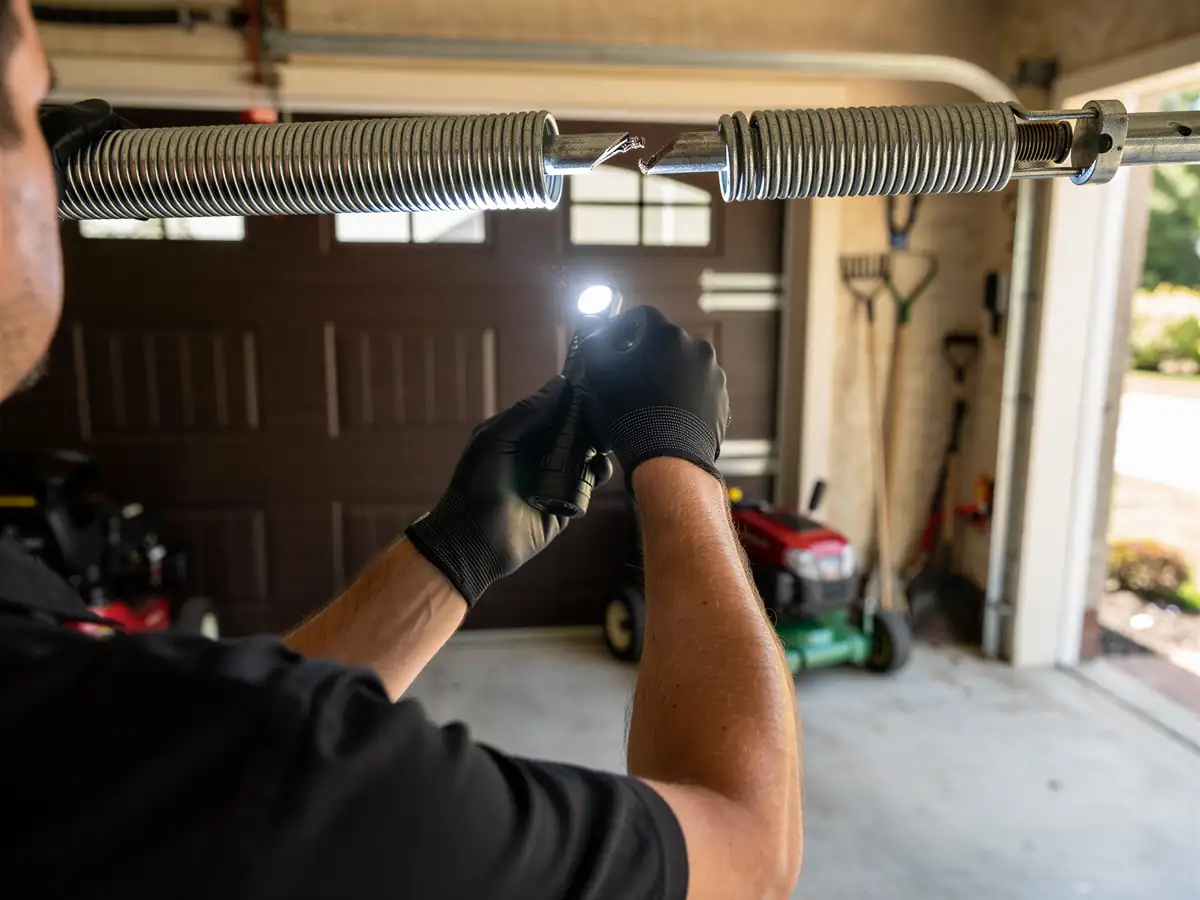
The one thing worth checking yourself: whether the cable snapped clean at the bottom fitting (cheap, fast fix) or shredded along the drum (usually means the drum's worn and needs replacing too, not just the cable). That tells us what to bring before we're on-site, and it's useful information even if you don't touch anything else.
Where This Job Goes Sideways
The job gets more expensive when the broken cable took the drum or the track with it
A cable that frays instead of snapping clean usually means it dragged against a bent track or a cracked drum on the way out, and now that's two parts instead of one. On extension systems, a snapped cable can also drop the door hard enough to bend a track section, especially on heavier doors.
The other place it goes sideways: openers that were never adjusted after the imbalance started
If the opener's travel limits and force settings are still fighting a door that's been pulling crooked for months, replacing the cable alone won't hold - the new cable will wear the same way the old one did unless the opener gets reset to match a properly balanced door.
How It Shows Up
The door drops unevenly, hangs crooked a few inches on one side, or won't move past partway up. Sometimes you'll hear a loud snap or bang first - that's the cable letting go under spring tension, and it's often mistaken for a spring breaking since the sound is similar. If the opener is still trying to run the door after the cable's gone, you'll hear the motor working against dead weight, which is worth shutting off fast rather than letting it keep trying.
A fraying cable gives more warning: a slight jerk partway through the cycle, a door that seems to catch on one side, or visible strands near the bottom fitting if you look before it fully fails. Catching it at that stage is cheaper than waiting for a full snap, since it's a cable-only fix instead of cable plus drum or track.