What Was Built Here
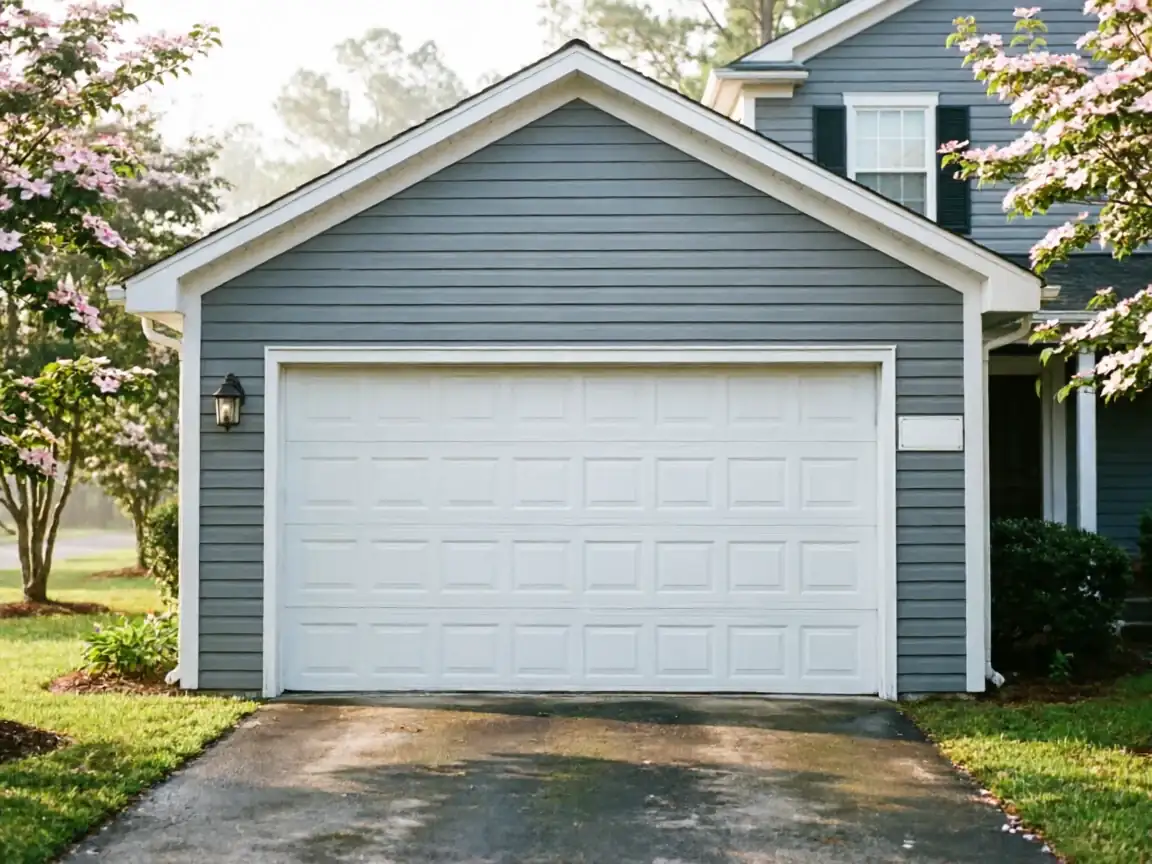
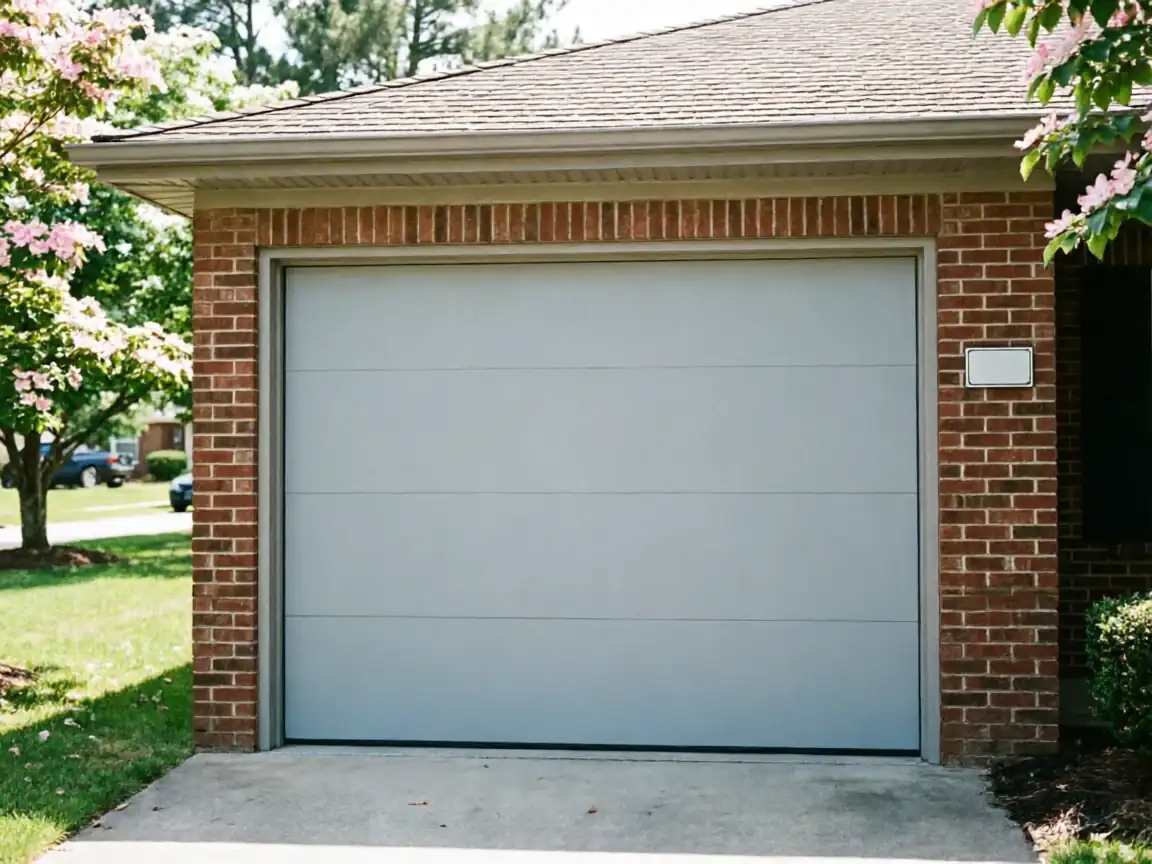
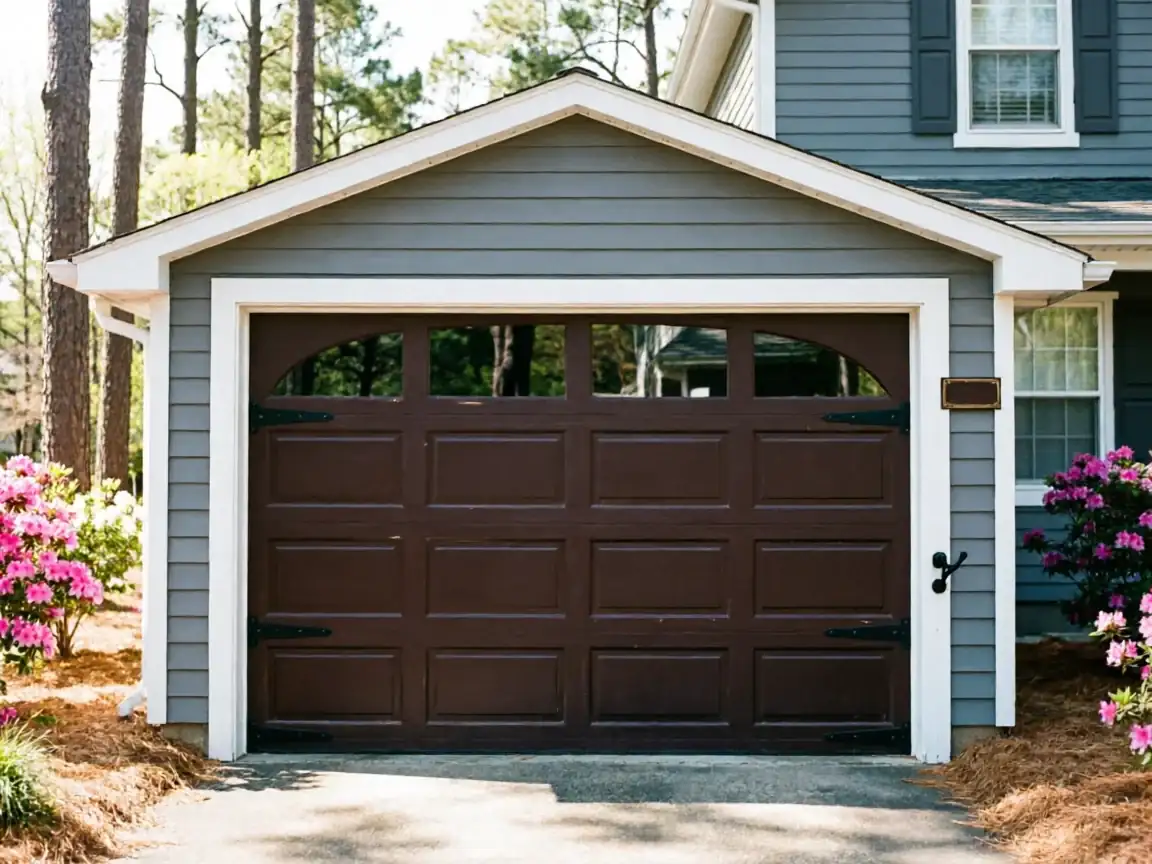
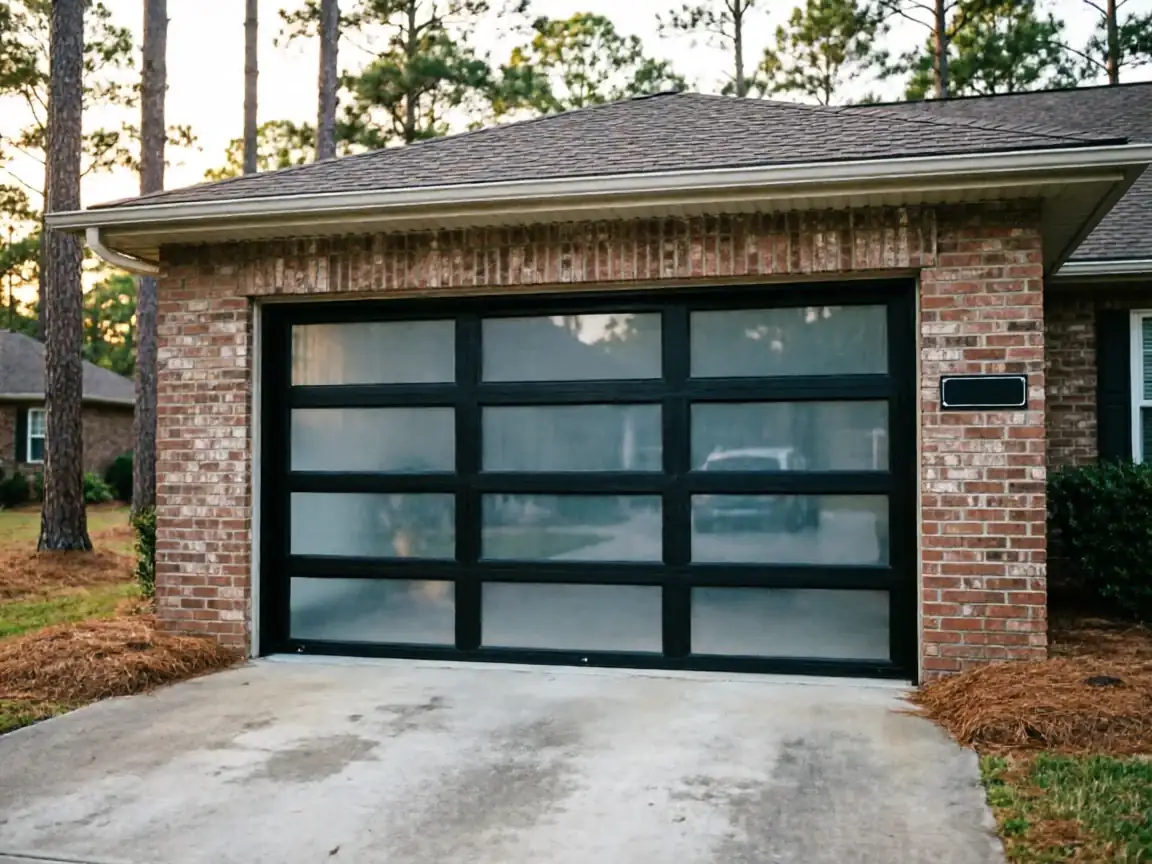
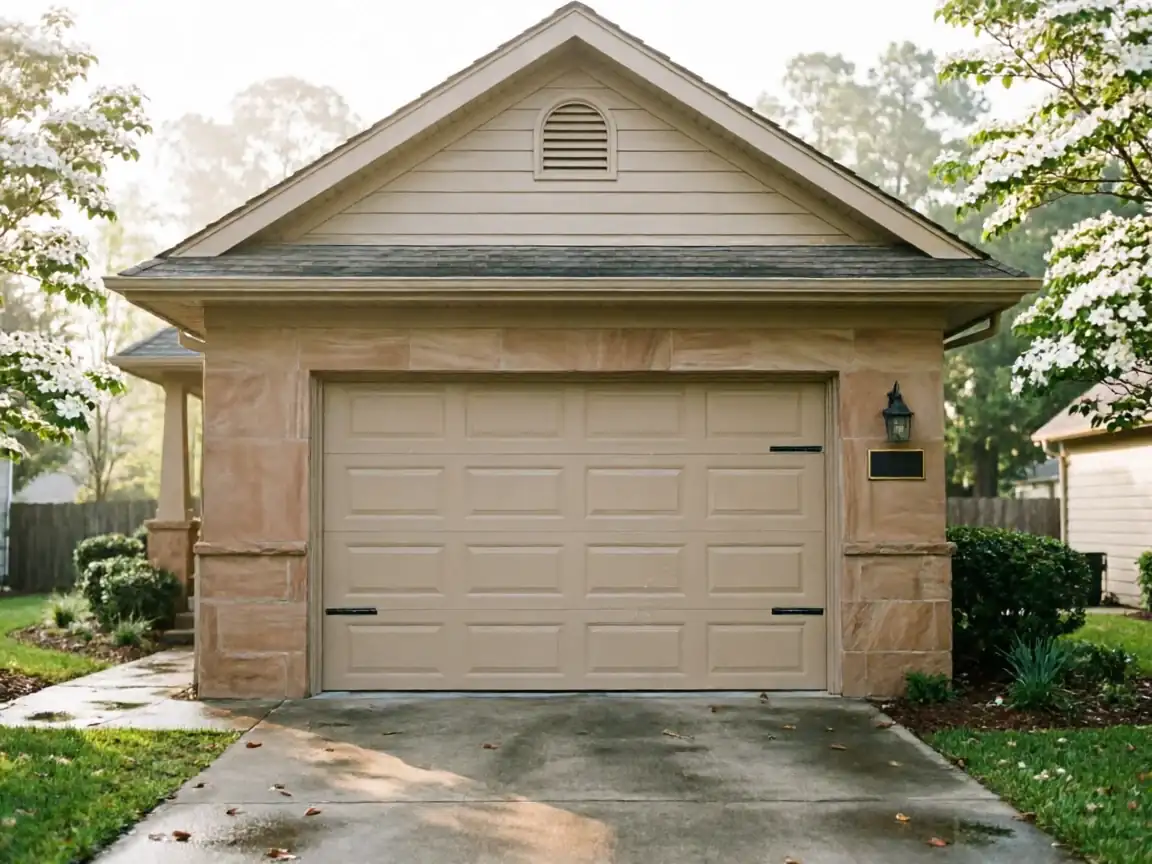
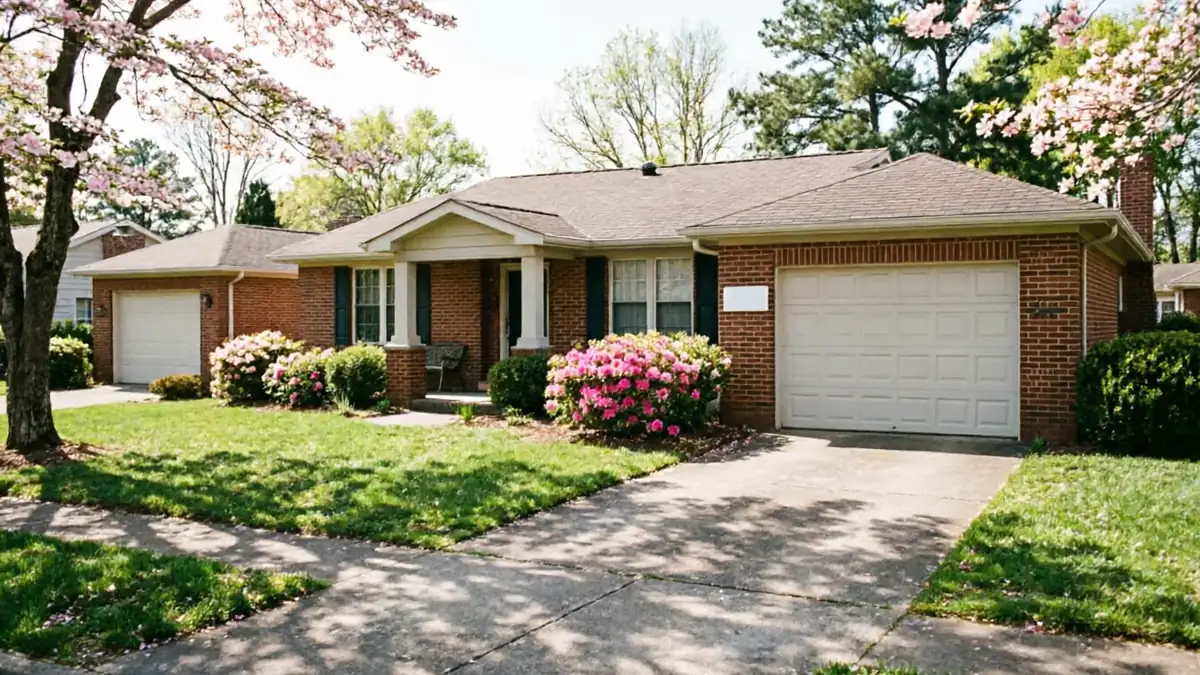
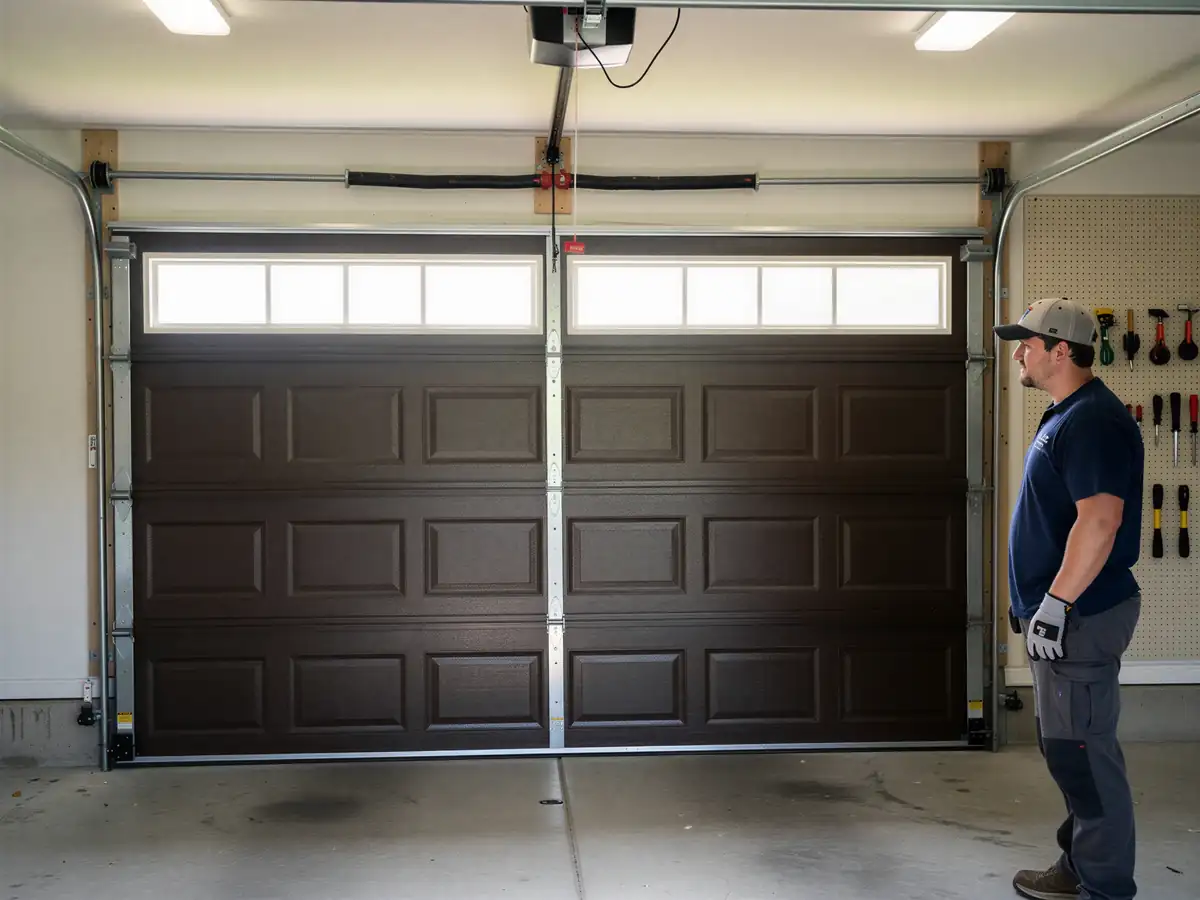
Austell sits apart from a lot of our other coverage area in one specific way: the housing stock here centers on 1988, newer than the older pockets closer to Acworth and younger than some of the stretches that go back to the mid-1960s. Across our whole service area, homes run from 1964 to 2007, with a median around 1989 - so Austell tracks close to that overall median rather than sitting at either edge. That matters because a house built in 1988 almost always shipped with a steel sectional door on an extension-spring system, not the older wood panel doors or the torsion setups that became standard later. With 3,010 households in this part of town, that's a lot of garages running the same basic hardware configuration, installed by a handful of builders working off the same spec sheet. It's not custom work, and that's actually good news for repair - parts and logic are predictable once you know the build year.
What That Means for Doors
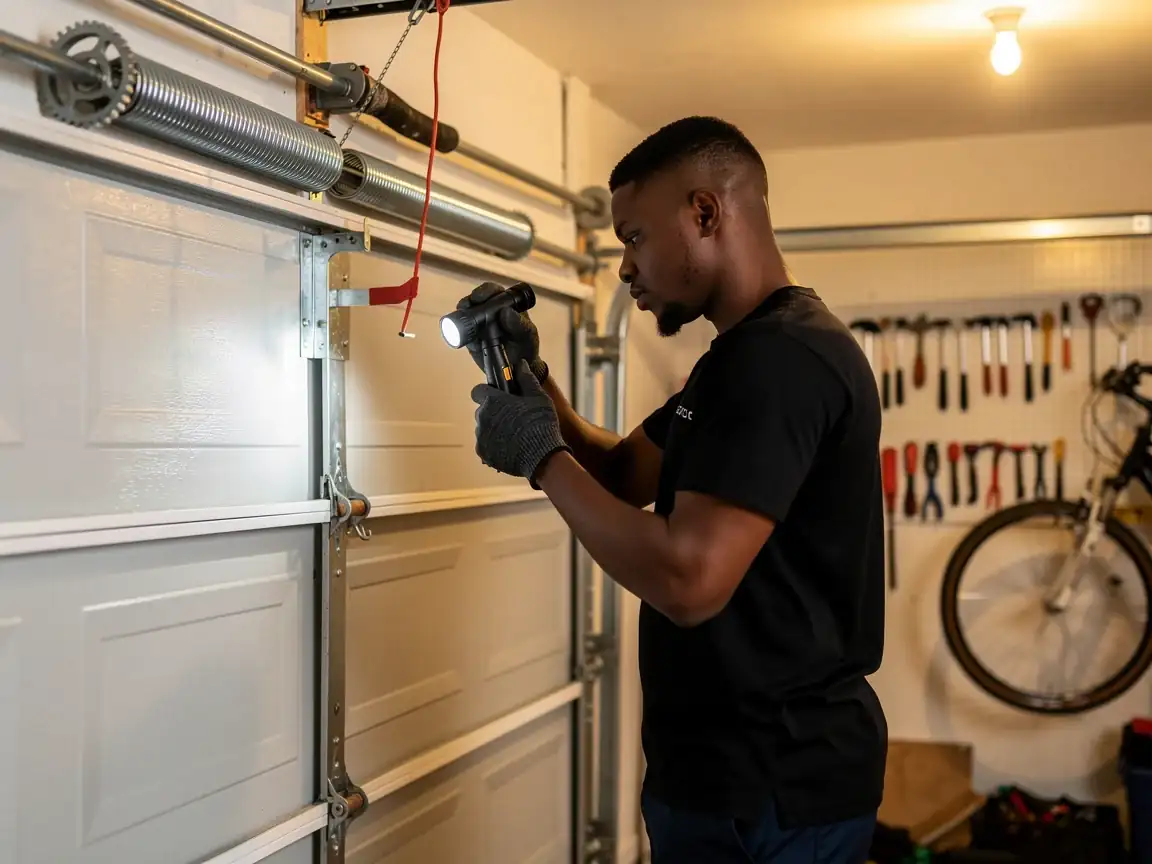
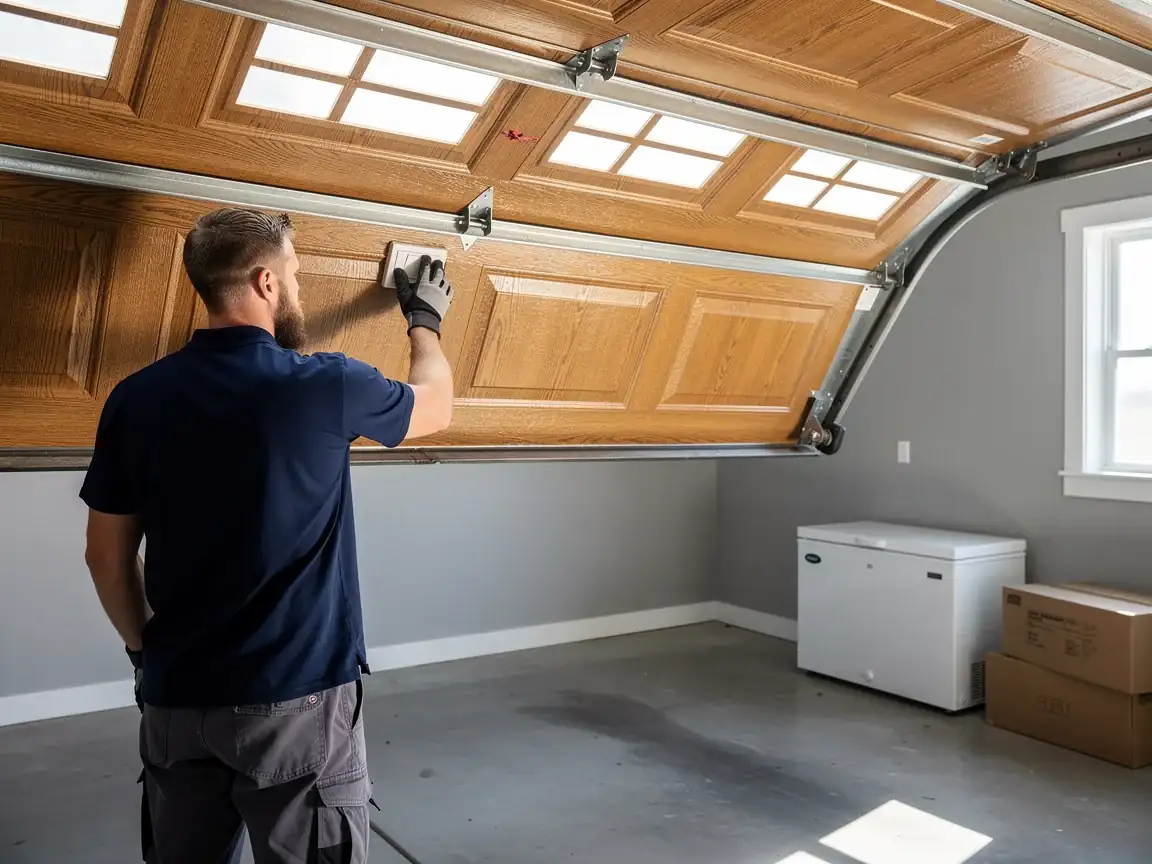
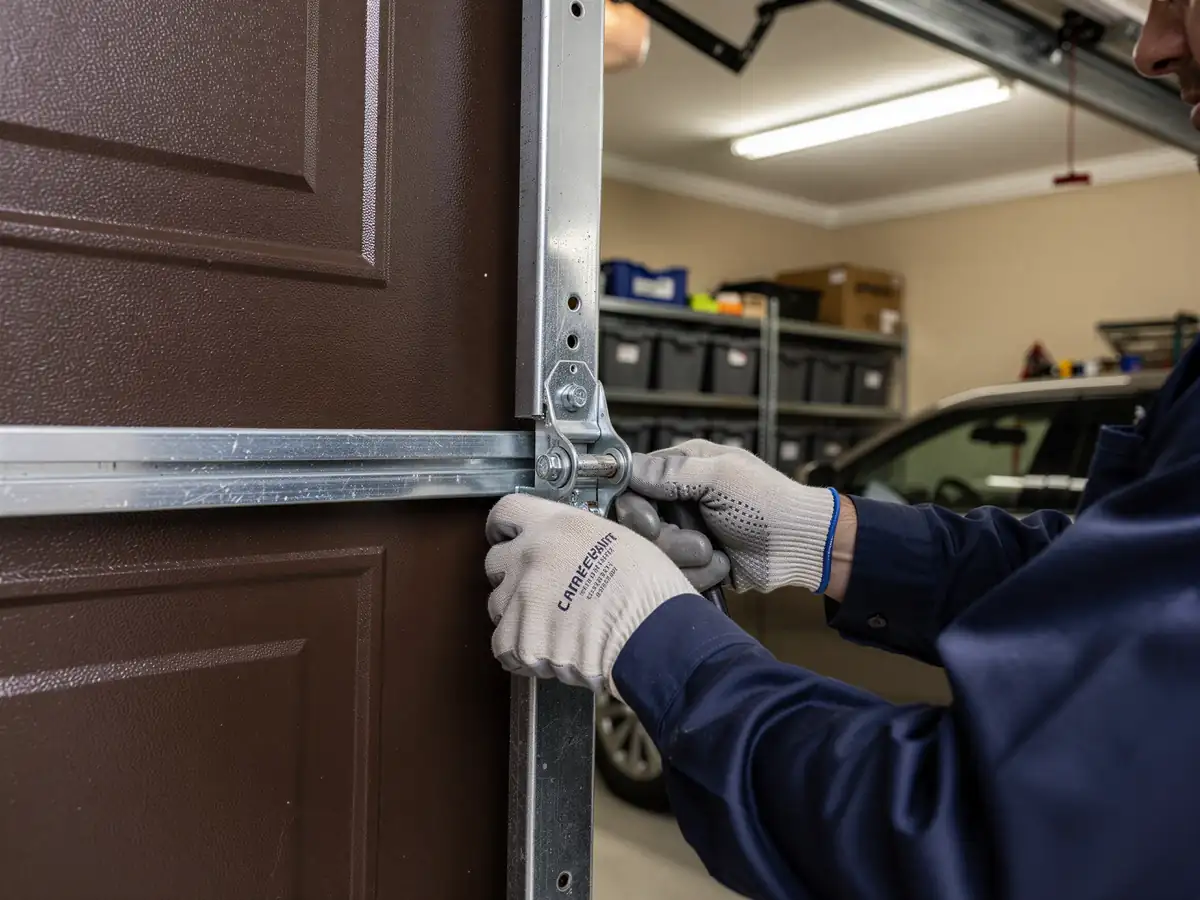
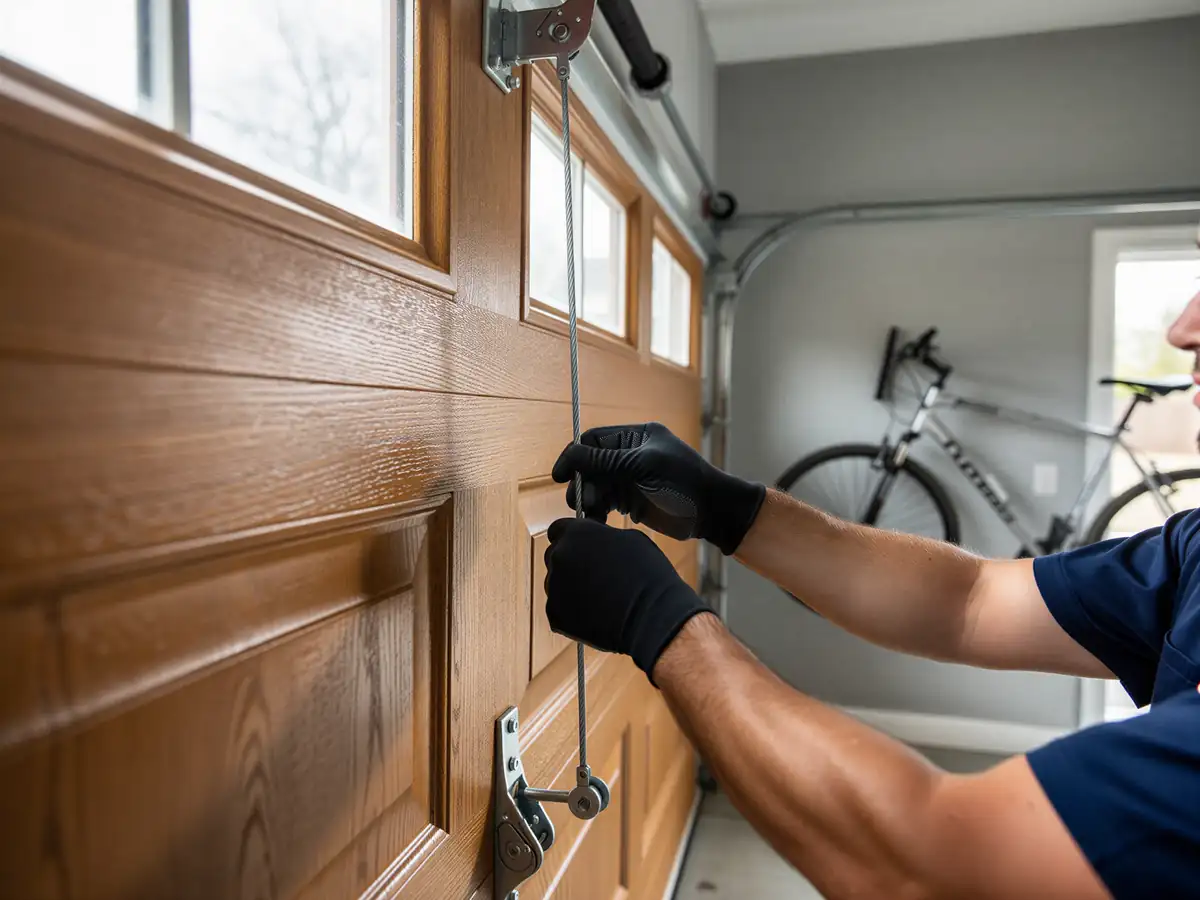
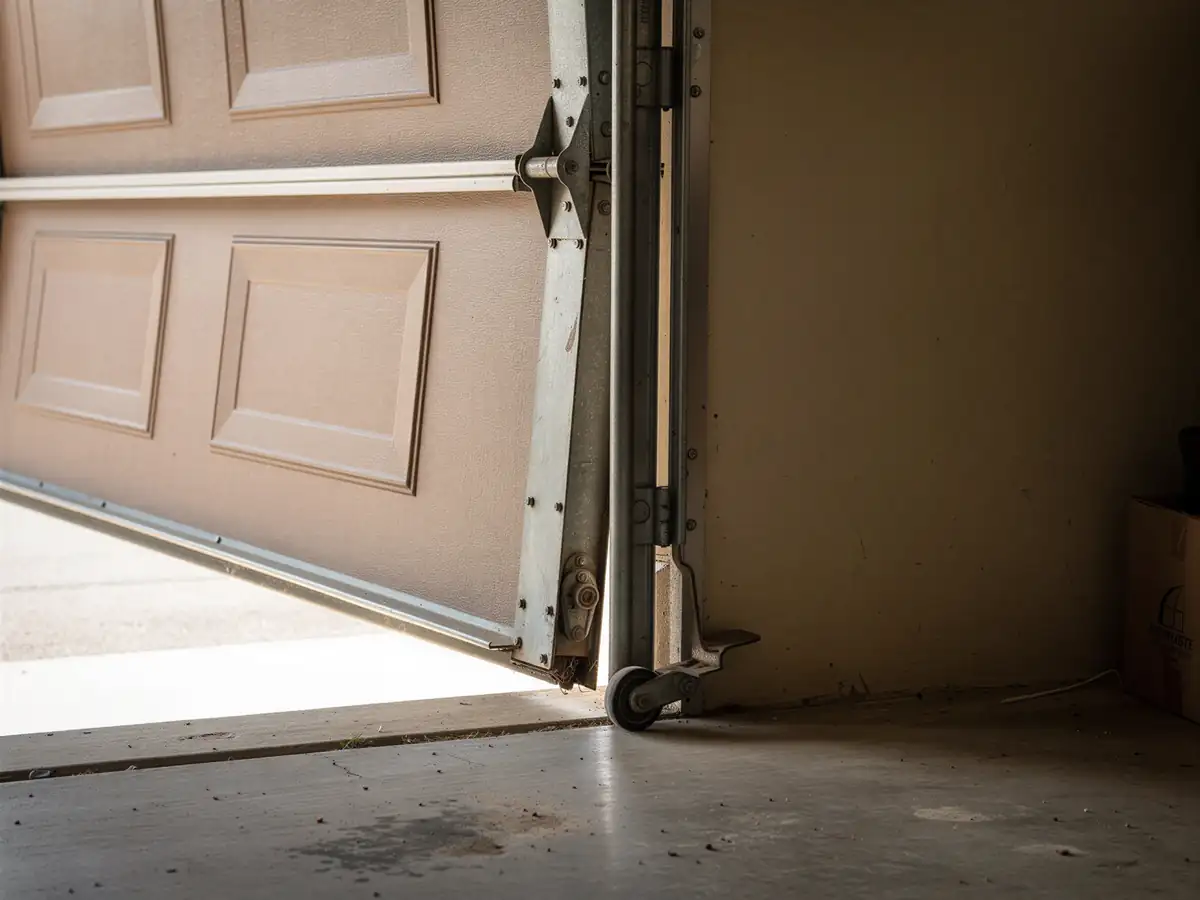
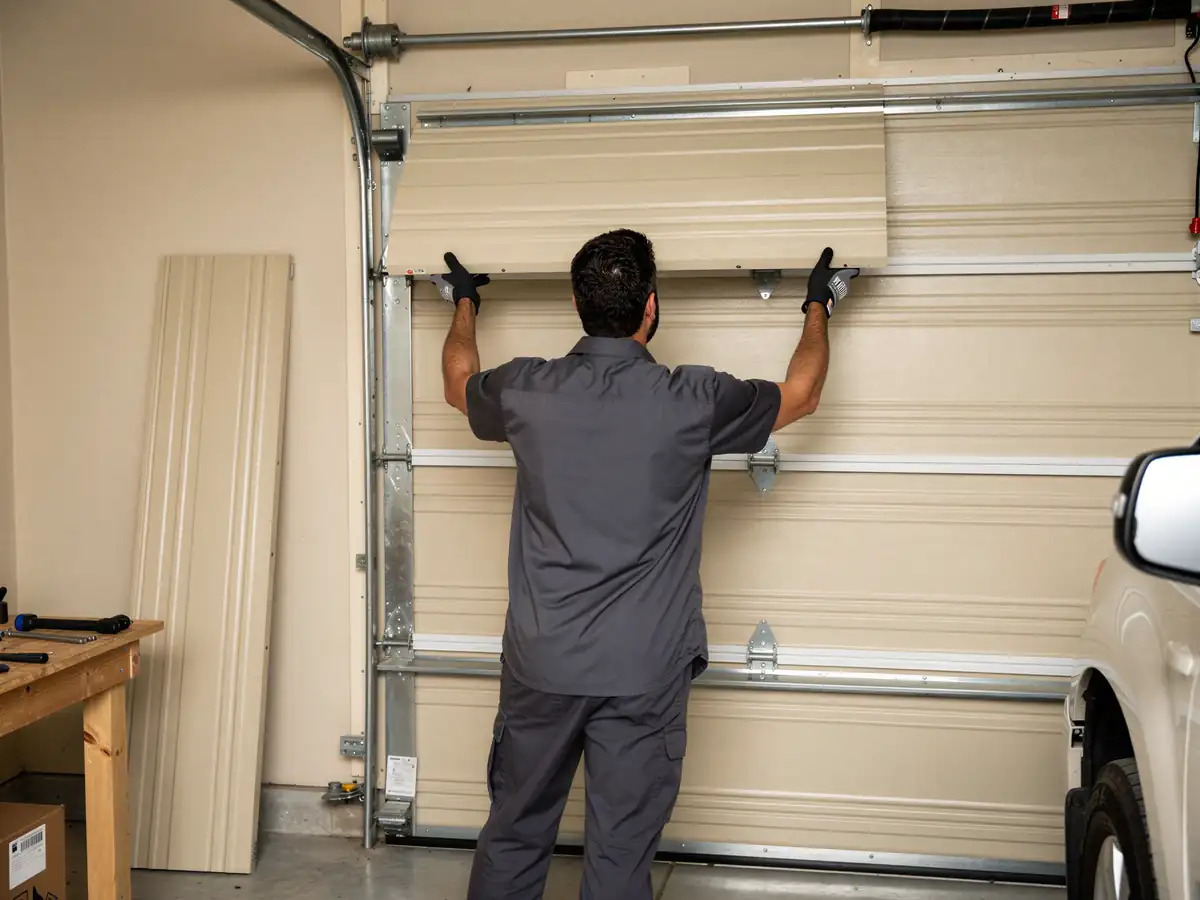
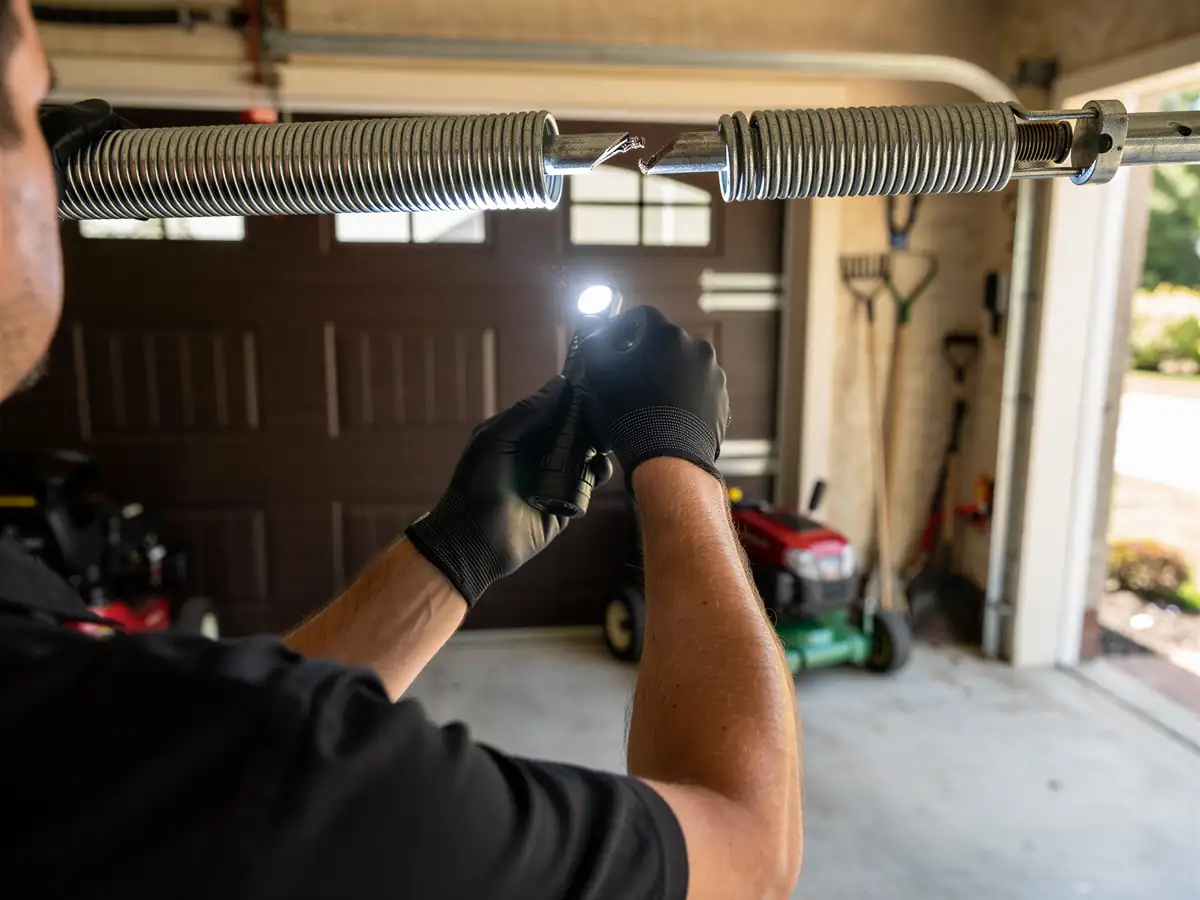
A door from the late 1980s is old enough now that the original opener - if it's still the first one - is past any reasonable service life, and the extension springs from that era wear out in ways that surprise owners who've never had a problem before. Extension springs don't fail the way torsion springs do; they stretch, the safety cables (if the house even has them) can be missing or improperly routed, and when one lets go it's a sudden, loud event rather than a slow give. We also see steel panels from this period with rust starting at the bottom section, especially where irrigation or grading sends water against the door - not dramatic, but enough to warp a panel over time. Climate here runs cold-moderate, which isn't brutal on hardware the way deep freeze-thaw cycles are, but temperature swings still stiffen nylon rollers and thicken old grease on tracks that haven't been serviced. None of this is unique to one house - it's the shared wear pattern of a specific hardware generation.
The Calls We Get From Here
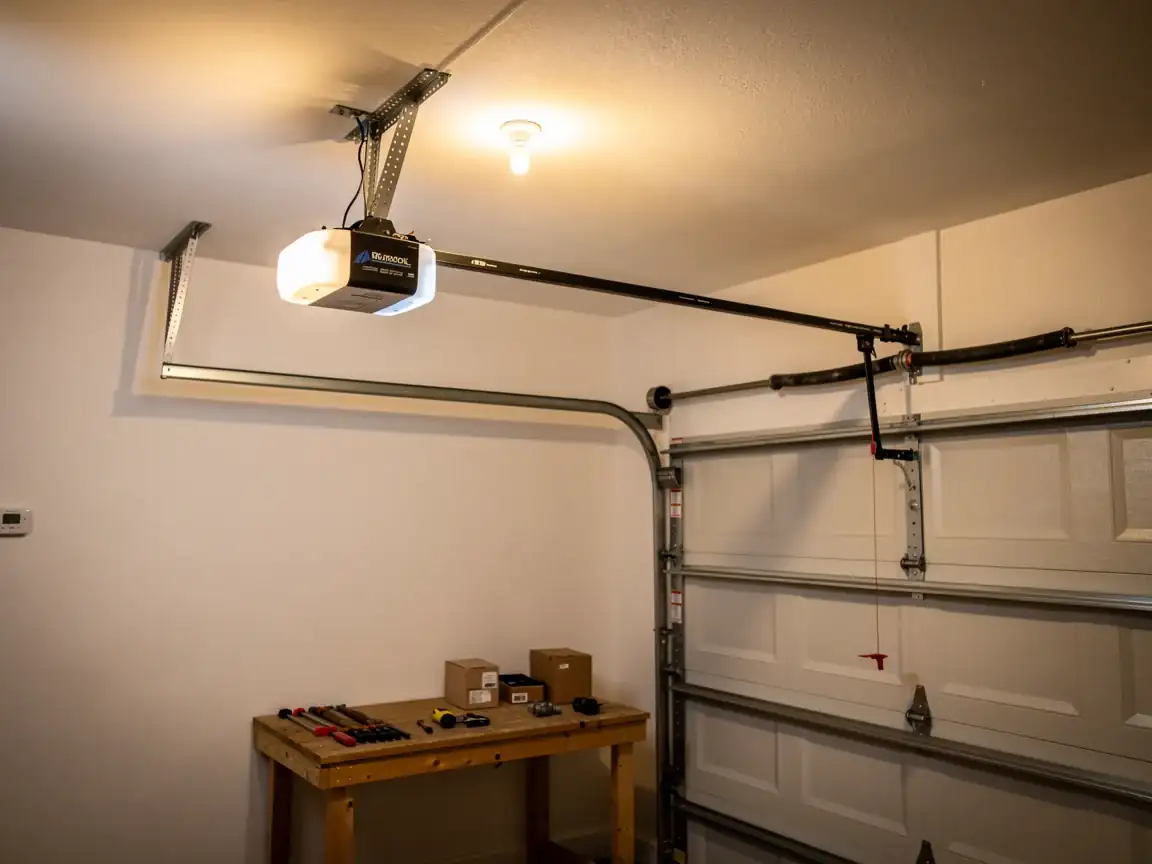
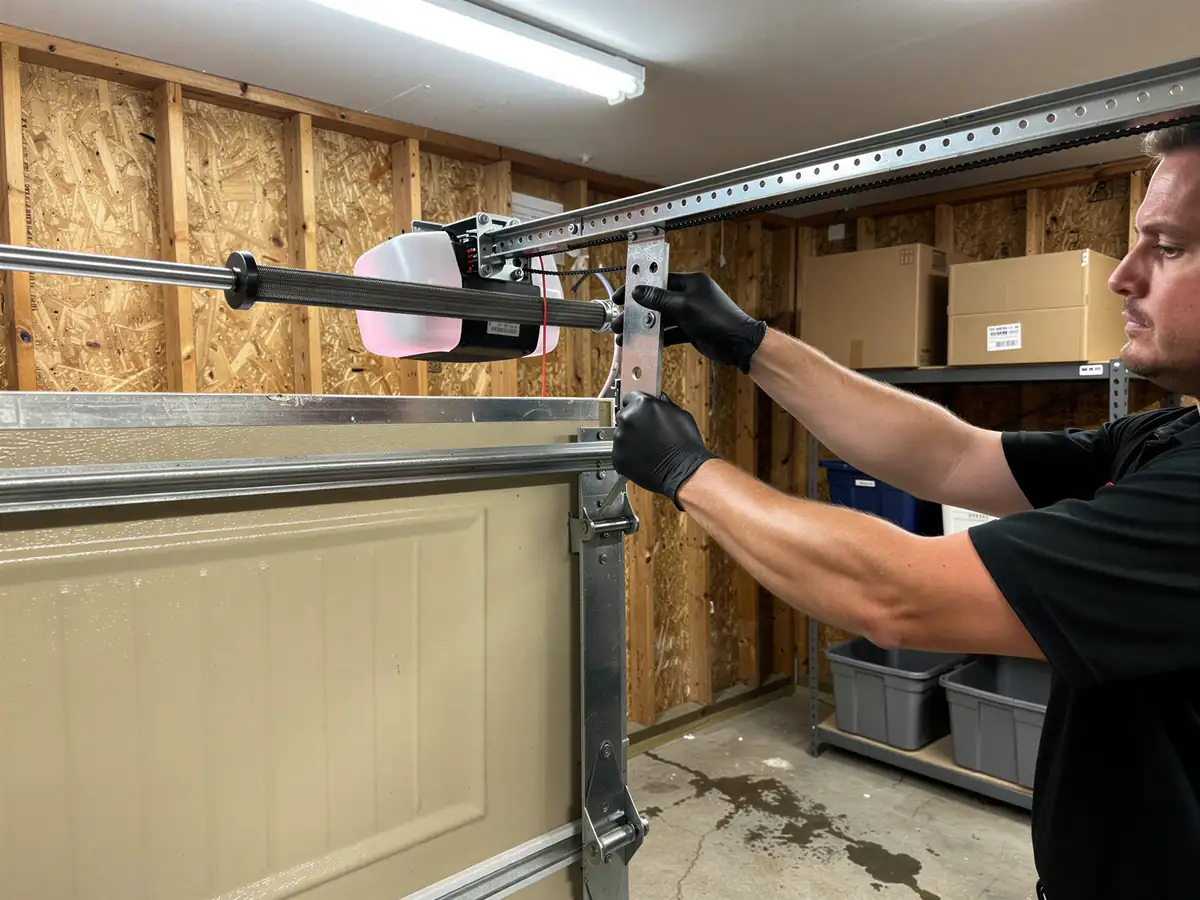
From homes in this build era, the calls tend to split a few ways: openers that grind or reverse without reason, doors that bind partway up because the extension spring has lost tension unevenly on one side, and rollers that have gone loud enough the whole street can hear the door open. We also get calls where the owner wants to convert from extension springs to torsion hardware - a reasonable upgrade on a door this age, though it's not always worth it if the door and track are also near the end of their life. One honest limit: if the opener is original and the logic board has failed, we often can't get an exact replacement part for a unit that old, and the straightforward fix is a new opener rather than chasing a part that's been discontinued for years.