What Was Built Here
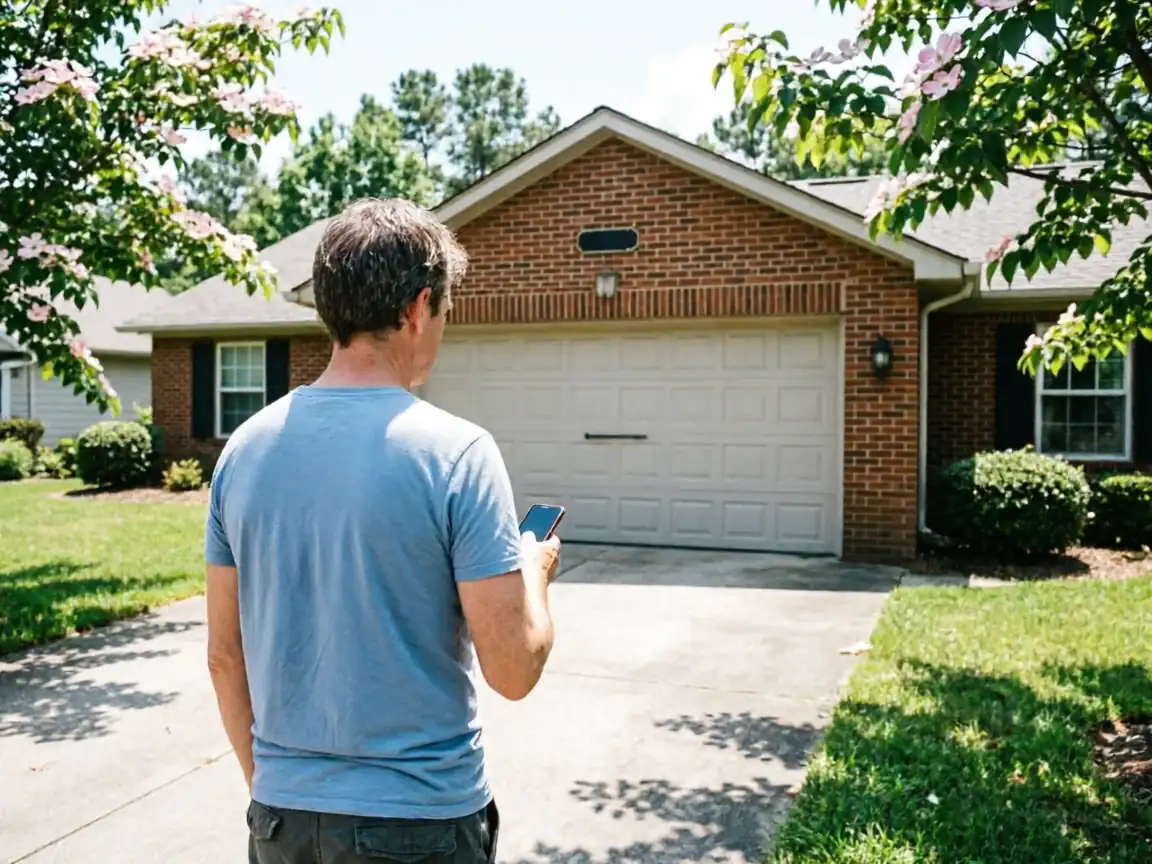
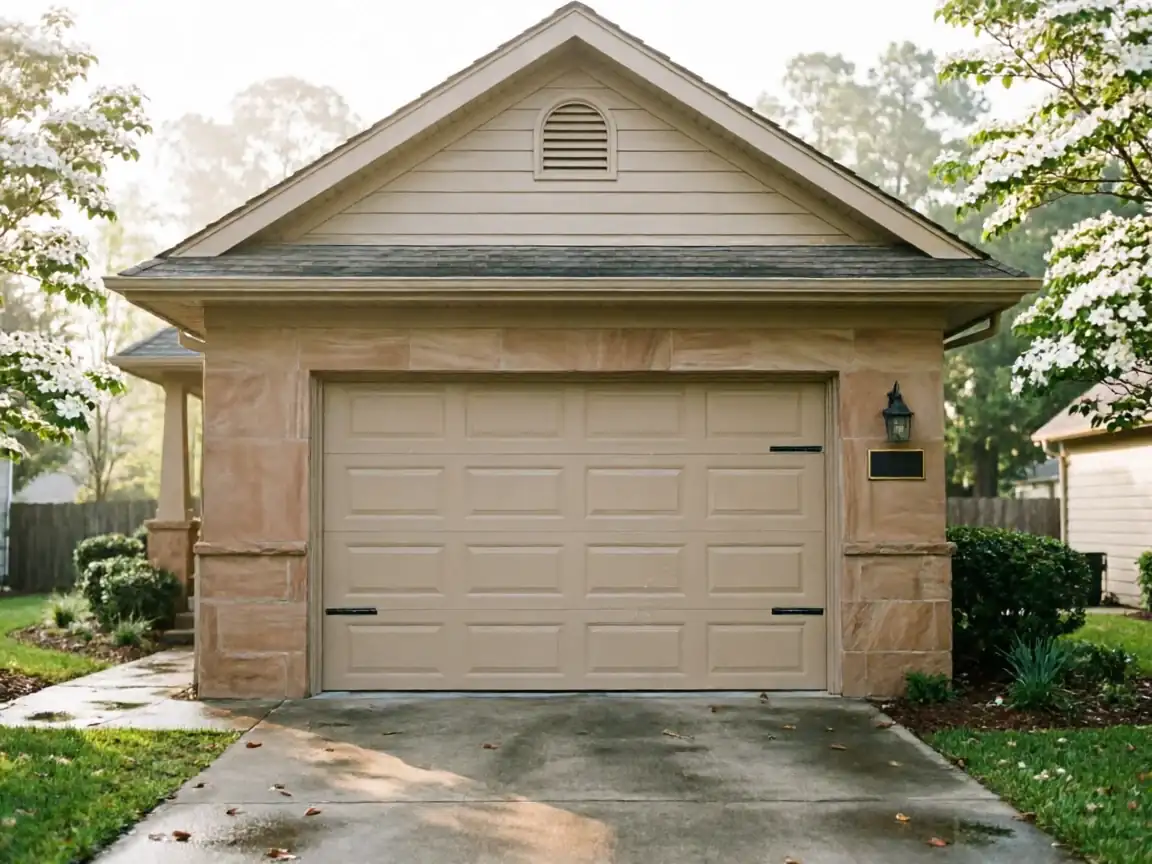
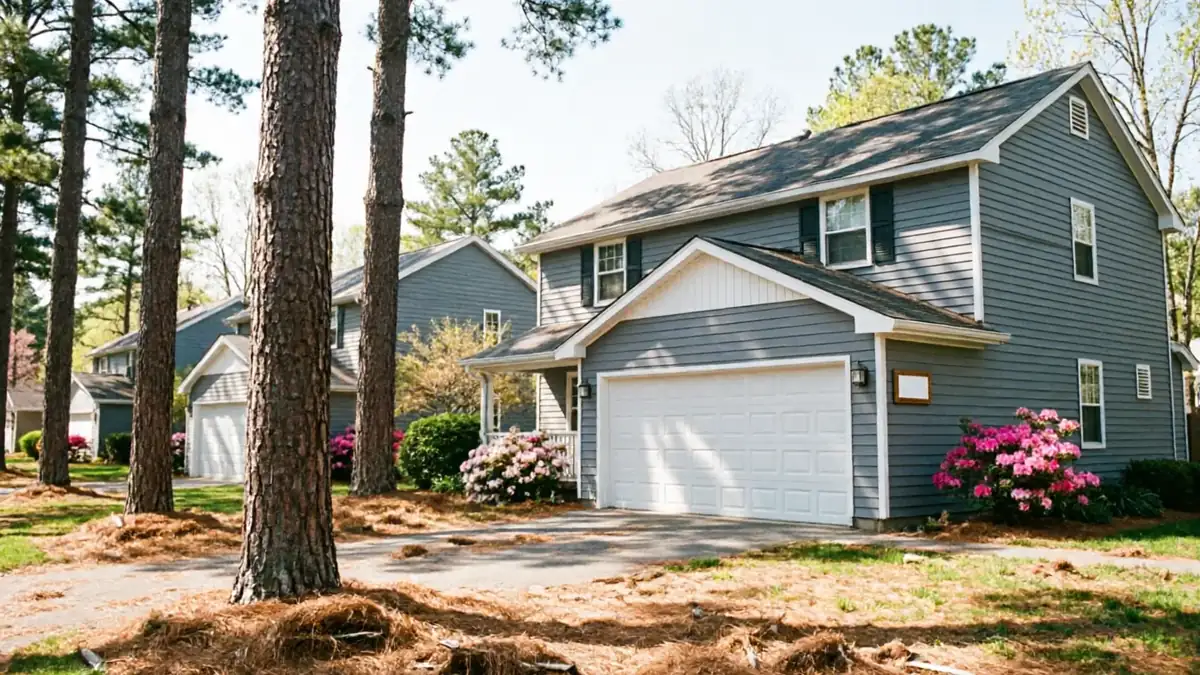
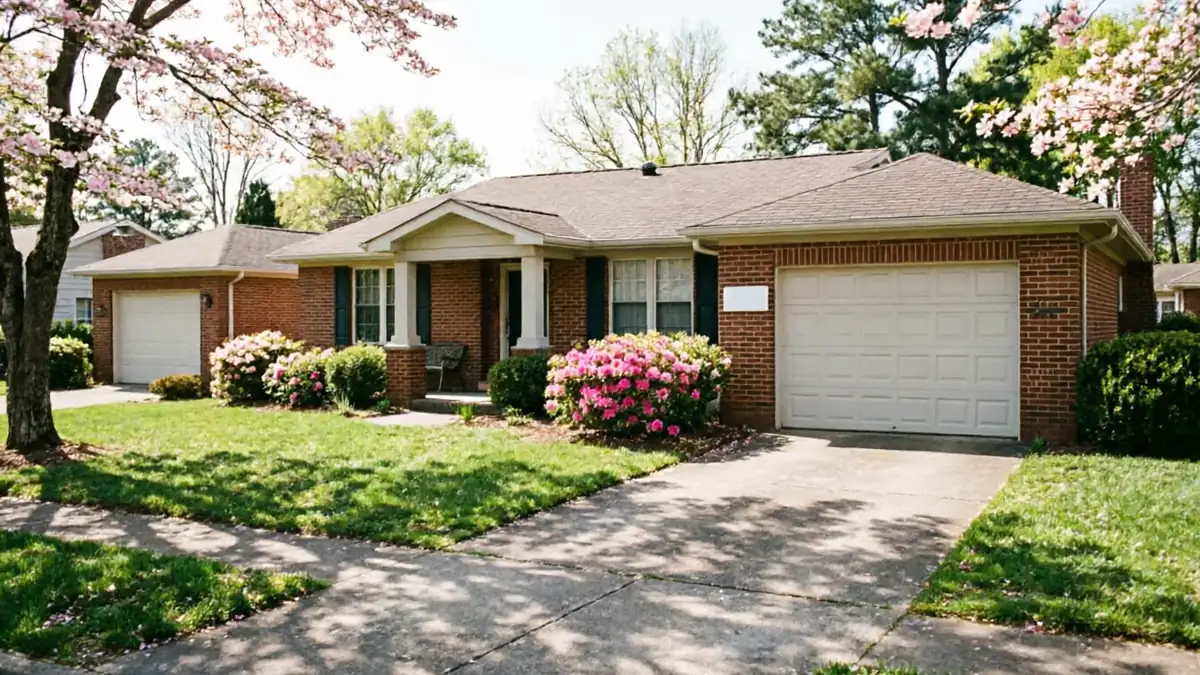
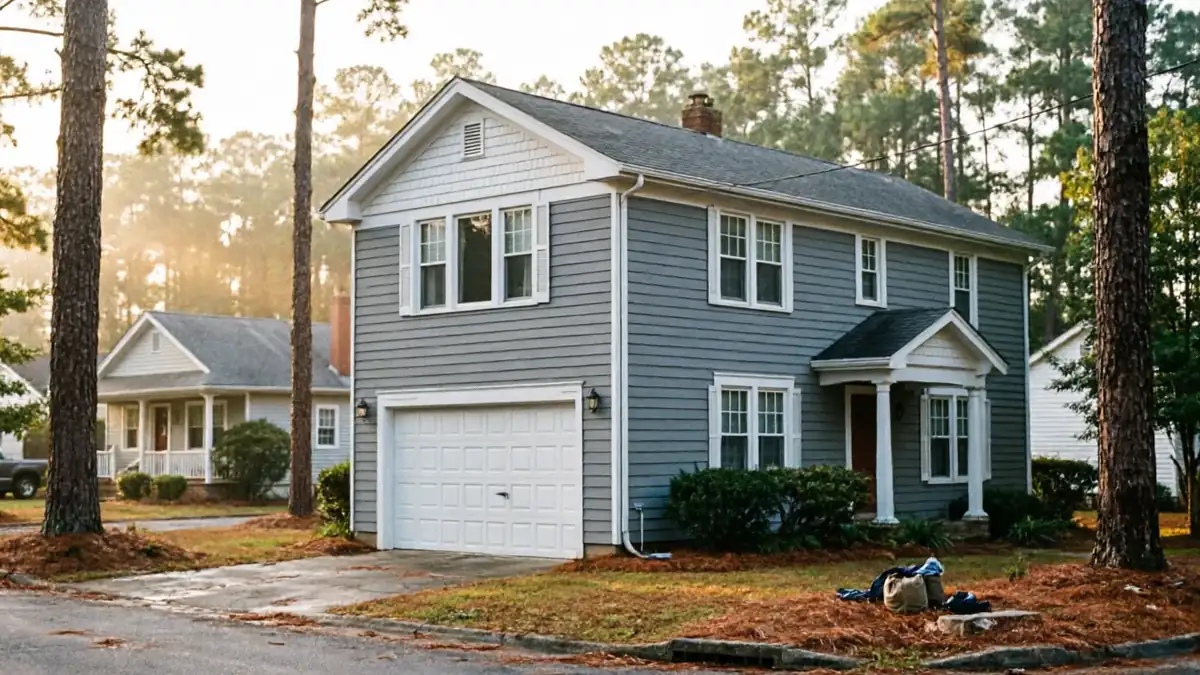
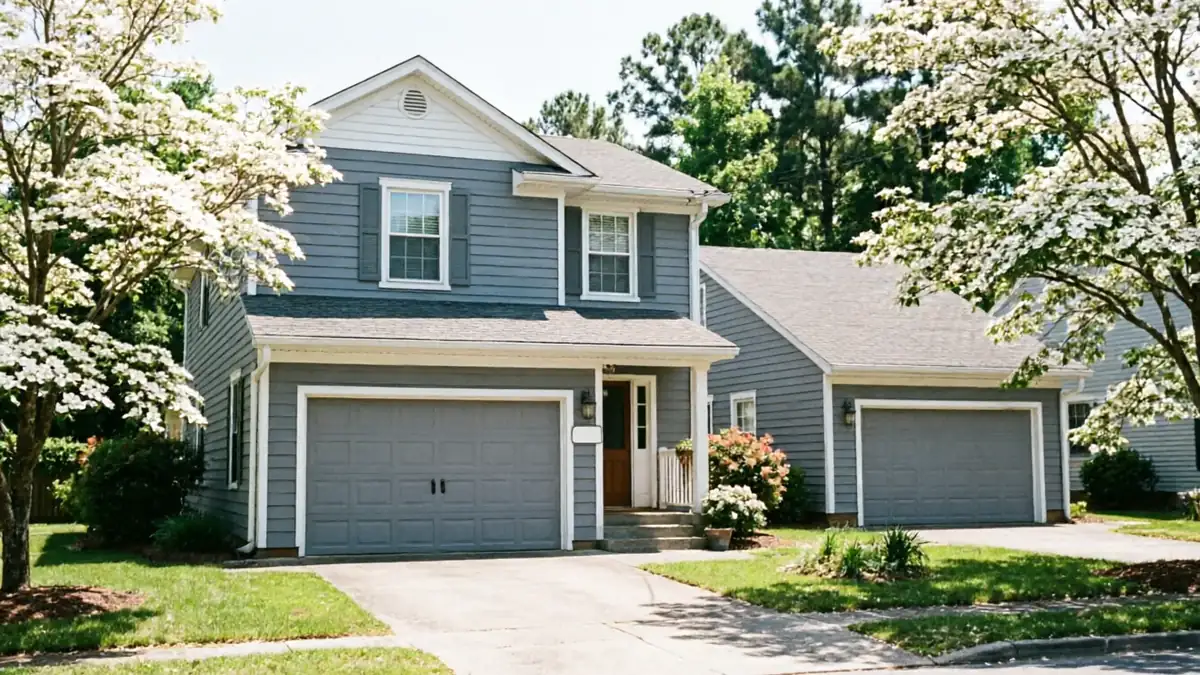
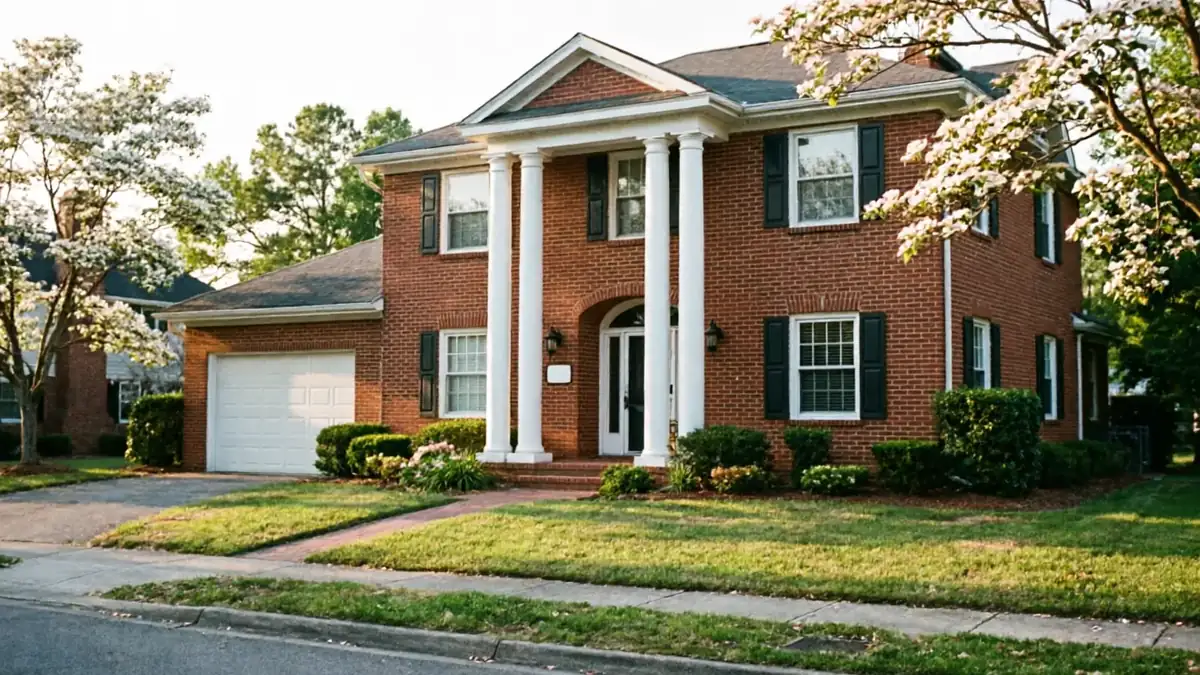
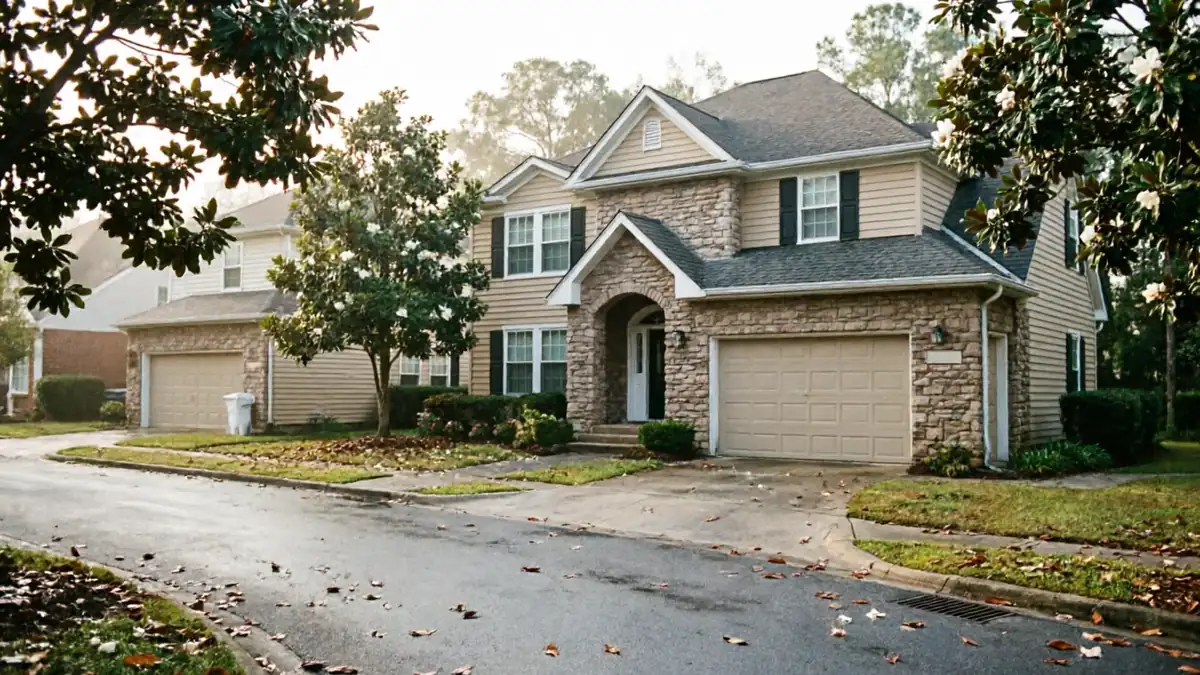
Hiram is younger than most of the territory we work. Across the wider service area the median home was built in 1989, with stock going back to 1964. Hiram's own median build year is 2004 - a full 15 years newer. That's not a small gap. It means the typical Hiram garage isn't running a door and opener from the Reagan administration; it's running gear from the early 2000s, built to a different set of standards and with different failure points.
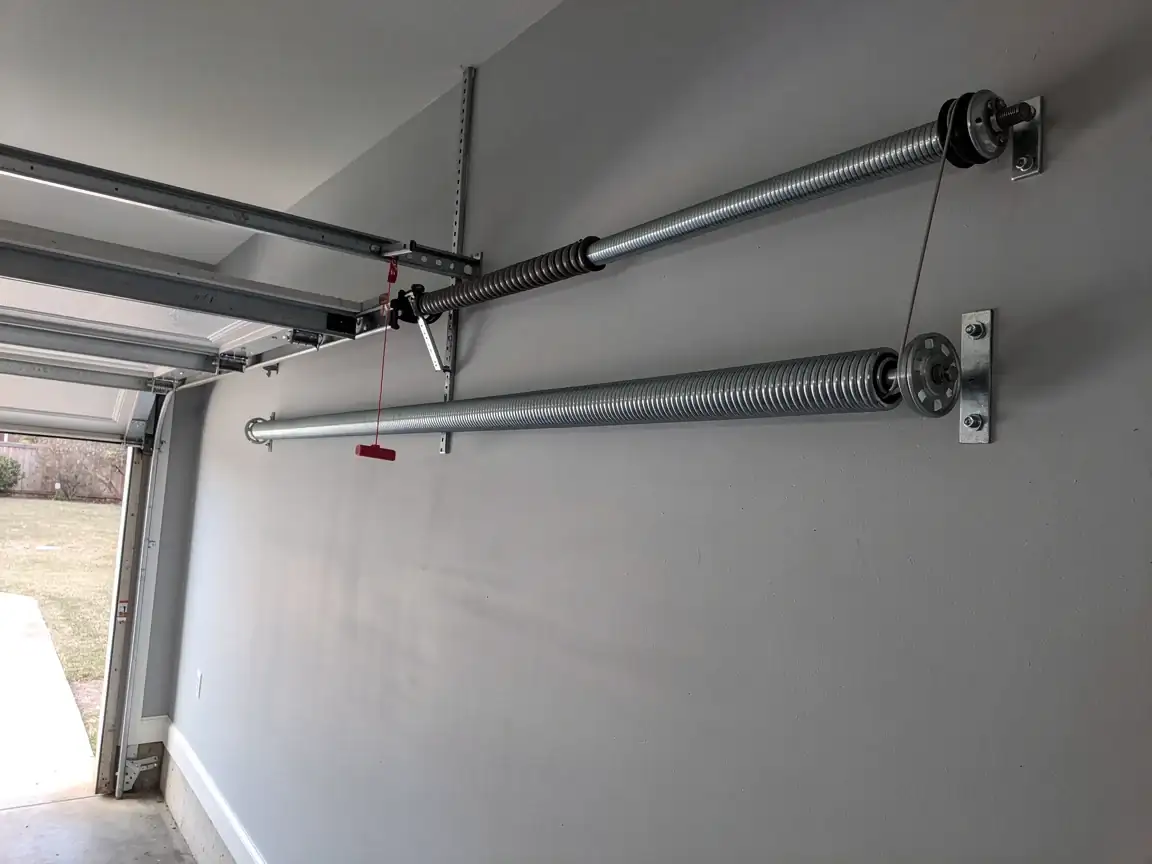
That 2004 median also tells us something about the opener side of things. Houses from this era were far more likely to ship with a chain or belt-drive opener already installed by the builder, rather than retrofitted later. The springs tend to be standard torsion setups rather than the older extension-spring configurations you still find in the 1960s-70s pockets elsewhere in our coverage. None of that makes Hiram maintenance-free - it just means the problems we see here skew toward different parts than they do on the older streets.
When We Can Get There
We run out of Acworth, and Hiram sits about 12 miles out
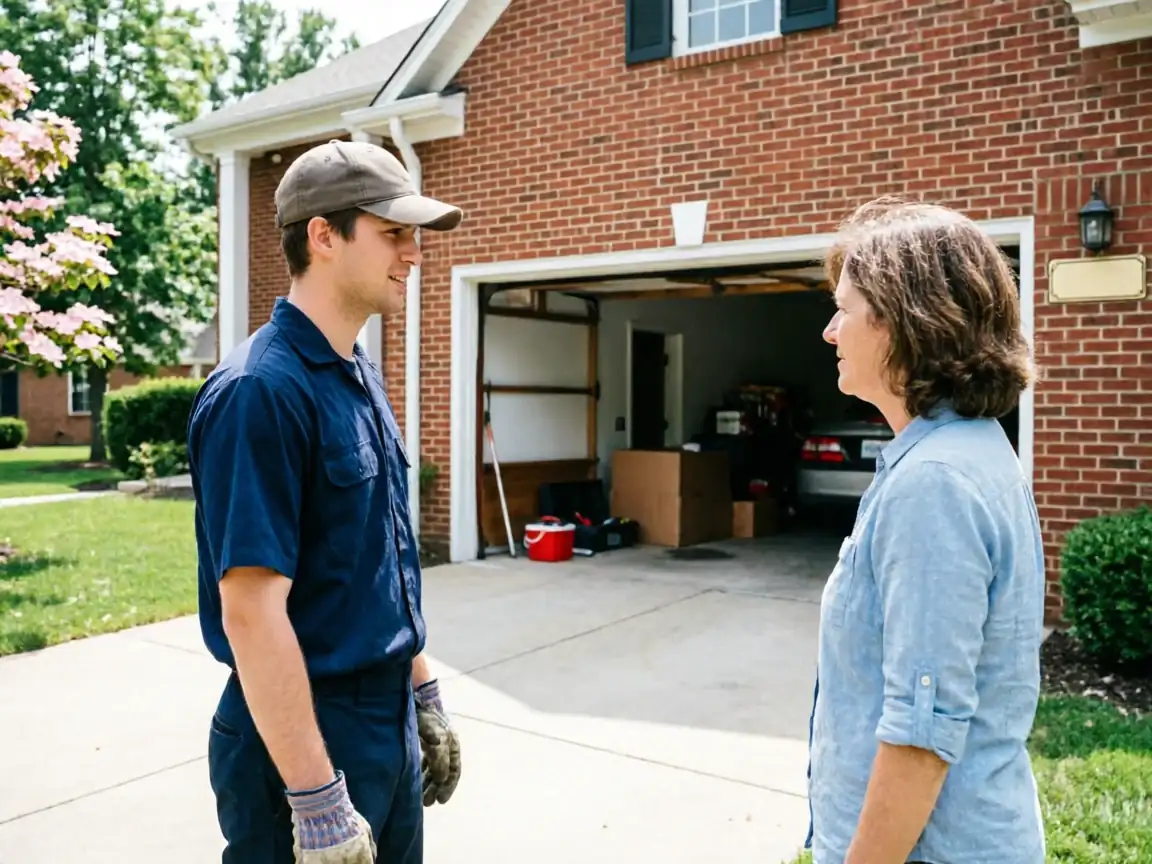
We don't keep a crew or a truck stationed in Hiram - every job here is a drive from the Acworth side, same as our other outlying stops. We're not going to promise a same-hour window we can't back up; what we can tell you is that 12 miles is a straightforward, direct run, not a haul across the county.
- 12 miles
If you're weighing whether to call for a same-day visit versus scheduling ahead
It helps to know we're coming from outside Hiram rather than already parked nearby. For anything that isn't an emergency - a noisy roller, a slow opener, a panel that needs replacing - booking ahead gets you on a route we're already running that day rather than a special trip.
What That Means for Doors
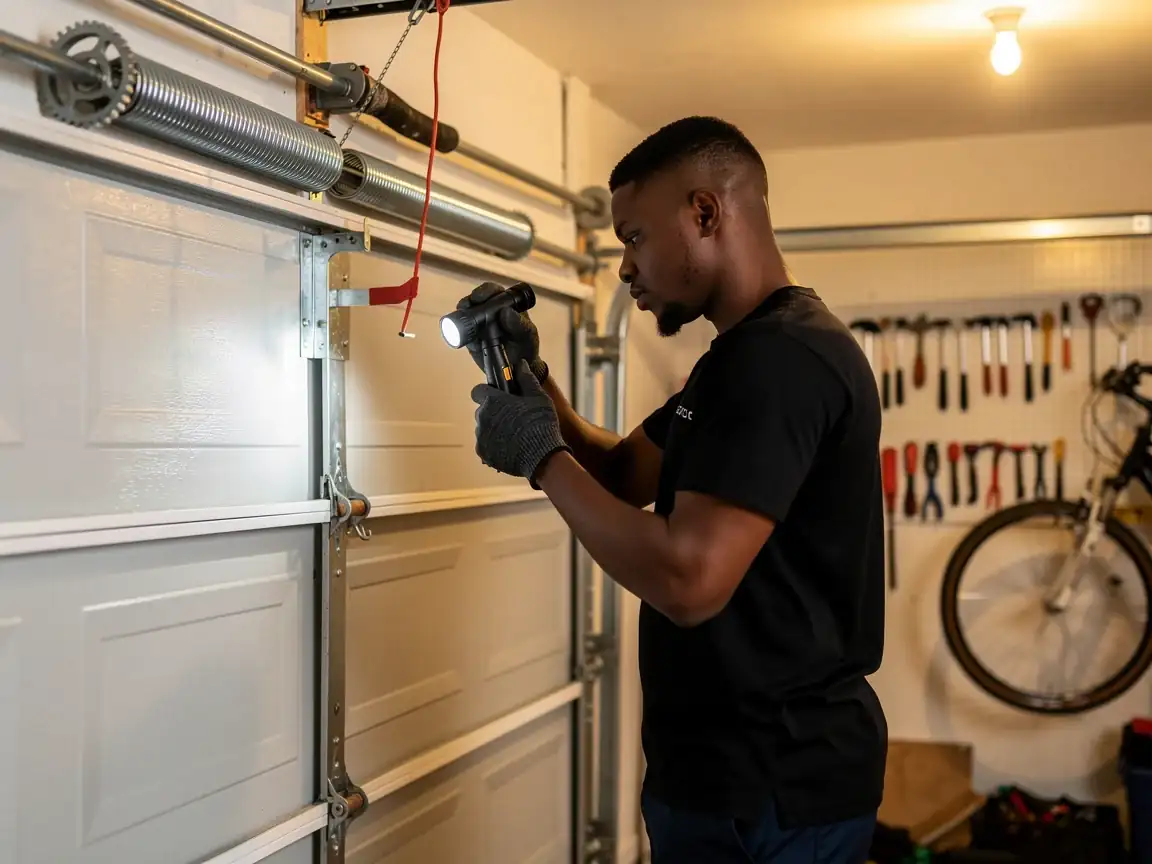
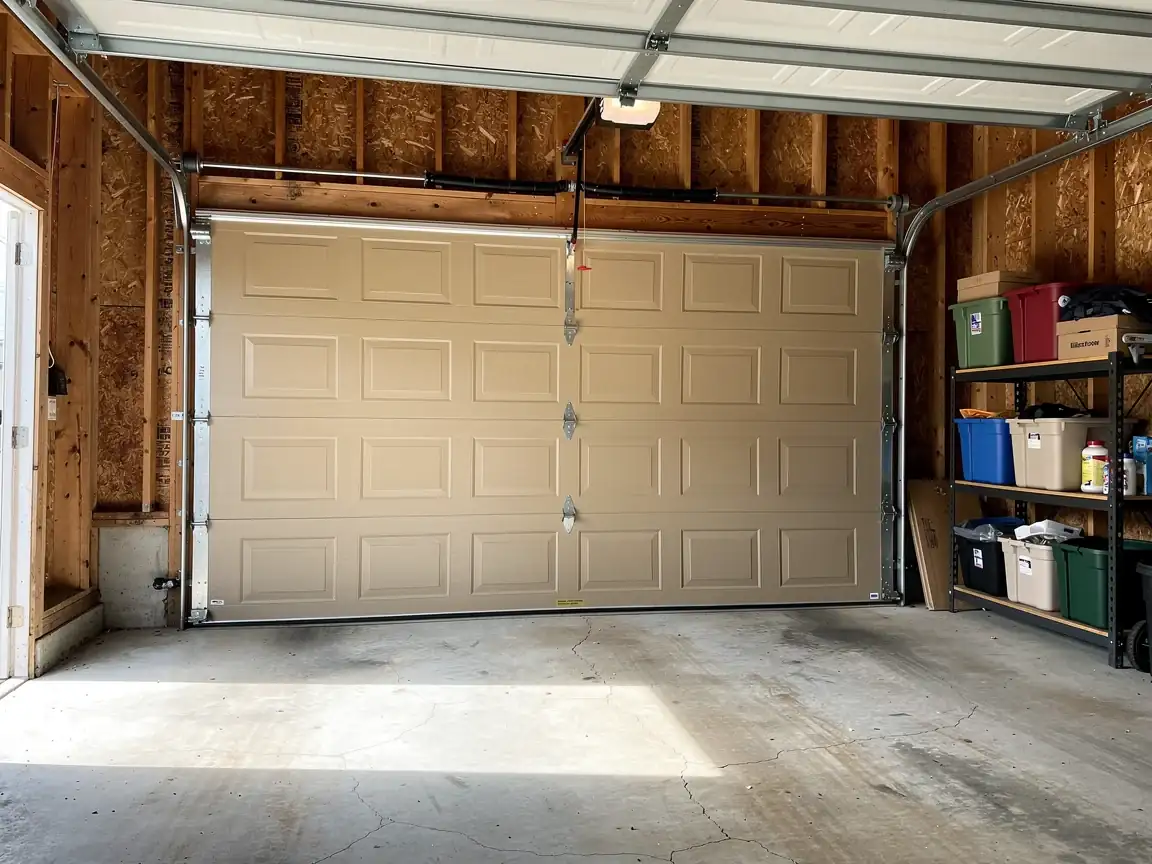
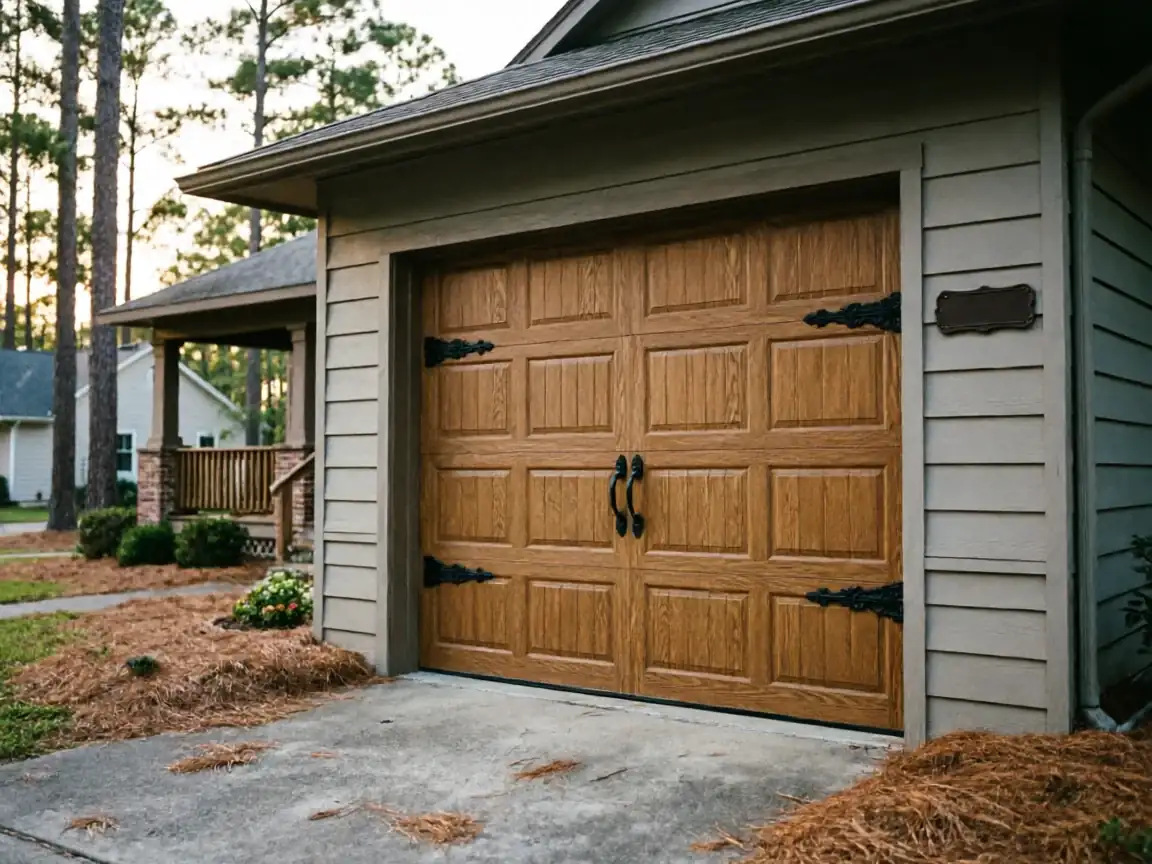
With a 2004 median build year, most Hiram garage doors are old enough to have real wear but young enough that the failures are mechanical, not structural. Torsion springs rated for roughly 10,000 cycles start giving out right around the 15-20 year mark if a household is opening the door a couple times a day, which puts a lot of original Hiram springs at or past that point now. Openers from this era - logic boards, not just motors - are also hitting the age where capacitors and circuit boards fail before the motor does.
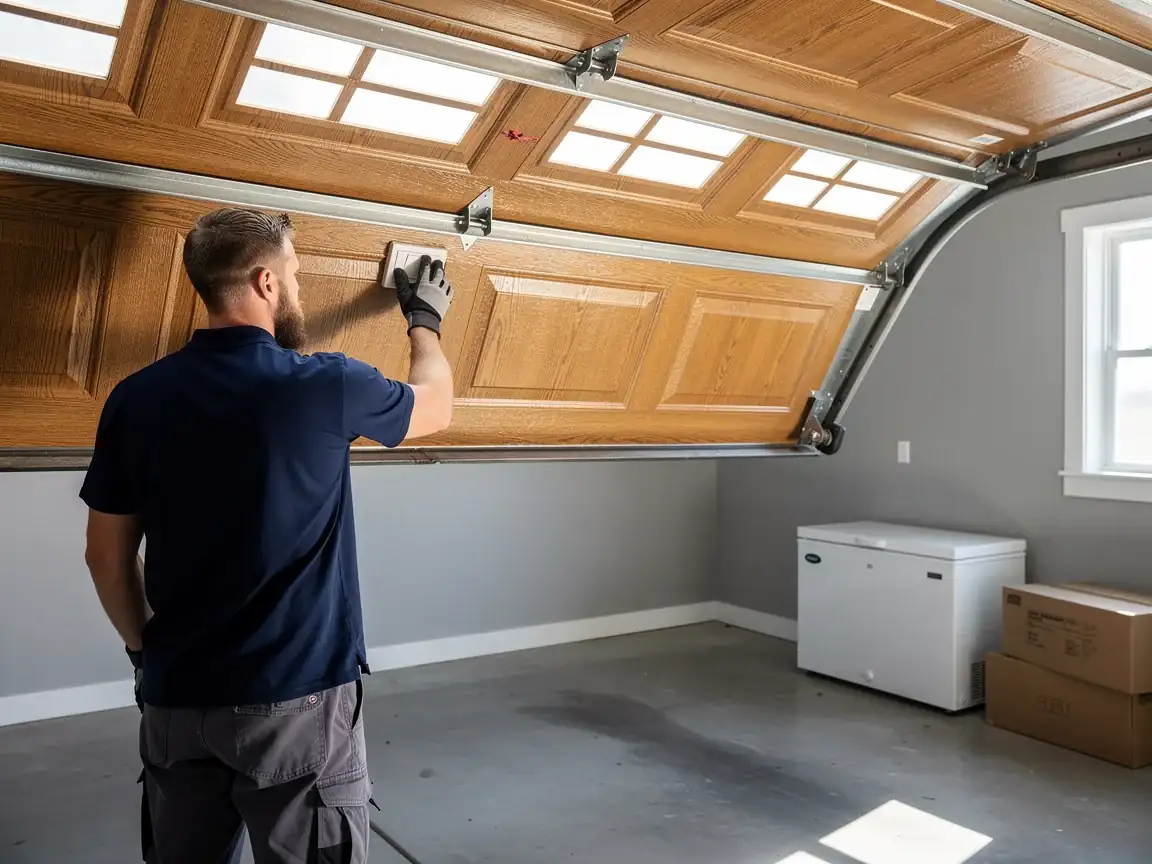
We're in a cold-moderate climate band here, which doesn't beat up hardware the way deep freeze-thaw regions do, but it still means steel tracks and rollers see some seasonal expansion and contraction every year. On 2000s-era doors that's usually a slow roller or a track that's walked slightly out of alignment, not a cracked panel. One honest limitation: if a spring on a door this age has never been serviced, we'll often find the cable and drum worn too, which turns a spring swap into a bigger job - better to know that up front than get surprised at the truck.
The Calls We Get From Here
The calls from Hiram lean toward opener trouble more than they do in older parts of our territory - logic board failures, remotes that stop syncing, openers that run but won't fully close. That tracks with a 2004 median build year: these are openers old enough to fail electronically but not old enough to be the simple chain-drive units that just need a new motor.
Household income in Hiram runs around $80,278, a bit above the $78,351 median across the wider service area, and we mention that only because it shows up in how people decide between repair and replacement - Hiram owners more often ask us to quote a full opener swap rather than patch the old one. We still see the standard stuff too: a spring that lets go on a cold morning, a cable that frays, a sensor knocked out of alignment. It's just a different mix than you'd get in a neighborhood built in the 1970s.