Parts We Carry
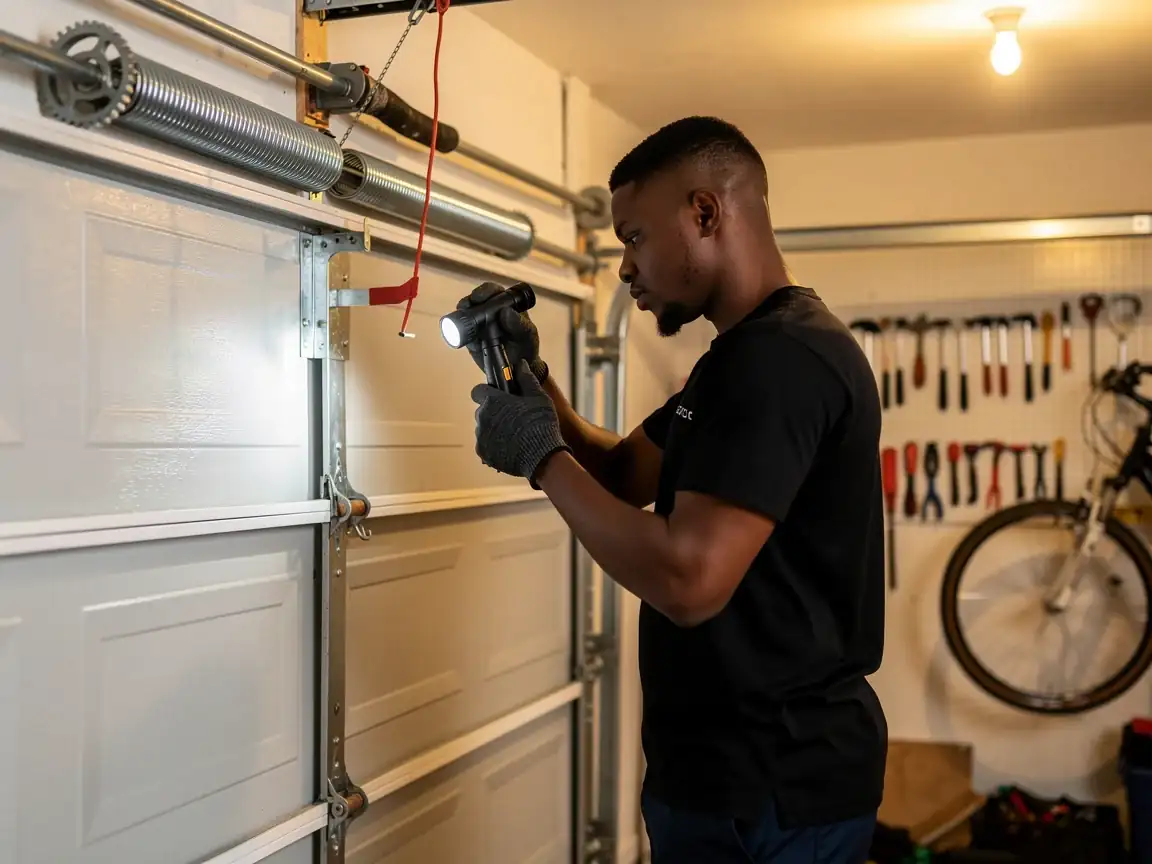
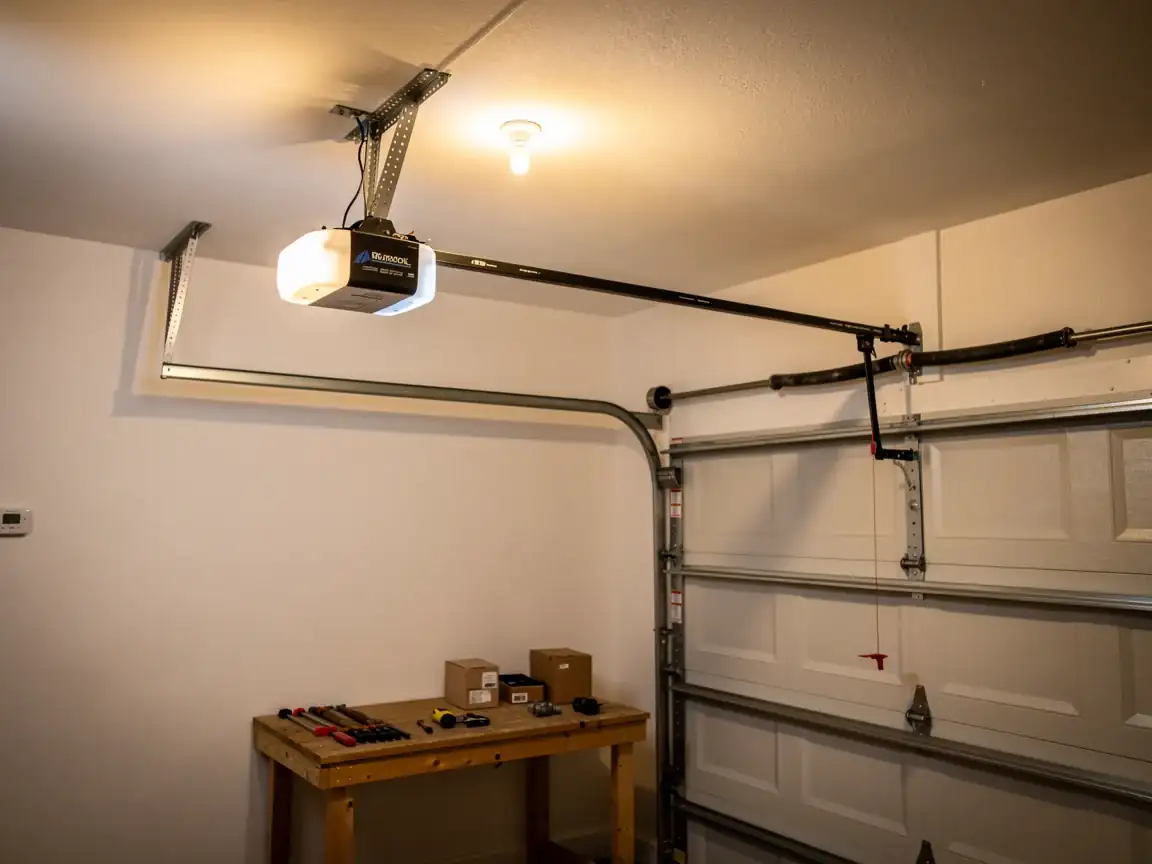
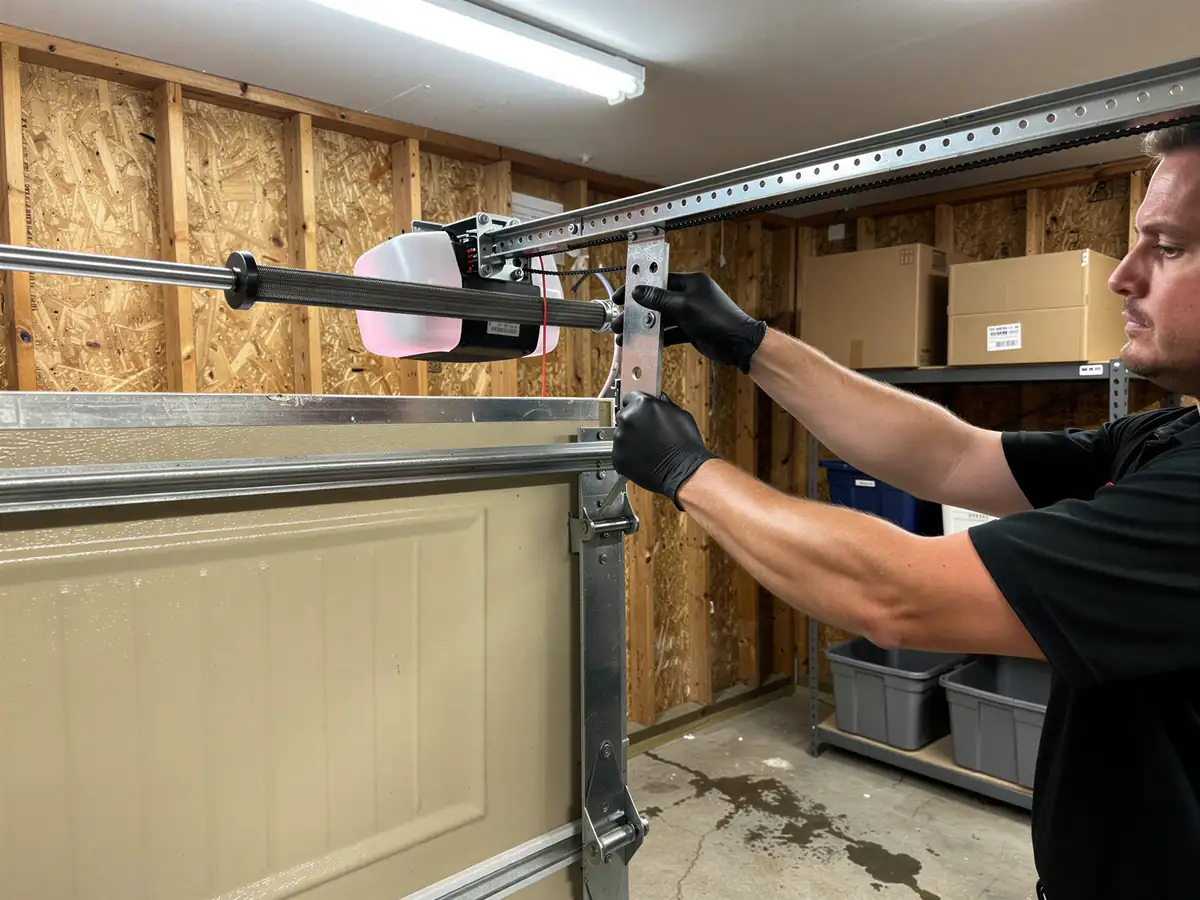
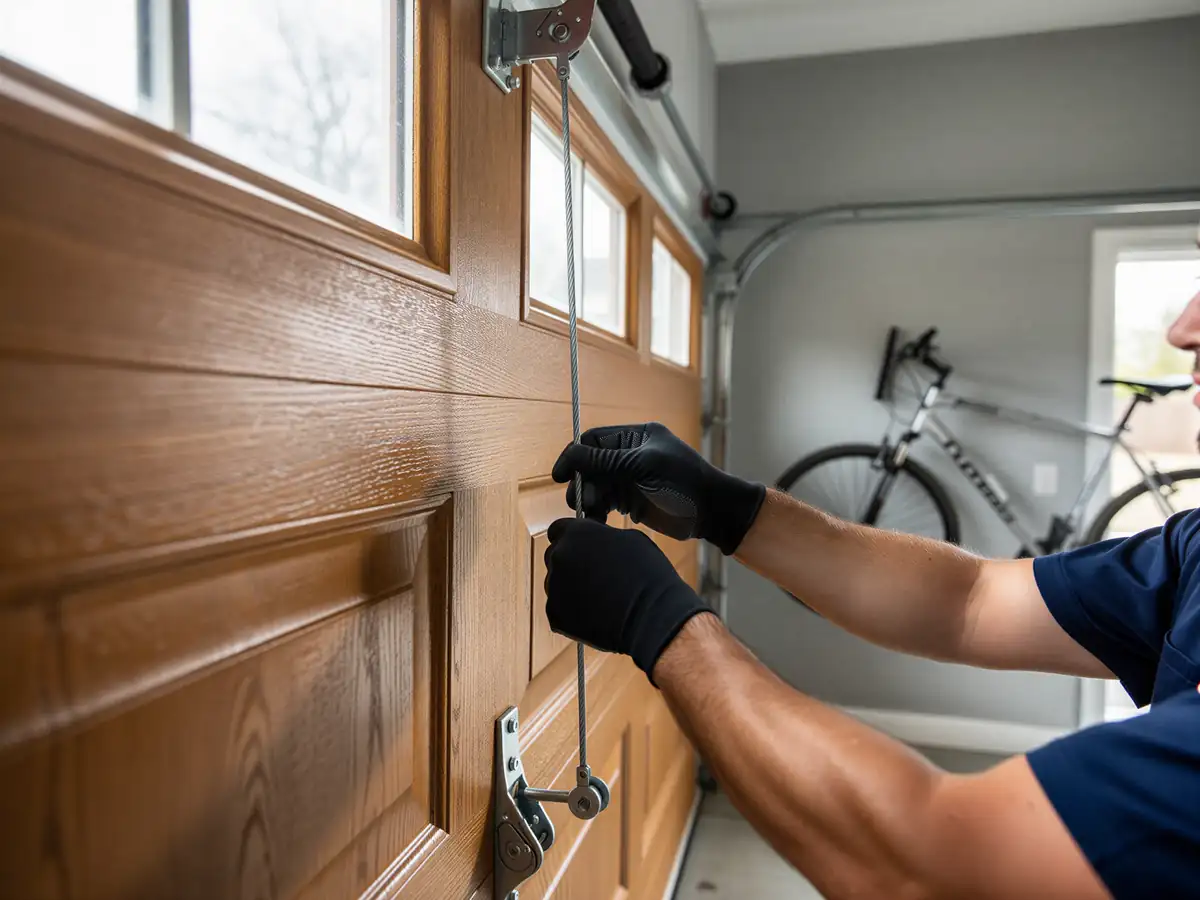
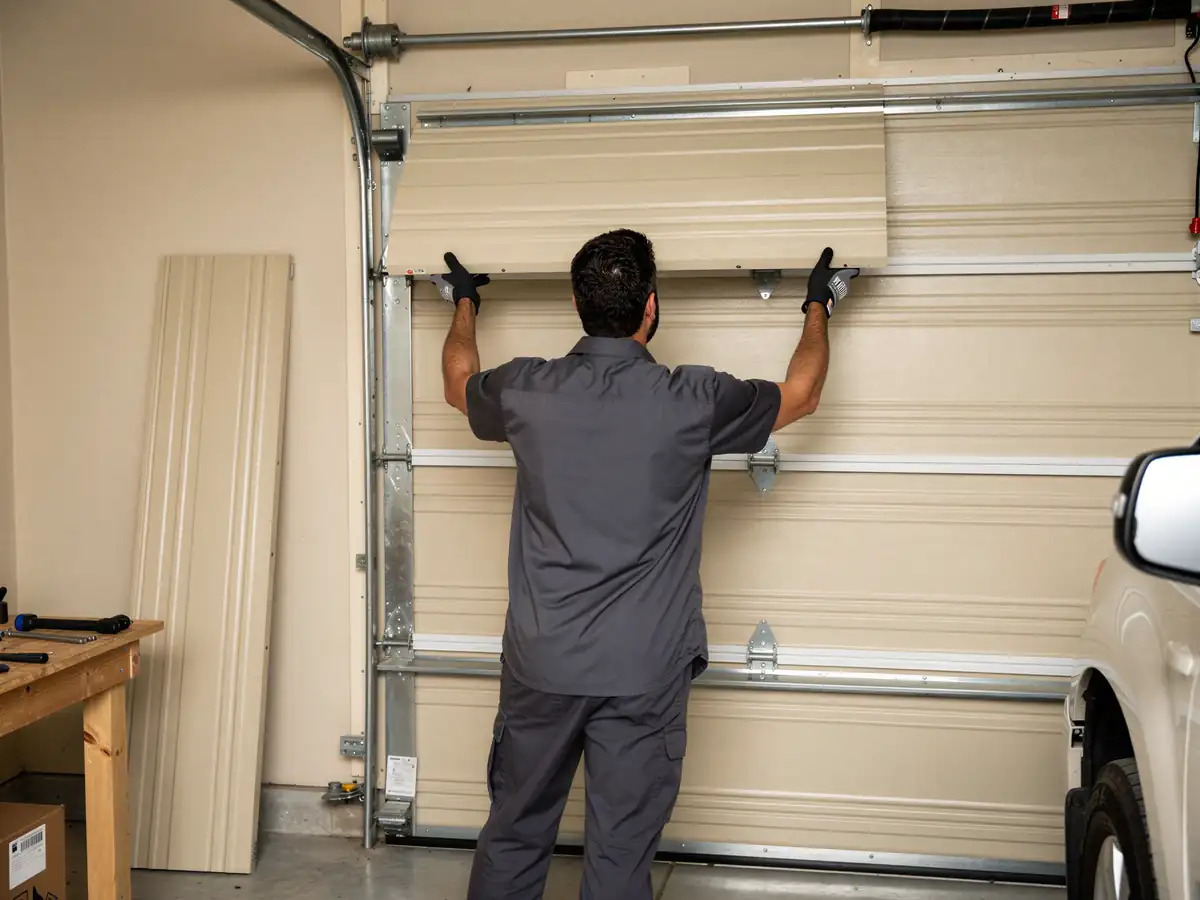
Euharlee's housing stock centers on 1996, which puts most doors here a decade or more newer than the typical build across our service area (median 1989 per F1). That matters for what's on the truck. A door from the mid-90s is usually on a steel torsion setup with a lifespan spring and a chain or belt-drive opener from that generation - not the older extension-spring, side-mounted hardware you'd find on a house built in the 60s or 70s. We stock torsion springs sized for standard 7-foot and 8-foot sectional doors, nylon rollers, galvanized cable, and drive belts/chains that match openers from that era. We don't carry parts for every discontinued opener model ever made - if your unit is an obscure brand with no parts supply left, we'll tell you straight that replacement beats chasing a part nobody stocks anymore.
What Causes It Around Here
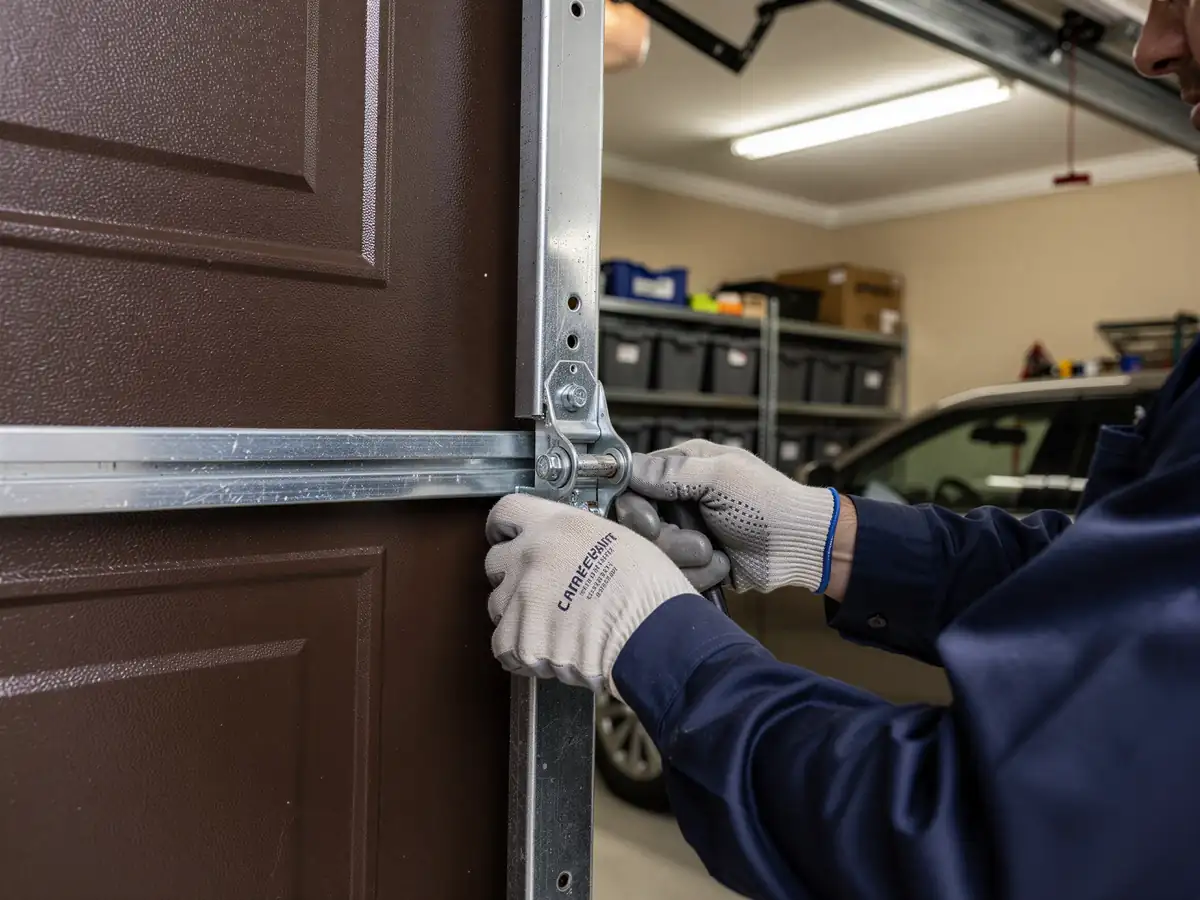
With most Euharlee doors sitting around 30 years old now, the common failure is simple fatigue: torsion springs are rated for a cycle count, and a door opened twice a day for three decades is closing in on the end of that count regardless of how well it's been maintained. Cold snaps make it worse - this area sits in a moderate-cold climate band, and steel contracts in a hard freeze, which is exactly when a spring near the end of its life lets go. We also see cables fraying at the bottom bracket on doors that have never had the bracket hardware checked, which is common on original installs from that build era that haven't been serviced since.
Doing It Yourself
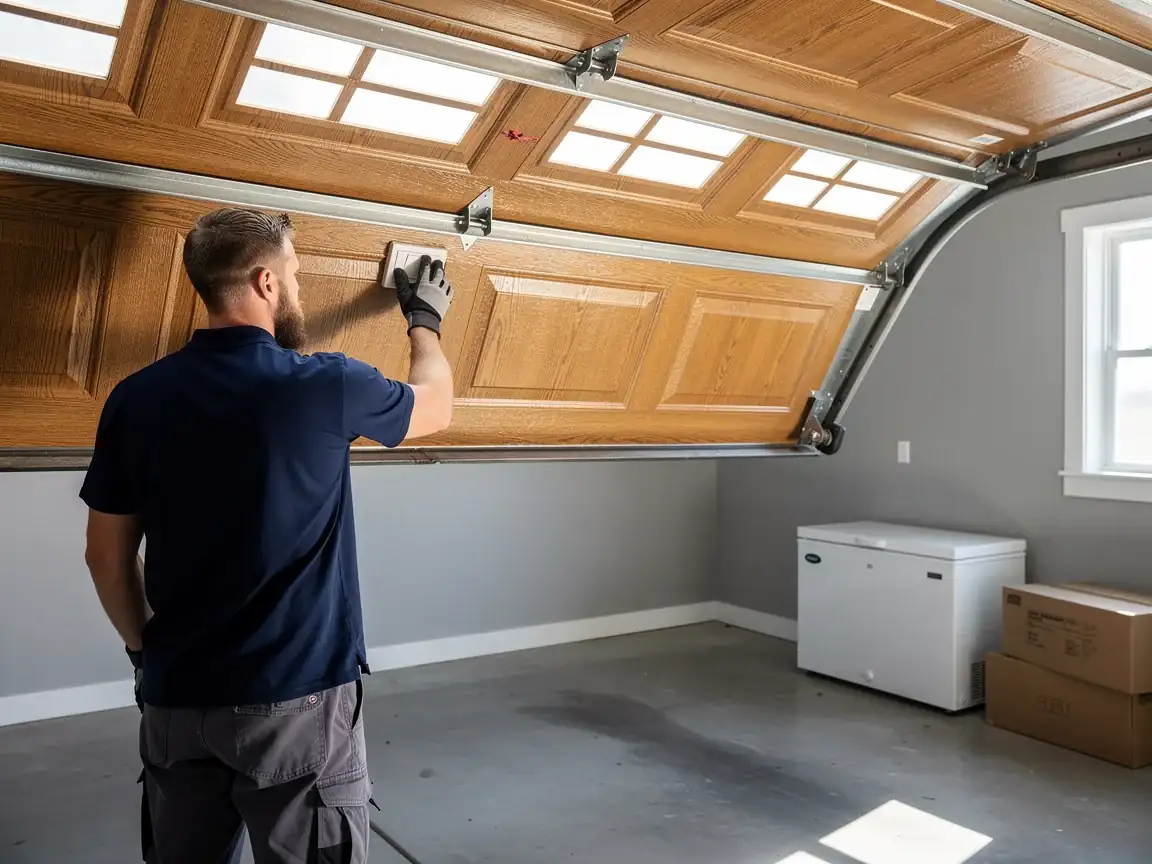
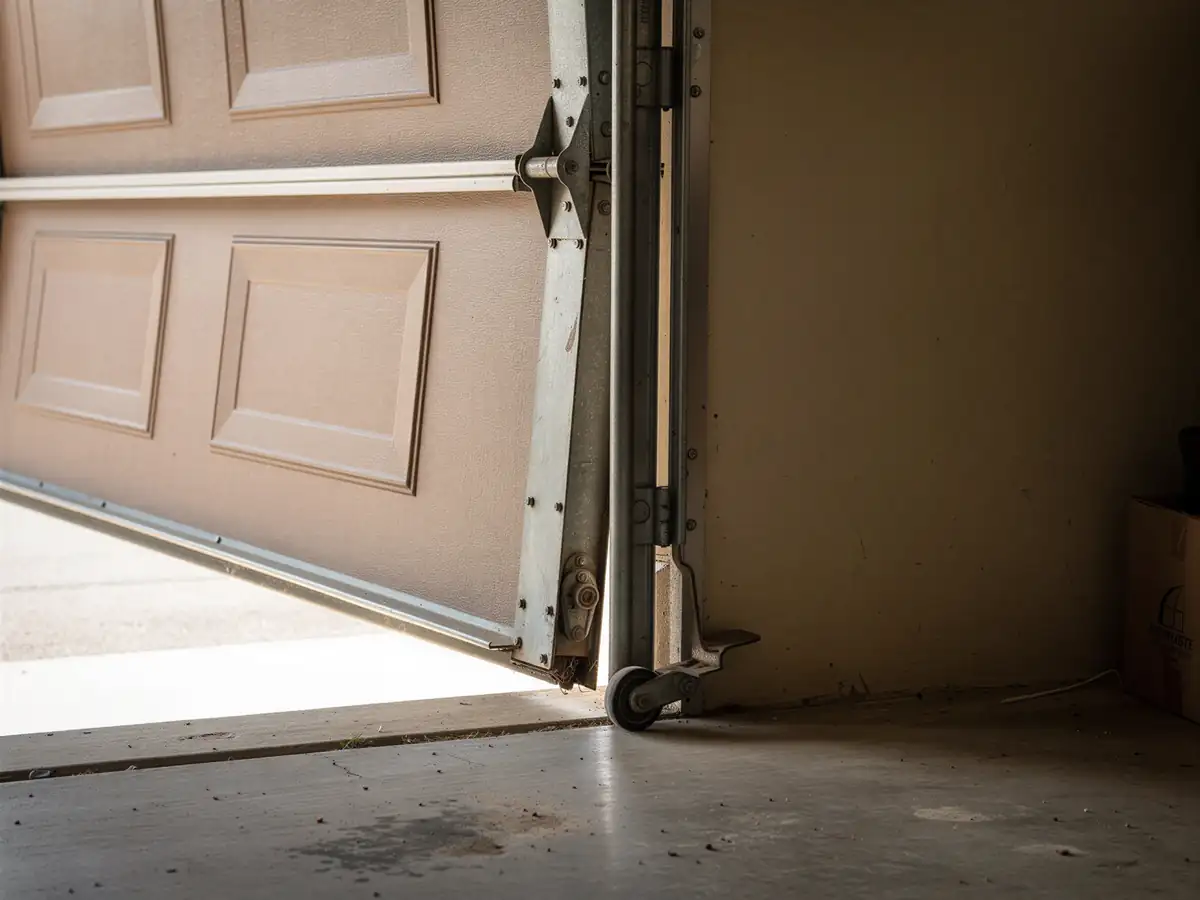
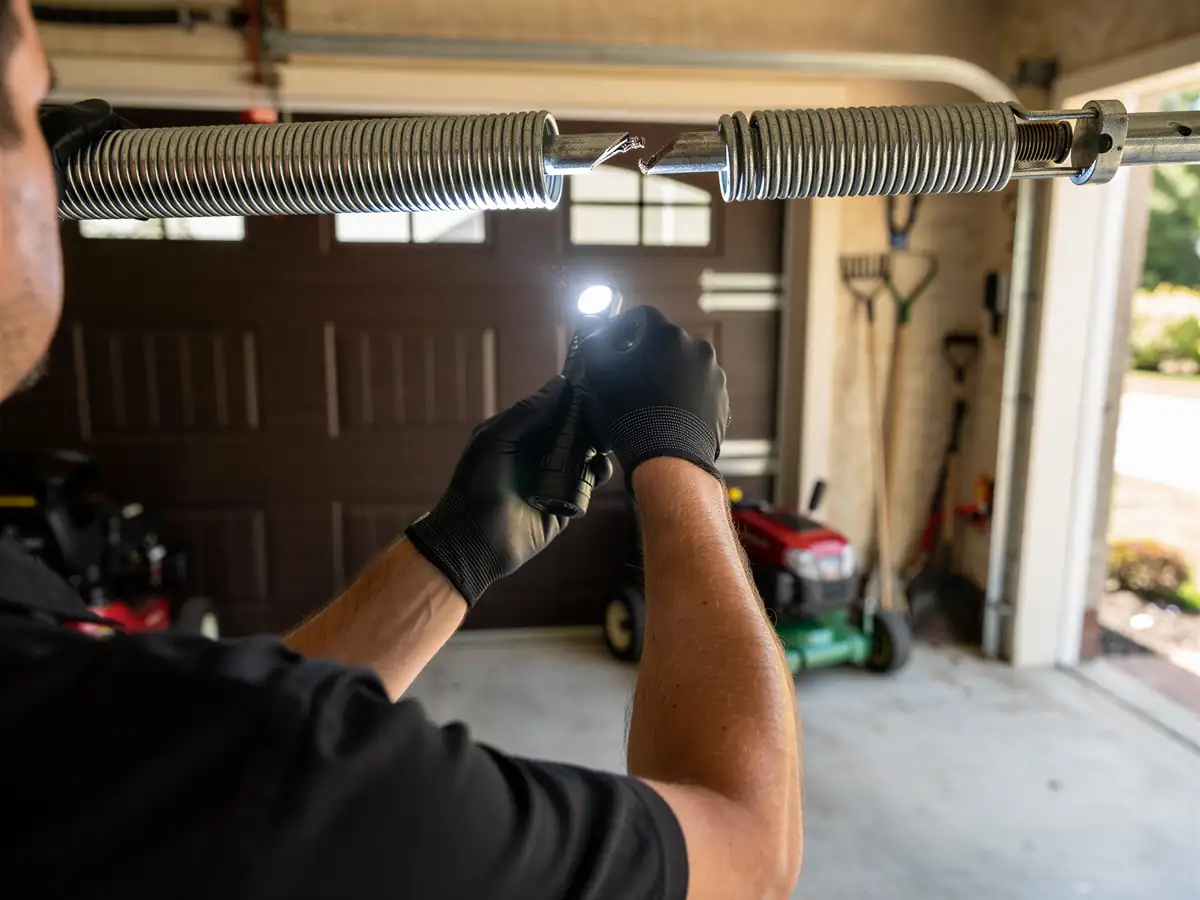
Some of this you can safely check yourself: make sure the track is clear of debris, confirm the opener's safety sensors have a clean line of sight (a cardboard box in the way will stop the door mid-close every time), and listen for grinding versus a clean clunk when the door operates - grinding usually means a roller, not a spring. What you should not touch is the torsion spring itself. These springs store enough energy to cause serious injury if the winding cone slips, and that's true on every door regardless of age. If the door won't budge and you can see the spring coil separated at one point, stop there and call - don't try to manually force the door up on the tracks.
How It Shows Up
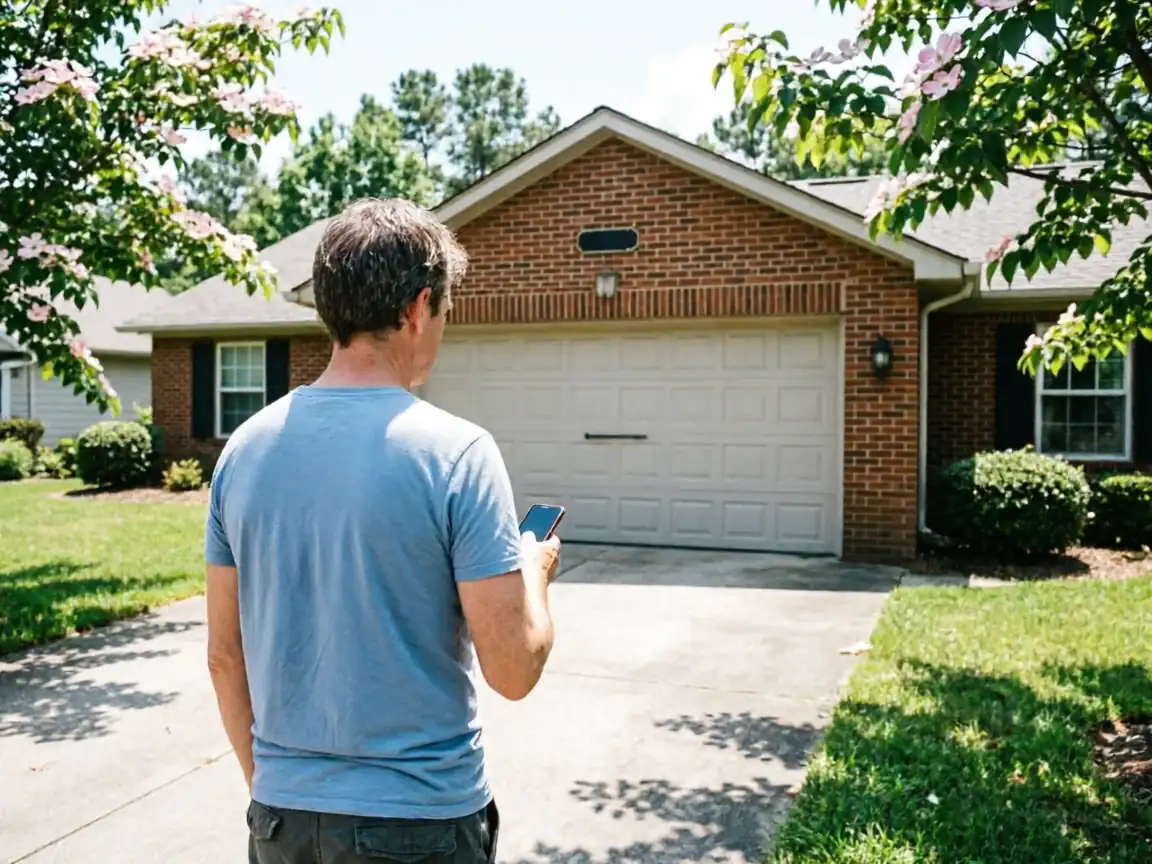
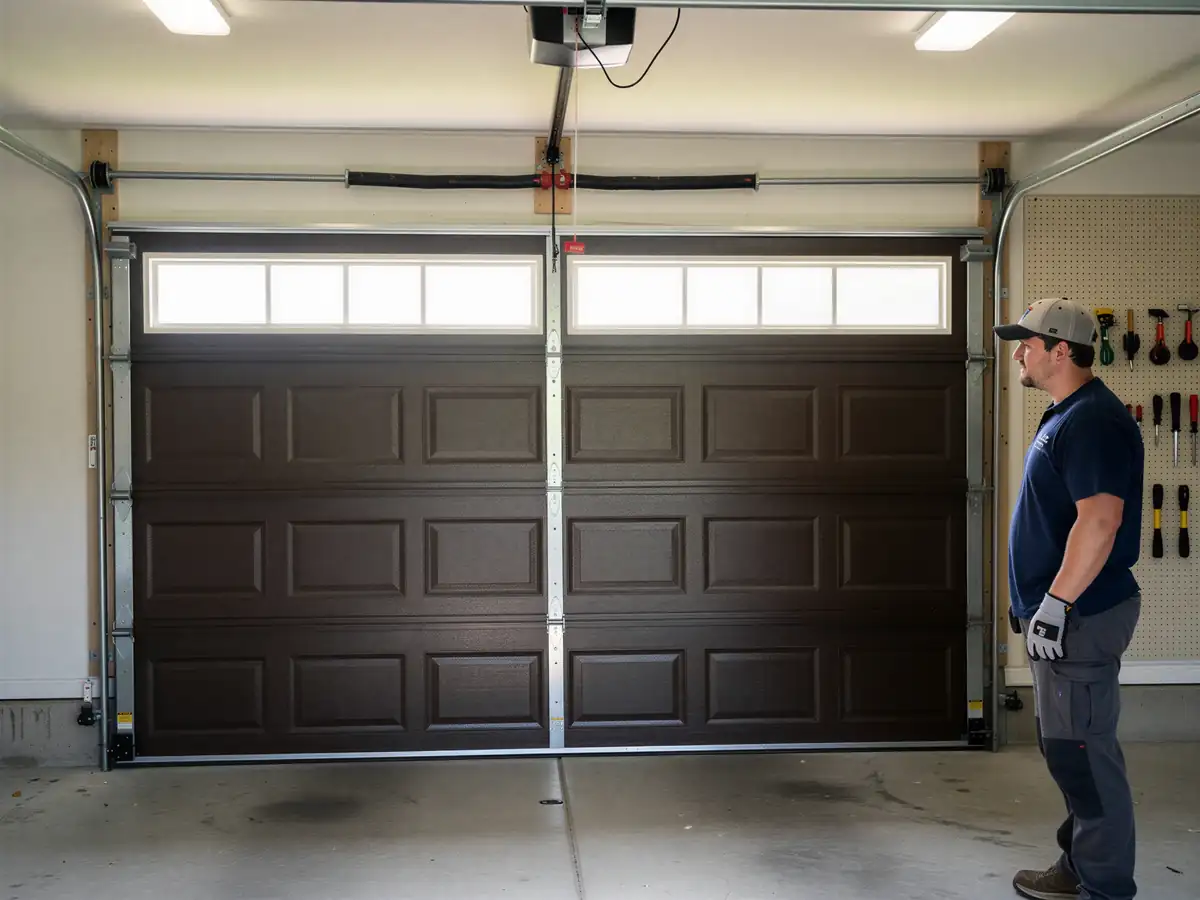
Most emergency calls start the same way: the door won't move, or it moves partway and stops. Sometimes it's a loud bang from the garage first, which is almost always a torsion spring letting go - if you hear that, don't run the opener again, since trying to force a dead spring can strip the opener's drive gear. Other calls come in as the door reversing on its own partway down, which usually points to a sensor alignment issue rather than the spring. With 1,336 households in this part of the service area, we see a fairly consistent mix of these three failures, and none of them are safe to diagnose by ear alone.