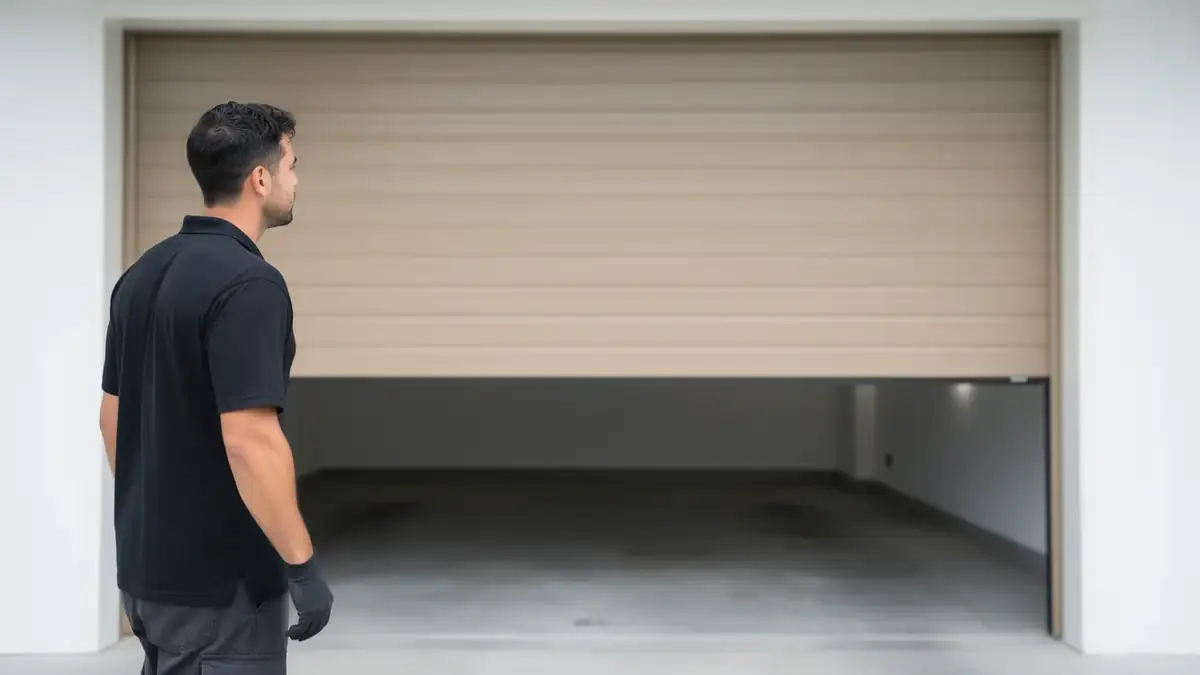
Checking It Yourself
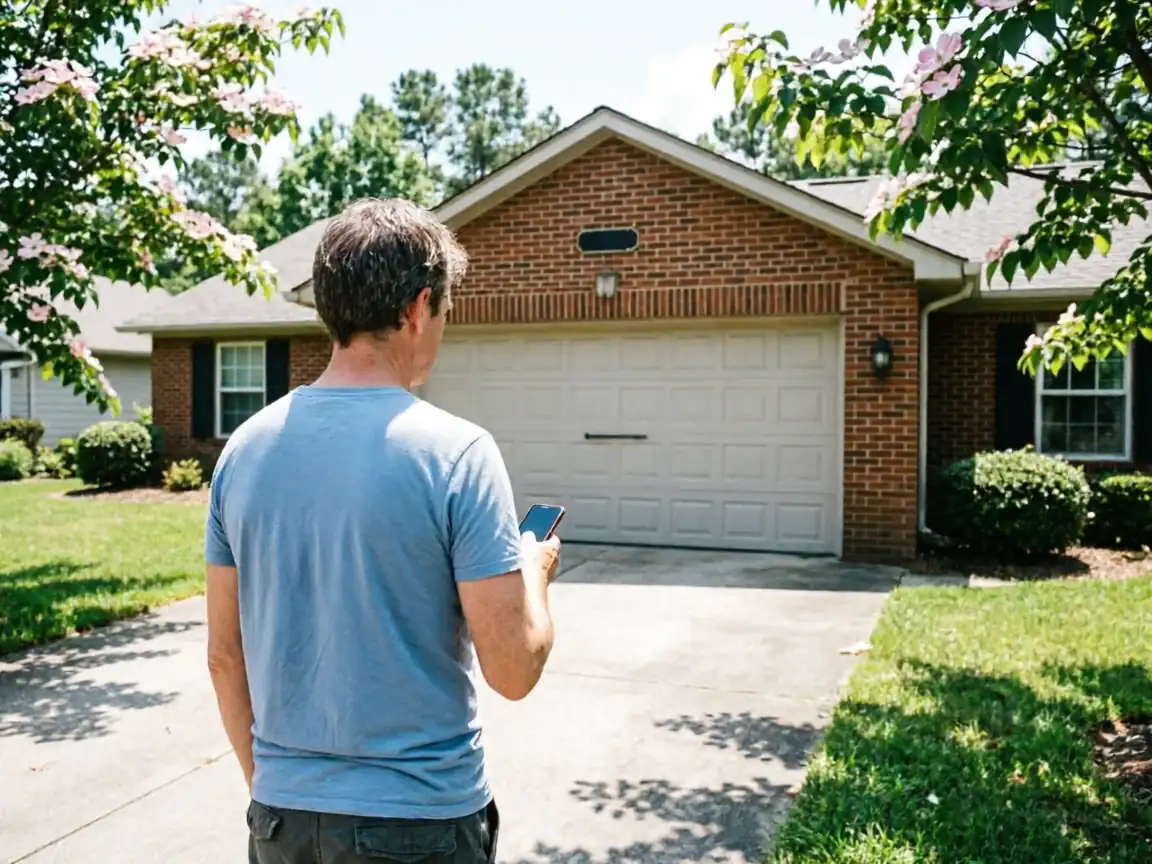
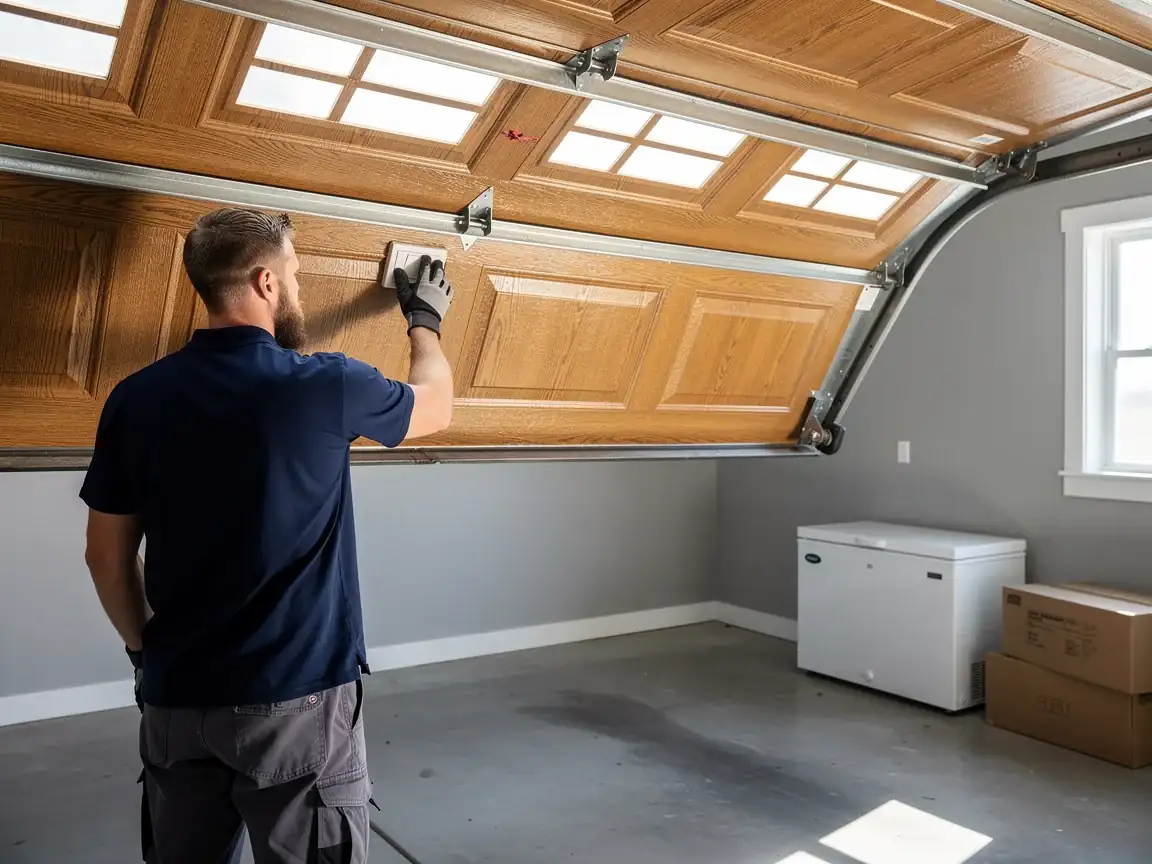
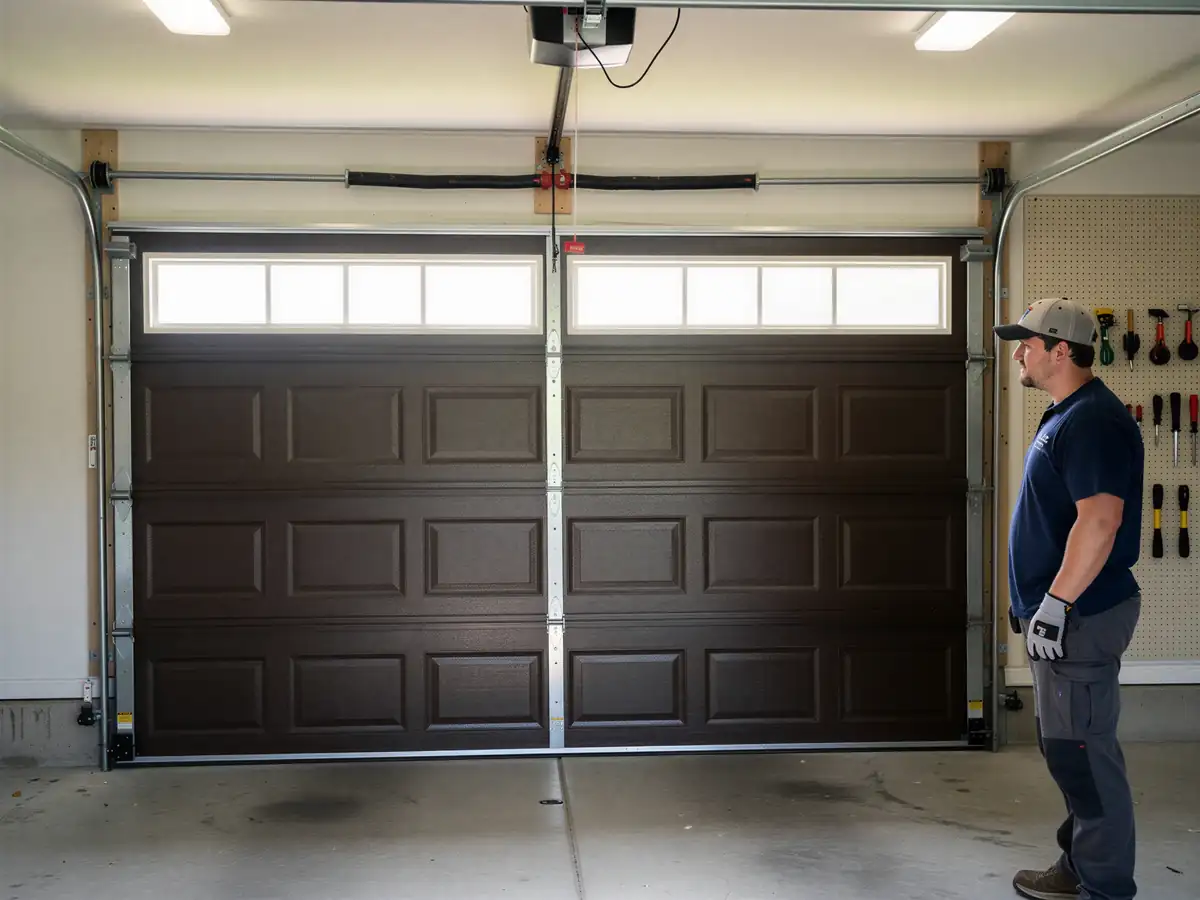
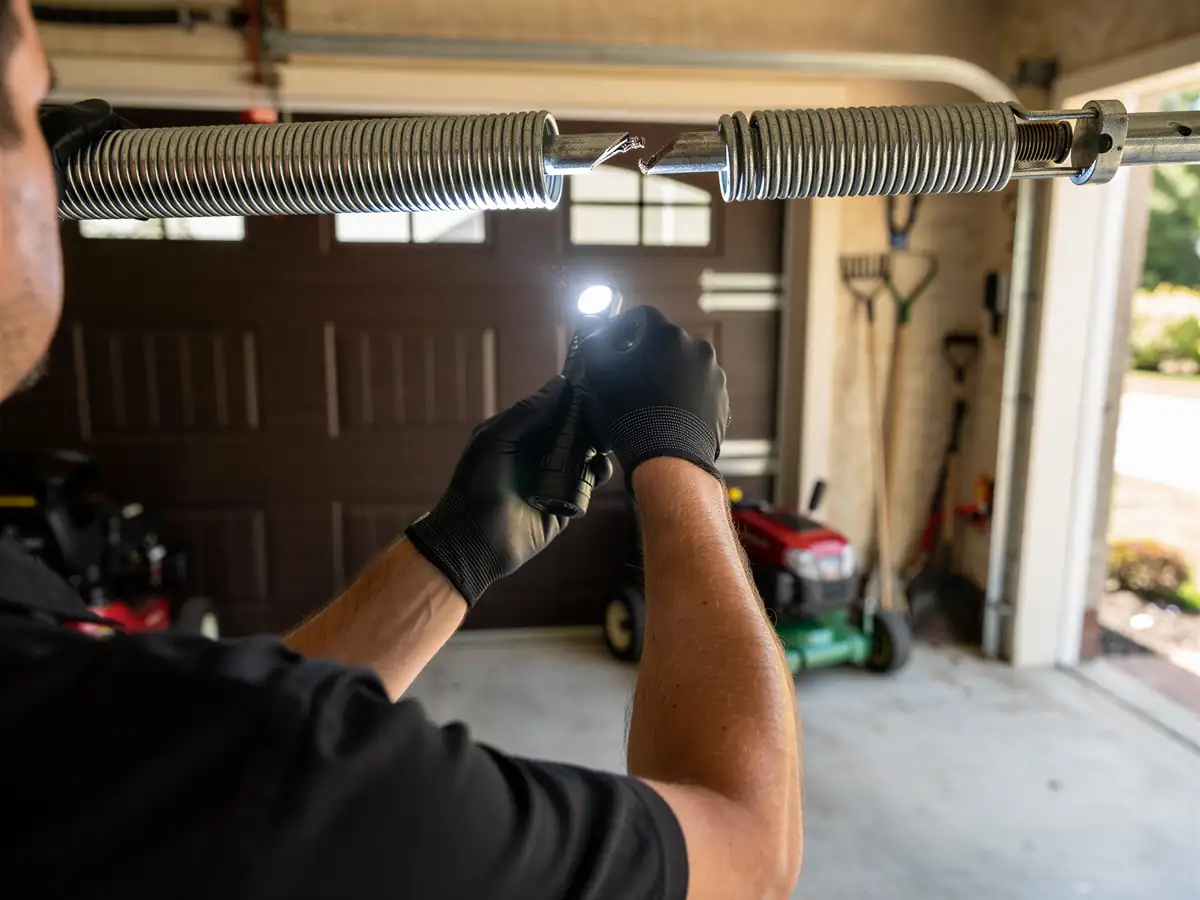
Stand next to the door, not in the garage, and run it up and down twice. A sharp bang at the top is almost always a spring losing tension, not the opener. A rhythmic thump that matches the door's speed is usually a flat spot on a roller - common once a roller's been riding the same track for a couple decades. Grinding that happens right as the opener engages, before the door even moves, points at the gear inside the opener head, not the door itself.
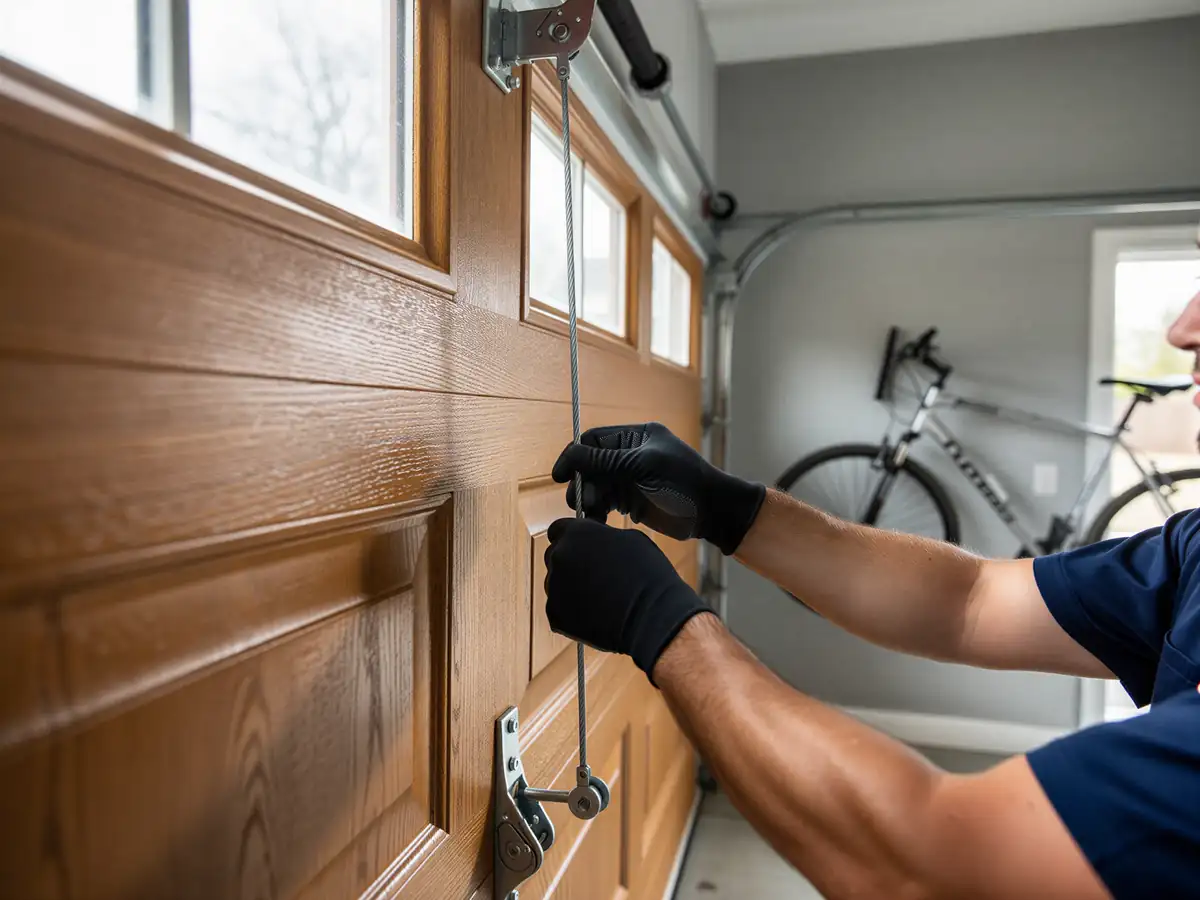
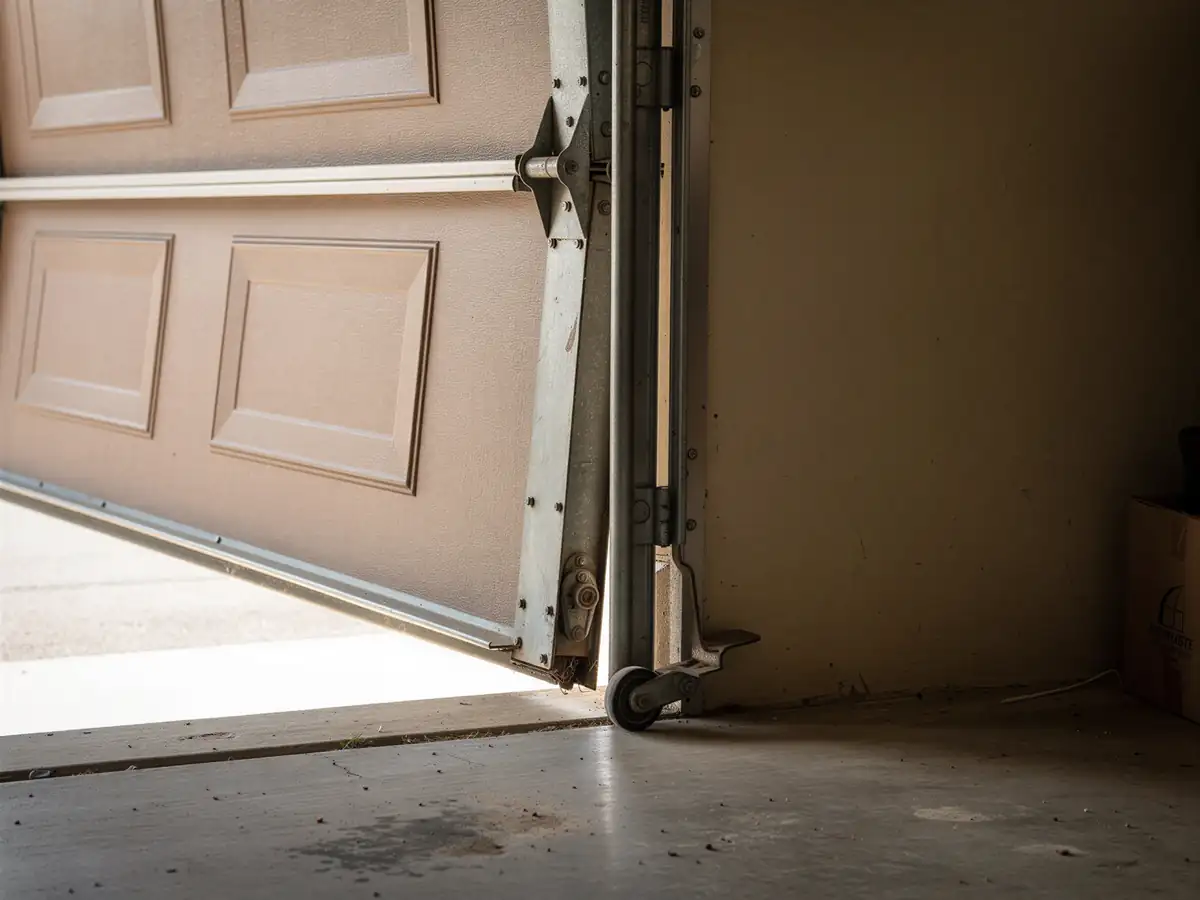
Listen for where in the cycle the noise happens. Noise only on the way down and gone on the way up often means a cable is loose on the drum, which isn't something to keep running past. Noise that's steady through the whole cycle, a kind of rumble, is more often a track that's worked slightly out of alignment.
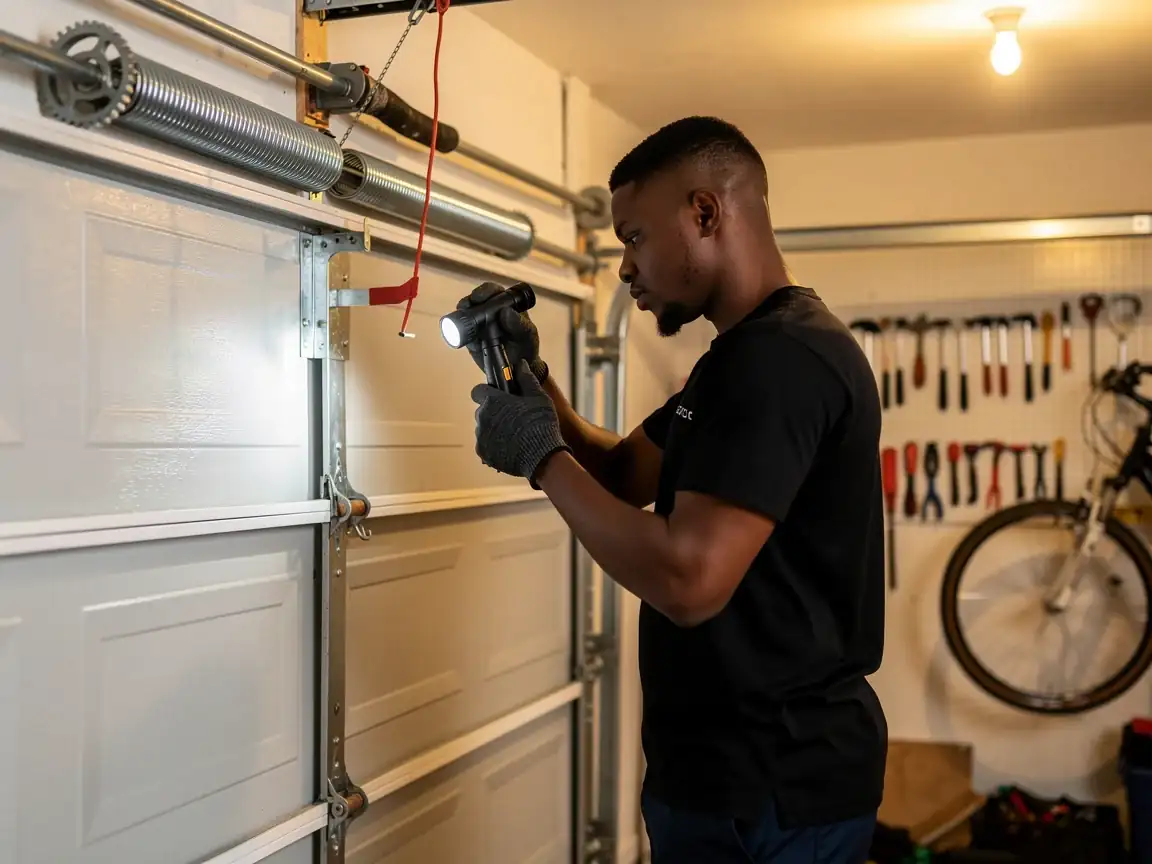
You can do this check in under a minute with the door already installed. What you can't safely check yourself is spring tension - those are under real load, and loosening the wrong bolt on a torsion spring is how people get hurt. Note what you hear and when, then call it in. That detail alone speeds up the diagnosis.
The Situation
Housing in the Acworth service area mostly went up between 1964 and 2007
With the heaviest stretch of building happening through the 1980s and 90s across the twelve areas we cover. That means a big share of the garage doors and openers out there aren't original anymore, but they're also not new - they're second-generation equipment installed sometime after the house was built, now old enough to be showing it.
Chain-drive openers from that 80s-90s run are common
And the nylon gear inside them is a wear part by design - it's meant to strip before it burns out the motor, which is exactly why a sudden grinding sound usually isn't as bad as it sounds. Springs from that era were sized for the door and climate at install, and most have long since passed the cycle count they were rated for.
We don't treat every noise as an emergency
A door that's been squeaking for months and still opens smooth isn't the same as one that bangs once and stops - but in a housing stock this age, the gap between 'annoying sound' and 'parts failure' is usually smaller than people think.
How Local Conditions Play In
Acworth sits in a cold-moderate climate band, which doesn't mean brutal winters, but it does mean real seasonal swings - cold mornings, warmer afternoons, repeated through the year. Steel contracts in the cold, and torsion springs tighten up slightly with it. A door that squeals on a cold start and runs quiet by afternoon is usually just responding to that daily swing, not announcing a failure.
Where it matters more is lubrication. Grease that was fine in summer gets stiff on a 30-degree morning, and a dry hinge or roller that's tolerable in July can squeal sharply in January. If your noise is seasonal - shows up in cold months, disappears in warm ones - that's a maintenance issue, not a parts issue, and it's the cheaper problem to have.
We don't get the kind of extreme cold that cracks steel or the kind of heat that warps panels fast, so the climate here isn't doing dramatic damage. It's doing slow damage - the kind that shows up as a new noise every winter until one year the part just doesn't come back quiet.
What Most People Get Wrong
The most common mistake is assuming a loud noise means a big repair and a quiet one means nothing's wrong. It's often backwards. A door that's gone eerily smooth and silent after years of normal operation can mean the springs have lost so much tension that the opener is doing all the lifting - which burns out opener motors faster, not slower.
The second mistake is spraying WD-40 on everything. It's a solvent, not a lubricant, and on a roller or hinge it washes out what grease is left. A silicone-based garage door lubricant on the rollers, hinges, and track is what actually quiets things down, and it takes about ten minutes.
The honest limitation here: we can usually tell you a lot over the phone from what the noise sounds like and when it happens, but we won't diagnose a spring over the phone and quote a fix sight unseen. Springs are sized to the door's weight and age, and guessing wrong on that is how you end up paying twice. If it's a spring, we want eyes on it first.