Serving Acworth, GA & nearby
(770) 230-5947
Acworth, GA

What an Older Acworth Garage Door Is Actually Hiding

Acworth's housing stock runs 1964 to 2007, median 1989 - before insulated doors were standard. Here's what that means for your garage door in this climate.

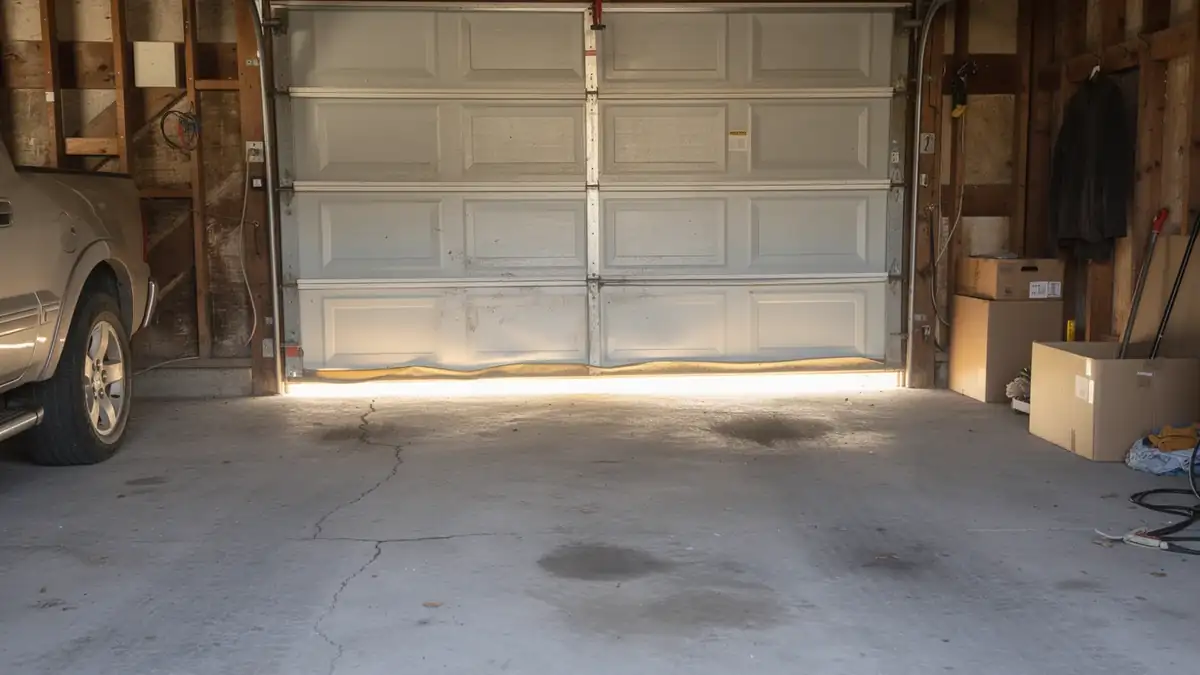
A white garage door is slightly open, letting light into a garage with a car and boxes.

Checking It Yourself

Start by looking at the inside face of the door panel, not the outside. If you see a flat steel skin with ribs and no foam backing, you've got a single-layer door - common on houses built here well before insulated doors became the default option. Press your palm flat against the panel on a cold morning. If it feels the same temperature as the air outside your garage, there's no insulation doing work. Check the bottom seal too: on doors from the 1980s and 90s, the original vinyl astragal has usually hardened and cracked, which lets cold air track along the slab. None of this takes tools. It takes five minutes and a flashlight. What you're looking for is a gap between what the door was built to do and what a house built decades ago actually needs now that energy costs and comfort expectations have changed. If the door still opens and closes fine, that's a separate question from whether it's doing its job holding back outside air.

The Situation

Housing across this service area was mostly built between 1964 and 2007, with a median year of 1989, and the bulk of it clusters in the 1980s and 90s across a dozen named pockets in and around town. That matters for garage doors specifically because insulation requirements for residential doors weren't common practice when most of this stock went up. A door installed on a house built in 1986 was very likely a single steel skin with no polystyrene or polyurethane core - functional, cheap, and never meant to do thermal work. Nobody was asking it to. Thirty-plus years later, those same doors are still hanging on a lot of these houses, original hardware and all, because a garage door that still opens rarely gets replaced on its own schedule. It gets replaced when something breaks. That's a reasonable way to run a budget. It also means a large share of the doors in this area are doing a job - keeping conditioned air inside a house - that they were never built for.

How Local Conditions Play In

This area sits in a cold-moderate climate band, which means winters bring enough sustained cold mornings to matter but not the deep-freeze extremes that force everything to be built to a harder standard. That split is exactly where uninsulated doors on older homes cause the most quiet damage. The door doesn't fail outright. It just lets a steady draft into the garage, and if the garage shares a wall with living space - a laundry room, a bonus room over the bay - that draft becomes a heating bill. Cold also makes steel contract, which tightens tolerances on tracks and rollers that were already decades old, so an uninsulated door from this era is more likely to bind or come off-track on a 30-degree morning than the same door would be in July. It's not dramatic. It's a slow accumulation of small frictions that single-layer doors built before insulation mattered were never designed to absorb.

What Most People Get Wrong

The most common mistake is replacing the opener and assuming that solves the comfort problem. The opener moves the door. It has nothing to do with what the door is made of. The second mistake is bolting on a foam insulation kit to an old single-skin door and expecting it to perform like a factory insulated door - the kit helps a little, but it doesn't fix a cracked bottom seal or warped panel, and on a door already near the end of its service life it's money spent on a door you'll likely replace within a few years anyway. Given a median household income of $78,351 across this area, a full door replacement is a real expense, and for a lot of houses here built in the 1980s or 90s, repair is still the right call if the track and spring are sound. We won't tell you to replace a door that's got years left in it just because it isn't insulated. That's a judgment call that depends on the specific door, not a blanket rule.
How it works

From “it’s stuck” to “it’s fixed”

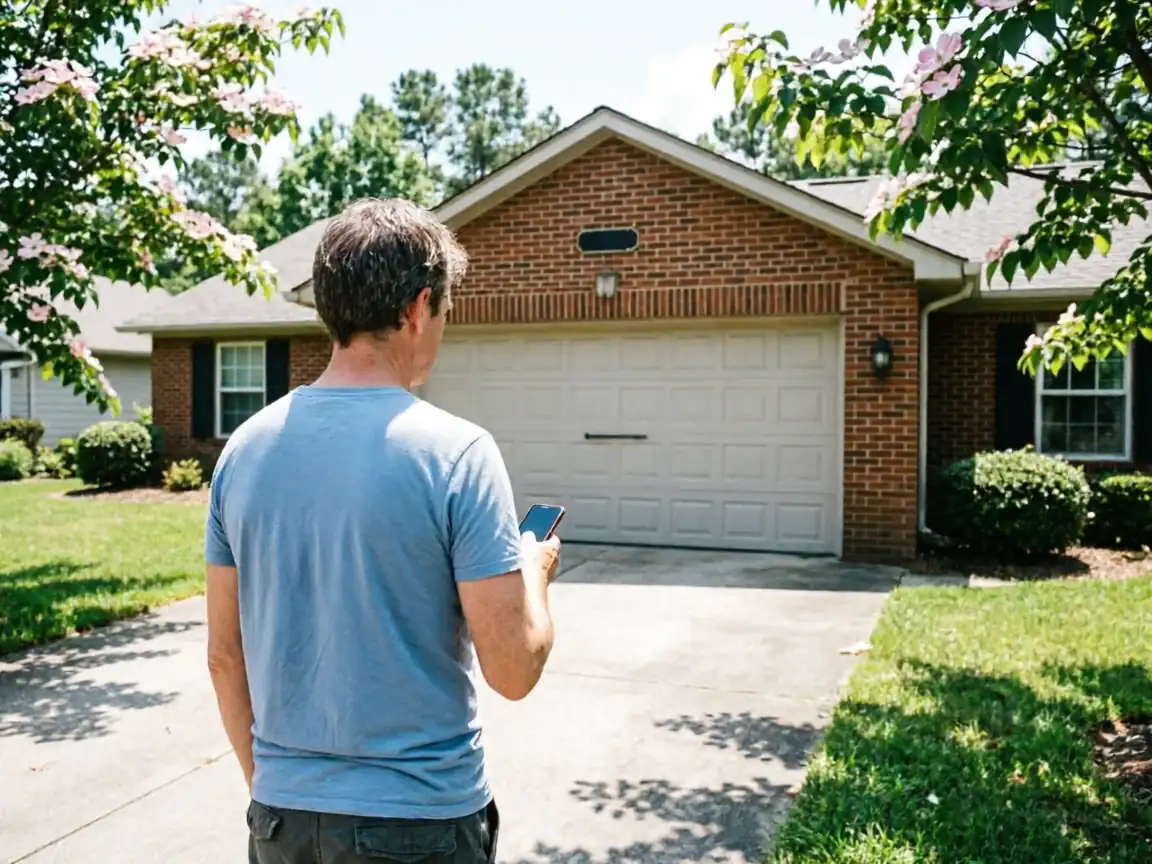
A man stands in a driveway holding a phone, facing a house with a garage door.

Tell us what’s wrong

Describe the symptom - won’t open, loud bang, opener runs but the door won’t move.

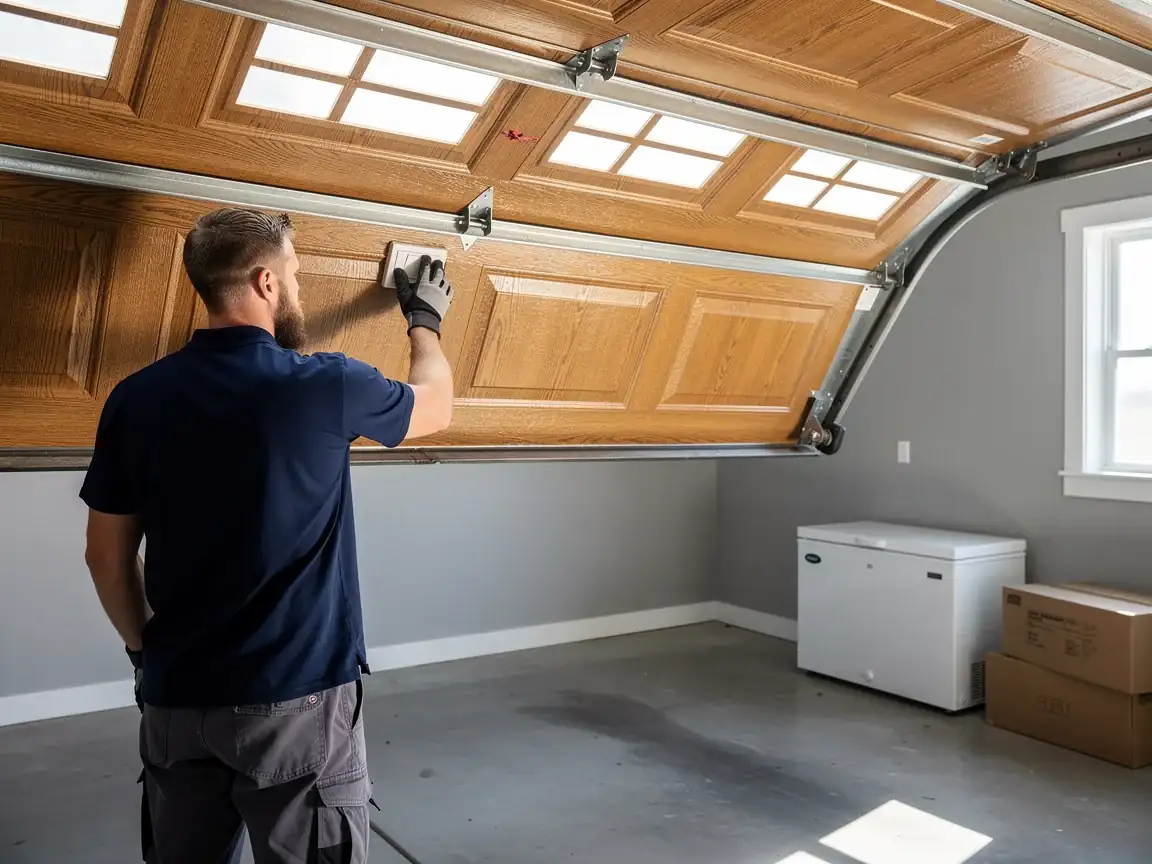
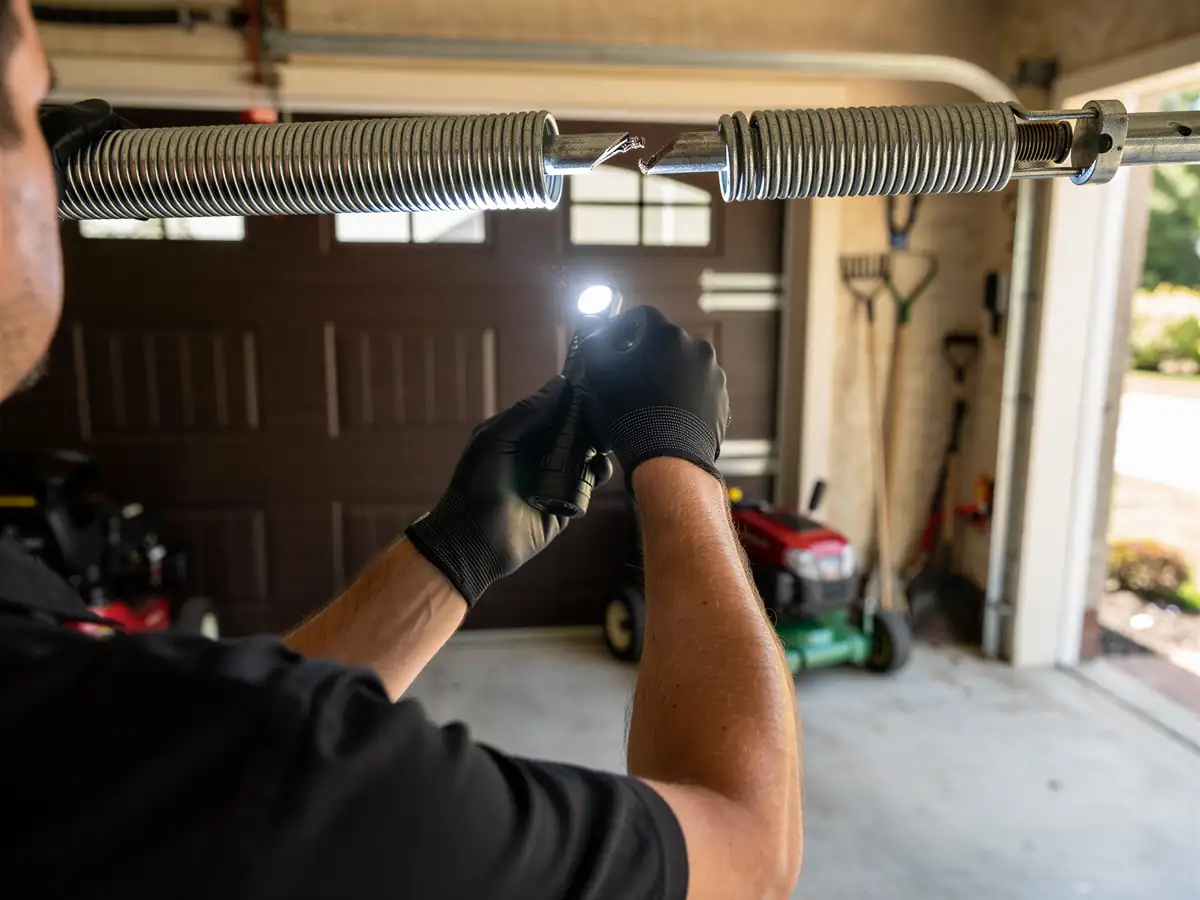
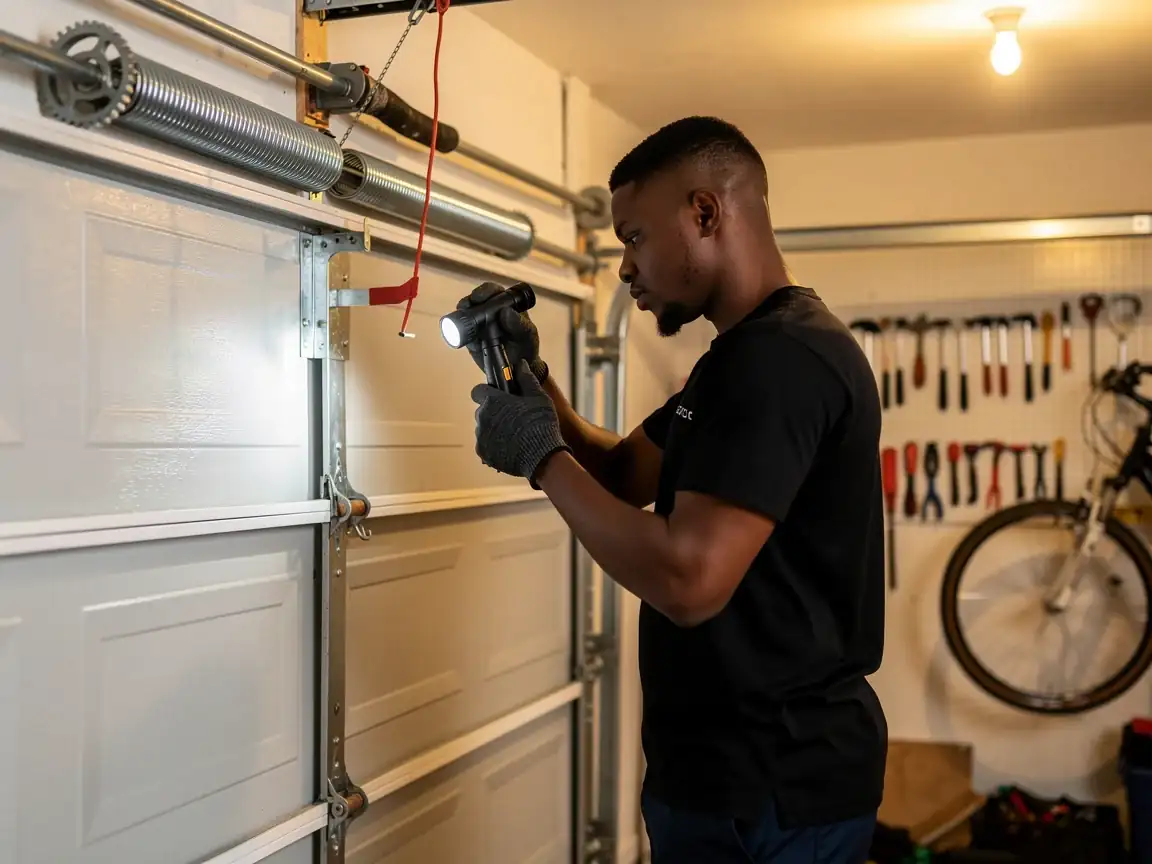
A technician shines a flashlight on the garage door's top panel and roller.

On-site diagnosis

A technician tests the door under power and by hand and finds what actually failed.

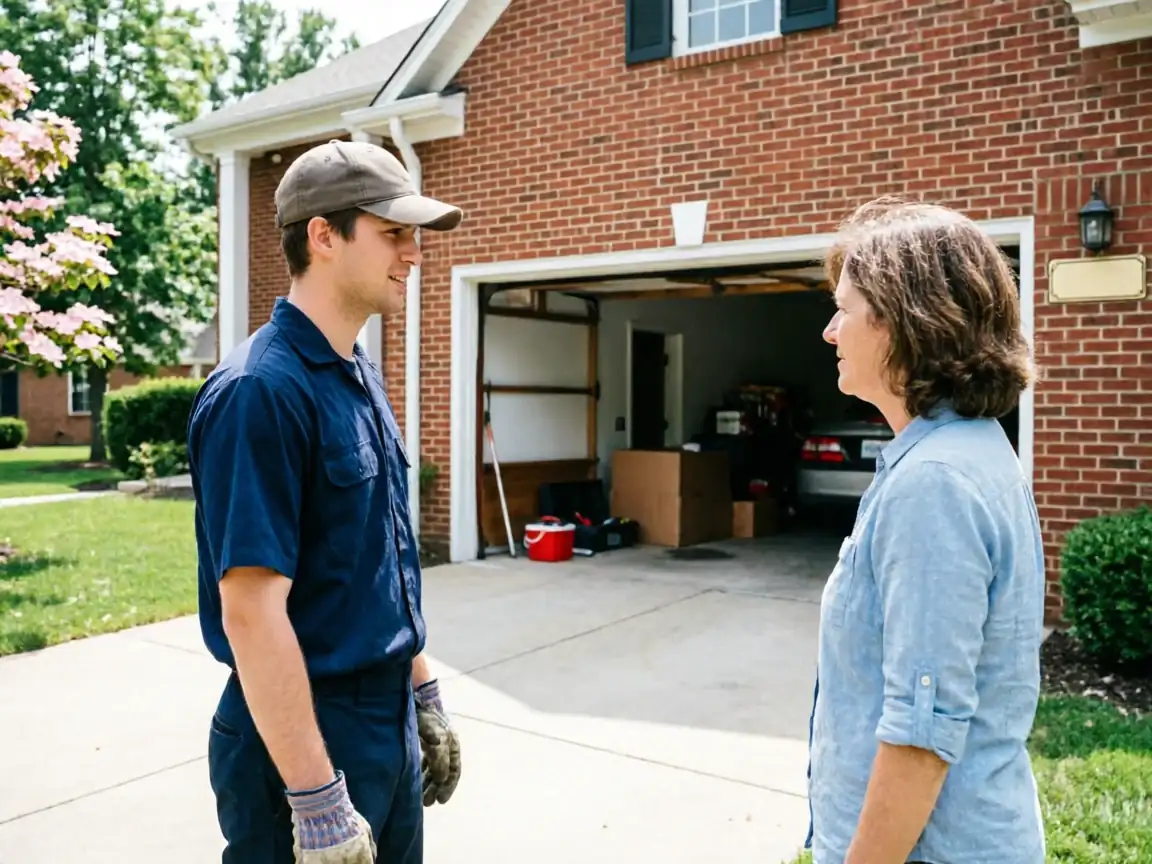
A technician talks to a woman in front of an open garage.

Clear, up-front plan

You get the fix that’s needed and what drives the cost - before any work starts.

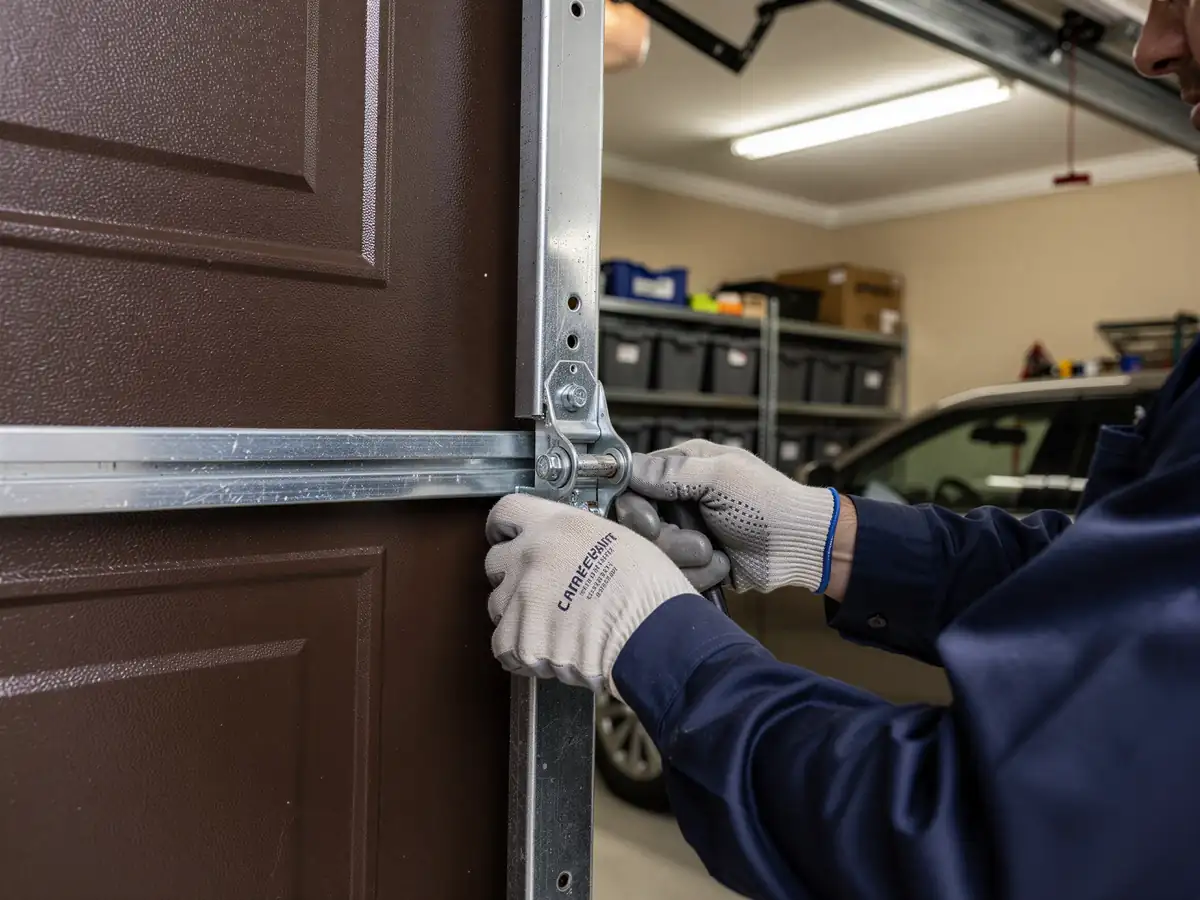
A technician in a blue shirt is working on a brown garage door.

Repaired & tested

The repair is done, the door is set true and tested, and the work area left clean.

Not sure which repair your door needs in Acworth, GA? Describe what it’s doing - every job starts with a diagnosis.

How we work

What to expect

Diagnosis firstEvery visit starts by finding what actually failed - not a pre-written parts list.
The right part for the doorSprings and openers matched to the door’s weight and age, so the fix holds up.
Straight answersWhen a repair makes more sense than a replacement - or the reverse - you hear it plainly.
Clean, careful workTension released safely, hardware set true, the door tested under power before we leave.
What we do

Garage Door Services

Repair and installation work for Acworth homes and businesses.

Questions

Frequently asked

Straight answers about garage door repair in Acworth. Still unsure? Ask us directly.

How do I know if my garage door has insulation or not?

Look at the back of the panel. An insulated door has a foam or polyurethane layer visible between steel skins, often with a stamped R-value. A single-layer door, common on houses built here in the 1980s and 90s, just shows bare ribbed steel on the inside with nothing behind it.

Is it worth insulating an old garage door instead of replacing it?

Foam insulation kits can help a little on a door that's otherwise sound, but they won't fix a cracked seal, a warped panel, or worn hardware. If the door is original to a house built decades ago and already showing wear, replacement usually makes more sense than patching insulation onto it.

Does winter weather here actually affect an uninsulated garage door?

This area sits in a cold-moderate band, not an extreme-freeze zone, so you won't see the dramatic failures some colder regions get. But steel contracts in sustained cold, tightening old track tolerances, and an uninsulated door lets that cold straight into the garage on winter mornings.

Ready to get your garage door sorted?

Tell us what it’s doing and where you are in Acworth - we’ll take it from there.

Request a QuoteCall