Parts We Carry
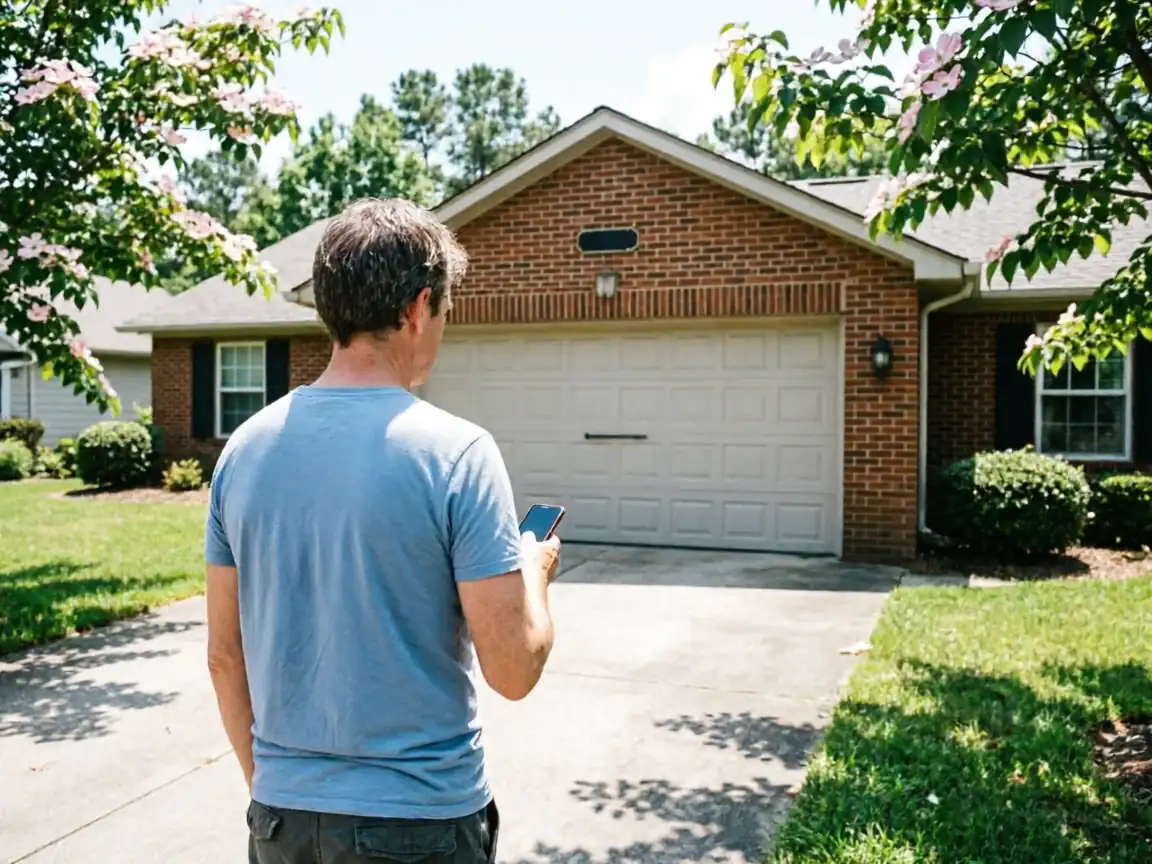
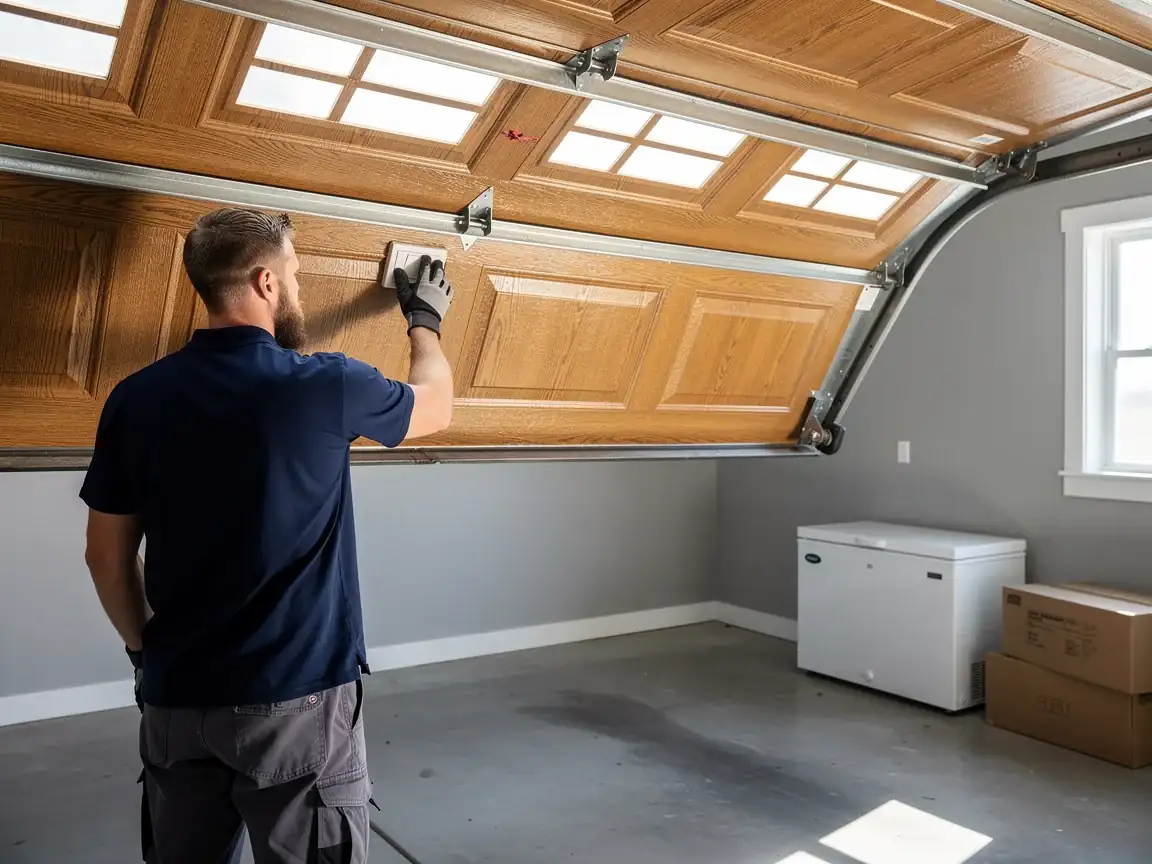
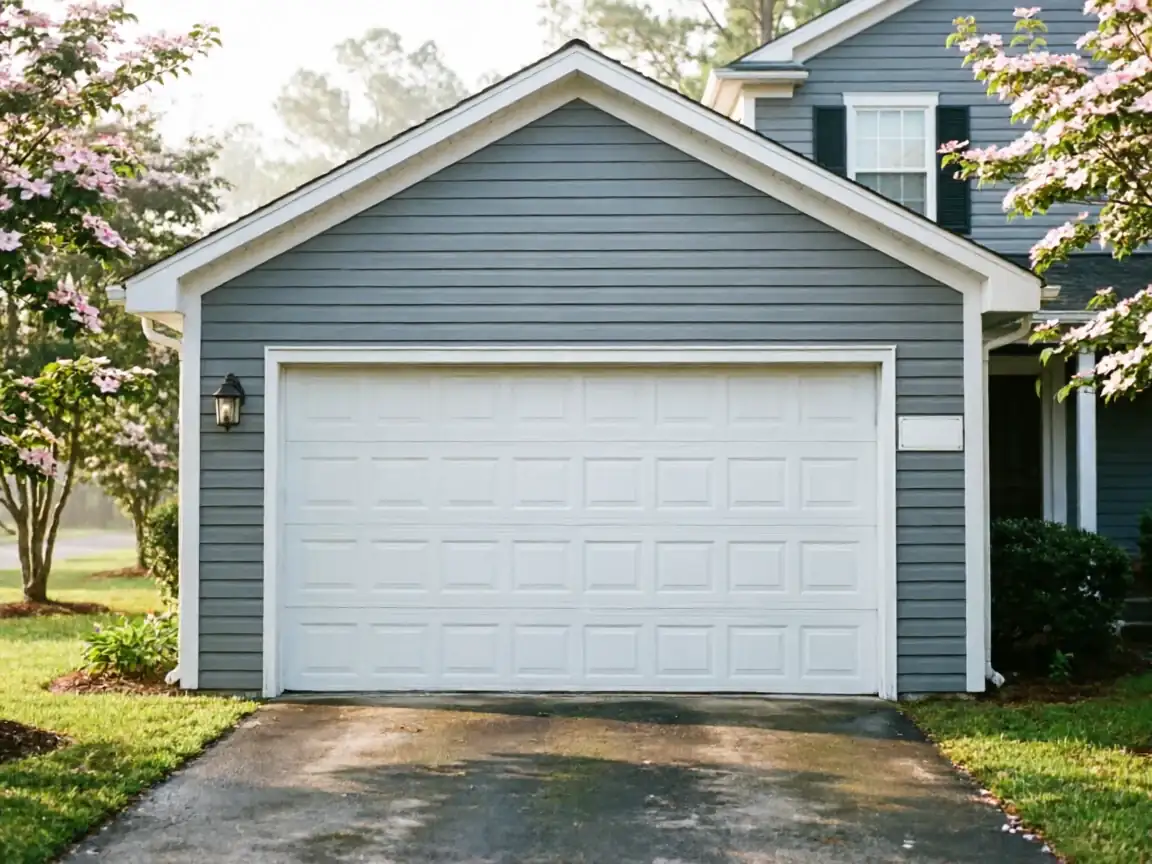
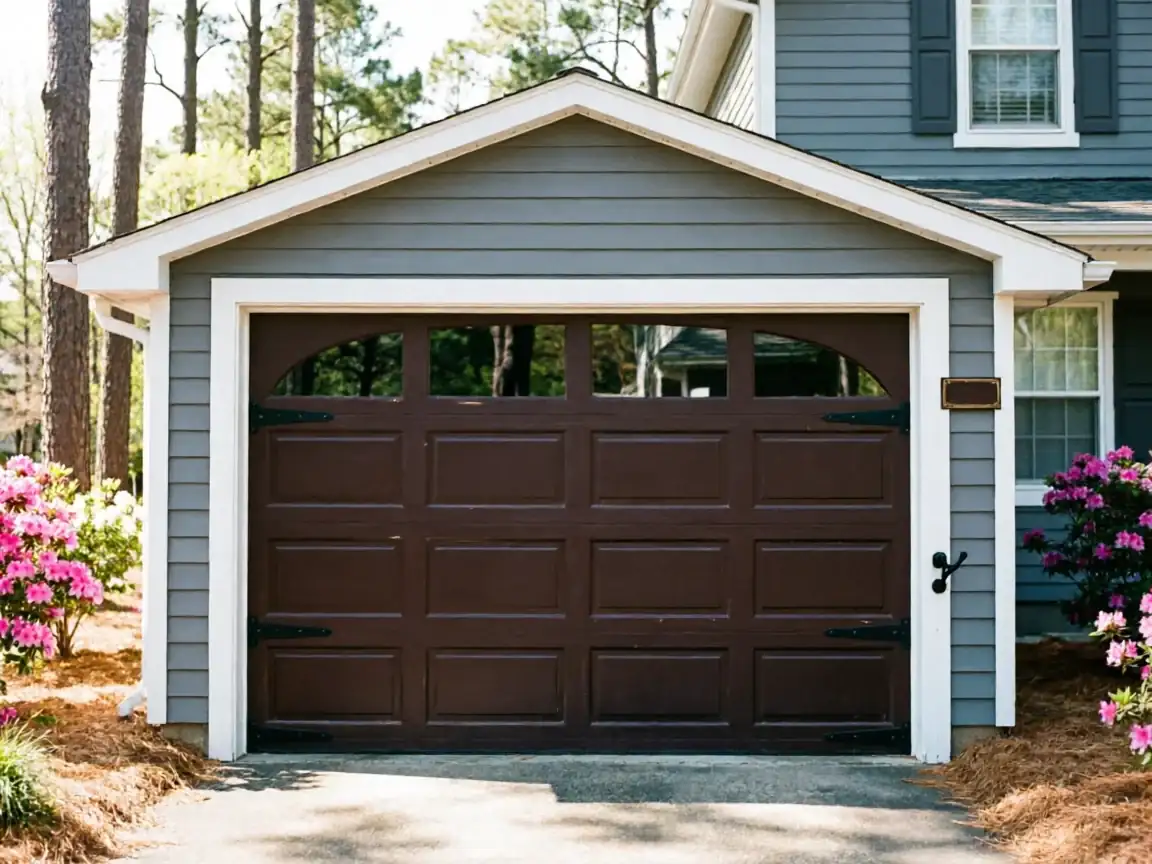
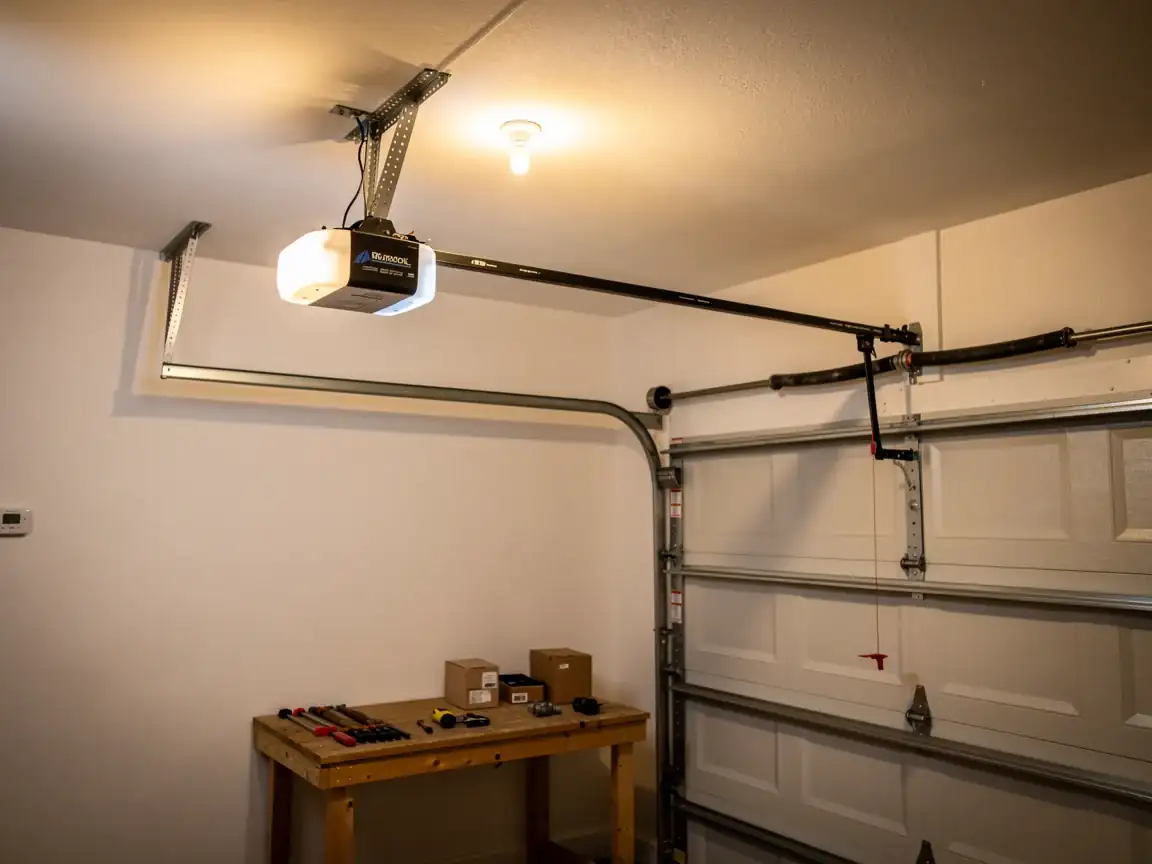
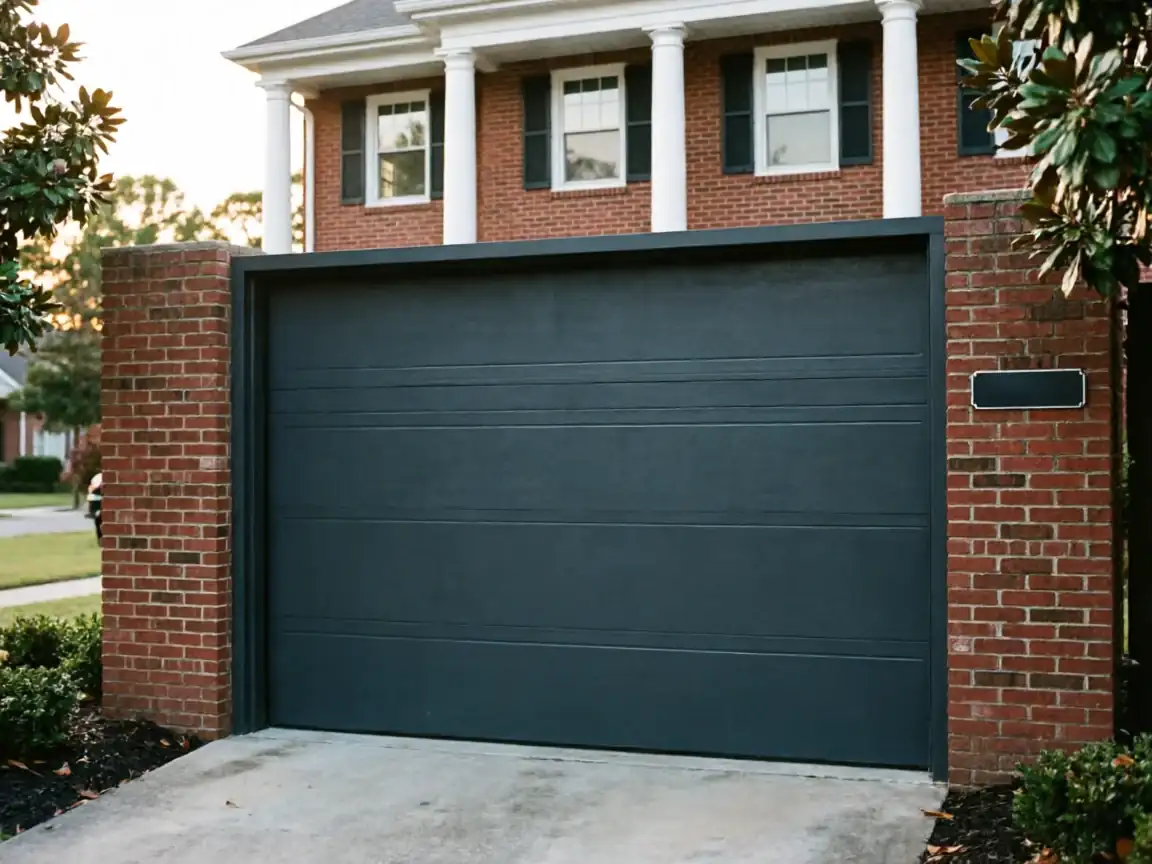
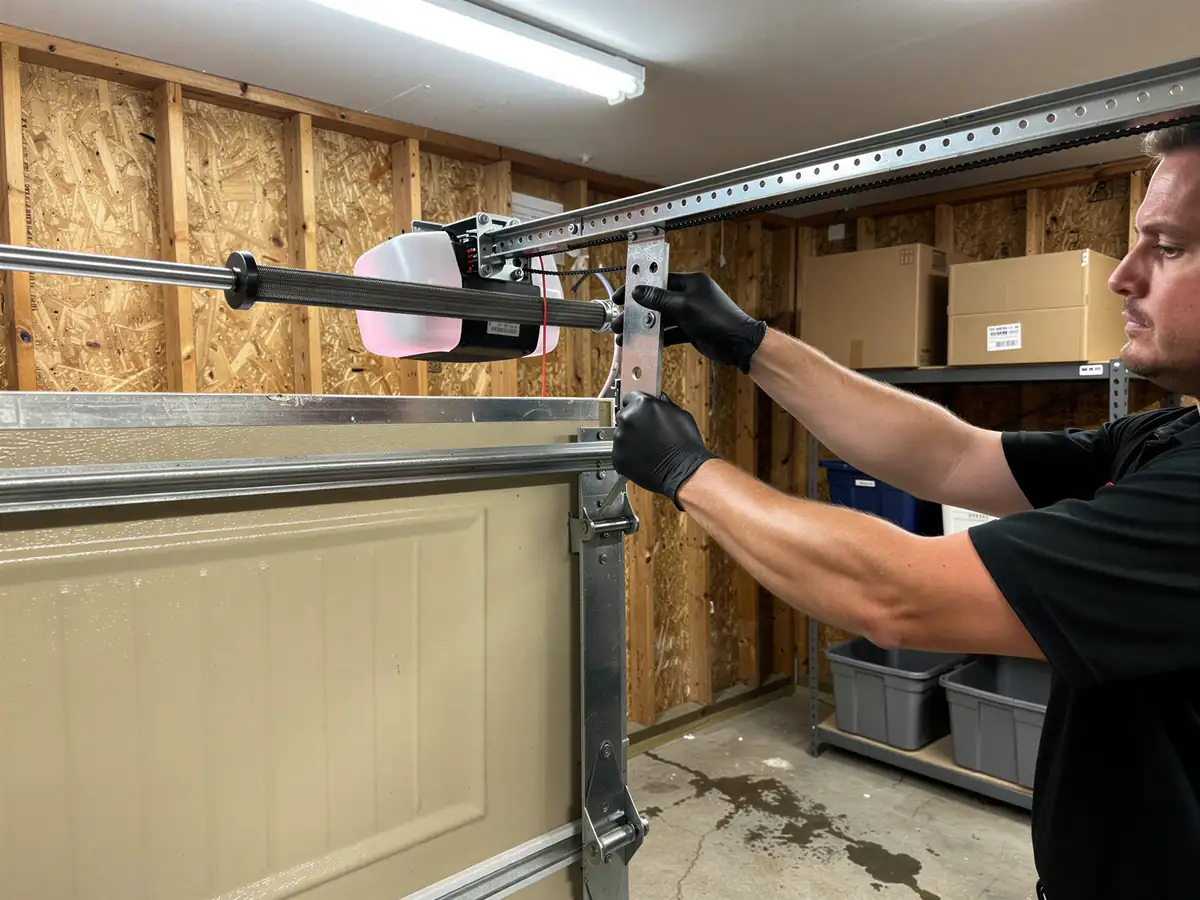
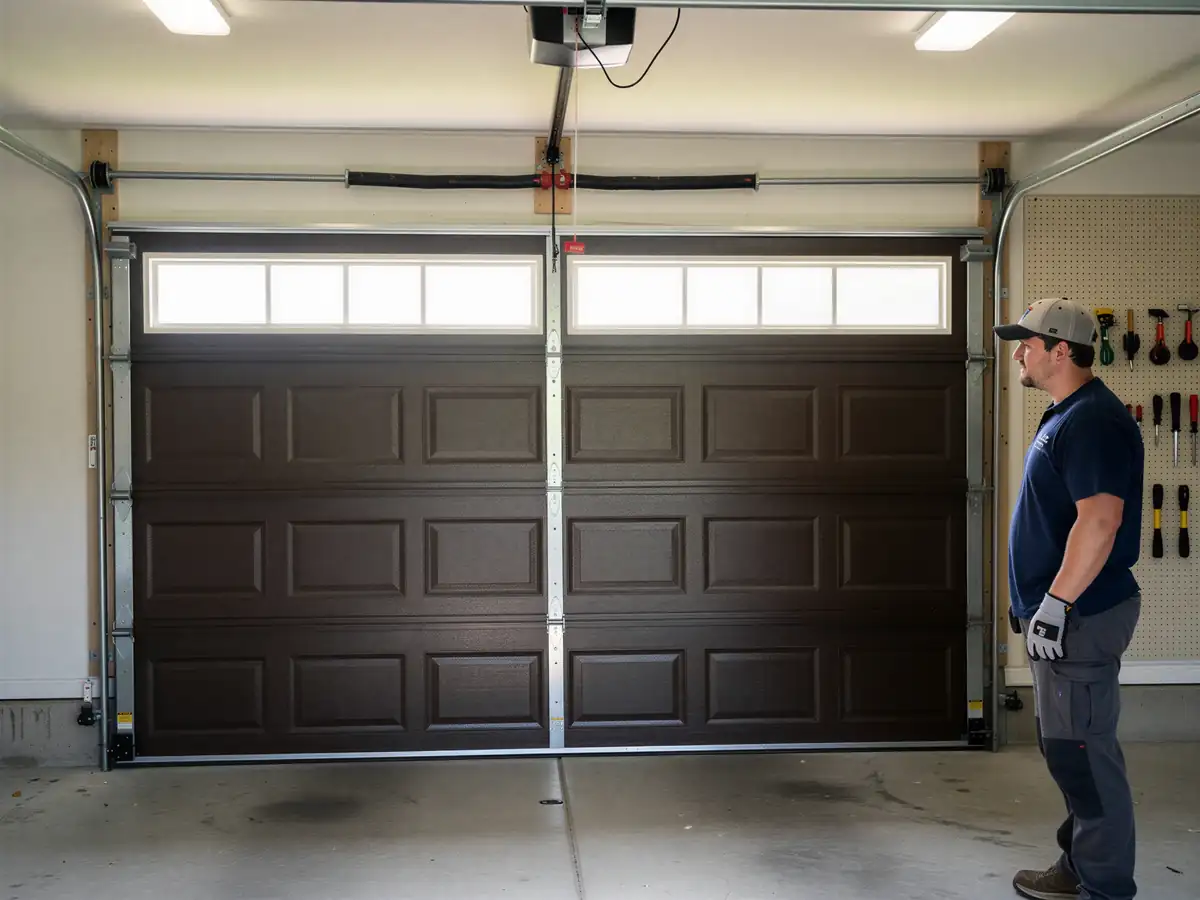
Euharlee is a small pocket of the territory - about 1,336 households, nowhere near the density of the 37,582 across the wider area we cover. That matters for parts: we don't stock a depot here, so what goes on the truck is picked for what this specific neighborhood needs. Homes in this area mostly went up after the town's median build year of 1996, newer than the 1989 median for the broader service territory, which means standard 7-foot openings and steel sectional doors rather than the older low-headroom setups you find on 1960s-70s stock closer in. We carry insulated steel panel doors rated for the cold-moderate swings this area sees, torsion springs cut to the weight of an insulated double versus a single, and openers with battery backup - useful when winter knocks out power for a stretch. We don't carry custom wood doors off the truck; those are special order and we'll tell you the lead time up front rather than promise a date we can't hit. For a 1996-era garage, the header and track hardware are usually standard dimension, which keeps the install straightforward once we're on site.
What Causes It Around Here
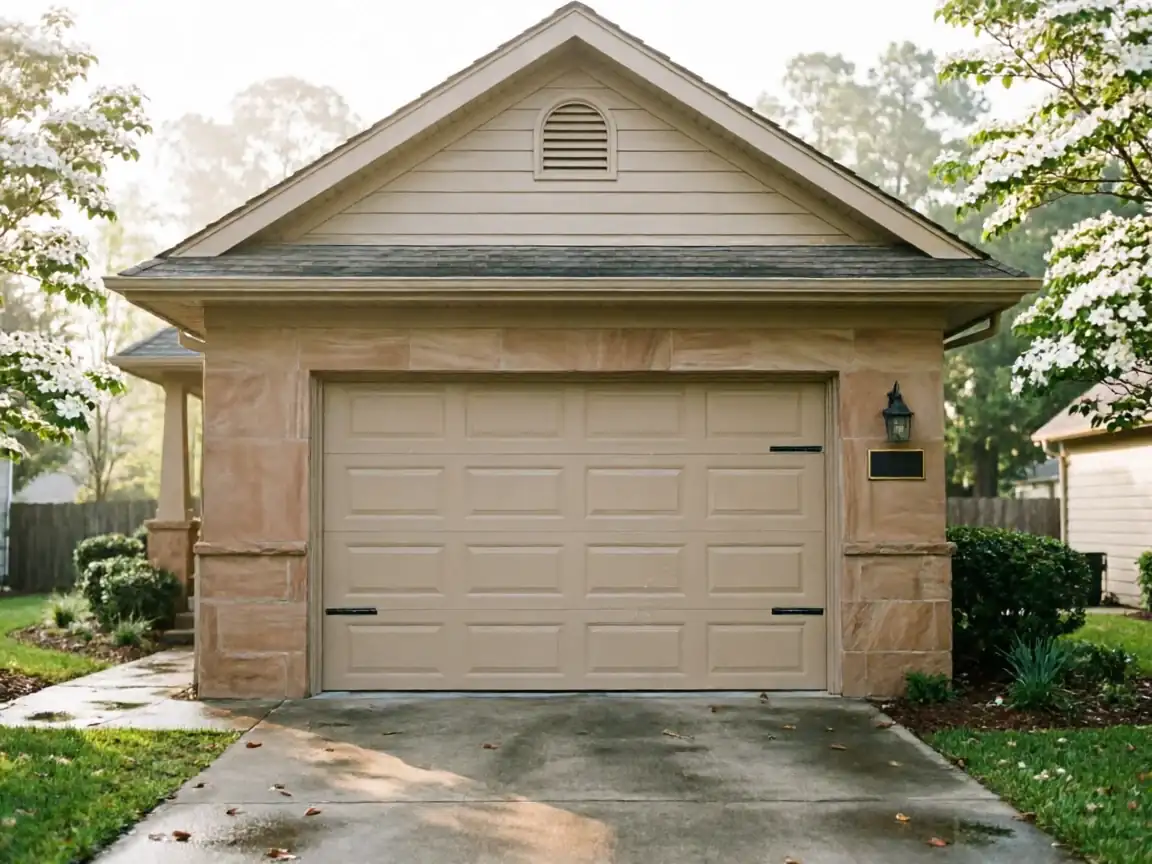
Most of the replacement calls in Euharlee aren't failures, they're age catching up. A garage built when the town's median year - 1996 - was new construction is now closing in on thirty years old, and the original door's steel skin and spring set are past the point where parts are worth sourcing. The area sits in the same cold-moderate climate band as the rest of the territory, so panels here have taken three decades of freeze-thaw cycling on the weatherstrip and seams, which is slower than hail-belt damage but just as final. With a median household income of $83,750, higher than the $78,351 median across the wider area, a fair number of these calls are owners swapping a door that still opens for one that's actually insulated and doesn't rattle - not emergency replacements. That's a different conversation than a snapped cable call, and it usually means more time to plan the color and R-value than a same-week fix allows.
Doing It Yourself
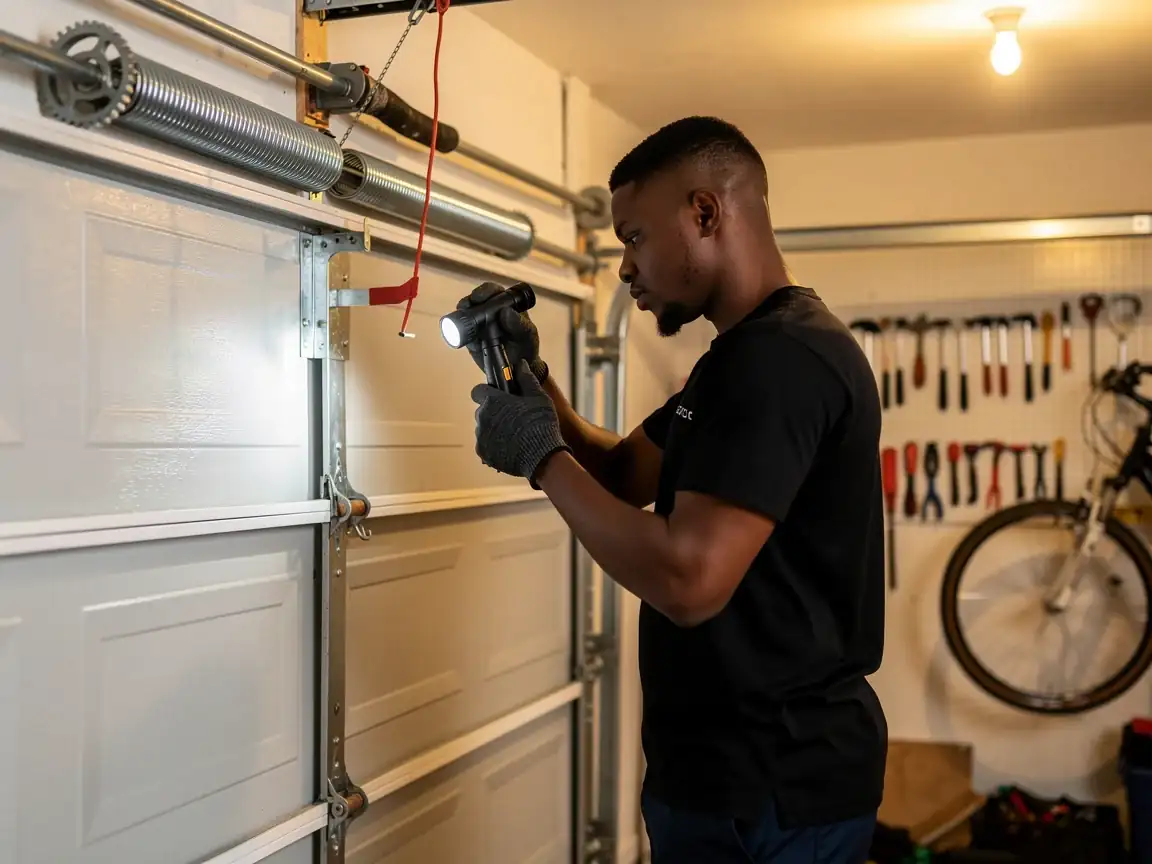
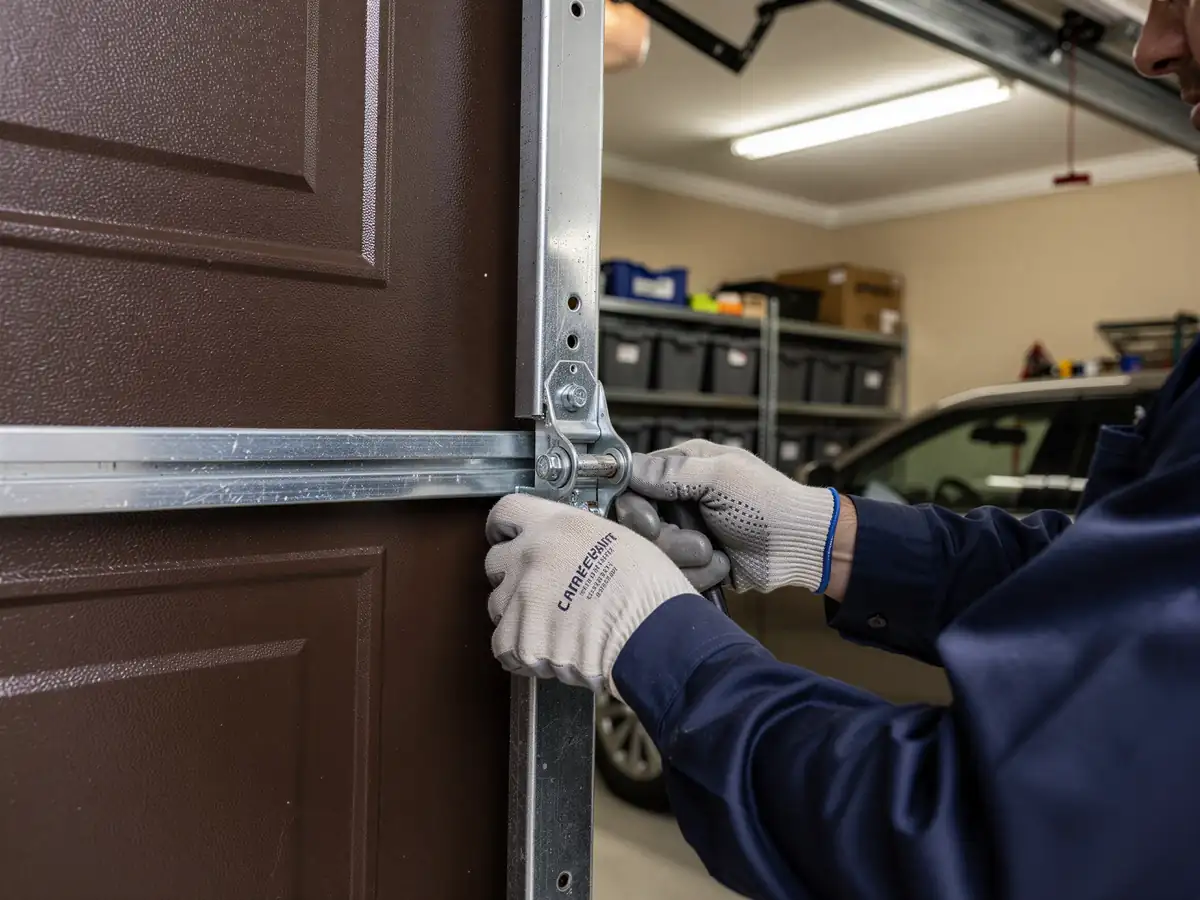
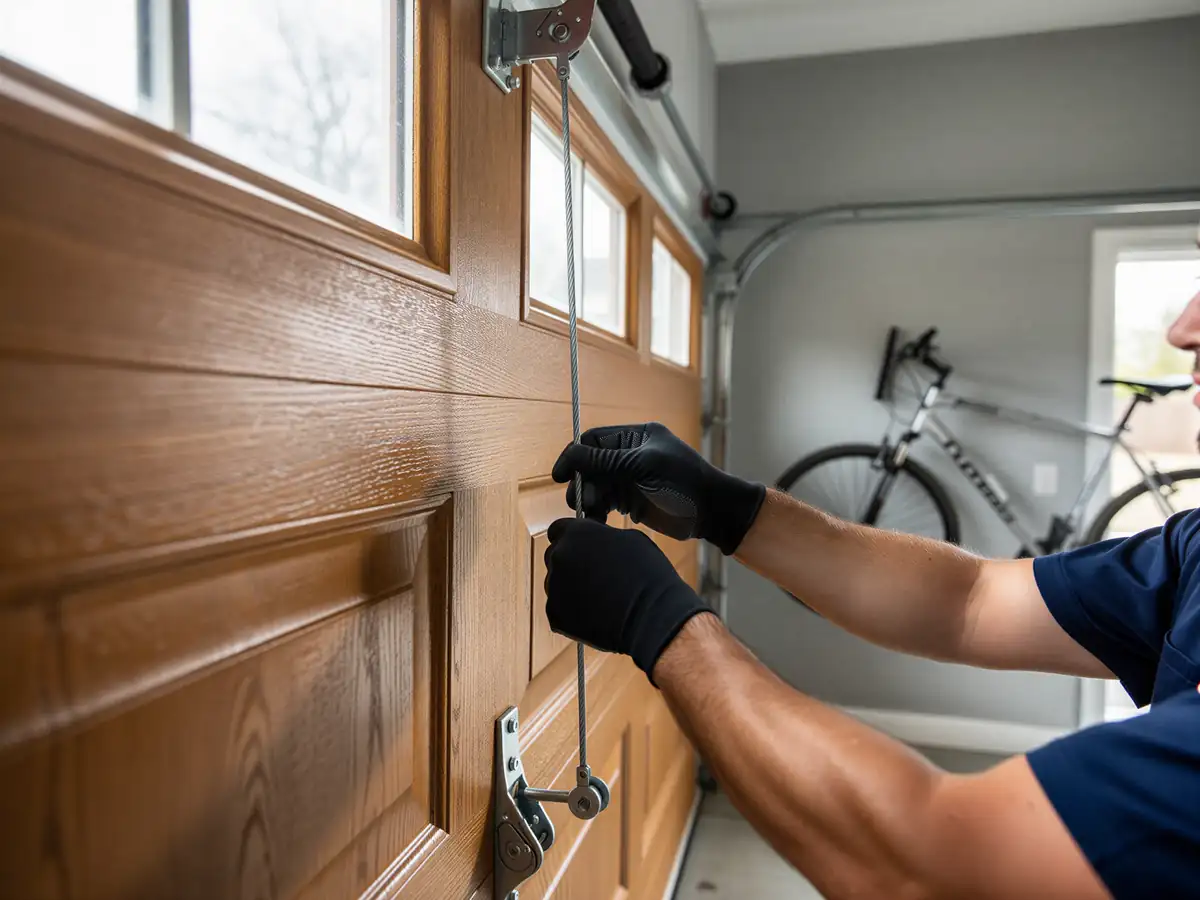
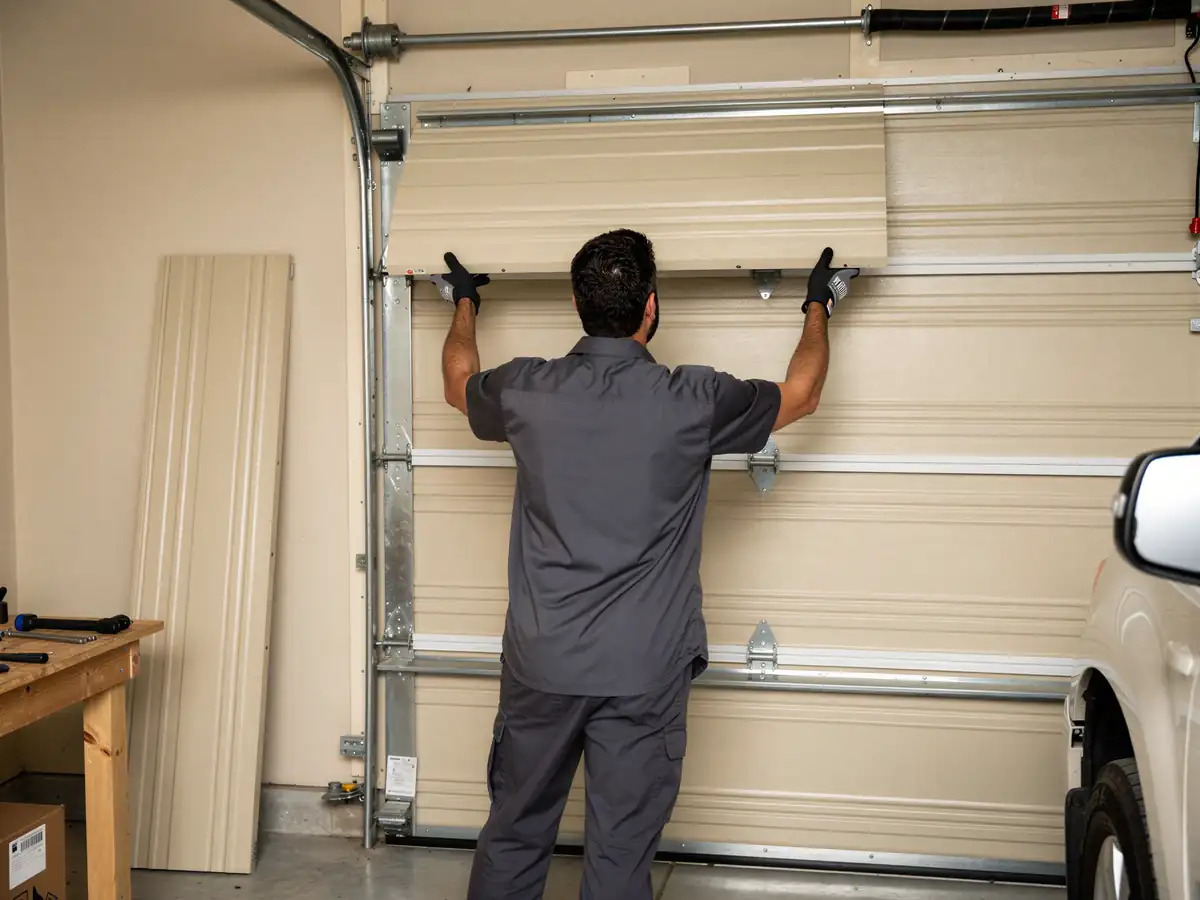
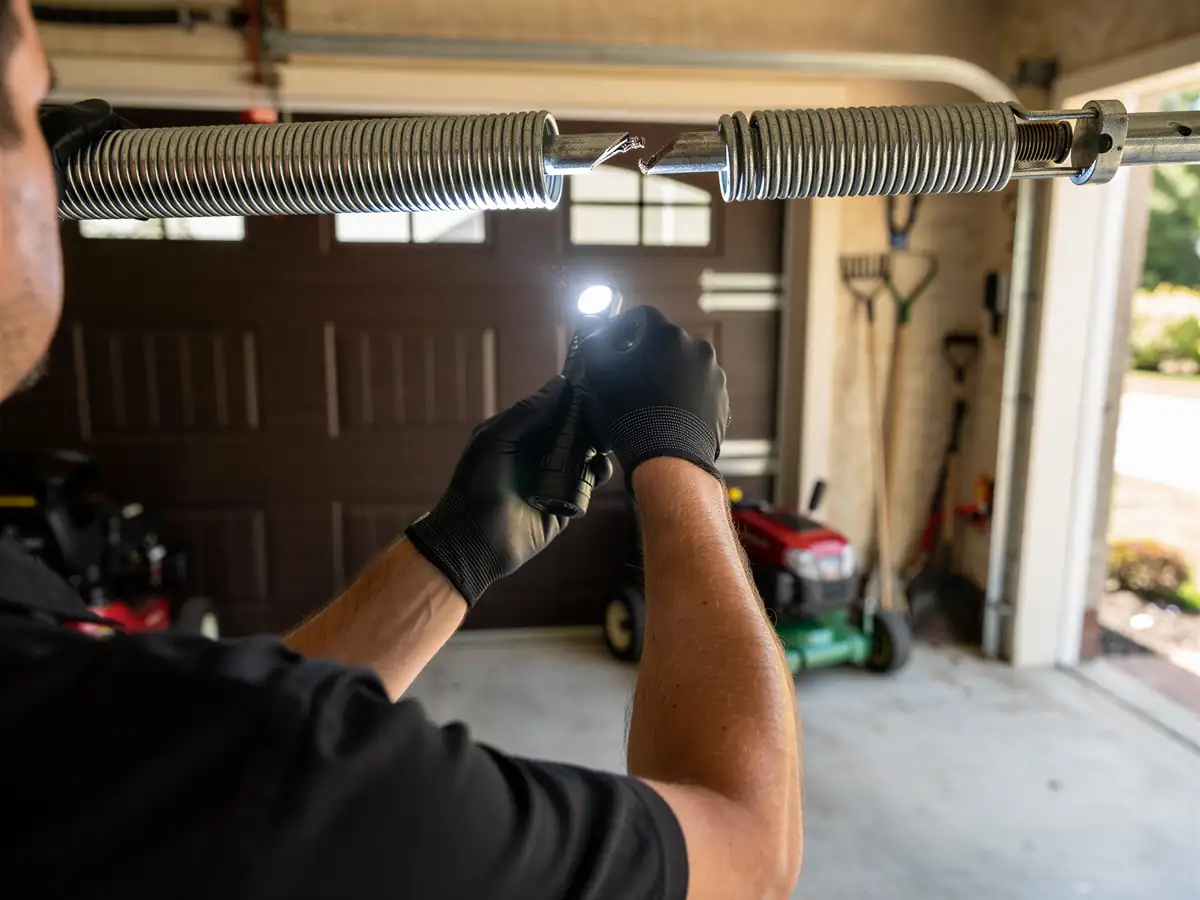
Swapping panels or weatherstrip on an existing door is reasonable DIY work if you're comfortable on a ladder. Replacing the whole door is not, and the reason is the torsion spring - it's wound under enough tension to break a bone or worse if you unwind it without the right bars, and that risk doesn't change because the door is new instead of broken. We also won't pretend measuring an opening is intuitive on an older or slightly out-of-square garage; a quarter-inch error at the header shows up as a door that binds at the top of travel every single cycle. If you want to handle the opener install yourself after we've hung the door and spring system, that's fine - just tell us up front so we don't bill for a step you're doing. What we won't do is sell a kit door and walk away from the spring and track work. That's the part that gets people hurt, and it's the part we actually get paid to do right.
How It Shows Up
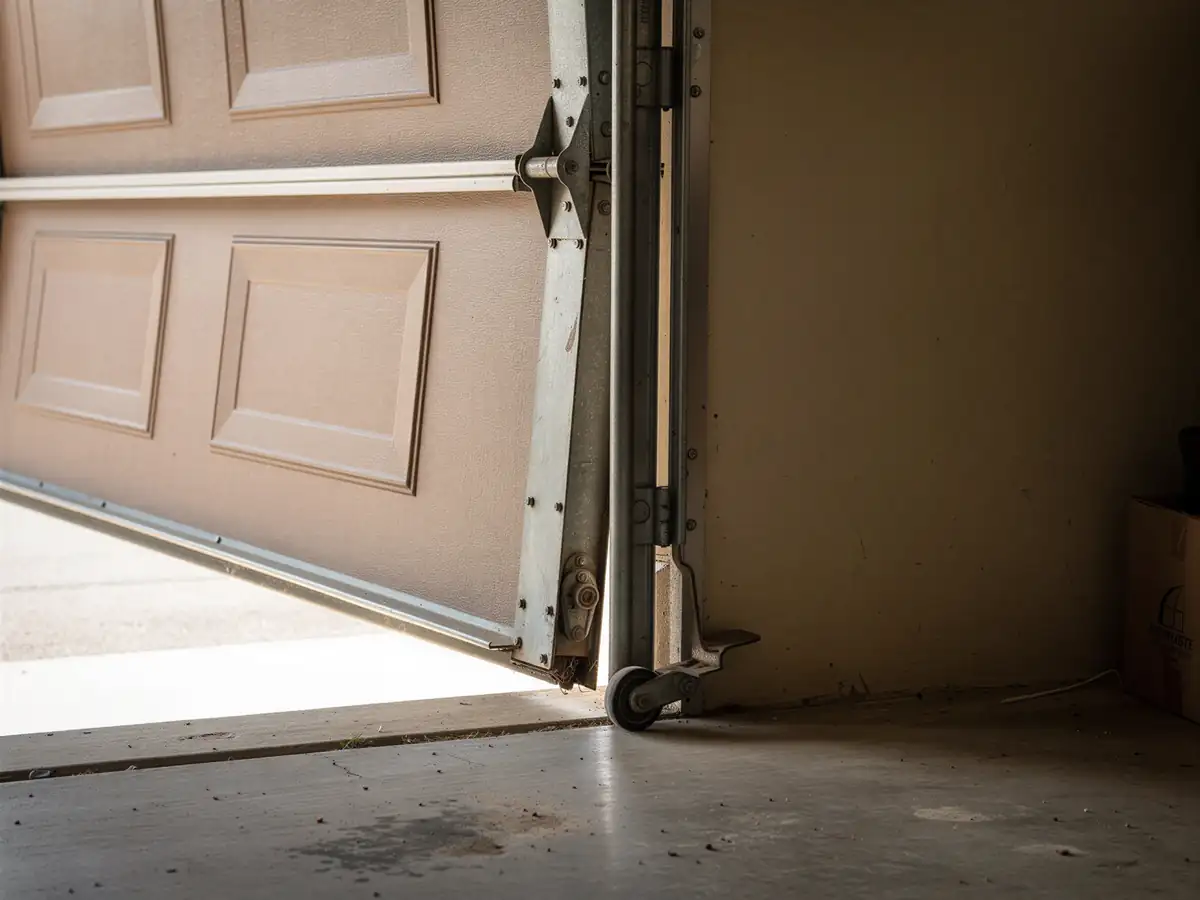
The signs that it's time for a new door instead of another repair are usually visible before you call: a steel skin dented in from the bottom, dragging rollers in a track that's been bent back more than once, or a door that's noticeably heavier to lift by hand than it used to be - a sign the spring has lost tension the opener's been compensating for. In homes from the mid-90s build run common in this area, a second tell is the insulation - those original panels used a thinner foam core than what's standard now, and on a cold morning you can feel the difference through the door itself. If the door still opens and closes on cue but the bottom seal is cracked and drafty, that's worth a call before the opener motor starts working overtime to cover for a door that's not sealing anymore.