Checking It Yourself
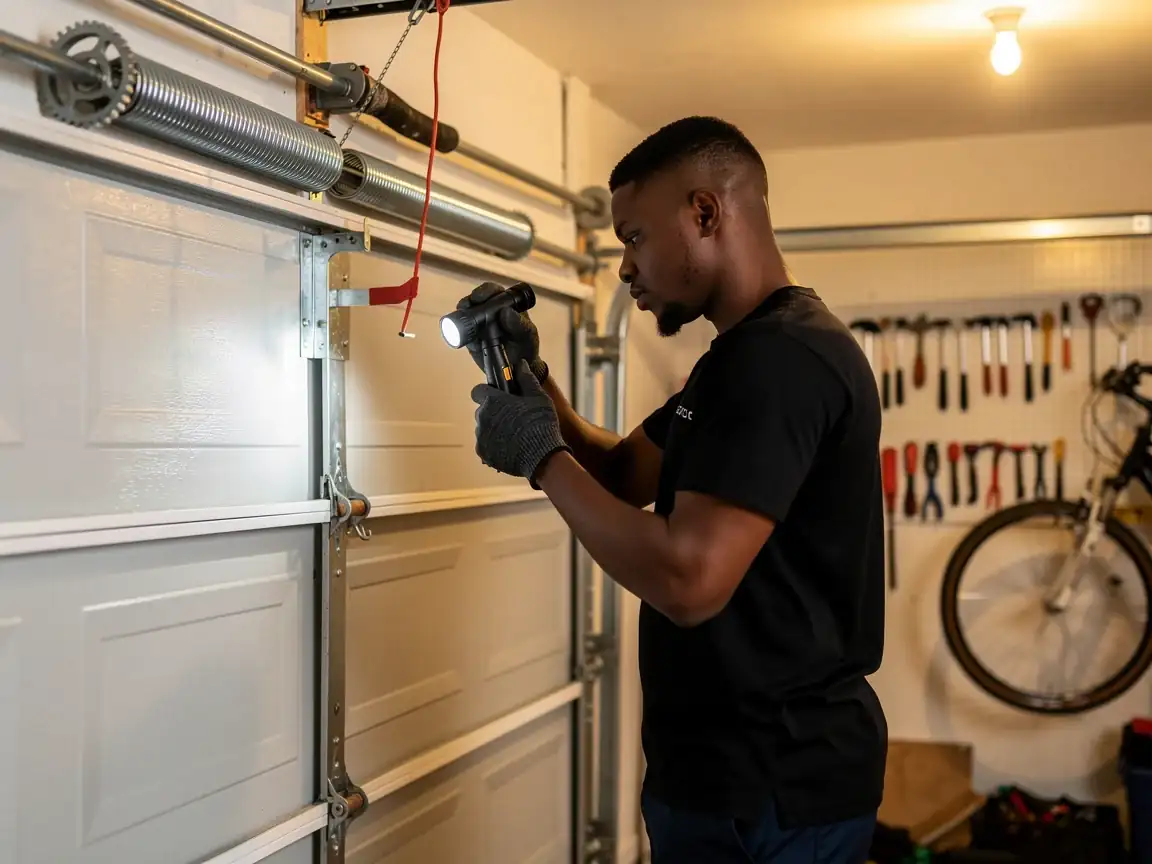
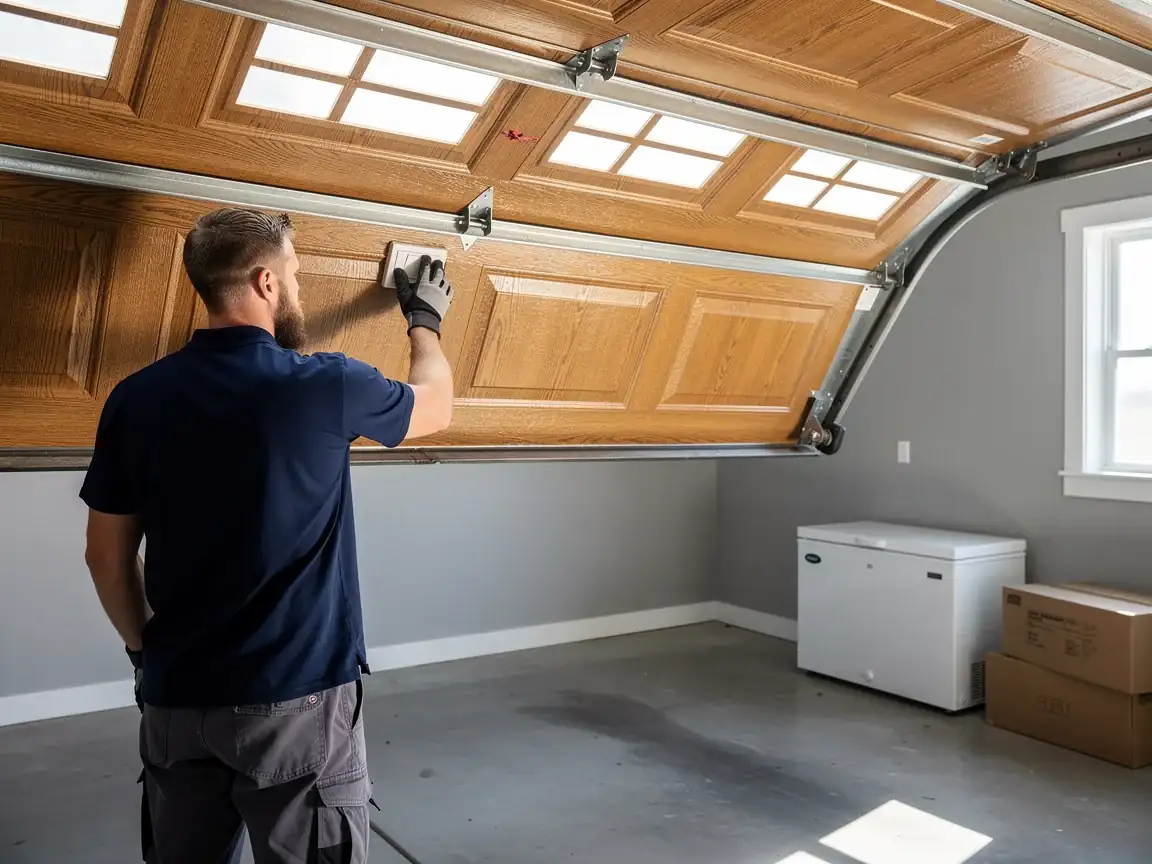
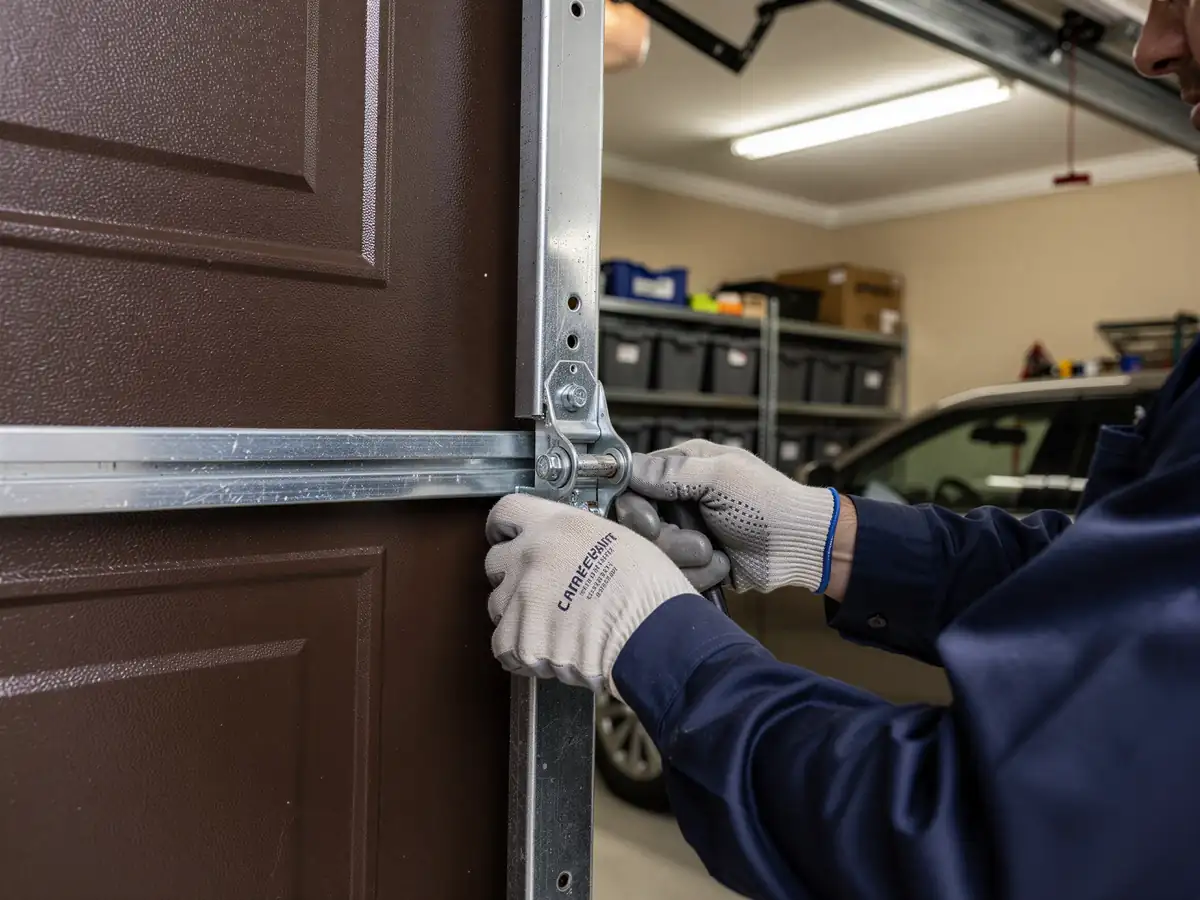
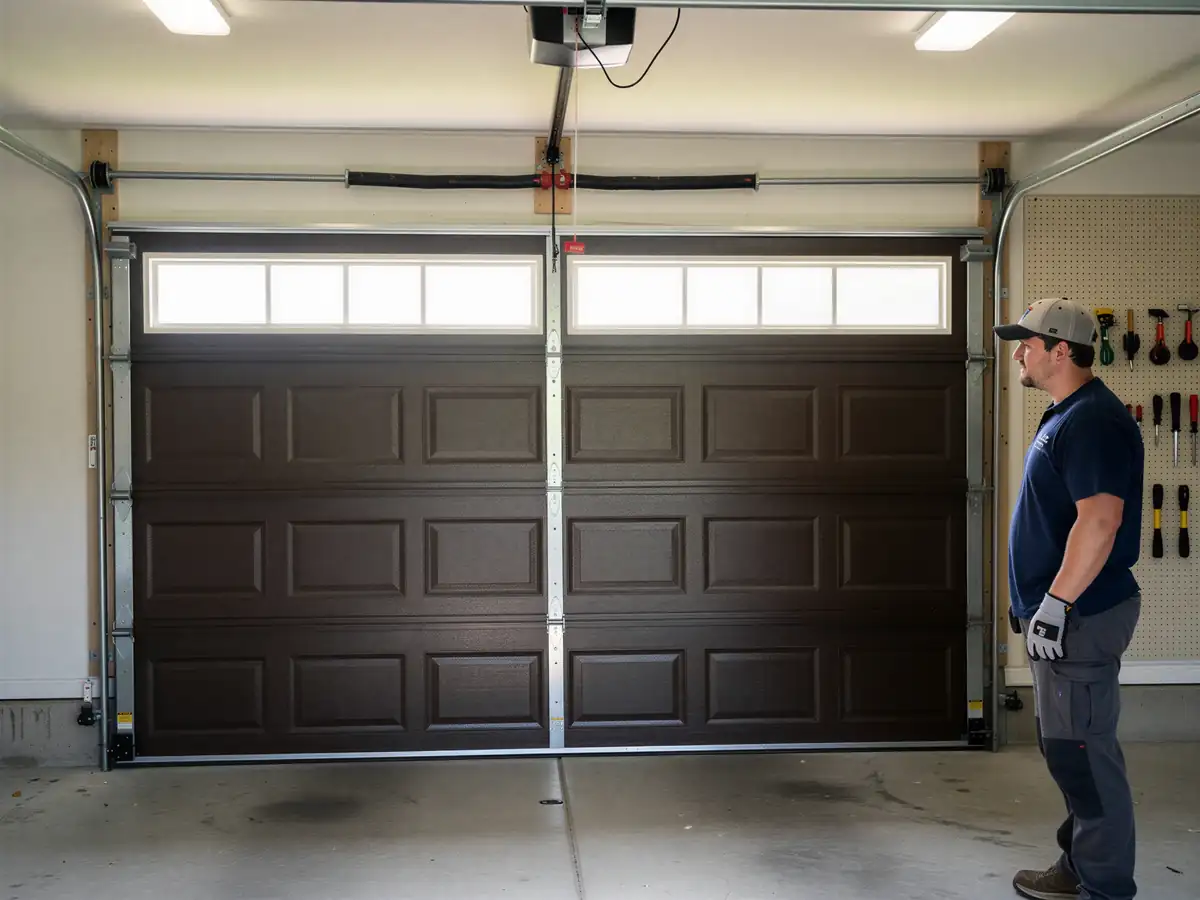
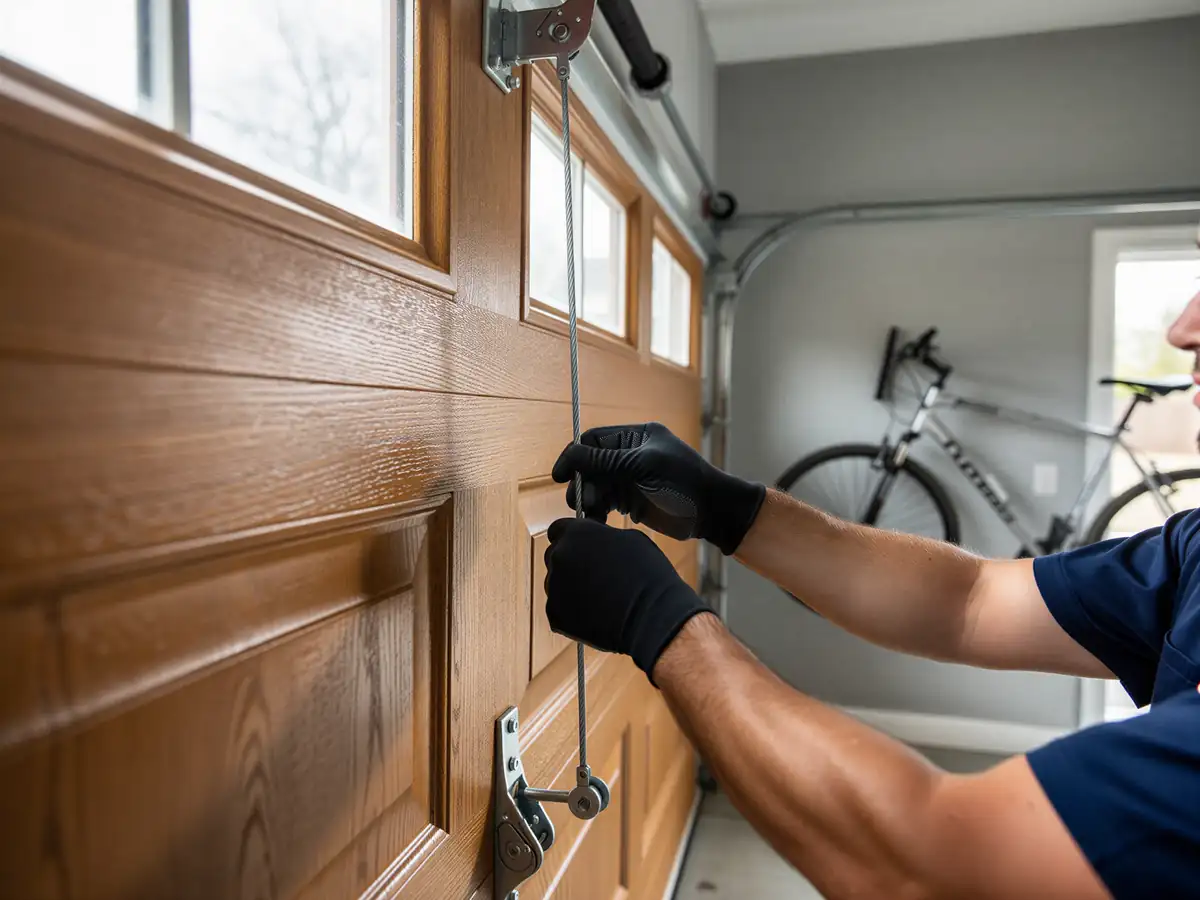
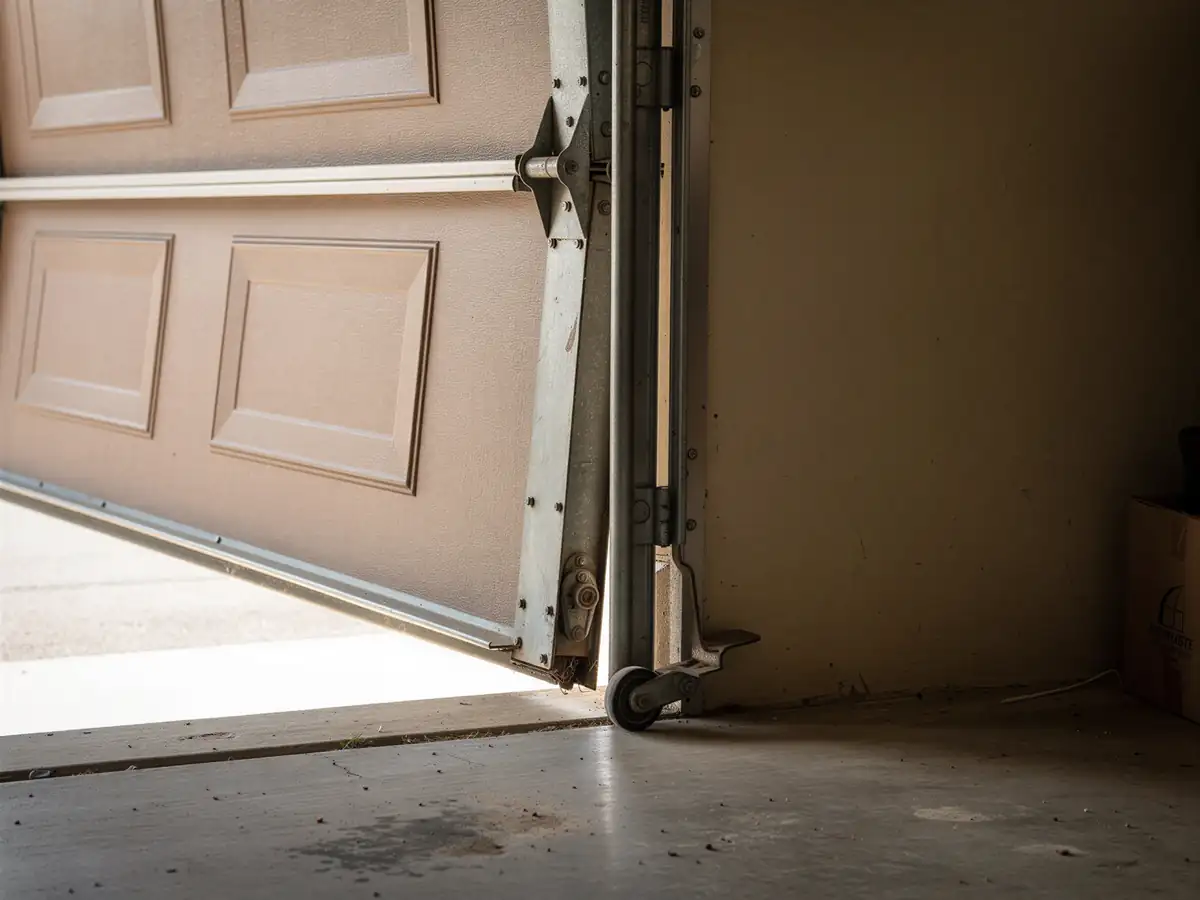
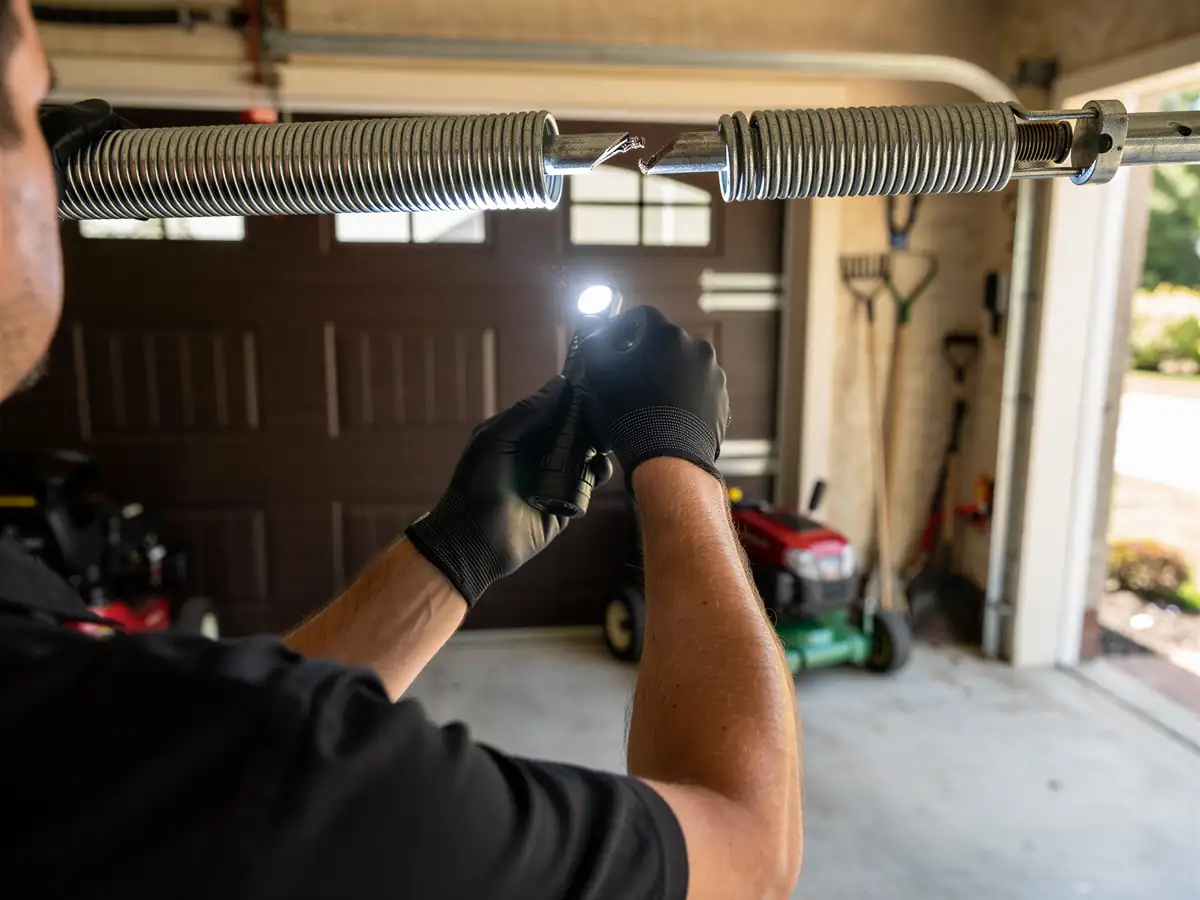
Before you call anyone, open and close the door by hand with the opener disconnected (pull the red release cord). A door that's heavy, uneven, or won't stay at waist height on its own has a spring problem, not an opener problem - no amount of opener work fixes that. Look at the springs themselves: a gap in the coil usually means it's broken. Check the tracks for rust or bent spots, especially if the garage isn't heated; a lot of houses in this area were built between 1964 and 2007, with the median around 1989, so you're often looking at original or first-replacement hardware that's thirty-plus years old. Listen for grinding on the rollers - steel rollers from that era wear loud before they fail outright. If the bottom panel shows daylight gaps or the weather seal is cracked and flattened, that's a cold-weather issue, not cosmetic. None of this tells you exactly what's wrong, but it tells you whether you're dealing with springs, tracks, or seals, which changes what a tech brings on the truck.
How Local Conditions Play In
Acworth sits in a cold-moderate climate band, which shows up in specific ways on a service call. Overnight freezes stiffen torsion springs and thicken old grease on rollers and hinges, so a door that worked fine in October can bind or hang up by January - that's a tension and lubrication issue, not a broken part, most of the time. Steel doors without insulation flex more in a hard cold snap, which is why we check panel seams and bottom seals closely on anything built before the 1990s. Emerson sits about 6 miles out, Hiram about 12, and Powder Springs around 14 - close enough that the same 1980s and 90s housing stock repeats across that whole stretch, and we see the same worn torsion springs and steel panel doors job after job out that way. None of this is dramatic weather, which is also the trap: people assume mild winters mean no seasonal wear, and the springs don't care about assumptions.
What Most People Get Wrong
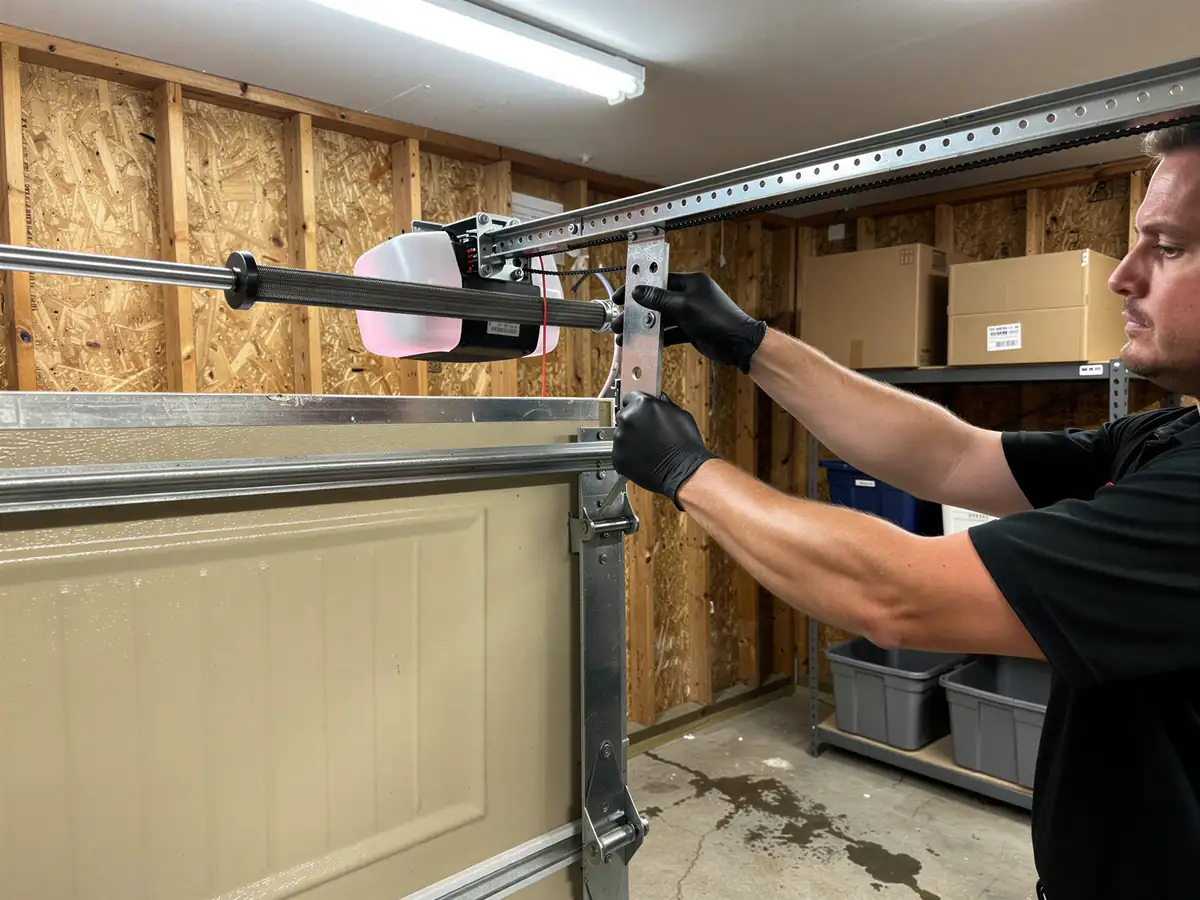
The most common mistake is assuming a noisy or slow door needs a new opener. Nine times out of ten on a house built in that 1964-2007 window, the opener is doing exactly what it's told - the resistance is coming from a spring that's lost tension or a track that's shifted slightly out of plumb. Replacing the opener doesn't touch either of those, and the new opener just inherits the same fight. The second mistake is over-lubricating everything with the wrong product; WD-40 on a roller attracts grit instead of cutting it. The third is ignoring a slow weather seal failure until a cold spell makes it obvious, when a $20 seal replacement in October would have handled it. People also assume a door that's original to a 1989-median-era house is automatically due for replacement just because of its age - plenty of those steel doors are structurally fine and just need the moving parts serviced, which is a cheaper and faster fix than people expect.