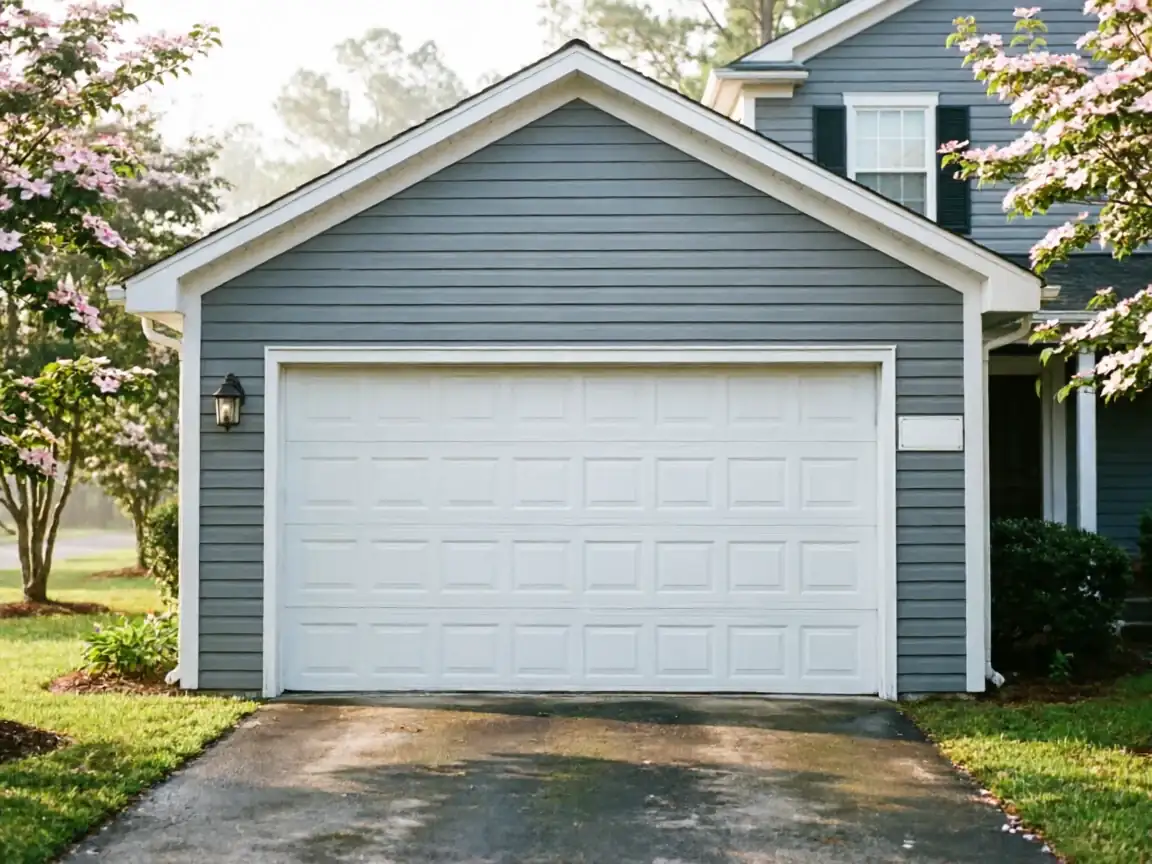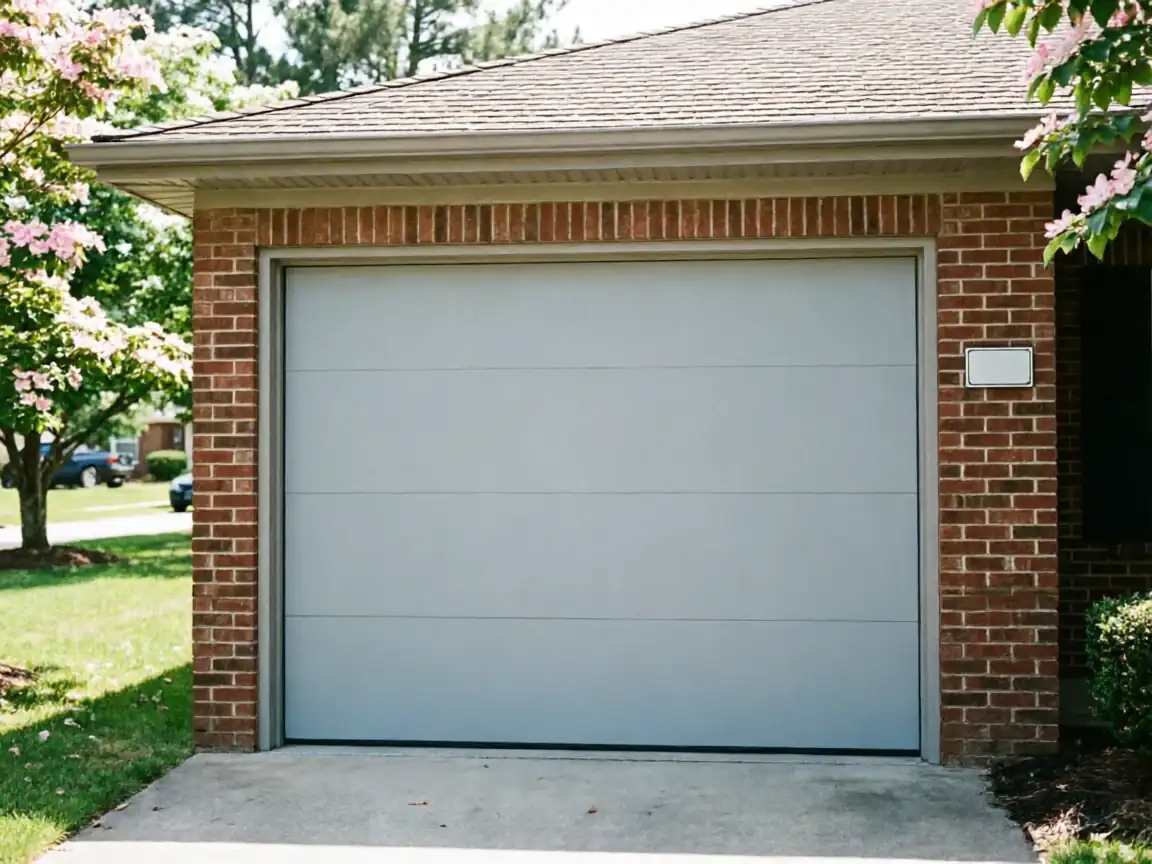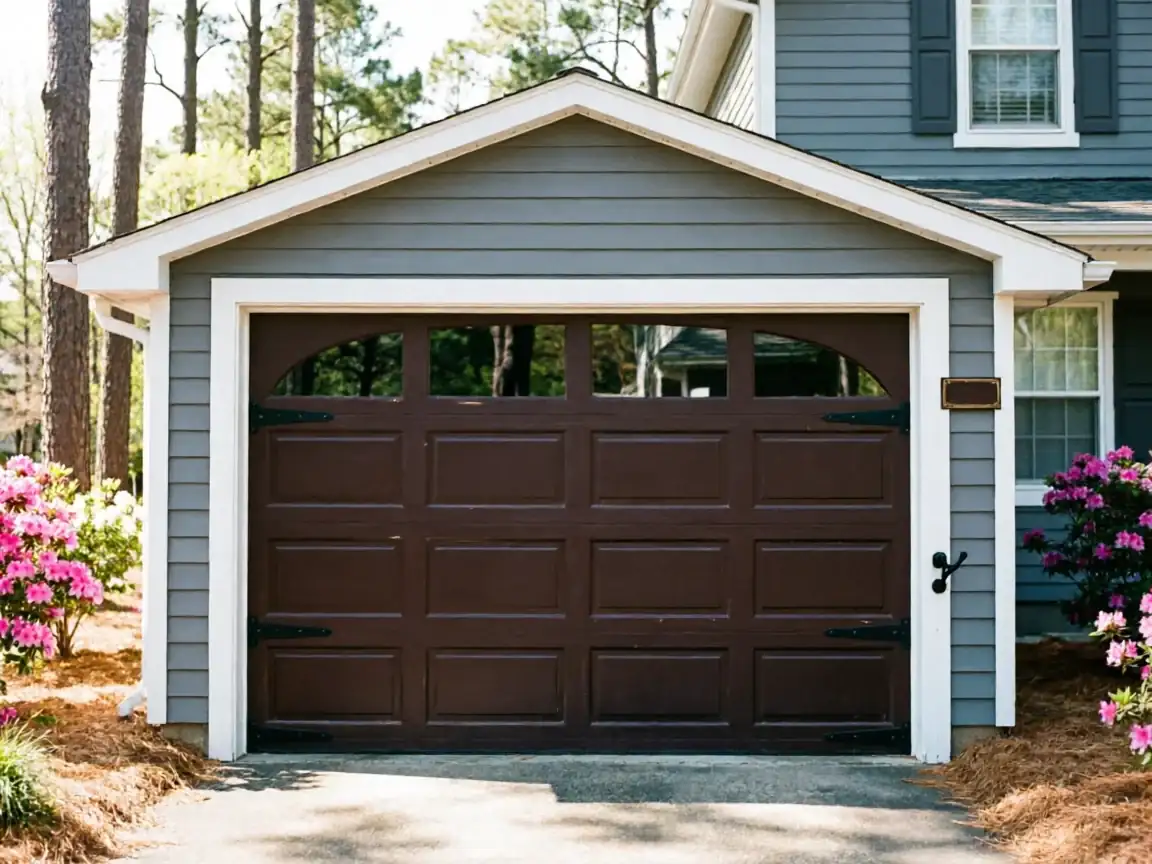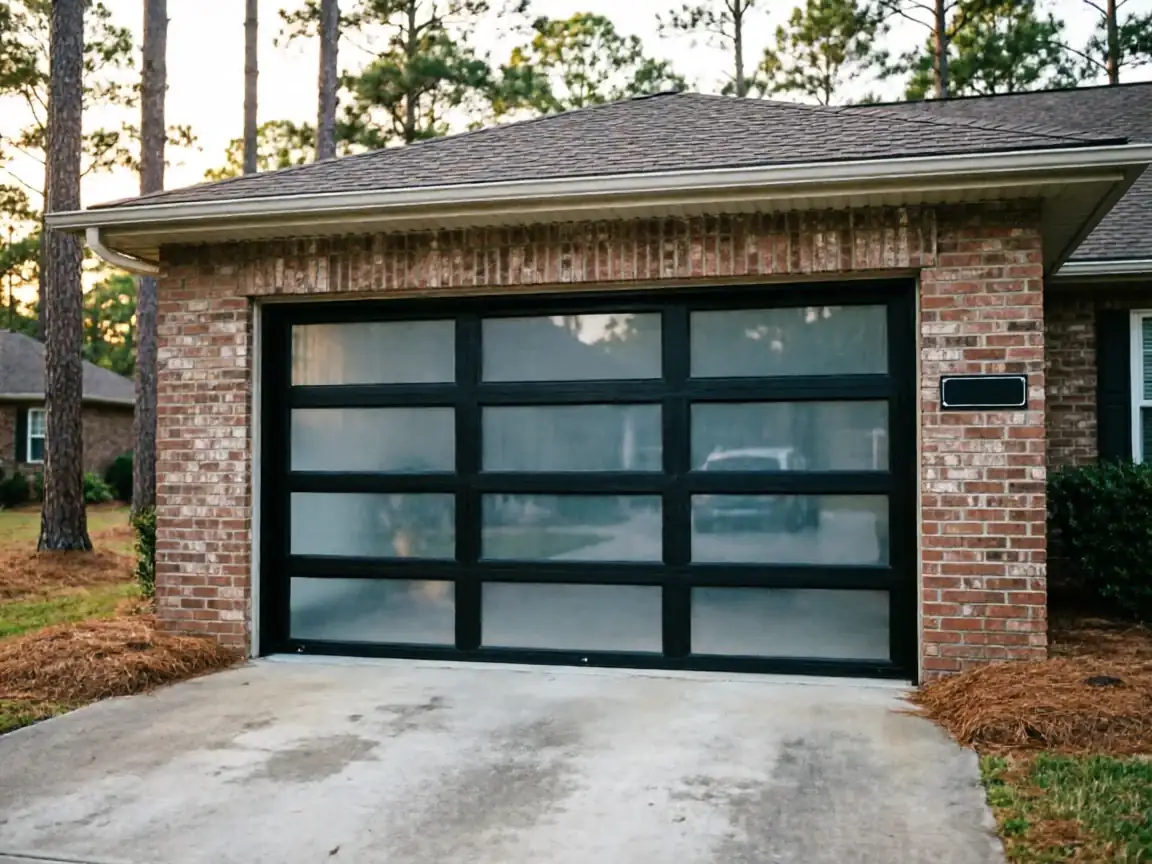
How It Shows Up
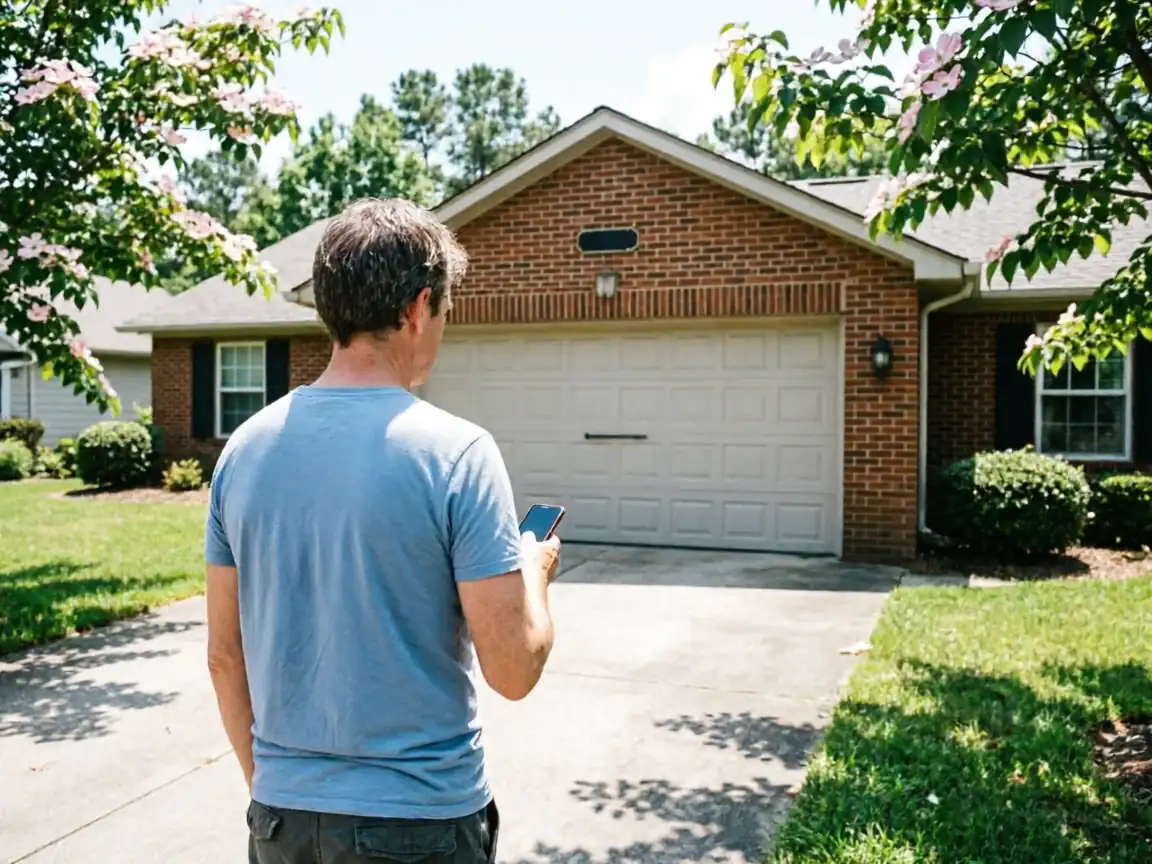
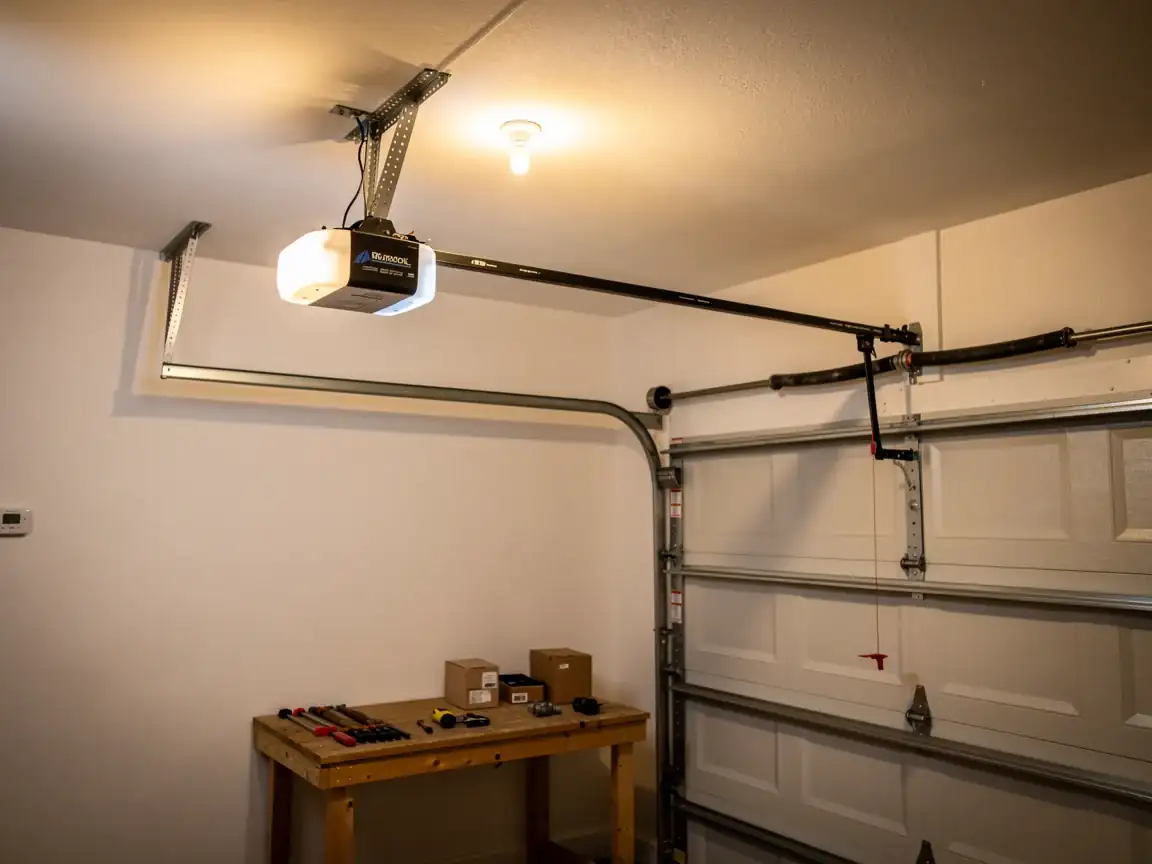
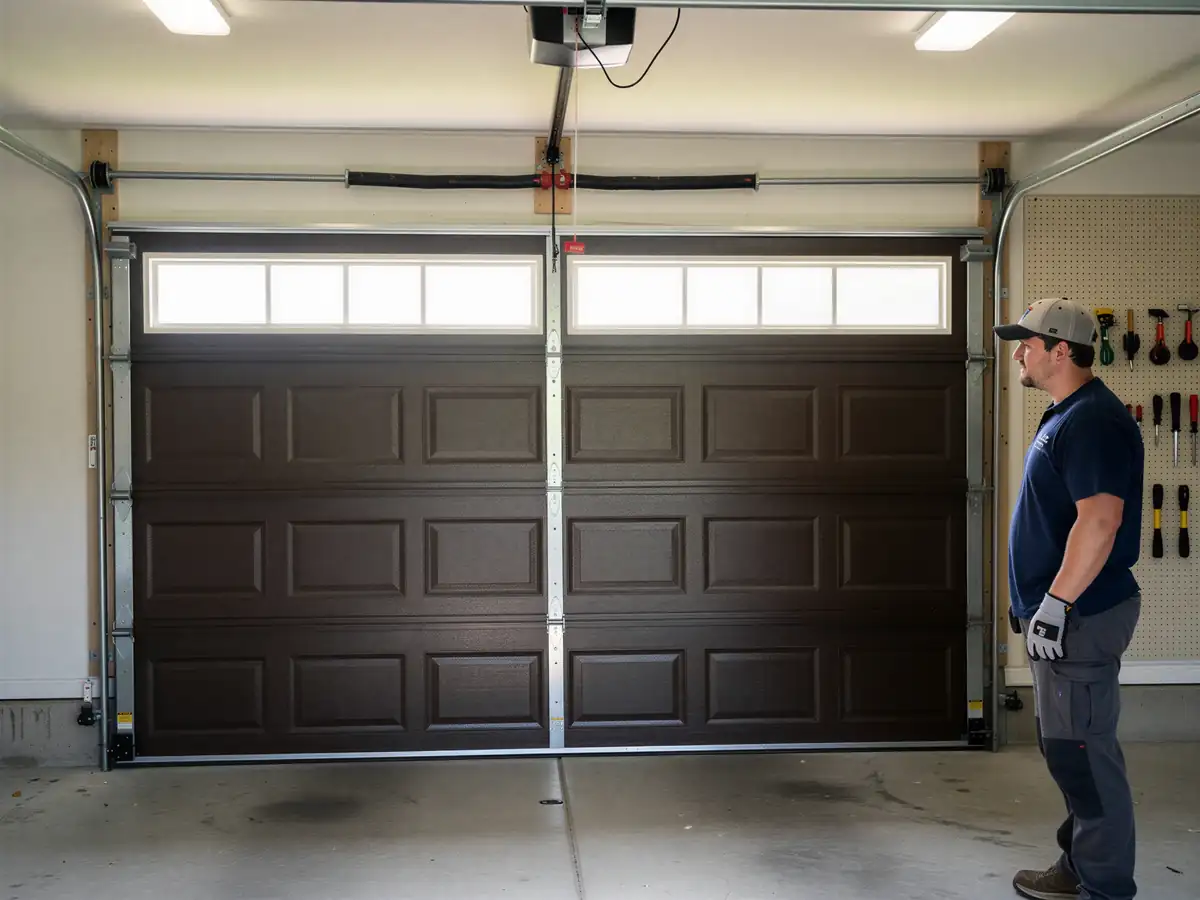
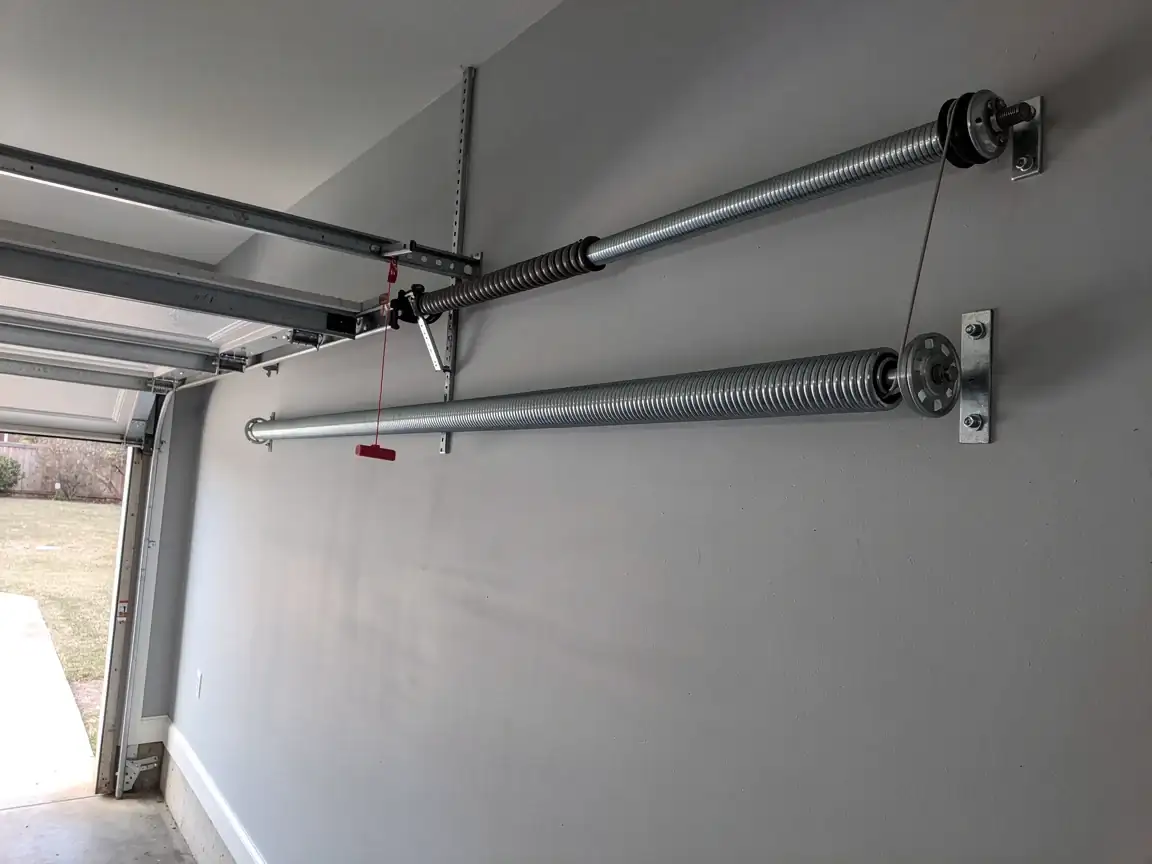
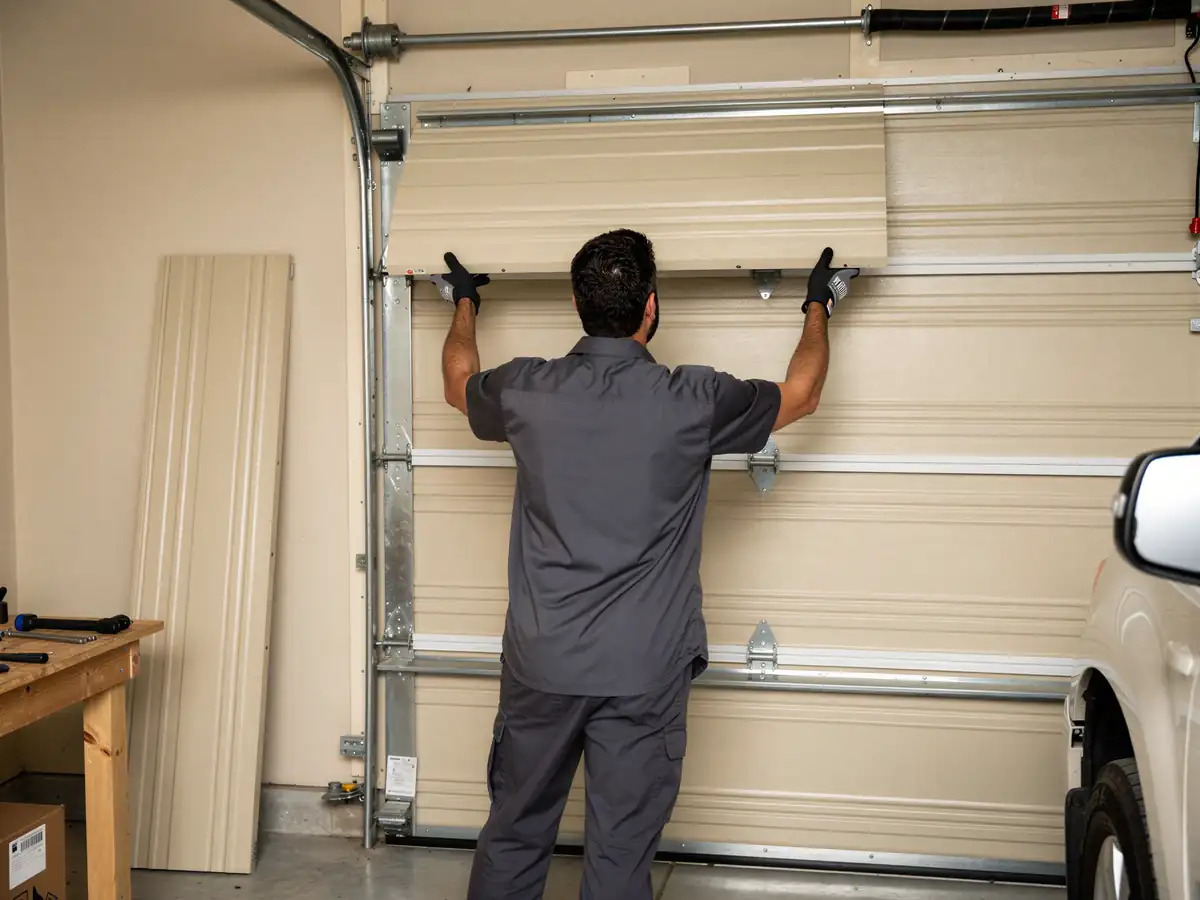
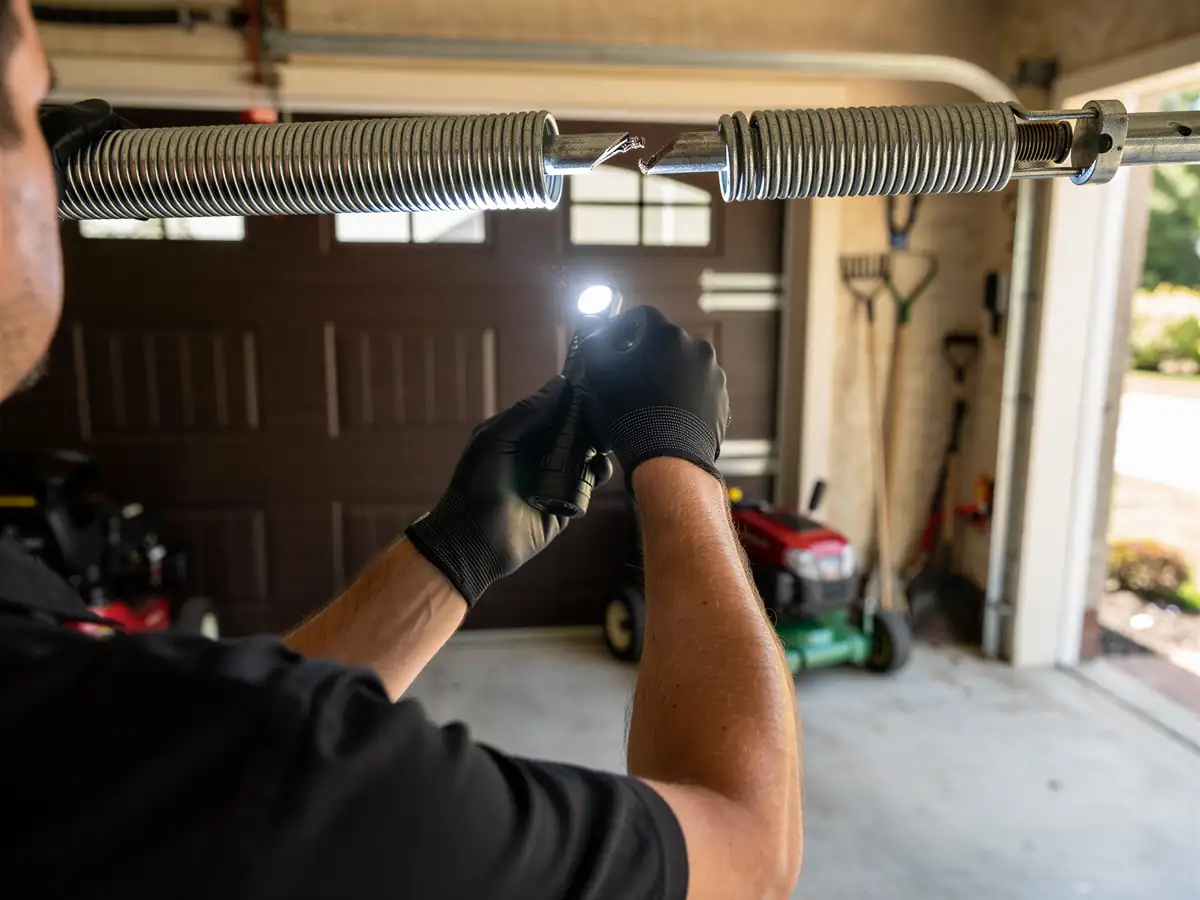
The call usually starts the same way: the door won't go up, or it goes up six inches and stops. Sometimes it's a loud bang from the garage followed by a door that won't budge at all - that's a torsion spring letting go. Other times the opener runs but the door doesn't move, which points at a stripped gear or a cable that's jumped the drum.
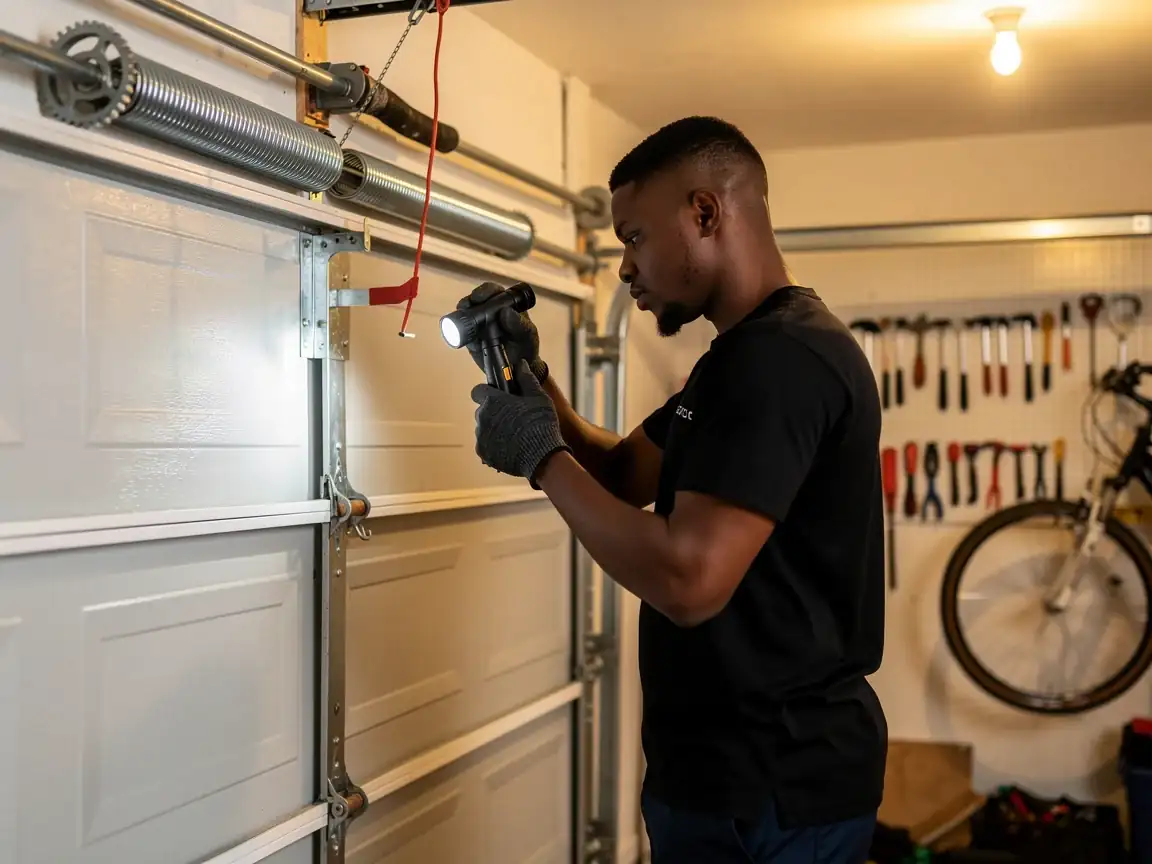
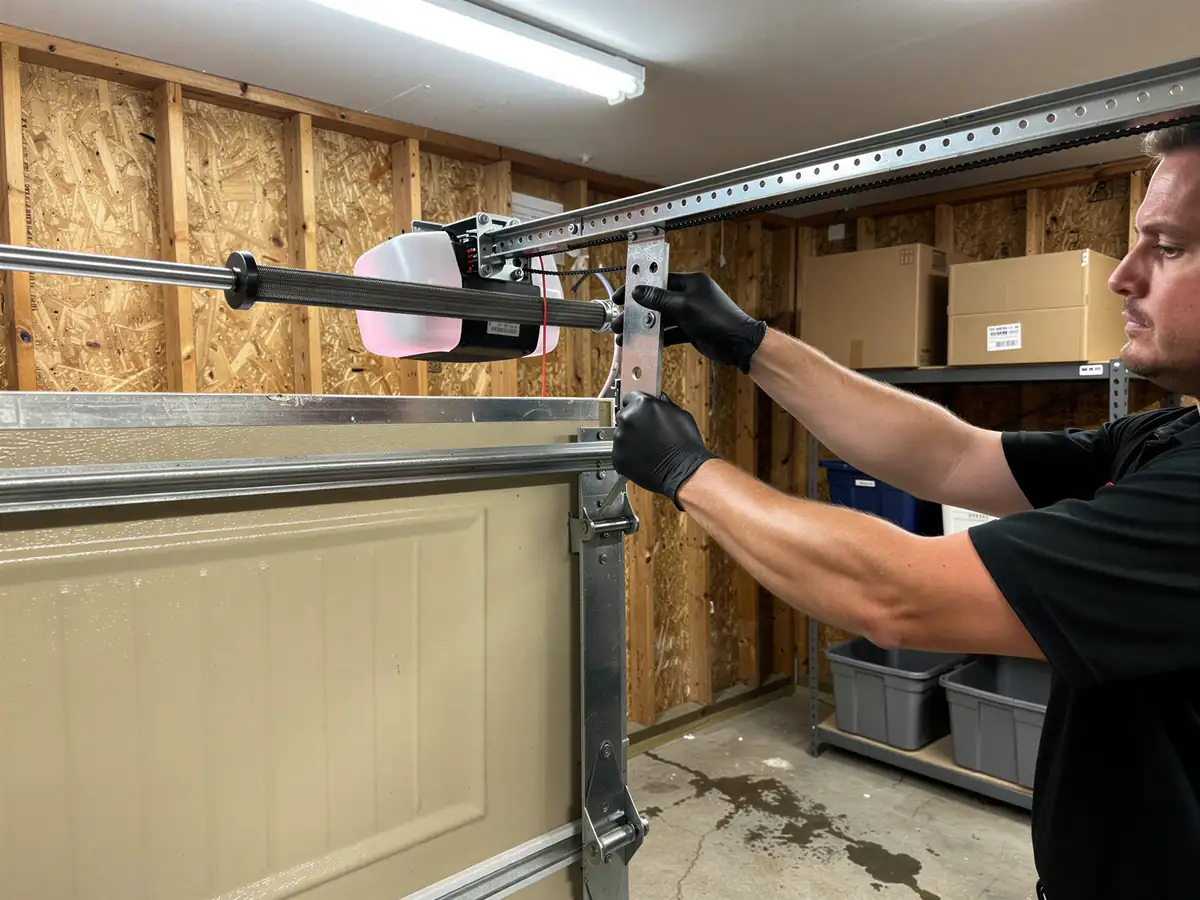
Because most houses in our service area went up between 1964 and 2007, with the heaviest concentration from the 1980s and 90s, we see a lot of original hardware still in place. A spring rated for 10,000 cycles doesn't know what decade it is - it just wears out, and a house built in 1985 is due. Openers from that era are also past their expected life, so a door that's hesitating, reversing for no reason, or making a grinding noise on the way down is often two problems at once: aging springs carrying a door that an aging opener is straining to lift. We look at both before we quote anything, because fixing one and ignoring the other gets you a callback in a month.
Where This Job Goes Sideways
Extension spring setups without a containment cable are the most common complication we run into on older doors here
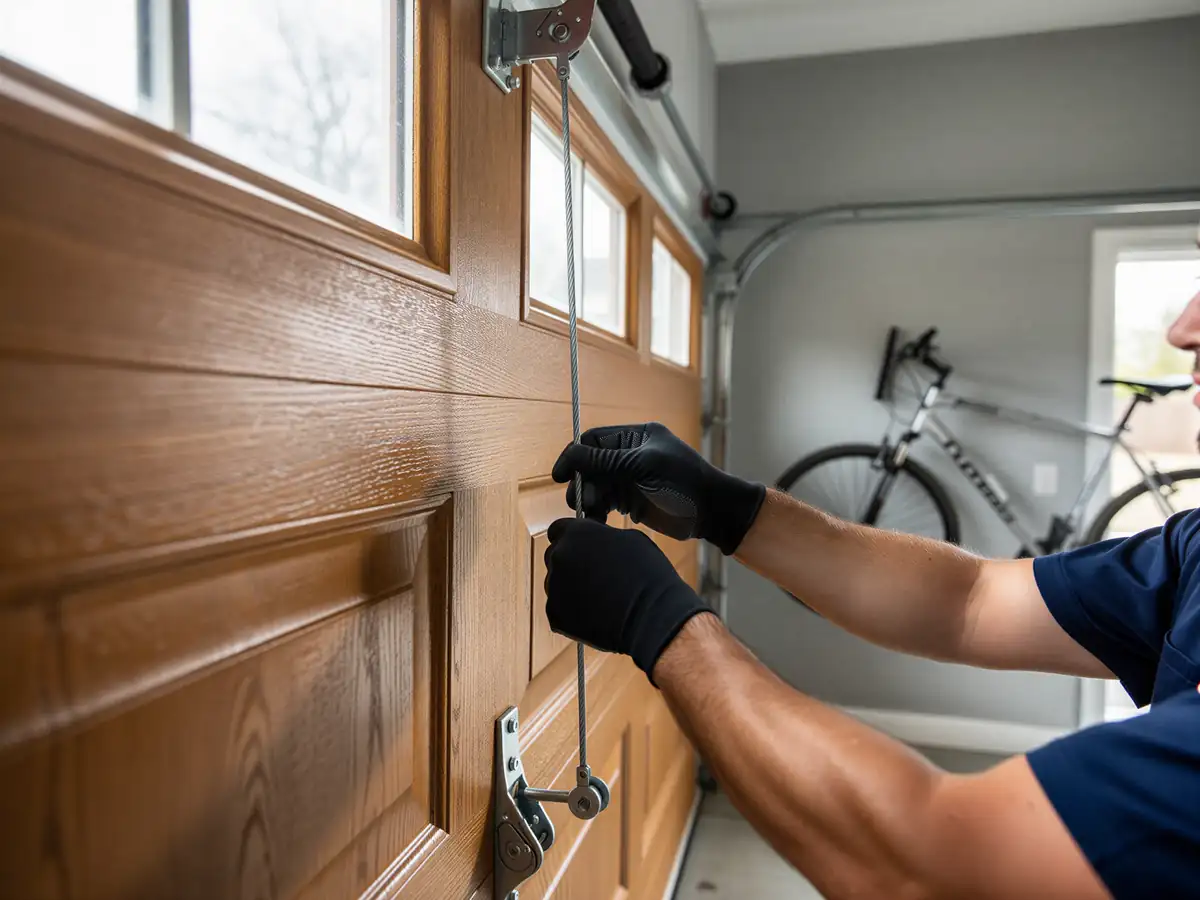
A lot of the 1980s and 90s builds in this area were put up before that cable was standard, so when a spring breaks, it can whip instead of just drop. That's not a DIY fix, and it's not always obvious from the garage floor that the cable is missing until someone's up on a ladder looking at it.
The other sideways moment is track alignment on a door that's been limping along for years
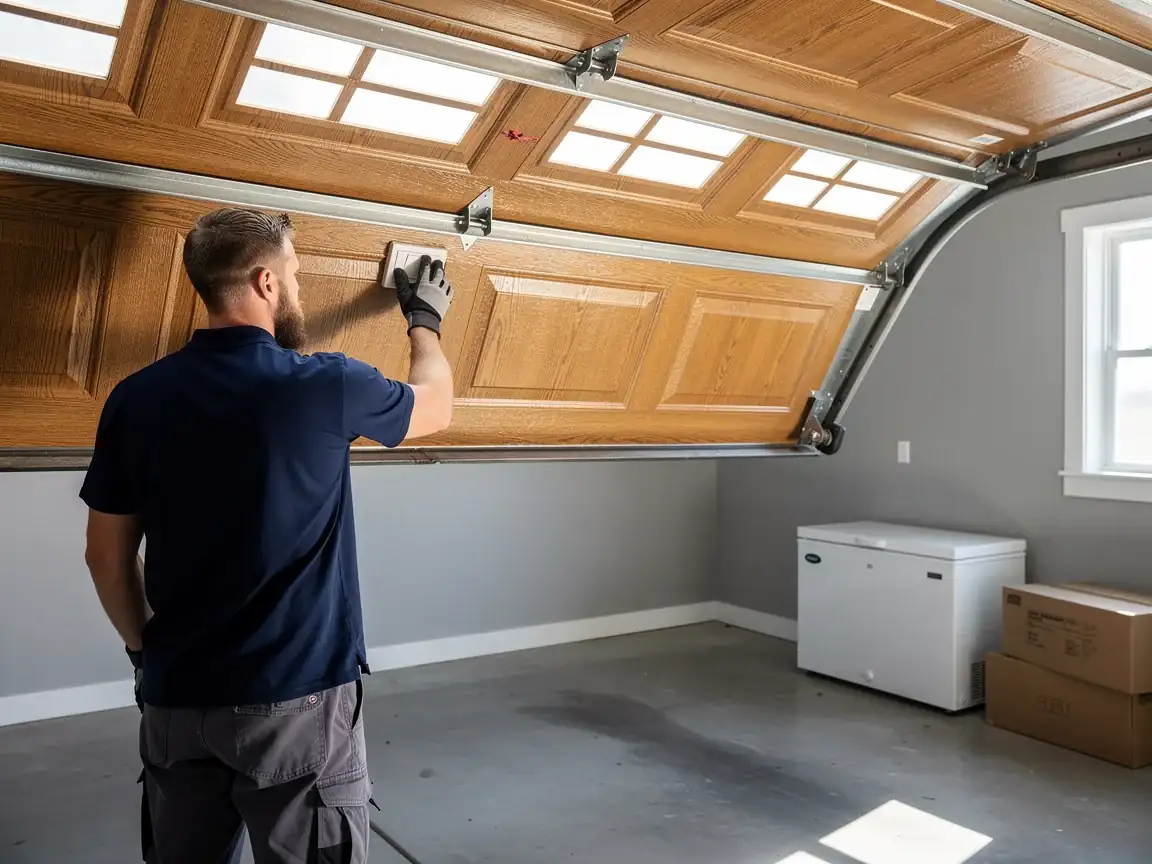
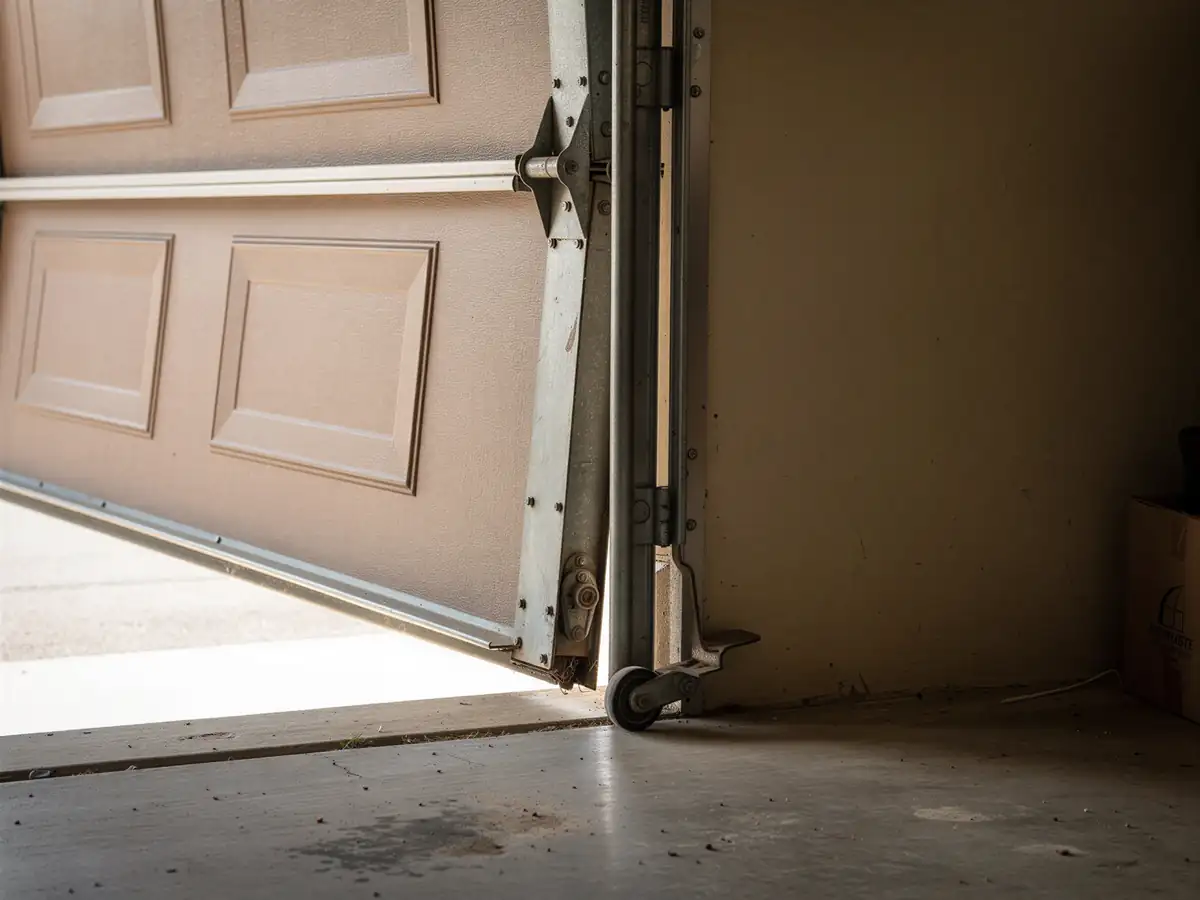
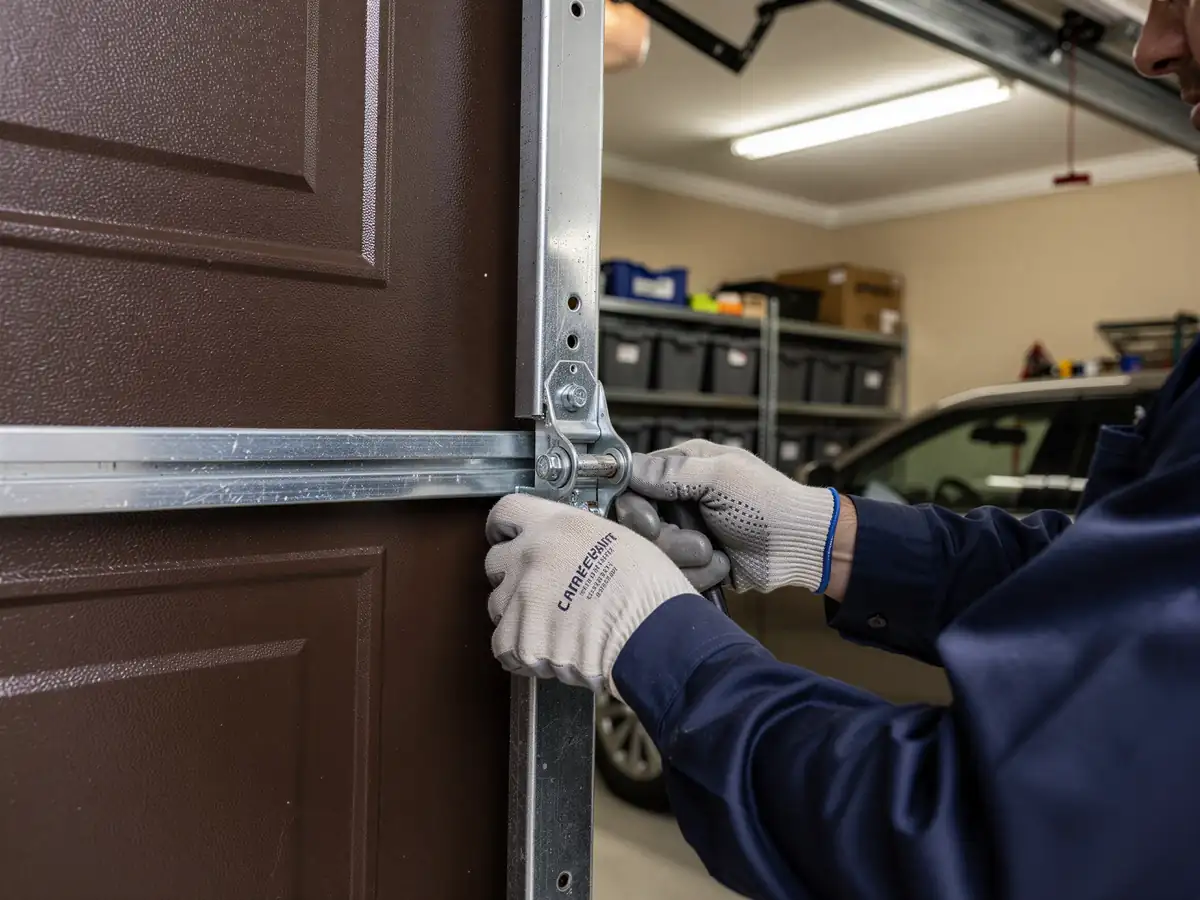
Once a panel's been forced open and shut while a spring is weak, the rollers start chewing into the track, and what should have been a spring swap turns into a spring, track, and roller job. Across the roughly 15,851 owner-occupied houses in this service area, a good number are sitting on hardware that's never been touched since it left the factory, which means by the time we get the call, there's usually more than one worn part asking to be replaced at once. We tell people this up front rather than let the invoice be the surprise.
- 15,851 owner-occupied
Doing It Yourself
There's plenty on a garage door you can handle yourself: tightening loose hardware, cleaning and lubricating rollers and hinges, checking the weatherstripping at the bottom panel, replacing worn remote batteries, or testing the photo-eye sensors near the floor. Those jobs don't need a truck.
A torsion spring under tension is not one of them. The spring is wound to lift a door that weighs more than most people expect, and the winding bars used to adjust it have put people in the emergency room. We won't walk someone through that over the phone, and we'd tell you the same thing in person - it's the one repair on this list we don't think is worth the risk of doing yourself, full stop. Cable work on an extension-spring door carries the same warning. If you're not sure whether what's in your garage is a torsion or extension setup, that uncertainty alone is a reason to have someone look at it before you touch anything under load.
What Causes It Around Here
Acworth sits in a cold moderate climate band, which means the garage sees real temperature swings across the year rather than staying in one narrow range. Steel contracts in the cold and expands in the heat, and a torsion spring that's already near the end of its rated cycles tends to be the part that finally gives during one of those swings - which is why late fall and early spring calls tend to cluster.
The housing stock compounds it. With most homes in the service area built between 1964 and 2007, and the bulk of that falling in the 1980s and 90s across the dozen or so areas we cover, a large share of doors are running original or first-replacement hardware that's now thirty-plus years old. At a median household income of $78,351 for the area, we find more owners choosing to replace a tired spring-and-opener setup together rather than patch it piece by piece - not because the old door failed badly, but because it's cheaper over time than three separate service calls for three separate worn parts.