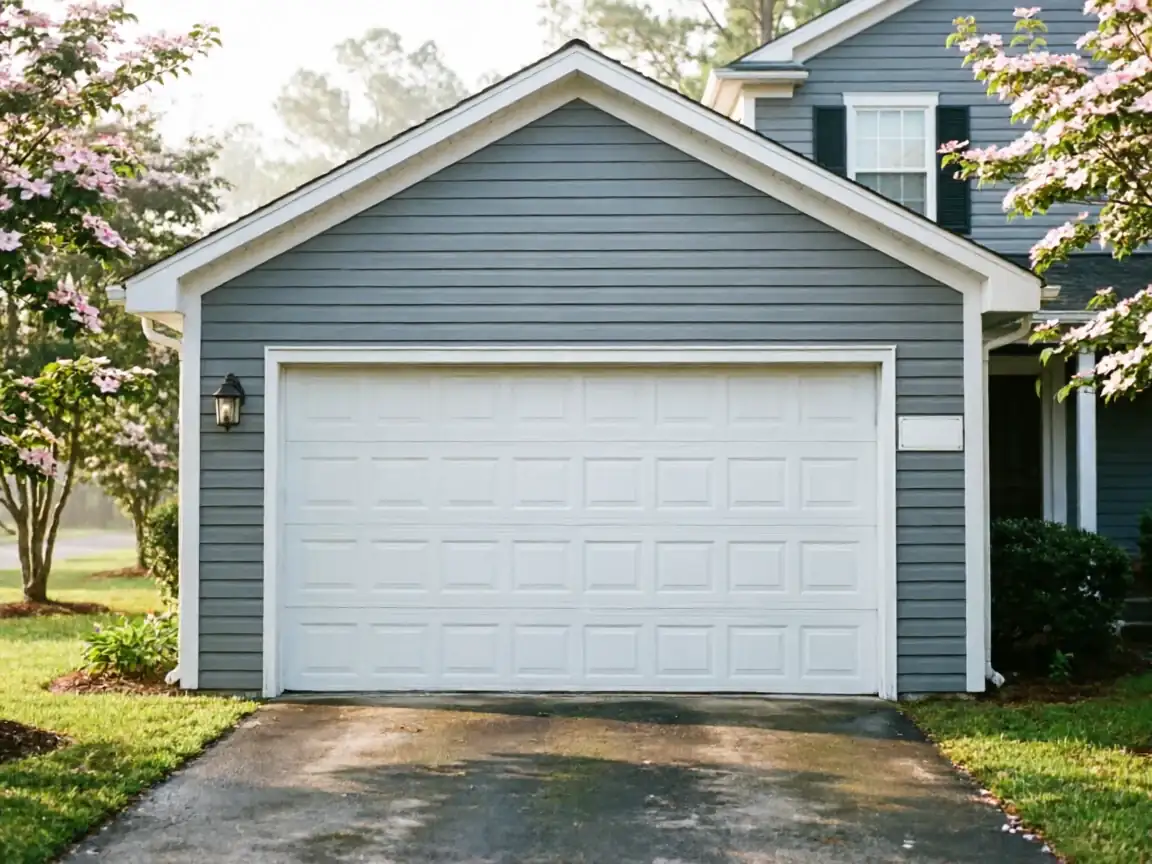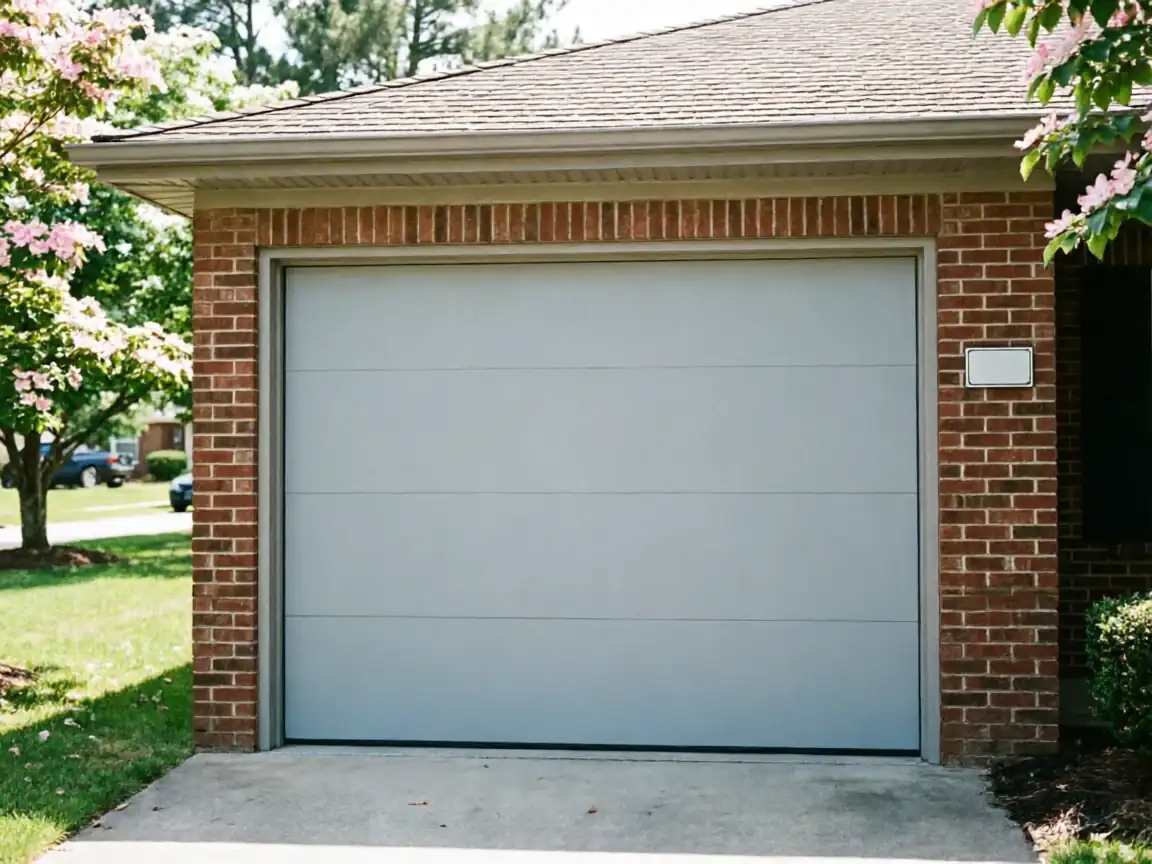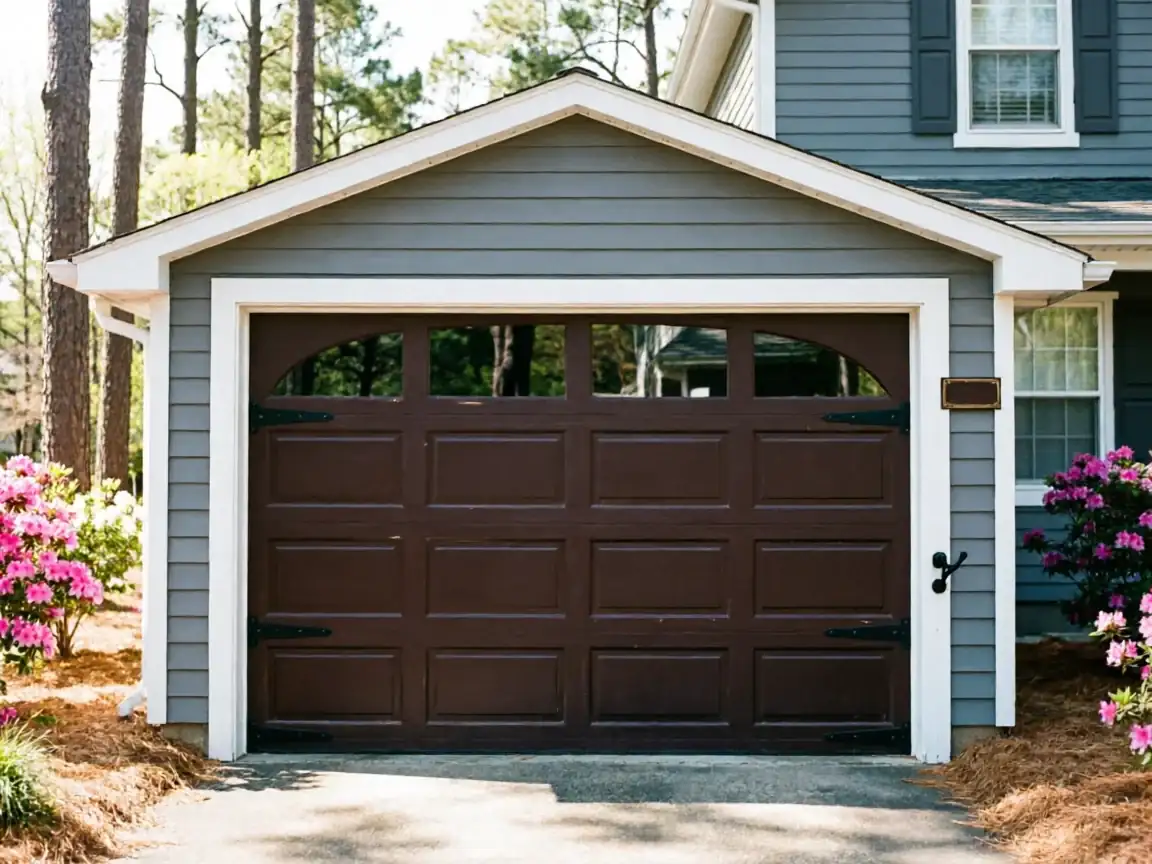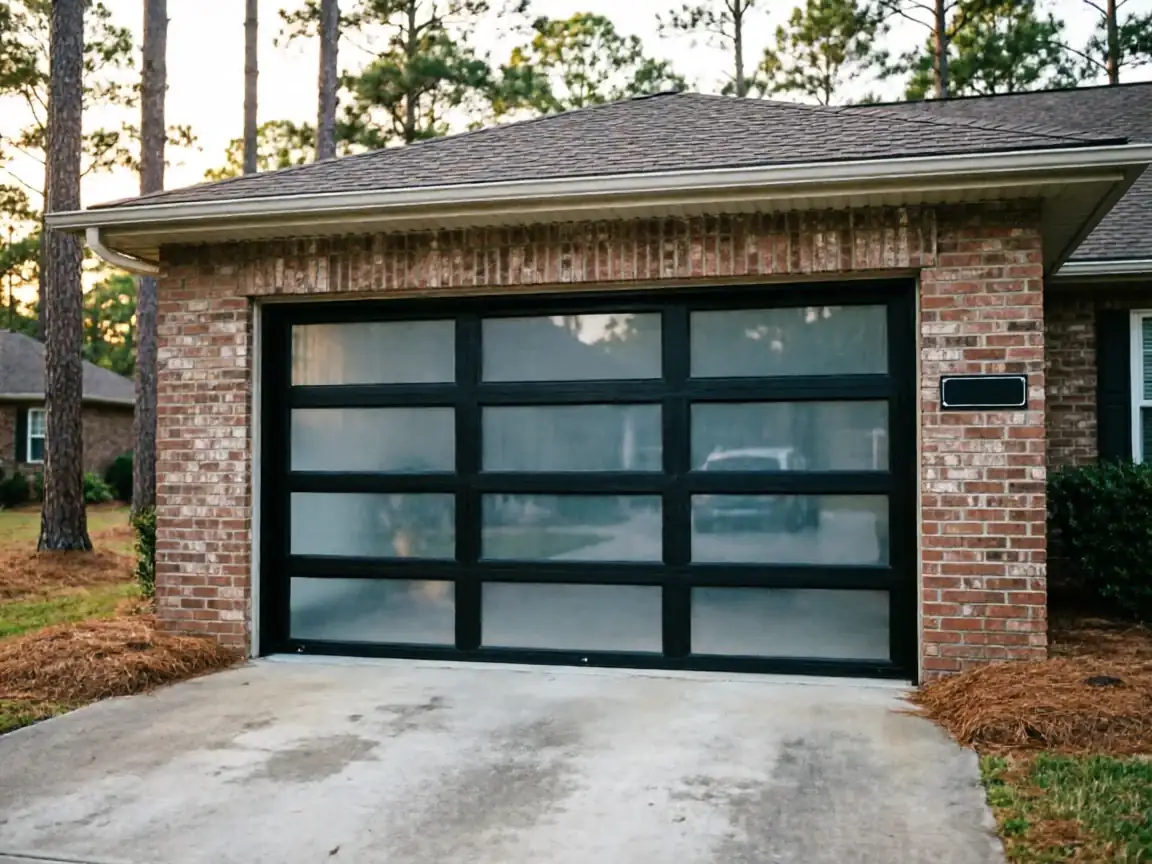
What Causes It Around Here
Austell's median home was built around 1988. That's almost identical to the 1989 median across the wider service area, which means the doors we find here aren't some separate category - they're the same generation of torsion spring, the same steel panel gauge, the same extension spring brackets that went into most of the houses built from the mid-60s through the 2000s. The practical result: by now, a lot of these original springs are at or past the end of their rated cycle count, whether the house is in Austell or six miles closer to Acworth.
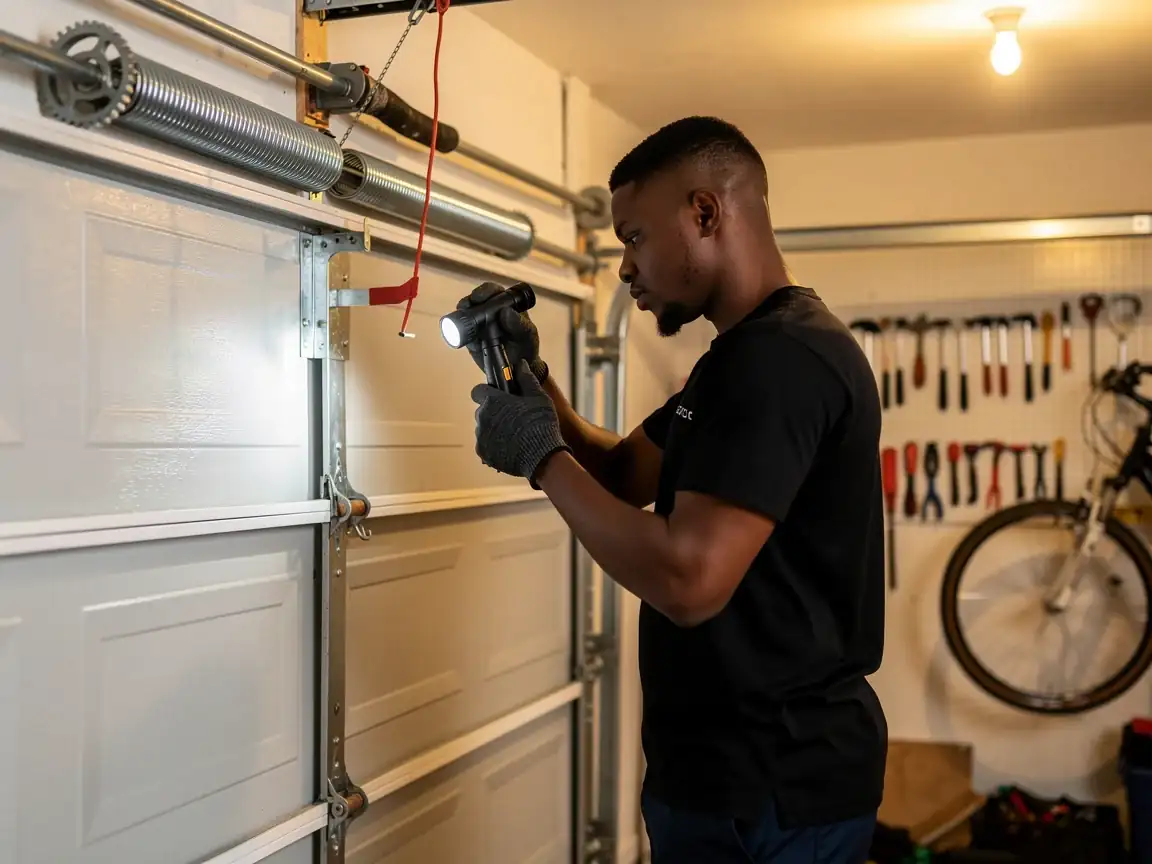
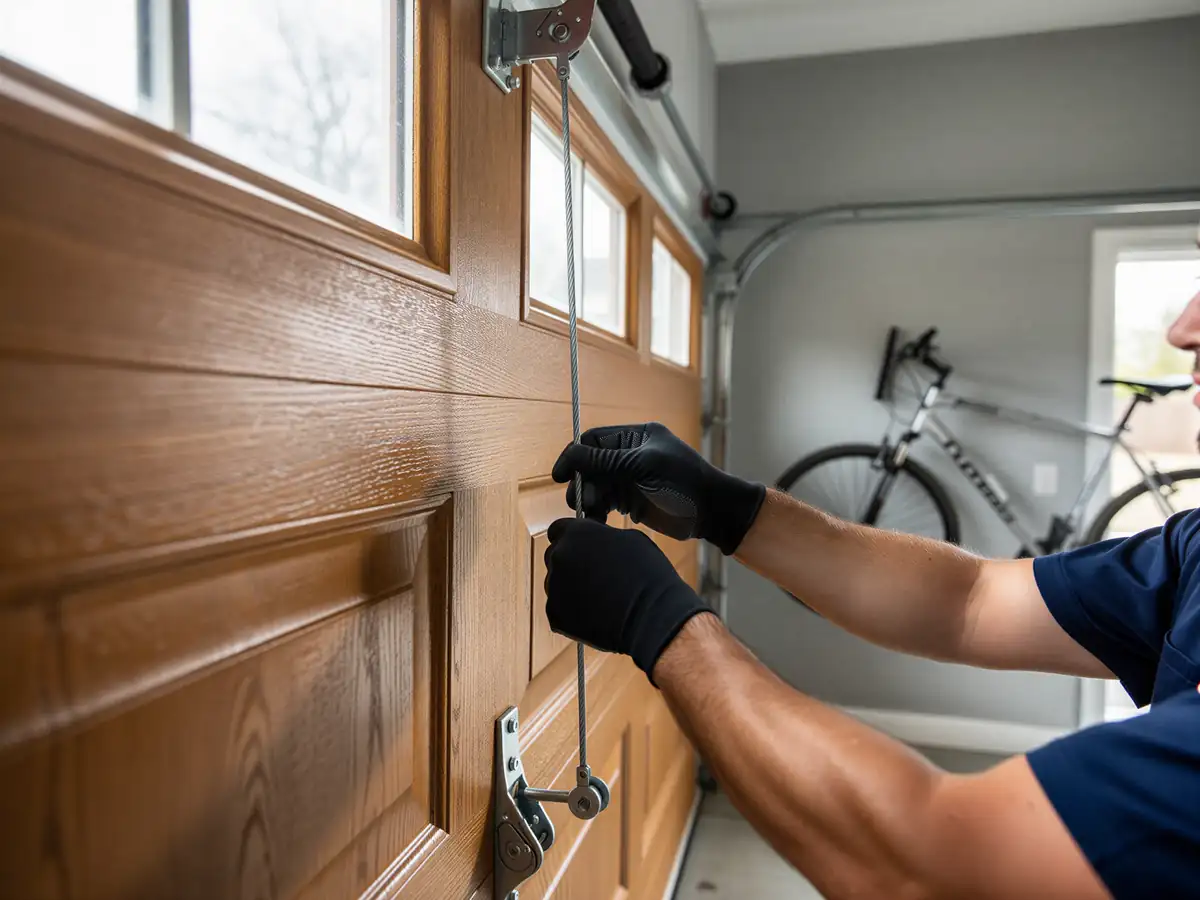
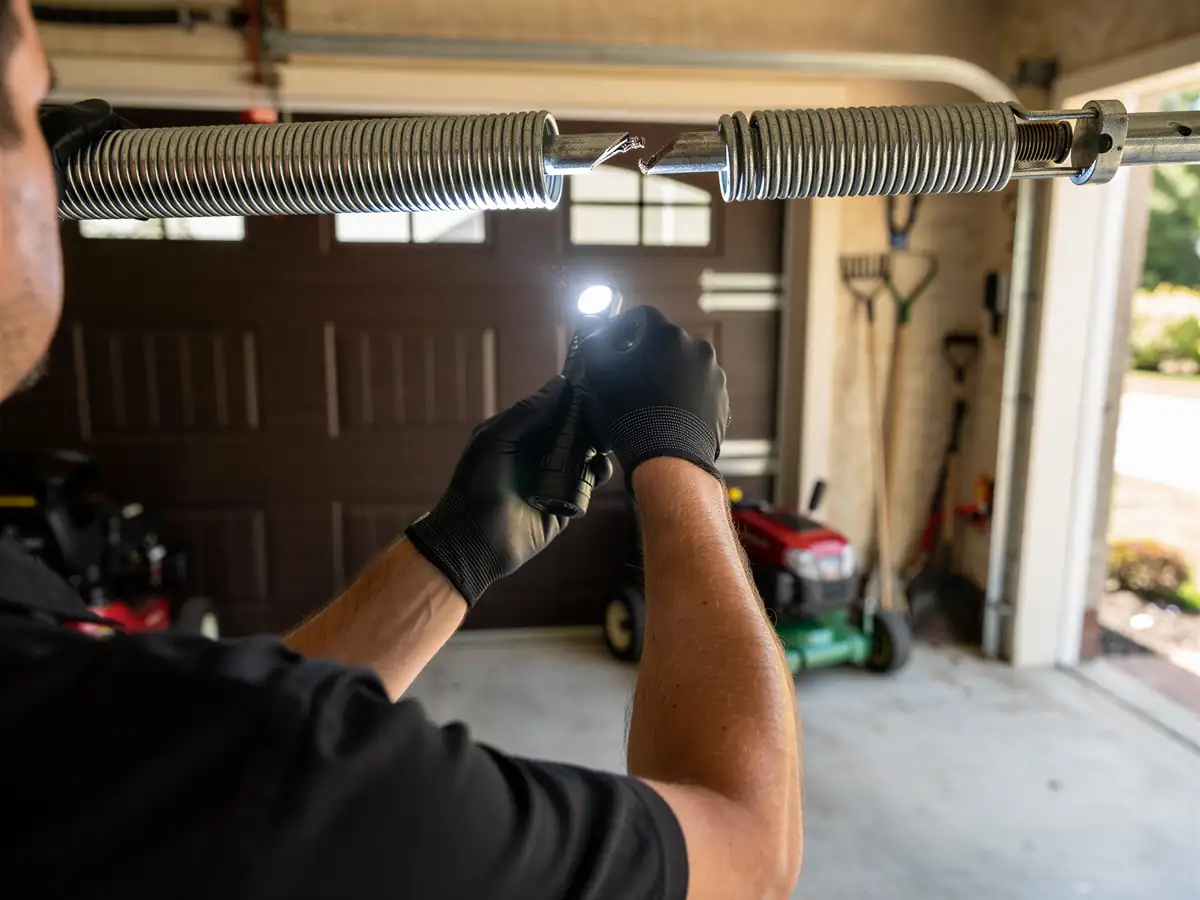
The climate here is the other half of the story. We're in a cold-moderate band, not a hot-humid one - so the failures we see lean toward metal fatigue and lubrication breakdown rather than wood rot or sun-baked seals. Torsion springs lose tension gradually over years of temperature swings, galvanized cable starts to fray at the drum where it's wound tightest, and nylon rollers crack when cold snaps make the plastic brittle. On a late-80s door, all three are due around the same time, which is why a single service call often turns up more than one worn part at once.
What we don't see much of here is the newer insulated-panel failure modes - foam delamination, composite skin cracking - because the housing stock predates most of that. Know your door's age and you know roughly what's about to go.
Booking a Visit
We run out of Acworth, about 17 miles from Austell
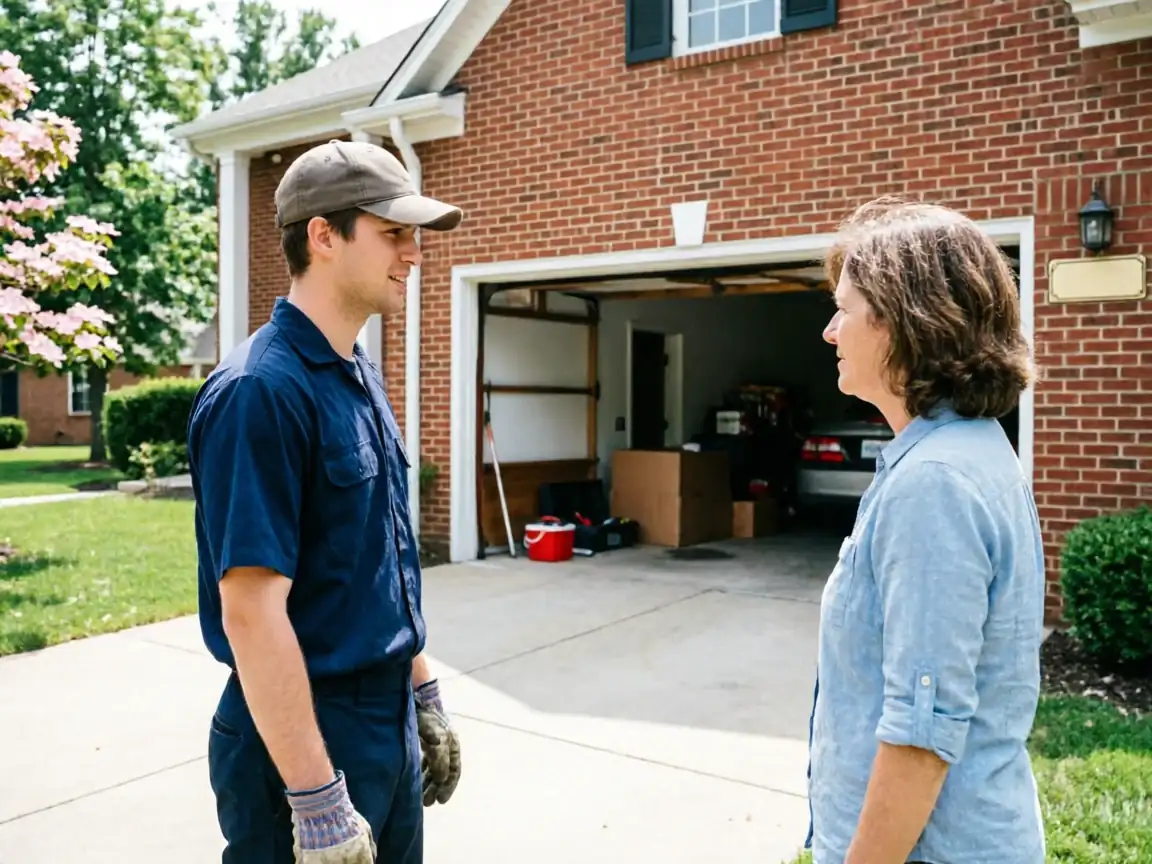
There's no branch or drop-in counter here - every job starts with a call where we get the door's age, symptom, and whether it's a torsion or extension spring setup, so the truck that shows up has the right spring size and cable length already on it rather than guessing on site.
- 17 miles
Because we're traveling in rather than working from a local yard
We ask that you have the make and panel count ready, and if you can, the opener brand on the wall unit. It saves a second trip for a part we could've brought the first time. We'd rather ask three questions on the phone than stand in your driveway ordering a part.
Doing It Yourself
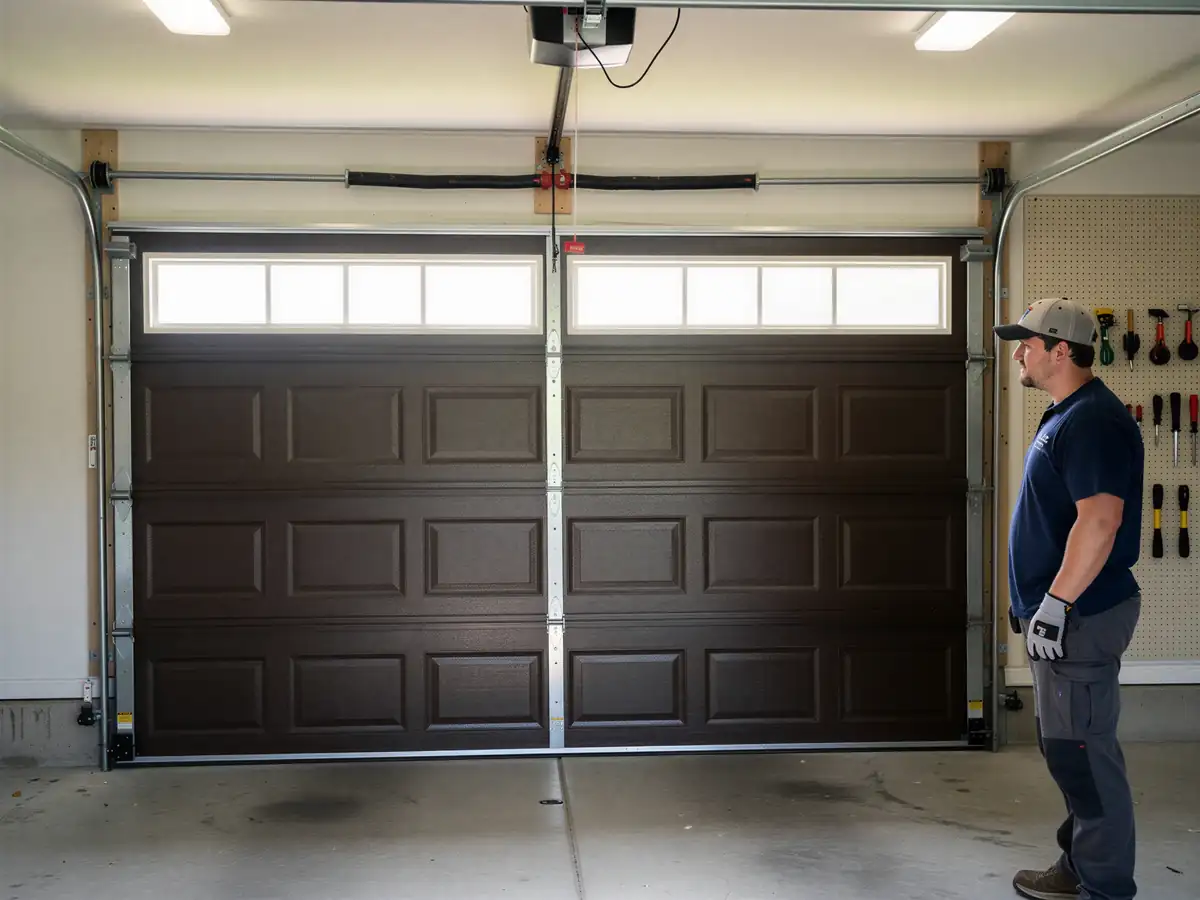
Rollers, weatherstripping, and loose hinge screws are reasonable owner jobs. A torsion spring is not - it's wound under enough tension to break a wrist or worse, and on a door from the late 80s, the winding cones and bar are often rusted enough that even a trained hand treats the job carefully.
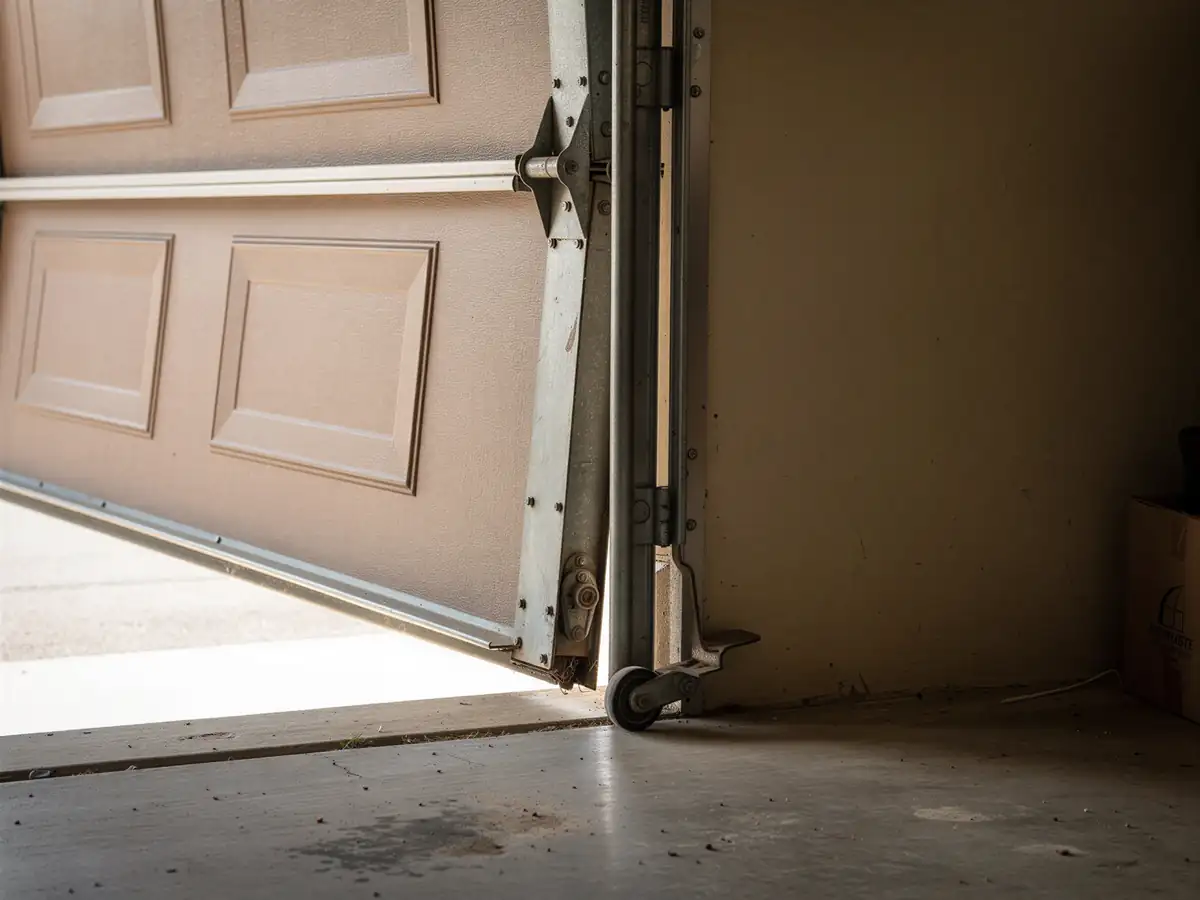
What you can check yourself: pull the emergency release and lift the door by hand. If it's heavy or drops on its own, the spring has lost tension and that's a call, not a DIY fix. If the door runs rough on the track but lifts fine, that's usually a roller or track alignment issue - cheaper, and sometimes within reach if you're comfortable with a ladder and a socket wrench.
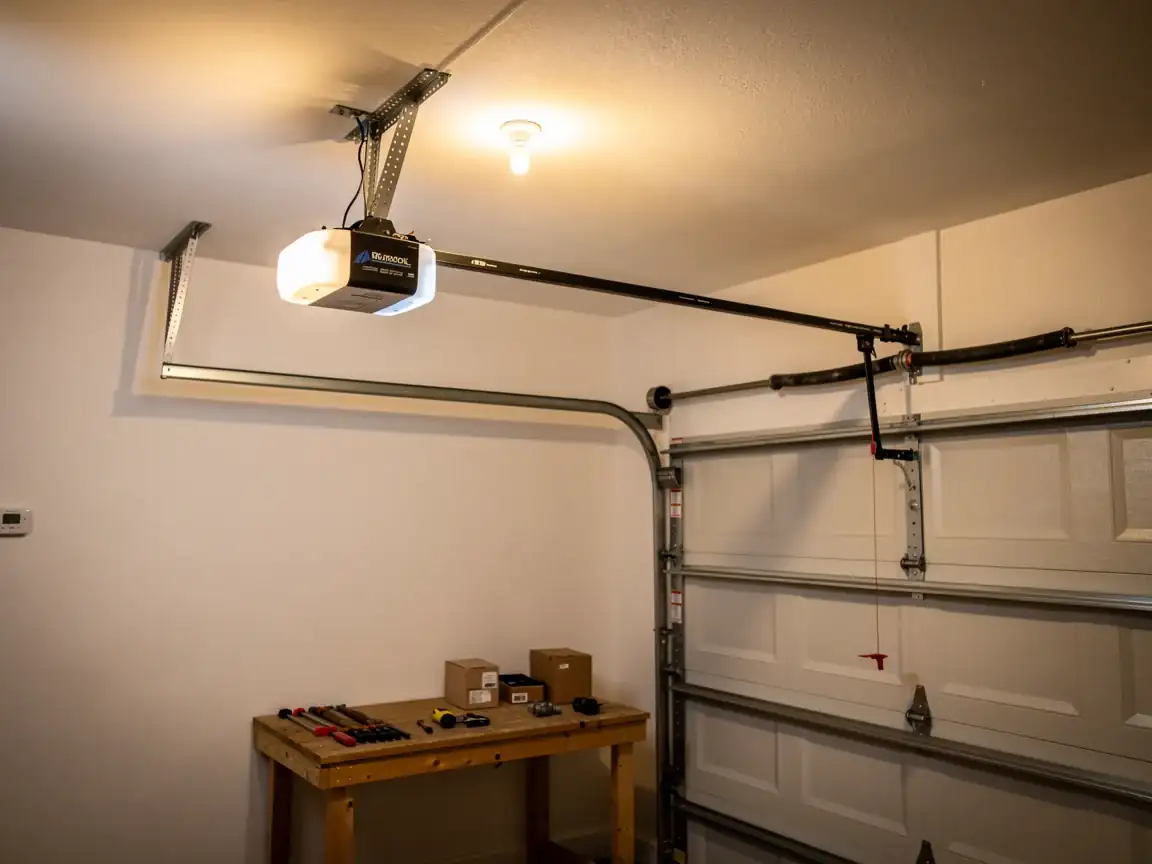
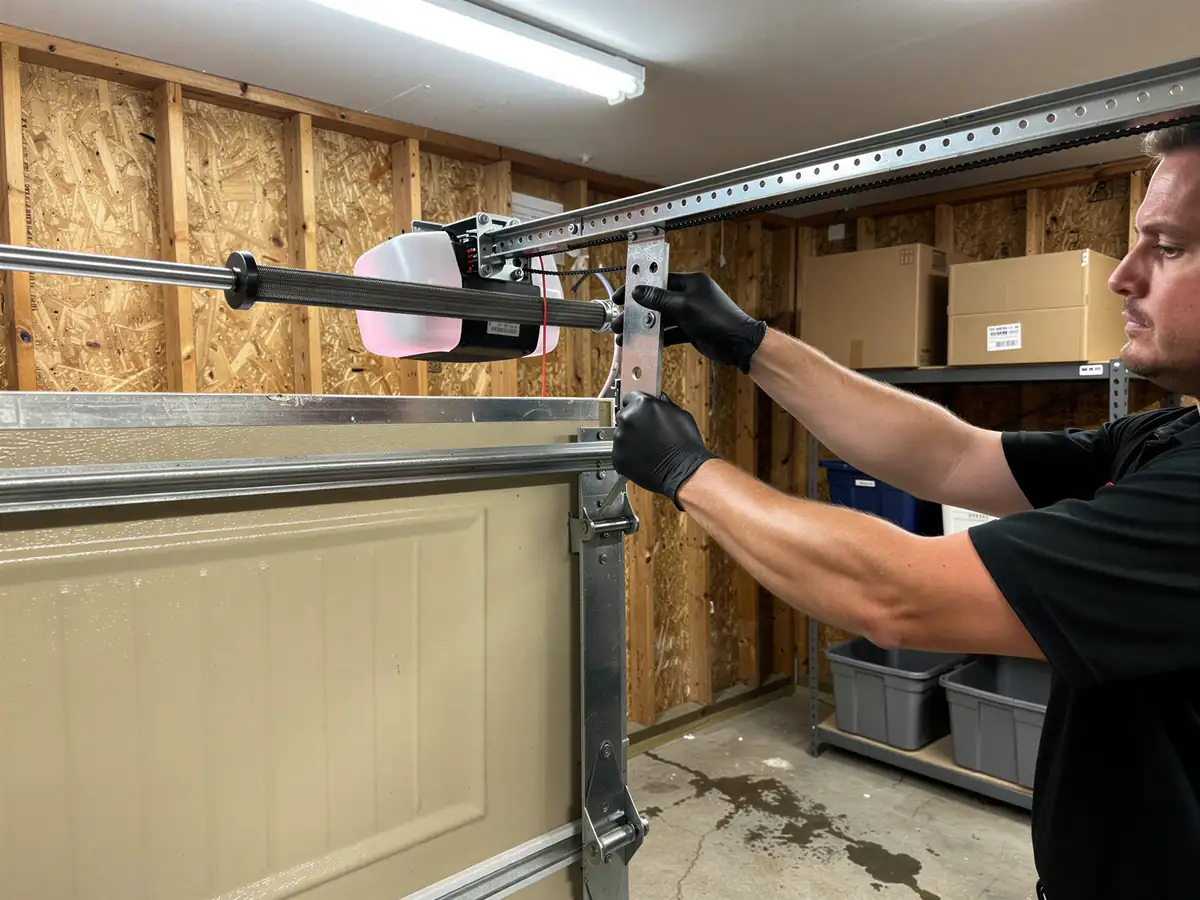
One honest limitation: if your opener is original to a house built in the late 80s, we may not carry a direct replacement part for that specific drive unit on the truck. Chain-drive openers from that era used motor and gear assemblies that have mostly been discontinued, and at that point full opener replacement is usually cheaper than hunting a part than no longer exists.
Parts We Carry
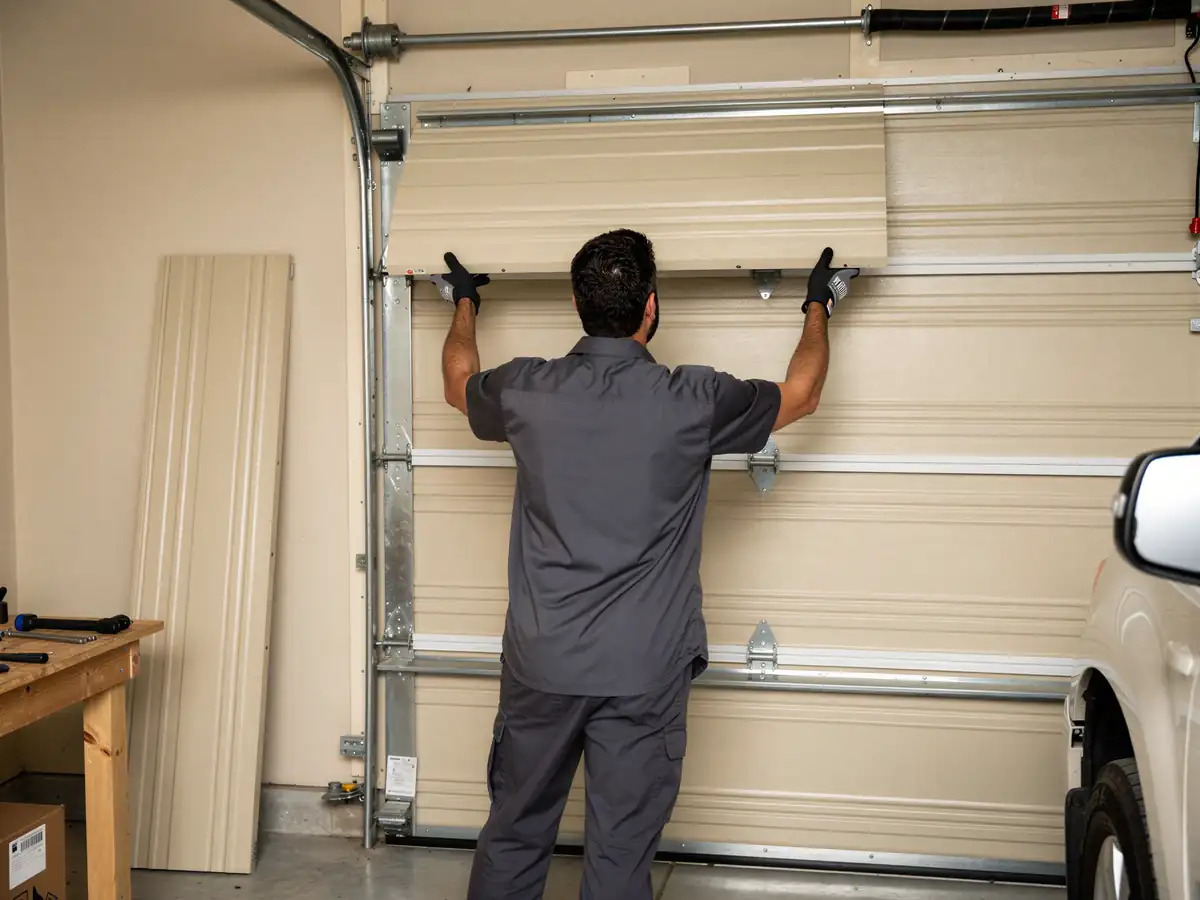
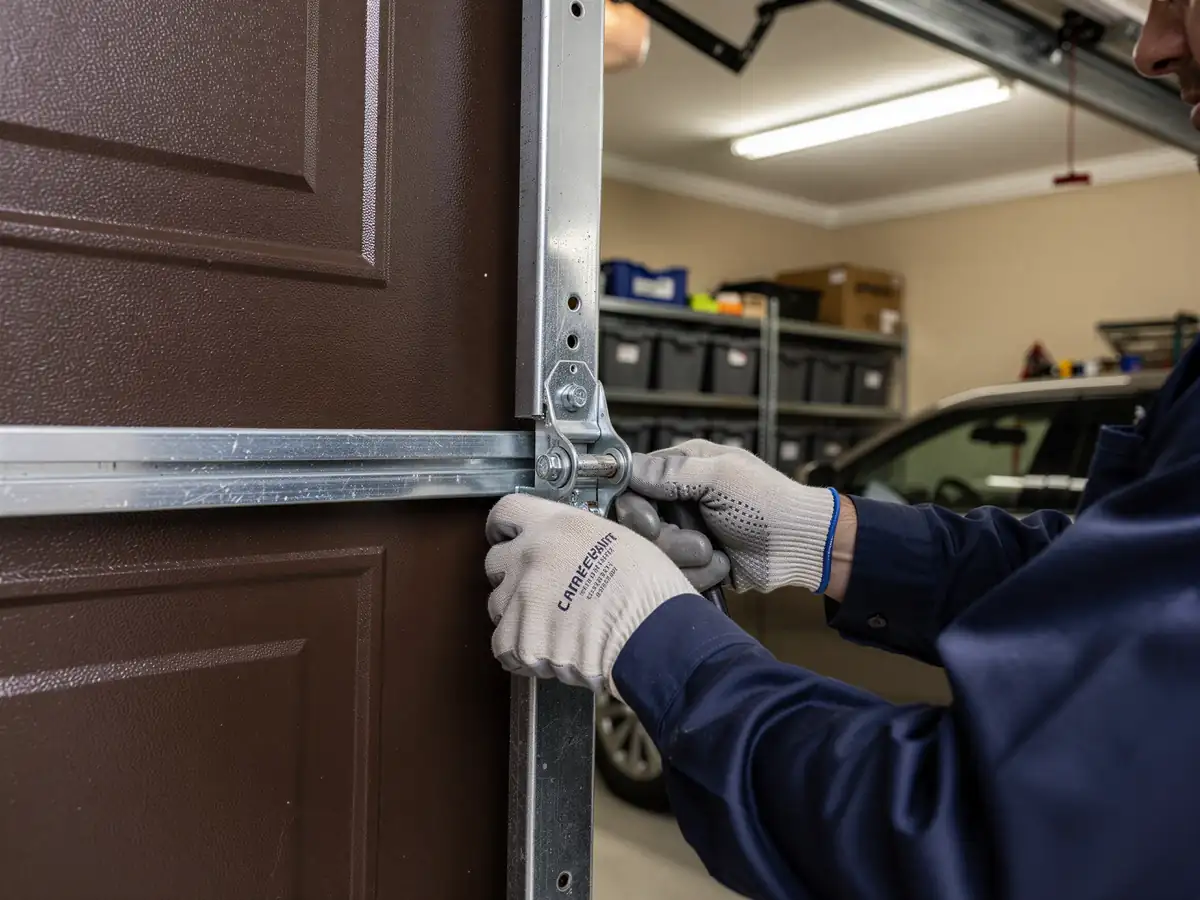
Given the age of the typical Austell door, we stock what fails on 1980s-vintage torsion and extension systems: standard torsion springs in common wire gauges, galvanized lift cables, nylon and steel rollers, and the hinge sets that match older single-layer steel panels. We also carry weatherstripping sized for the narrower tracks common on doors from that build era, which differ slightly from what goes into newer construction.
What we don't carry on the truck as a rule: specialty insulated panel inserts or composite skins, since those mostly belong to newer doors that aren't common in this part of the service area. If your door turns out to need one, it's an order-in part, not a same-visit fix.