What Causes It Around Here
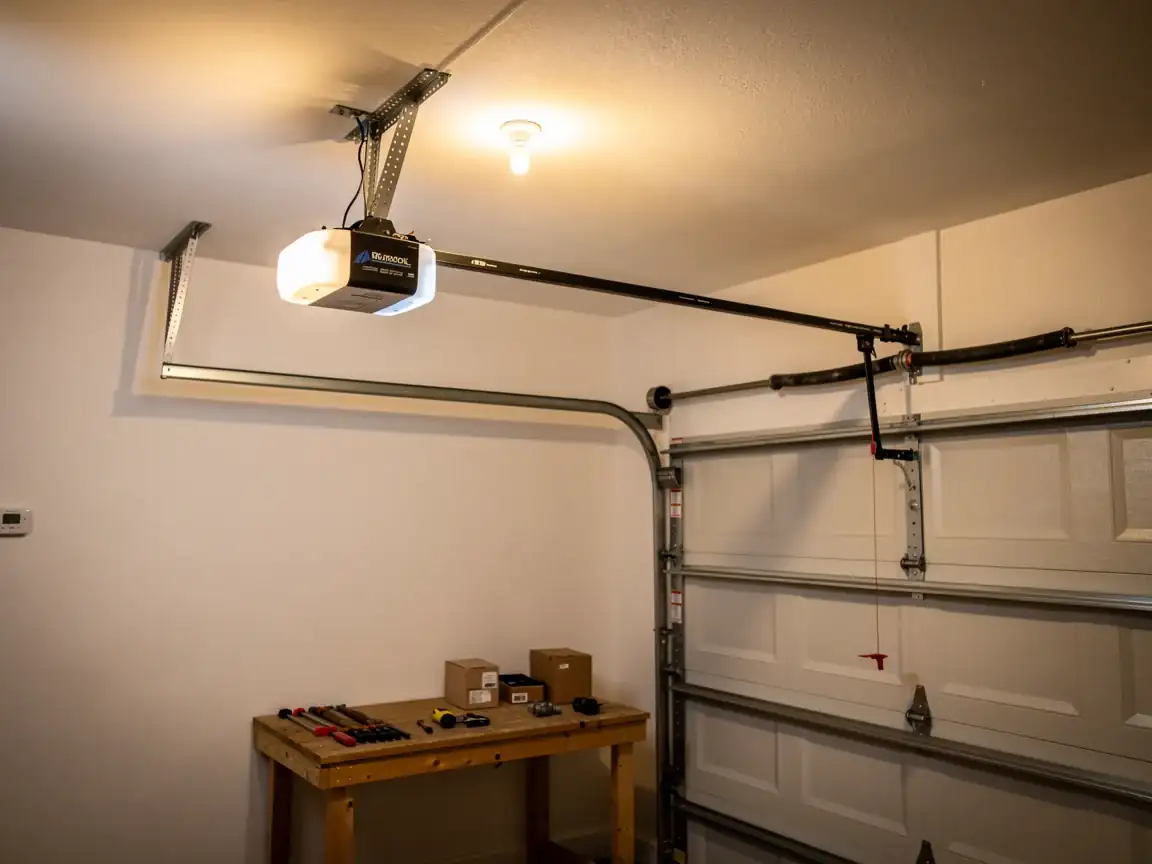
Austell has about 3,010 households, which is a small enough number that the opener problems we see here tend to cluster around one thing: age. Most houses in this part of the service area went up around 1988, smack in the middle of the 1980s-90s building wave that shaped a dozen communities out this way. That means a lot of original chain-drive openers are still bolted to the ceiling, some with the old pull-cord light switches and none with a photo-eye safety sensor retrofitted properly.
A chain-drive unit from that era was built to run a door, not to talk to a phone or reverse cleanly on obstruction. When the motor finally gives out, or the logic board stops holding a rolling code, homeowners are often shopping for a replacement for the first time in over three decades. The fix usually isn't a patch - it's a full swap to a belt-drive or newer chain unit with modern safety reversal, because the old gear train and worm screw don't take kindly to new circuit boards bolted on top.
Austell's median household income runs lower than the wider service area average, which we mention only because it shapes the conversation about mid-range versus premium units - most owners here want reliable, not loaded with features they won't use.
Booking a Visit
We run this job from Acworth, about 17 miles up the road
So there's no local branch or same-day drop-in crew sitting in Austell. When you call, we schedule the visit, confirm the opener model and door type over the phone if we can, and bring the right horsepower and rail length with us rather than guessing on site.
- 17 miles
Because we're driving in rather than working out of a yard nearby
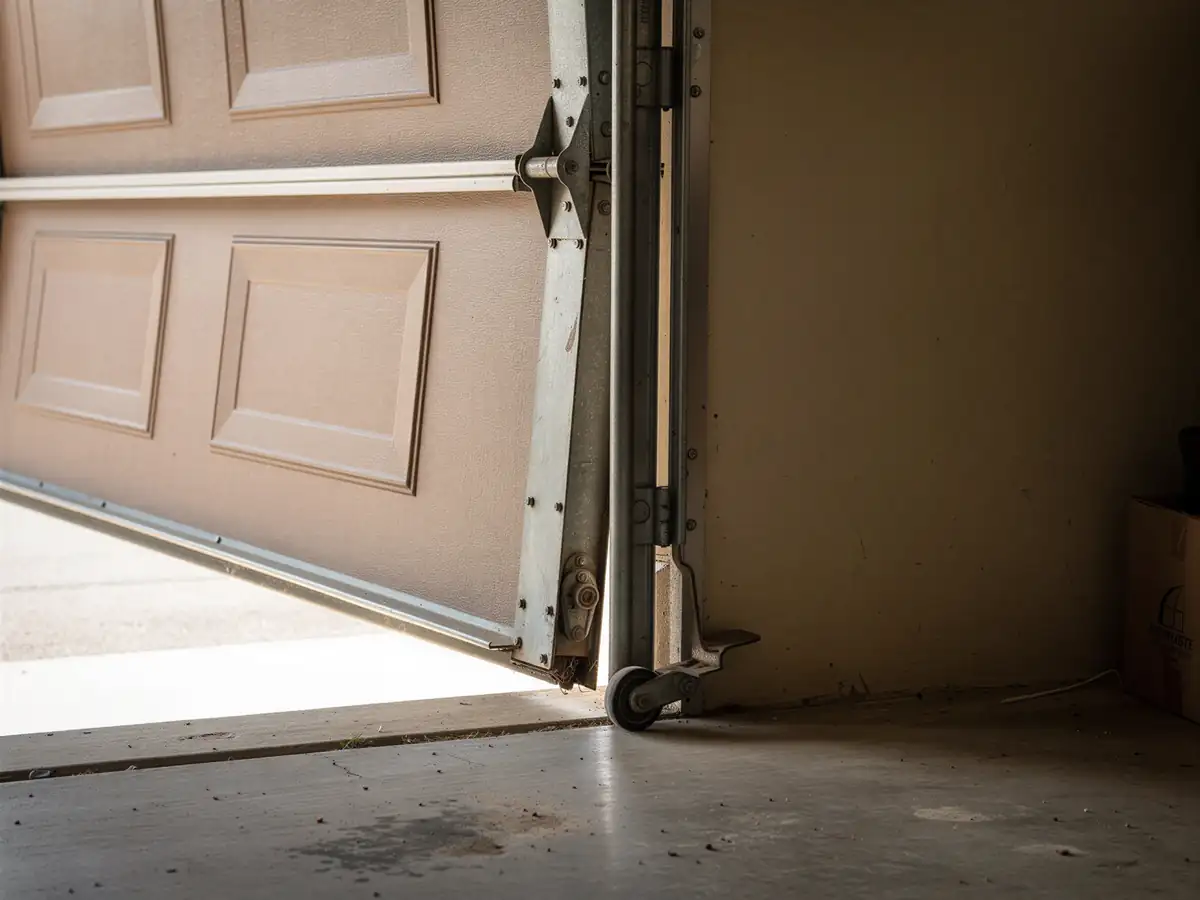
We ask for a little lead time on scheduling rather than promising a same-day slot. If your opener has failed completely and the door is stuck down, let us know when you call - we can usually get a pulley or manual release explained over the phone so you're not locked out of the garage while you wait.
Doing It Yourself
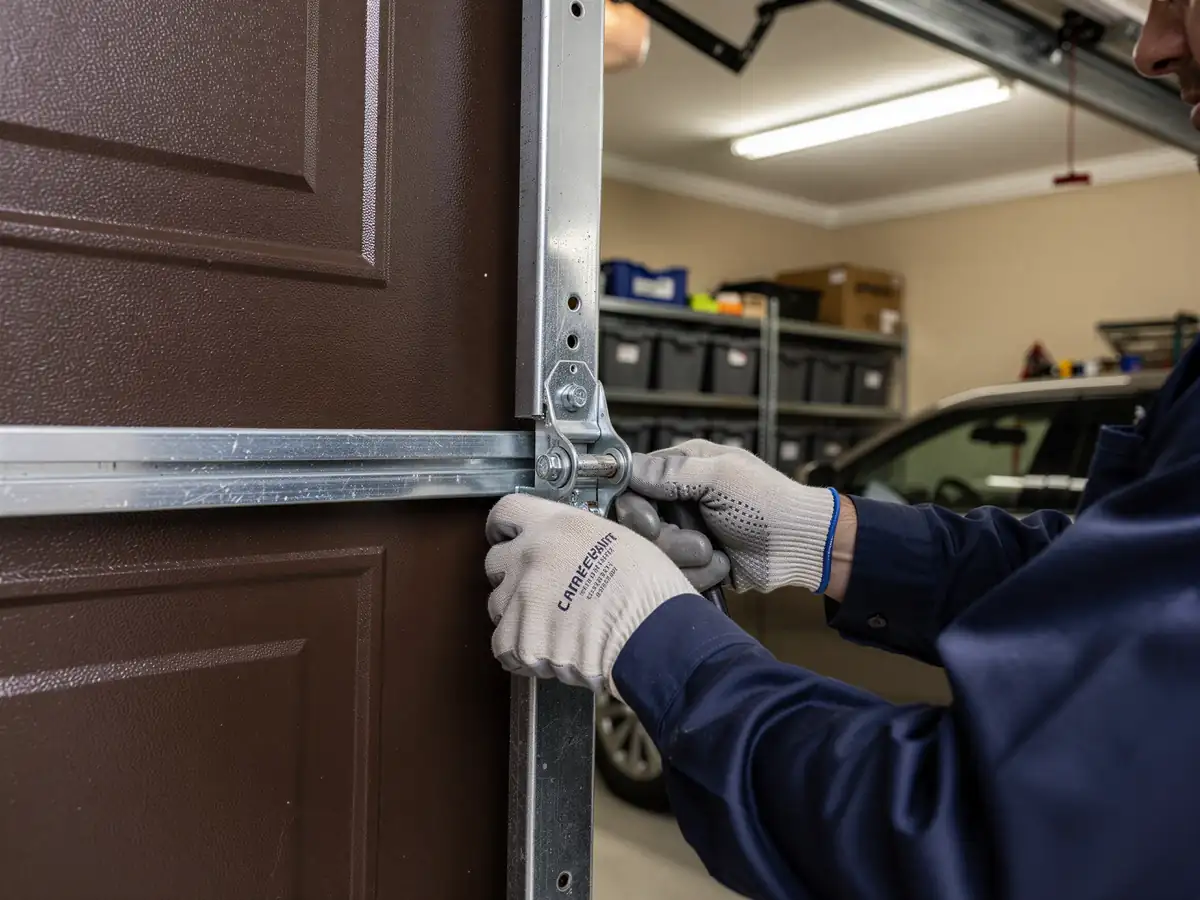
Swapping an opener yourself is possible if the door itself is in good shape - springs balanced, cables sound, track aligned. Where it gets risky in houses from the late 1980s is the wiring and the wall control. A lot of these homes still have the old two-wire doorbell-style wiring run through the wall, not a dedicated line, and newer openers expect a safety sensor pair wired correctly at floor level, something a lot of original installs skipped entirely.
If you're comfortable with a ladder, a drill, and reading a wiring diagram, a basic swap is a reasonable weekend project. Where we'd tell you to stop and call someone: if the existing opener was mounted without a separate support brace, if the door is heavier than standard (insulated steel doors became more common later in that building era and some owners have upgraded since), or if you find the travel limits were never set correctly on the old unit - that usually means the door and opener have been fighting each other for years and a straight swap won't fix the underlying issue.
Parts We Carry
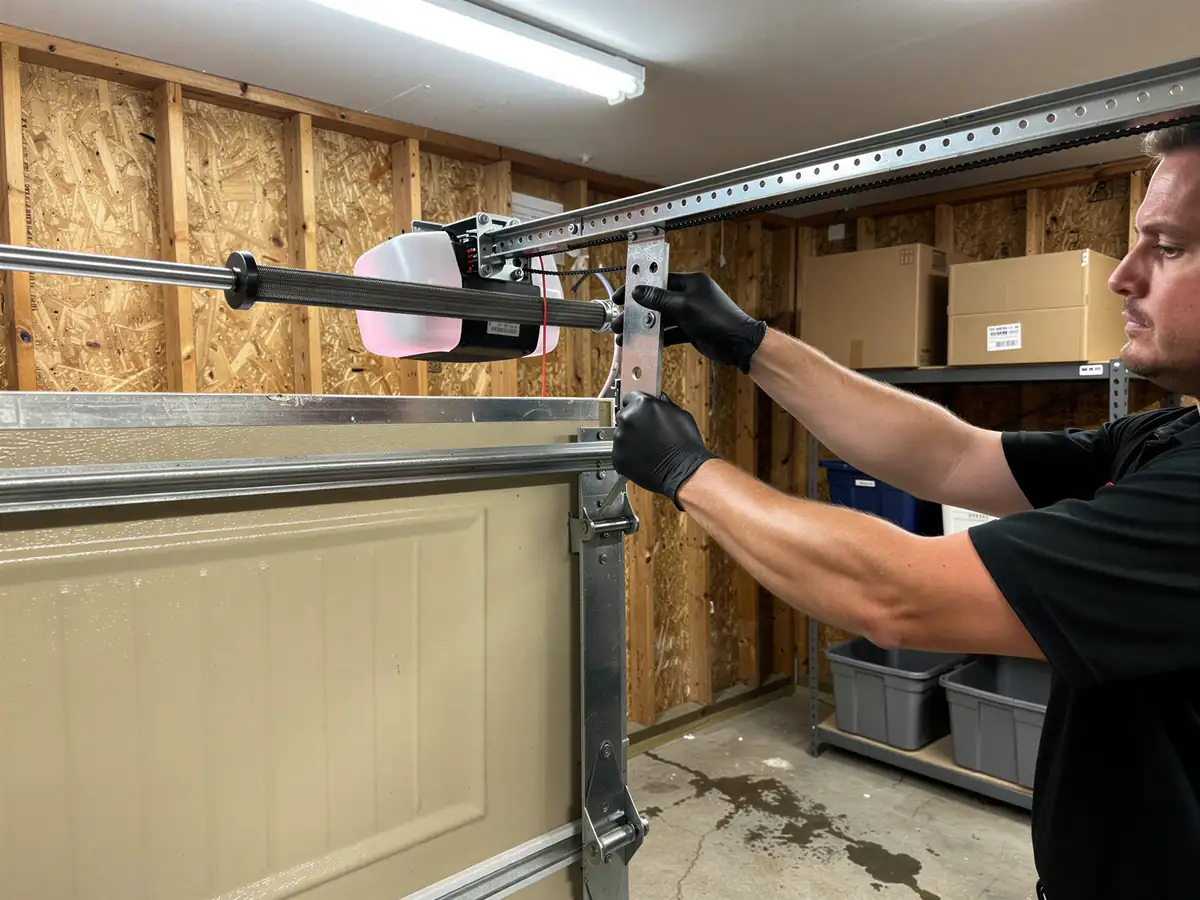
We stock the common belt-drive and chain-drive openers that fit the horsepower range most 1980s and 90s garage doors need, along with standard rail extensions, wall consoles, and safety sensor kits. What we don't keep on the truck is anything proprietary to a dead or near-dead opener brand from that era - if your unit used a logic board or remote frequency that's been discontinued, we're ordering the full replacement rather than hunting for a matching part, because chasing obsolete electronics for a thirty-plus-year-old motor isn't worth the lead time or the cost to you.
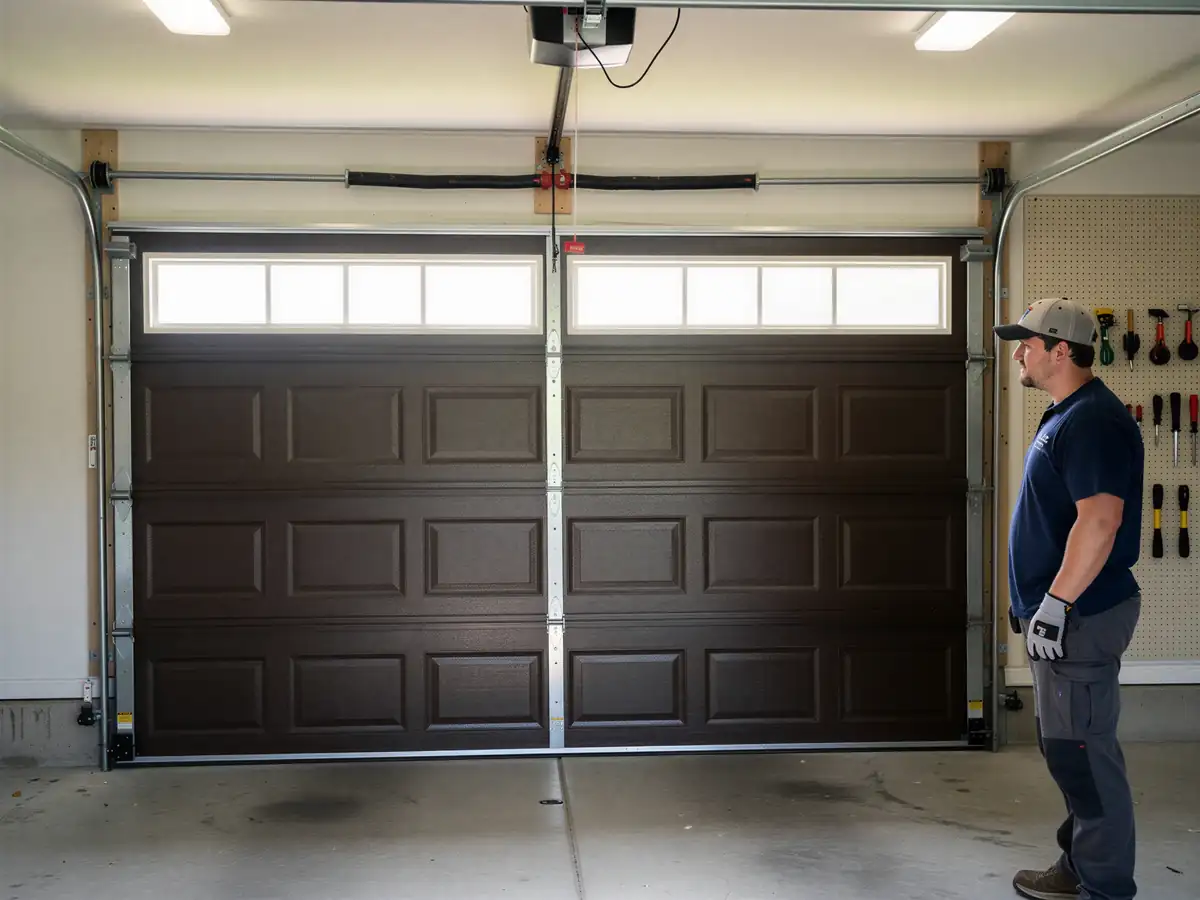
For most Austell jobs that means a clean swap: new motor head, new rail if the old one's pitted or bent, new sensors set to code, and a wall control that actually matches the unit instead of a universal remote jammed in to make do.