What Causes It Around Here
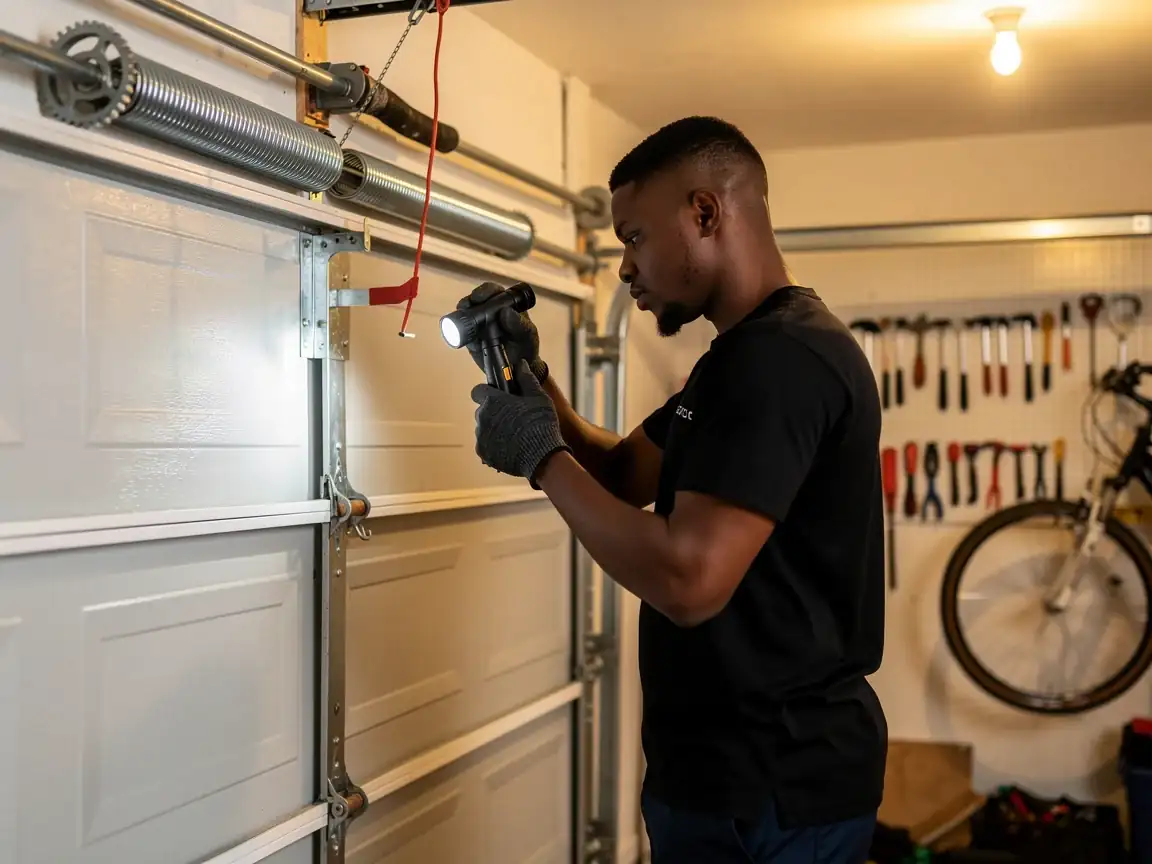
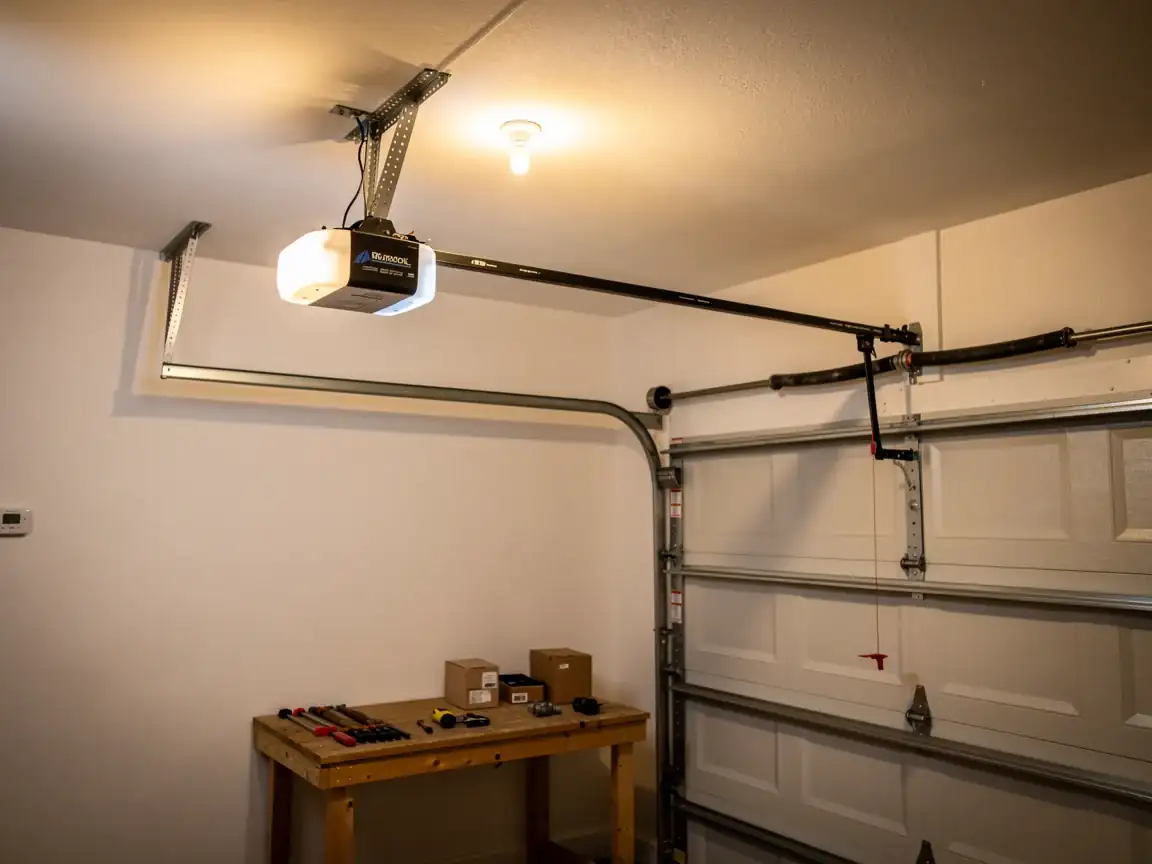
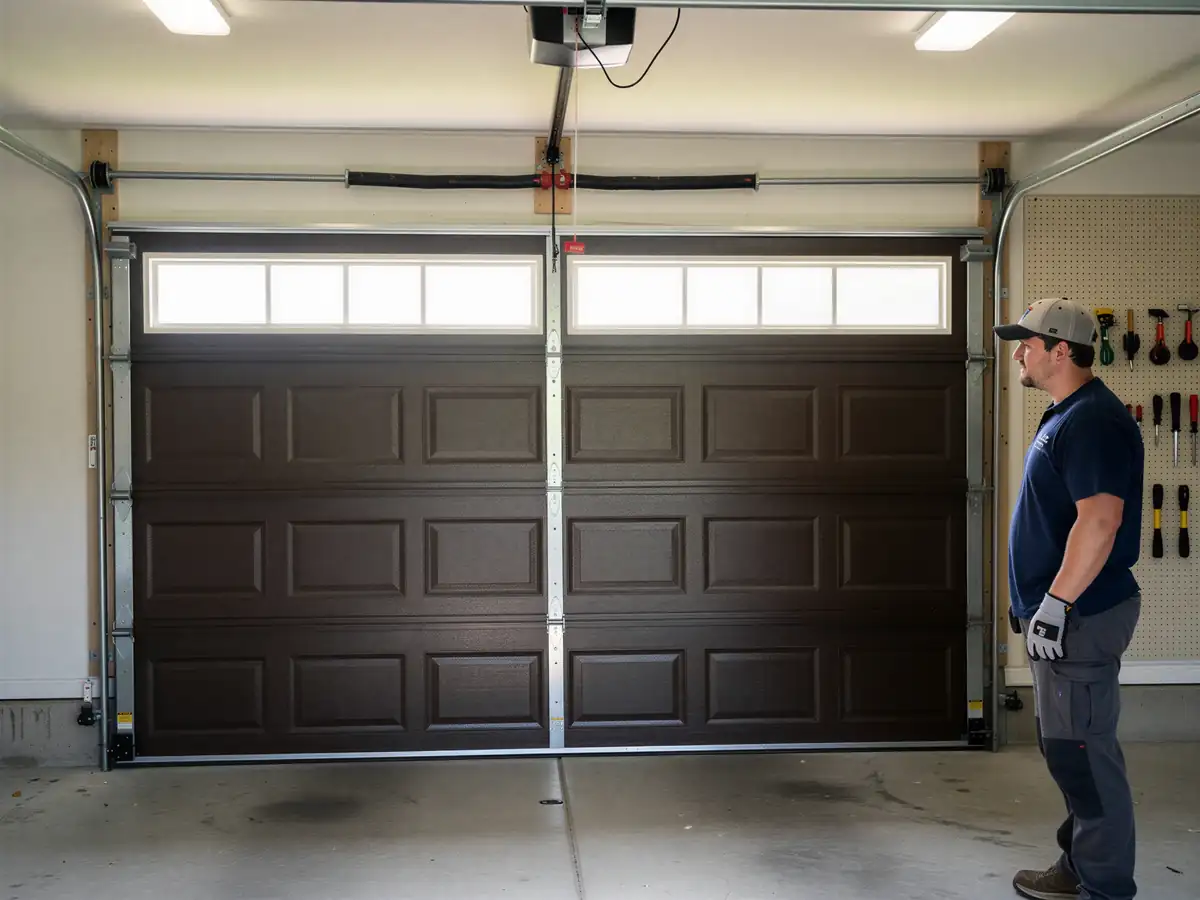
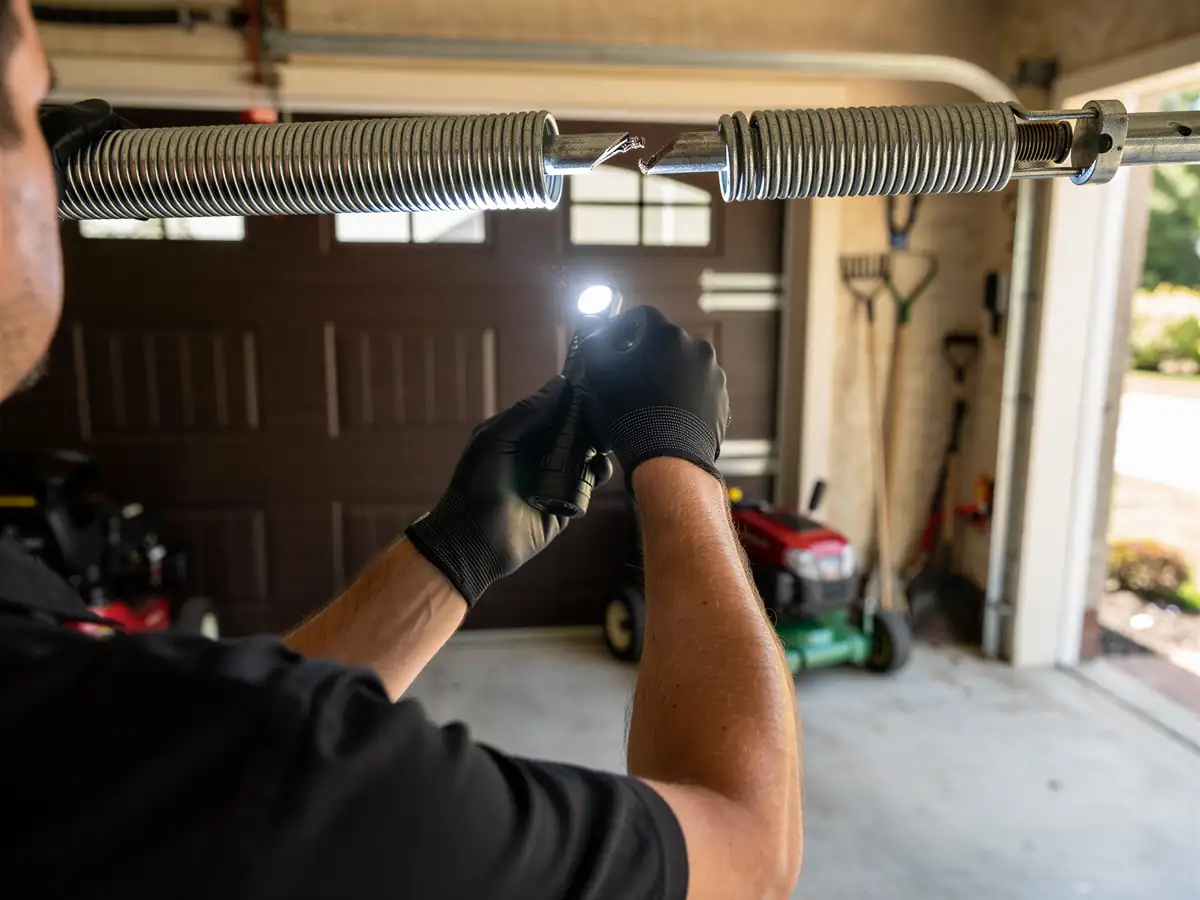
Most of the calls we get from Austell trace back to the same decade: the typical house here went up around 1988, which puts the original torsion spring, the original steel rollers, and in a lot of cases the original chain-drive opener right at the end of their working life. A torsion spring wound in the late 1980s has had three-plus decades of cycles - open, close, open, close - and steel fatigues whether or not anyone's paying attention to it. That's why the failure mode we see most in this part of the service area is a spring that lets go mid-lift, not a dead opener board.
The cold-moderate climate here doesn't help. Steel contracts in winter and that stiffens up a spring that's already near the end of its coil life, so cold snaps are when a marginal spring finally snaps instead of just squeaking. Rollers from that era are usually plain steel on steel track, no nylon, so you also get grinding and binding as the track wears unevenly. None of this is unique to one house - it's the whole wave of construction from that period, and it's aging out at the same time across the neighborhood.
Booking a Visit
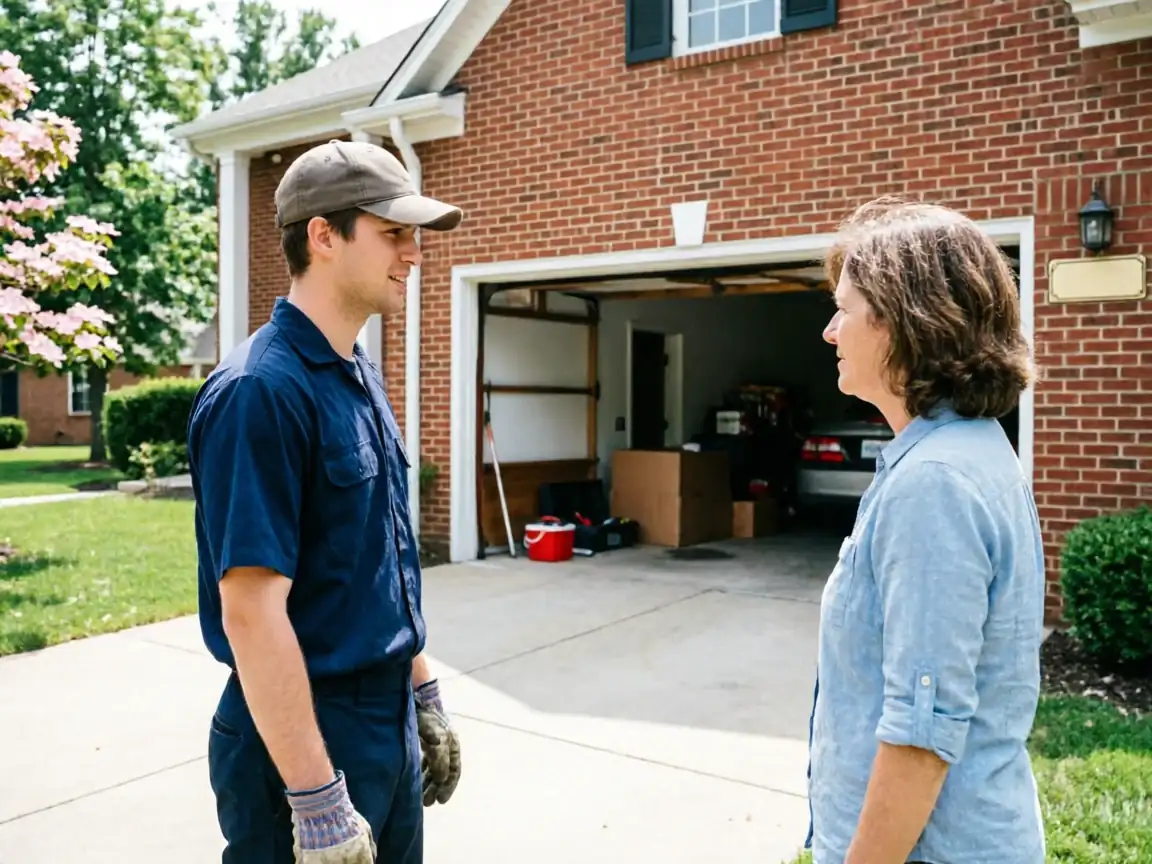
We run out of Acworth, about 17 miles from Austell
So we don't keep a crew sitting in town - we schedule the trip and come out with the truck stocked for the job you describe when you call. That means it helps to know roughly what's wrong before we're on the way: a spring that's visibly separated, a door that won't budge, an opener that hums but doesn't lift. Tell us the symptom and we'll bring the right spring size and hardware instead of guessing on-site.
- 17 miles
Austell's roughly 3,010 households skew a bit below the area's median income
About $67,500 here versus $78,351 across the wider service area - and we factor that into how we talk about repair versus replace. If a 1988 door's panels are still sound and it's just the spring and rollers, that's a straightforward fix, not a reason to push a full door. We'd rather quote the job that's actually in front of us than the one that pads the ticket.
- 3,010 households
Doing It Yourself
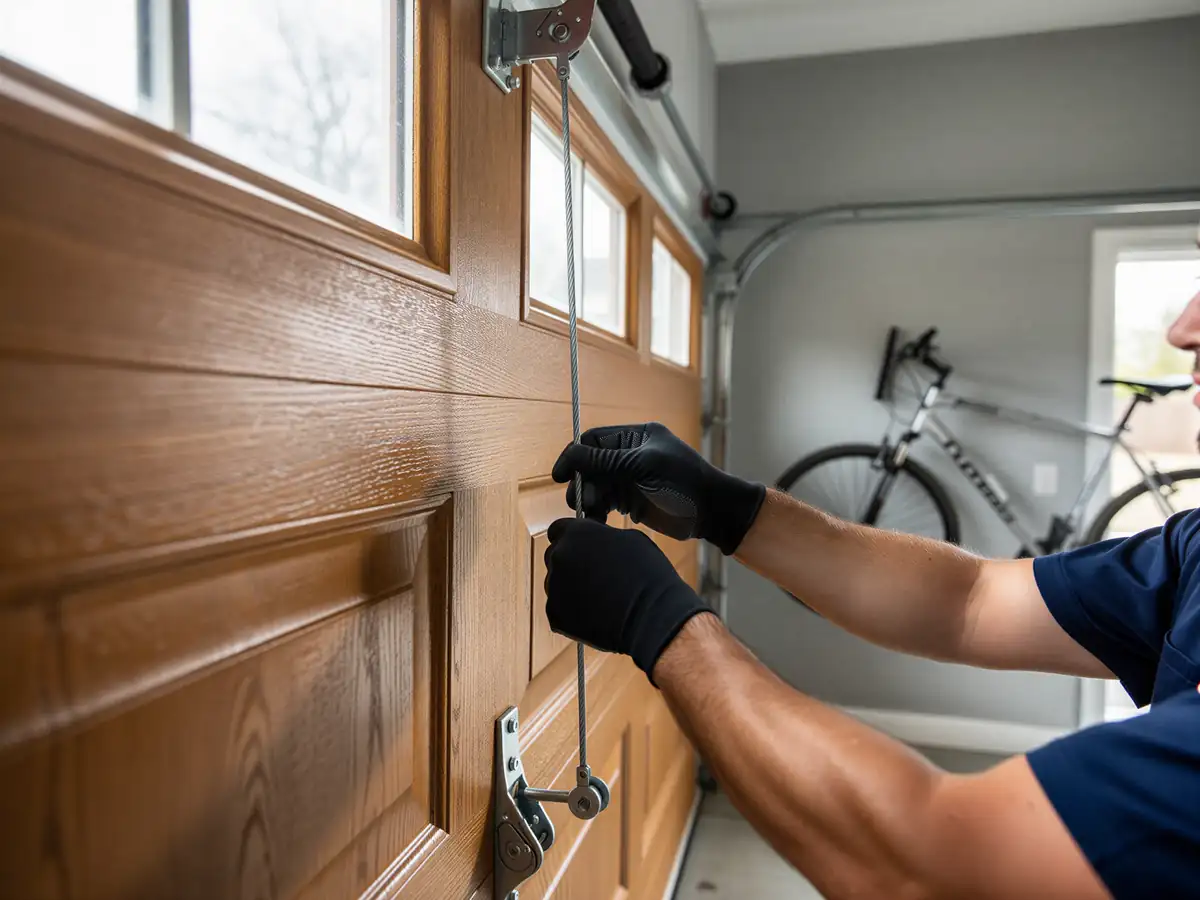
There's a line past which DIY on a garage door turns dangerous, and torsion springs sit right on it. A wound torsion spring stores enough energy to break a bone or worse if the winding bars slip, and that risk doesn't go down because the house is older - if anything it goes up, since a spring that's been in service since 1988 can be more brittle than it looks. We won't talk anyone through winding or unwinding one over the phone.
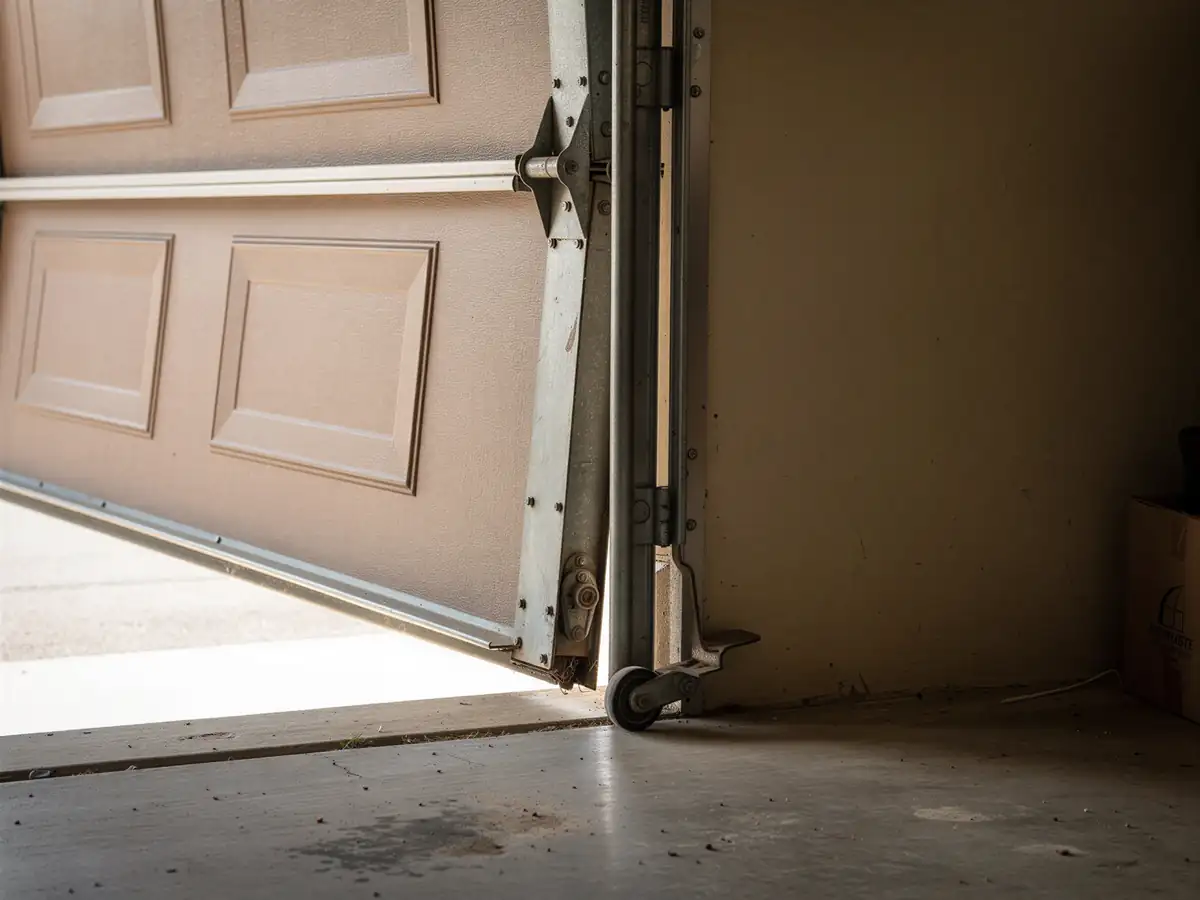
What you can safely check yourself: the track for visible dents or gaps where rollers have walked out of the rail, the bottom panel for rot or rust if the door's steel, and whether the opener's safety reversal still works - put a block of wood on the floor under the door and see if it stops and reverses on contact. If it doesn't reverse, stop using the opener until it's looked at. Lubricating hinges and rollers with a light garage-door lubricant is fine and worth doing twice a year in this climate. Springs, cables, and anything under tension - leave those to a call.
Parts We Carry
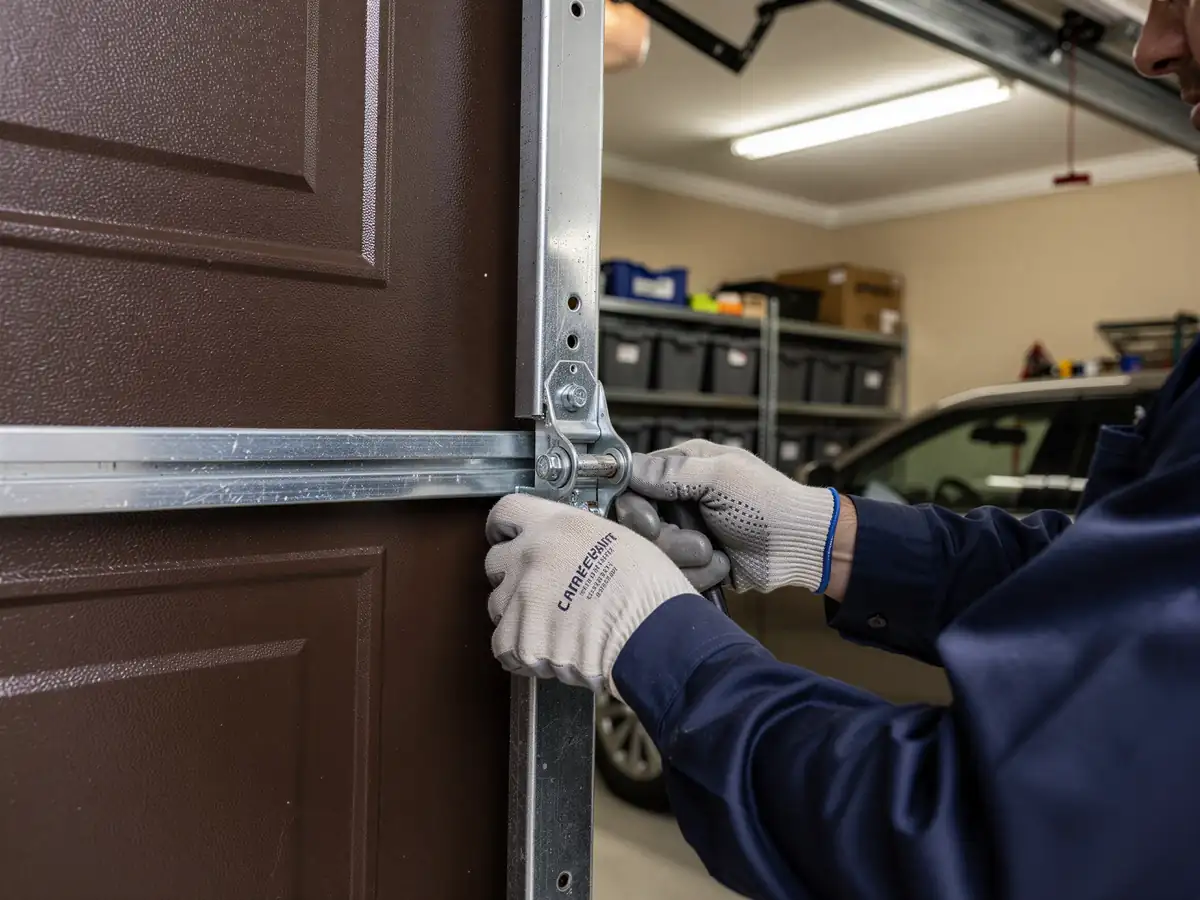
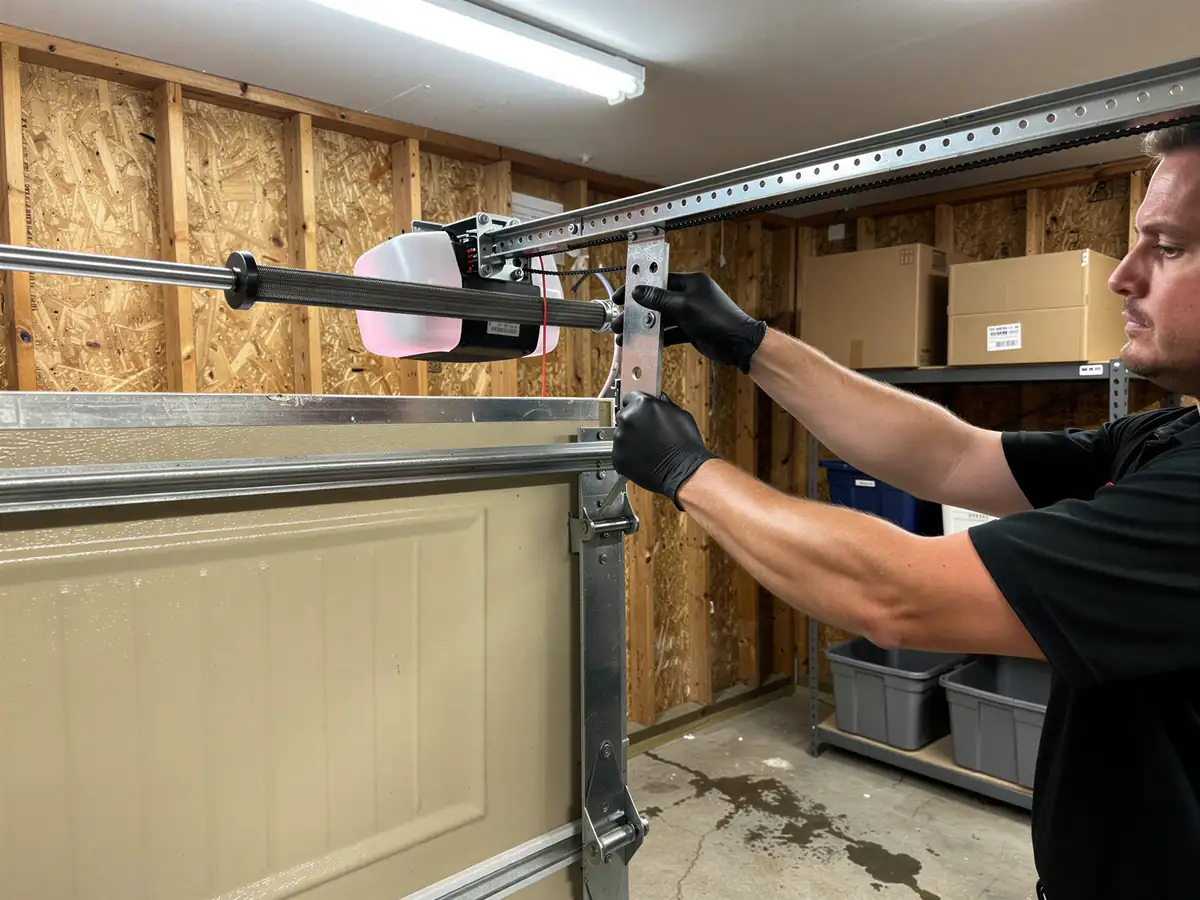
Given how many Austell doors date to the late 1980s stock, we carry torsion springs sized for the standard sectional doors from that construction era, along with steel and nylon roller replacements, galvanized track sections, and cables sized for single and double doors. We also stock drive gears and logic boards for the chain-drive openers that were common in builder-grade installs from that period, since a worn gear is often the real fault behind an opener that runs but won't lift.
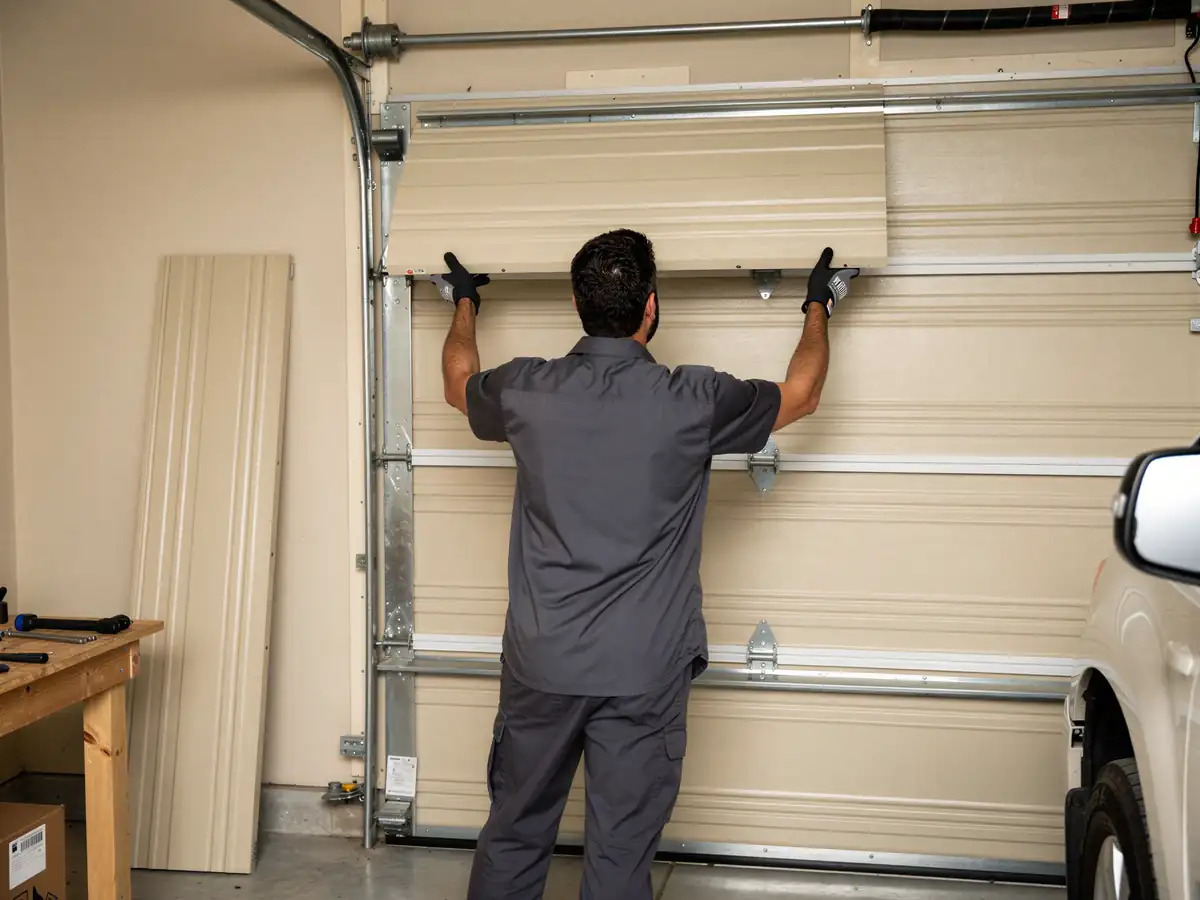
One honest limit: if a door's steel skin has advanced rust-through on the bottom panel, we're not going to patch that - a 35-year-old panel with structural rot isn't worth the labor to shim and seal, and we'll say so instead of billing for a repair that won't hold. In that case replacement is the straight answer, and we'll tell you that up front rather than after we've opened the door up.