What Causes It Around Here
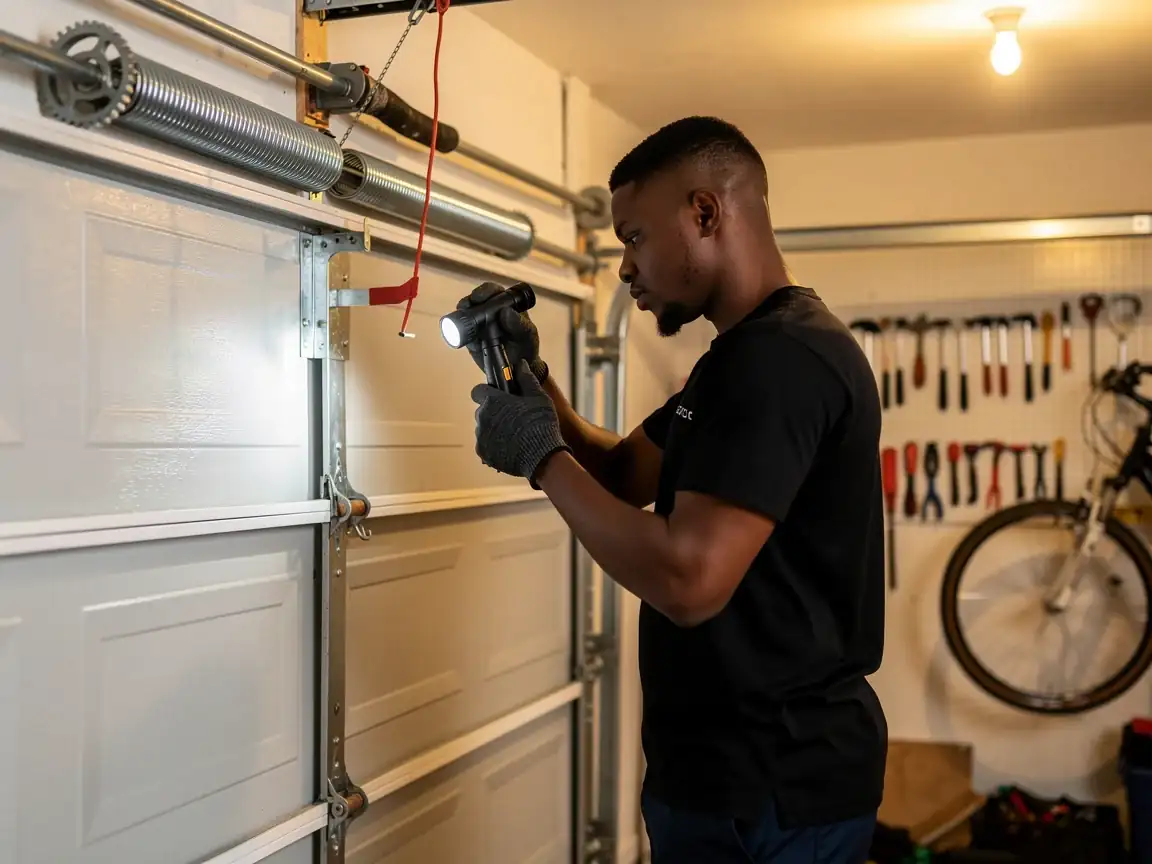
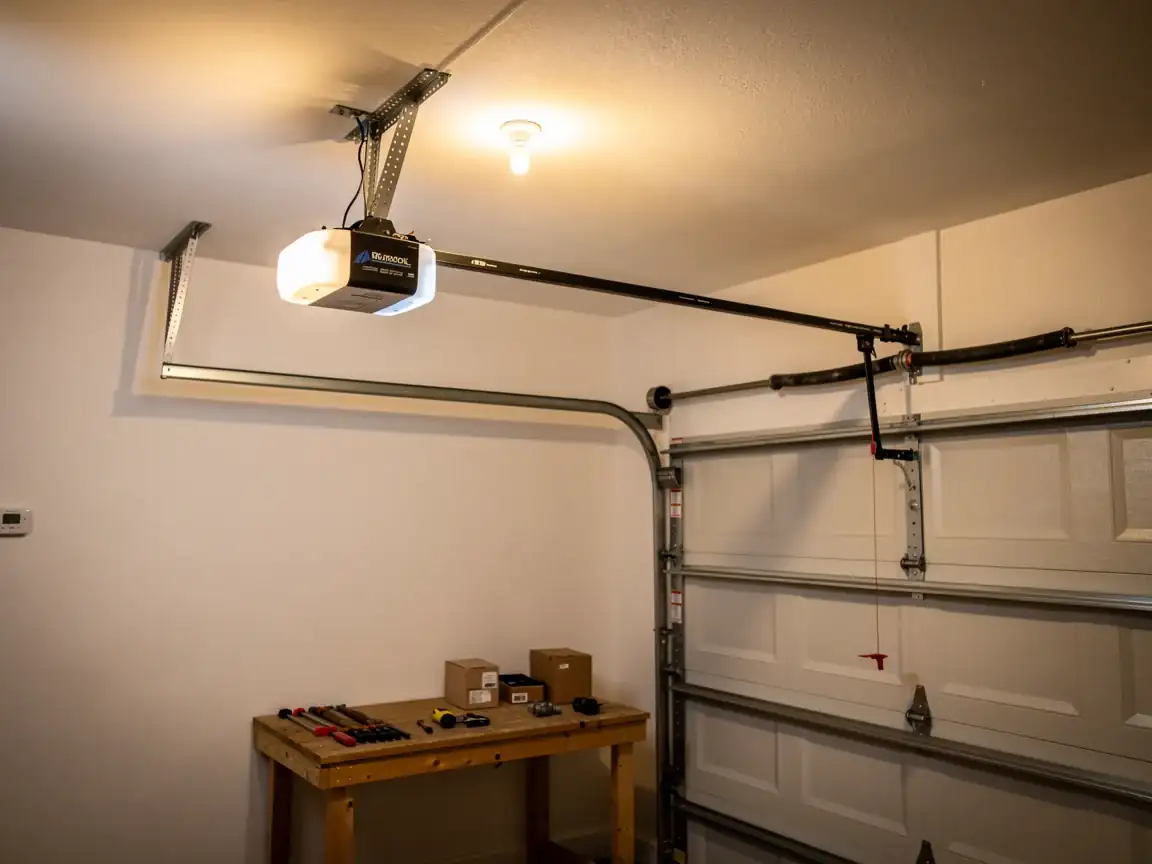
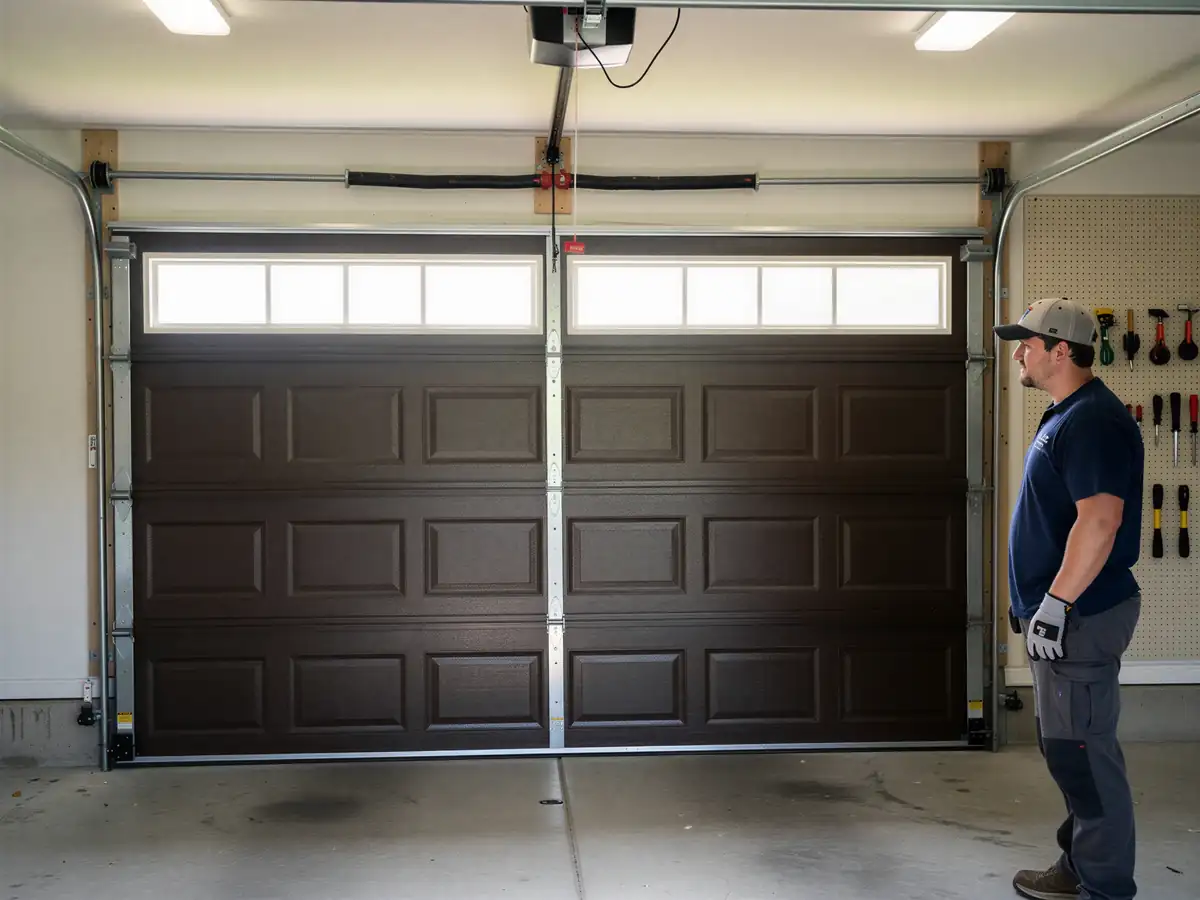
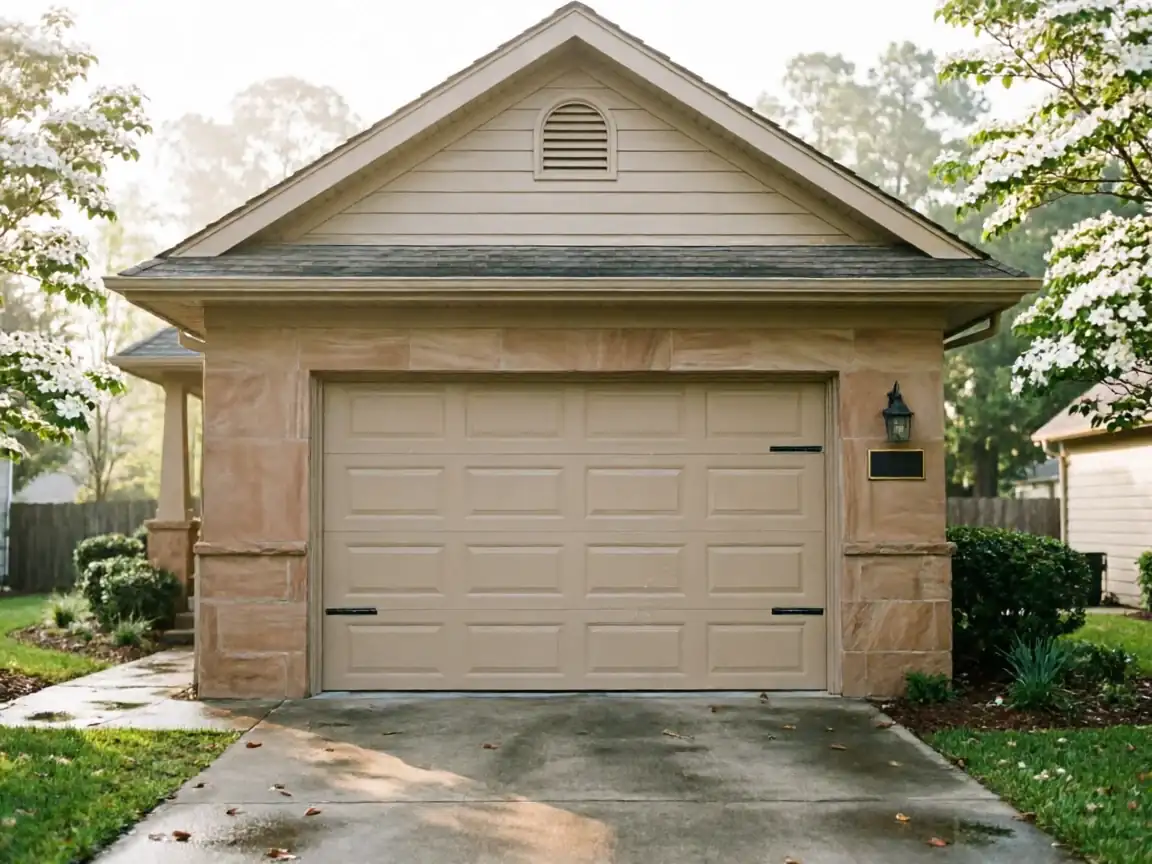
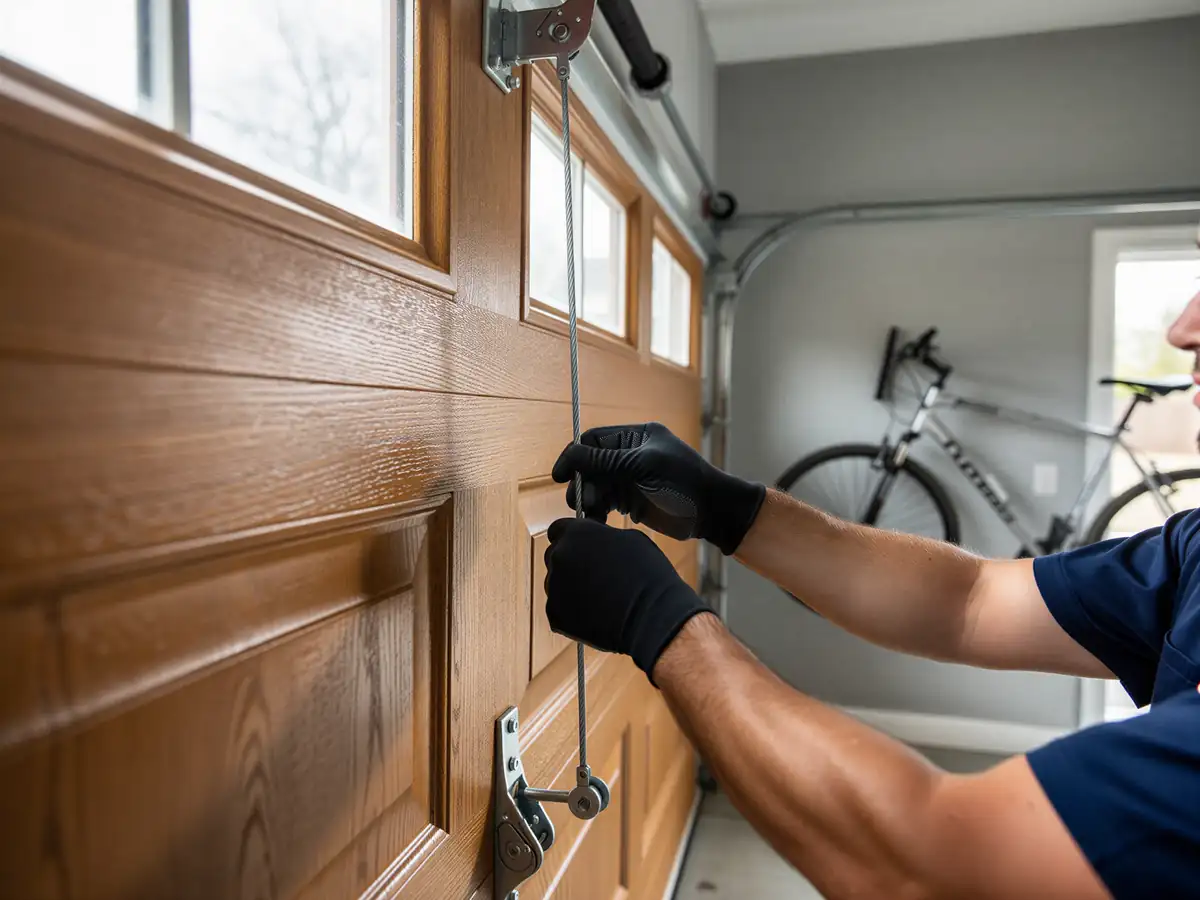
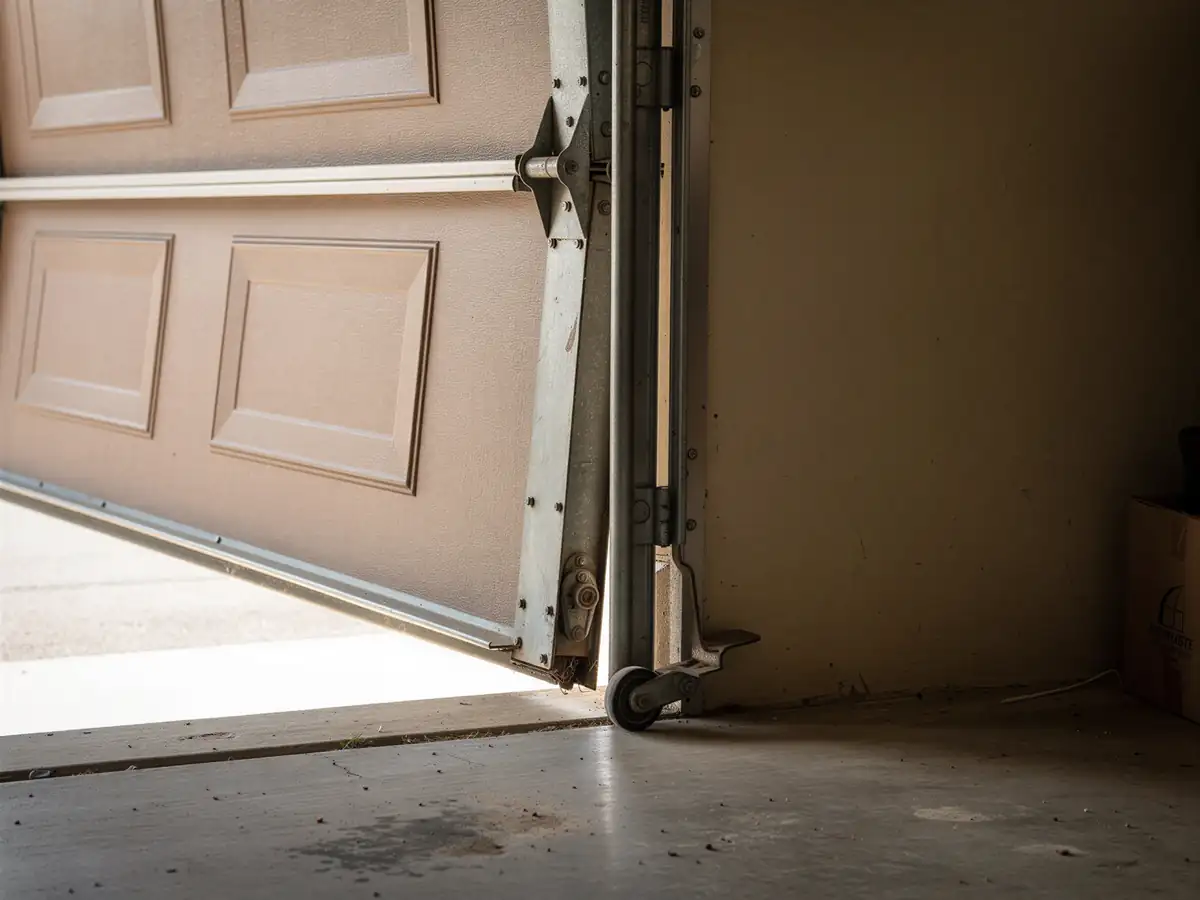
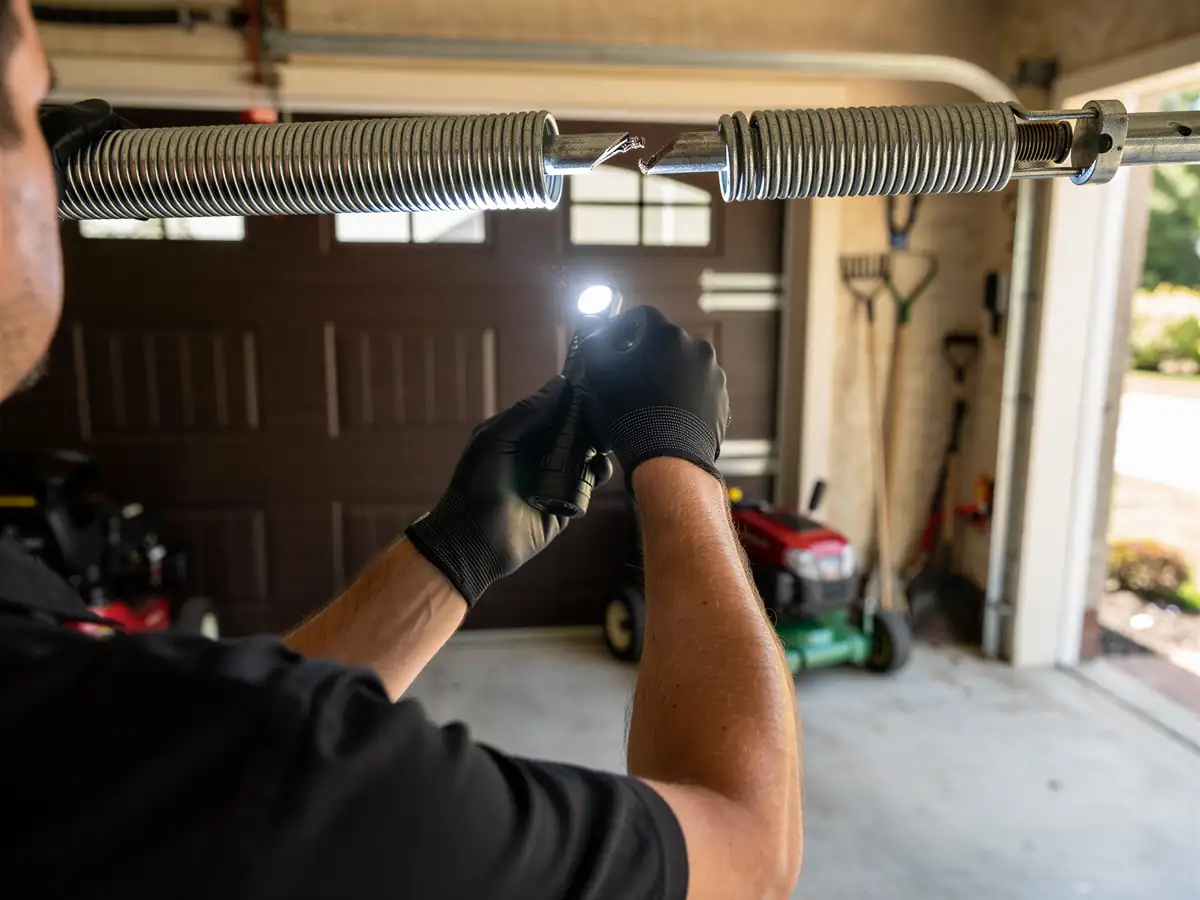
Most houses in this part of Austell were built around 1988, which puts them squarely in the stretch of construction when steel sectional doors on torsion springs became the standard, replacing the older single-panel and extension-spring setups. That hardware is now pushing 35+ years old in a lot of these homes, even if the door itself got swapped out once along the way. A torsion spring is rated for a set number of open-close cycles, and a spring installed when the house was built has usually been through more of them than anyone realizes. When it lets go, it tends to go all at once, usually on a cold morning when the steel has lost some flex. That's the call we get most from this stretch of the service area: a door that won't budge, a loud bang from the garage, or a cable that's jumped the drum. None of that is random - it's just what happens to doors that have been quietly wearing out hardware since the Reagan administration.
Doing It Yourself
There's a short list of things worth checking before you call anyone. If the door won't respond at all, check that the opener is actually plugged in and the breaker hasn't tripped - it happens more than people admit. If the door is partway open and stuck, look at the track for an obvious obstruction before you force anything. What you should not do: touch a torsion spring, even one that looks intact, or try to re-tension cables yourself. Torsion springs on doors from this era are under real load and they're not a weekend project - we've seen the injuries that come from people trying. If the door is heavy to lift by hand and won't stay up, that's usually a spring that's lost tension, not something a tighter bolt will fix.
Parts We Carry
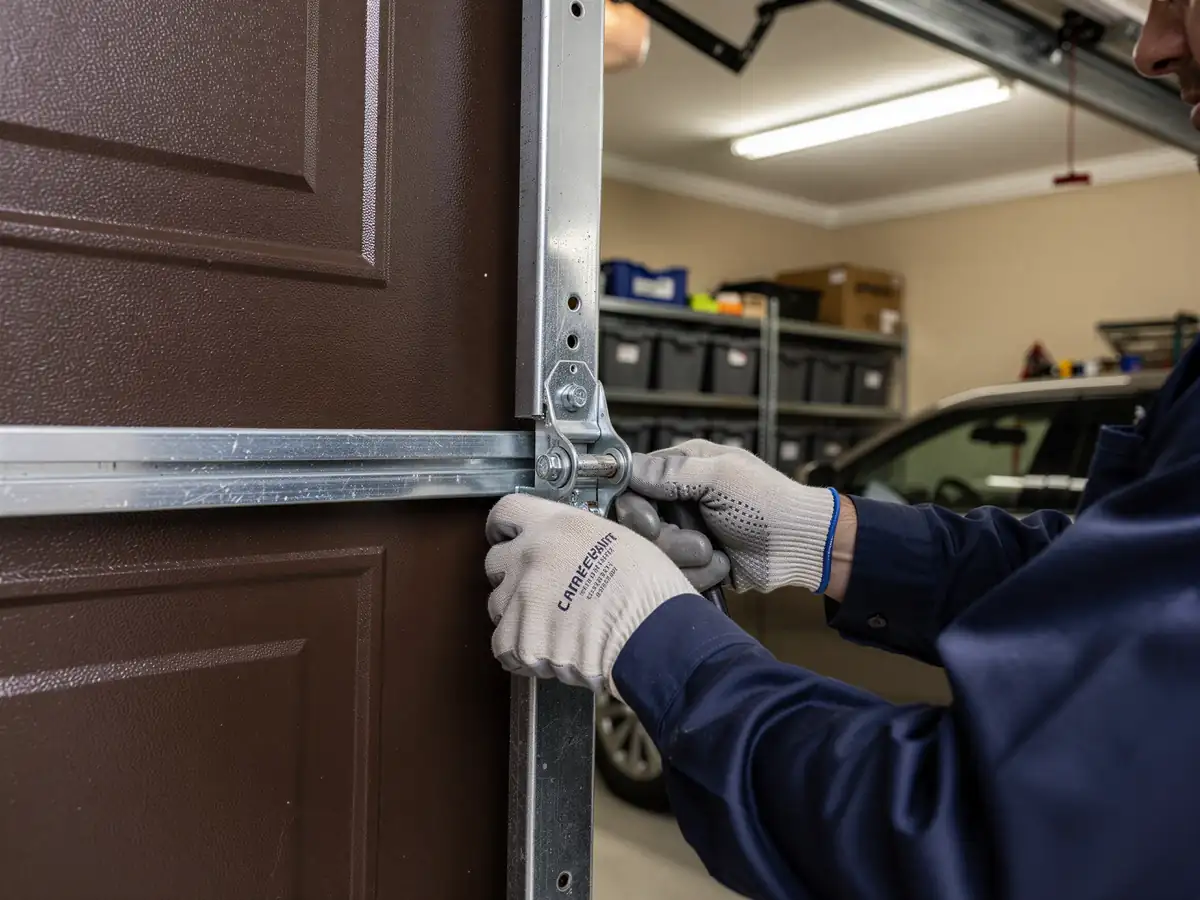
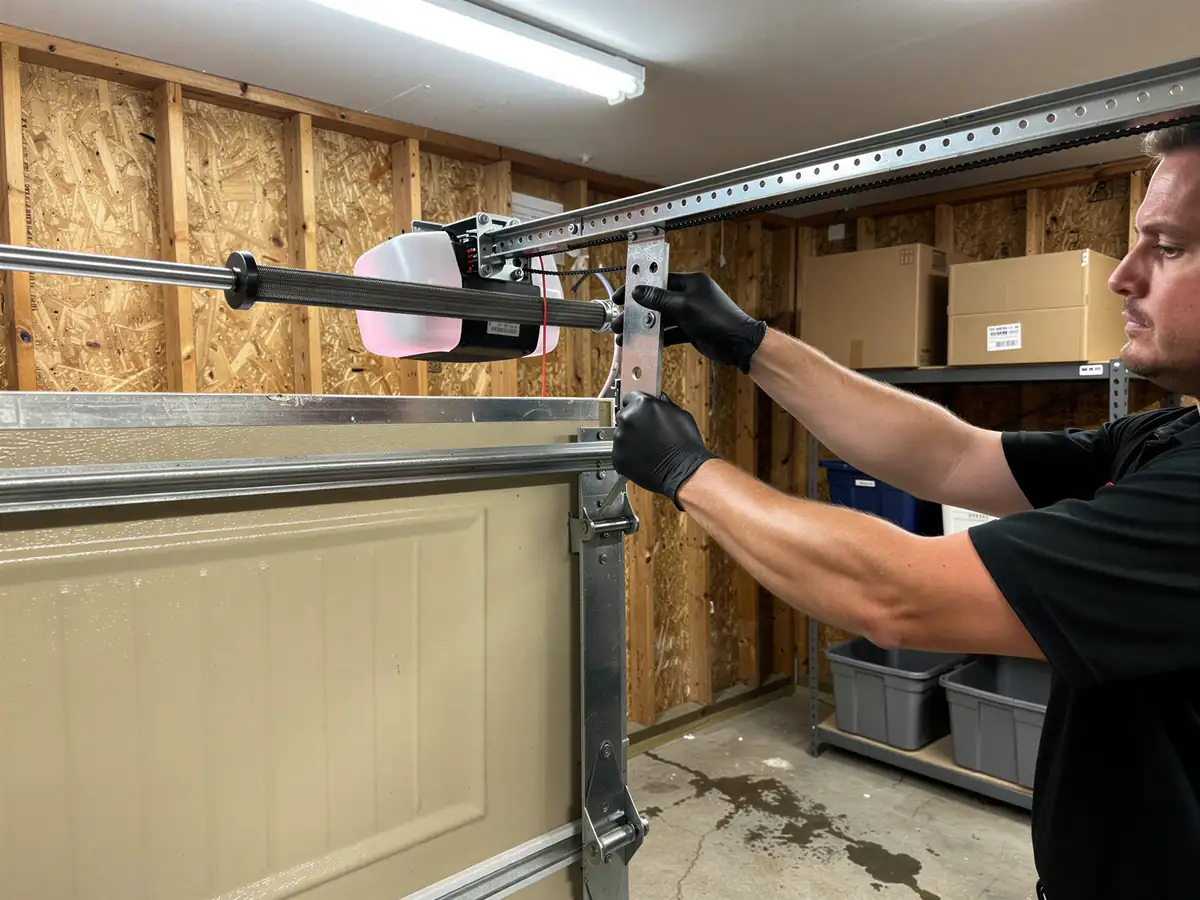
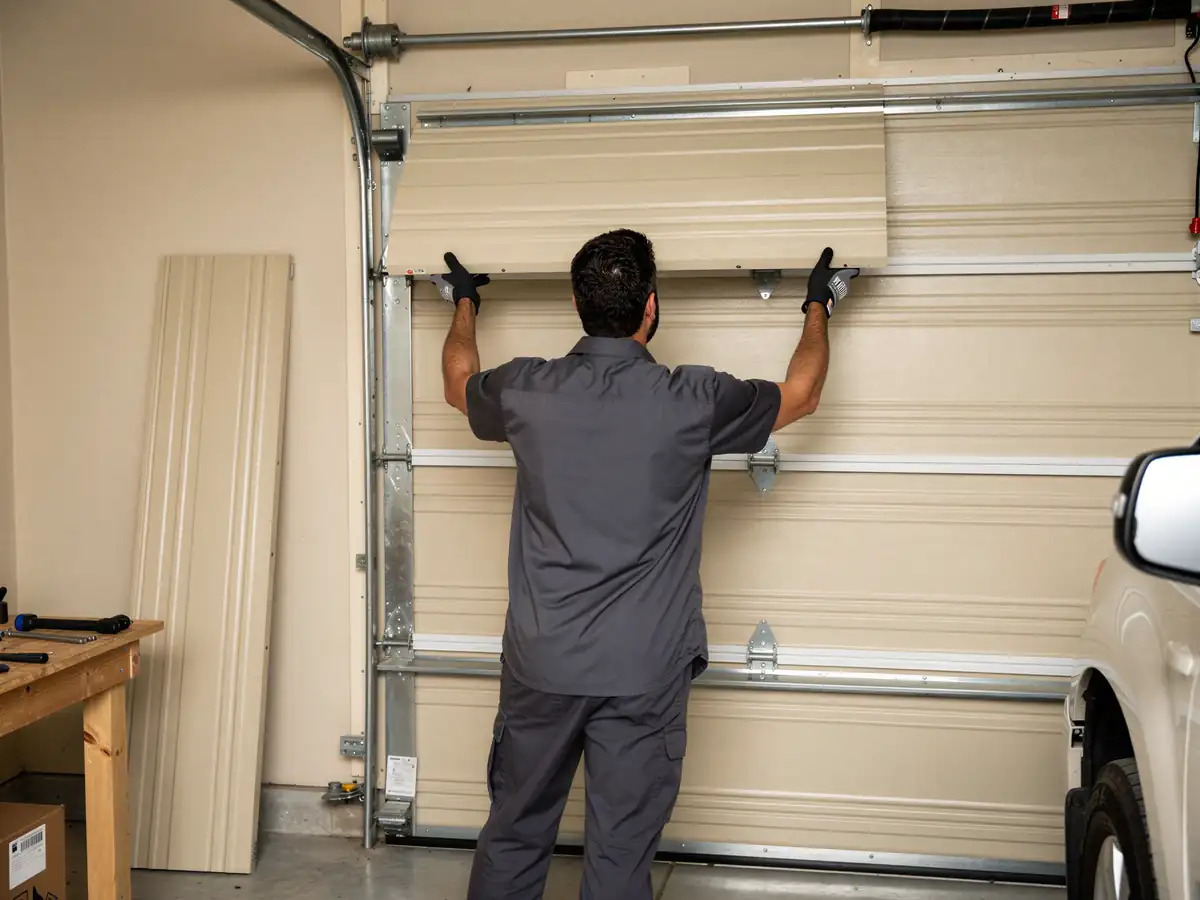
Because so much of the housing in this service area dates from the 1980s and 90s, we keep torsion springs sized for that generation of door on the truck, along with the rollers, cables, and drums that wear out alongside them. What we don't carry on every run are parts for doors outside that common range - an unusual width, an odd-era extension spring setup, or a specialty panel - and those sometimes mean a short wait while we source the part rather than fixing it on the first visit. We'd rather tell you that up front than pretend every job gets closed out in one trip.