What Causes It Around Here
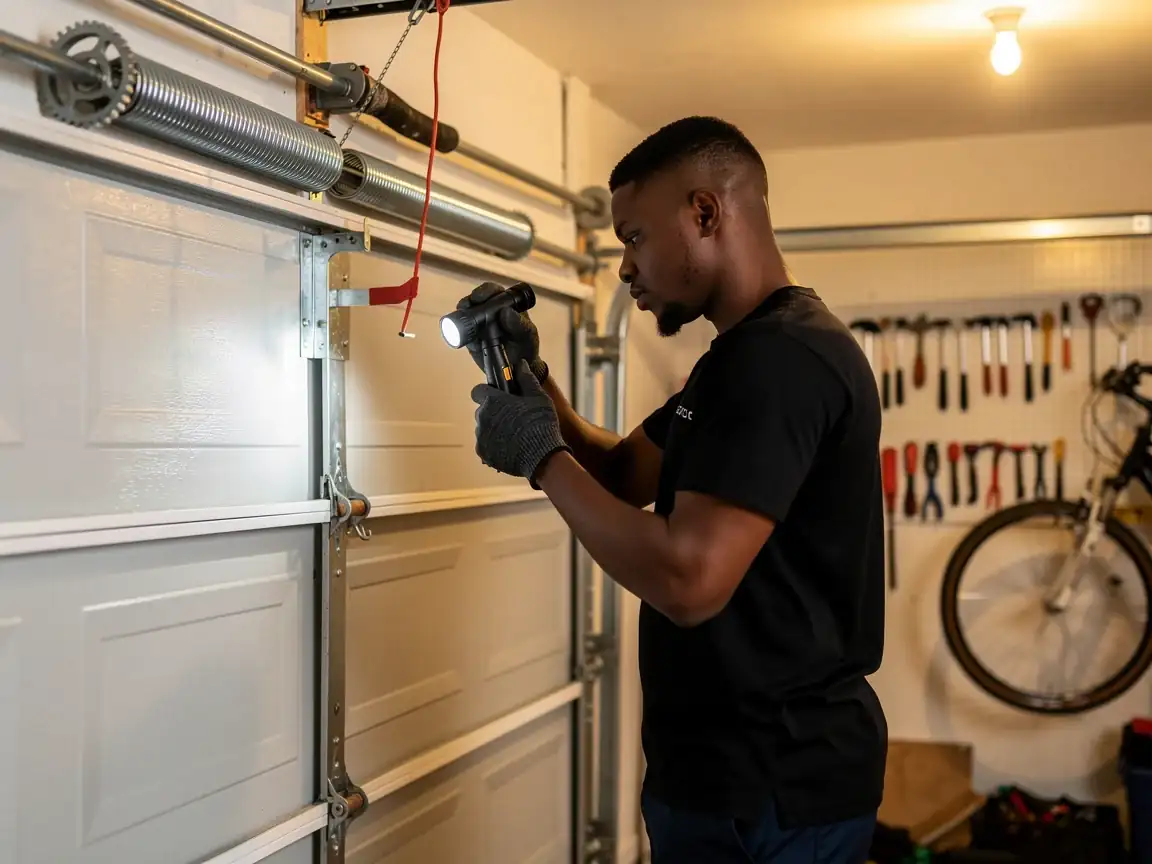
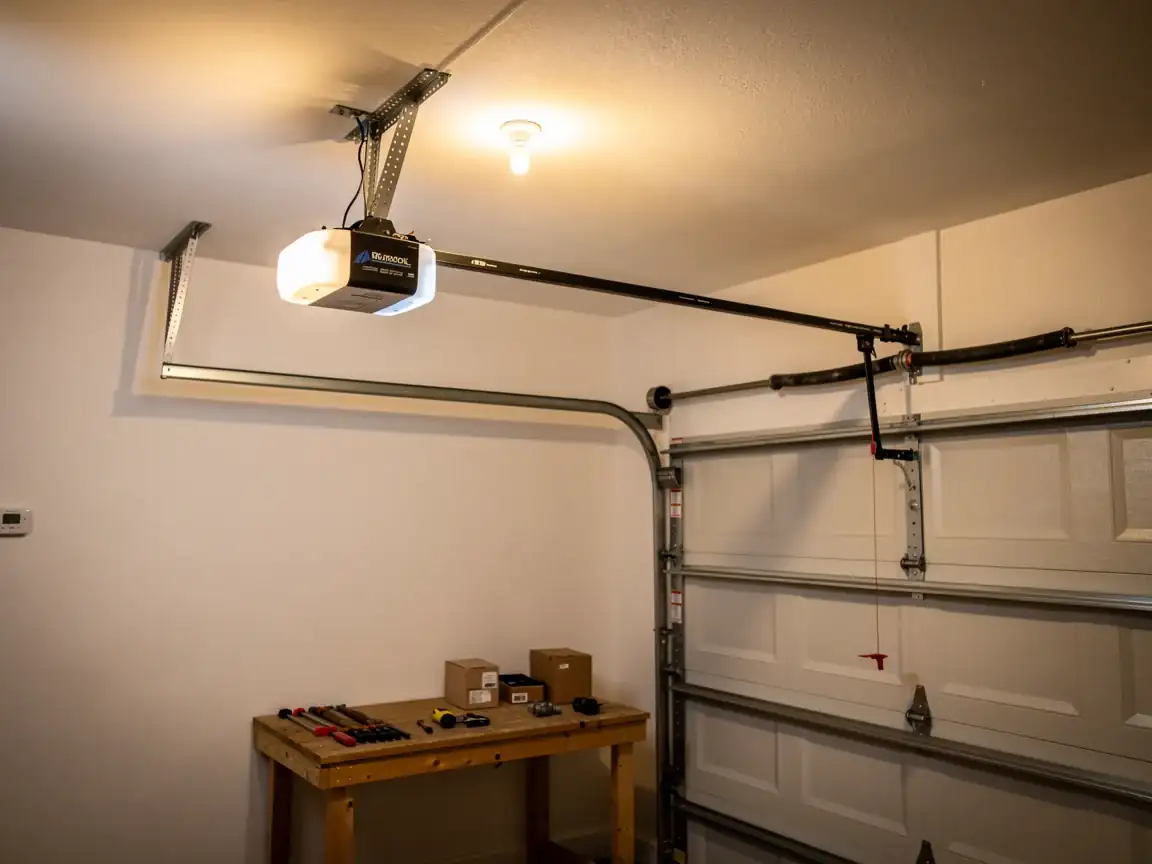
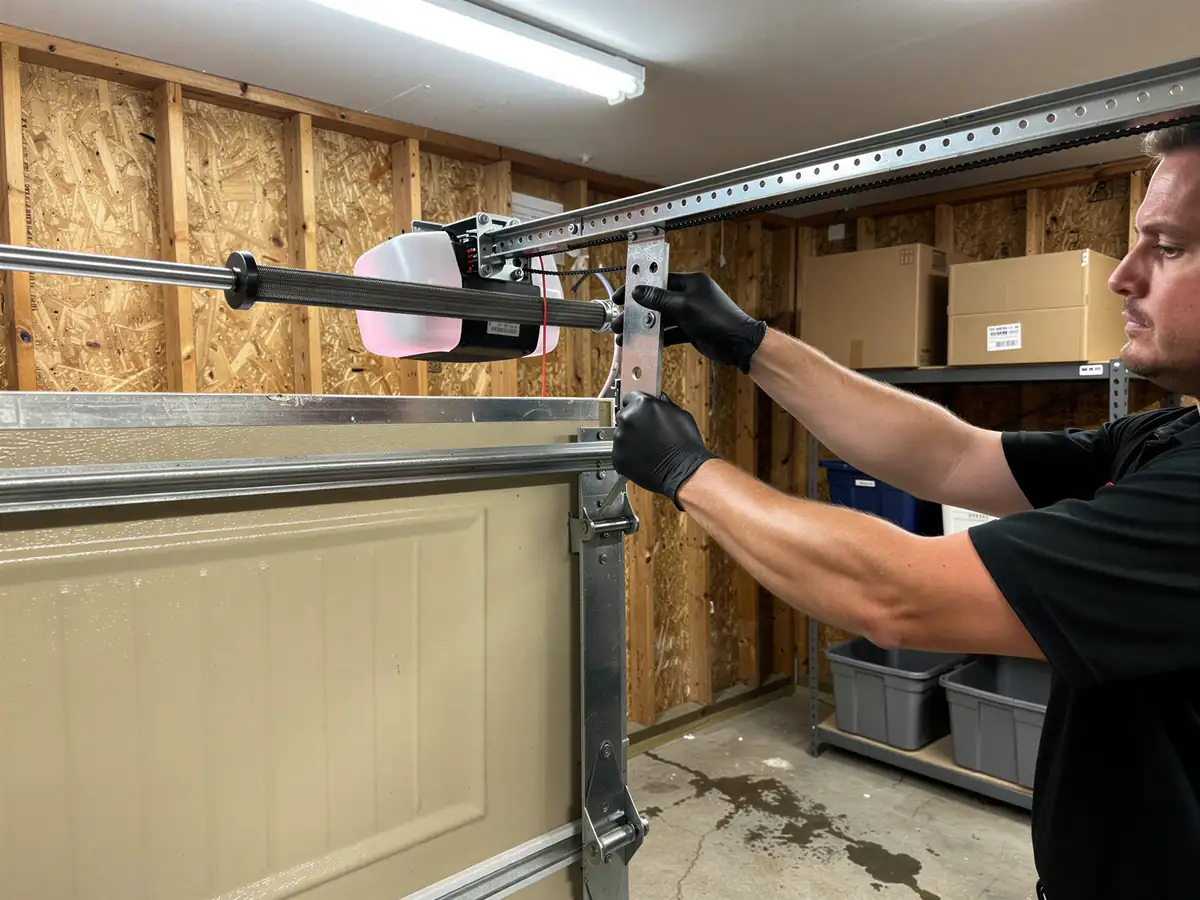
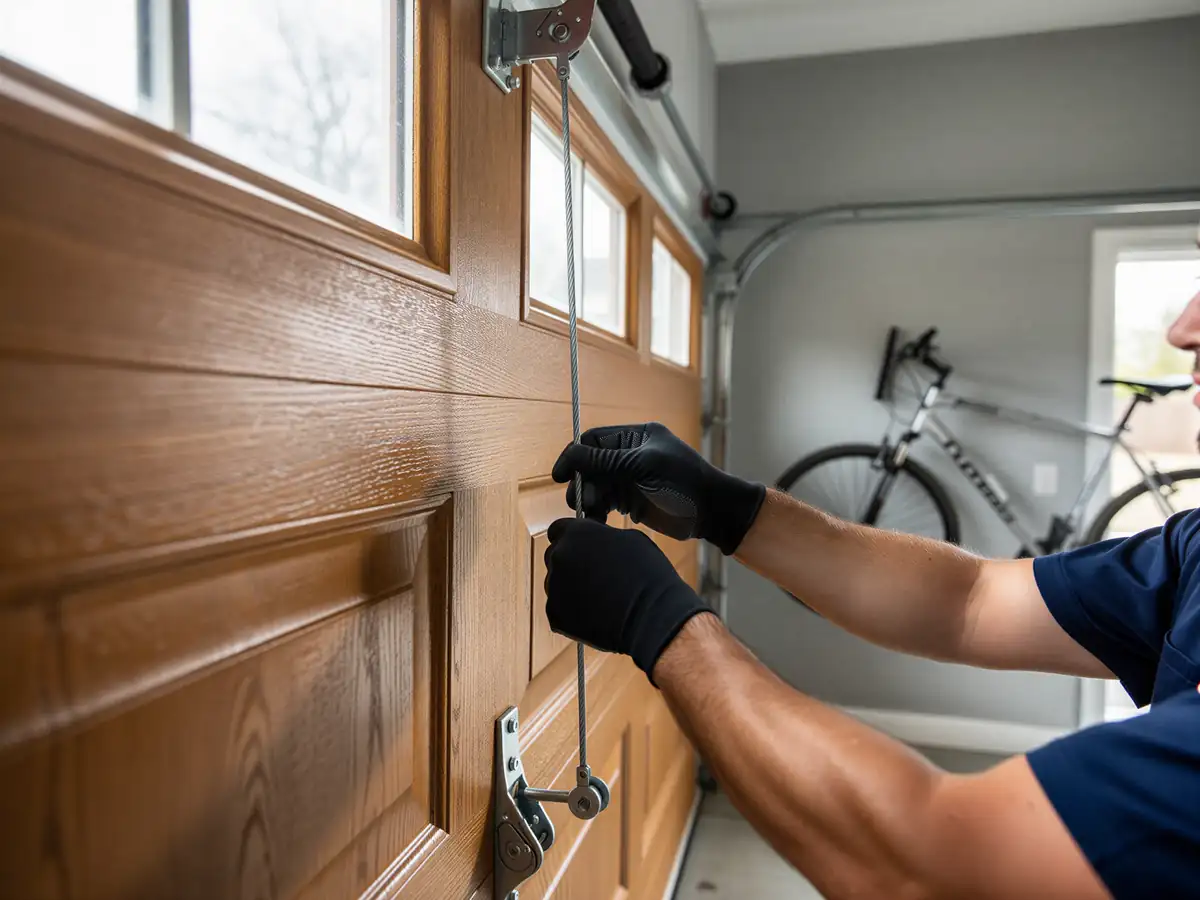
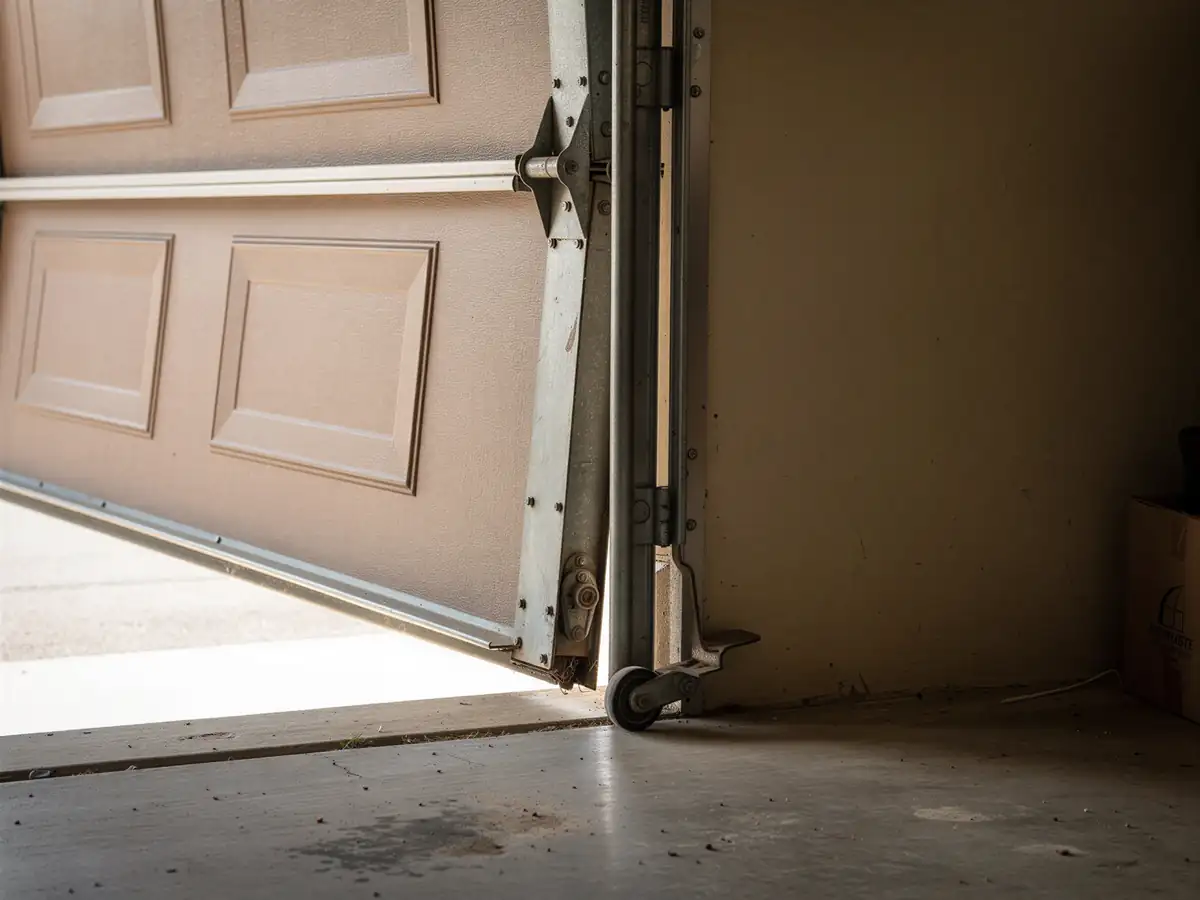
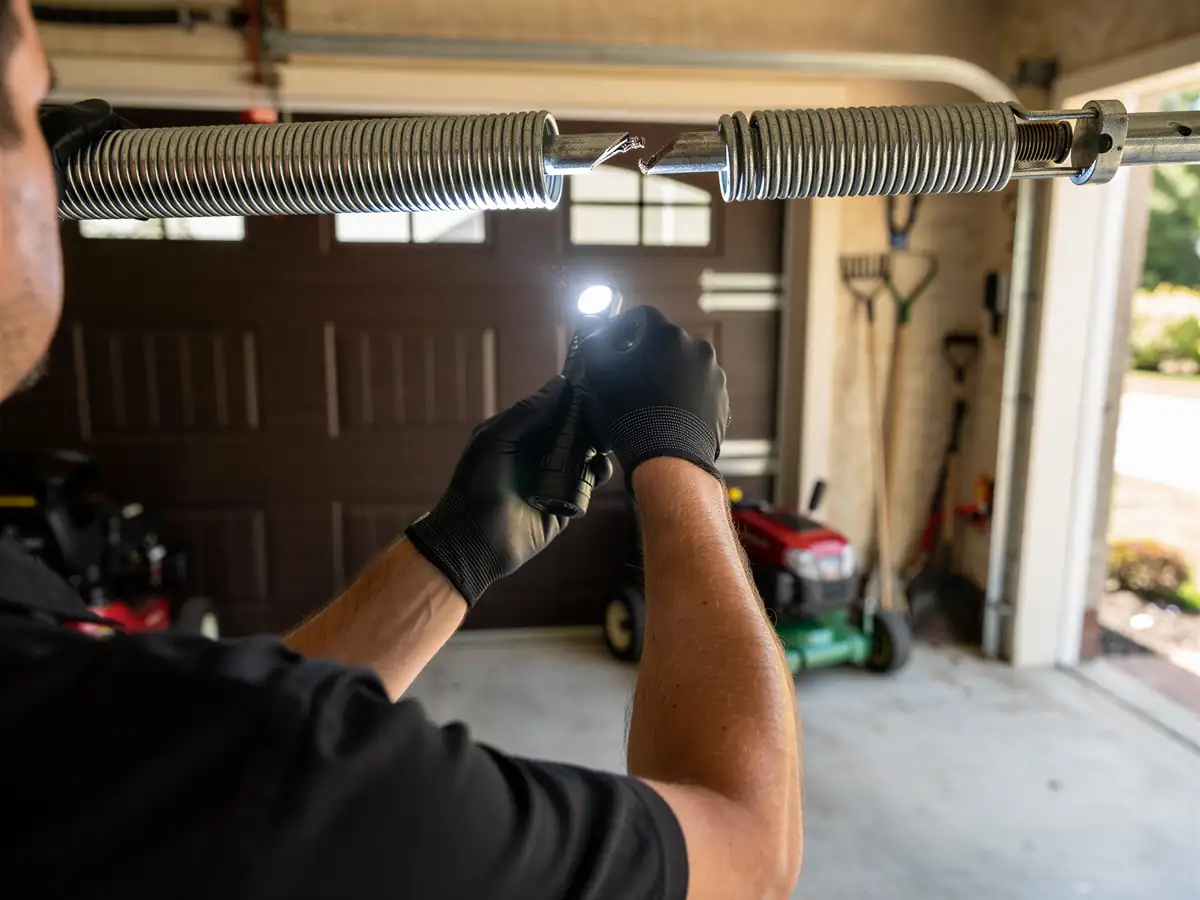
Austell's housing stock centers on 1988, and that one number explains most of what we find when we get a door open. A house built in 1988 is 36-plus years old, and the garage door hardware on it is very often original - the same torsion spring, the same steel rollers, the same lift cable that went in with the house. Springs are rated for a cycle count, not a calendar, but a door that's been opened twice a day for 36 years has burned through that rating many times over. Rollers wear oval instead of round. Cable strands fray near the drum. None of this is dramatic until the day the spring lets go or a cable snaps under tension.
The climate here is a moderate cold band, not extreme, so you're not dealing with the kind of freeze-thaw cycling that cracks panels outright. The failures we see in this stretch of houses are almost all fatigue failures - original hardware finally giving out after decades of use, not storm damage or a single bad winter. That changes the conversation from repair to replacement a lot of the time, because once the torsion spring and the rollers and the cable are all original and all near the end, patching one part just means the next one goes a few months later.
Booking a Visit
We run out of Acworth, about 17 miles from Austell
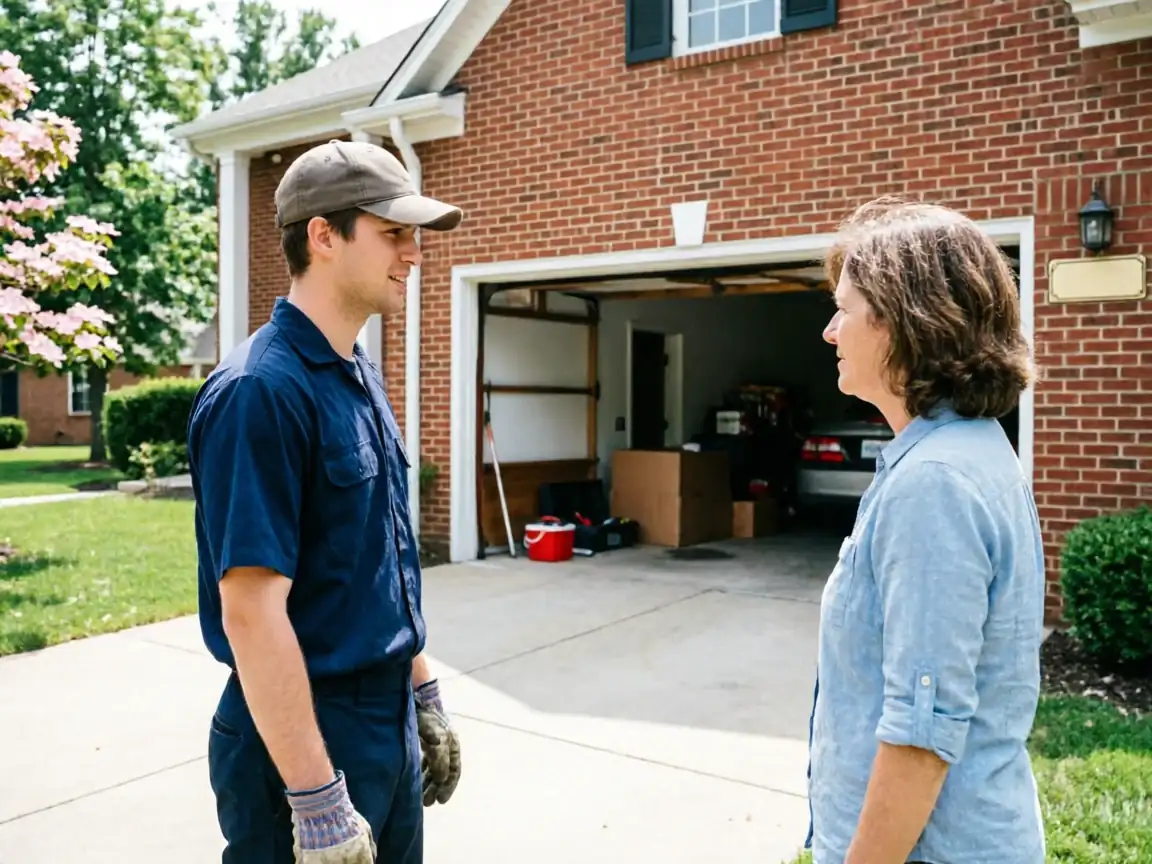
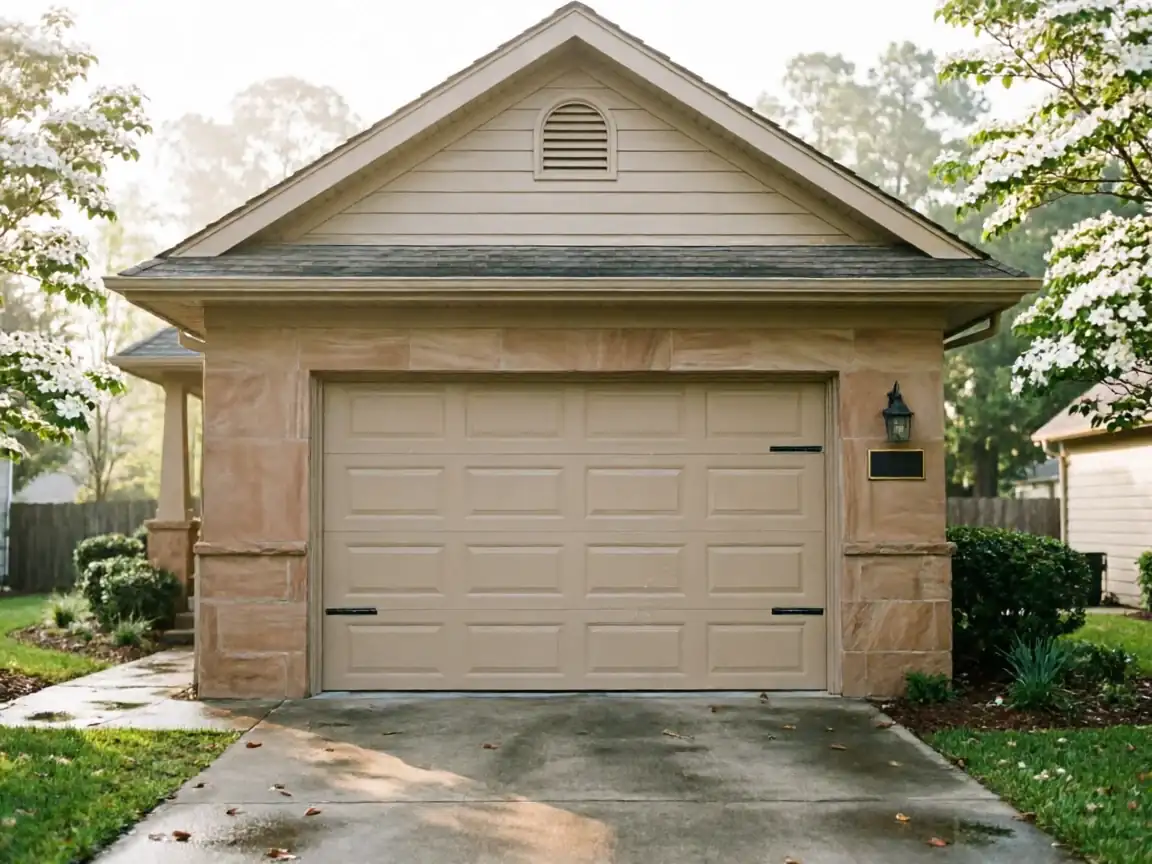
So this isn't a same-day drop-in the way it might be for a street two blocks from our shop. We schedule installs in Austell on set visit days rather than on-demand - it keeps the trip worth making for both of us and keeps the quote honest. When you call, tell us the door size, whether it's a single or double, and roughly how old the house is; for a neighborhood built around 1988 that's usually enough for us to bring the right torsion spring size and header hardware on the first trip instead of a second visit to fix a mismatch.
- 17 miles
We measure and confirm on site before any order goes in
Since door openings vary even within houses built the same year. If you want to see what a full install from us covers before you call, the Acworth installation page lays out the process end to end.
Doing It Yourself
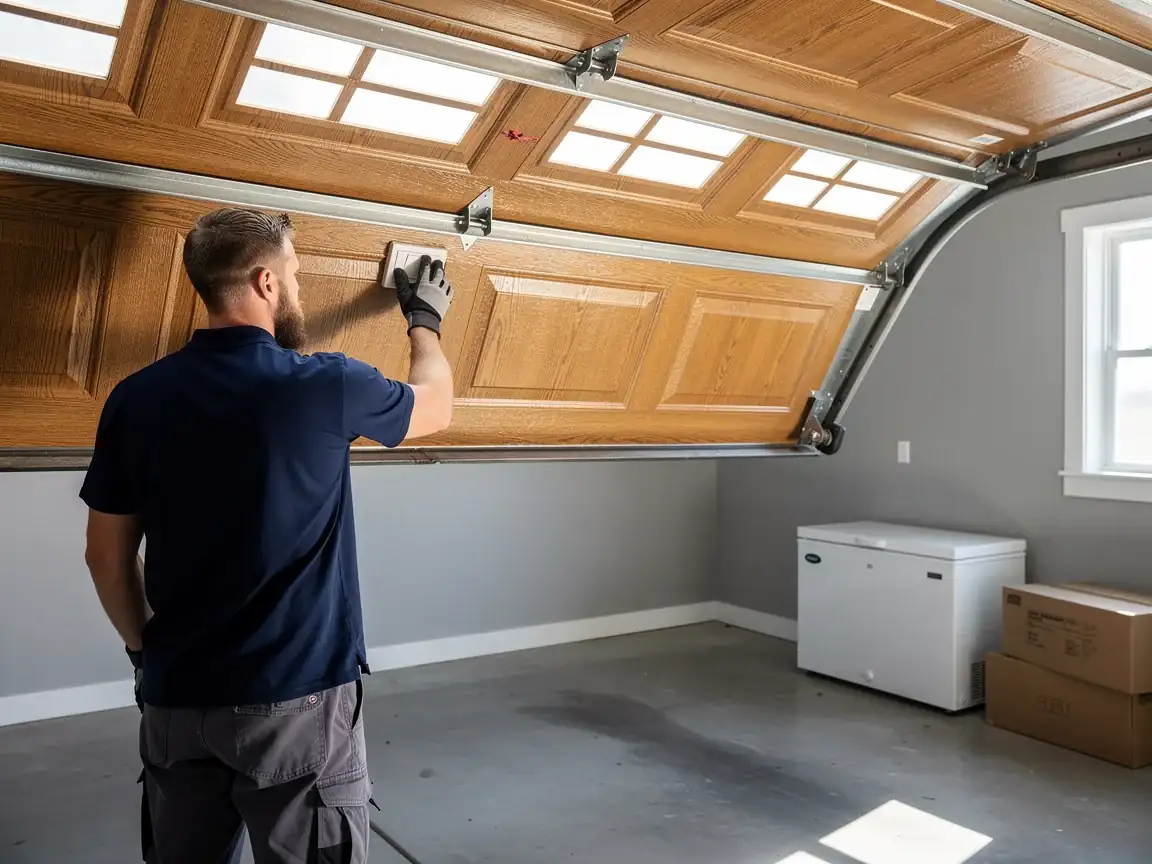
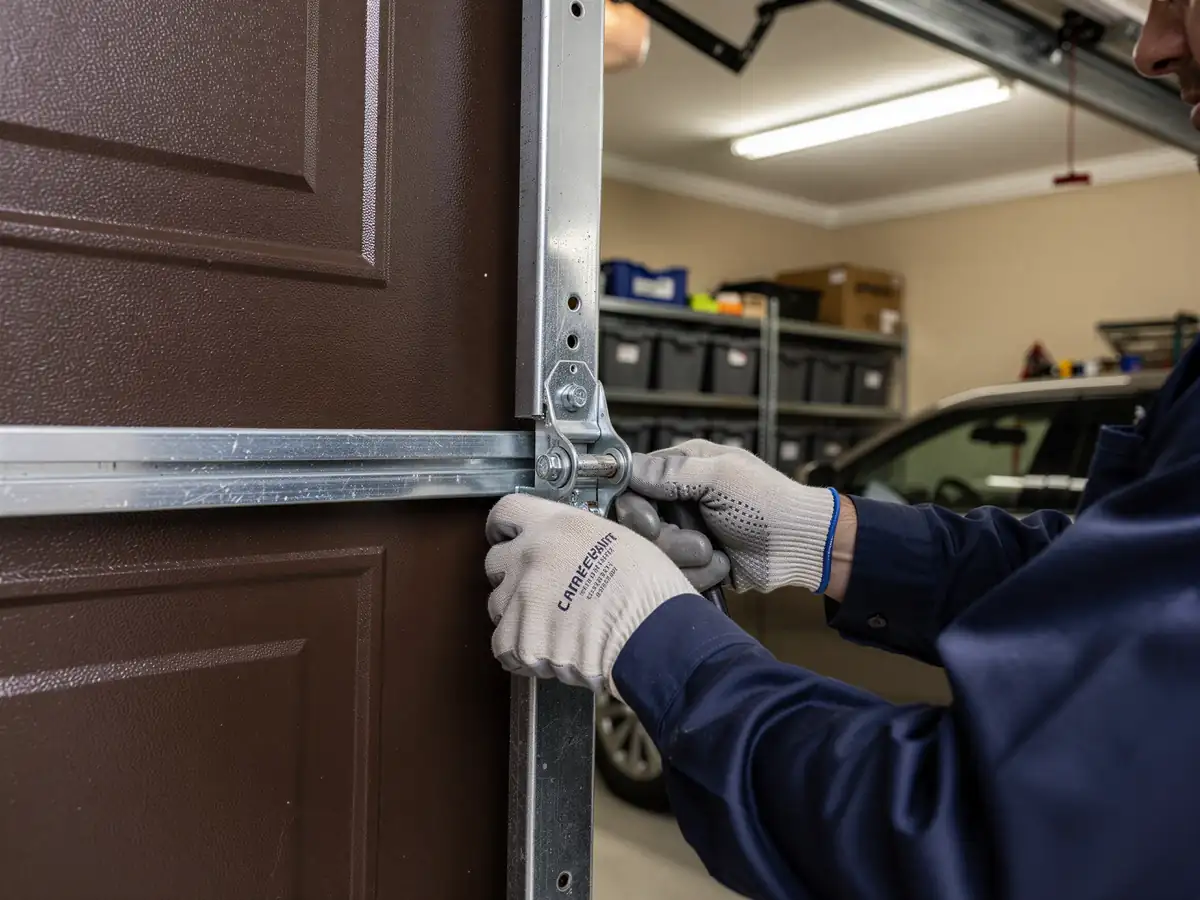
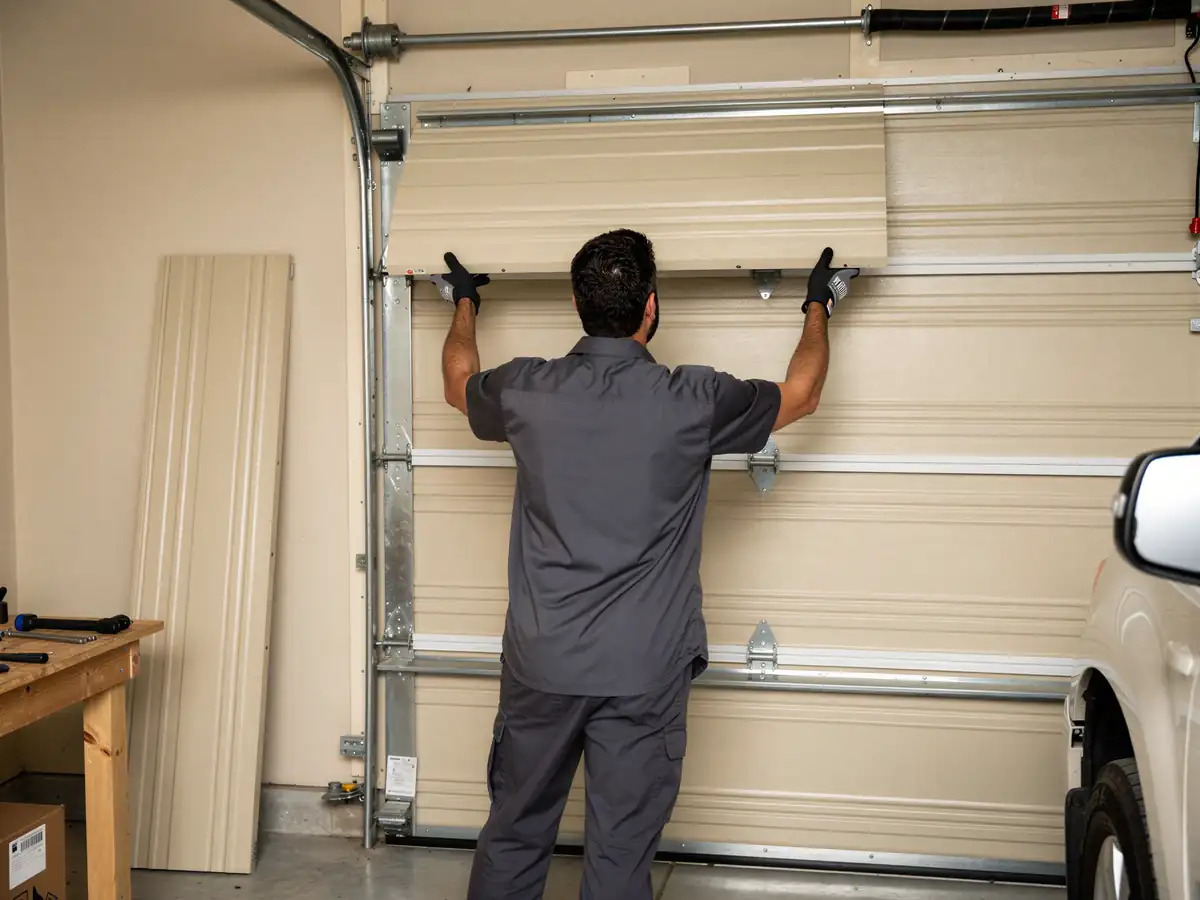
A garage door panel swap is a weekend job for someone comfortable with tools. A torsion spring is not, and on a door that's been running since 1988 that spring is wound at a tension that can break a wrist or worse if the winding bars slip. We won't talk anyone through doing that one at home.
What you can reasonably check yourself: pull the rollers and look for flat spots or rust pitting, check the bottom of the cable drums for frayed strands, and see whether the door is noticeably harder to lift by hand with the opener disconnected than it used to be. Any of those point toward hardware near the end of its life, which is useful to know before you call anyone - us or someone else.
The honest limit on our side: we don't do emergency same-day calls out to Austell given the drive from Acworth. If a spring breaks on a Tuesday night, a local emergency service will get there faster than we can. We're the right call for a planned install, not a door stuck shut right now.
Parts We Carry
For houses from the Austell build era, the torsion spring sizes and drum setups are pretty standard for the period, which means we stock what fits most of what we find on the first trip rather than special-ordering. Ball-bearing rollers to replace the original steel ones are a standard swap, and most owners notice the quieter operation immediately.
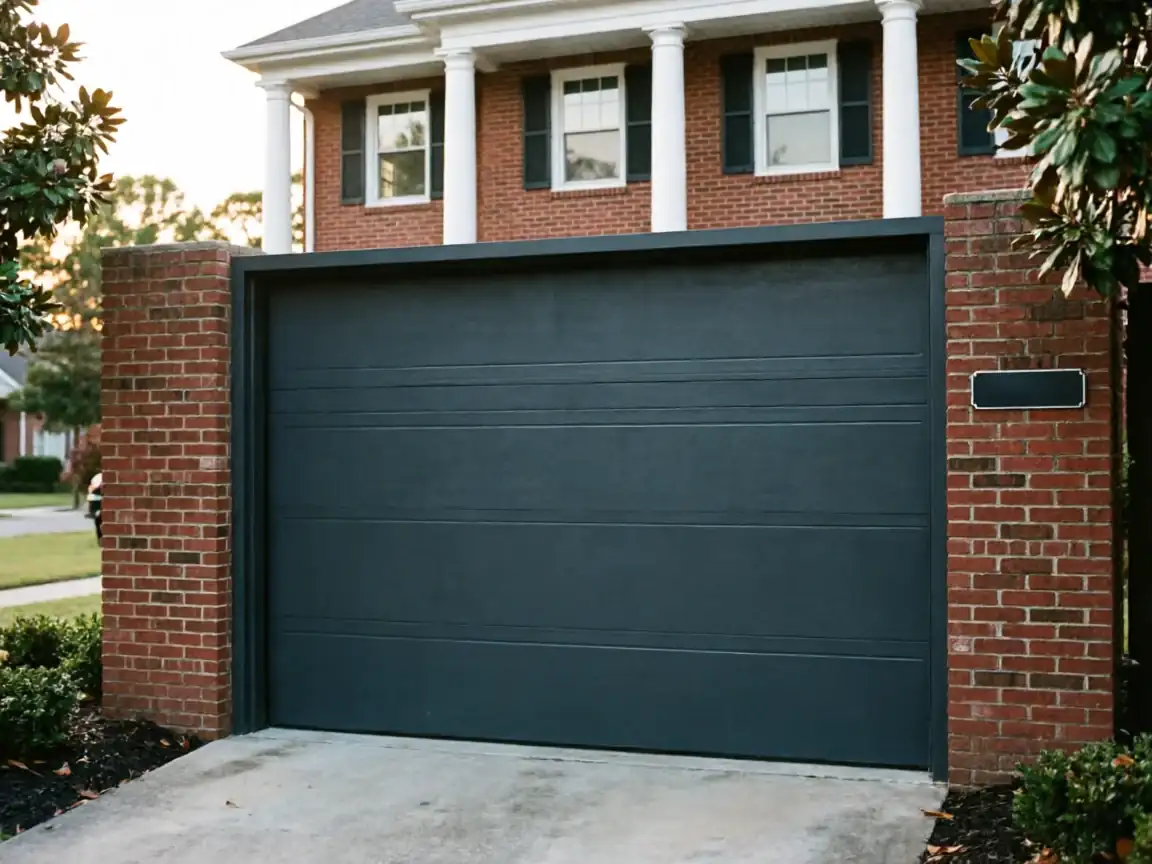
Given the moderate cold climate band here, an insulated steel panel is worth the upgrade over a bare single-layer door, mainly for the difference in how much cold transfers into an attached garage - not for storm resistance, since this area doesn't see the kind of severe freeze events that would demand it structurally. We carry standard widths for single and double openings; anything custom-sized gets ordered after we measure on site, which adds lead time we can't shorten. More on what's available on our Austell page.