Parts We Carry
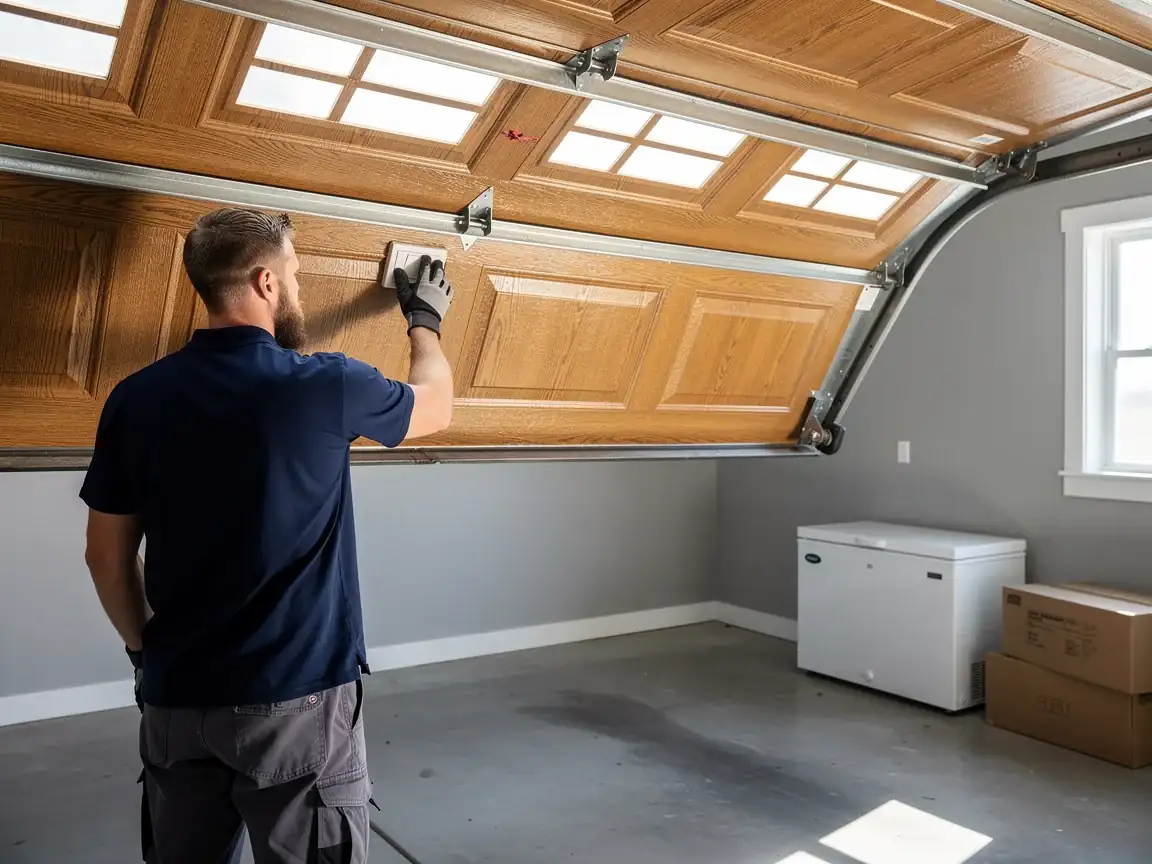
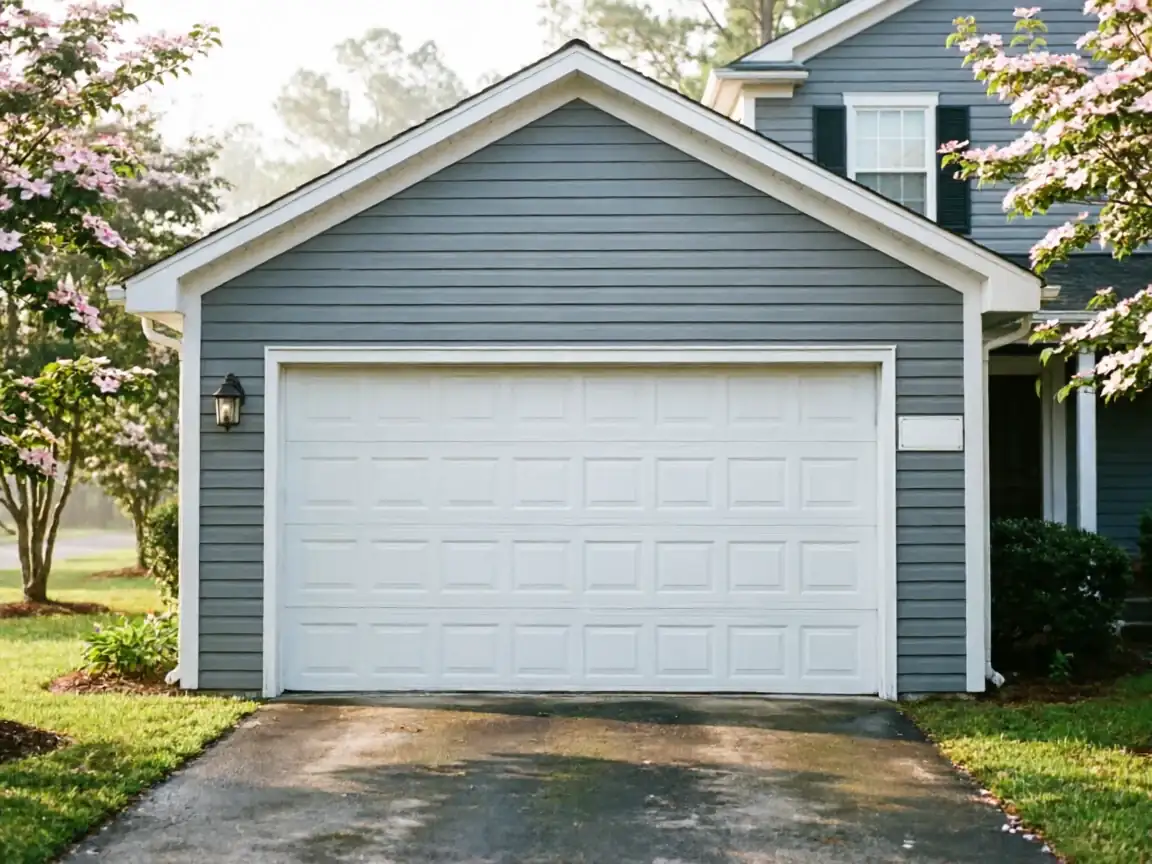
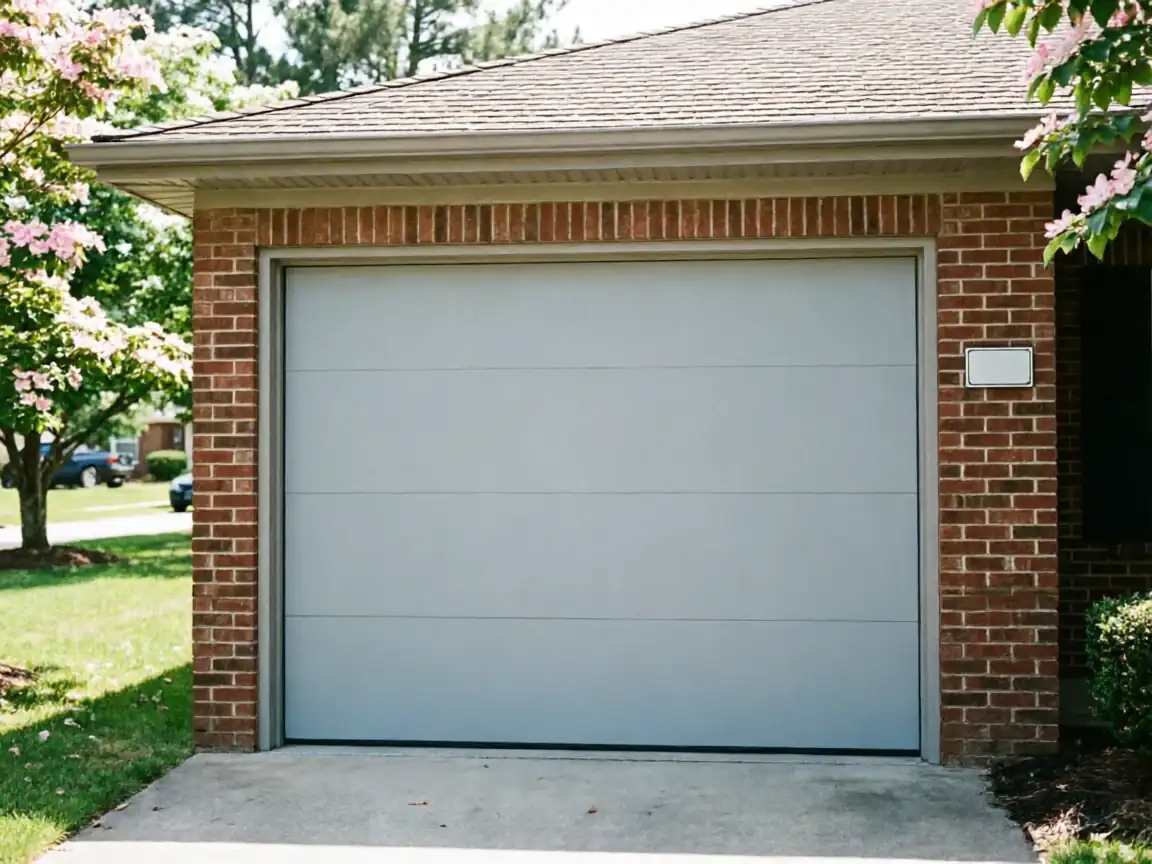
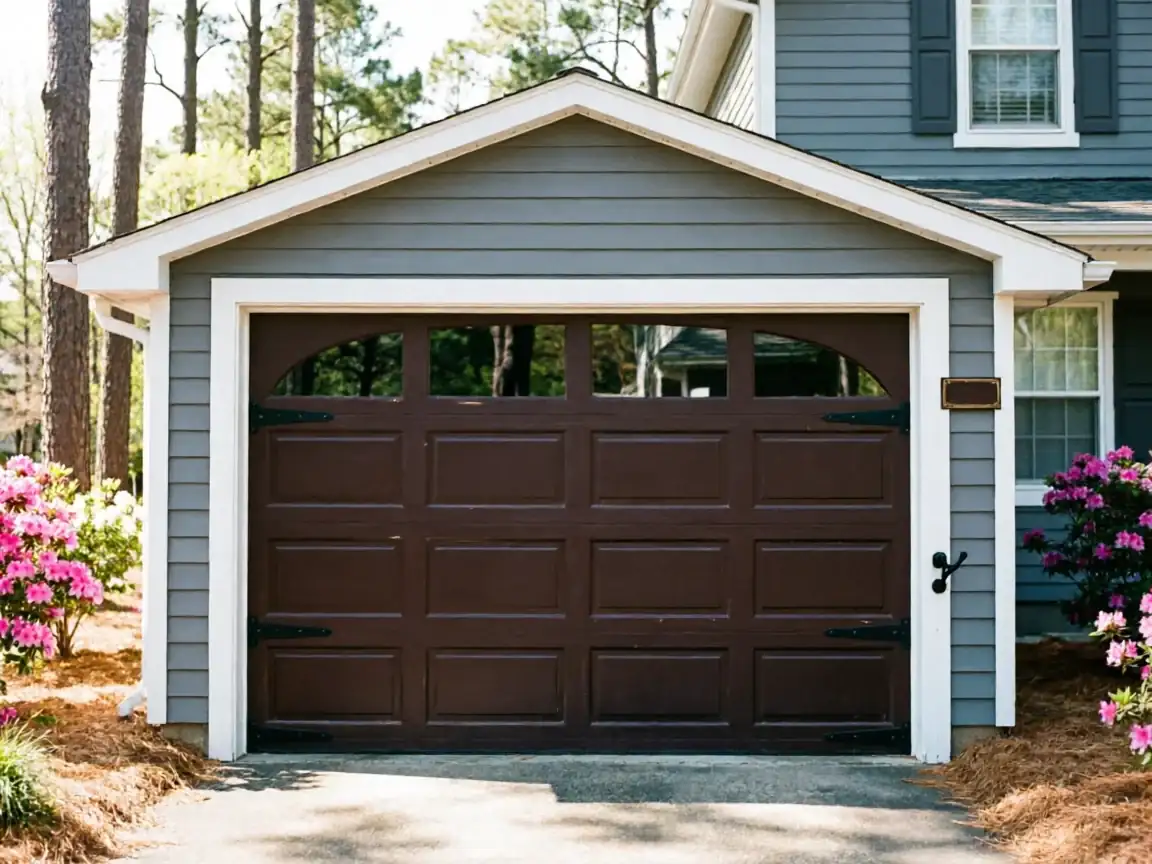
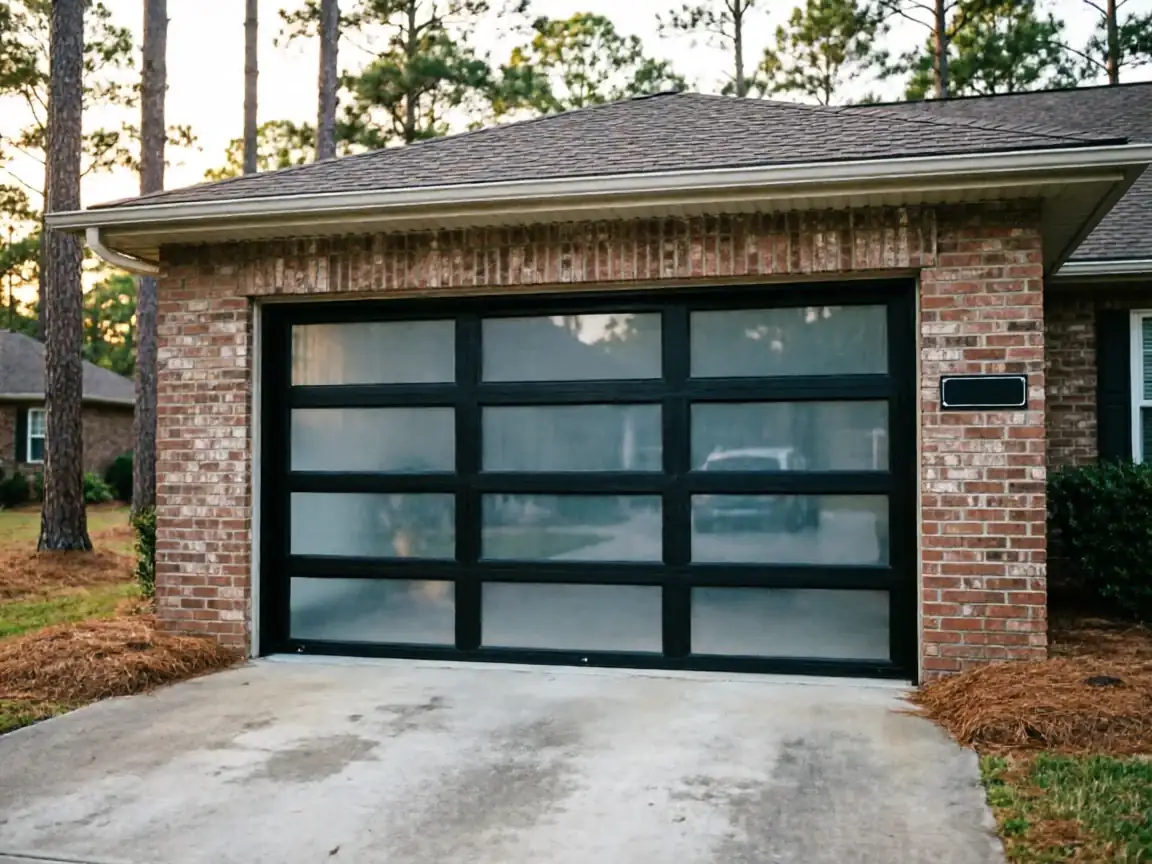
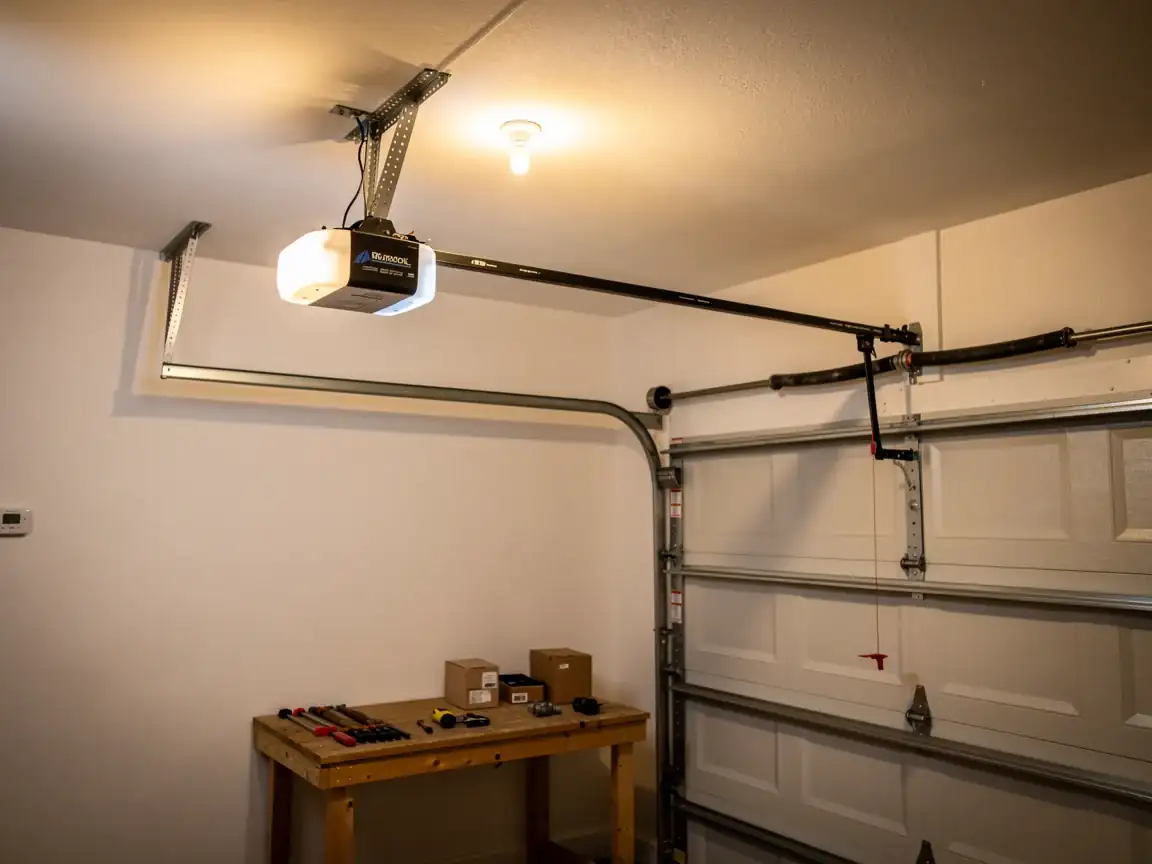
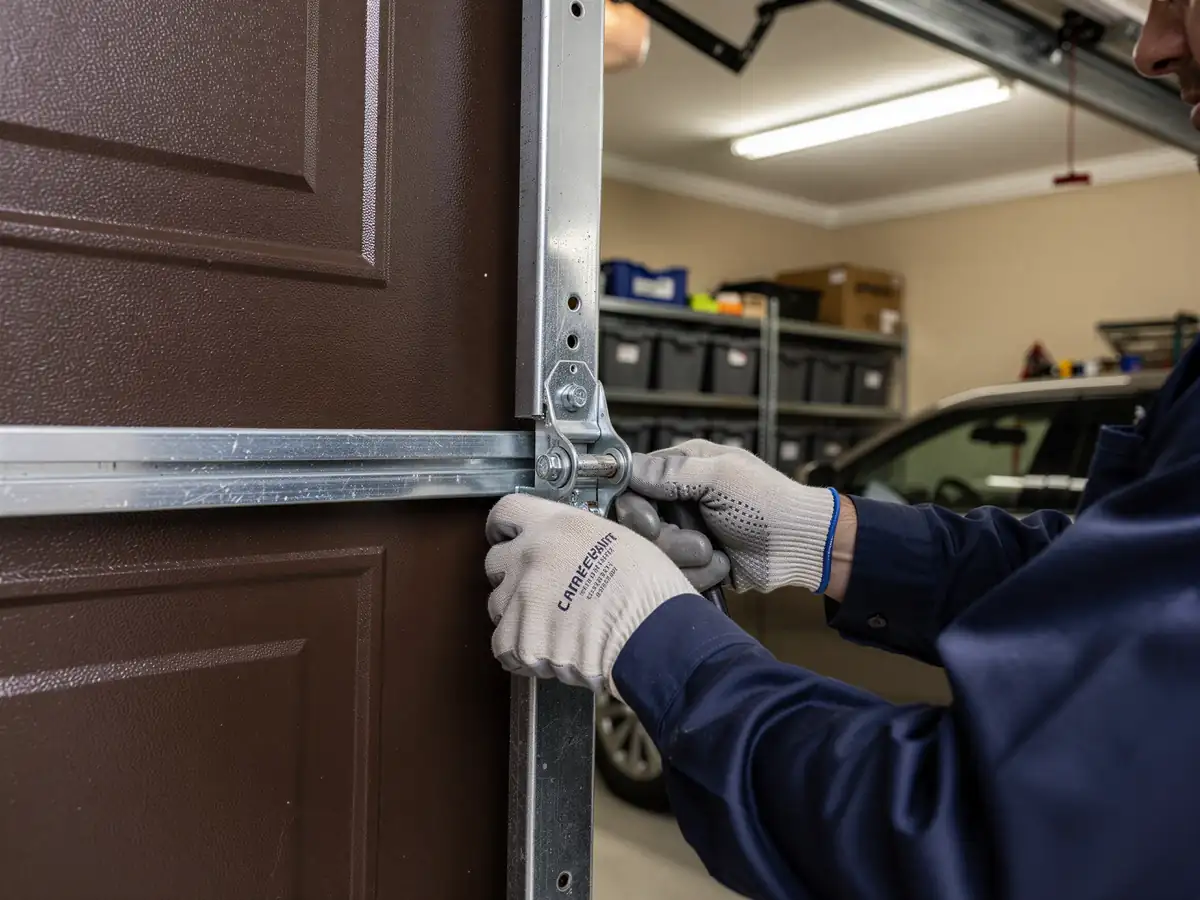
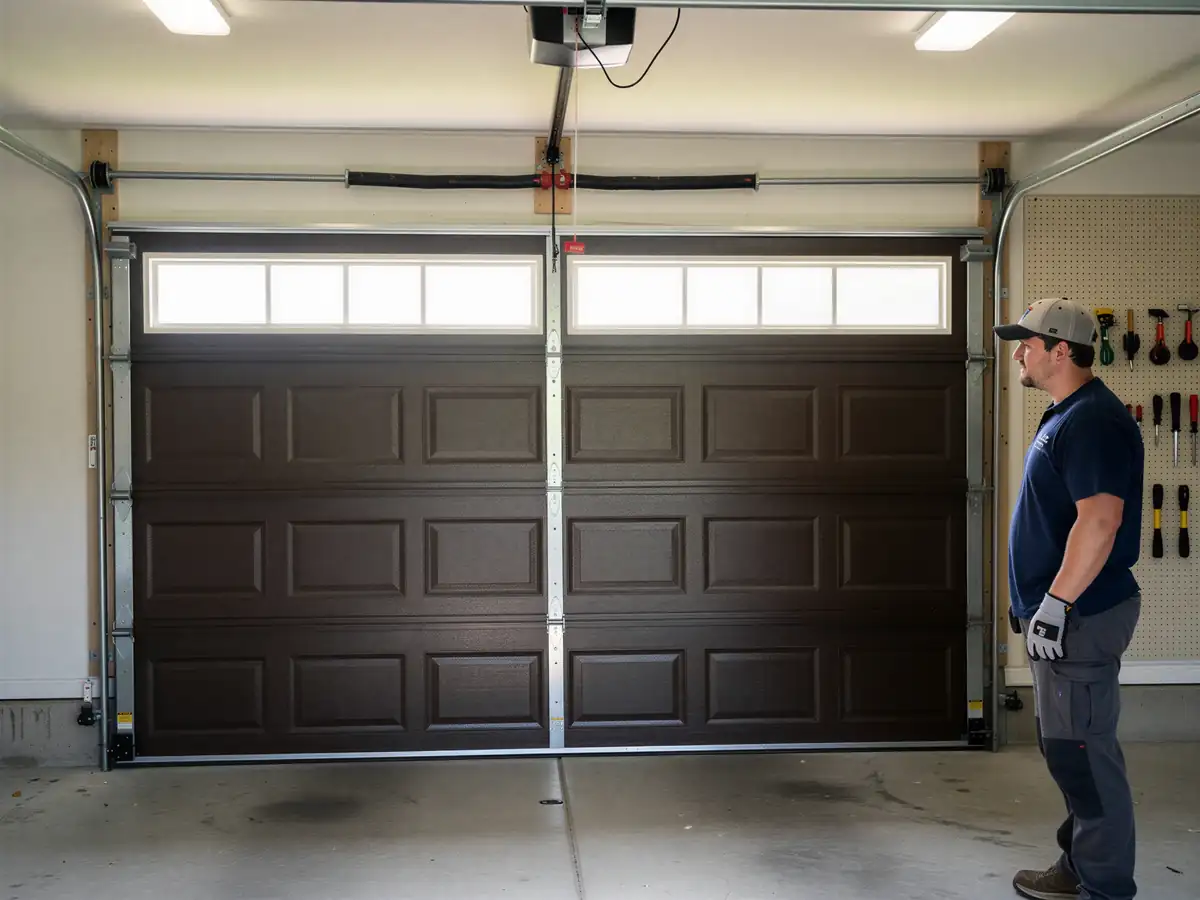
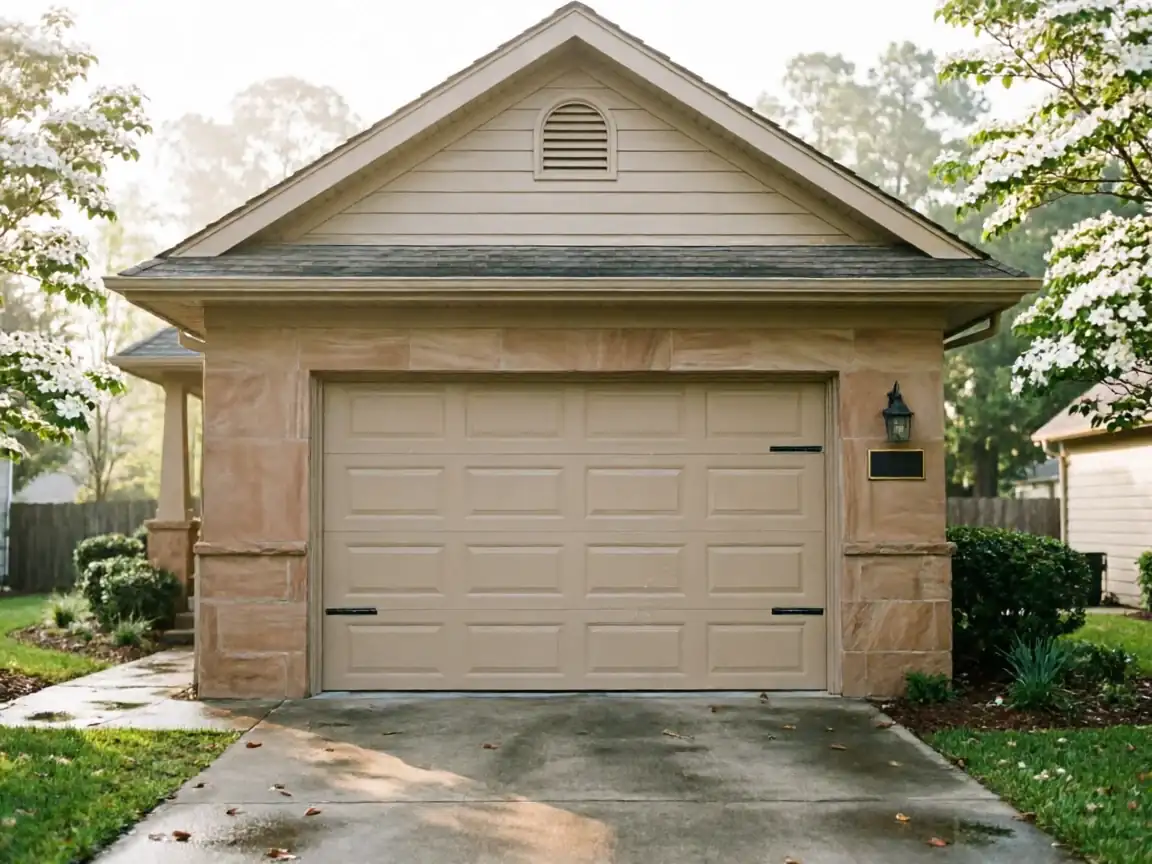
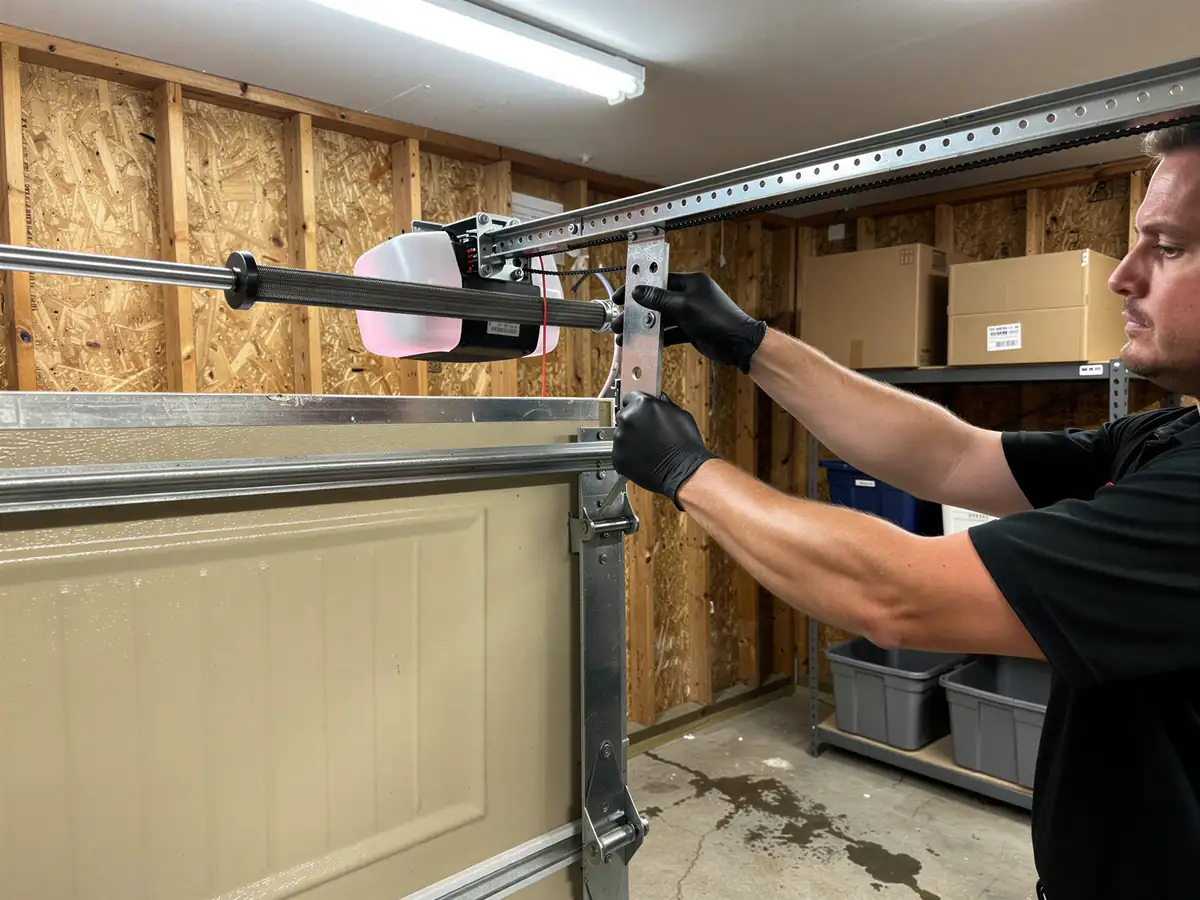
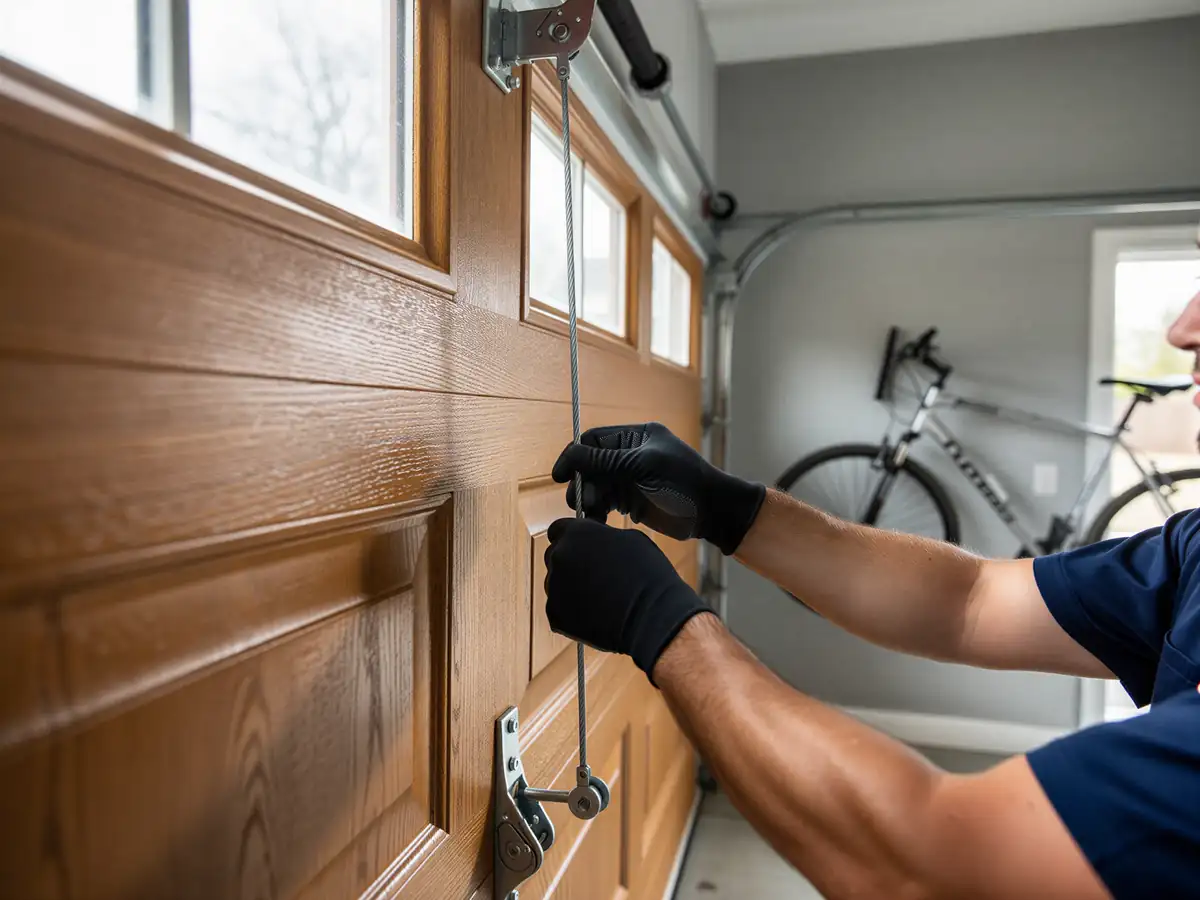
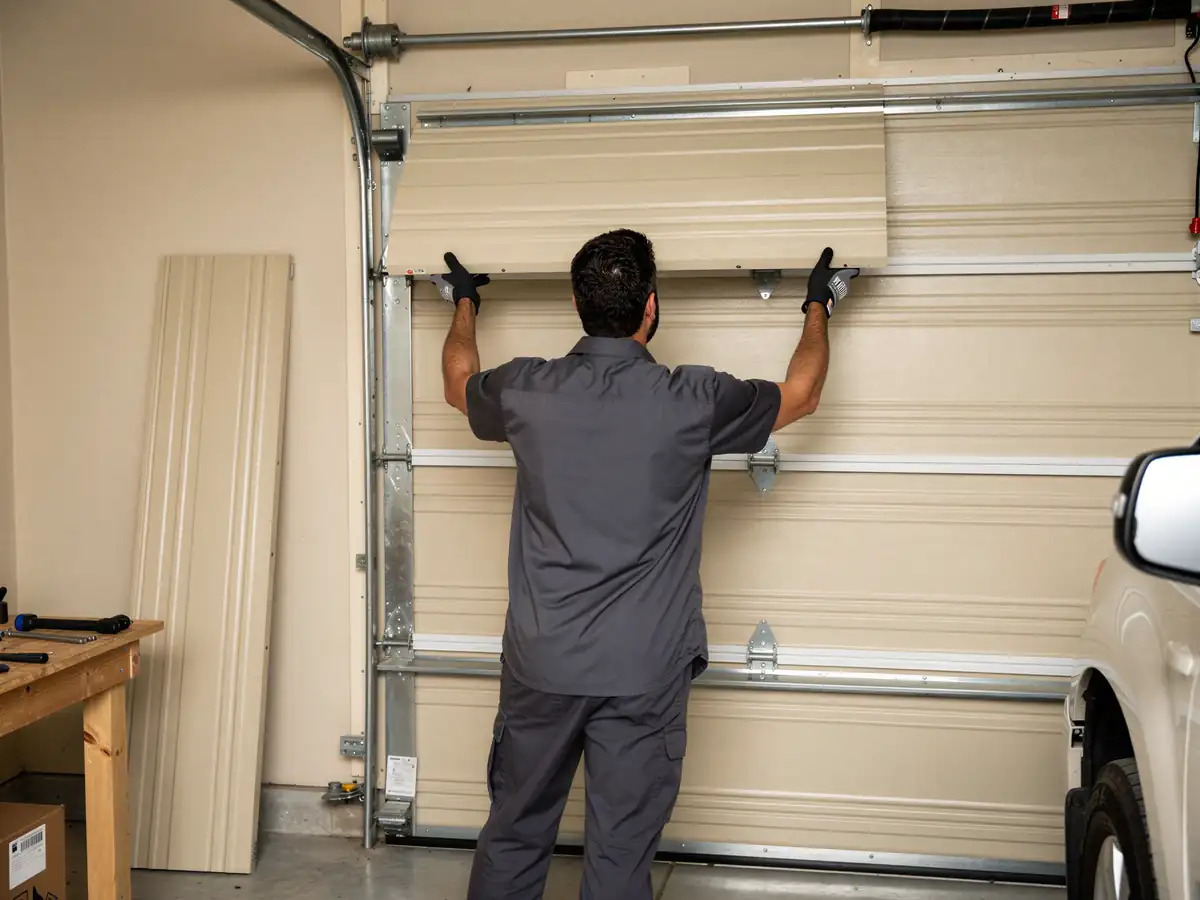
Lithia Springs homes cluster around a 1990 build year, and on most of those doors the panels have never been touched. That's 30-plus years of the same steel or aluminum sections, the same roll-formed seams, the same paint that's since chalked or faded a shade or two off whatever's on the rest of the door. We carry steel panel sections in the standard raised-panel and flush styles that shipped on builder-grade doors through the 90s, plus aluminum options for lighter replacements. What we can't promise is an exact color or embossing match on a door that old - manufacturers change panel profiles over the decades, and a single new section next to 30-year-old neighbors sometimes shows. We'll tell you straight if a close match exists or if you're better off doing the whole door. Hardware that rides along with a panel job - end stiles, struts, the hinges bolted to that section - usually gets swapped at the same time since it's already apart, and on a door this age it's rarely in good shape anyway.
Booking a Visit
We run out of Acworth, about 19 miles from Lithia Springs, so a visit here gets scheduled rather than walked up to same-hour. Tell us the door's rough age, how many panels are affected, and whether it's steel or aluminum, and we'll bring stock that's likely to fit before we've even seen the garage. If you're not sure what's wrong - a bowed panel versus a cracked one versus hardware that's just loose - start on the Lithia Springs garage door page for the broader picture, or see how we handle the same job for Acworth itself if you want to compare scope.
Where This Job Goes Sideways
The job goes sideways when a homeowner wants one panel replaced on a door where the model's been discontinued or redesigned since 1990, and the only panel we can source doesn't match the embossing or the color on the rest of the door. We'll say so before we order anything. It also goes sideways on doors where the track or rollers are as old as the panels - swap a panel onto hardware that's binding or bent and you've fixed the visible problem while the real one's still there. We'd rather tell you up front that the whole door's closer to the end of its run than sell you a patch that doesn't hold.
How It Shows Up
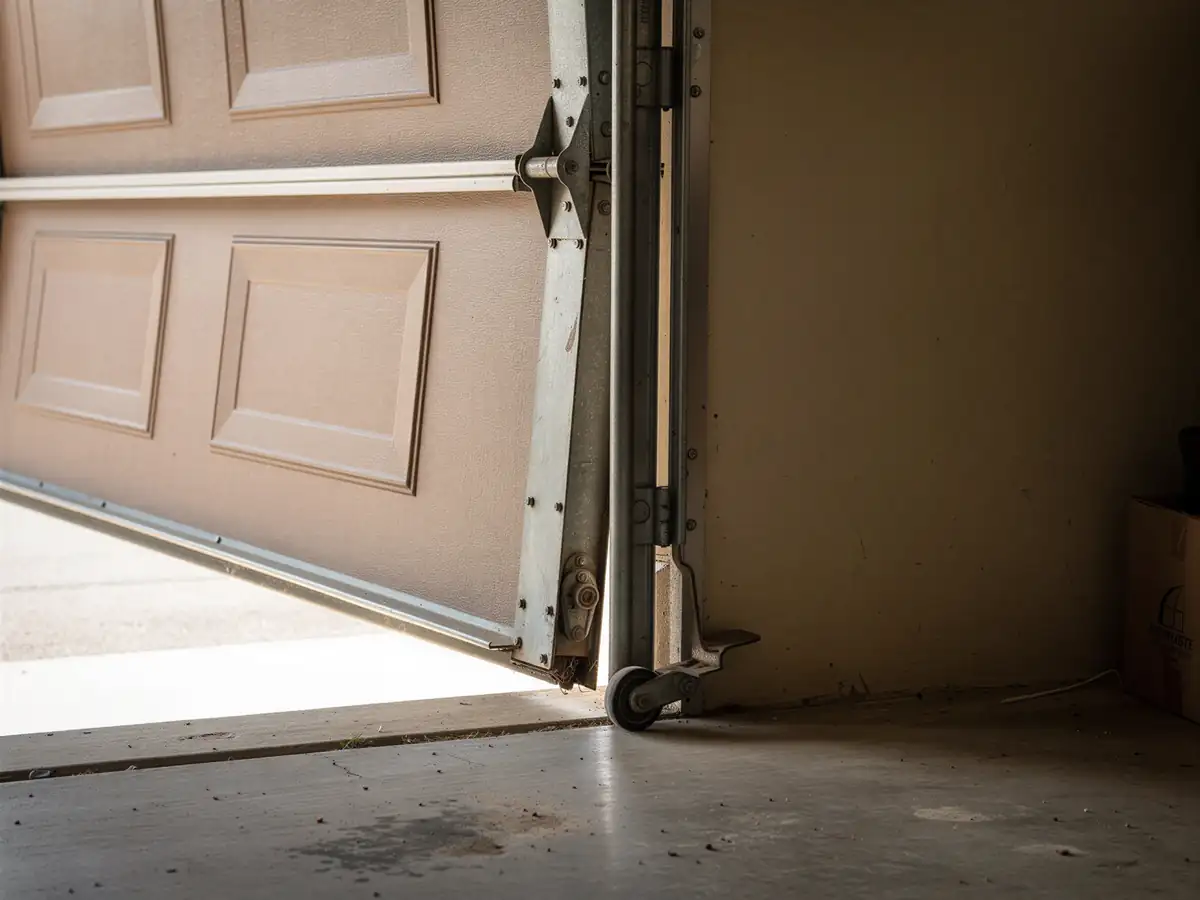
Usually it starts as a dark line along the bottom edge of the lowest panel, right where it meets the weatherstrip - that's rust working through from the inside. Sometimes it's a dent from a trash can or a bumper that's gone unnoticed for a season until the panel starts binding against the track. On doors from this era you'll also see seam separation: the panel looks fine from a few feet back but up close the horizontal ribs have pulled apart slightly where the steel has fatigued. None of these fix themselves, and all of them get cheaper to fix the earlier you catch them.