Parts We Carry
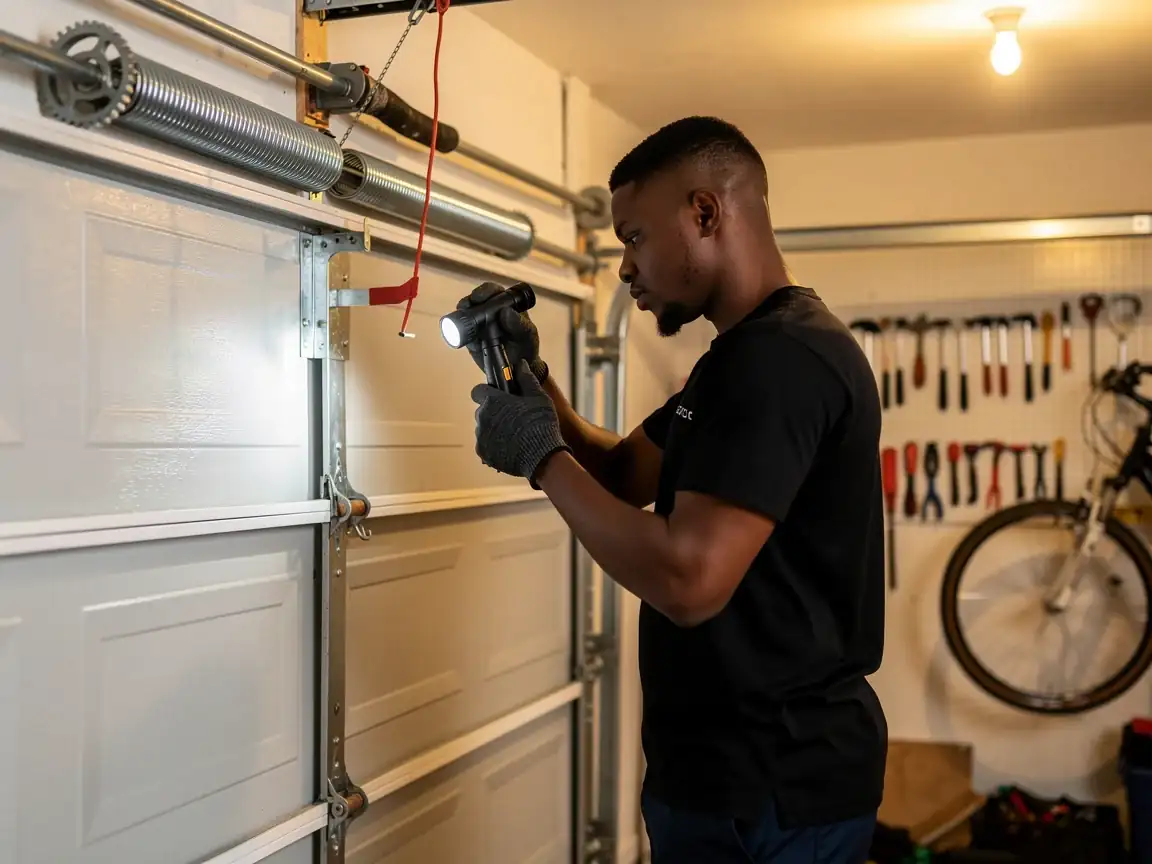
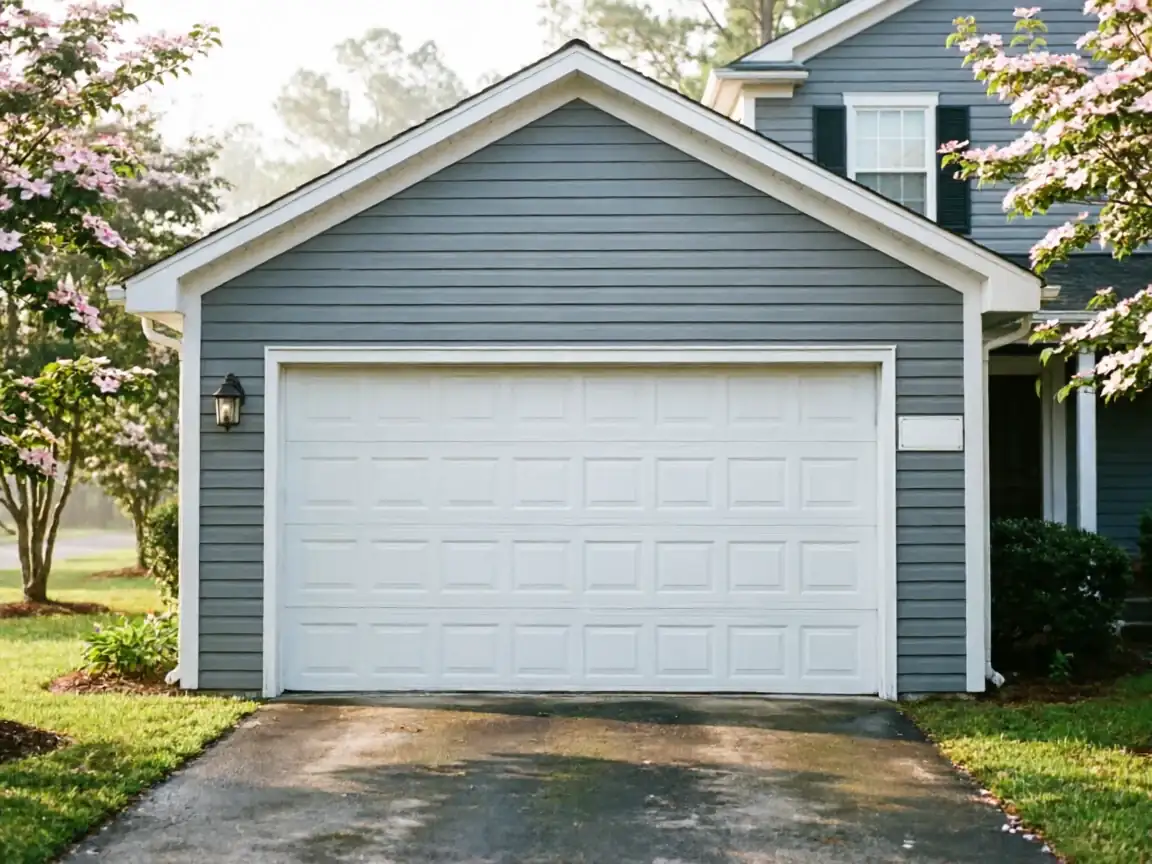
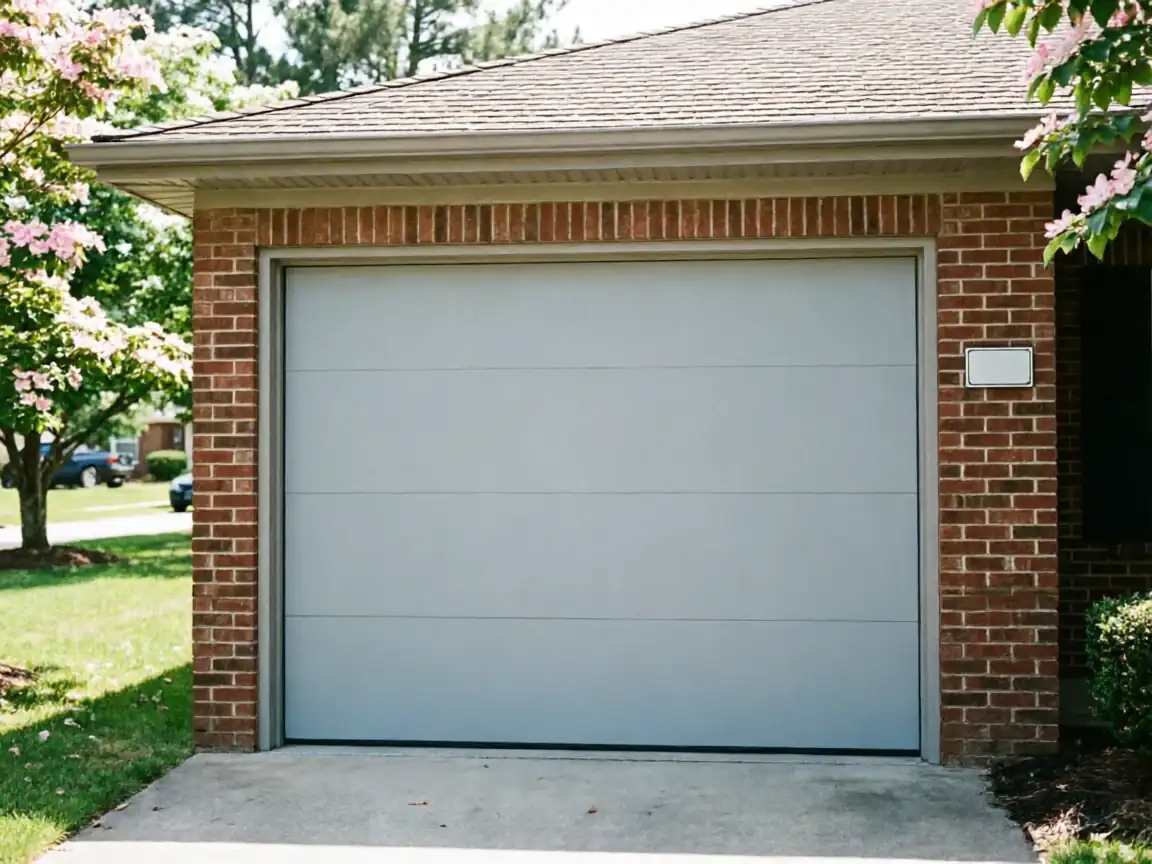
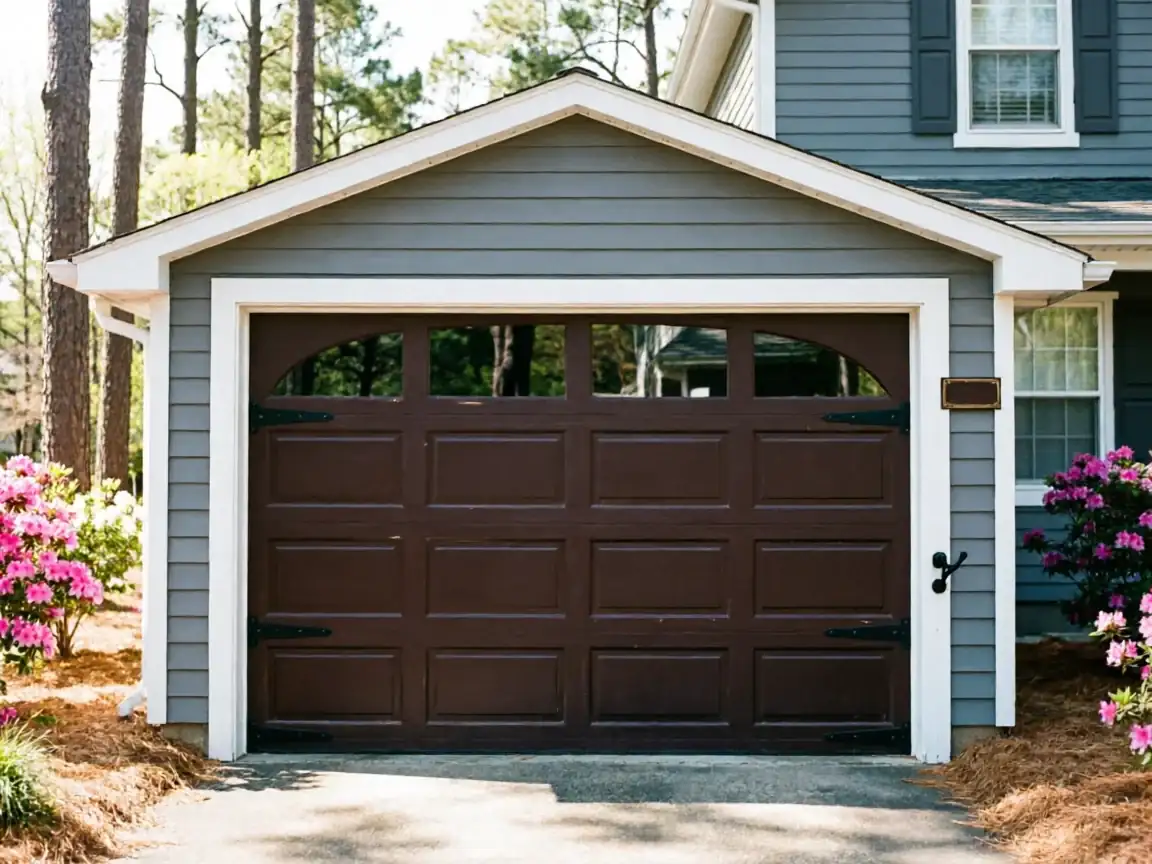
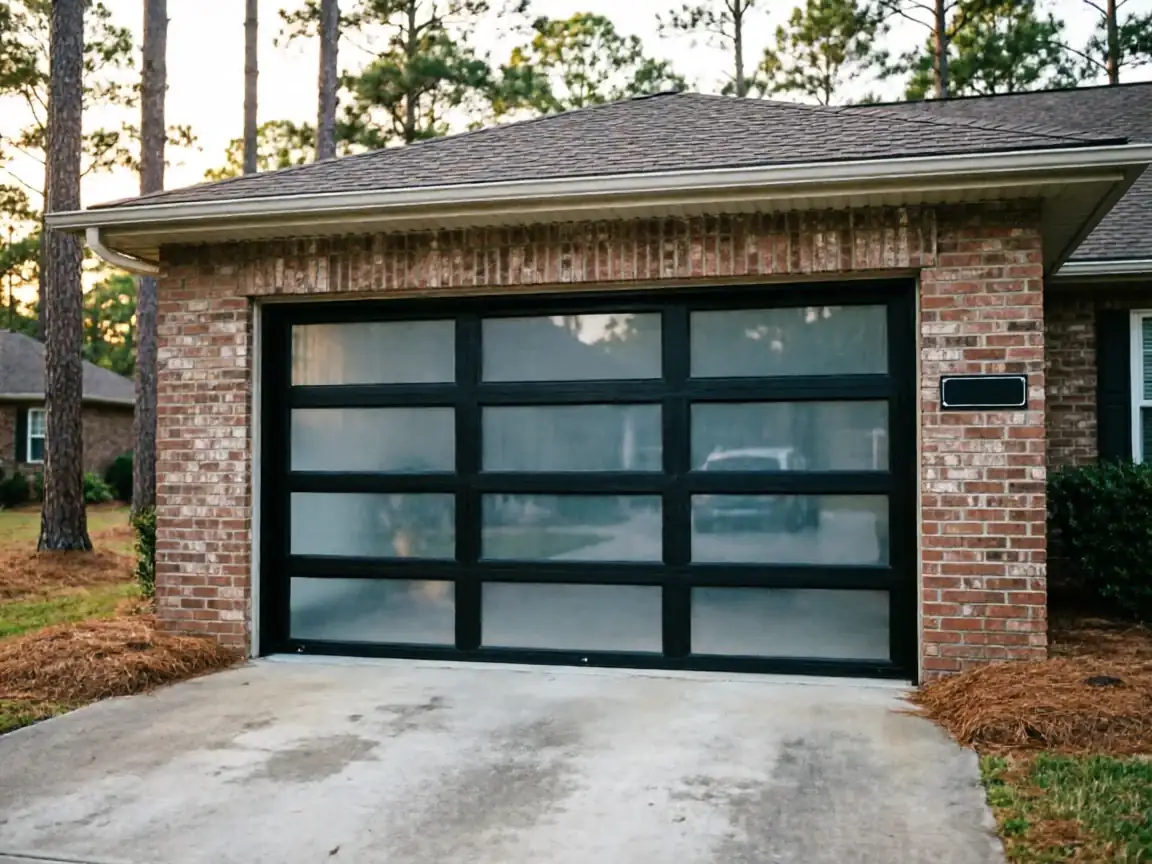
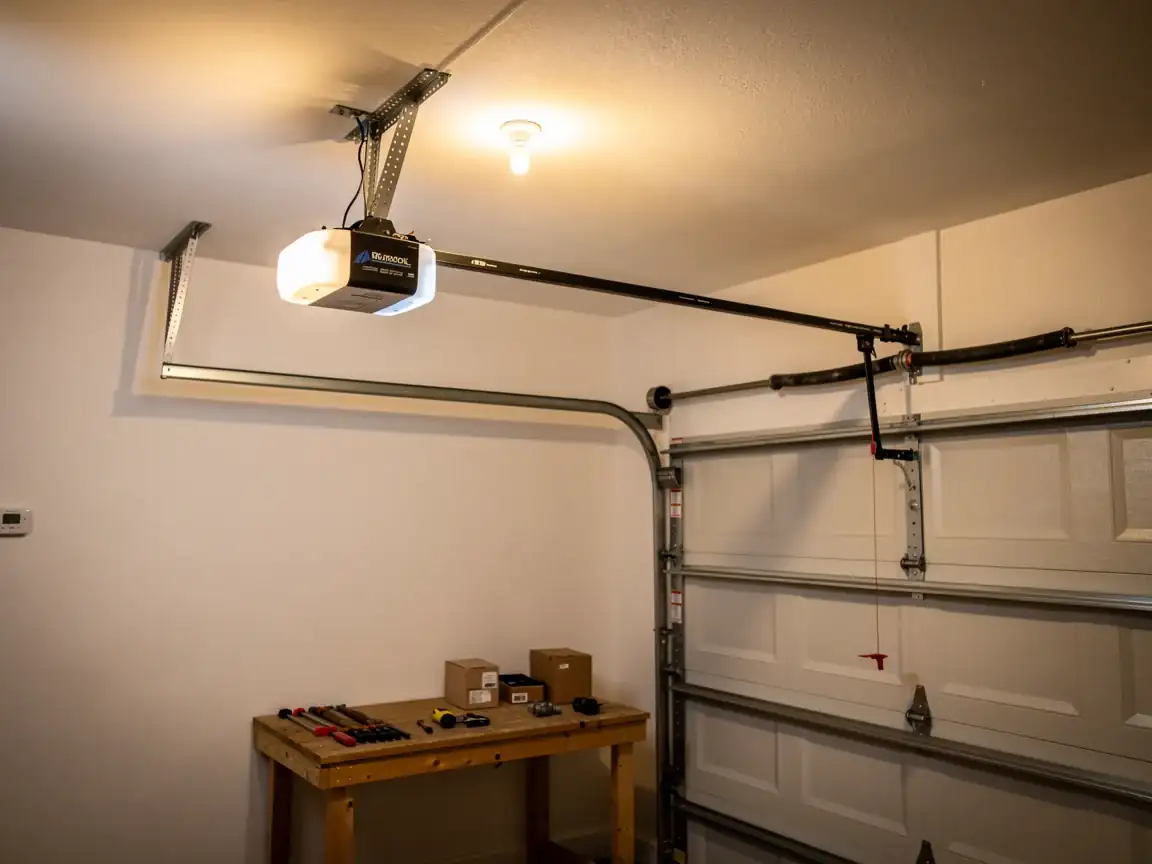
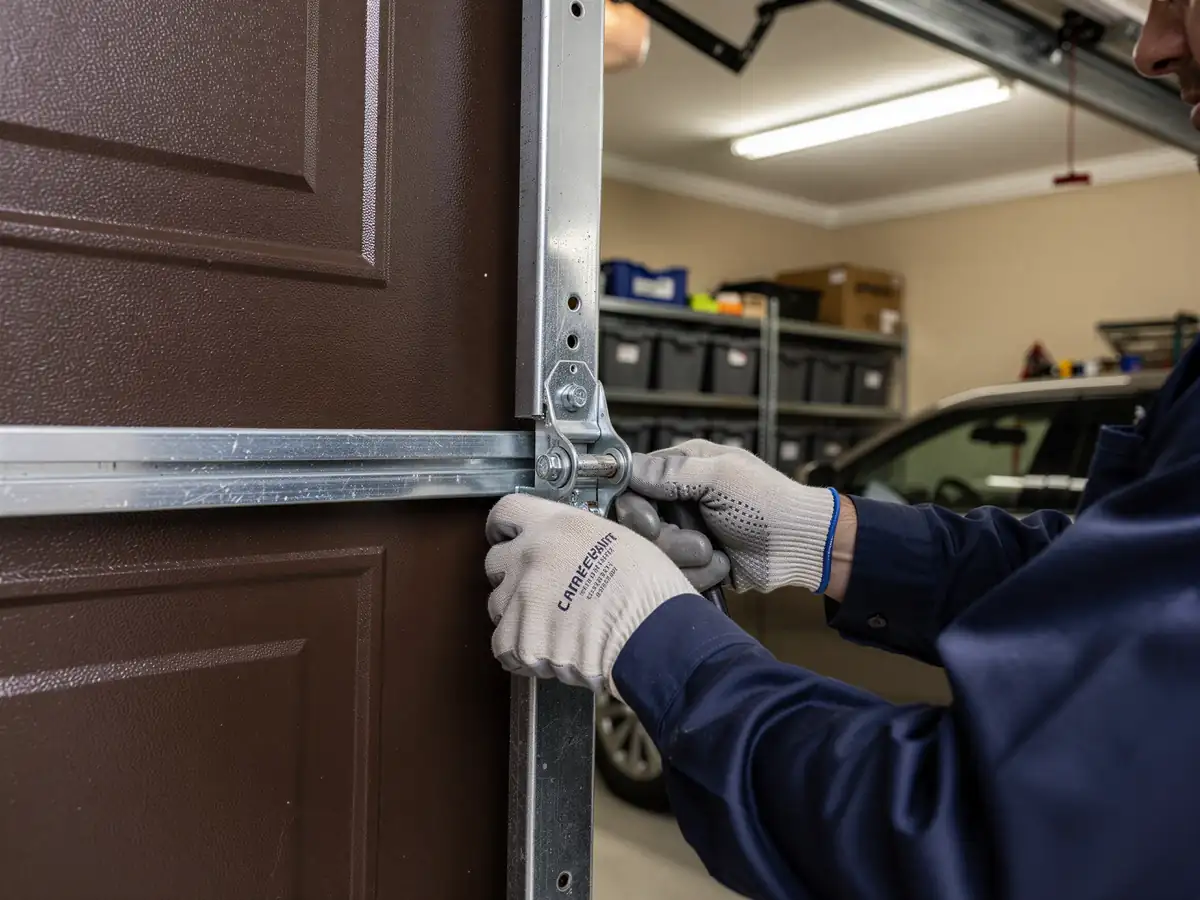
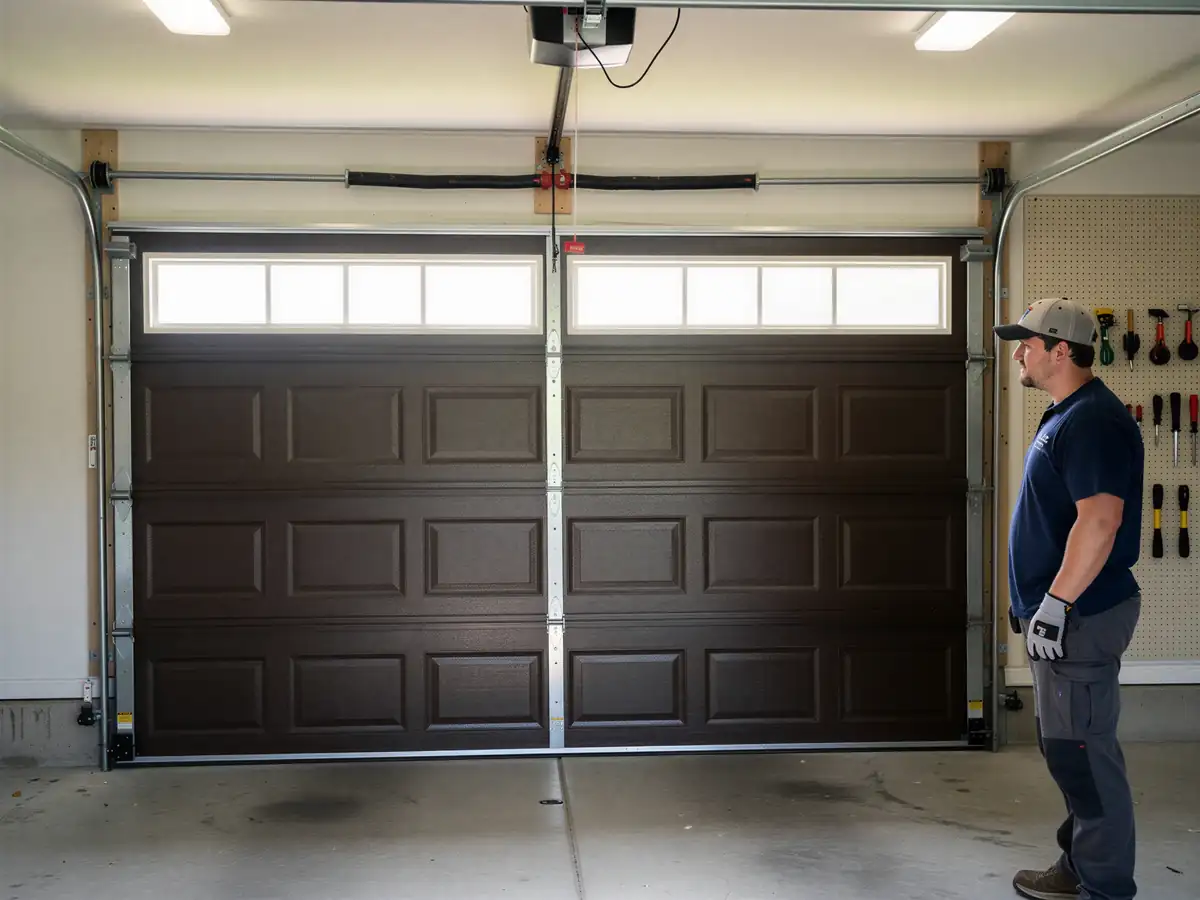
Houses in Lithia Springs mostly went up around 1990, part of the broader run of 1980s and 90s construction that covers a dozen areas in this part of Georgia. That build year matters more than people think. A garage door from 1990 came standard with a steel sectional door, a single torsion spring sized for a lighter non-insulated panel, and galvanized roller hardware that was never meant to outlast the house. We carry torsion springs in the sizes that era used, along with the extension-spring conversions some of these houses got when an owner swapped doors without upgrading the lift system. We also stock standard-width tracks and rollers that fit the original framing, since a lot of these openings were never cut for today's wider insulated doors. What we don't carry on the truck is anything custom-milled - if a door's been modified from the original opening, that part gets ordered, not pulled off a shelf.
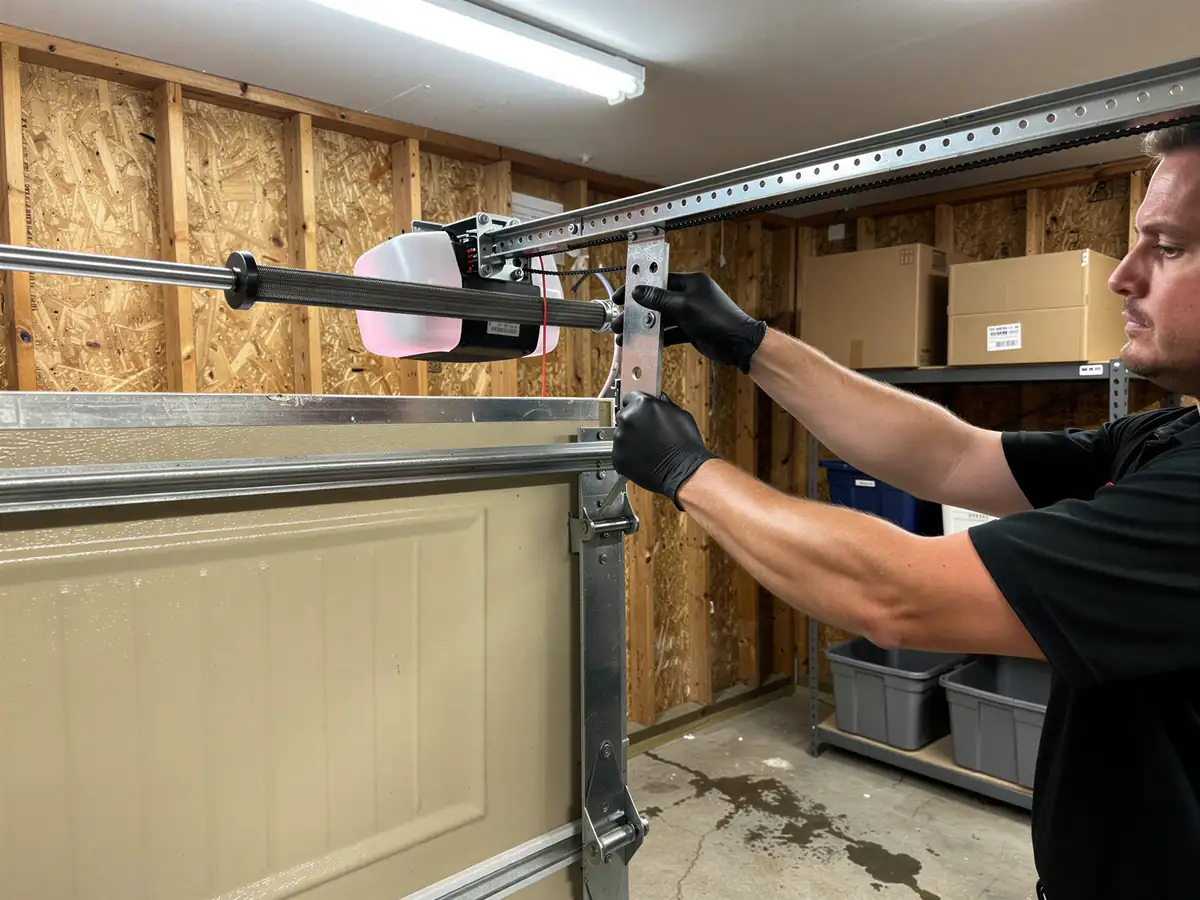
Openers from that period are mostly long gone, replaced once or twice already, so most calls here are about the door and track, not the motor. We bring circuit boards and sensors for the common chain and belt drive brands sold through the 90s and 2000s, since that's what still shows up in these garages.
The Cost of This Job
Lithia Springs runs a median household income of $54,982
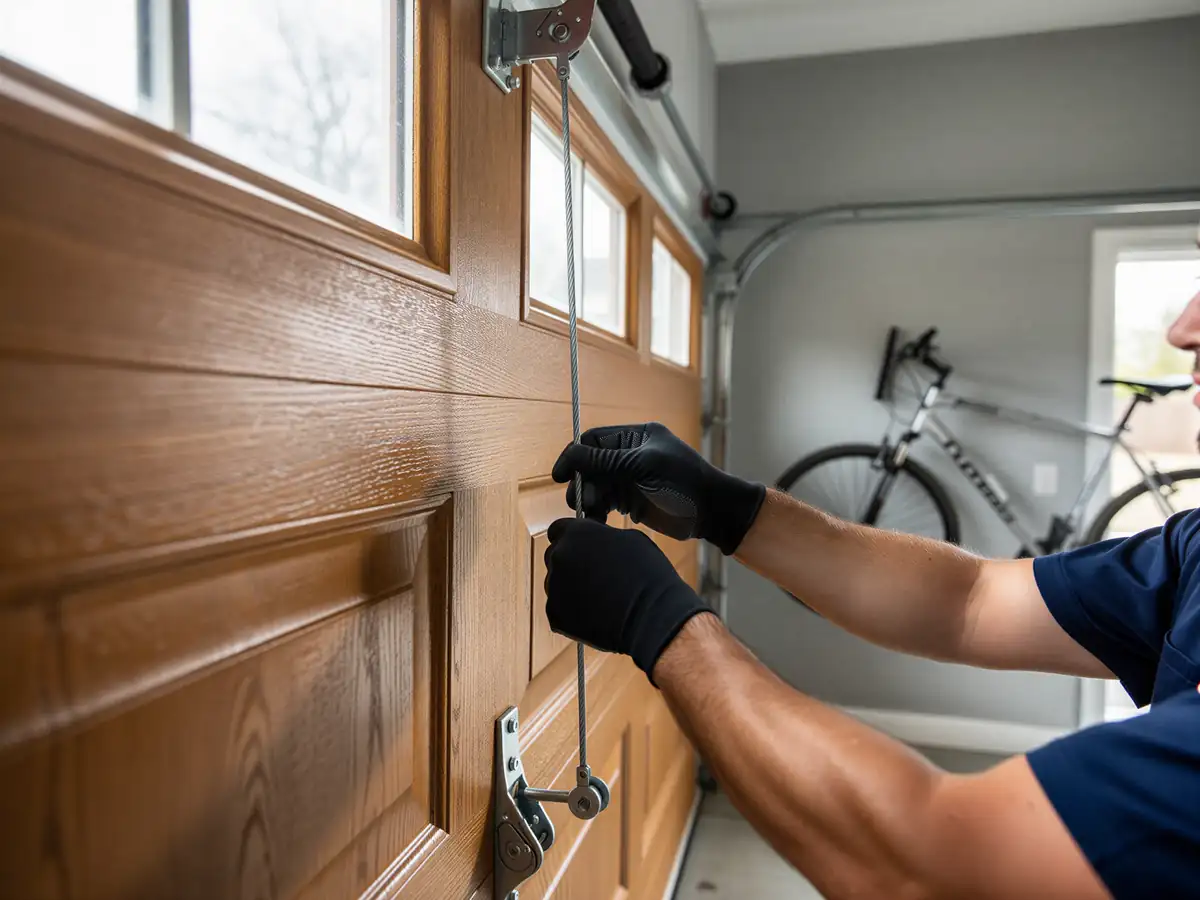
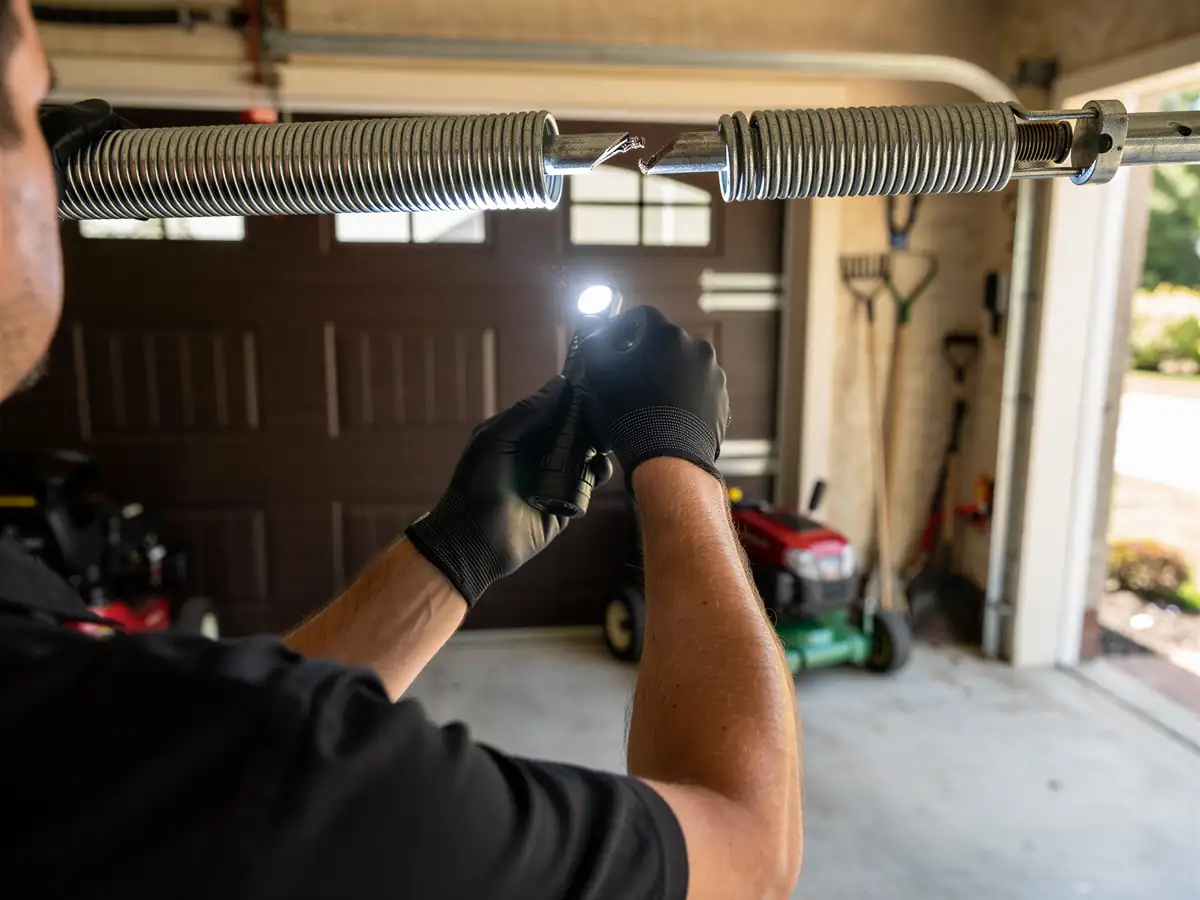
And that shapes which jobs we actually get called for. Most owners here aren't looking to replace a whole door on a whim - they want the spring fixed, the track straightened, the opener repaired, and they want to know it'll hold. A broken torsion spring replacement is usually the most common call on a house this age, and it's a contained job: spring, cable if it's worn, a safety check on the rest of the hardware while we're in there.
- $54,982 median household income
Full door replacement runs higher
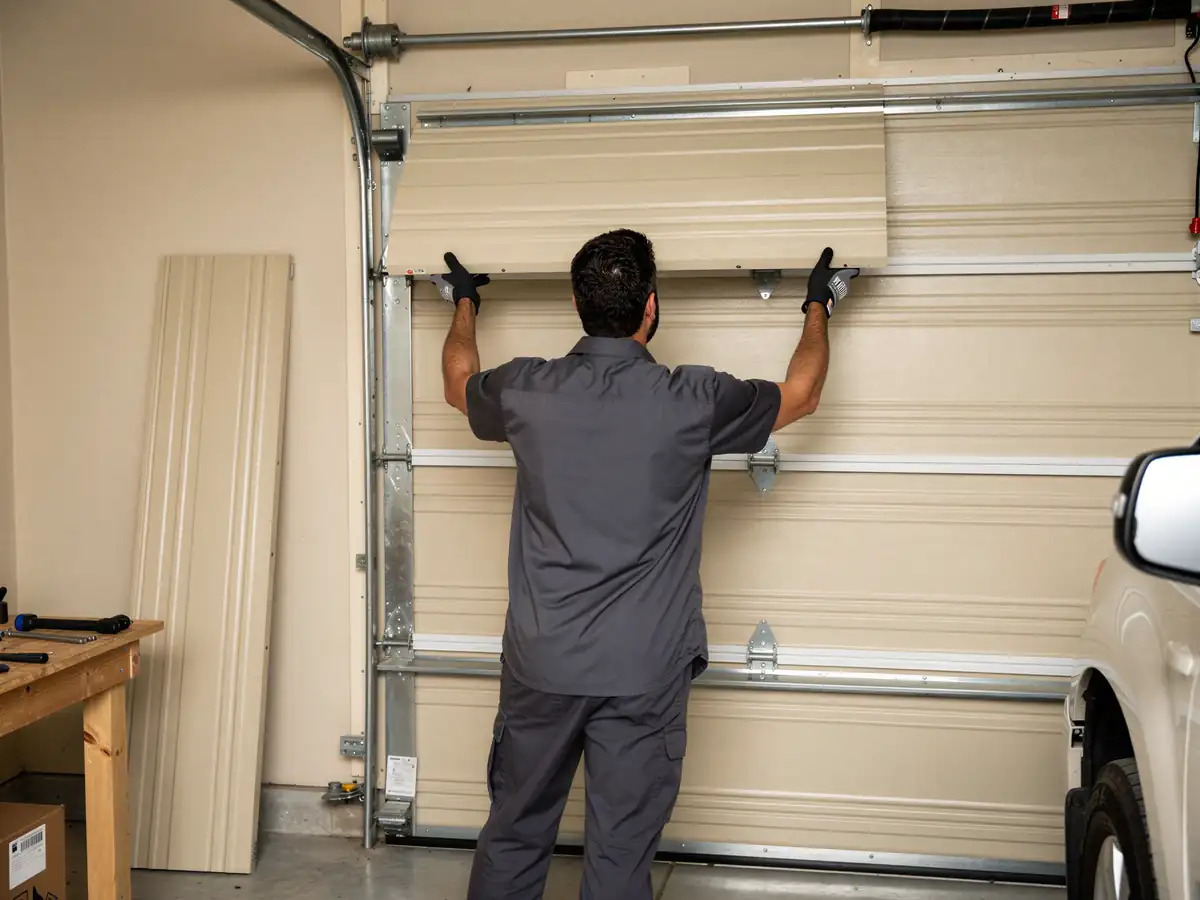
And on a budget like this area's median, most homeowners choose a standard steel sectional over an insulated or custom-panel door unless the old one is damaged beyond repair. We'll tell you straight if a repair makes more sense than a replacement - on a 1990s door with a bent track but sound panels, fixing the track almost always beats buying new.
Booking a Visit
We run out of Acworth, and Lithia Springs sits about 19 miles south, which puts it near the outer edge of the territory the truck covers in a day. That distance doesn't change the work once we're there, but it does mean scheduling depends on how the day's route lines up - we're not based in town, so same-day isn't guaranteed the way it might be for a call closer to the shop.
When you call, tell us the door's age if you know it and what it's doing - won't open, makes noise going up, one side hangs lower than the other. That lets us load the right spring size and hardware before we leave, instead of guessing once we're on site.
Where This Job Goes Sideways
The mistake we see most on houses from this era is someone replacing a broken spring with whatever size was on the shelf at a hardware store, without matching it to the door's actual weight. On a 1990s steel door, that's usually close enough to work for a while, then the opener starts straining, burns out early, or the door slams down hard enough to bend a track. We also see owners try to adjust spring tension themselves - on a torsion system, that's a job that's hurt people, and it's not one we'll walk you through over the phone.
The other sideways moment: a track that's been bent and hammered back into rough shape instead of replaced. It looks fine standing still, then the rollers bind under load and the door comes off the rail. That one's cheap to fix early and expensive to fix after it's wrecked a panel.
What Causes It Around Here
The service area sits in a cold-moderate climate
Which means garage door hardware here goes through real seasonal swings - expansion and contraction on metal tracks and torsion springs across the year, not the steady mild conditions that let hardware coast for decades elsewhere. On a door installed around 1990, that's close to 35 years of cycling through those swings on original springs and rollers in a fair number of cases.
- 35 years
Most of the failures we see on houses this age come down to the spring simply reaching the end of its cycle count
Or rollers that have worn enough to let the door wobble off true in the track. It's not dramatic - it's just metal doing what metal does after three decades of daily use in weather that moves.
How It Shows Up
On a door built around the 1990 era, the first sign is usually the door hesitating partway up, or the opener running longer than it used to before the door actually moves. That's the spring losing tension gradually rather than snapping outright, though it can still go all at once - a loud bang and the door drops. Noise is the other tell: grinding or popping as it travels usually means the rollers are worn past where lubrication helps.
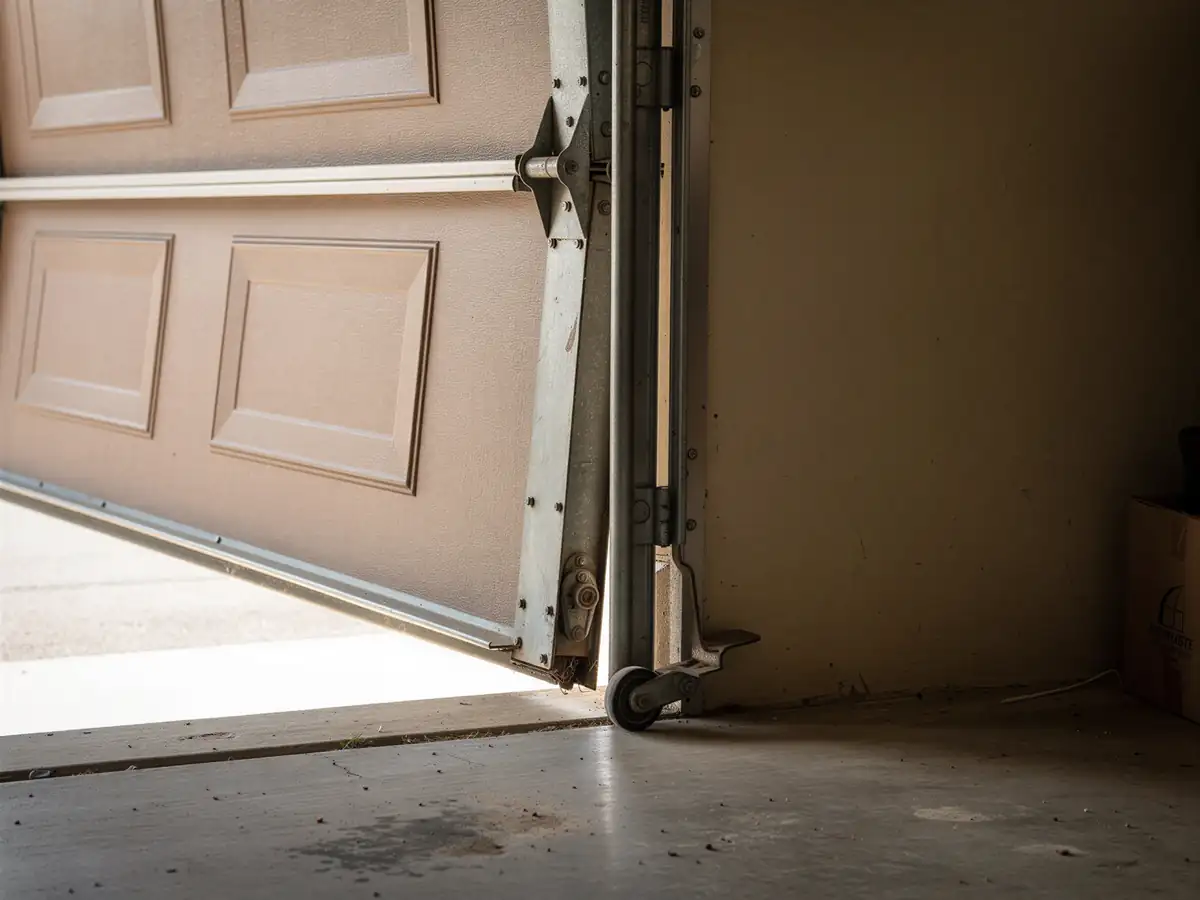
If one side of the door looks lower than the other when it's down, that's a cable or a spring on one side giving out before its pair, common on doors where only one spring was ever replaced. None of this is an emergency you have to solve the same hour, but it doesn't fix itself either - it gets worse each month it's left alone.