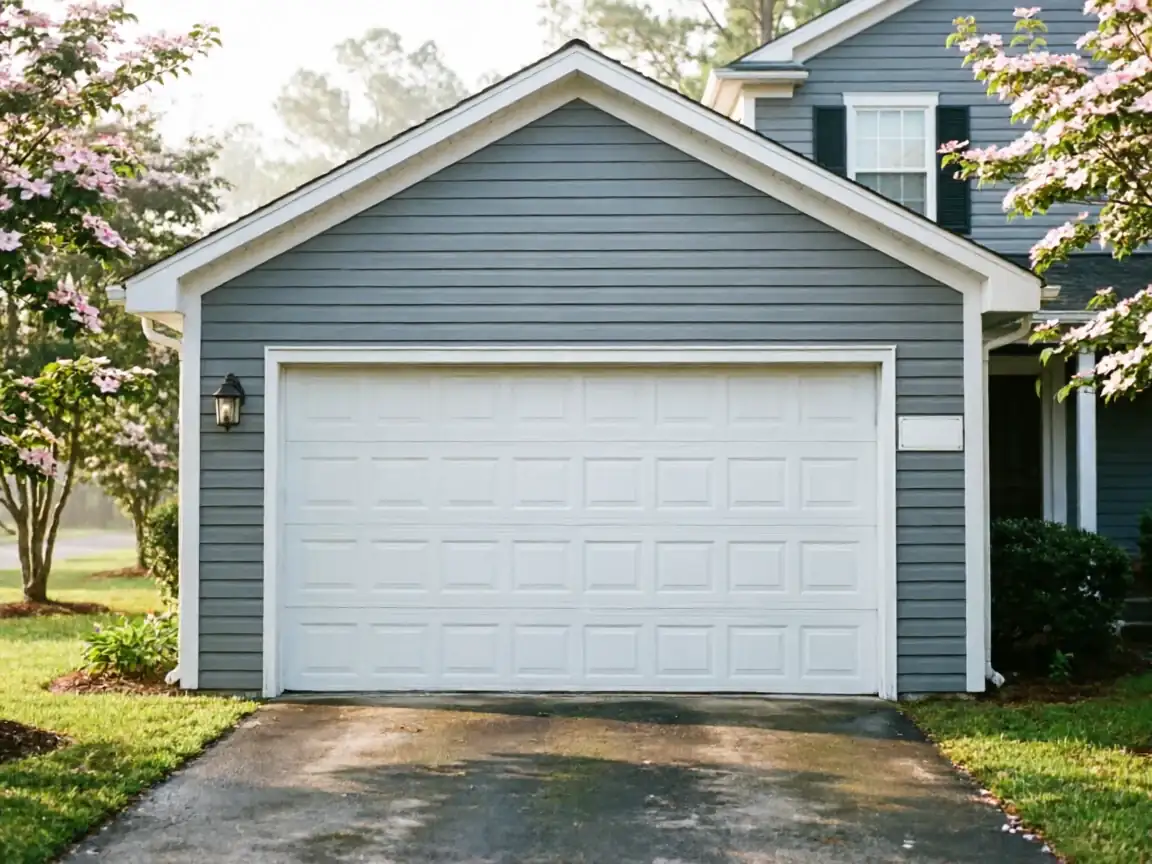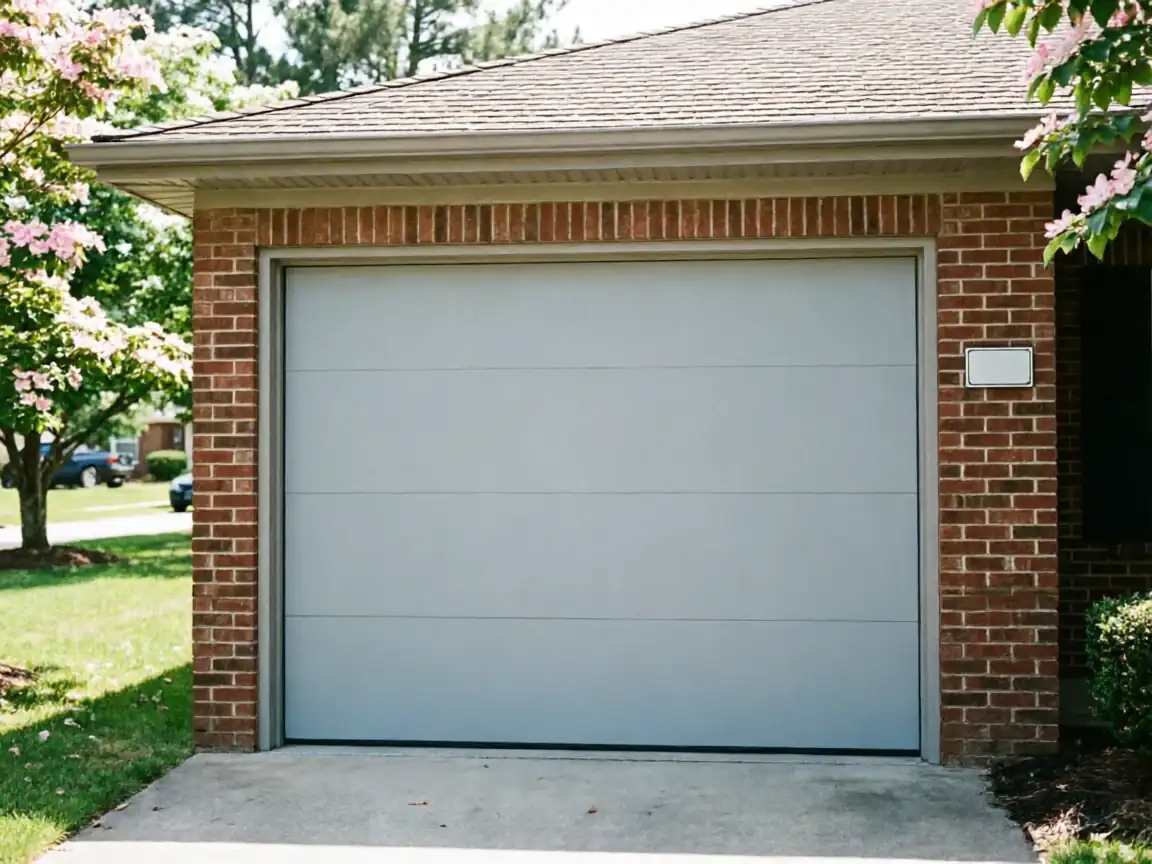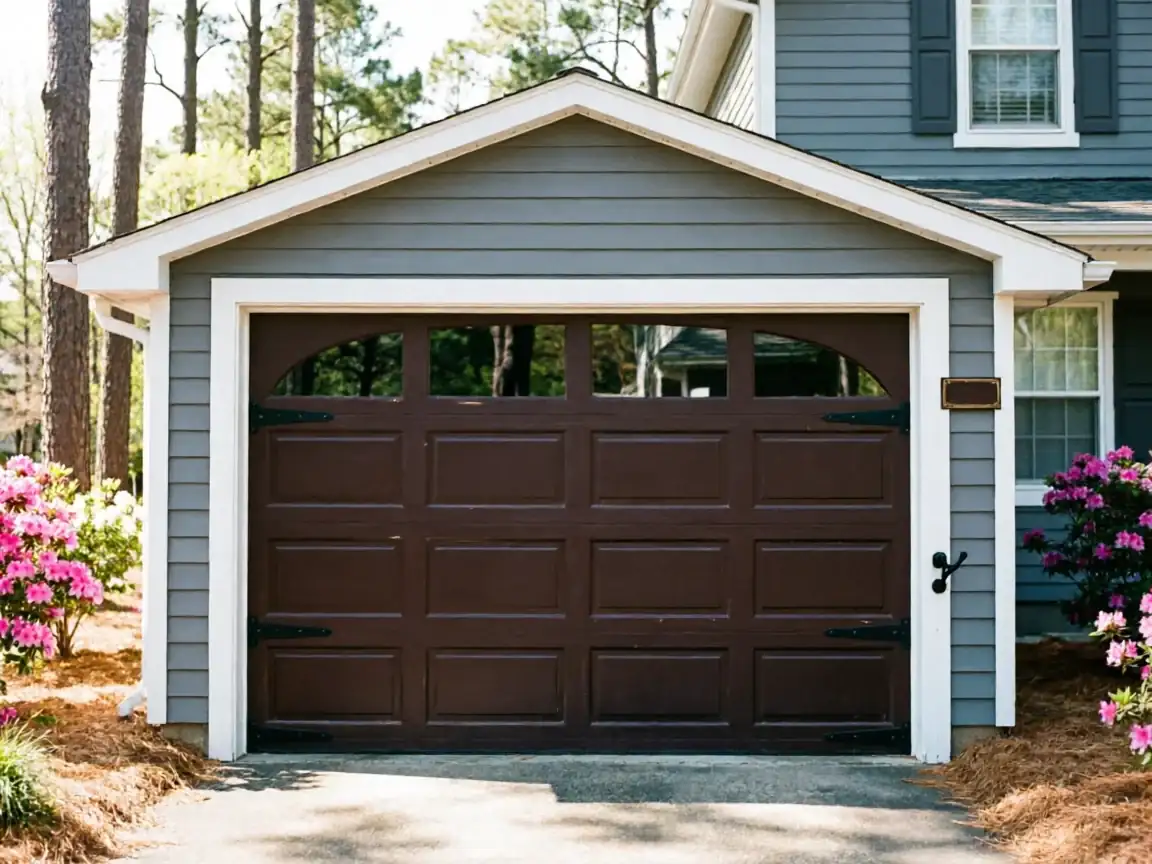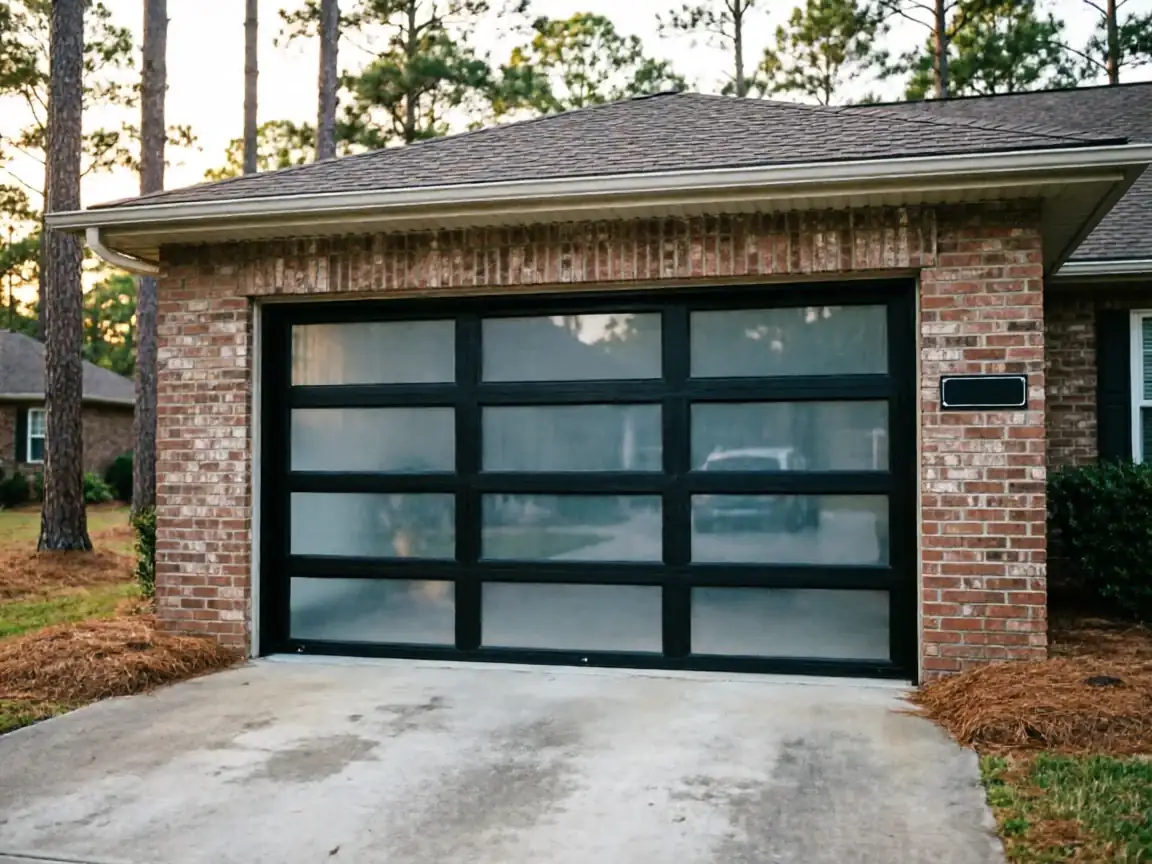
Parts We Carry
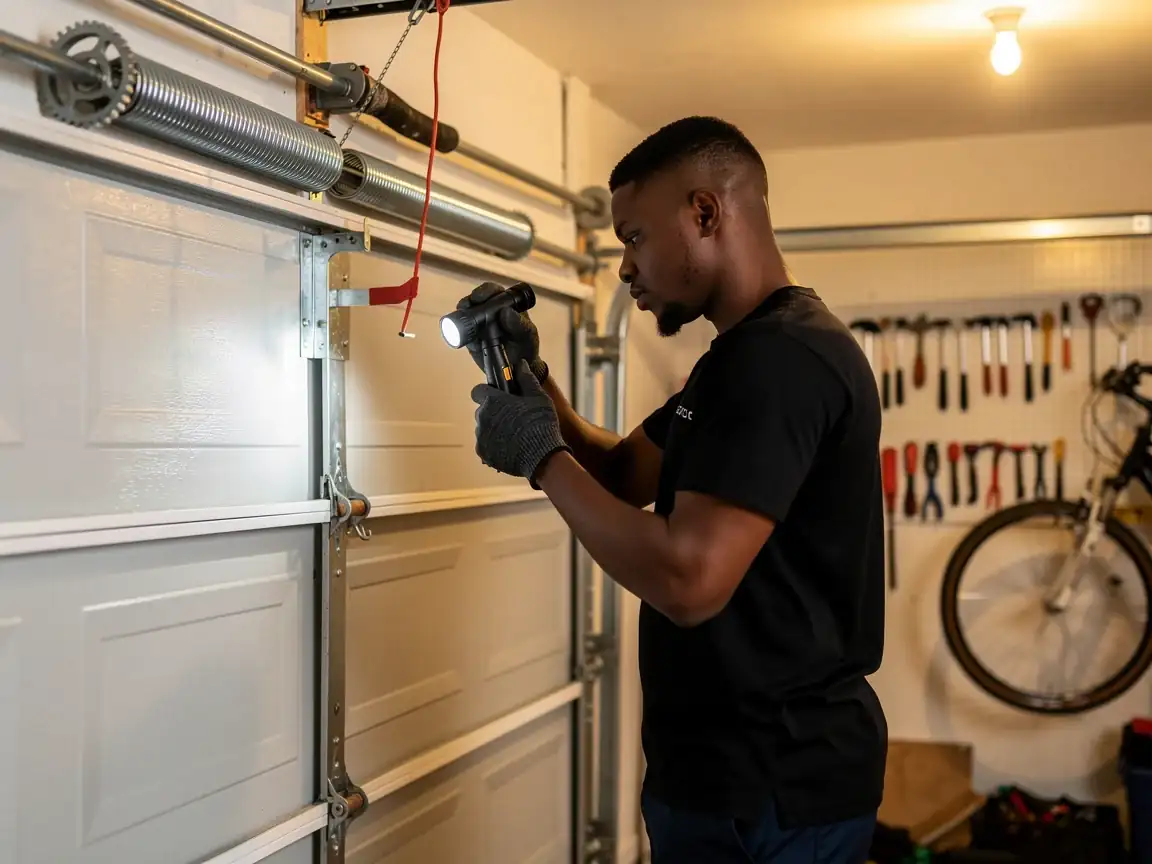
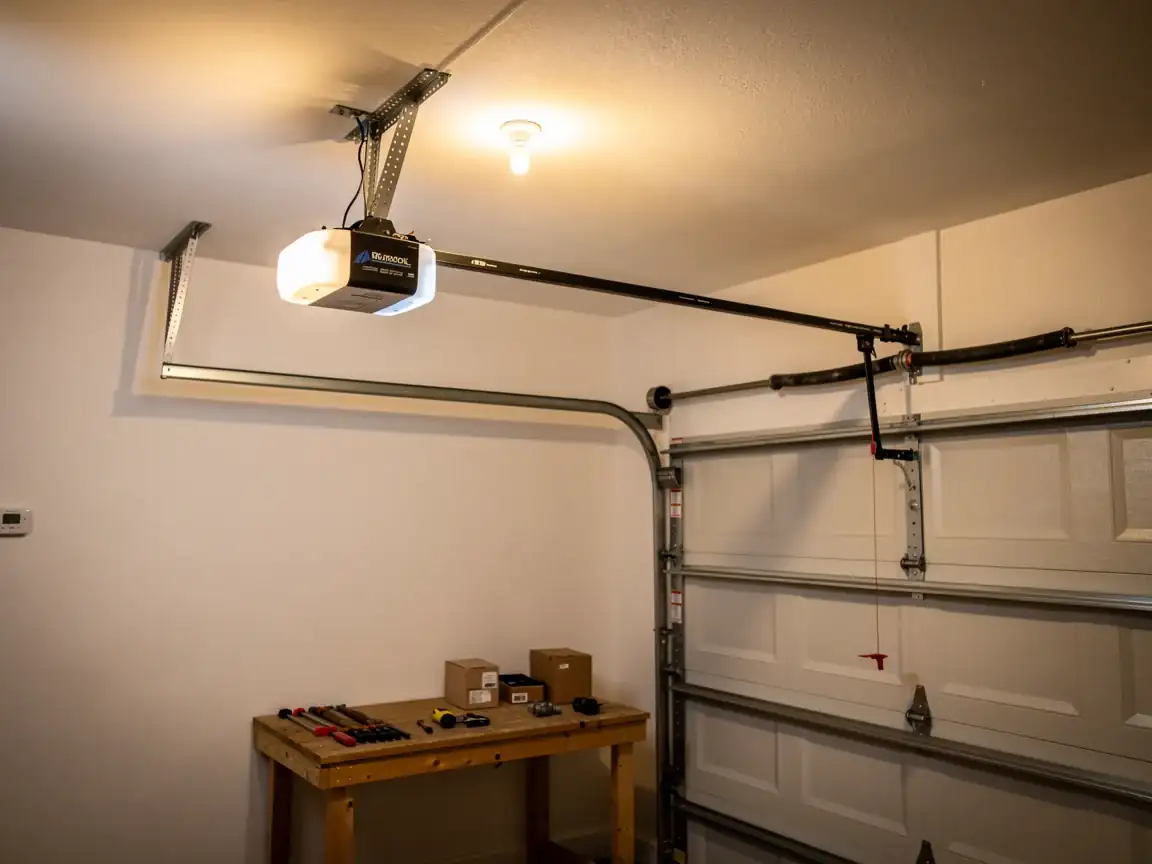
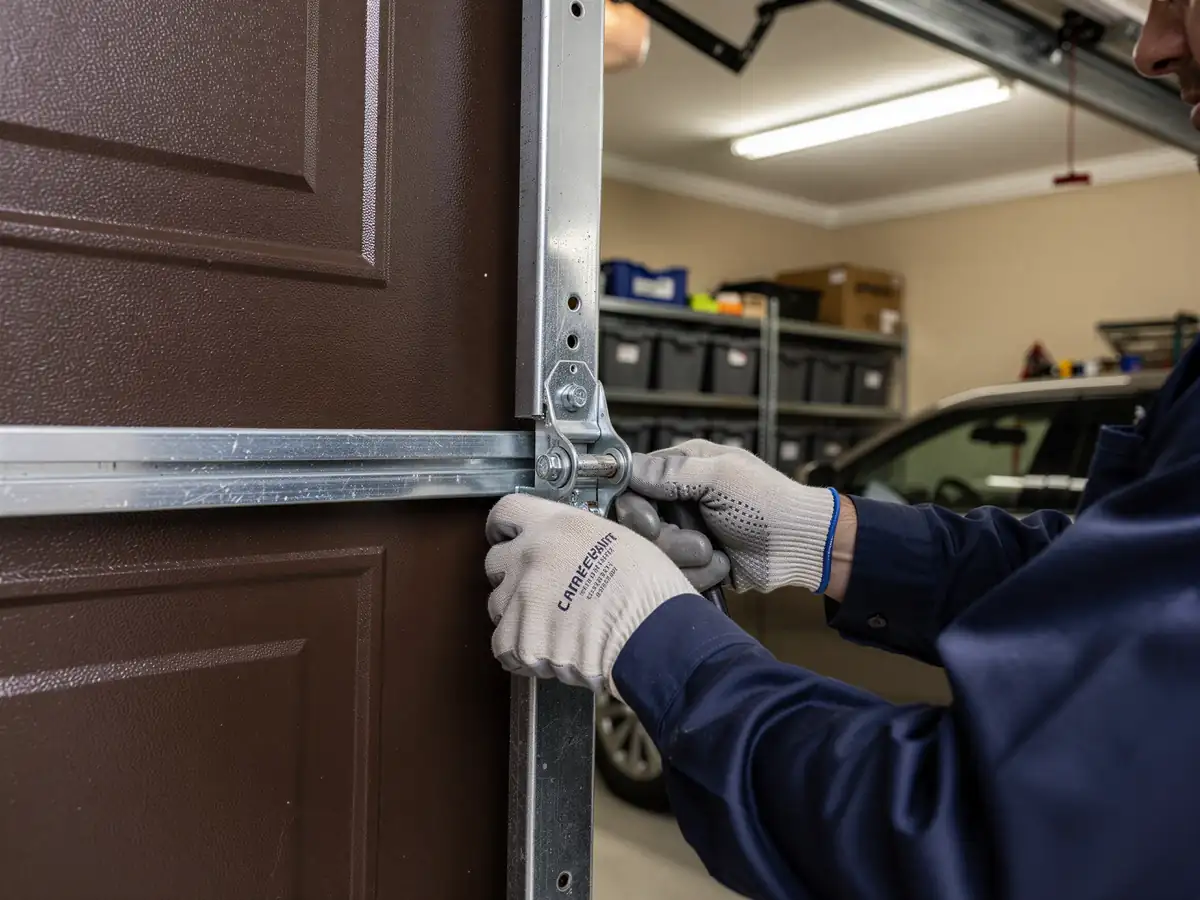
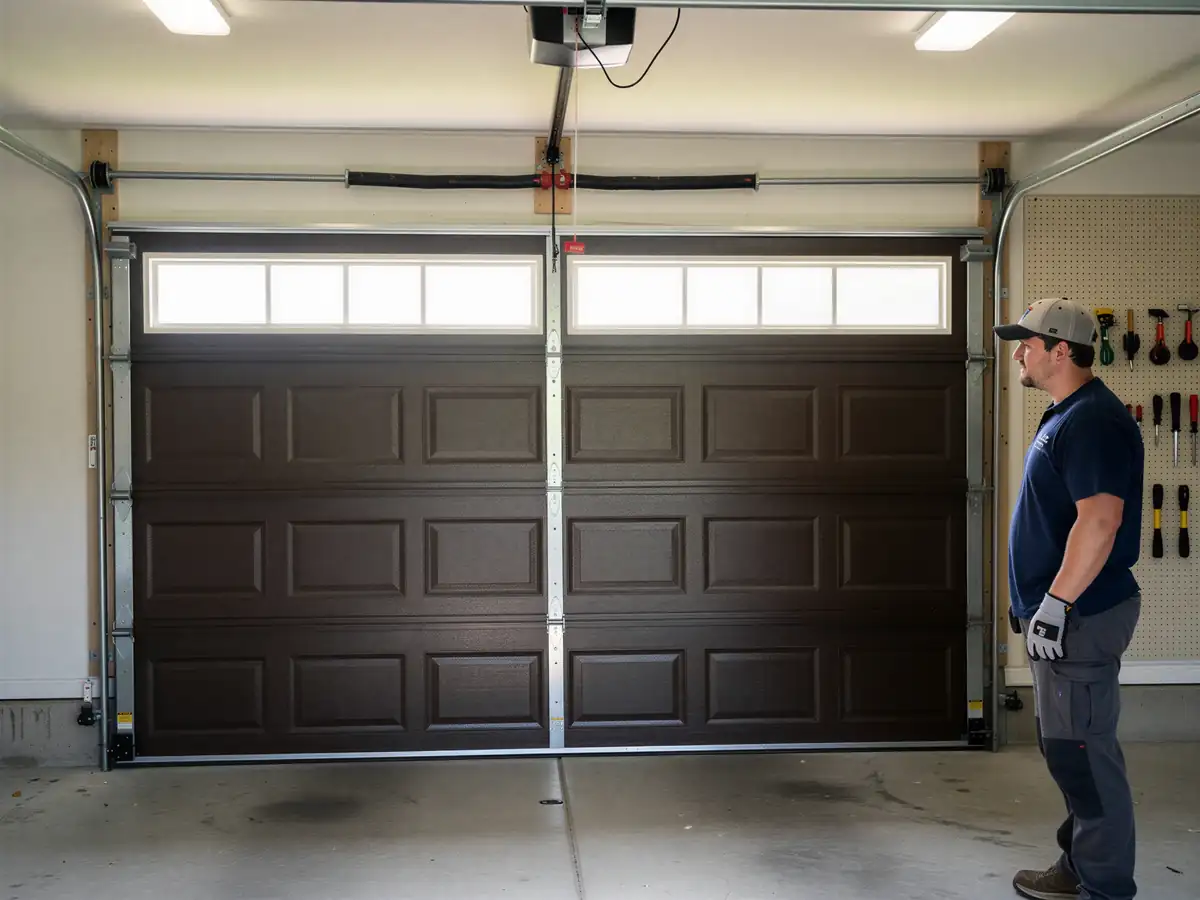
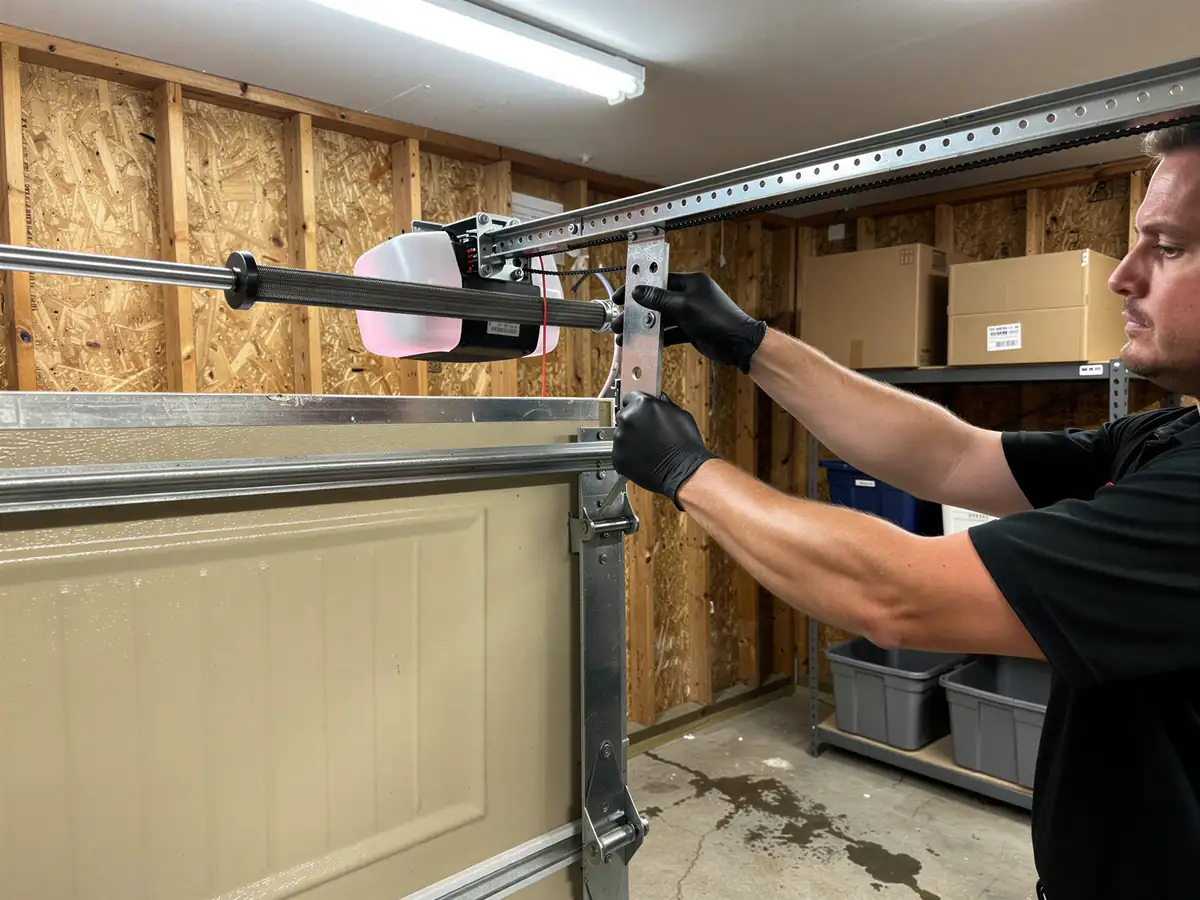
We stock what fits the houses out this way: torsion springs sized for single and double doors built on the standard track heights you see on homes from the late 1980s and 1990s, extension spring pairs for the older detached garages, and steel rollers and cables to match. Openers from that era usually take a standard chain or belt drive replacement rather than a specialty unit, so that part is rarely the holdup. What slows a job down is a less common panel size or a custom insulated door someone added later - those we may need to order rather than pull off the truck. We carry the common widths (8 and 9 foot doubles, 16 foot doubles) stocked and ready, because that's what most of Lithia Springs is running.
Booking a Visit
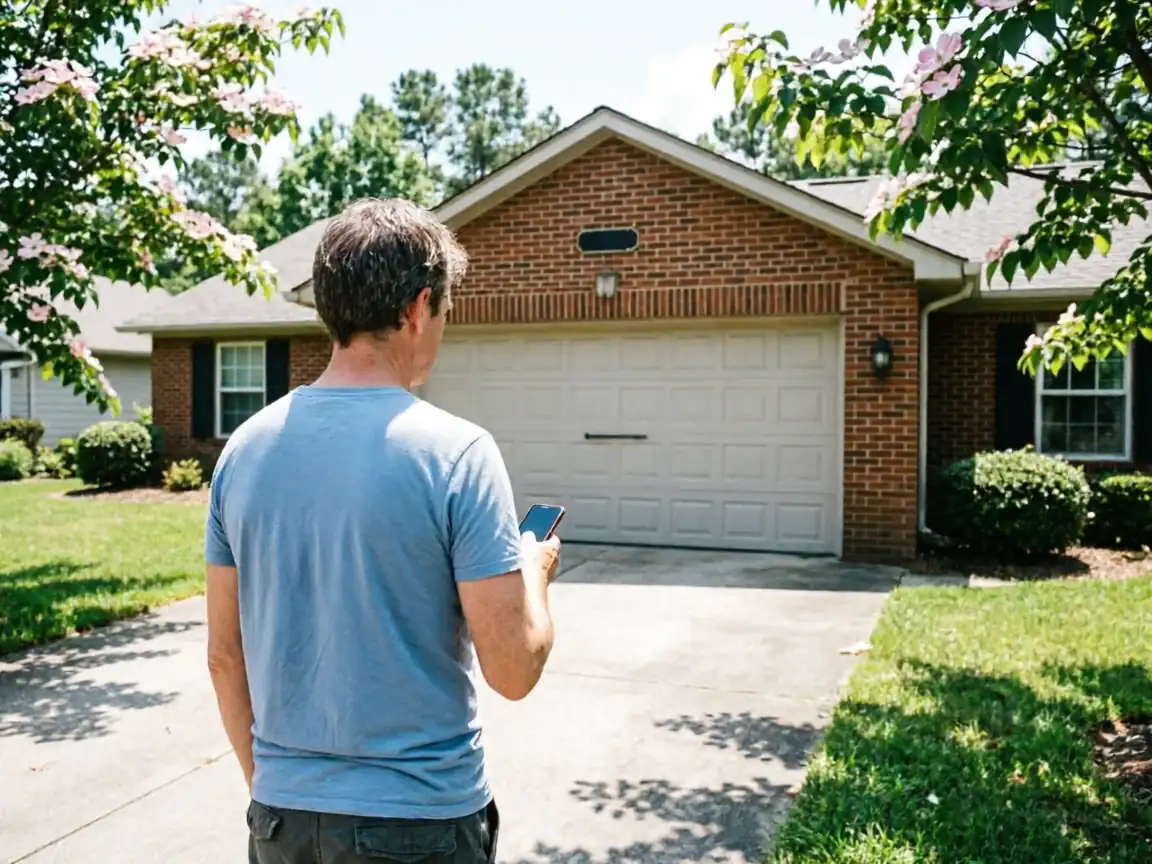
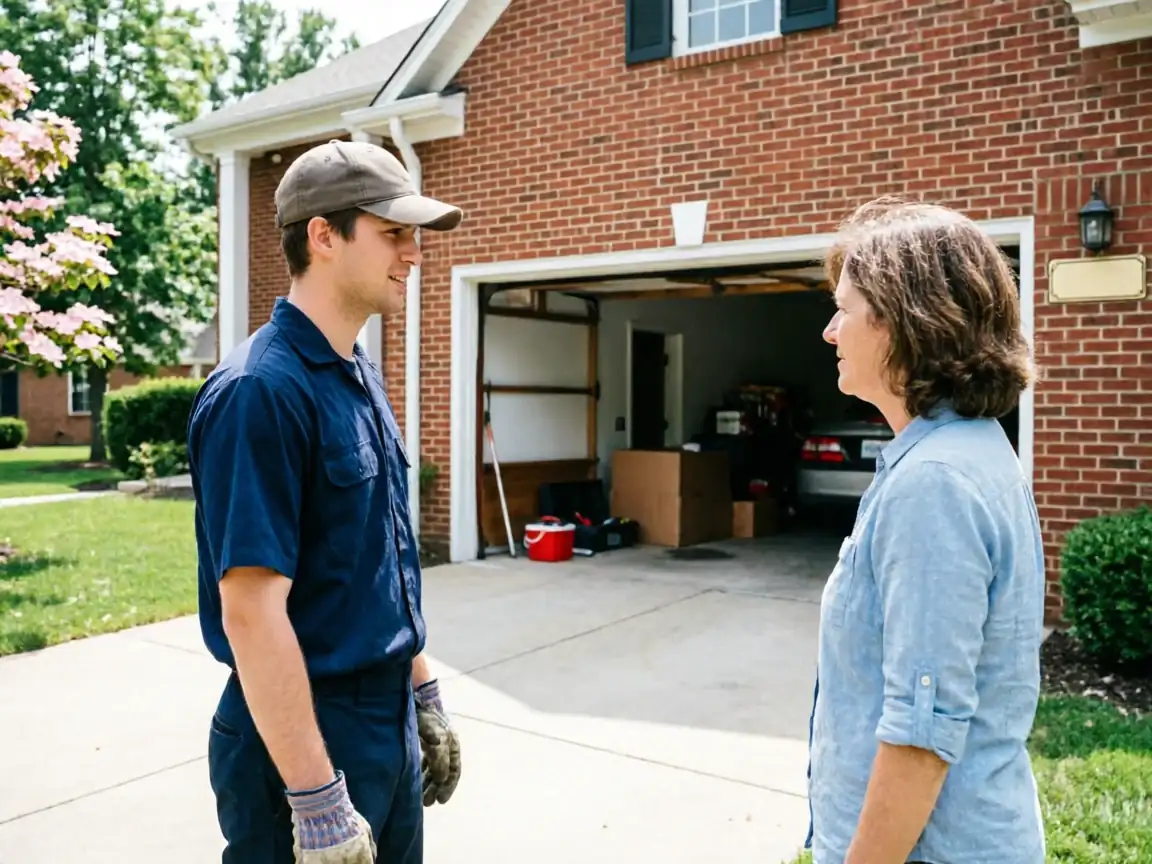
We run this job from Acworth, about 19 miles out. There's no branch or depot in Lithia Springs - we're a truck coming from the shop, not a local office, so when you call we're working out a drive time, not a walk-over. That distance doesn't change what we carry on the truck or how the repair gets done; it just means we schedule the trip rather than squeeze in a walk-by. If your door is stuck open or stuck shut and it's blocking a car in or out, say so when you call - that changes how the visit gets slotted, not the parts we bring.
Where This Job Goes Sideways
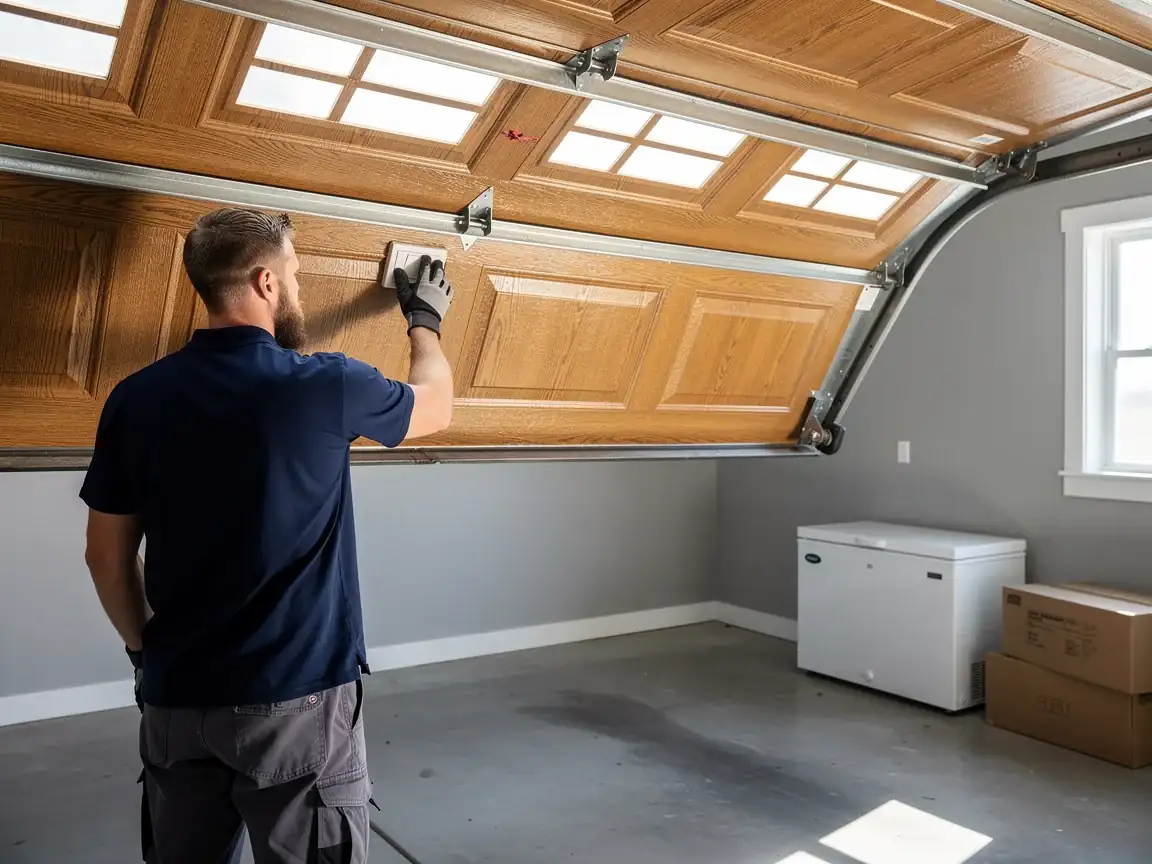
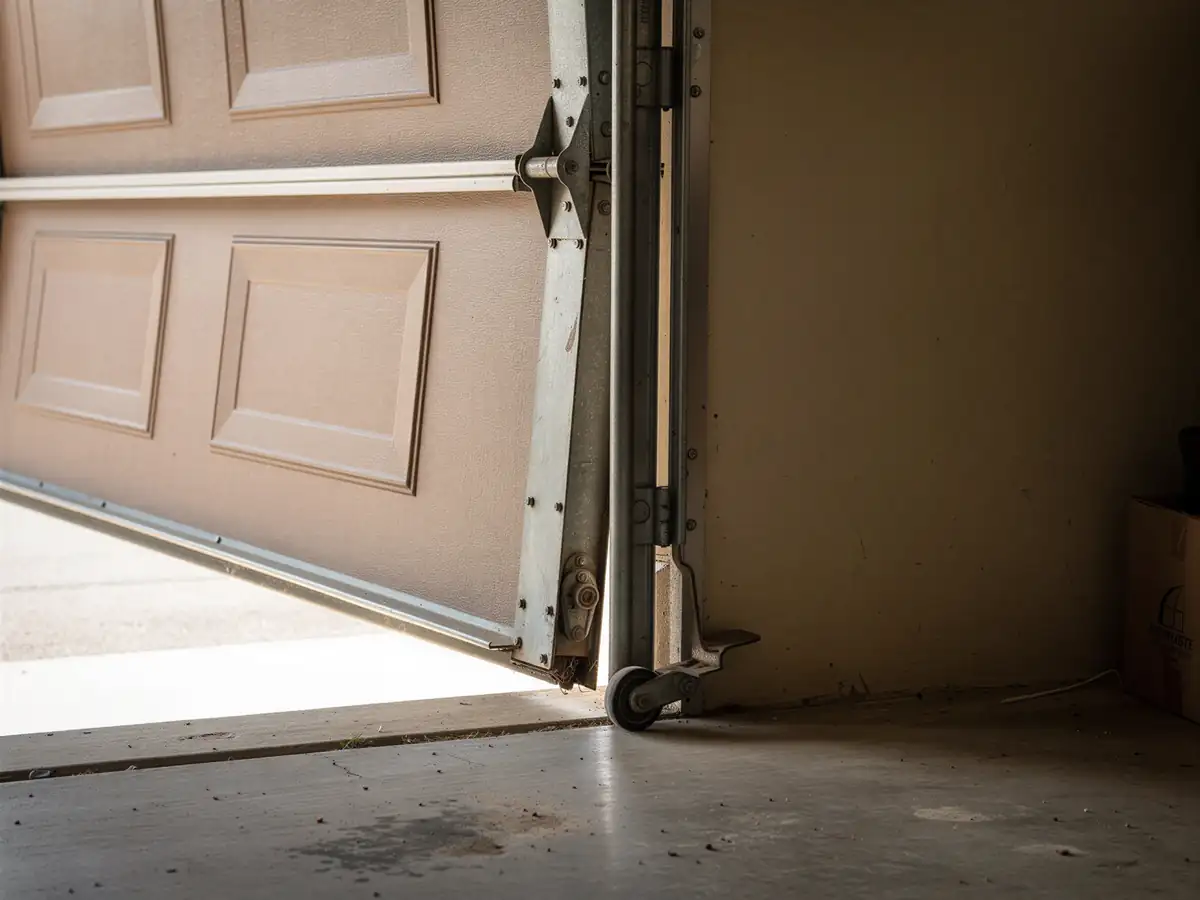
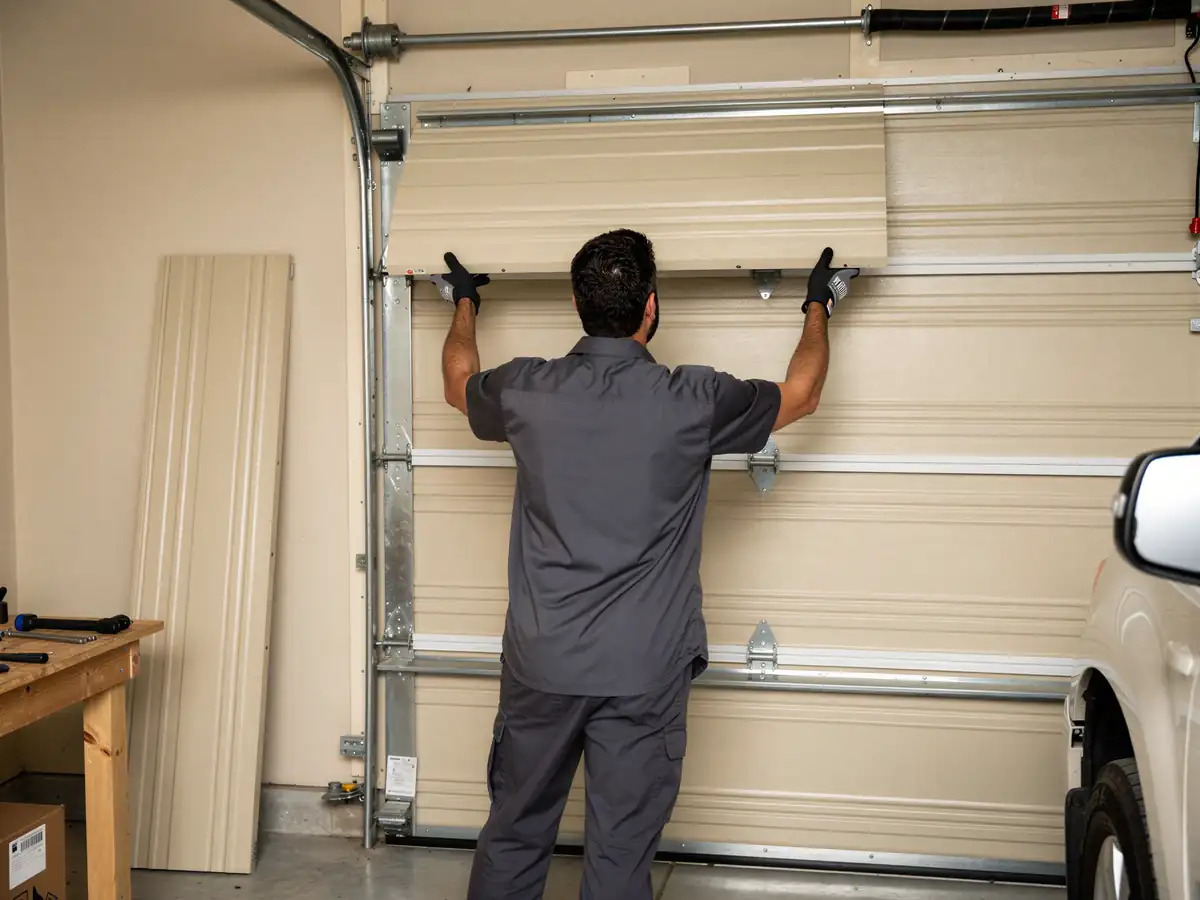
The job goes sideways when what looks like a spring call turns out to be a bent track from someone backing into a closed door, or a header that's shifted and is now pulling the whole frame out of square. We can true a track and shim a header on site most of the time. What we can't always fix in one visit is a custom-width door nobody stocks locally - if your garage was built with a non-standard opening, the part may need to come in, and we'll say so up front rather than make a second trip look like a surprise. The other place it goes sideways: opener boards that are original to a 1990s install. Once the circuit board itself is bad, not just the sensor or the wiring, replacement of the unit is usually cheaper than chasing the fault.
How It Shows Up
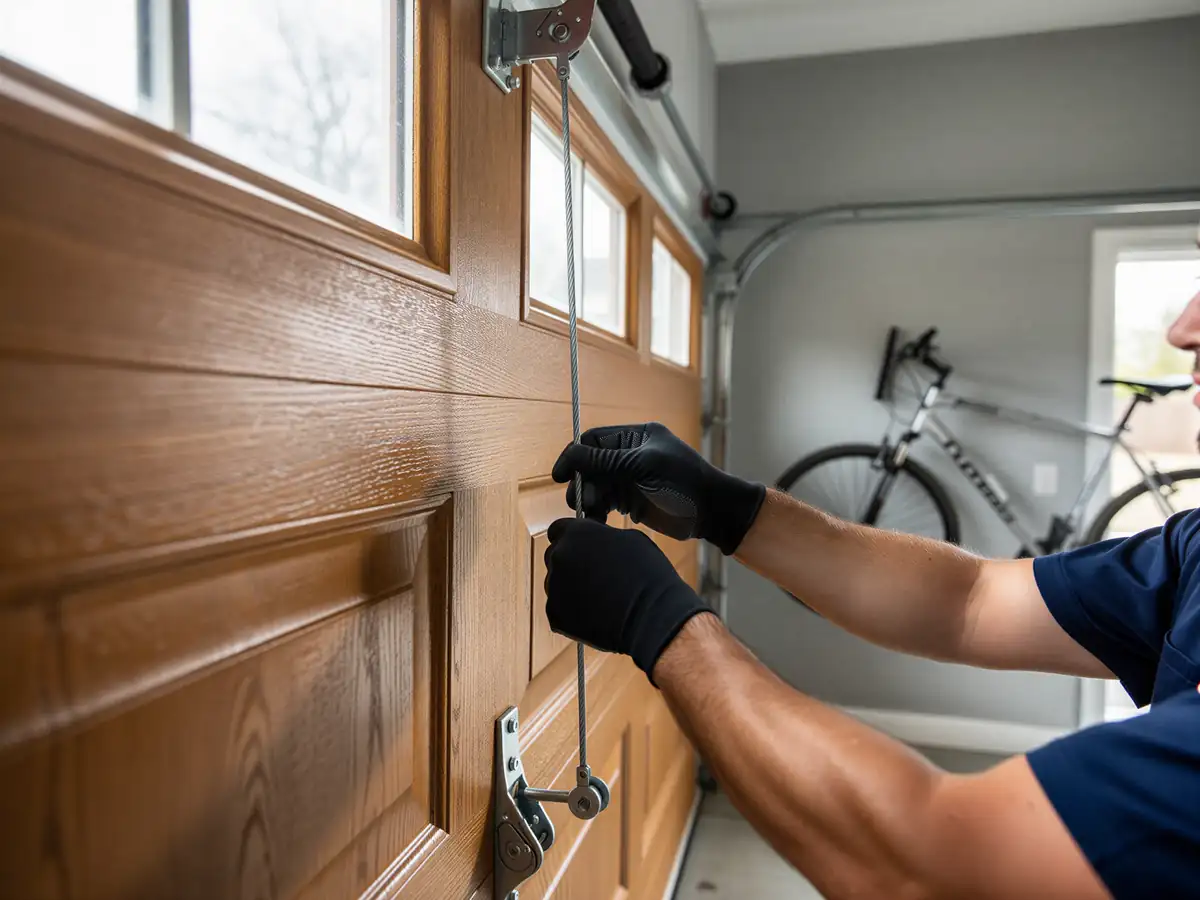
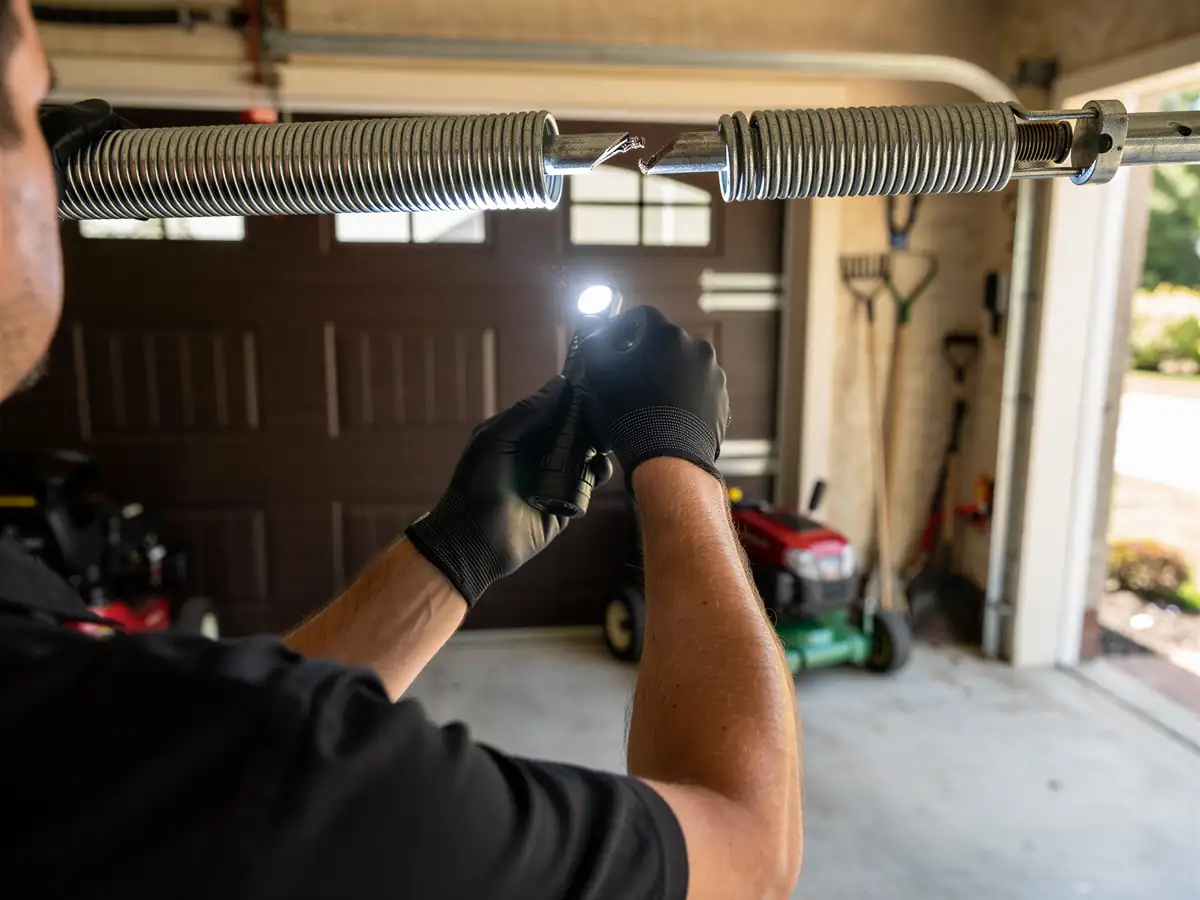
Most calls start the same way: the door won't move, or it moves a few inches and stops. On a snapped torsion spring, you'll usually hear it before you see it - a loud bang, often mistaken for something falling, followed by a door that feels twice as heavy when you try to lift it by hand. On a frayed cable, the door may run crooked, dropping faster on one side, or jam partway with a visible kink in the cable near the drum. Openers from this build era tend to fail quieter: the motor hums but the door doesn't move, or it reverses halfway through closing. If your door is heavy to lift by hand and the spring looks intact, suspect the opener before the spring.