Parts We Carry
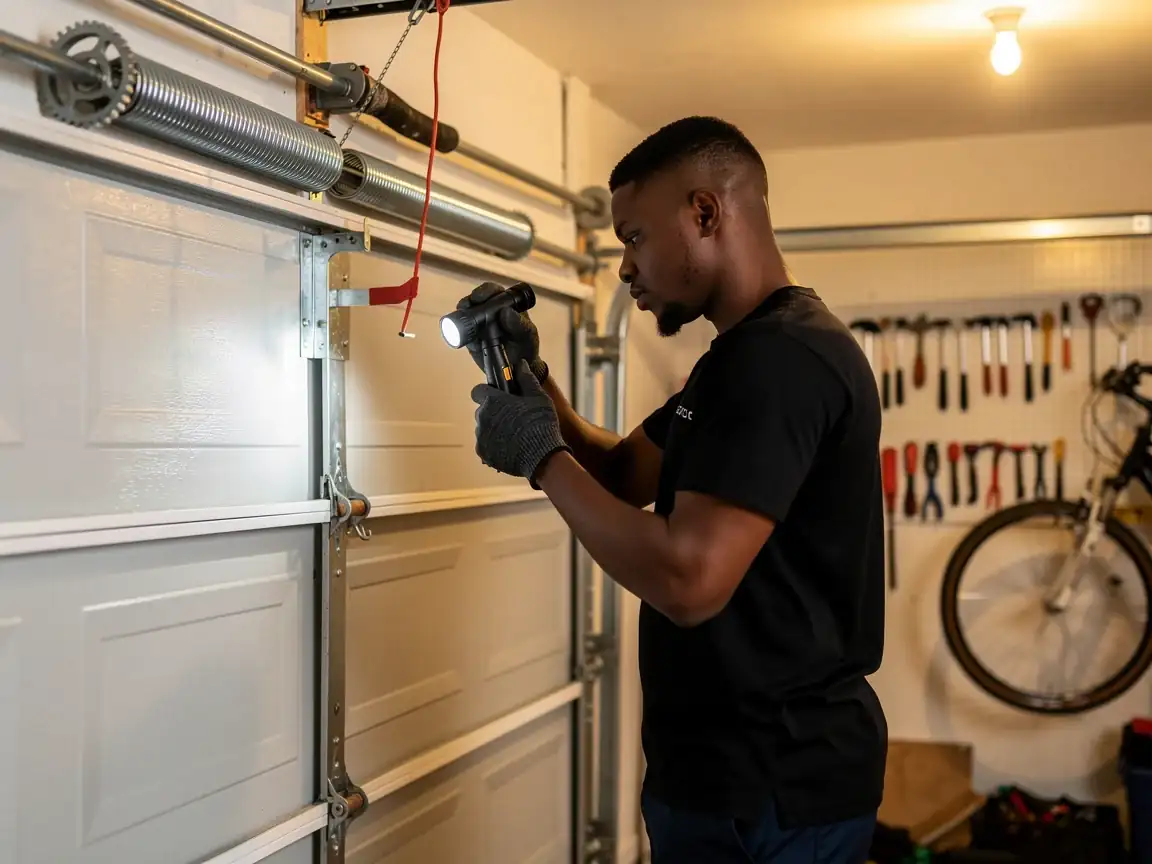
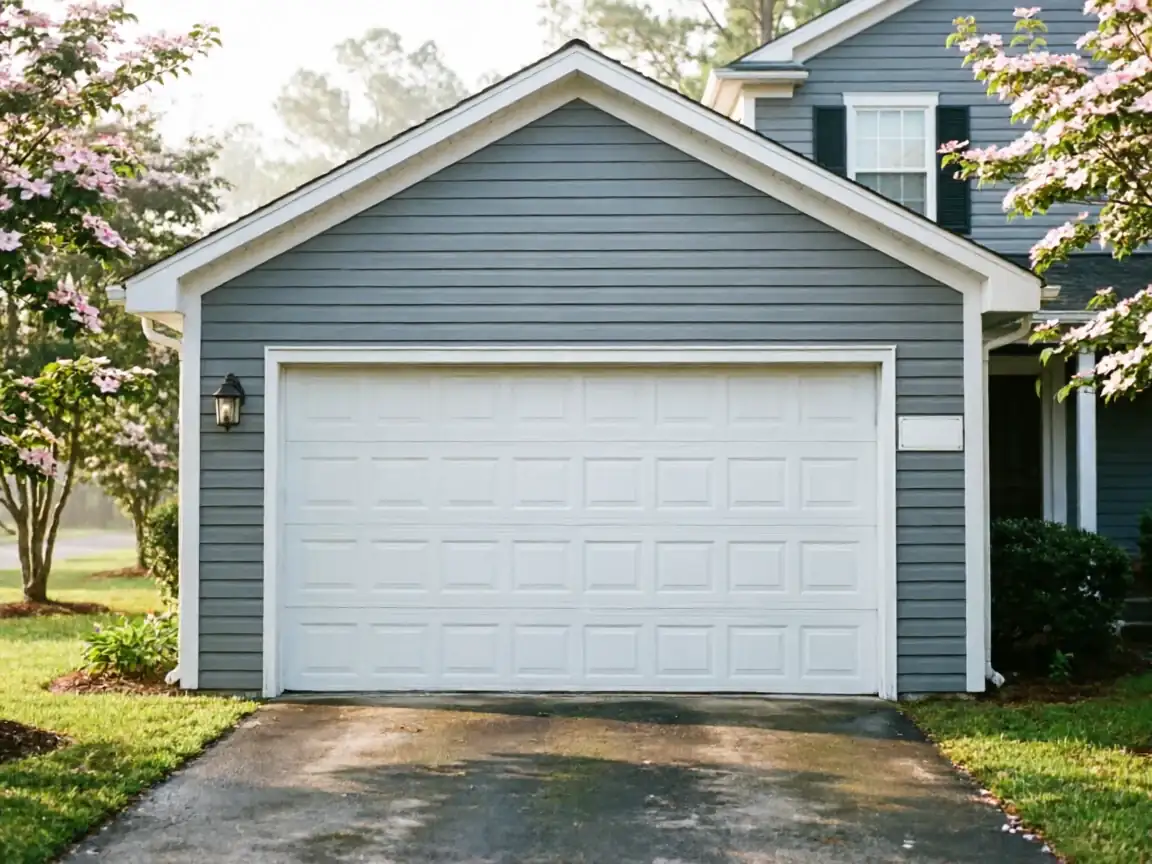
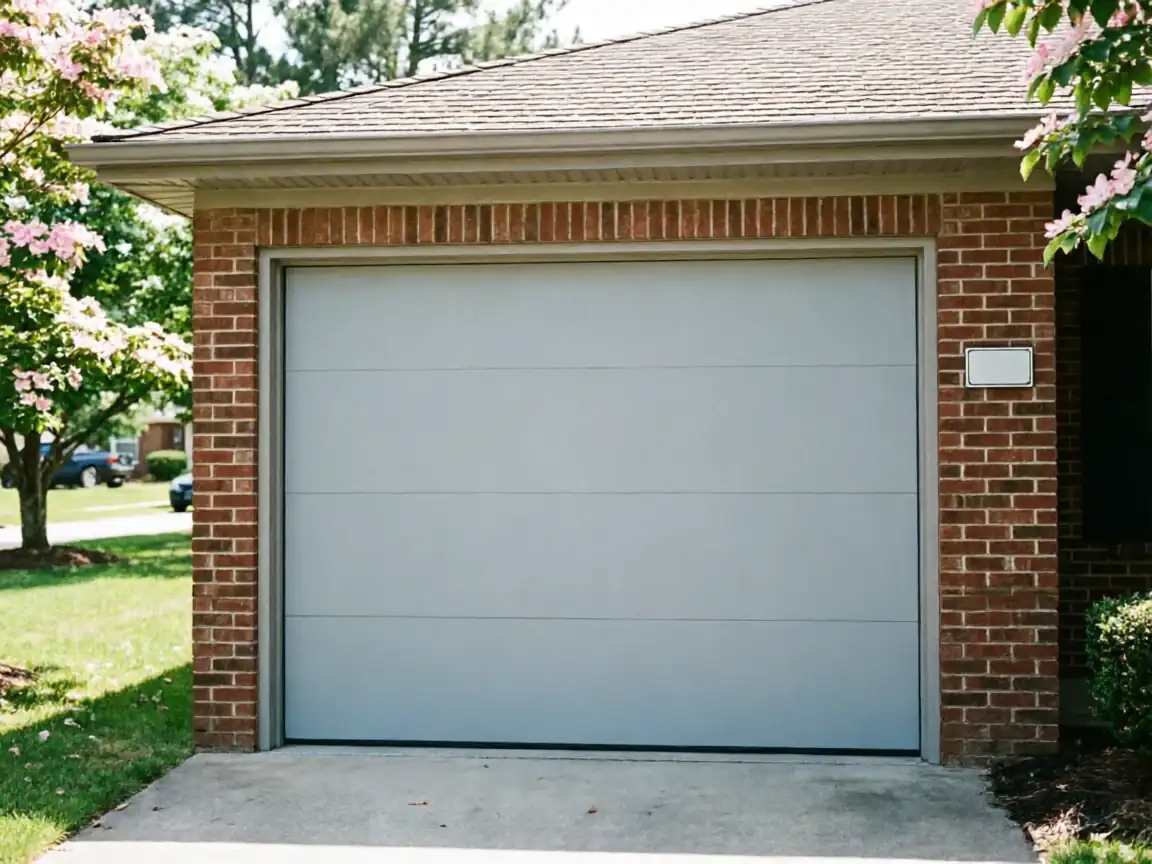
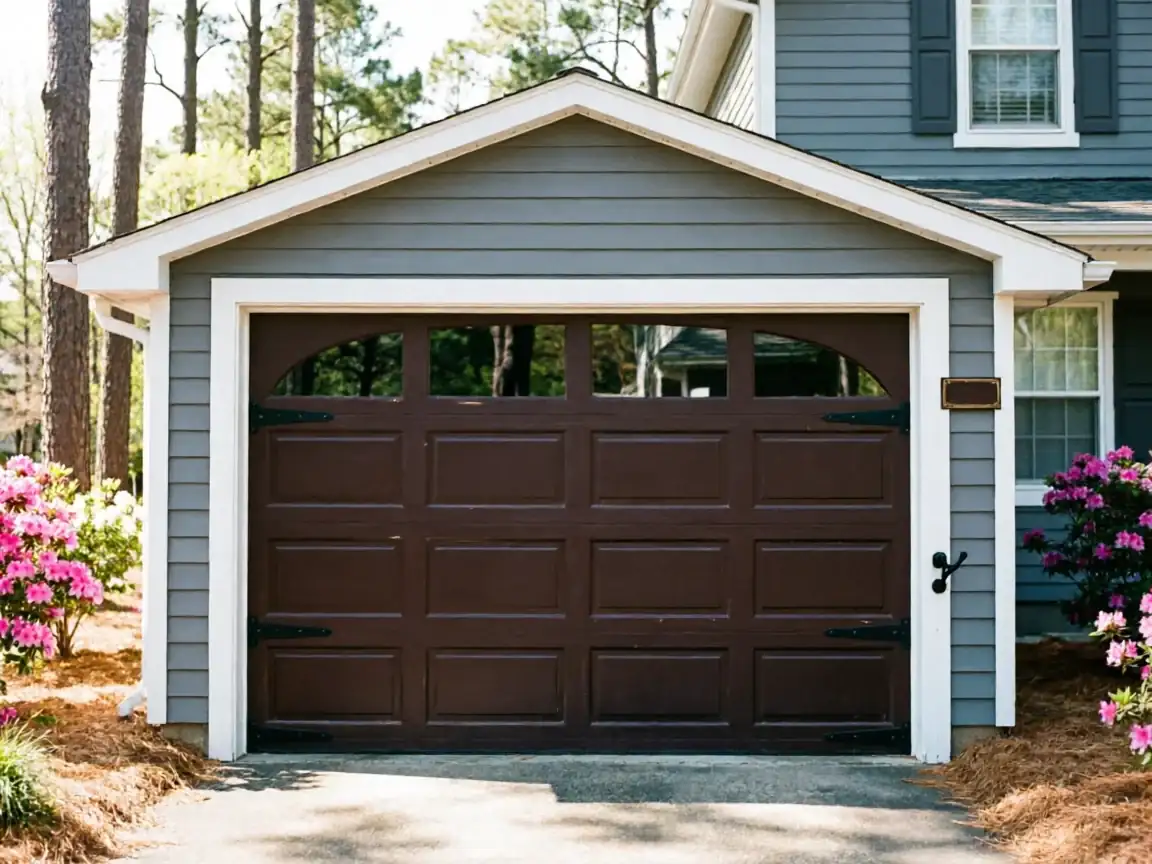
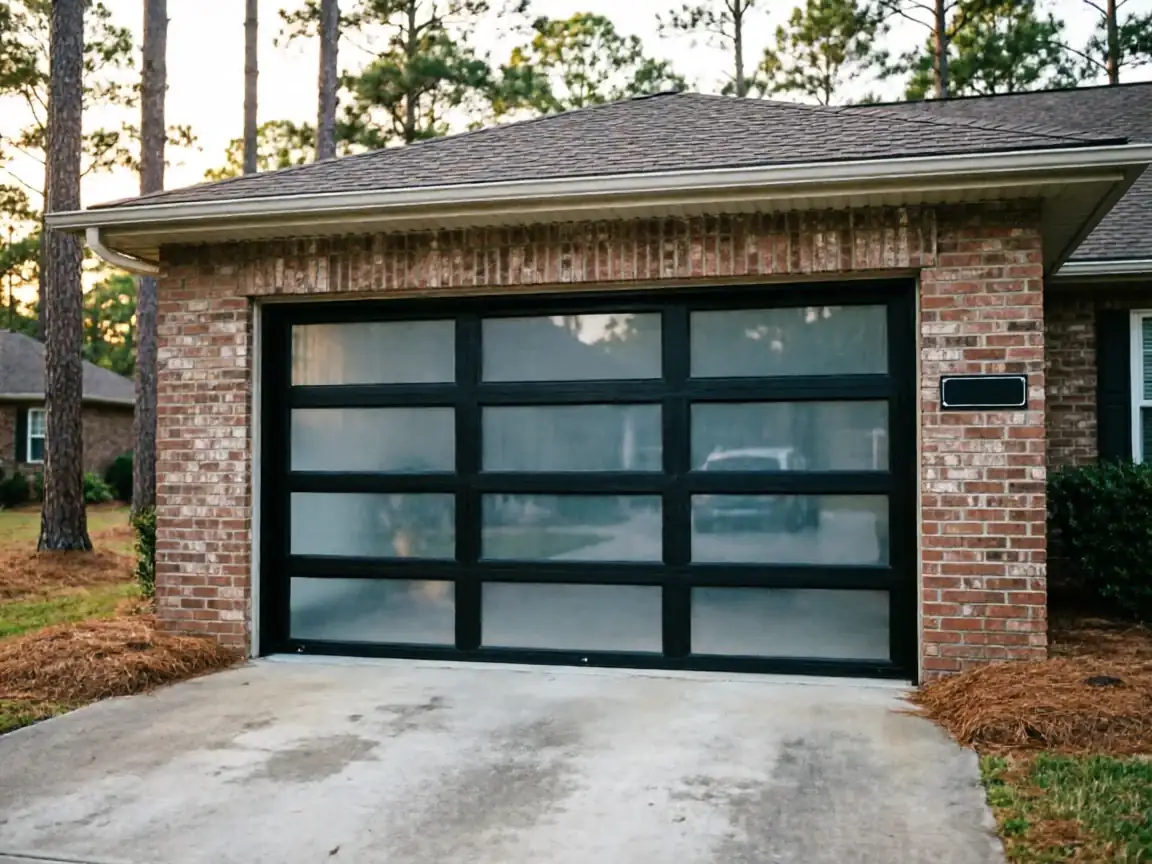
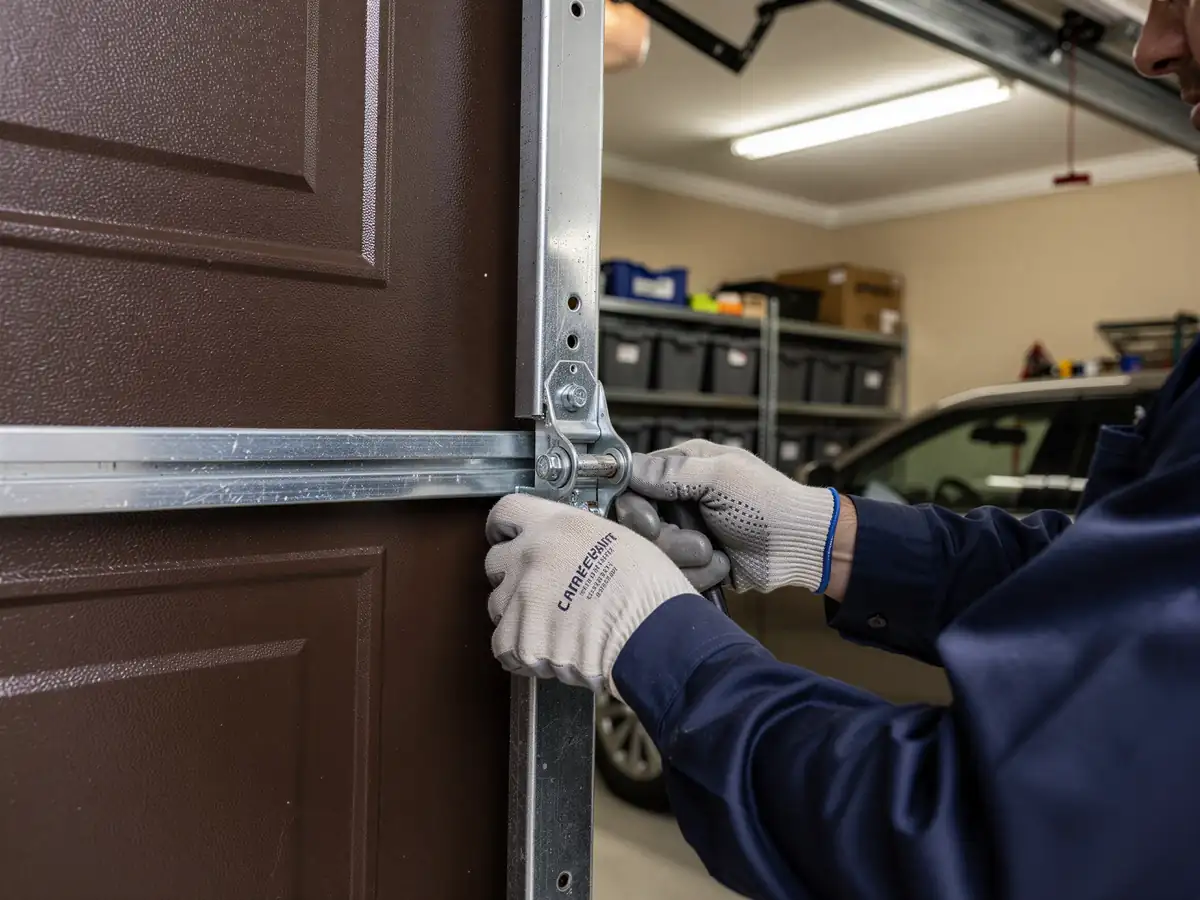
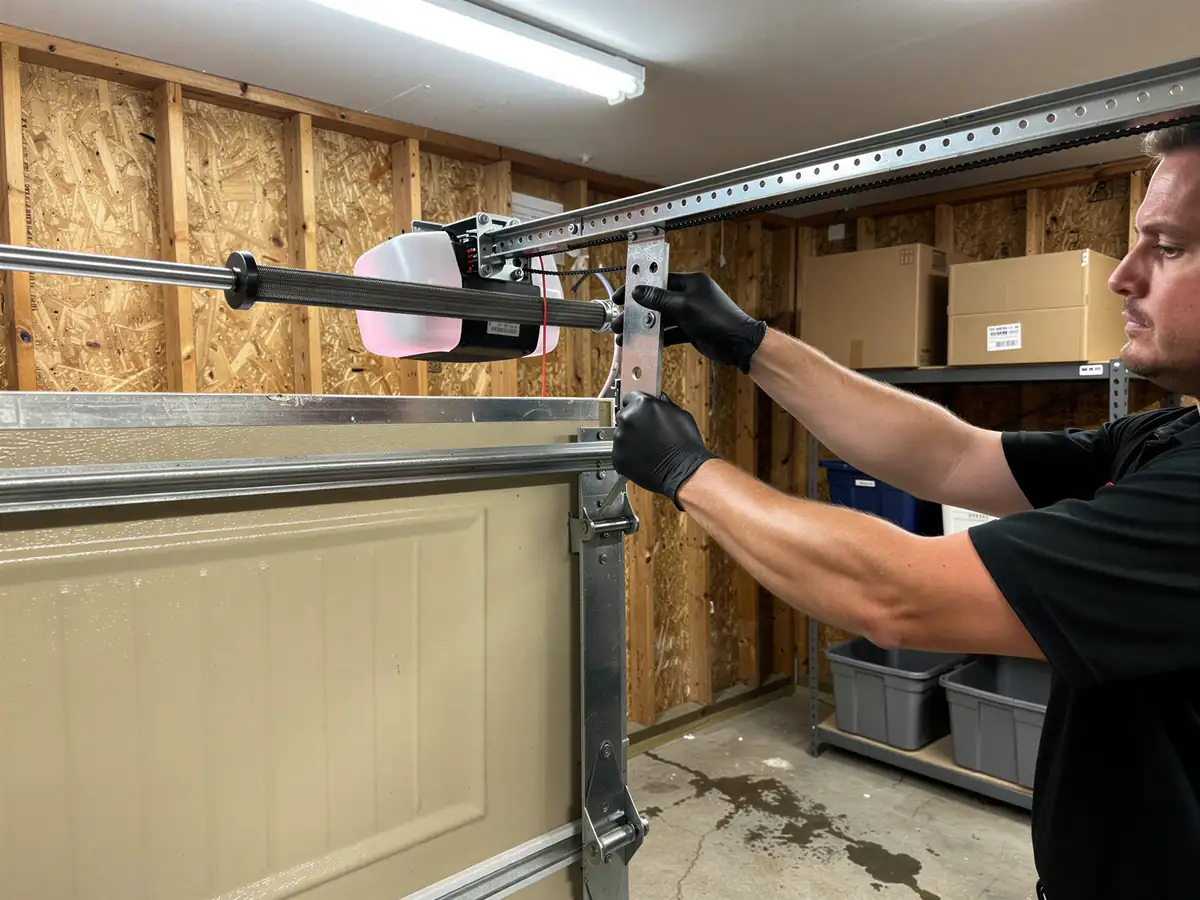
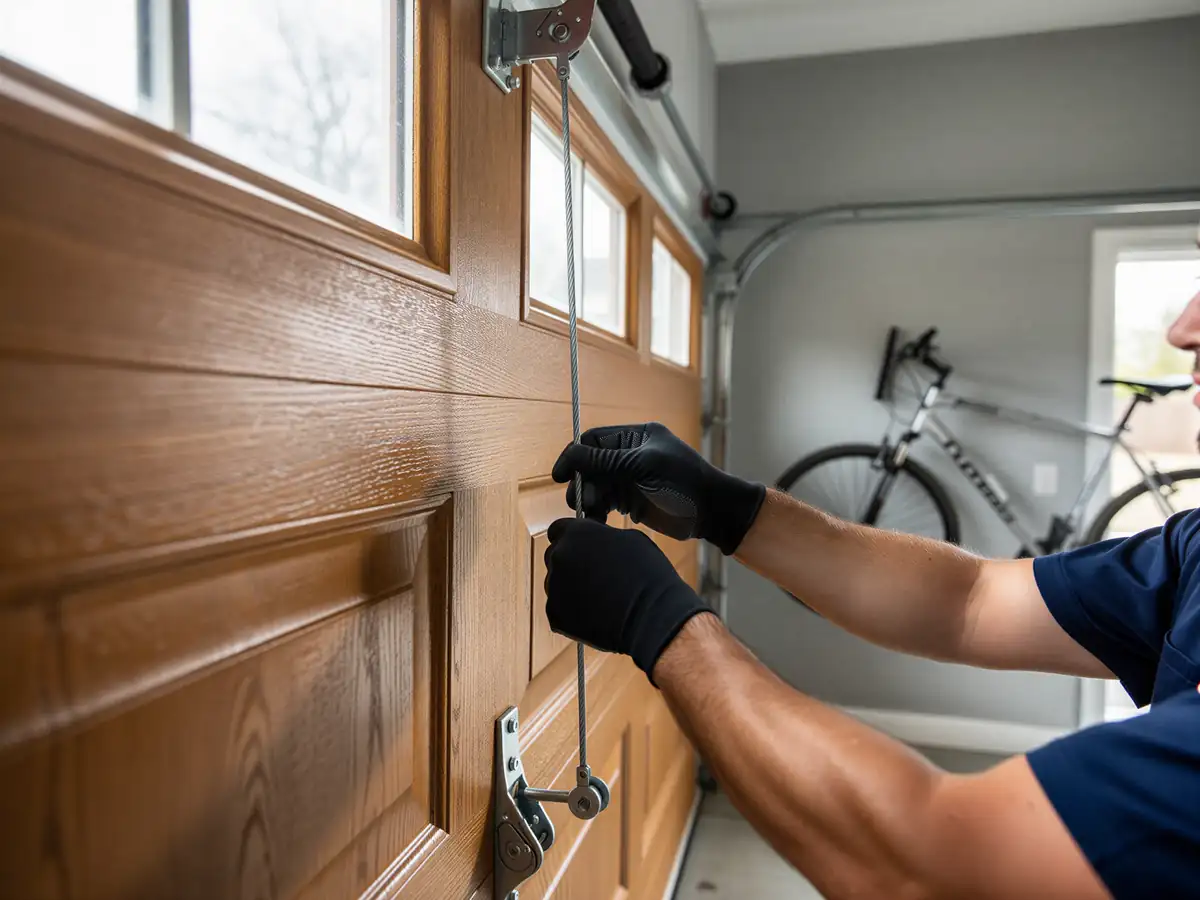
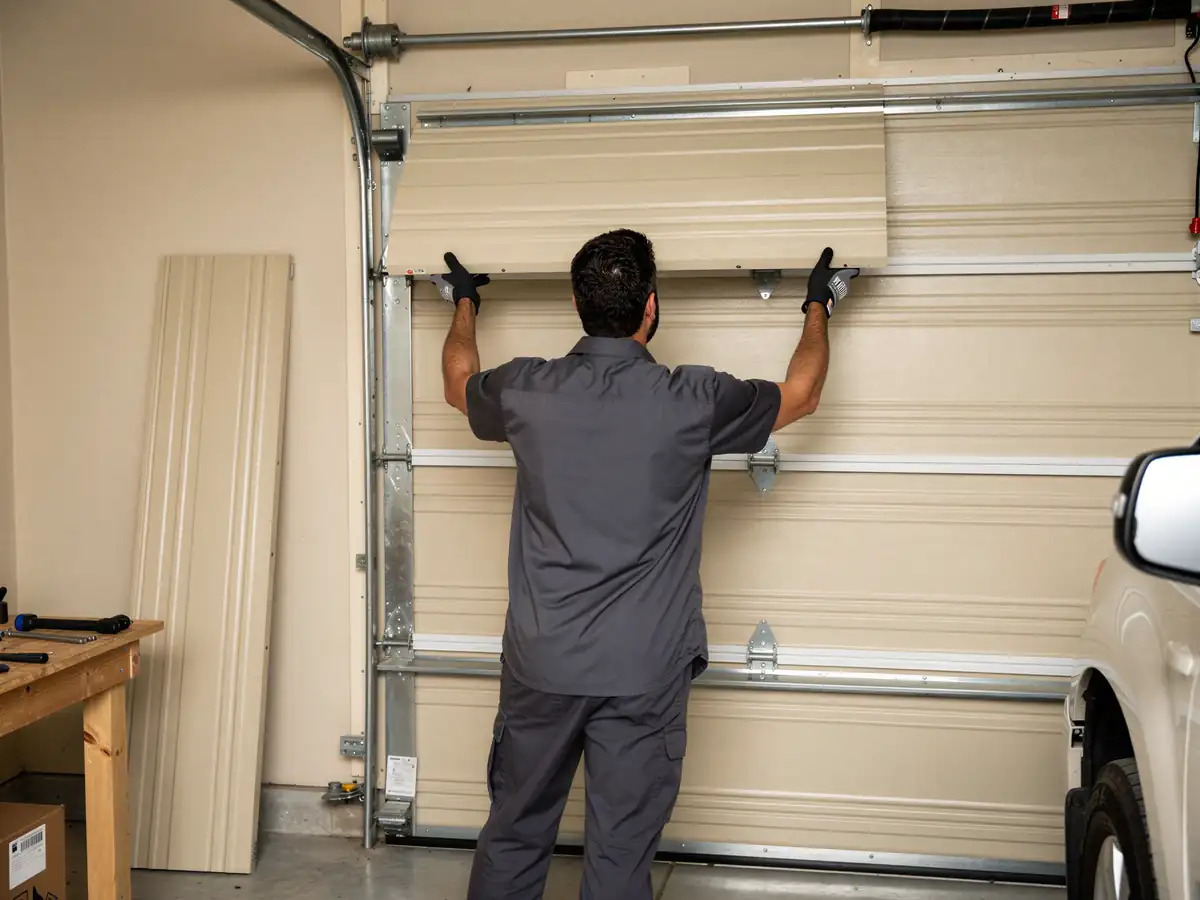
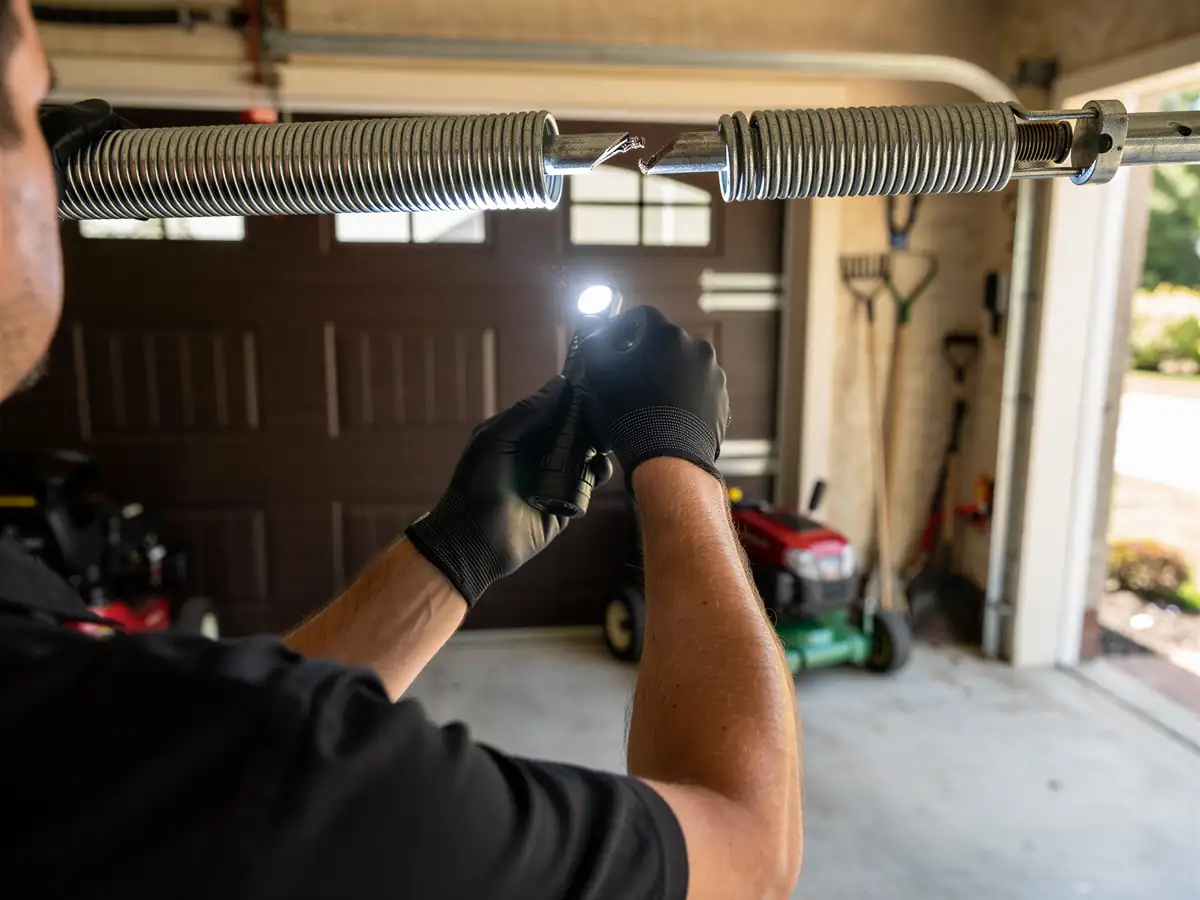
Lithia Springs sits 19 miles from our Acworth shop, which is far enough that we load the truck for the job before we leave, not after we see what's on the wall. That means torsion springs sized for the actual door weight, the right track radius, and insulated sections if the garage shares a wall with living space, which is common in homes built around 1990, the median year for this area. We carry both steel and insulated steel panels, standard-lift and high-lift track kits, and openers with battery backup, since a long drive back for a part nobody mentioned on the phone helps no one. What we don't stock on the truck is anything custom-sized or a specialty wood door - those get special-ordered, and we tell you the lead time before you sign anything, not after.
Booking a Visit
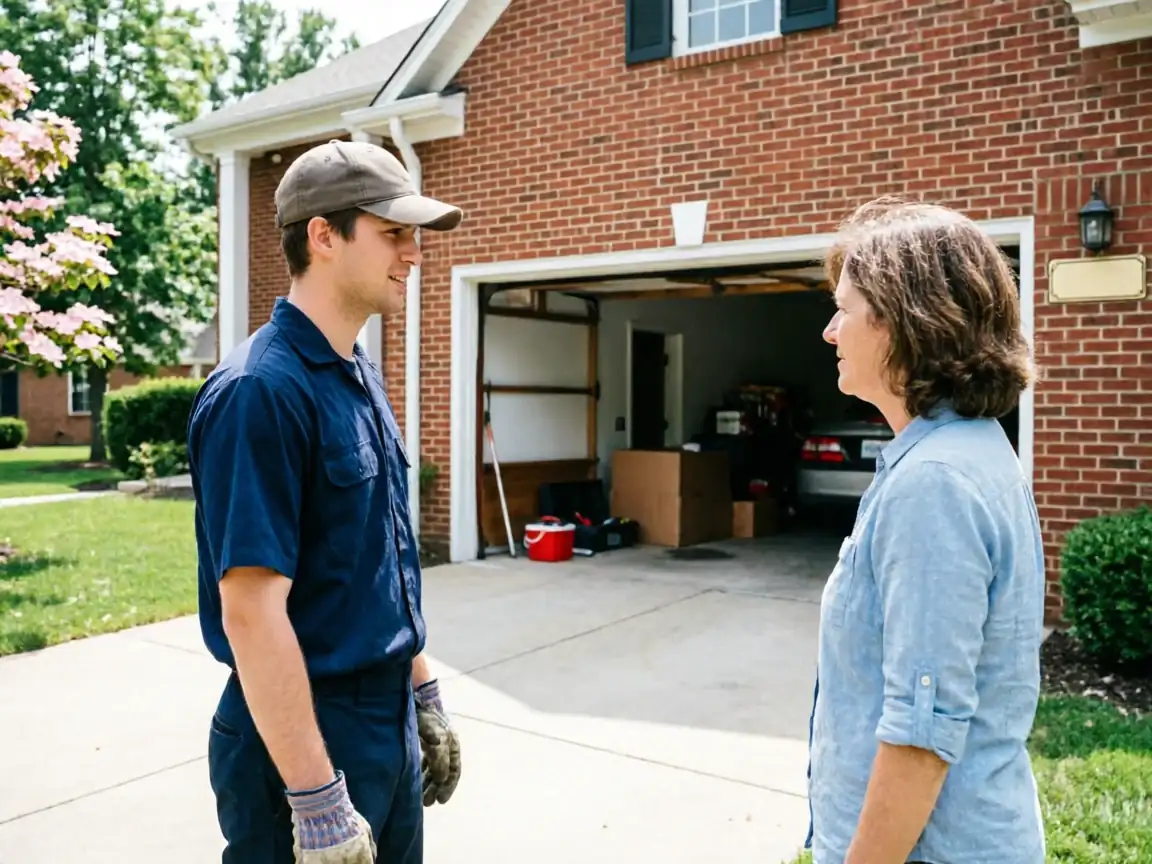
Because we're traveling from Acworth, we book Lithia Springs visits in a window rather than an exact hour - the 19-mile drive has enough variables that pinning a minute-by-minute slot would be a promise we can't keep. Once we're on site, measuring and quoting a new install usually takes less time than the drive did. If you already know your door size and opener preference, tell us on the phone; it lets us load the right stock before we head out instead of running back for it.
Where This Job Goes Sideways
The most common surprise on a new install here is framing that doesn't match the door opening anymore. Houses built through the 1990s in this part of the county were framed to older lumber dimensions and door sizing standards, and over thirty-plus years, settling and prior repairs can leave an opening that's out of square by more than a new door's weather seal can forgive. We measure twice before we cut or shim anything. The other place things go sideways is opener wiring - homes from this era often ran a single outlet to the garage ceiling, with nothing for a battery-backup opener's second circuit. We'll flag it if we see it, but an electrician's work is outside what we do.
How It Shows Up
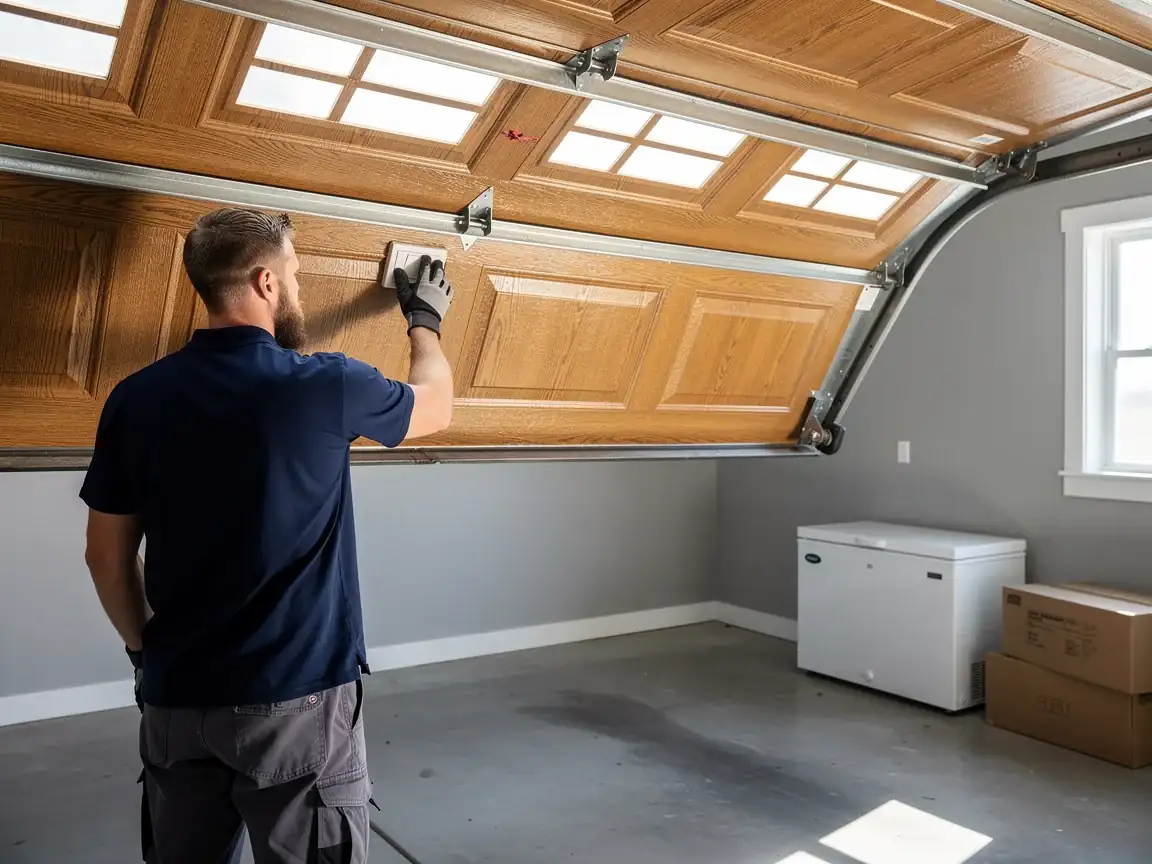
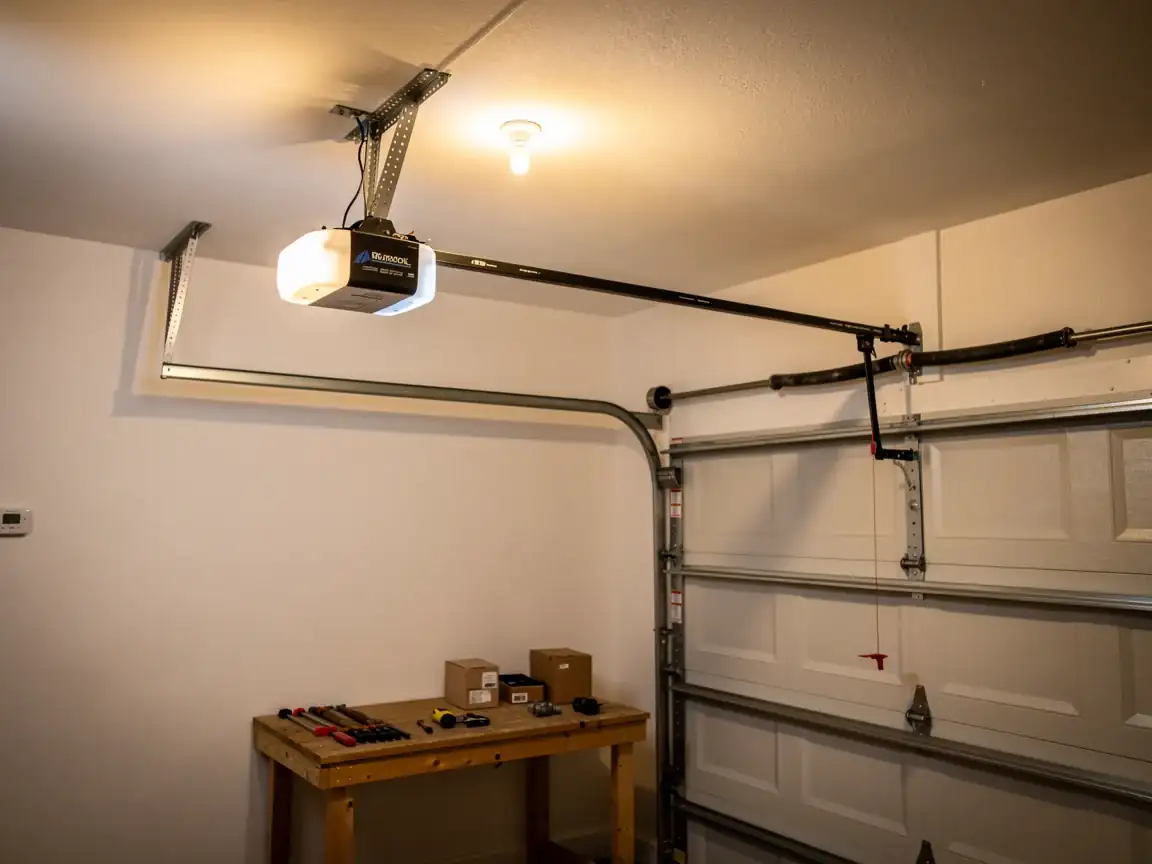
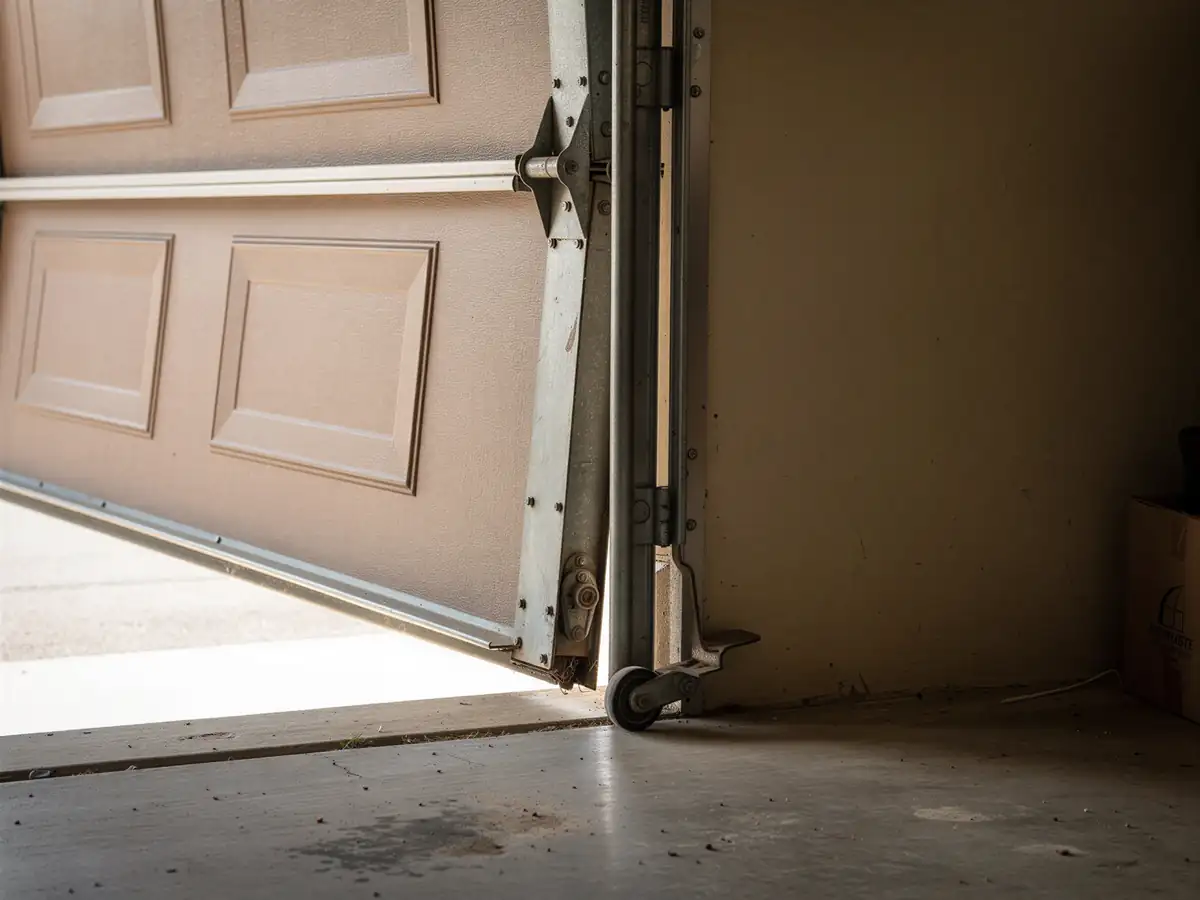
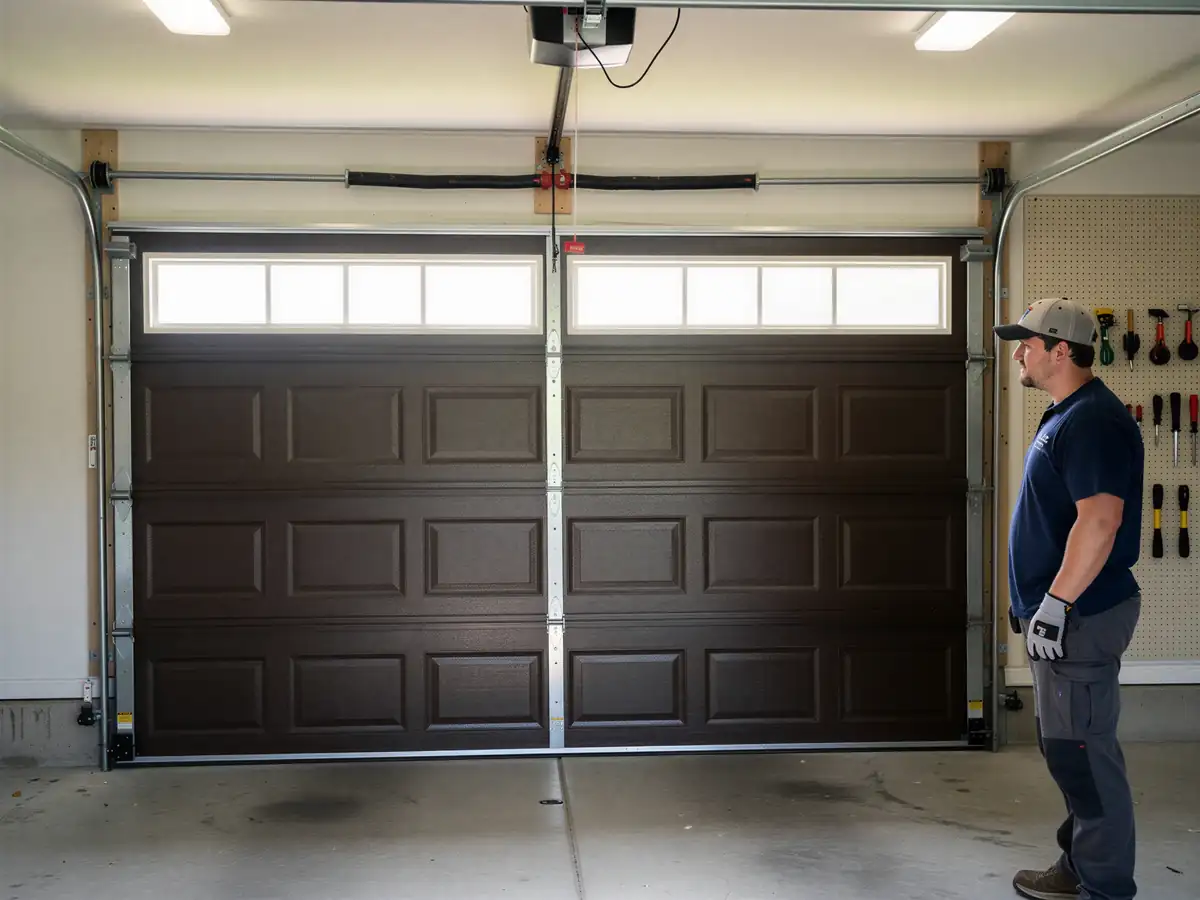
On a 1990s-built door, the signs that it's time for a new install rather than another patch repair are usually visible before you even open it: a sagging bottom panel, a steel face showing rust bubbling through old paint, or insulation foam that's crumbled away from the inside skin. Openers from that era are often chain-drive units nearing the end of a long service life, loud and slow to respond. None of that means every older door needs replacing tomorrow - plenty of them are still structurally sound and just need new rollers or a spring - but once the panel itself is failing, a new install is usually the more honest answer than another round of repairs on hardware this old.