Parts We Carry
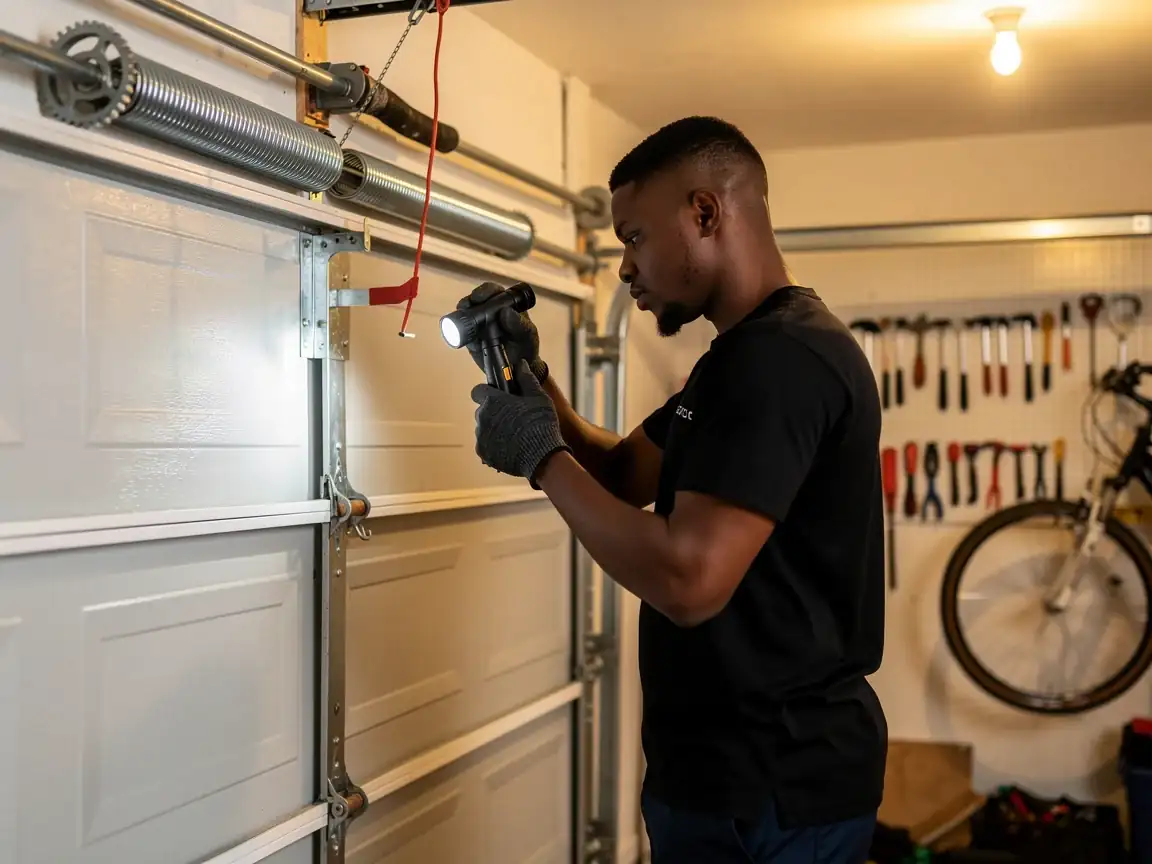
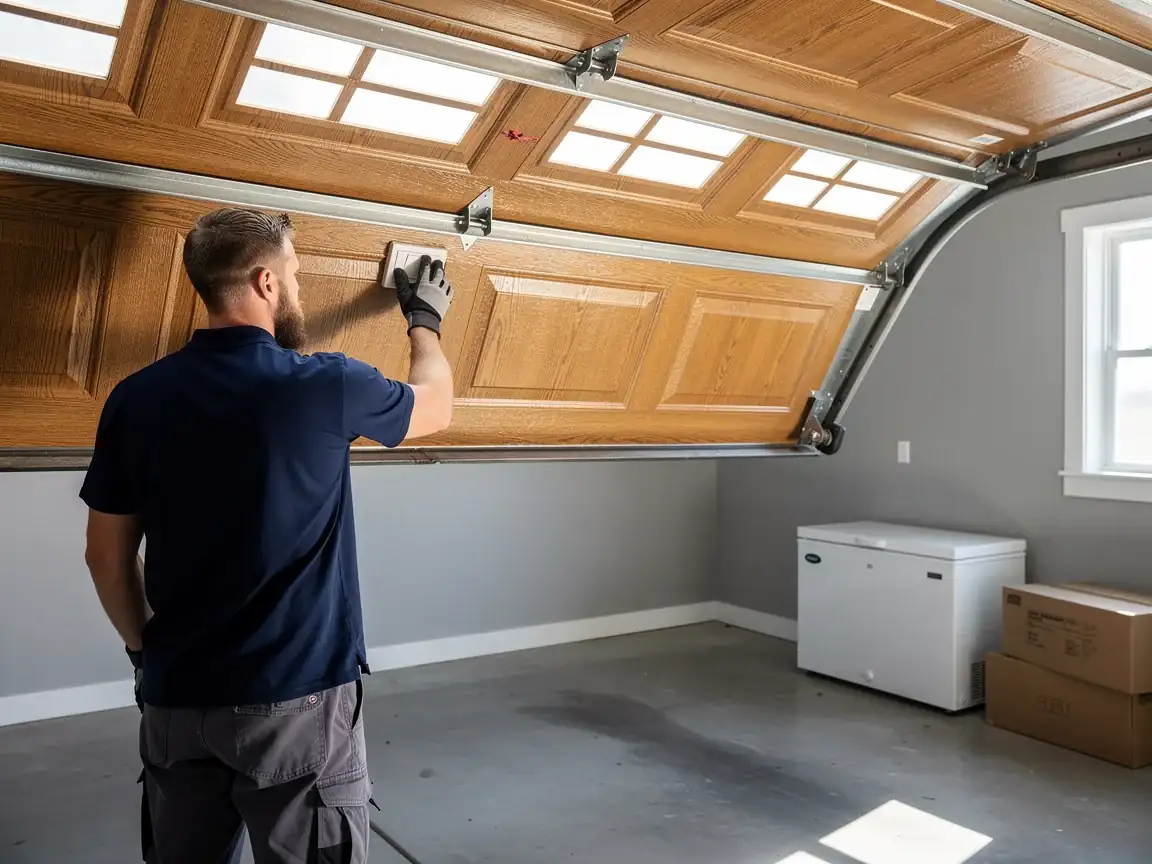
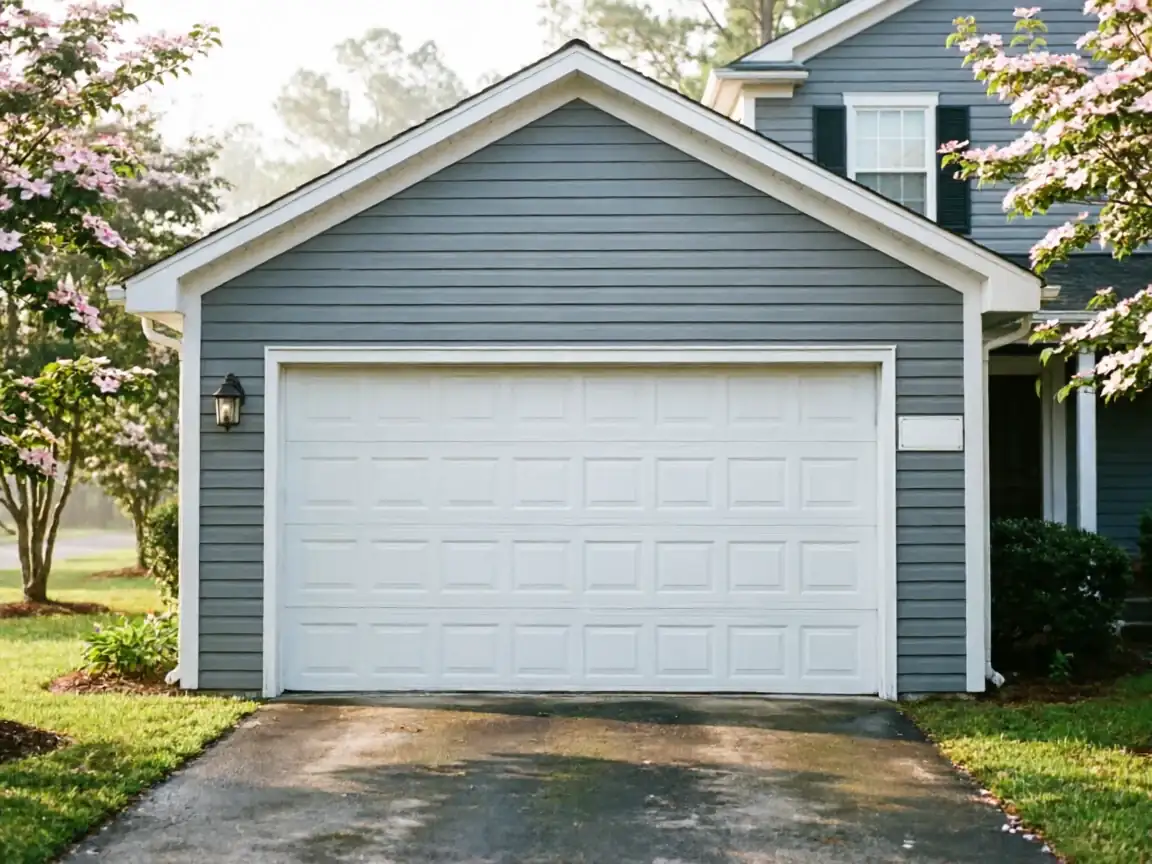
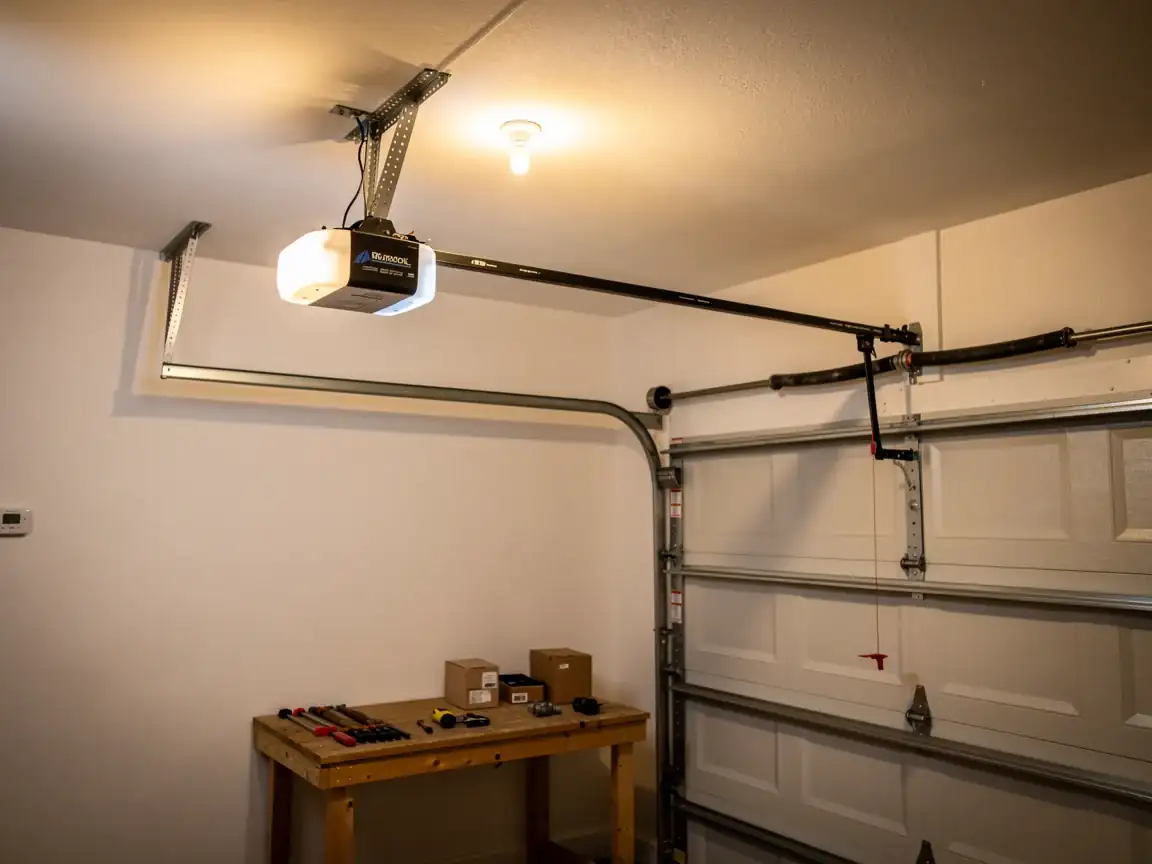
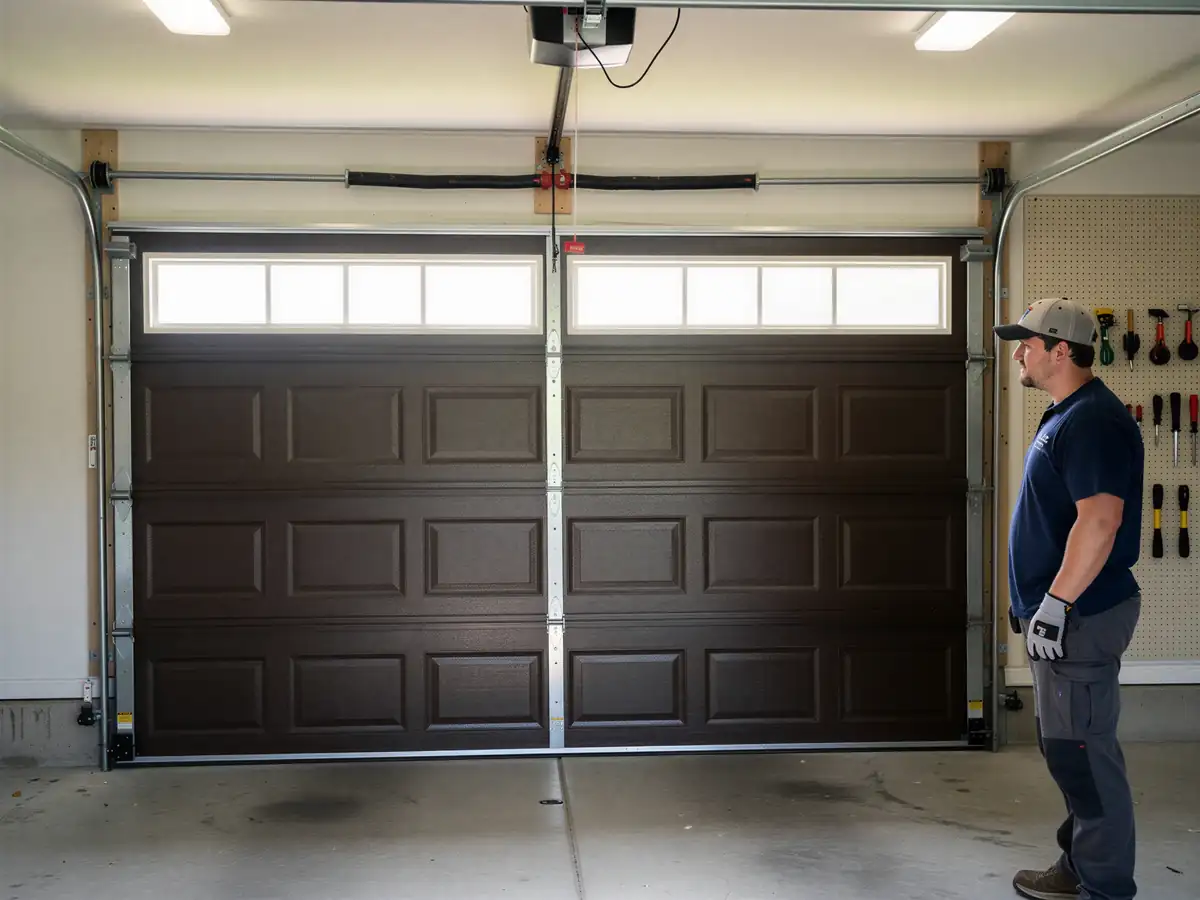
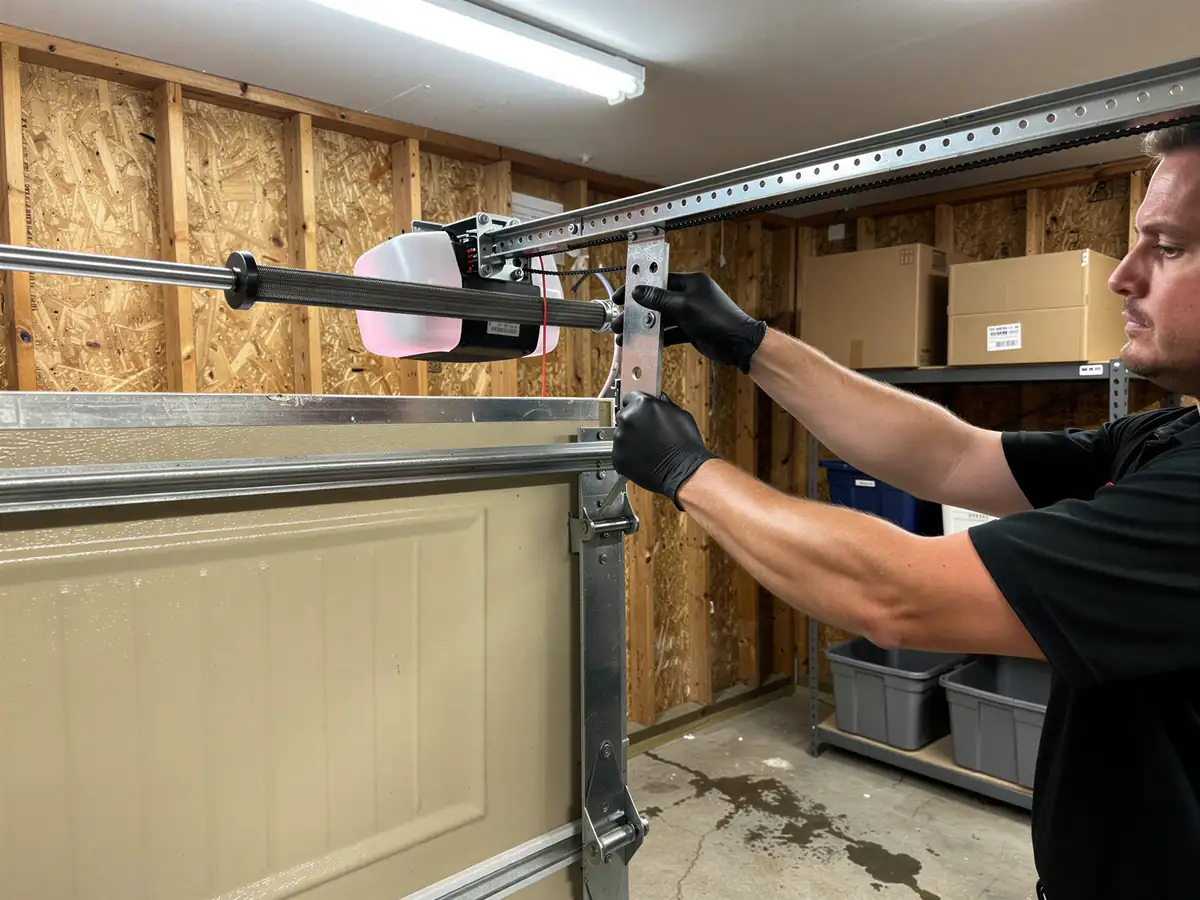
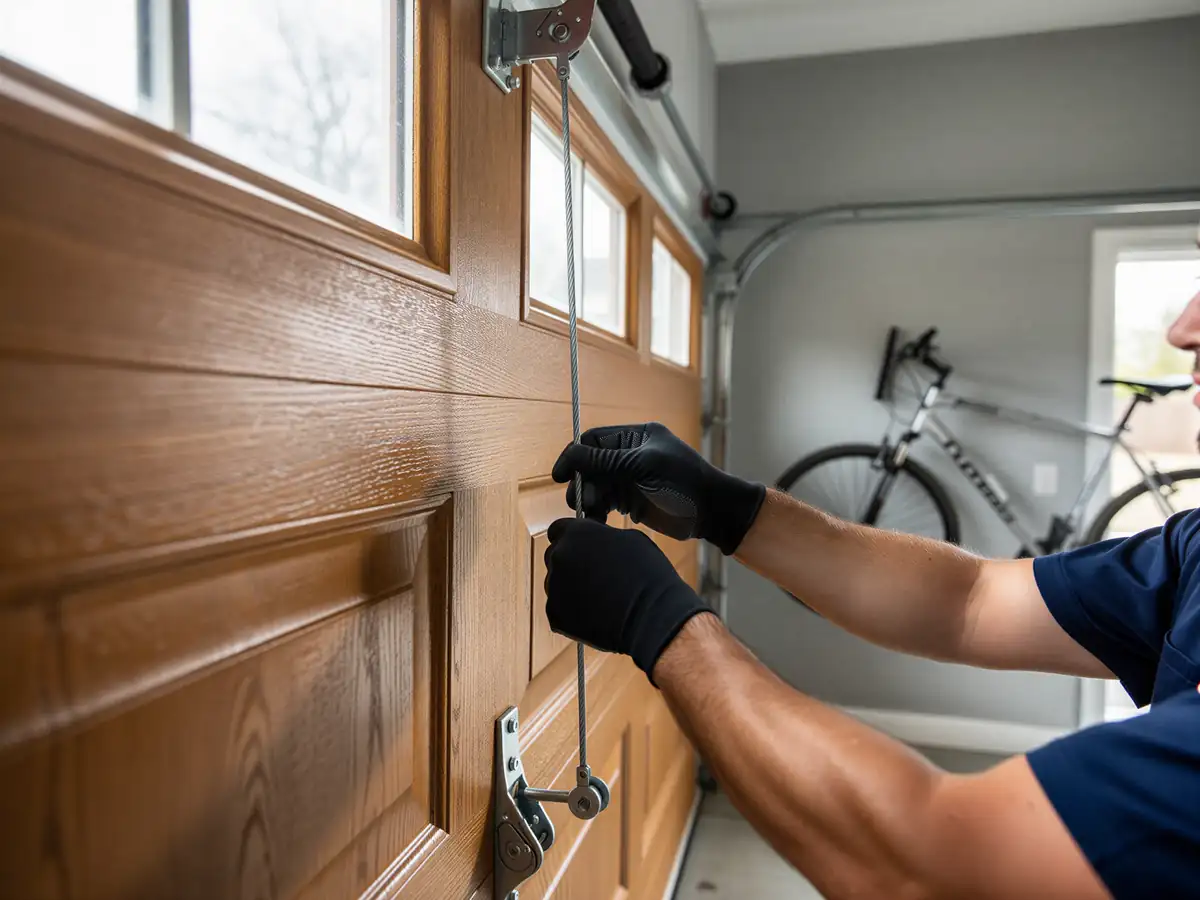
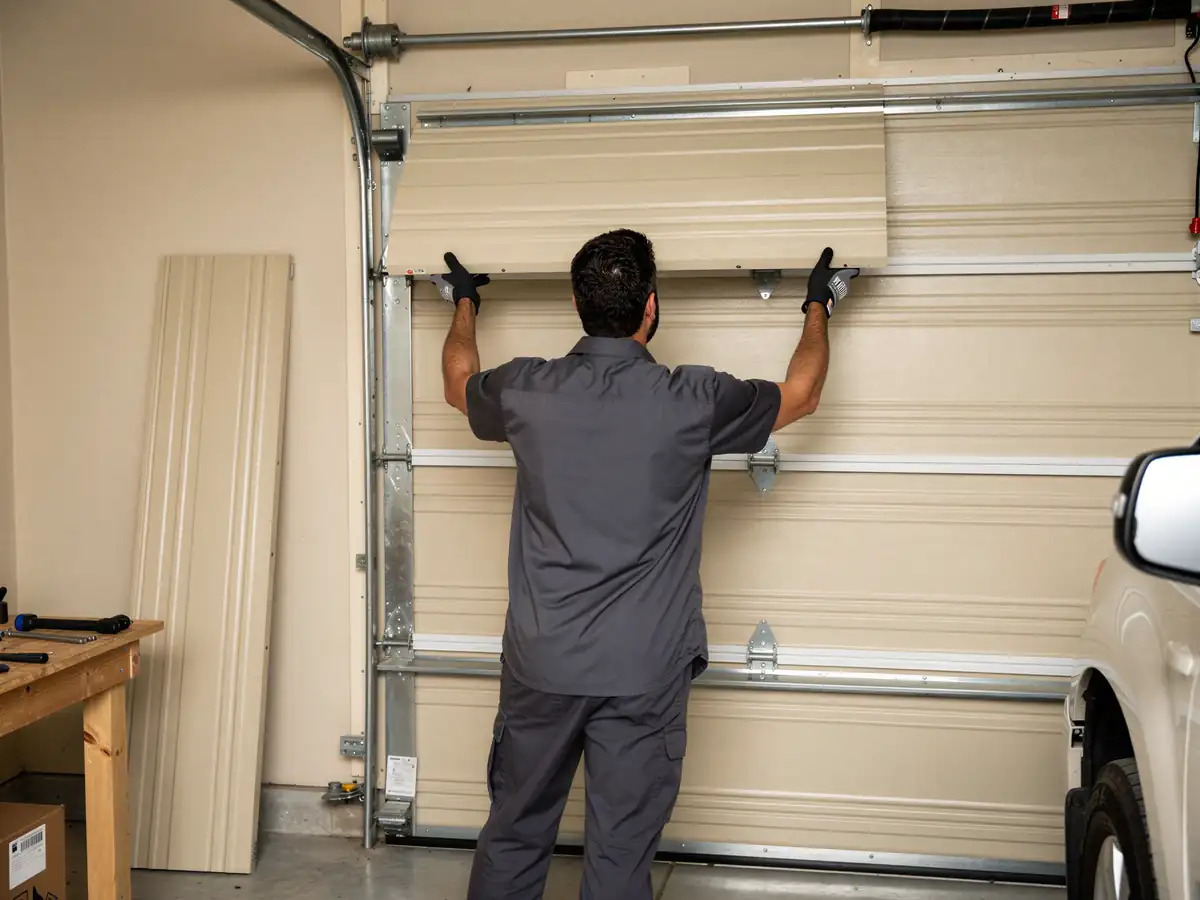
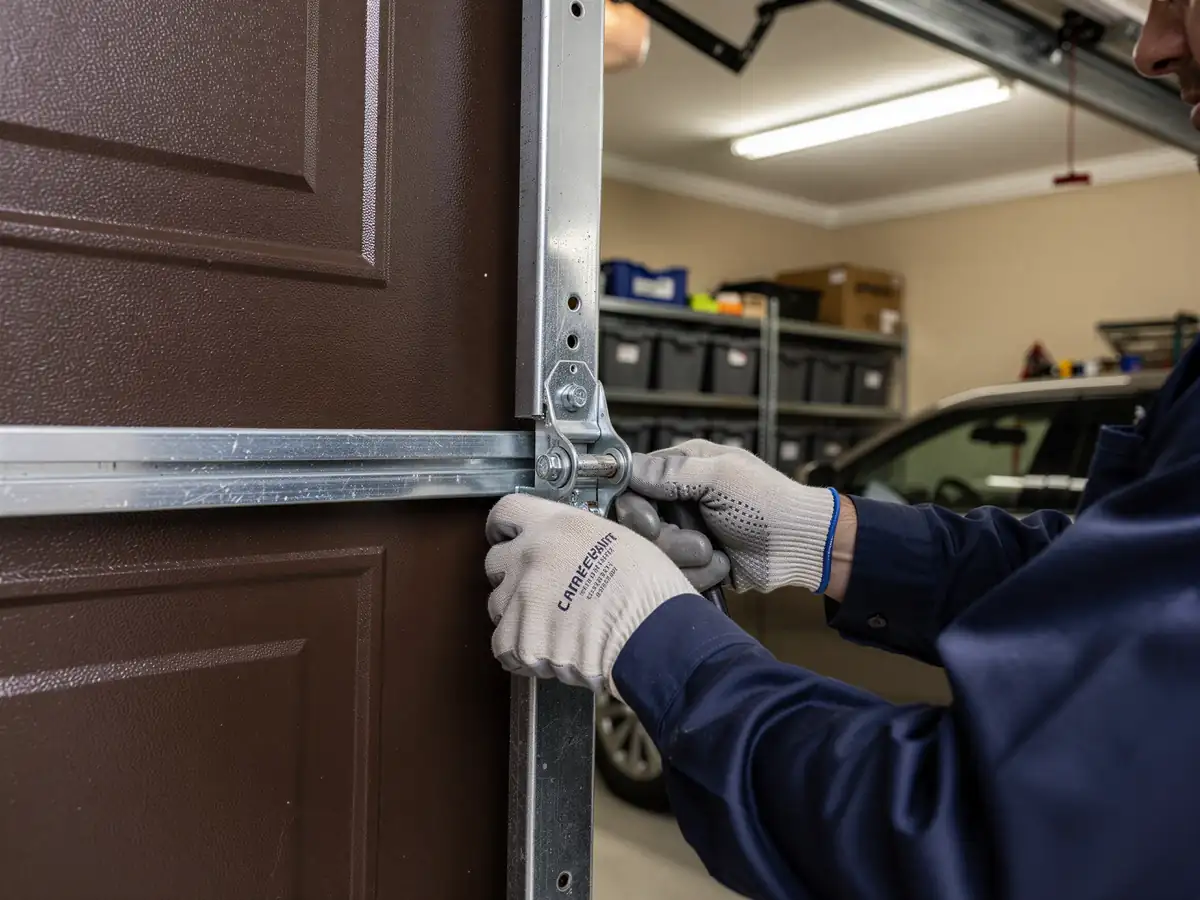
Most garages in Lithia Springs went up around 1990, which puts them squarely in the builder-grade steel sectional era - two-car doors at 16x7, single doors at 9x7, hung on torsion springs rather than the older extension-spring setups you'd find on anything built before the 1970s. That means the parts that fail are predictable: torsion springs wound to a standard cycle count, steel rollers that have outlived their nylon bushings, and the stamped steel hinges that start to crack at the corners after three decades of expansion and contraction. We carry torsion springs sized for standard 7-foot doors, galvanized lift cables, and replacement bottom brackets that match the hardware this era used. What we don't stock on the truck is anything custom - wood doors, oversized commercial tracks, or odd panel widths some of the newer infill homes in the area have started showing up with. If your door falls outside the standard steel sectional range, we'll need to order the part before we can finish the job, and we'll tell you that up front rather than make a second trip look like bad planning.
Booking a Visit
We run out of Acworth, about 19 miles from Lithia Springs, so we don't carry a local response-time promise for this town the way we might for streets closer to the shop. When you call, tell us the door's approximate age and whether it's making noise, binding on one side, or not moving at all - that tells us which parts to load before we leave. Given the drive, we schedule Lithia Springs calls in blocks rather than fitting them in one at a time, so the day you get isn't always the day you call. If the spring has already let go and the door is stuck down, say so; that moves you ahead of routine tune-up work.
Where This Job Goes Sideways
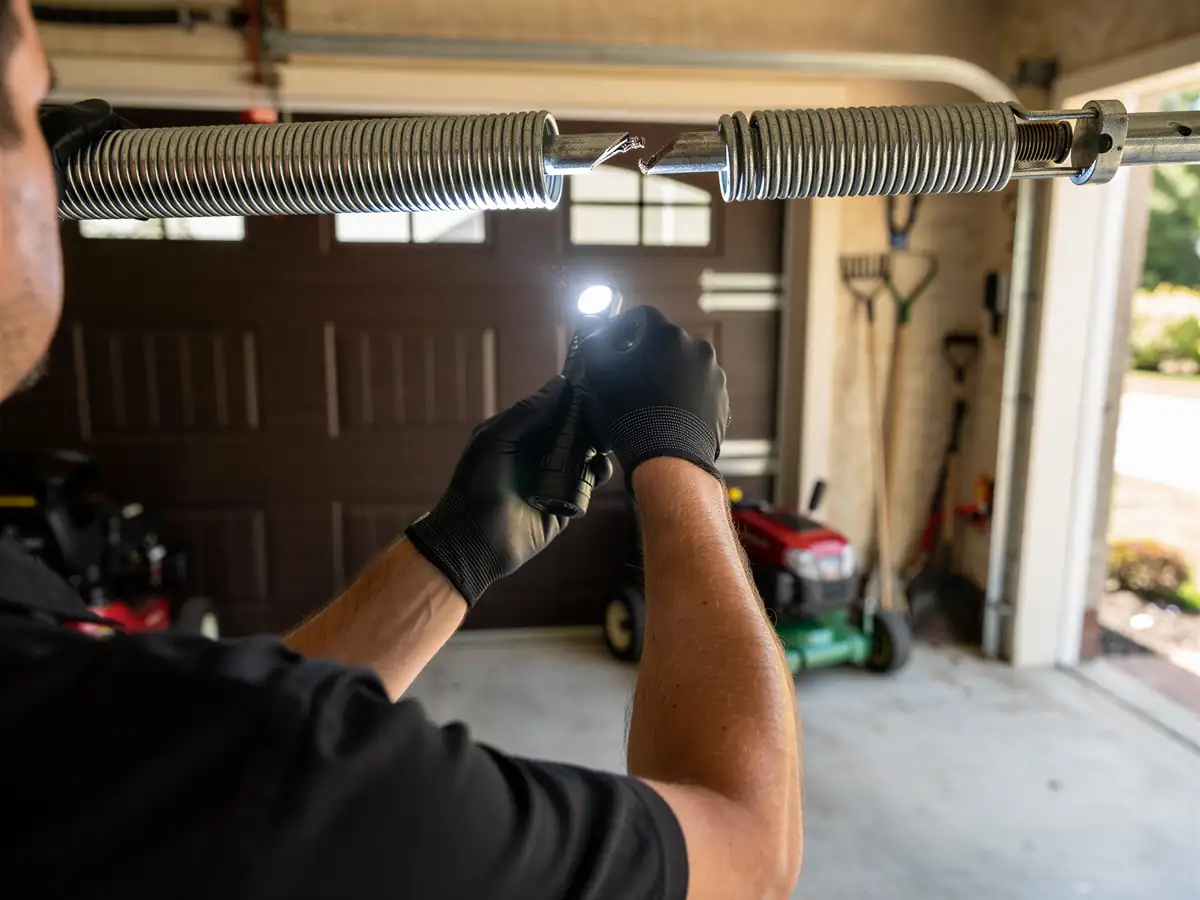
The mistake we see most on 1990-built doors here is someone trying to replace one torsion spring on a double door and leaving the other side alone. Springs on a shared shaft wear at close to the same rate, so a few months after a single-spring fix, the second one lets go - often while the door is halfway up and the first spring is doing double duty it wasn't wound for. Another one: homeowners assume a noisy door needs a new opener when the actual problem is worn rollers or a track that's pulled slightly out of alignment at a bracket. Replacing the opener doesn't fix either of those, and you're out the cost of a part you didn't need. We check rollers, track alignment, and both springs before we touch the opener, because swapping the wrong part first just hides the real problem for a few weeks.
How It Shows Up
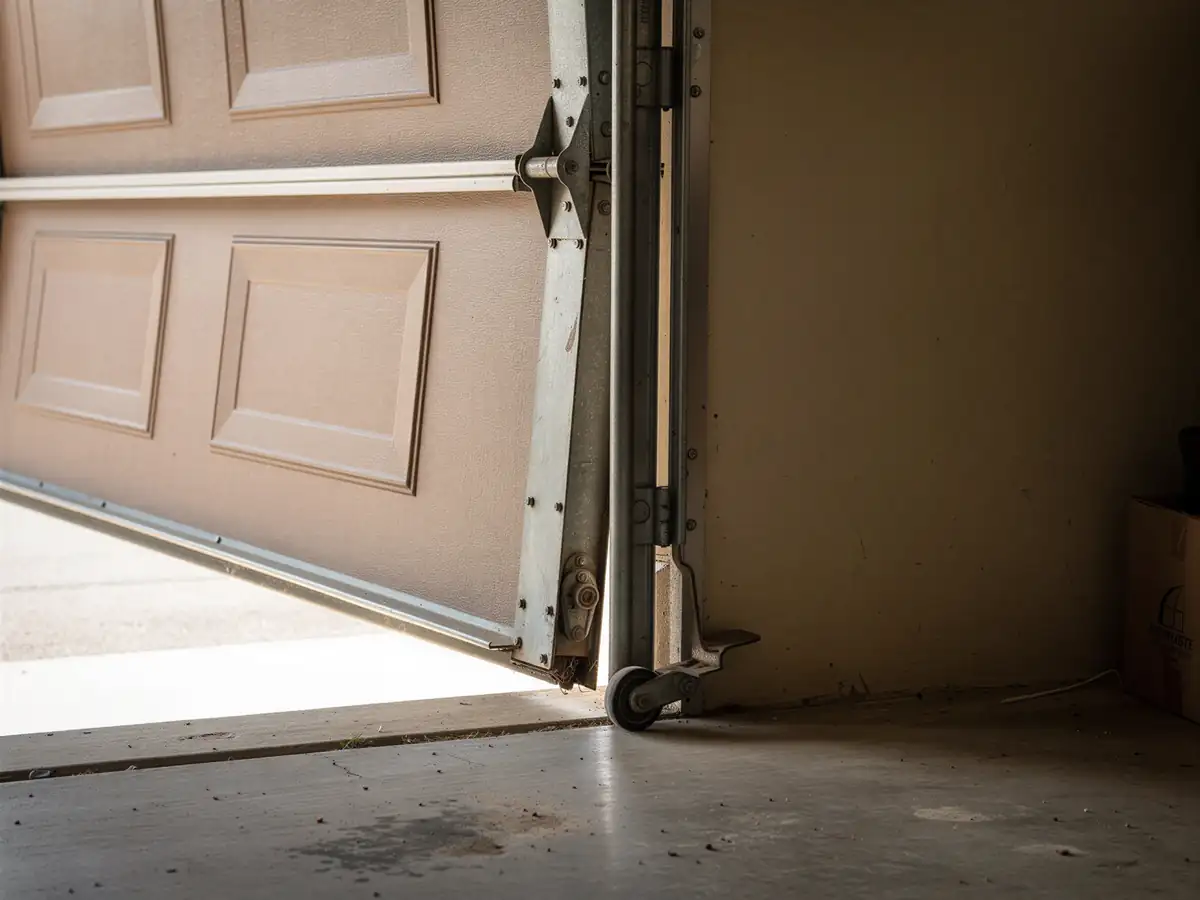
On a door this age, the warning signs are usually mechanical before they're obvious. A door that used to lift smoothly starts hesitating a few inches off the ground, or makes a grinding sound right as it clears the opening - that's a roller or a spring, not the opener motor. Some owners notice the door closing unevenly, one corner touching down a half-second before the other, which points to a cable stretching or a track going out of square. If the door won't budge at all and the opener is straining against it, stop trying to force it with the remote; that's almost always a broken spring, and running the opener against dead weight can strip the gears inside it.