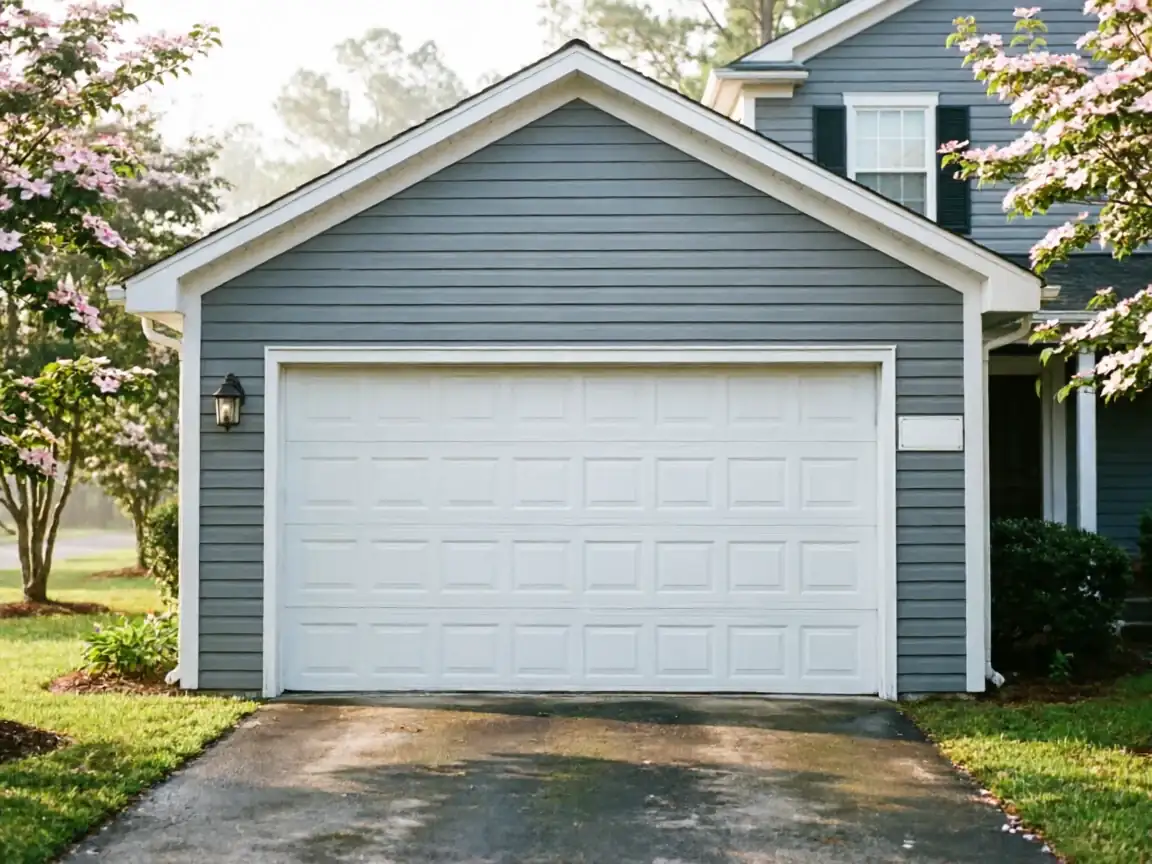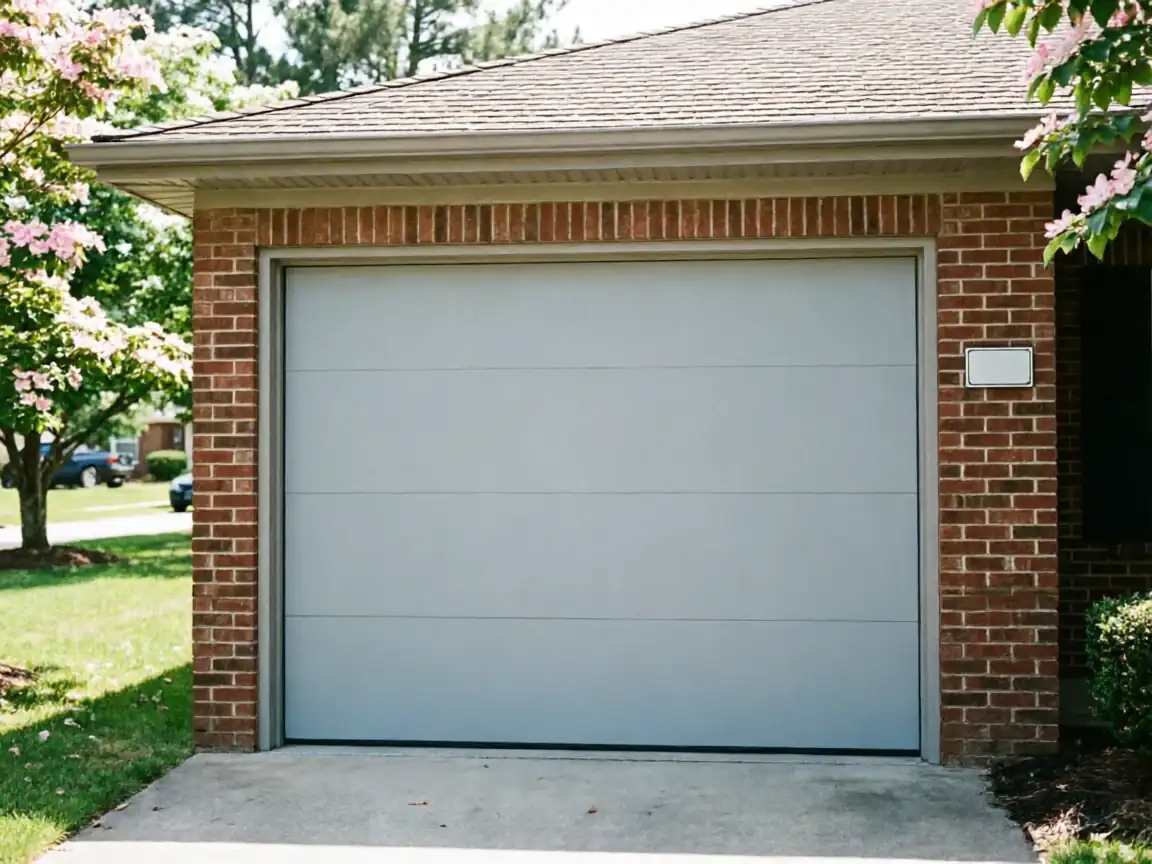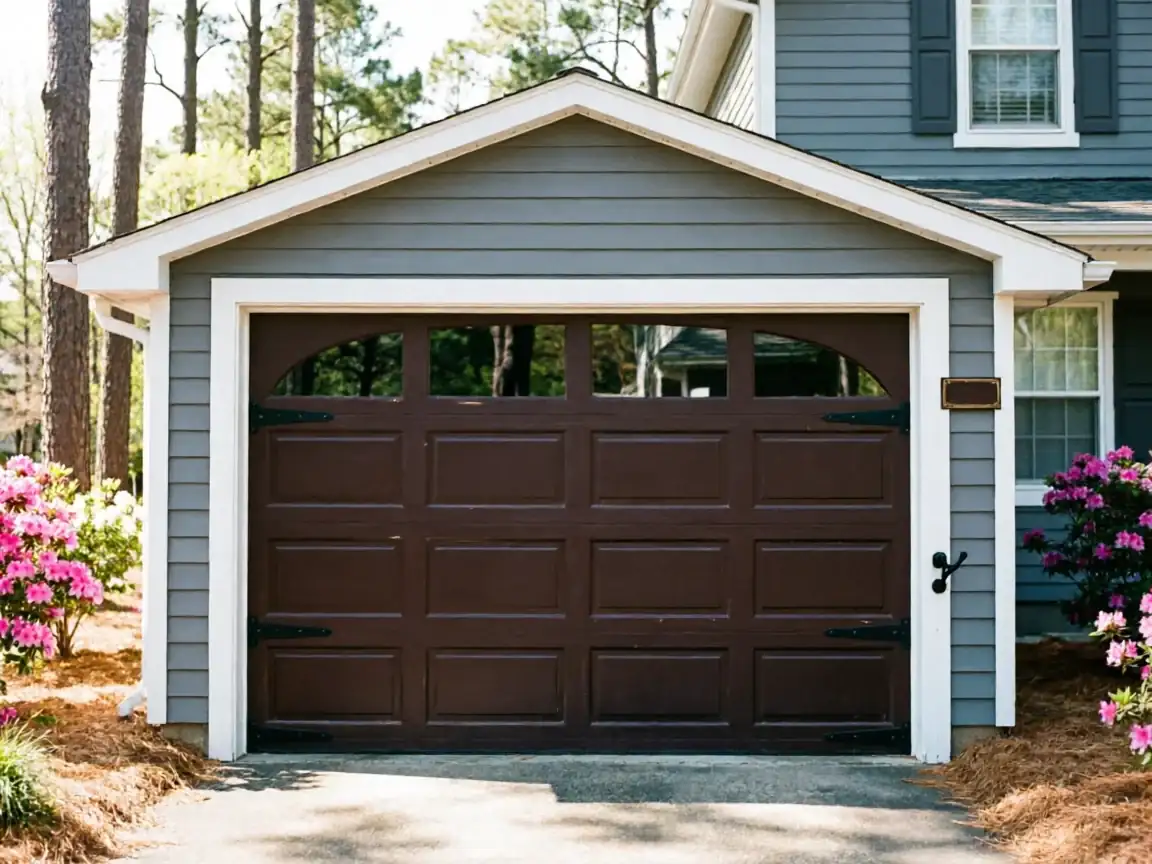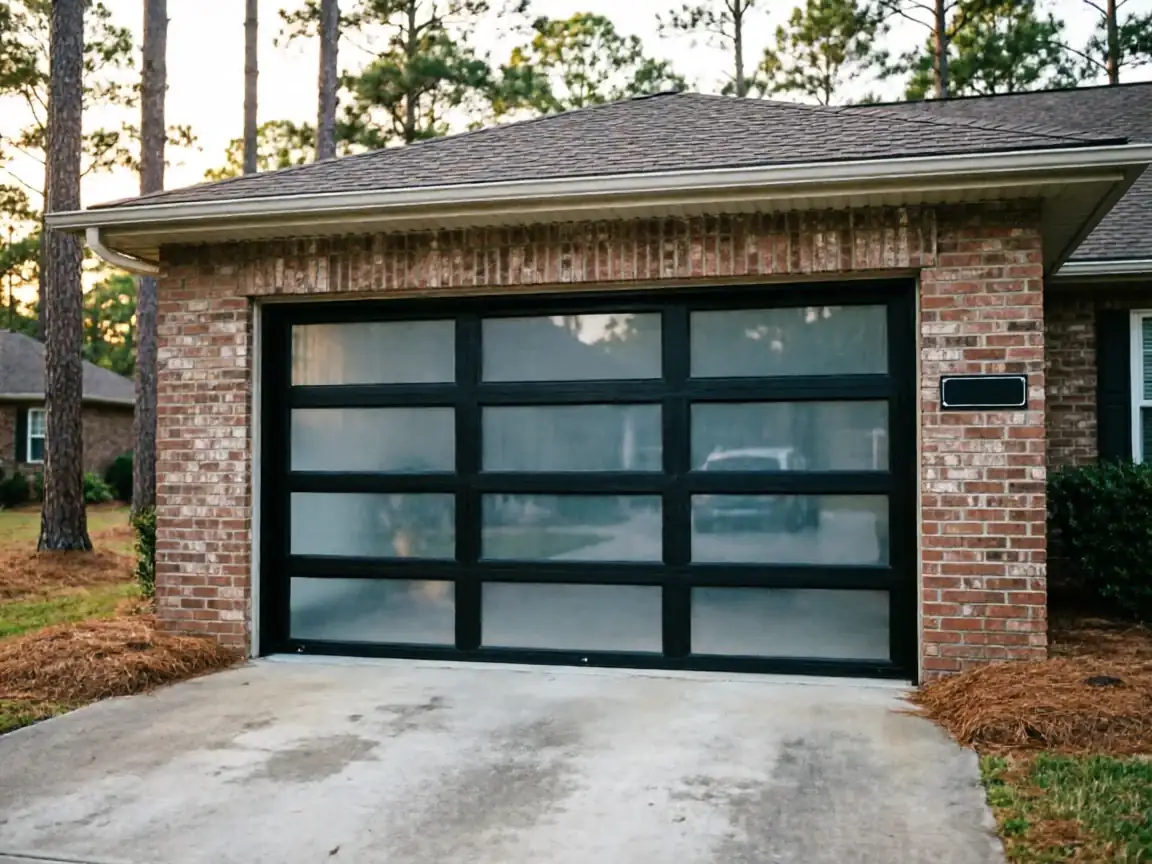
How It Shows Up
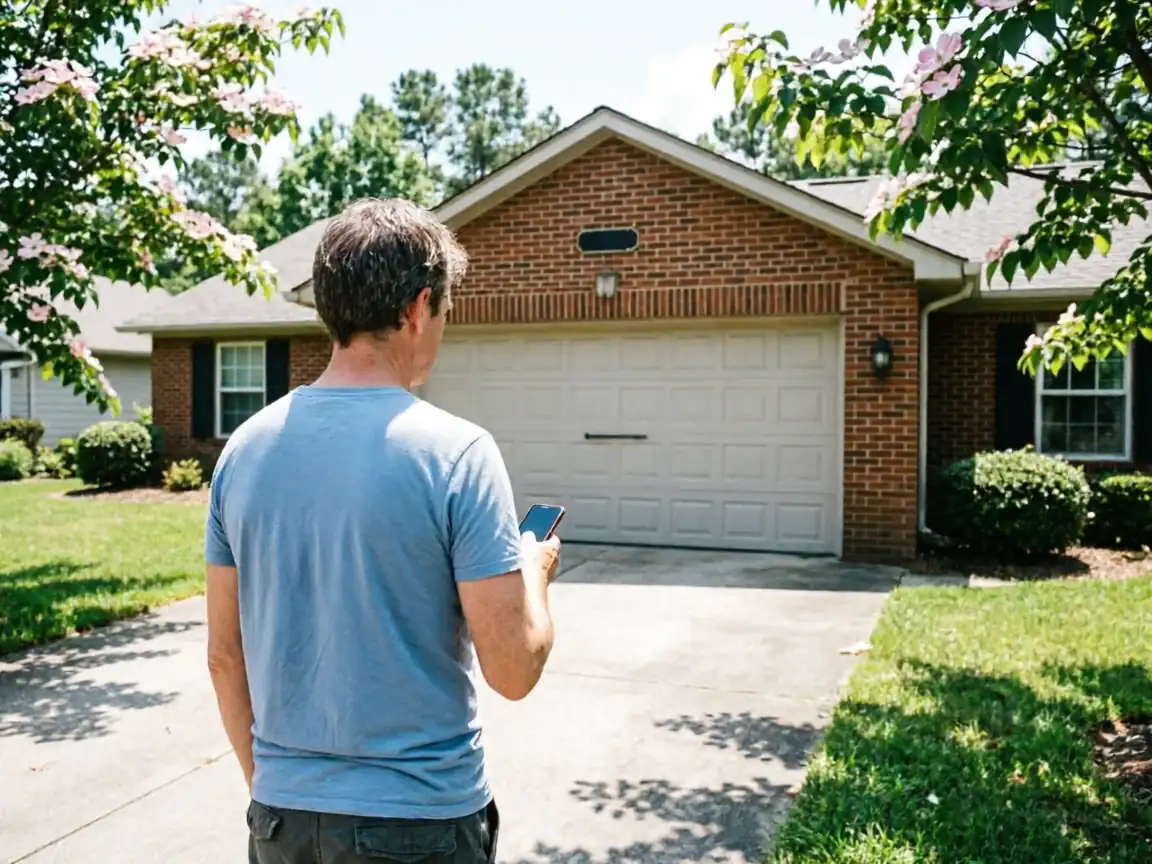
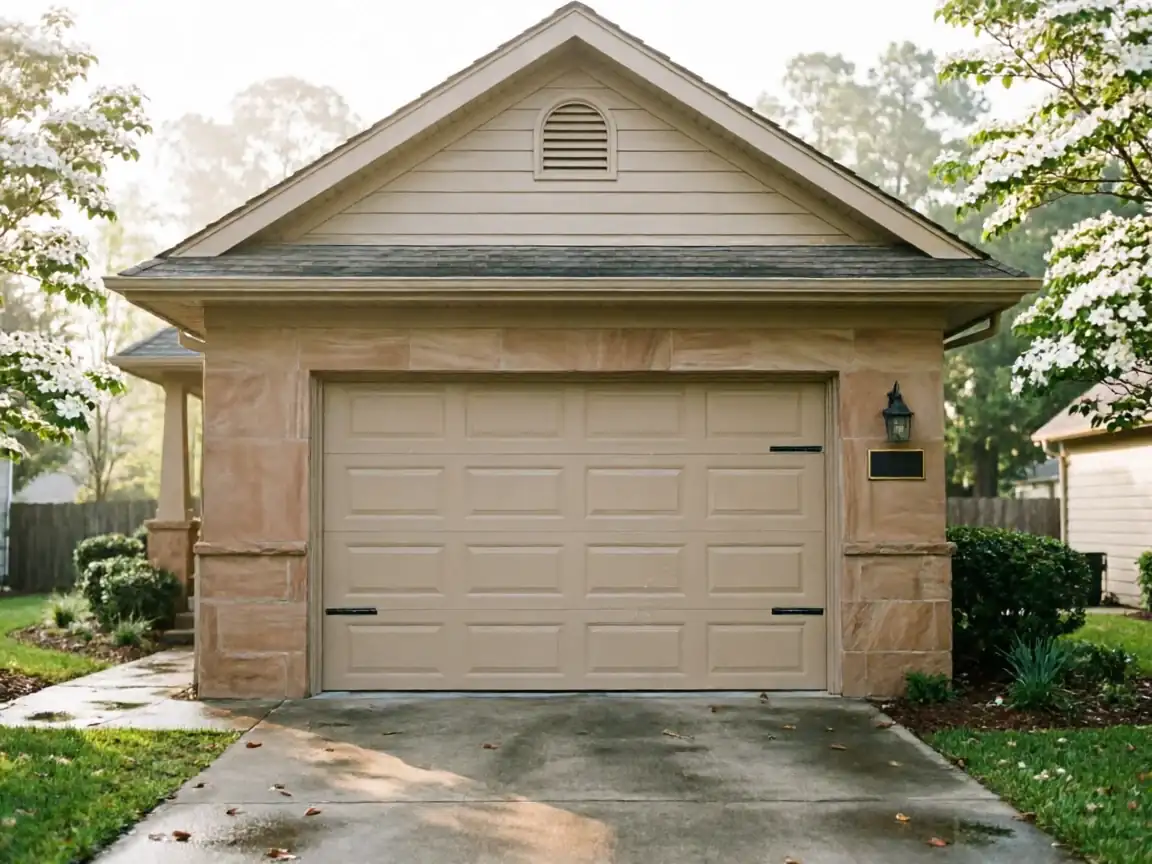
Mountain Park is a small pocket of the service area - about 356 households, nowhere near the size of the bigger subdivisions we work in. That size matters for the kind of calls we get. It's not high call volume from one street; it's a handful of houses built around the same time, in the mid-1980s (median year built 1984), all hitting the same opener problems within a few years of each other.
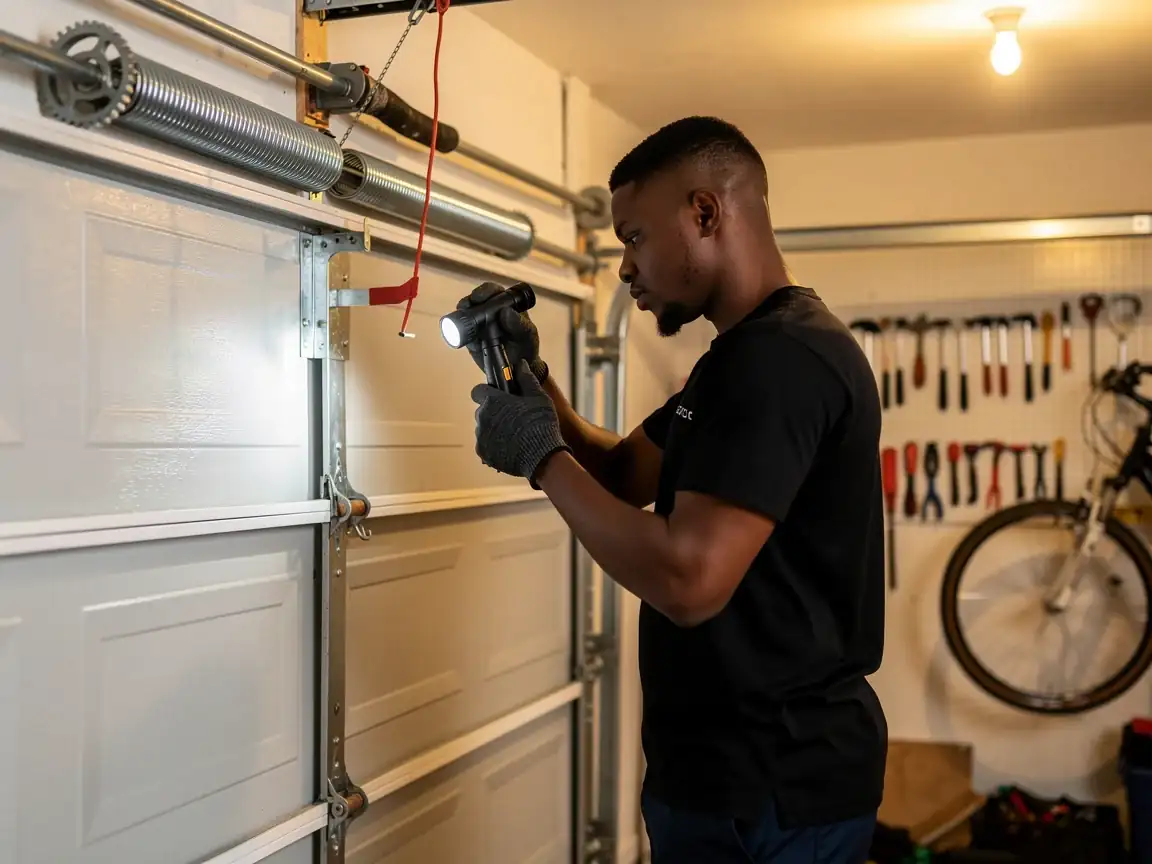
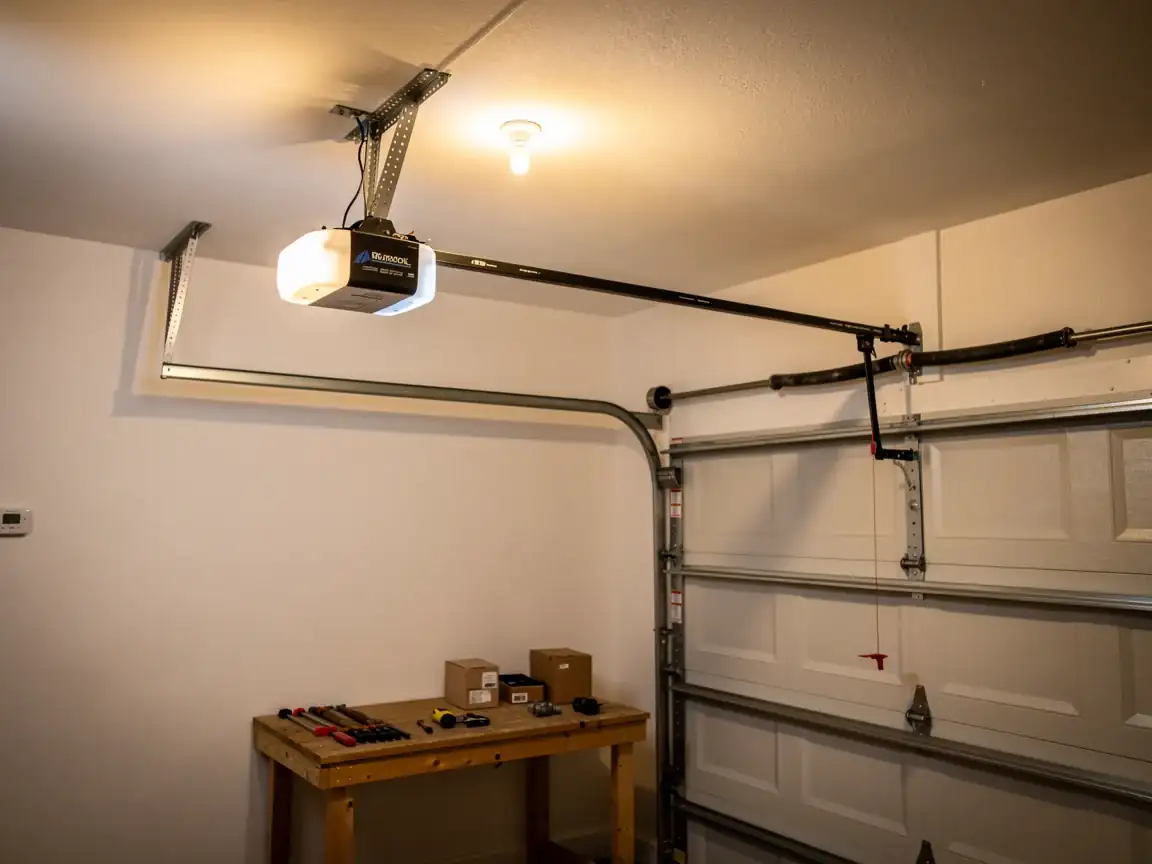
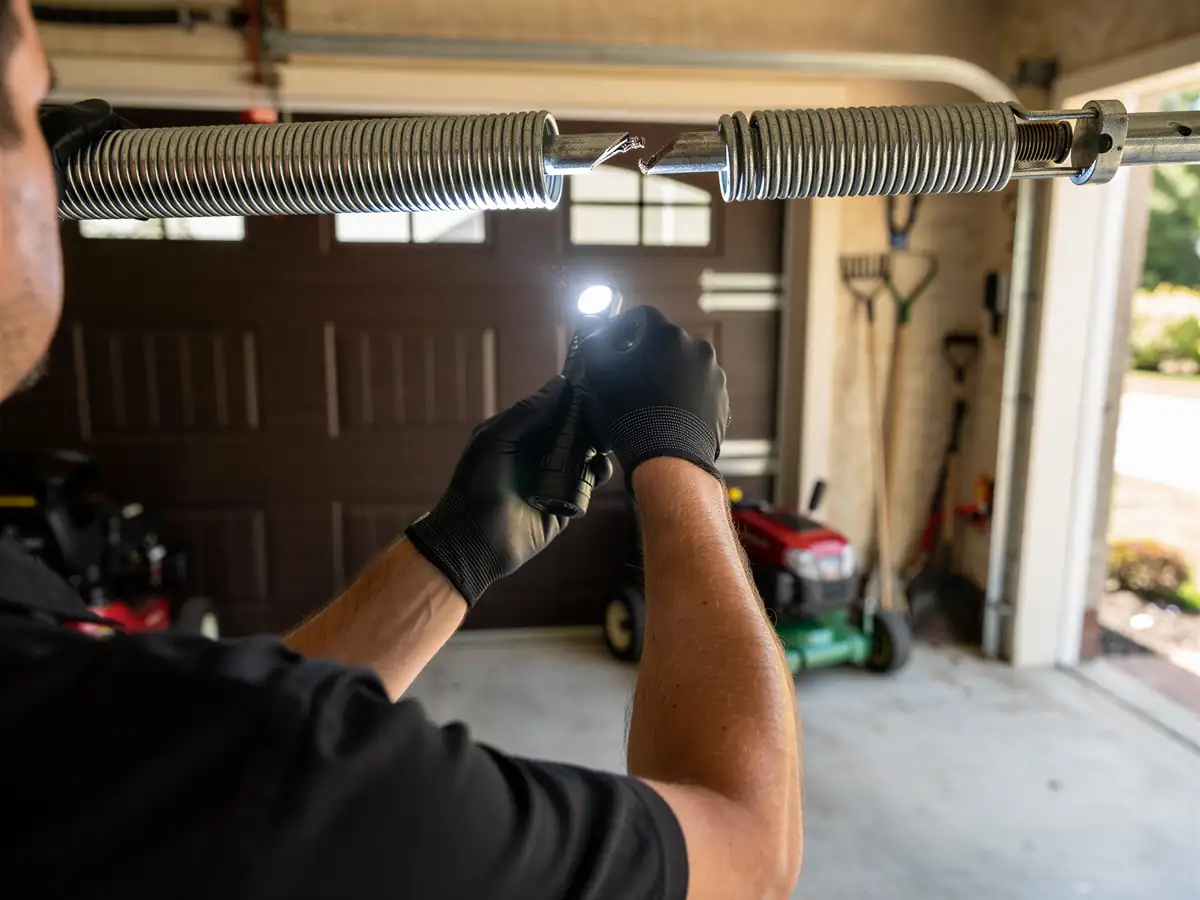
A lot of these garages still have the original chain-drive opener, or a straight swap-in replacement from a decade back that was never rewired for anything newer. The symptom is usually simple: the remote works some days and not others, the wall button has gone unresponsive, or the opener runs but the door doesn't fully seat. On a house this age, that's often the opener's logic board aging out, not the door itself. We don't try to diagnose that over the phone - it takes someone standing in the garage looking at the unit.
Where This Job Goes Sideways
The thing that catches people off guard with a house from this era is the wiring
Mid-1980s garages were built with a single outlet and no dedicated circuit for a smart opener with a side-mounted camera or battery backup. If you want one of the newer units, that sometimes means adding an outlet or running a line, which isn't part of a straight opener swap.
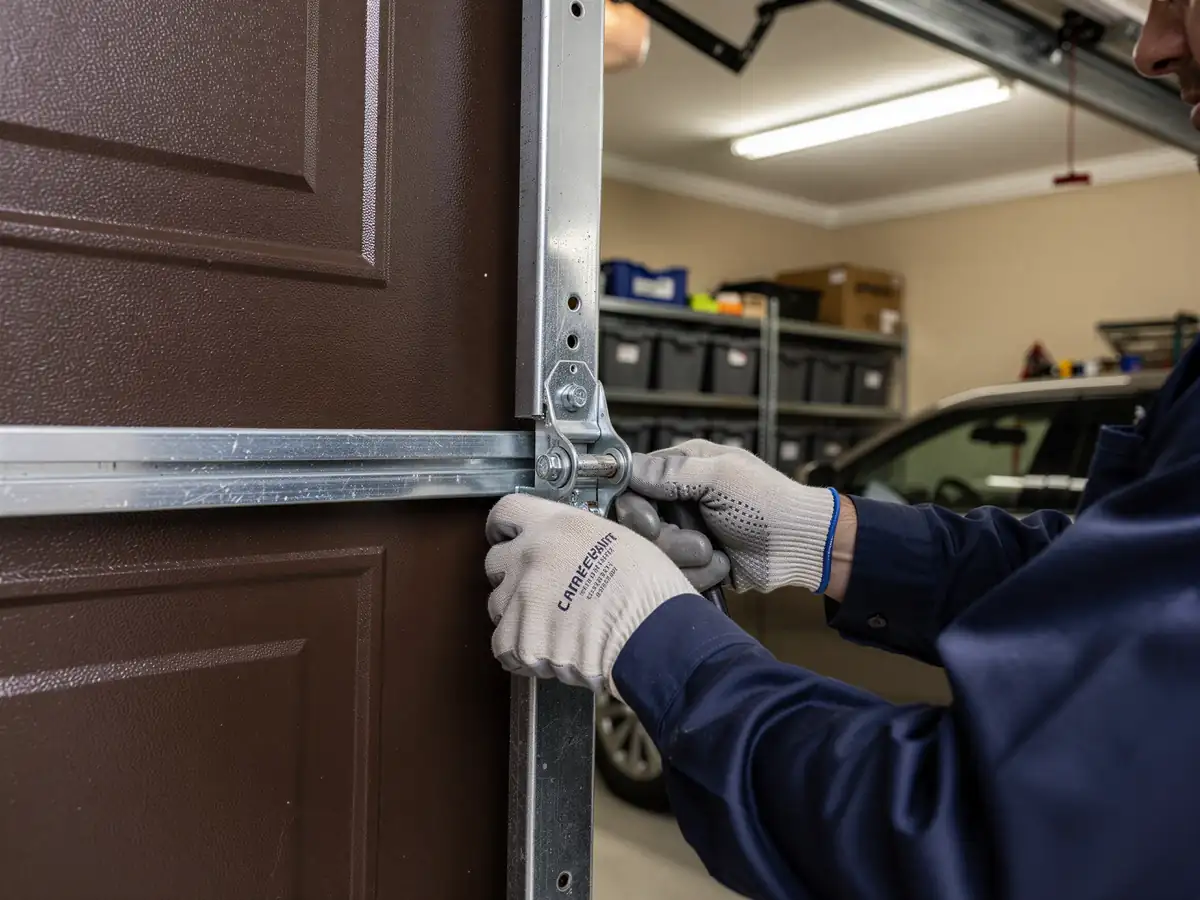
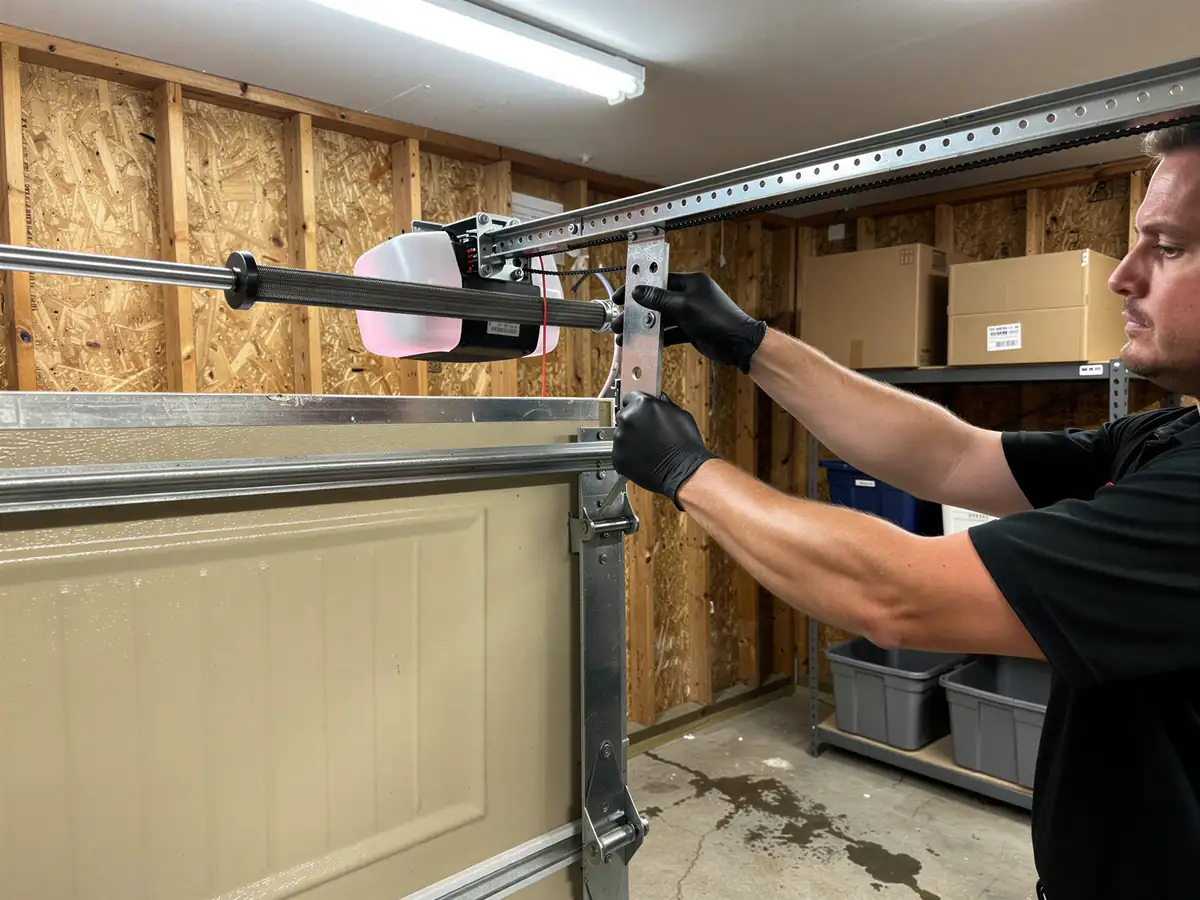
The other issue: the bracket and header mounting from 1984 construction doesn't always match modern opener hardware without an adapter plate
We check this before quoting, not after we've opened the box. If your garage has already had the door itself replaced more recently than the opener, the two don't always line up either - a newer door can be heavier or have a different travel distance than what the old opener was sized for.
Doing It Yourself
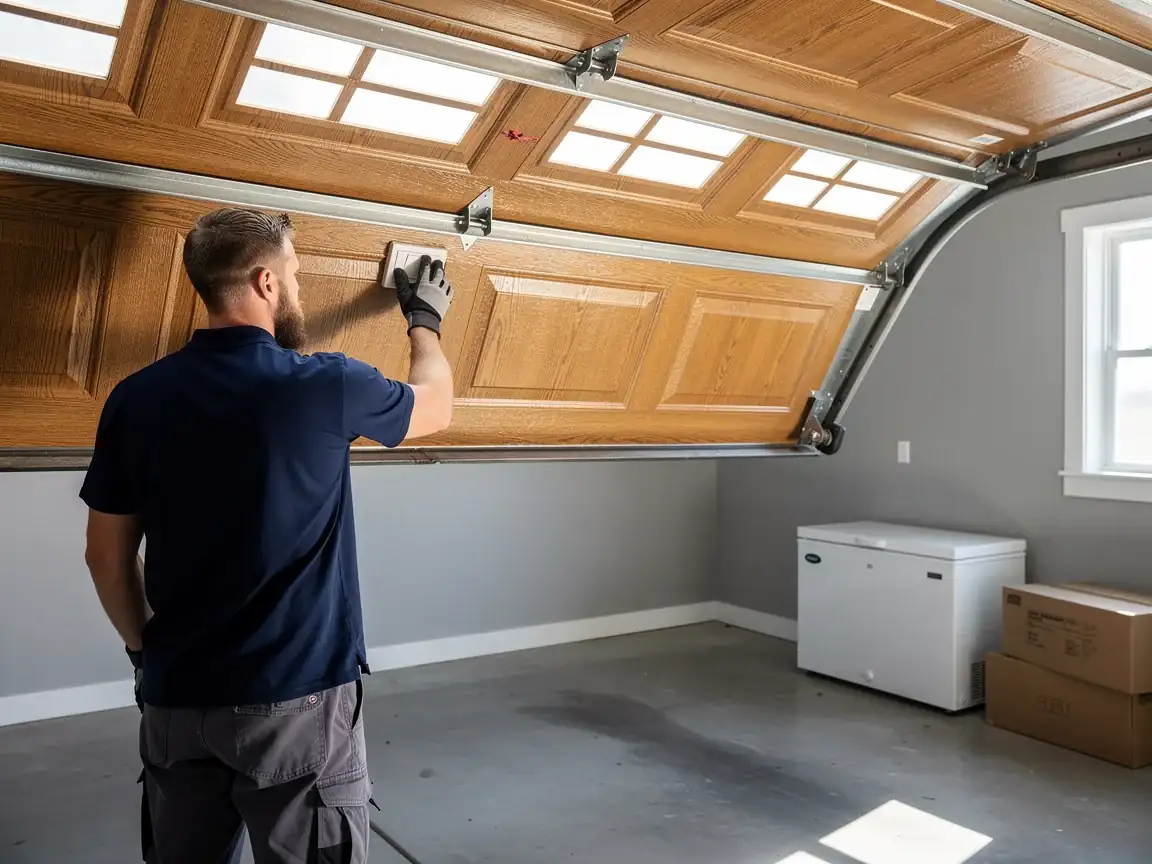
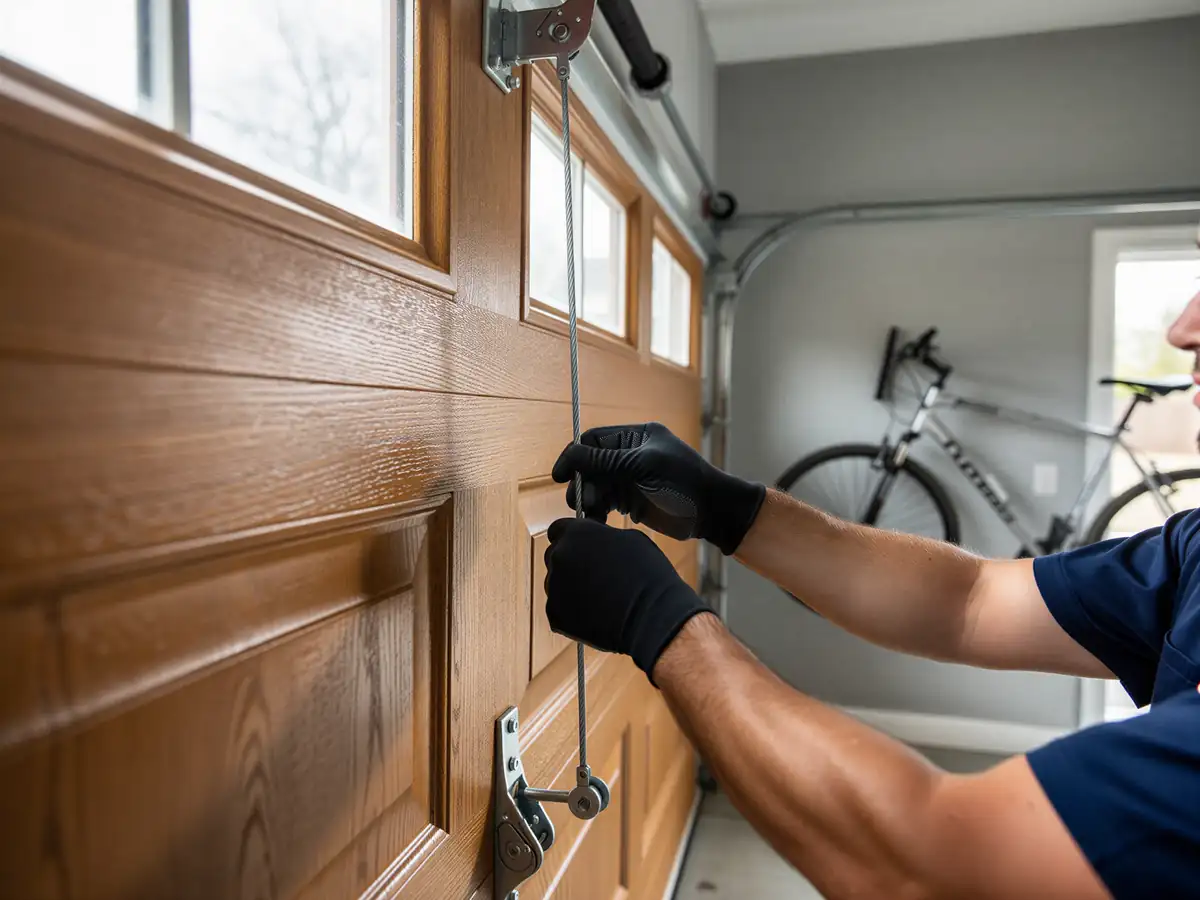
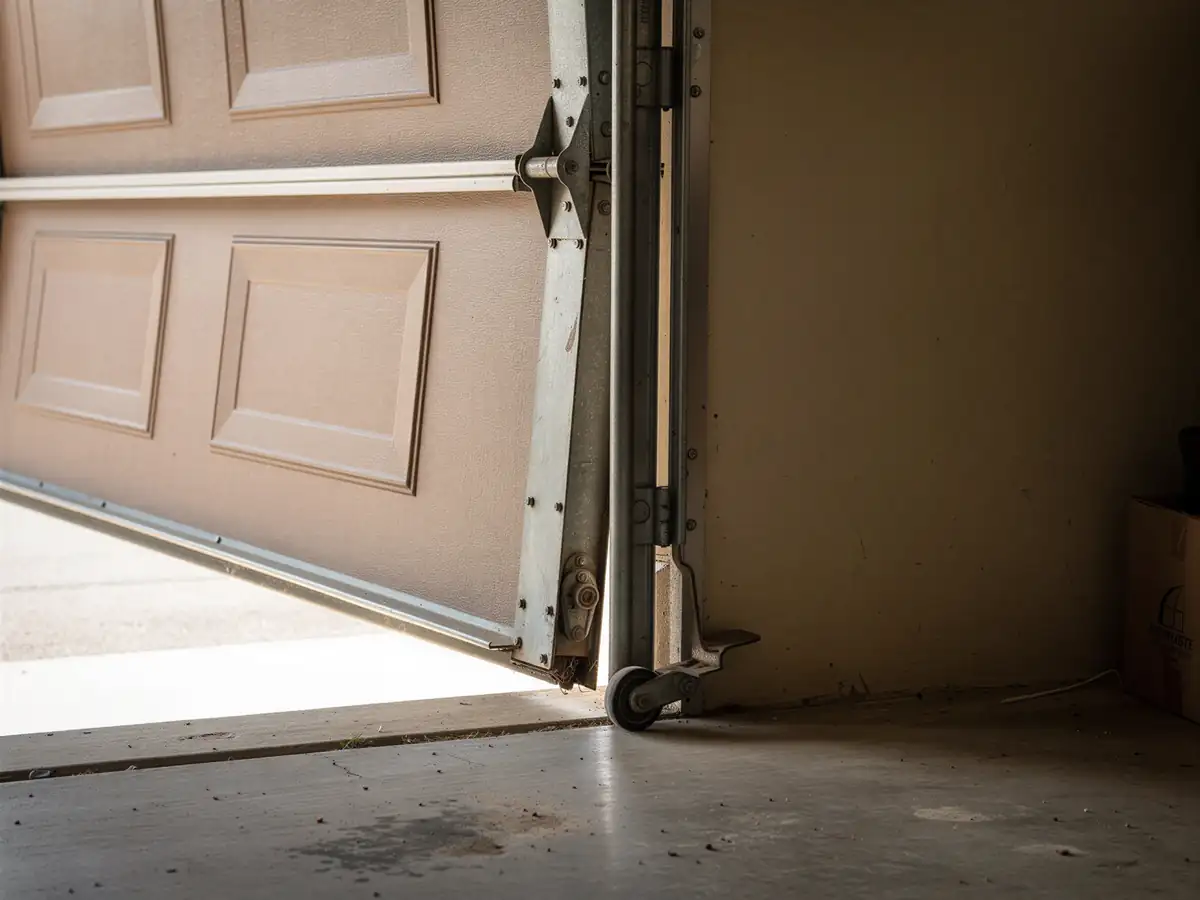
A boxed opener from a hardware store is a real option for some of these houses - if the existing wiring, mounting, and door weight all still match what's in the box, a careful homeowner can do the swap in an afternoon. Where it gets risky is the travel limit and force settings. Set those wrong on an older door with worn rollers or a slightly bent track, and you get an opener that either won't close fully or slams the door down hard enough to crack a panel.
We won't tell you it can't be done. We will tell you that on a 1984-era garage, the hardware underneath the opener is usually the part worth having someone look at first, since it's the part that's invisible until it fails.
How Long You Are Without the Door
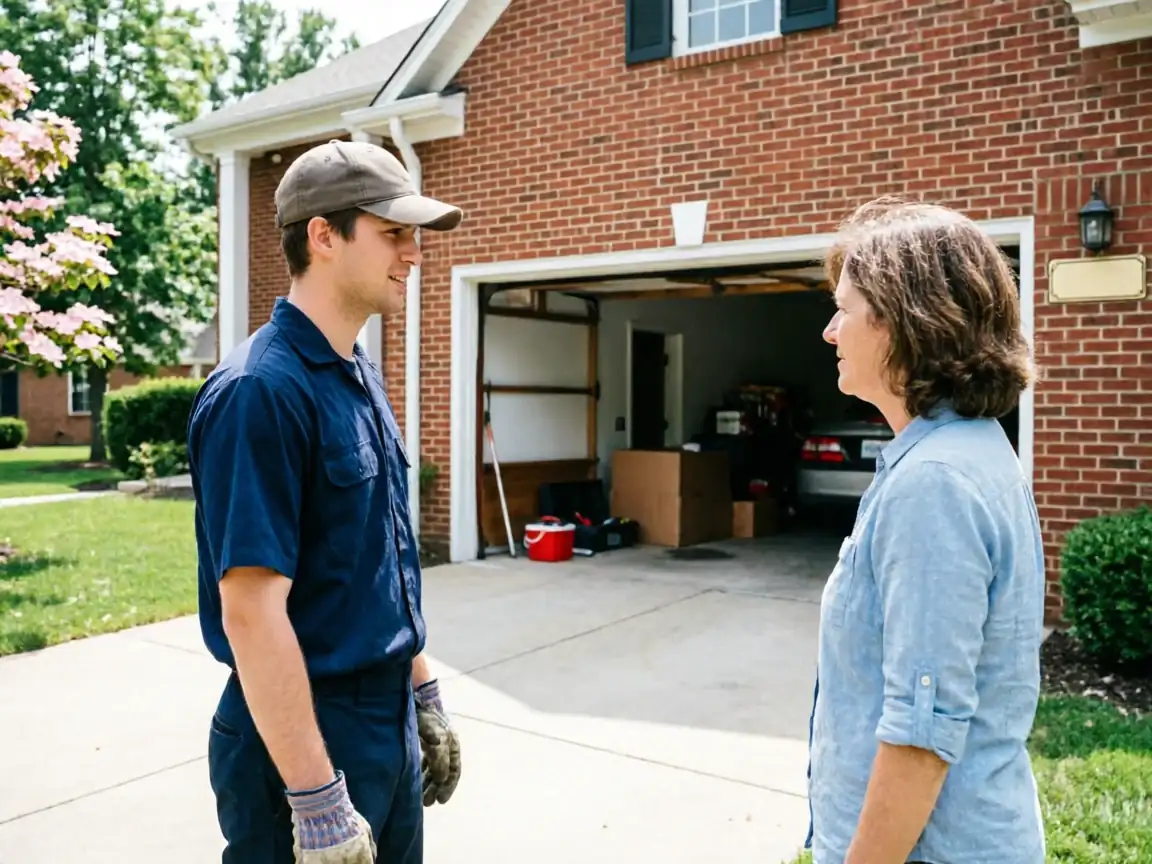
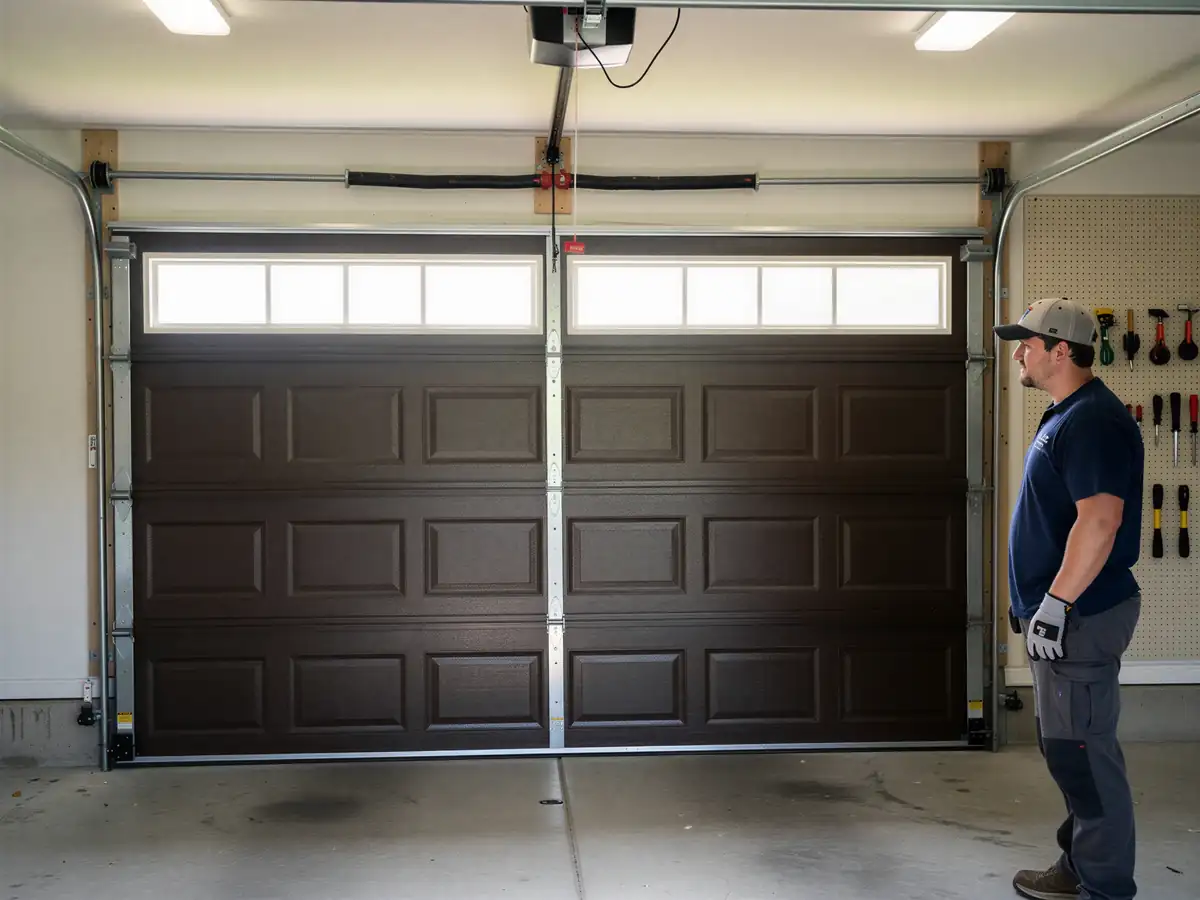
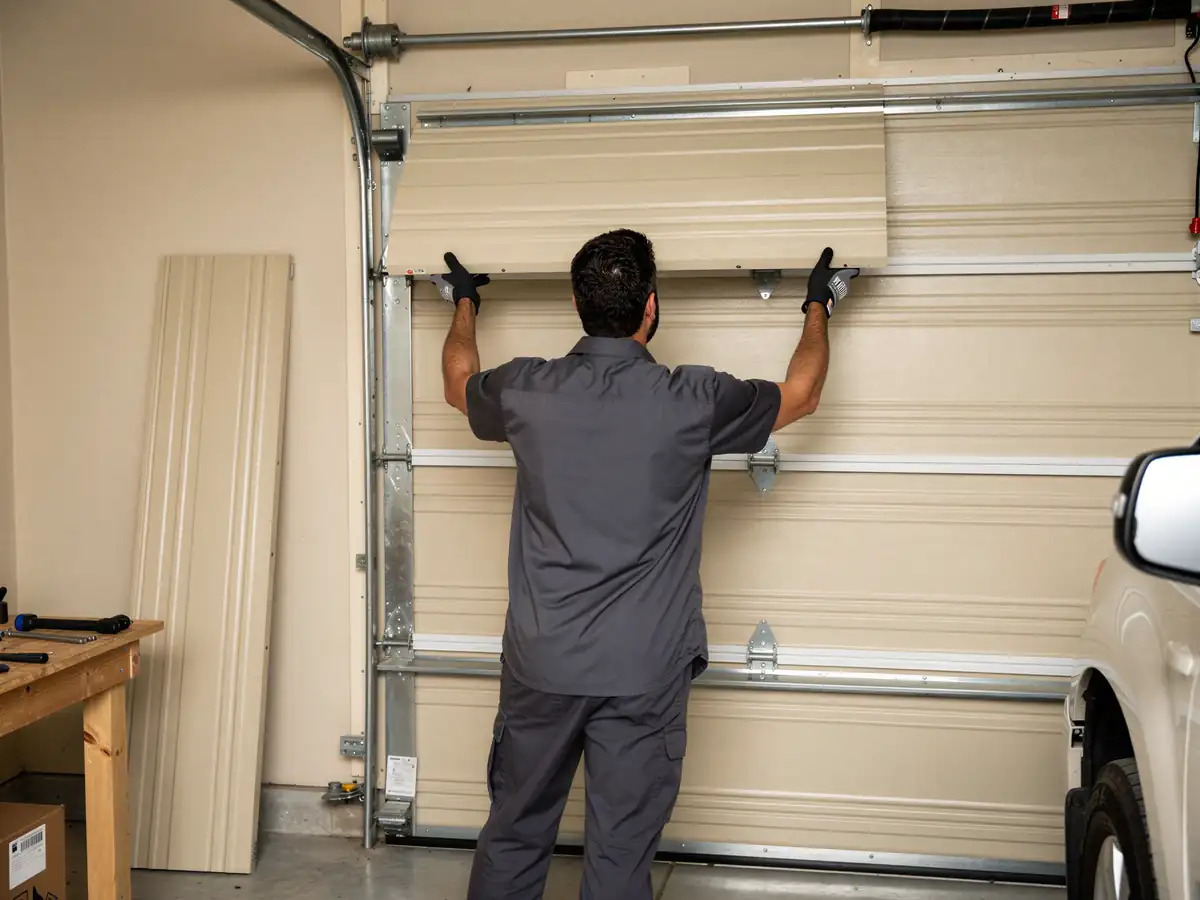
We run this out of Acworth, about 15 miles away, so there's no local branch sitting around the corner - a visit here gets scheduled like any other stop on the route. Most opener installs, once we're on site, run under a couple hours including setup and testing the safety sensors, assuming the mounting and wiring are straightforward.
If the job turns out to need an adapter bracket or an electrical fix we didn't stock on the truck, that can mean a second trip. We'd rather tell you that up front than promise a same-visit finish and miss it.