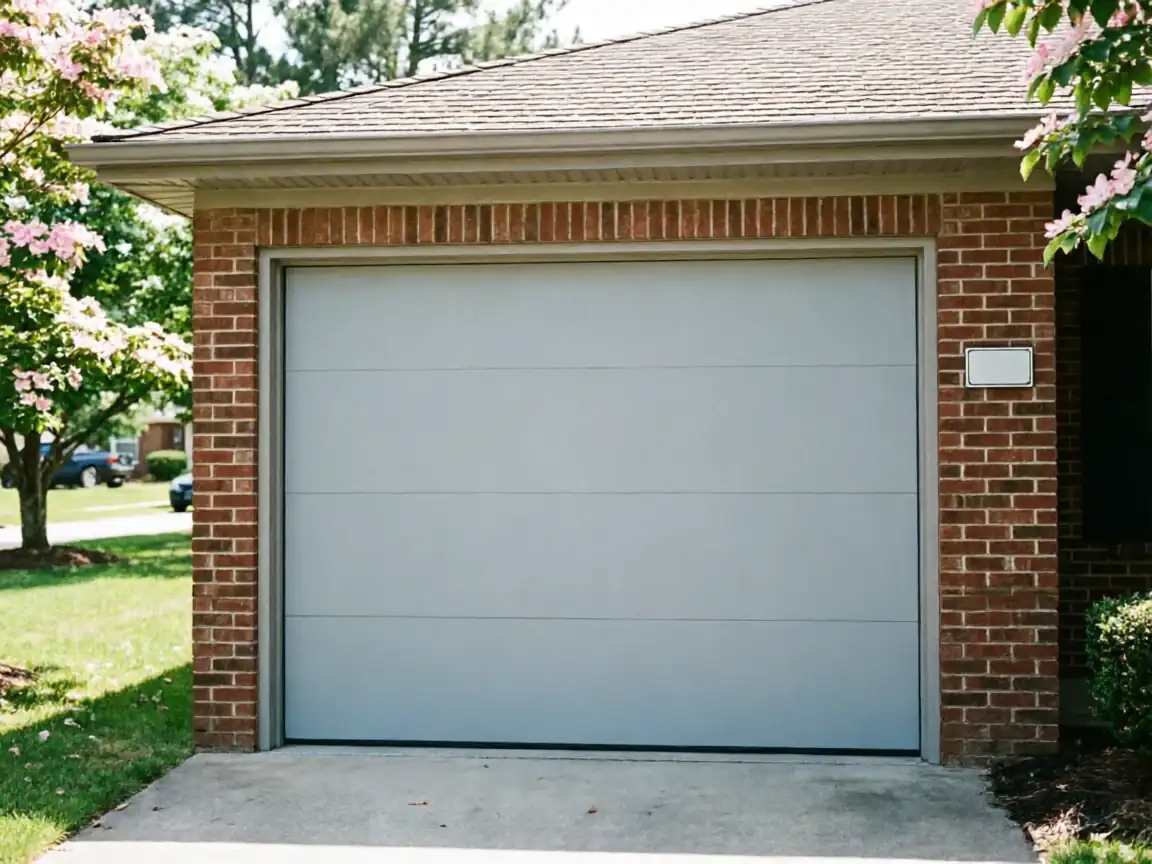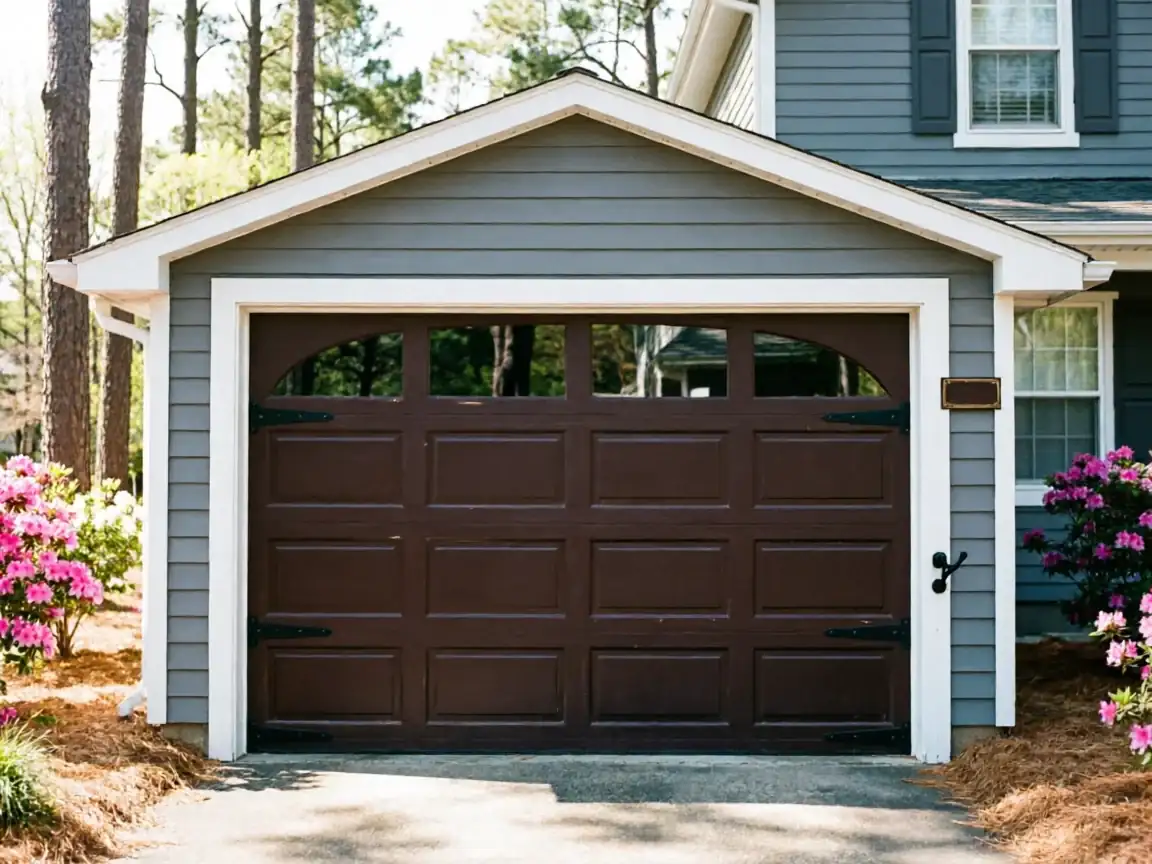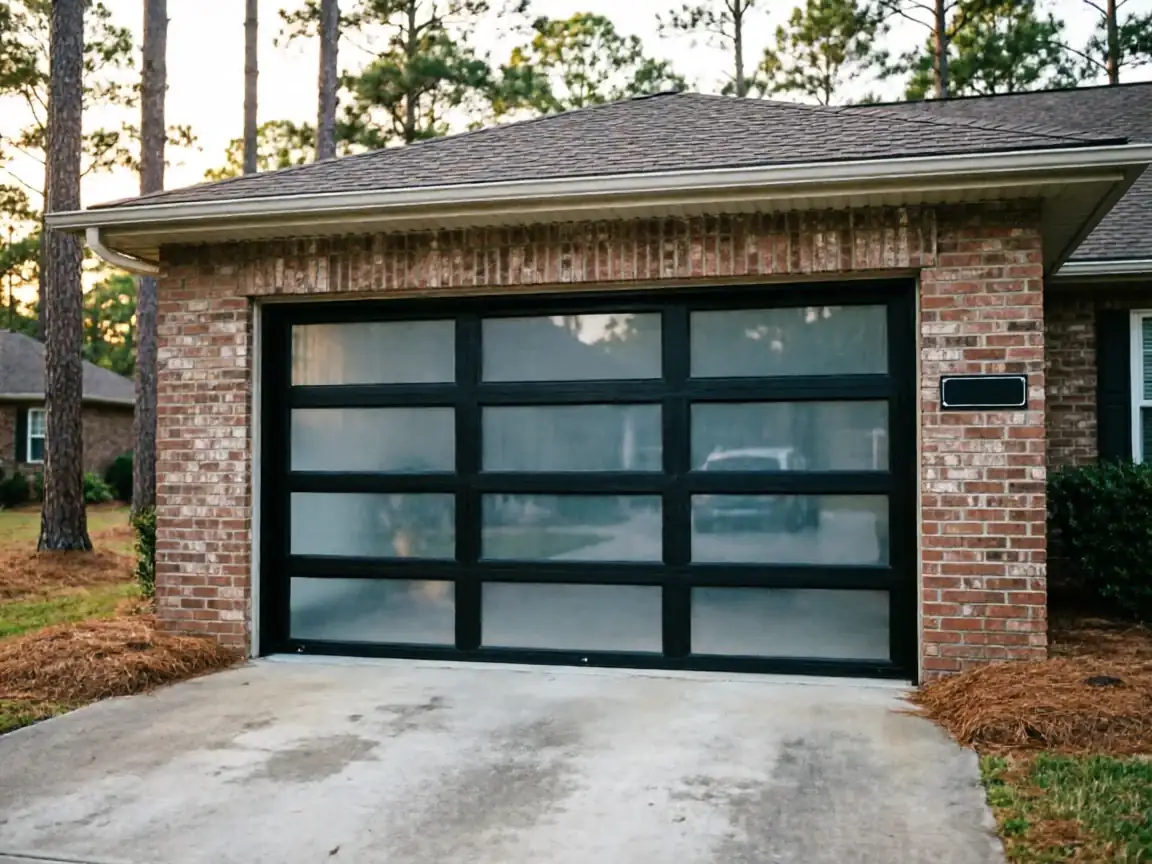
How It Shows Up
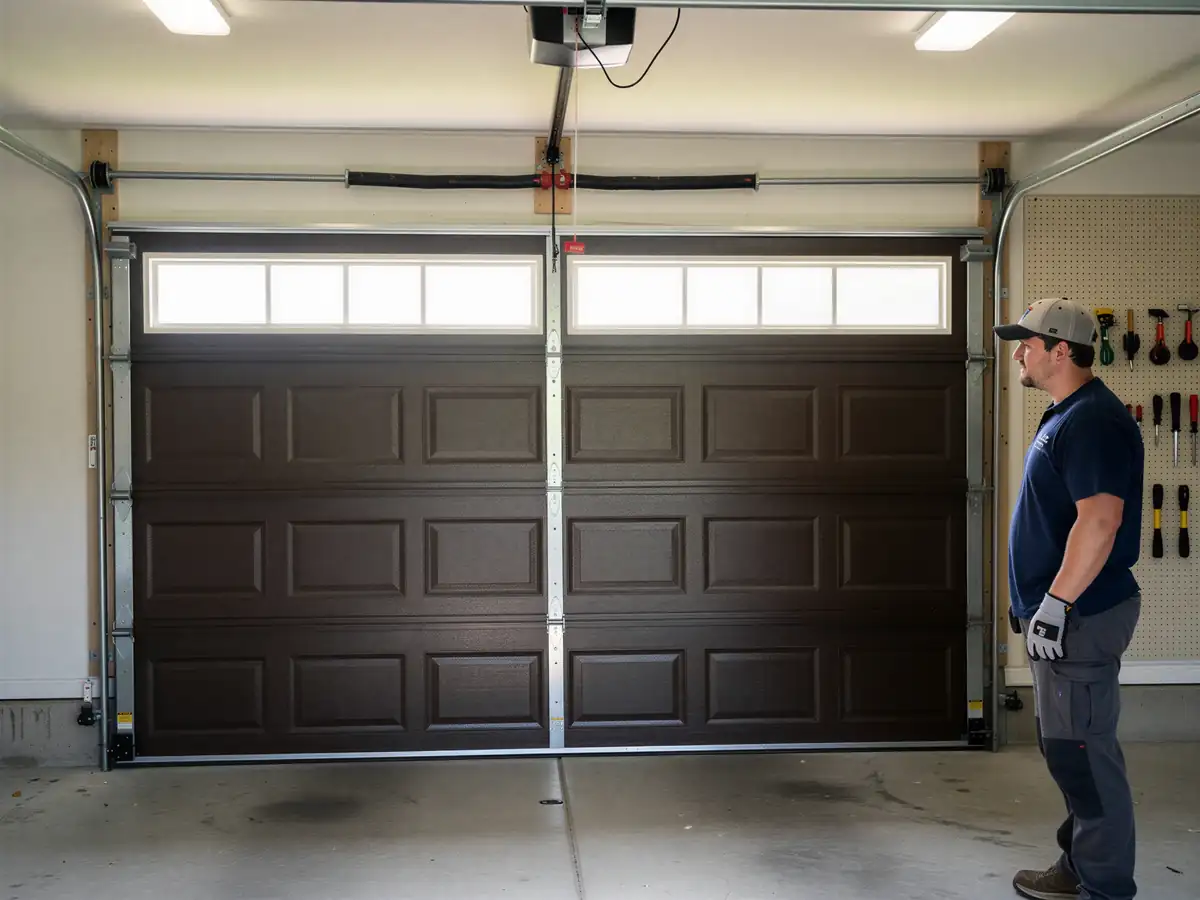
Most of the houses in Mountain Park went up around 1984, which puts this pocket a few years ahead of the wider service area's 1989 median. That matters because 1984 sits right at the hinge point between builders using the cheap short-torsion springs that were standard in the early 80s and the heavier double-torsion setups that came in later in the decade. If your door is original, you're likely running one spring doing the work two would do today, and it's been doing that job for close to forty years.
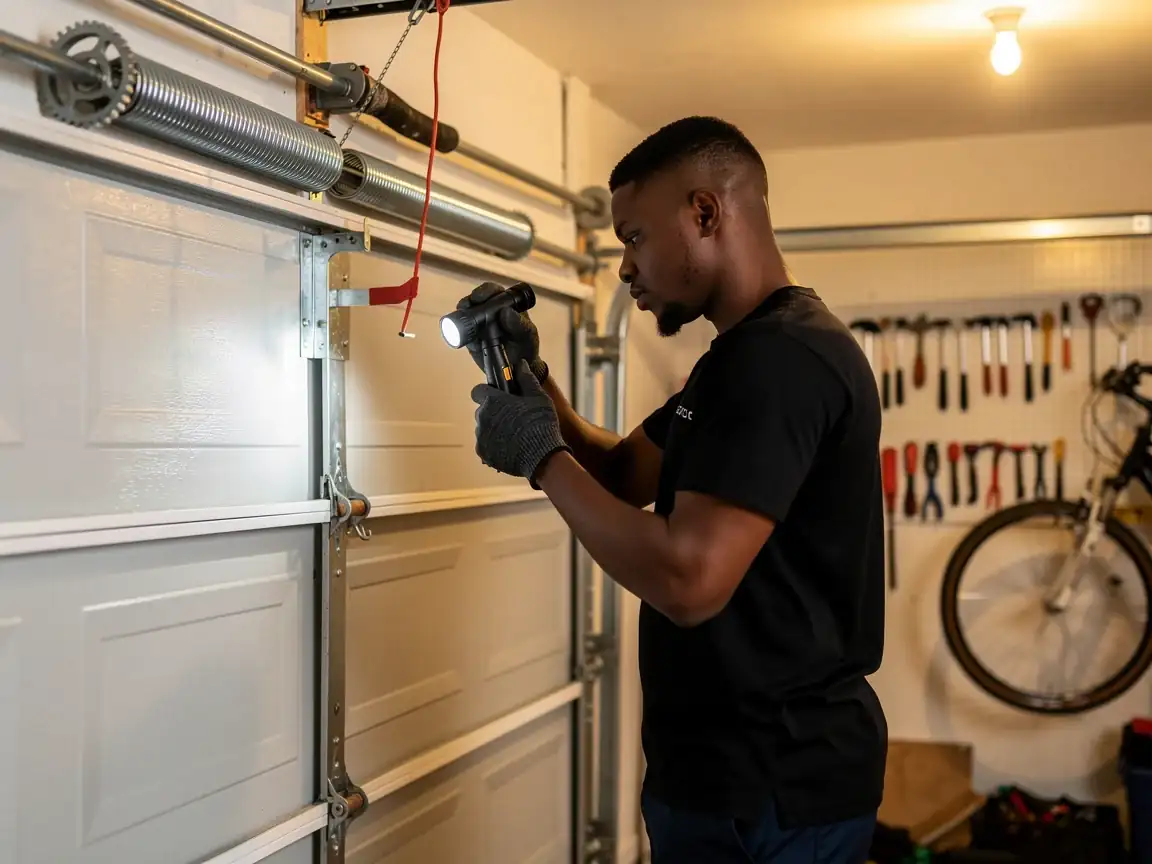
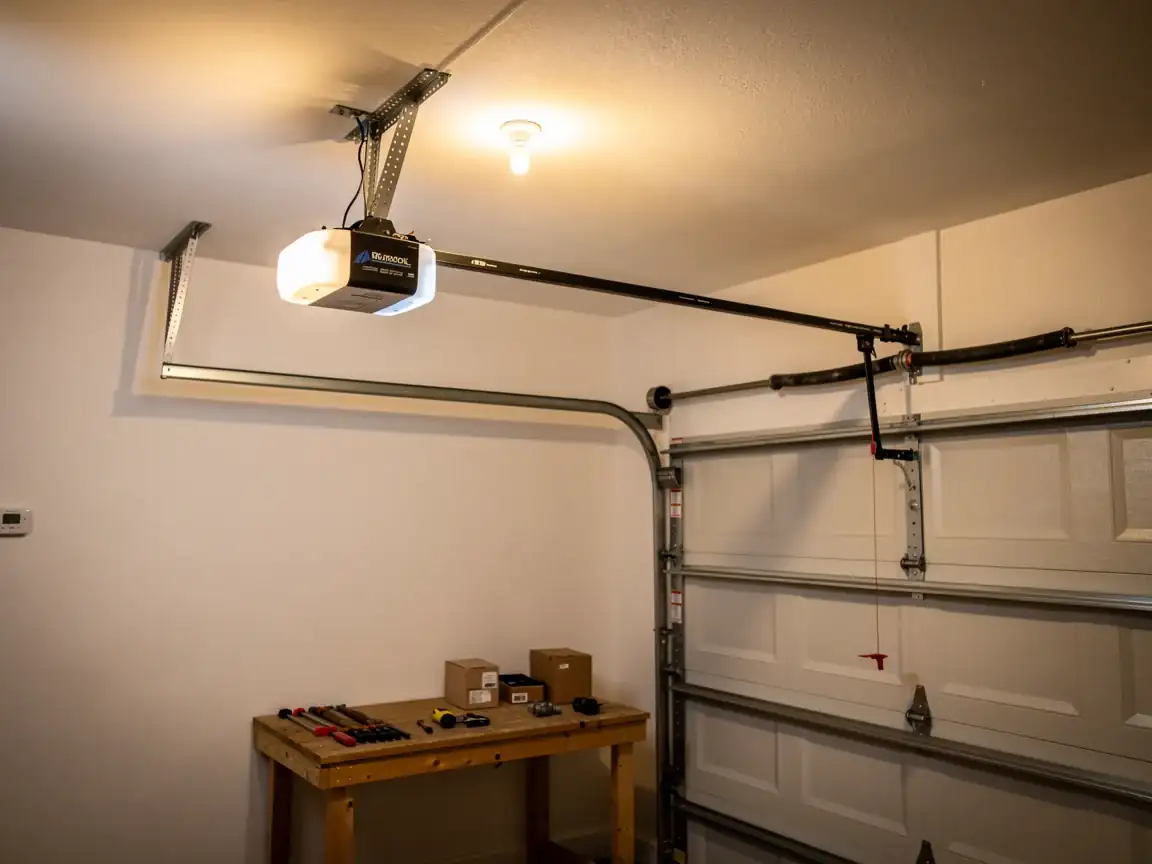
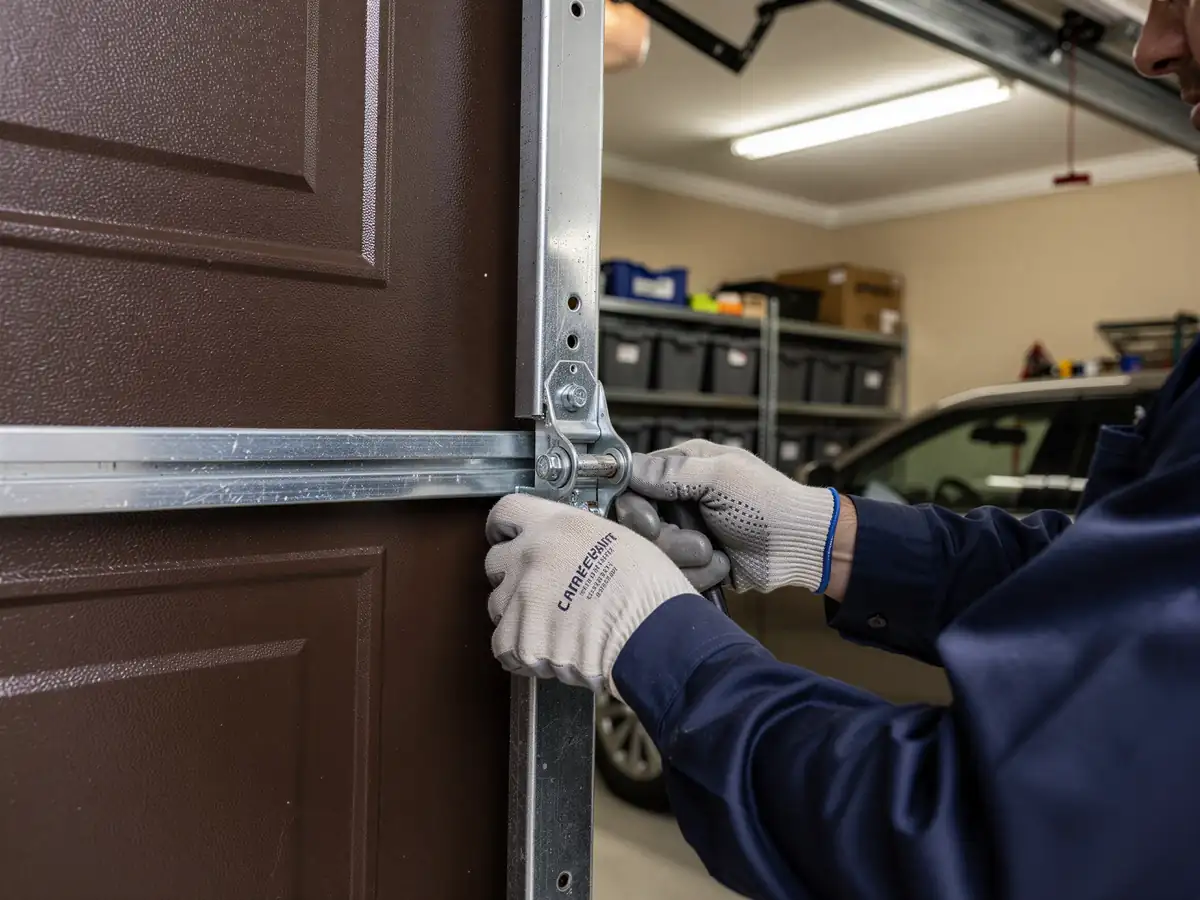
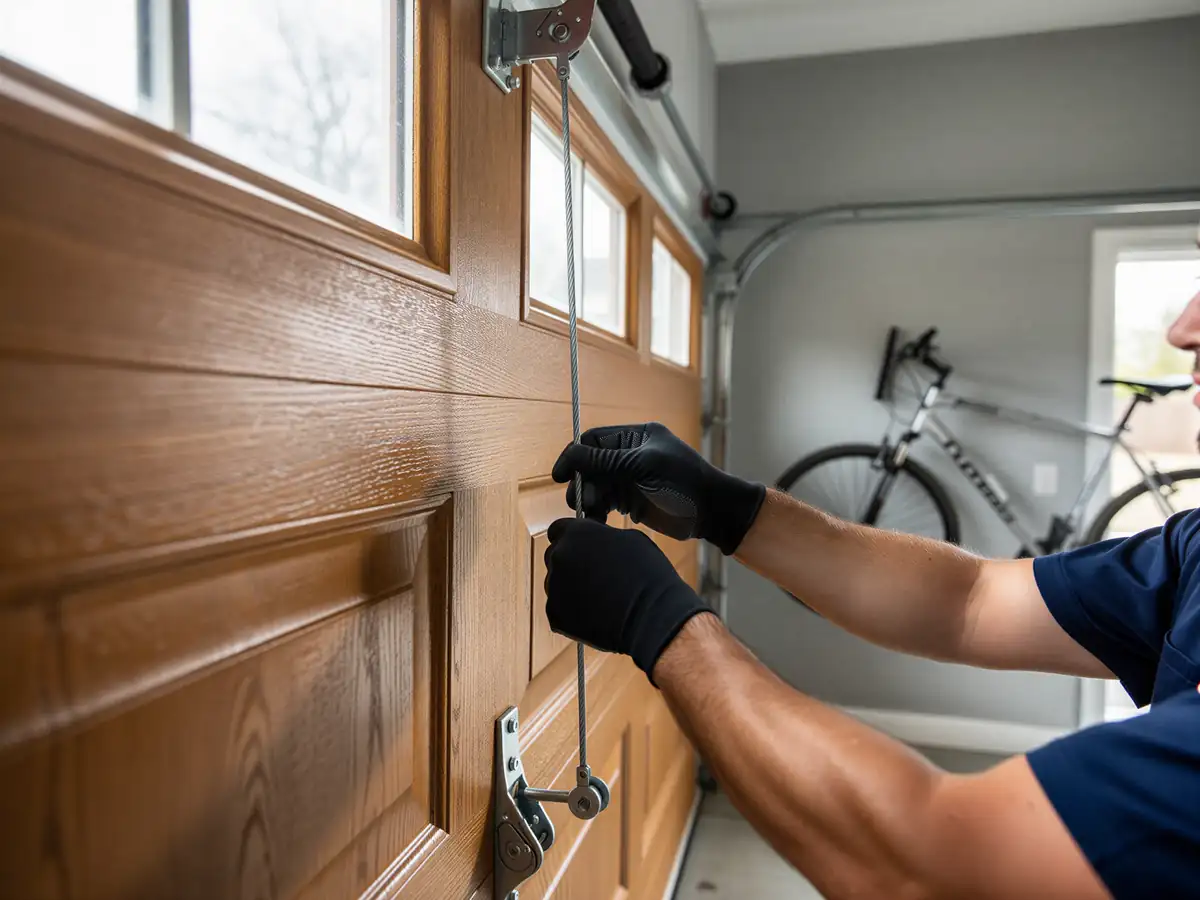
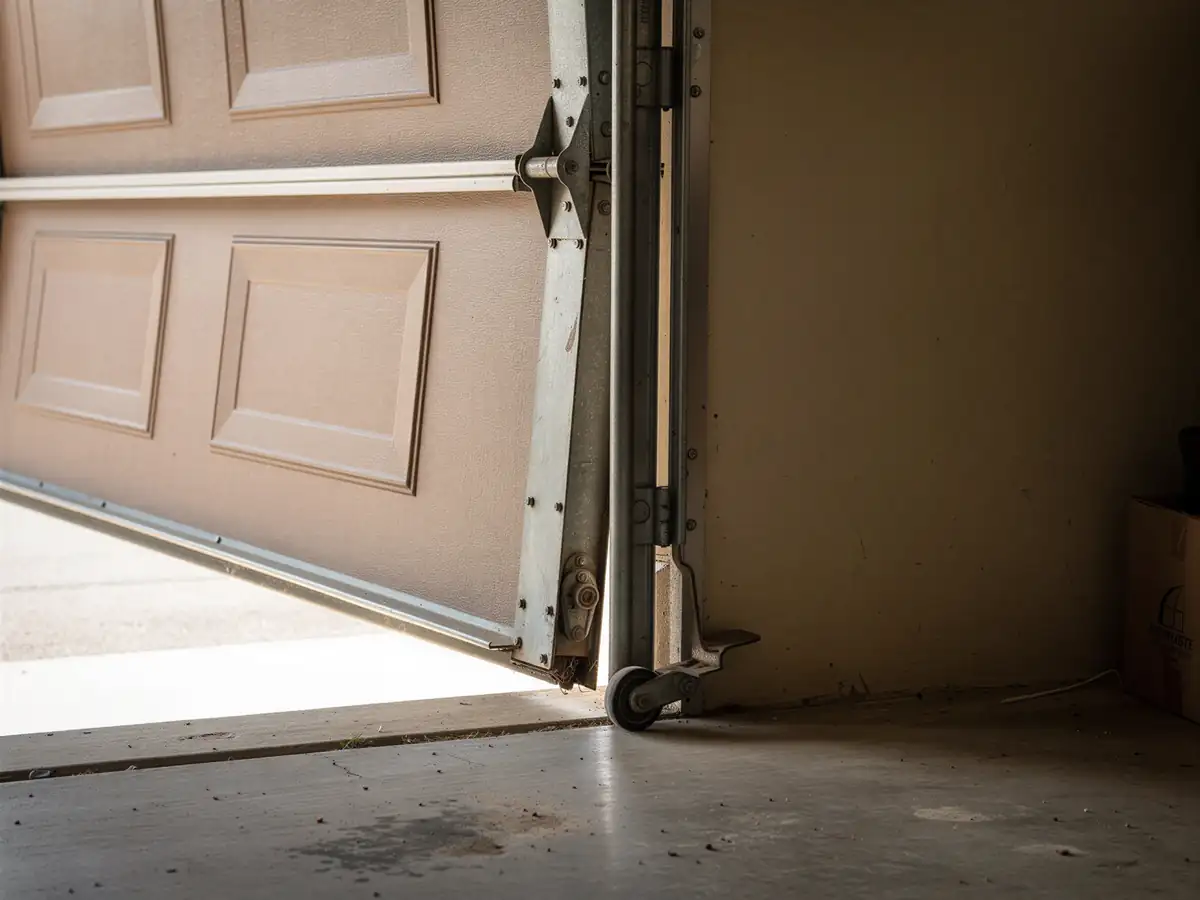
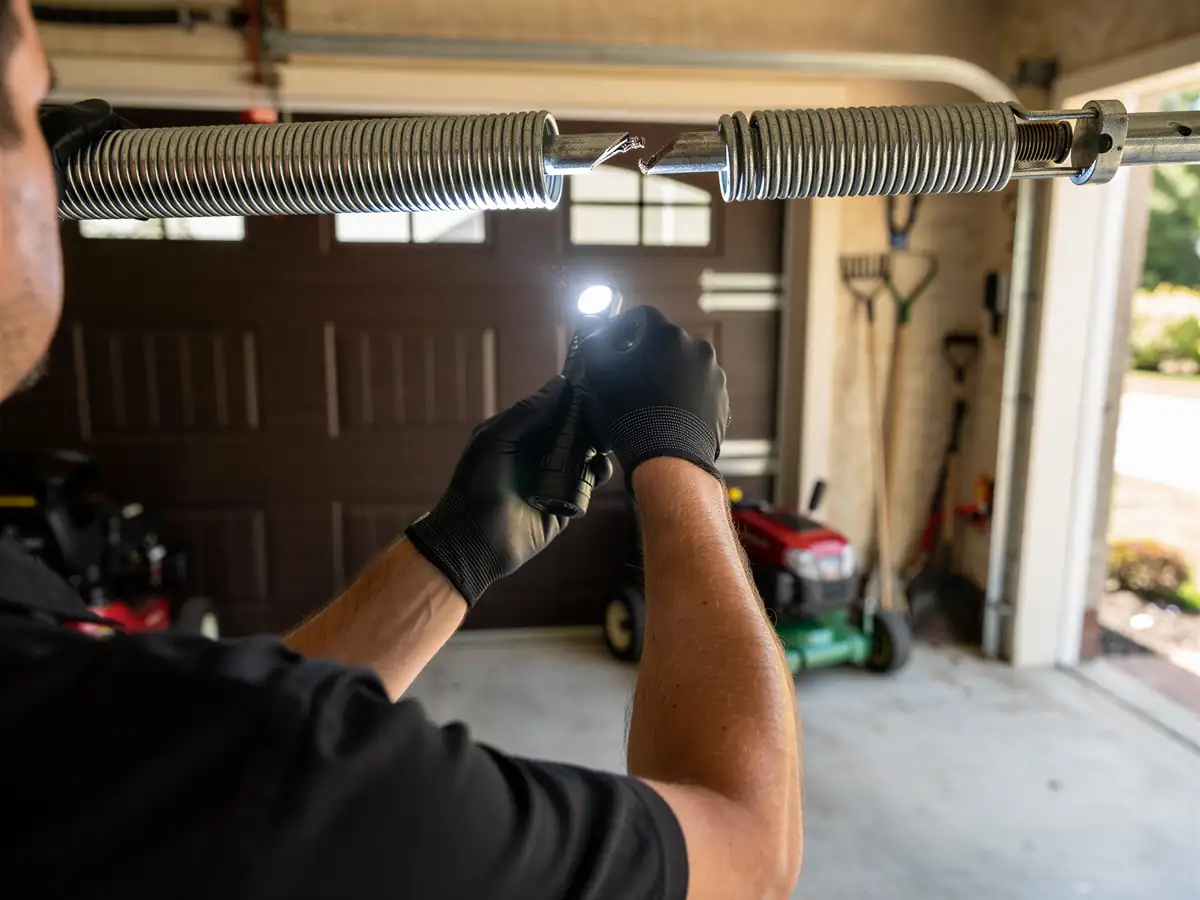
What we actually see on these calls: the spring snaps clean, usually in cold weather when the steel's stiffer and under more load on the first lift of the day. Second most common is the cable fraying where it wraps the drum, because early-80s drums were narrower and the cable rides a tighter radius. Rollers on these doors are often the original nylon, which by now have flat spots you can feel in the bind when the door runs. None of this is dramatic until the spring goes, and then it's a dead door and 400+ pounds of steel panel sitting on a stuck track.
Where This Job Goes Sideways
The mistake we run into most in a neighborhood like this is someone replacing just the spring and leaving the drums and cable alone because they still look fine
On a door this age they usually aren't. The drum bore wears oval over decades of use, and a new spring on a worn drum just transfers the stress somewhere else - usually the cable, which then frays within a season and strands you with a door stuck halfway.
The other way this goes sideways
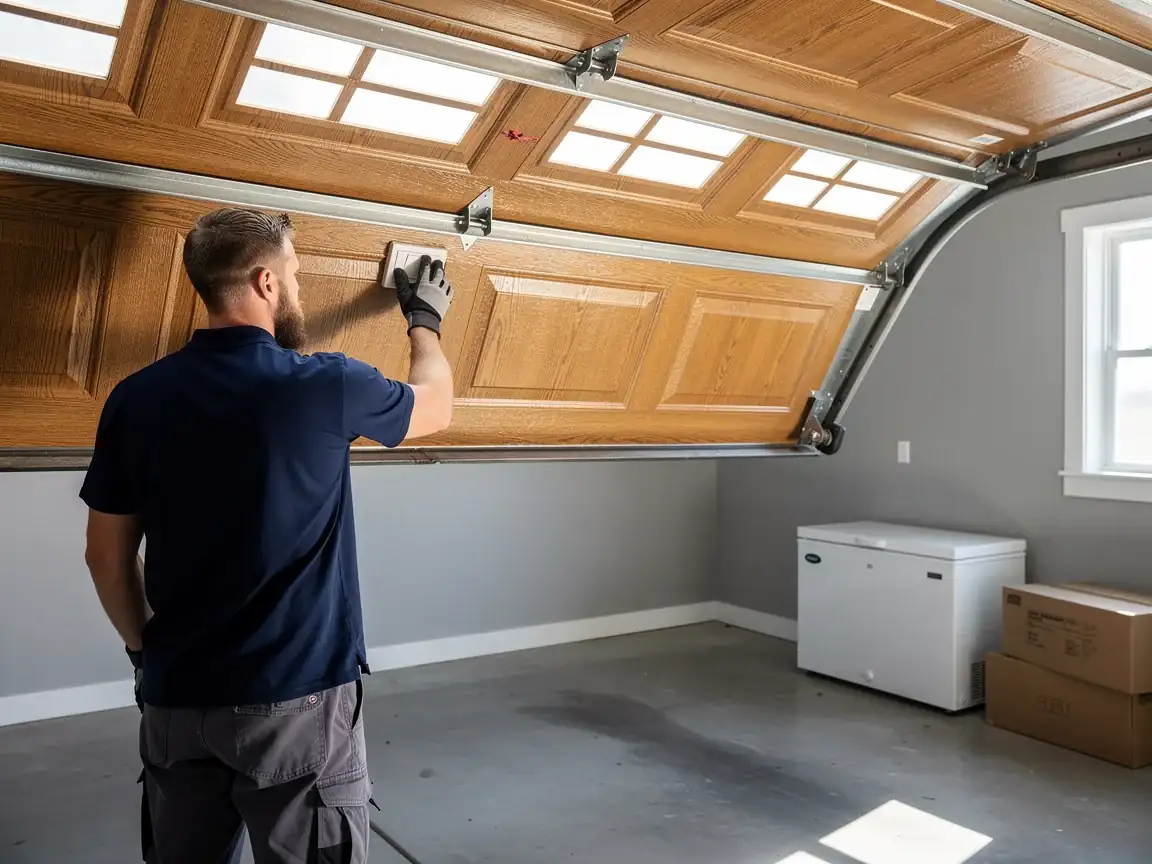
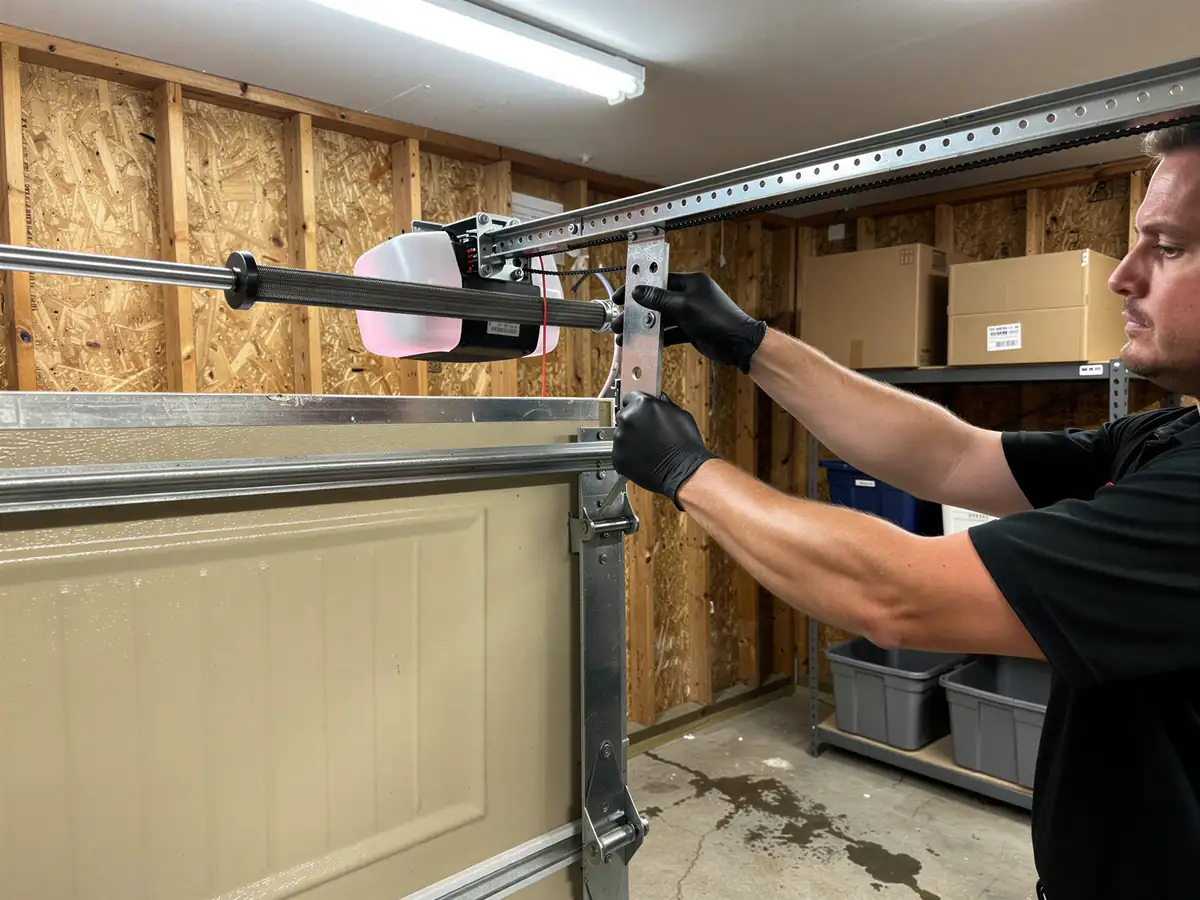
Calling in a fix for an opener that's actually a track problem. A lot of 1984-built garages have tracks that were never perfectly plumb to begin with, and forty years of thermal movement in a cold-moderate climate has shifted them further. You can put a new opener on a bent track and it'll run rough for about a month before it strips a gear fighting the misalignment. We check the track before we touch the opener, every time, because swapping parts in the wrong order means paying for the job twice.
Doing It Yourself
Some of this is fair game to handle yourself. Lubricating rollers and hinges, tightening loose hardware, clearing track debris - all reasonable weekend work, and it buys time on a door from this era.
The one thing we'll say plainly: do not touch the torsion spring yourself. A spring wound for a door built in 1984 is holding real tension, and the winding cones on original hardware from that period are a different pitch than what's sold today, so even a borrowed winding bar from a newer setup can slip wrong. People get hurt on this specific job more than any other part of a garage door. If the spring's cracked, rusted through, or already snapped, that's a call, not a project.
How Long You Are Without the Door
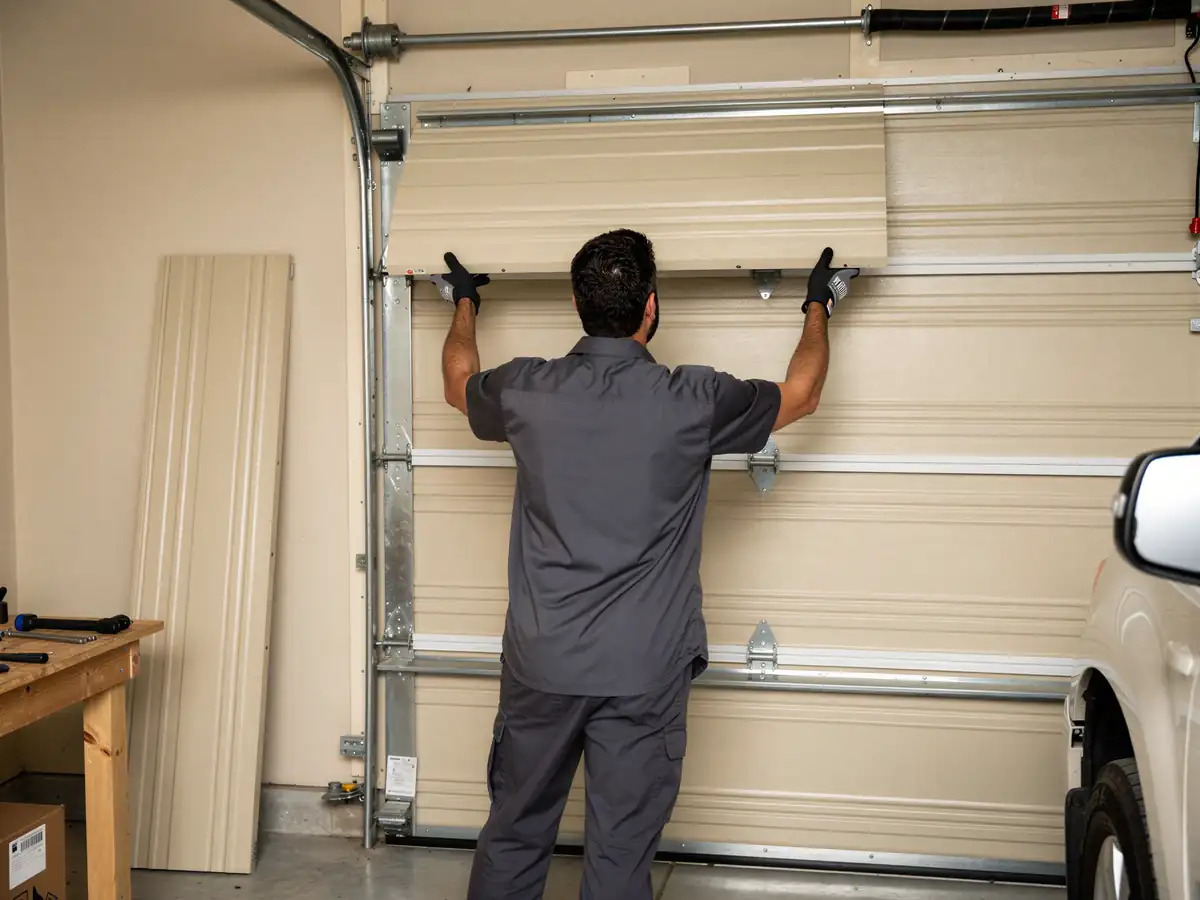
We don't carry a shop in Mountain Park - we come out from Acworth, about 15 miles, so the truck's travel time is part of the window, not an add-on. Most spring and cable jobs on these older setups we can close out in one visit once we're on site, since the parts involved are common sizes even on a 40-year-old door.
Where it stretches is hardware that's genuinely obsolete - certain original drum sizes or odd-length track sections from this build era aren't something we're carrying on the truck, and that means a return trip once the part's in hand. We'll tell you on site, before any work starts, whether your door is a same-visit fix or a two-trip job, so you're not guessing.
Booking a Visit
If your door's binding, slow, or already stuck, tell us the year the house was built if you know it
For a lot of Mountain Park that's going to be right around 1984, and it tells us a lot about what we're likely dealing with before the truck leaves Acworth. We'll ask a few questions about the spring type and track condition over the phone so we show up with the right parts the first time.
For the full rundown of what we cover in this service area
The Acworth garage door service page has that. For more on this specific neighborhood, see the Mountain Park garage doors page.