How It Shows Up
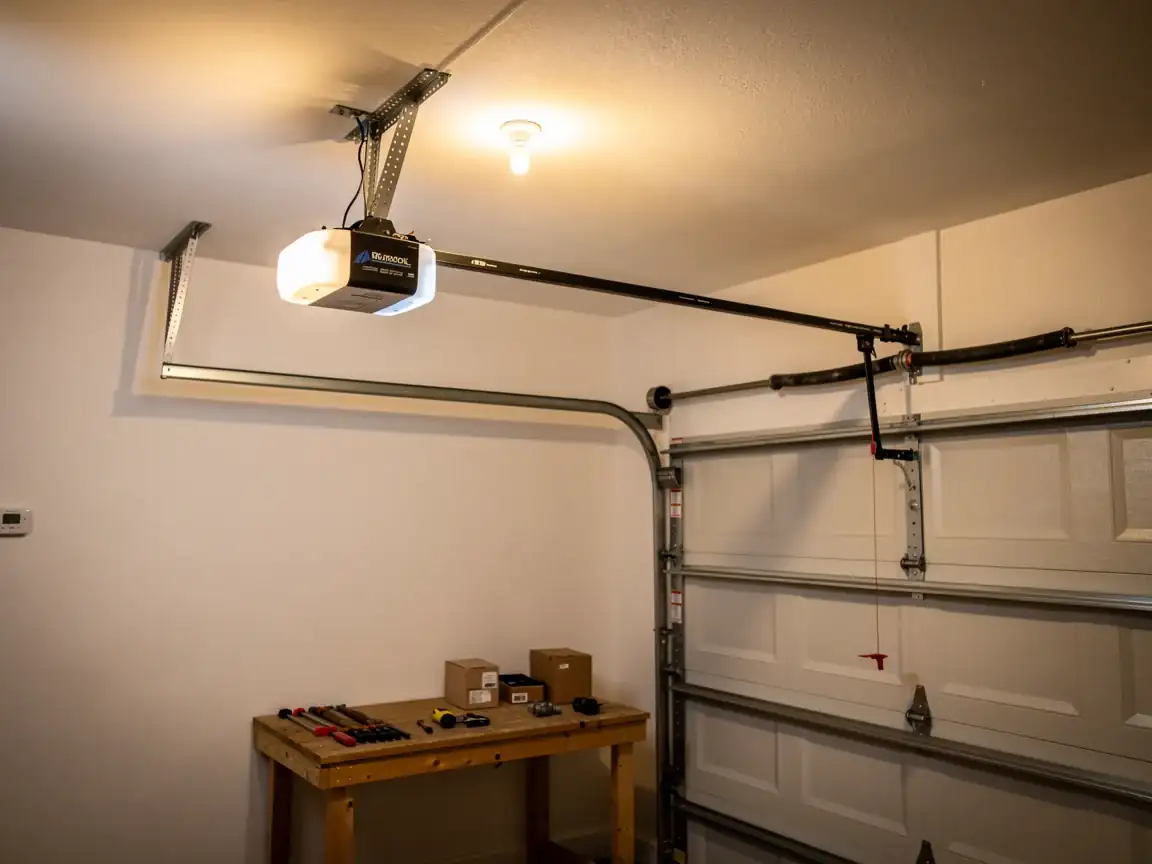
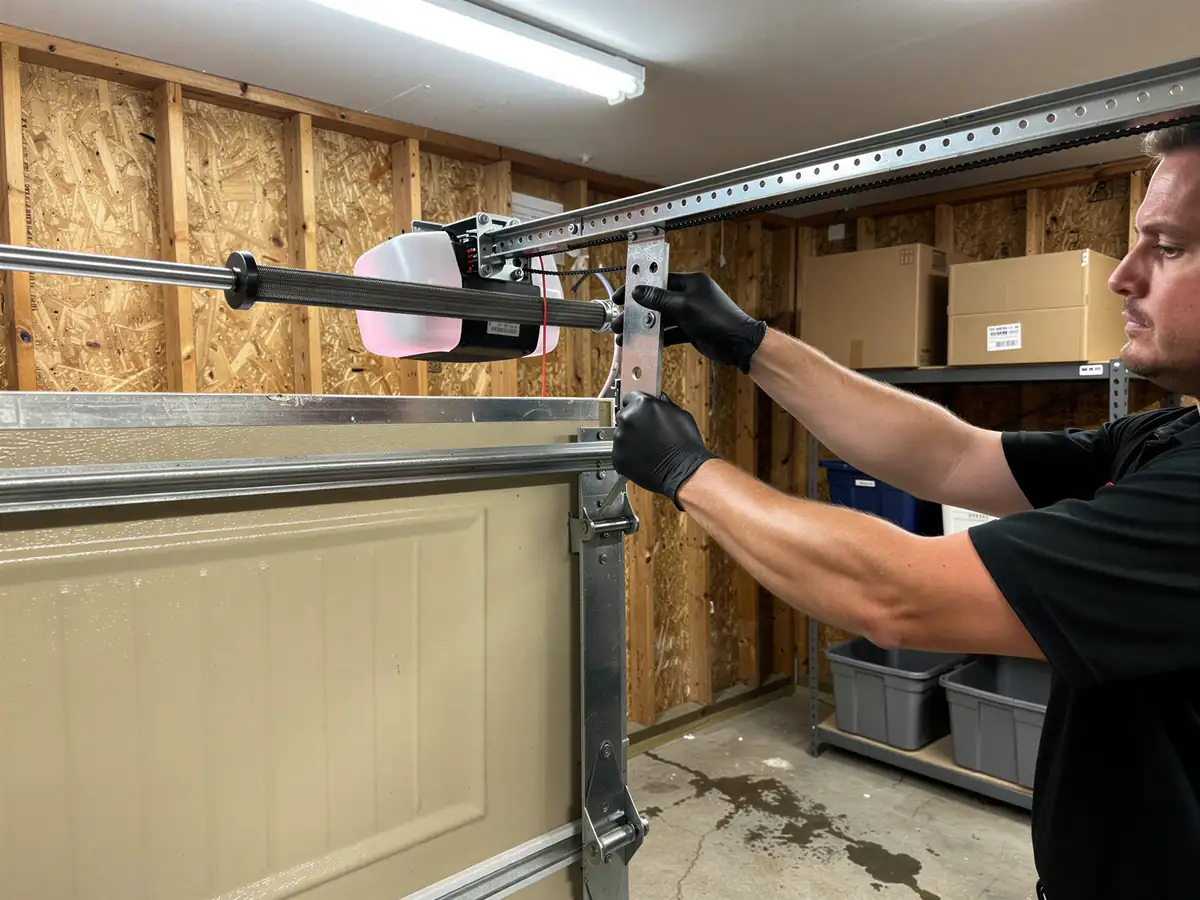
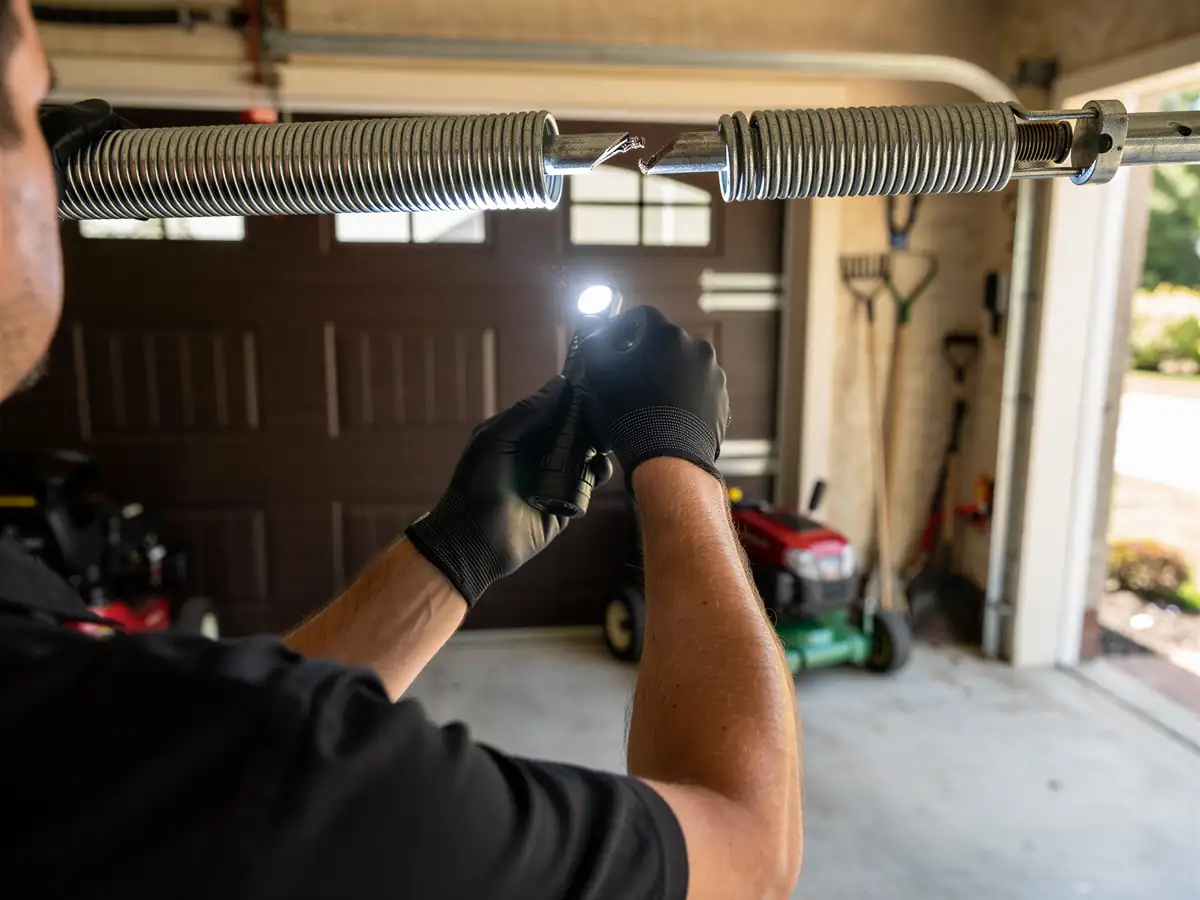
Most of the houses in Mountain Park went up around 1984, which puts this pocket a few years ahead of the 1964-2007 build window that covers the wider service area, where the median lands closer to 1989. That five-year gap matters more than it sounds. Doors and openers installed in the early-to-mid 1980s are reaching the end of a second or third spring's working life, and a lot of that original hardware used extension springs mounted along the horizontal track rather than the torsion setups that became standard later in the build window. When a spring on that older hardware lets go, it tends to go without much warning - the door drops hard on one side, or won't lift past a foot off the slab.
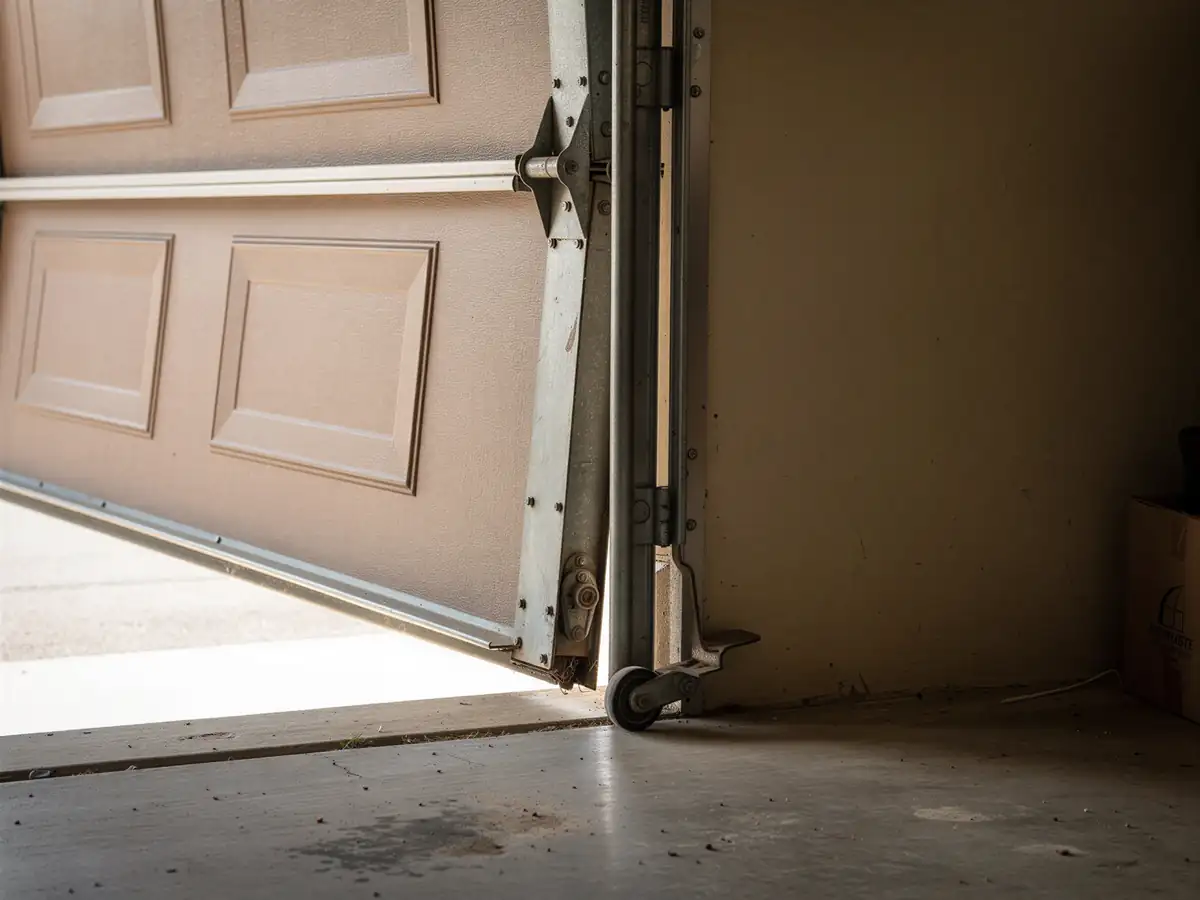
With only 356 households in Mountain Park, this isn't a neighborhood where every third driveway has the same builder-grade door going bad in the same month, the way it might in a bigger, more uniform subdivision. The failures here are scattered and tied to whatever hardware a given house happened to get in 1984, not a batch problem. If your door is sagging on one side, binding at the same spot every time, or the opener strains and reverses, that's the spring or the track geometry catching up with forty years of cycles, not a fluke.
Where This Job Goes Sideways
Cold snaps do more to older hardware than people expect
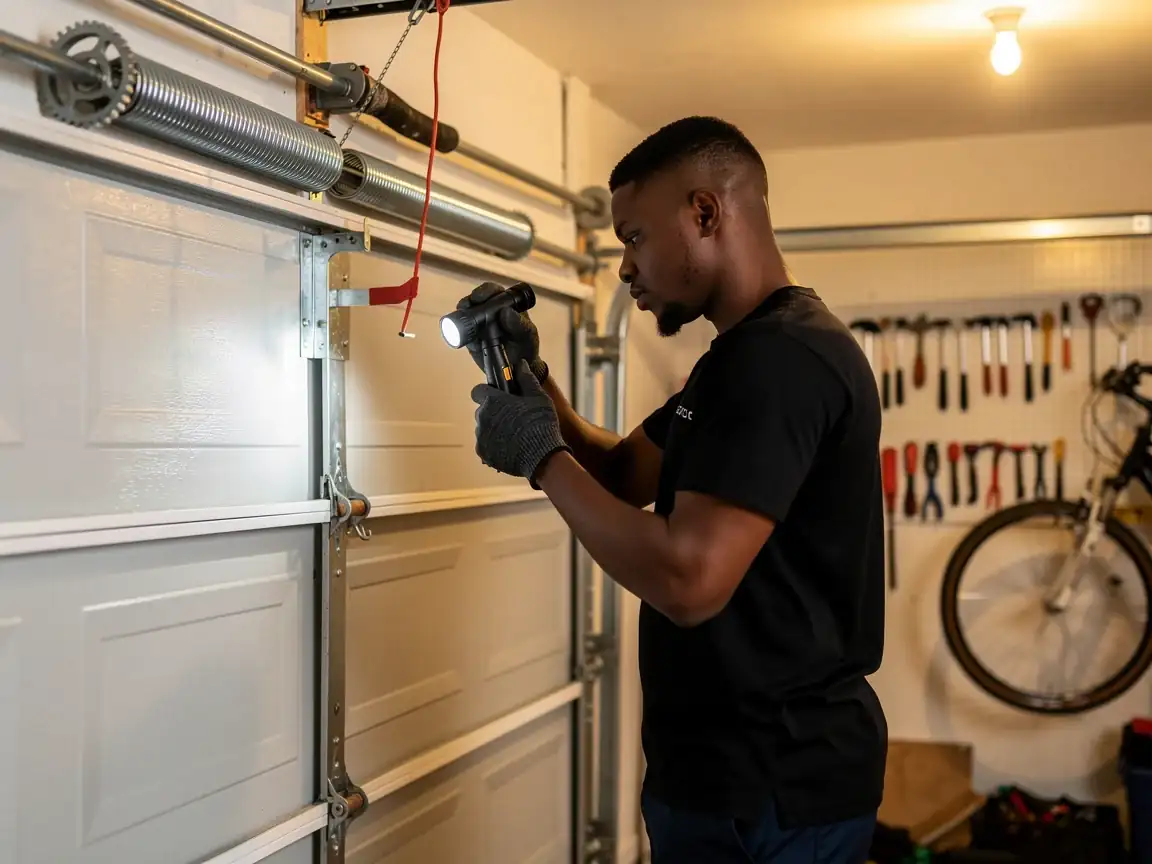
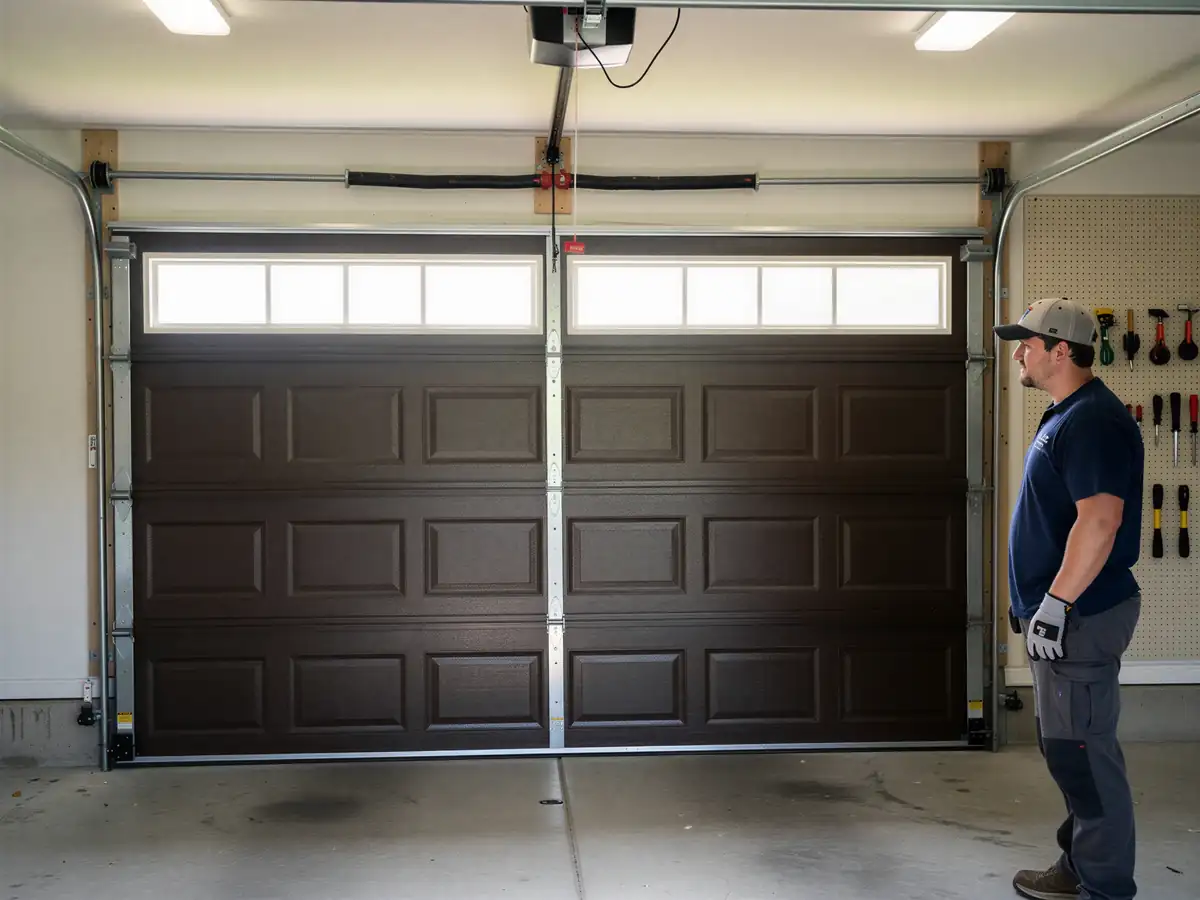
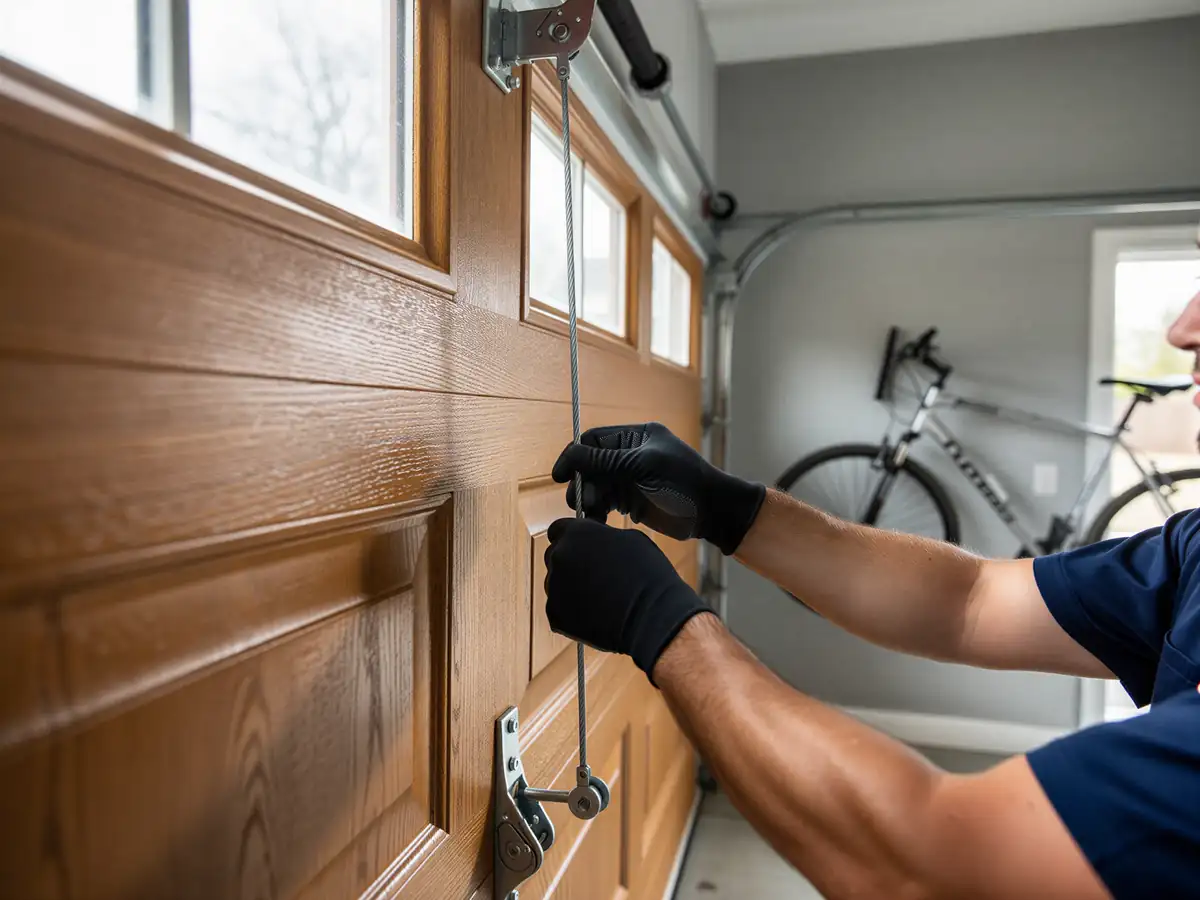
Even in a moderate-cold climate band like this one. Steel contracts, lubricant stiffens, and a spring that's already fatigued from decades of cycles is more likely to snap on a cold morning than a mild afternoon. On 1980s-era doors, that often means an extension spring assembly rather than a torsion bar overhead, and the safety cables that are supposed to contain a broken extension spring aren't always present on installs from that period - they got added to code later. That's a real hazard, not a sales pitch: if your door is original to a 1984 build and you've never seen a safety cable running through the spring, it's worth a look even before anything breaks.
The other place this goes sideways is panel and track alignment
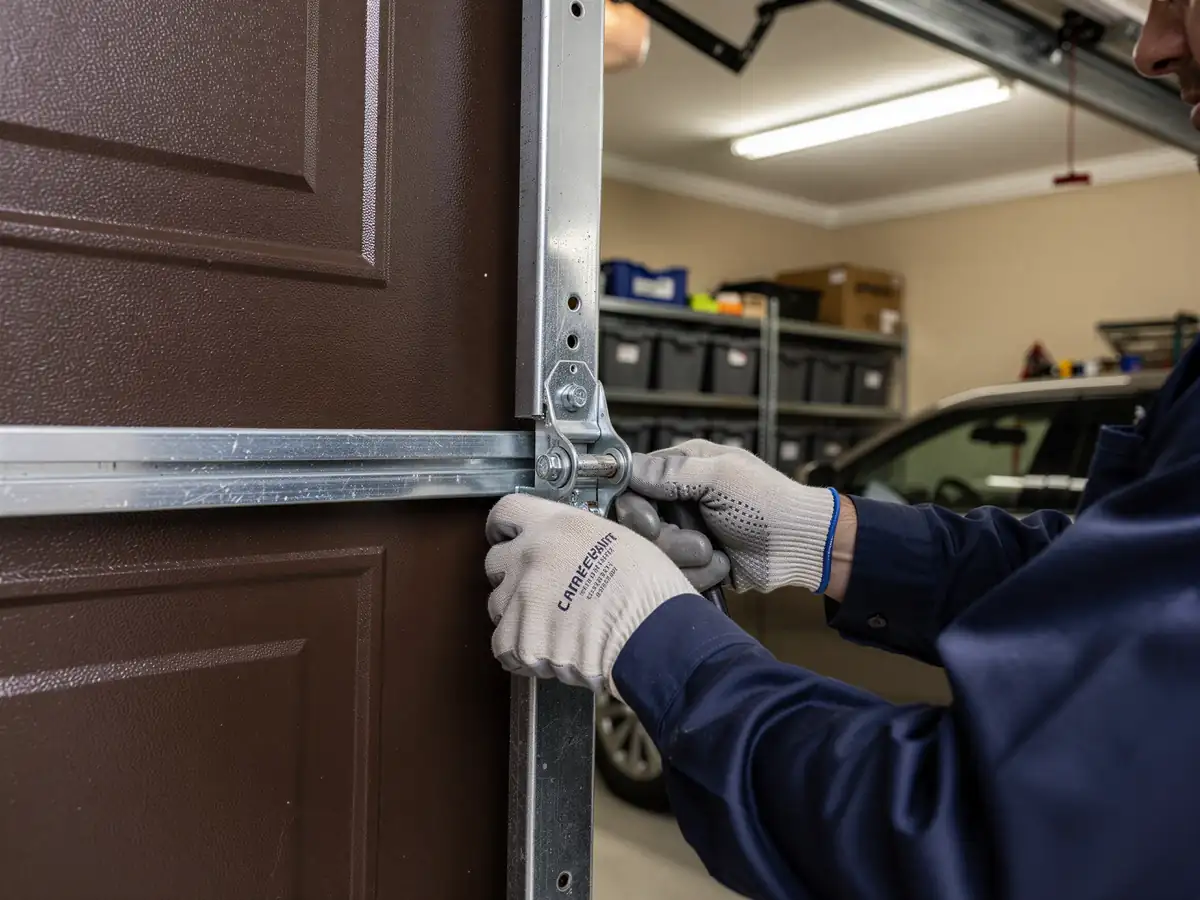
Forty years of seasonal movement shifts a house's slab slightly, and a track that was plumb in 1984 can be a quarter-inch off square now. Chasing a noisy roller without checking the track first just wastes a service call. Given median household income here runs well above the area's $78,351 average, we see more owners choose a clean opener and spring replacement over a patch-and-pray repair, simply because the house can carry the cost of doing it once.
Doing It Yourself
Tightening loose hinge bolts, lubricating hinges and rollers, and clearing track debris are reasonable DIY tasks on a door this age, and they genuinely extend the life of original hardware. Checking the auto-reverse safety feature - setting a 2x4 flat on the ground under the door and confirming it reverses on contact - takes five minutes and matters more on an opener this old than on a new one.
Springs are not a DIY job, full stop, on any door, but especially not on hardware that may predate current safety-cable standards. A wound extension or torsion spring stores enough force to break a bone or worse, and the tools to do it safely aren't something most garages have lying around. If the door won't open, or opens unevenly, leave the spring alone and call it in.
How Long You Are Without the Door
We're not based in Mountain Park - the truck comes out from Acworth, about 15 miles away. That drive time is worth planning around if the door is stuck open and the house needs to be secured, or stuck shut and a car's trapped inside. Call ahead with the symptom - door won't lift, opener runs but door doesn't move, loud bang followed by the door dropping - so the right spring and hardware get loaded before the drive, not after a wasted first trip.
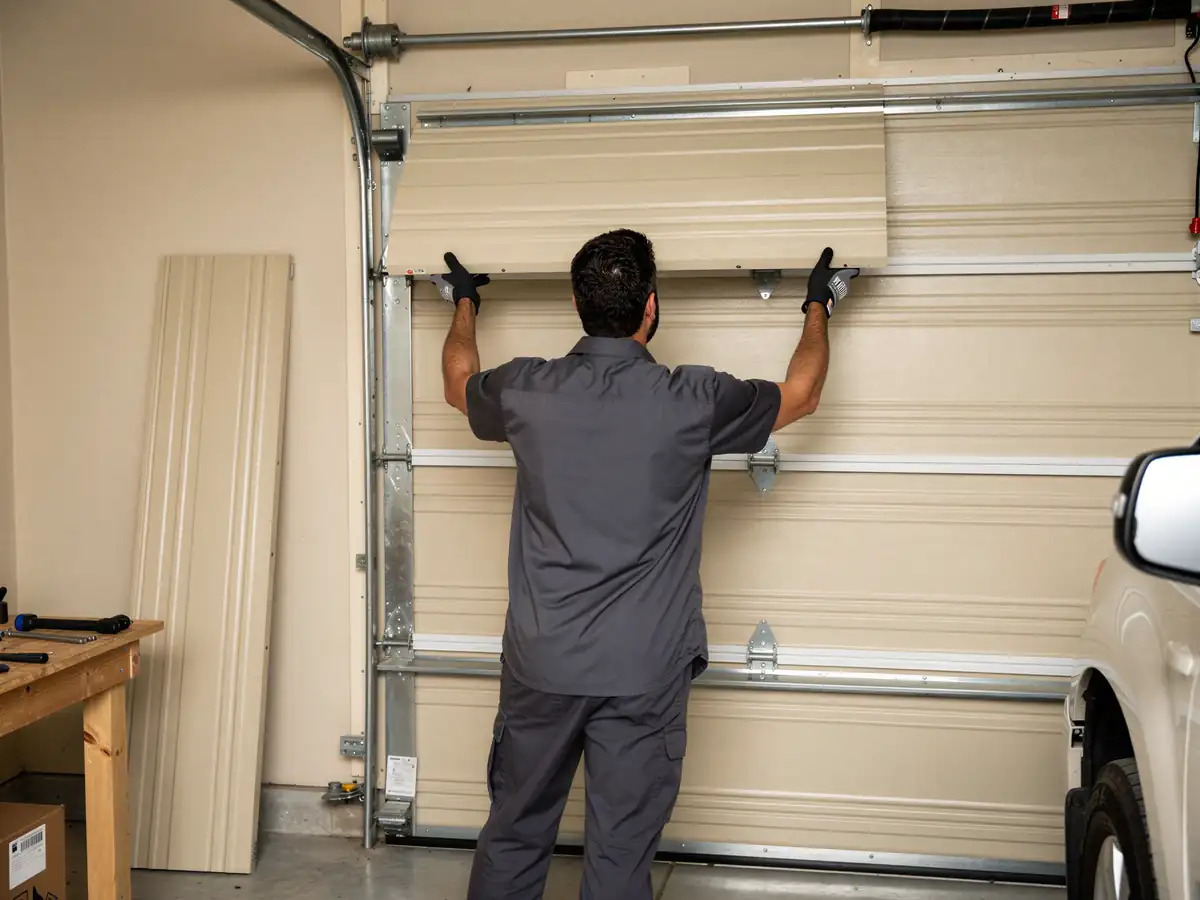
Parts for 1980s-era hardware aren't always sitting on a shelf. A direct replacement for an original 1984 spring or an obsolete opener drive gear can mean a short wait while it's sourced, rather than a same-visit fix. We'll tell you up front if that's the case rather than promise a turnaround we can't back up.