Where This Job Goes Sideways
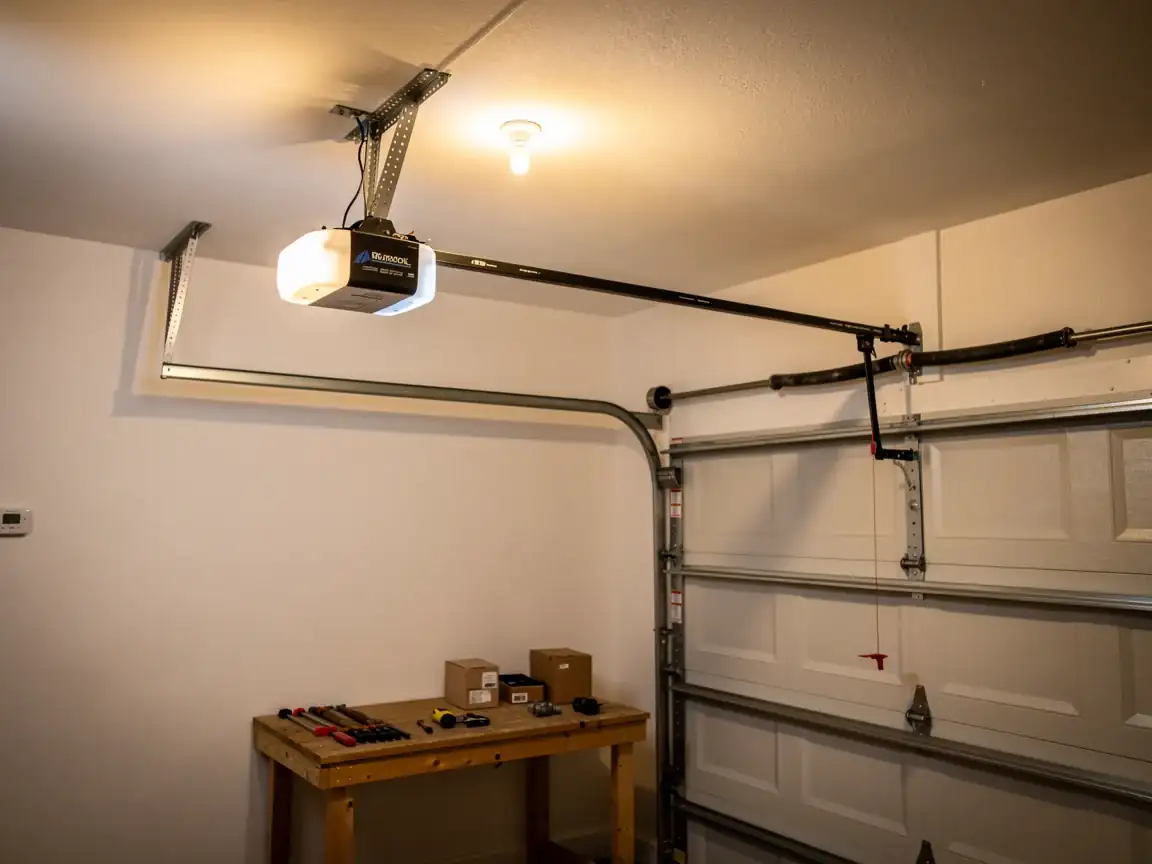
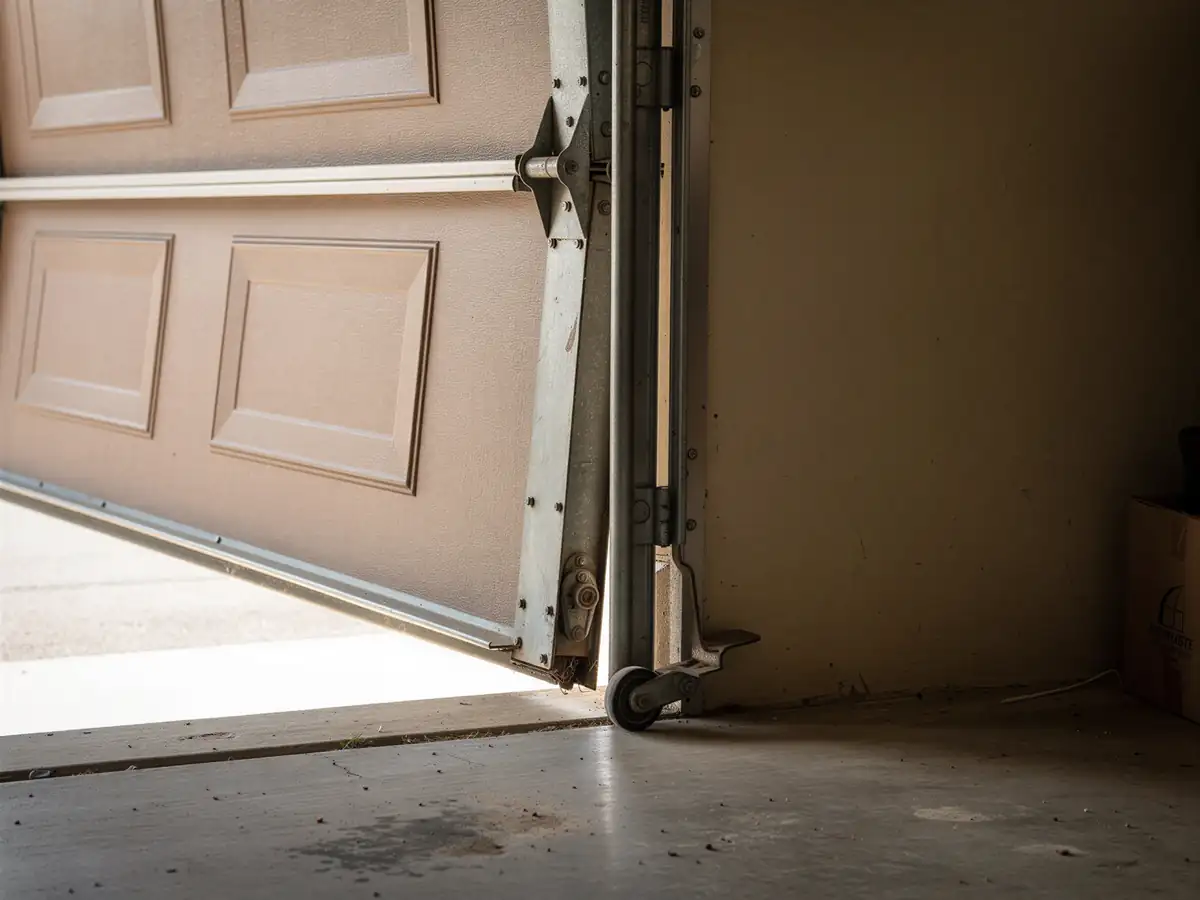
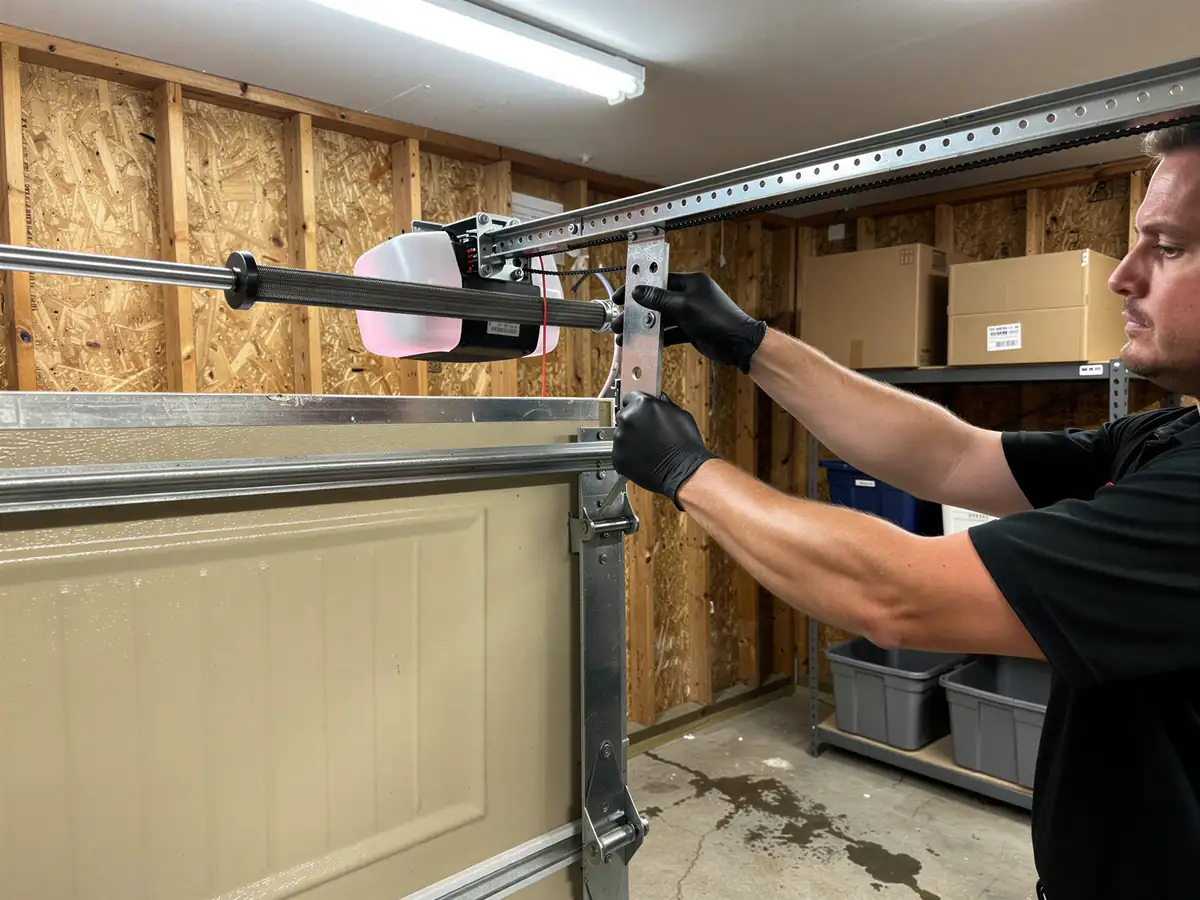
Fair Oaks' housing stock centers on 1970, a good decade older than the 1980s-90s median most of this service area was built in. That matters more than it sounds like it should. A door and opener installed in a 1970 house has likely gone through at most one replacement cycle, and in a lot of these homes the original bracket, the original header mount, and sometimes the original rail are still up there holding whatever opener got bolted on last. When we pull the old unit off a house this age, we're not just swapping a motor head. We're often finding a track that was never squared to begin with, a header that's shifted with the frame over fifty-plus years, or mounting hardware sized for a unit half the weight of anything sold today.
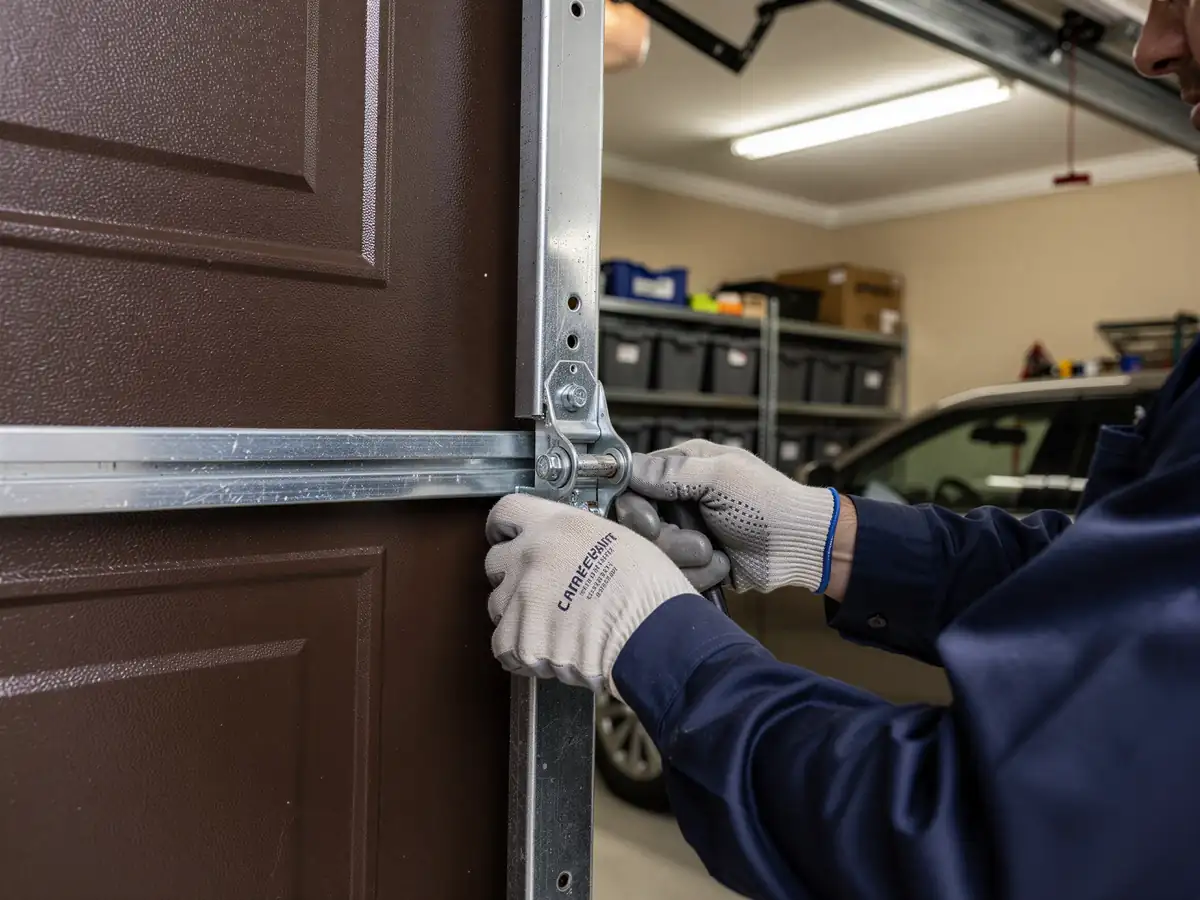
That's the sideways part. The install itself is routine. The prep is not. On a newer house we can usually go straight to the headwall and start fastening. On a house built around 1970 we check the header for rot or movement first, because an opener bolted to a bad header will walk, sag, or tear loose within a year or two regardless of how good the unit is. It's a slower job on paper. It's the right job to do once.
Booking a Visit
We run this job out of Acworth, about 13 miles from Fair Oaks
There's no branch office or depot here - one crew, one truck route, and Fair Oaks is a stop on it, not a separate operation. That distance doesn't change what we install or how we install it, but it's worth knowing going in: you're not calling a local Fair Oaks outfit, you're calling the Acworth crew that covers this corner of the map along with a dozen others.
- 13 miles
When you call, tell us the age of the house if you know it and whether the door is single or double
That's usually enough for us to bring the right rail length and the right mounting hardware on the first trip instead of a second trip after we find out the header's not where a modern bracket expects it. At 3,386 households, Fair Oaks is a smaller pocket than a lot of the areas we cover, which means we're not out here every day - booking ahead a few days gets you a cleaner slot than calling same-day and hoping.
- 3,386 households
What Causes It Around Here
Two things stack on top of each other in Fair Oaks: the age of the housing and the climate band it sits in, which runs cold-moderate for winter swings. Openers installed in homes built in 1970 predate the federal rule requiring photo-eye reversal sensors on garage door openers, which didn't take effect until 1993. If nobody's touched the opener since the house was built - or even since it changed hands once or twice - there's a real chance the safety sensors either aren't there at all or were added as a mismatched retrofit that doesn't talk cleanly to the head unit.
Cold-moderate winters add a second layer. Grease in old gear-drive openers thickens in the cold, which is part of why original units from this era start grinding or stalling on the first hard cold snap of the season, not in July. Median household income in Fair Oaks runs $61,681, well under the $78,351 median across the broader service area, and that's relevant here only in that we try to steer toward openers that are durable rather than loaded with features nobody in a fifty-year-old house asked for. A chain-drive unit with a solid logic board outlasts a feature-heavy belt drive bolted to a header that's already fifty years old.
Parts We Carry
For a job like this we carry standard 1/2 HP and 3/4 HP chain-drive openers, belt-drive units where the owner wants quieter operation, new photo-eye sensor kits, rail sections in common lengths, and universal mounting brackets sized for both old and current header styles. Those cover the large majority of Fair Oaks calls without a special order.
What we don't stock on the truck: proprietary remotes or keypads tied to a specific obsolete opener brand from the 1970s, and oversized commercial-grade units. If your house still has a wall button or remote from the original install and you want to keep that exact system alive rather than replace it, that part may need to be special-ordered, and we'll tell you that up front rather than promise a same-visit fix we can't deliver. Replacing the whole opener is almost always the better call on a unit this old anyway - by the time a 1970-era drive unit fails, the motor, gears, and logic board are usually failing together, not one at a time.