Where This Job Goes Sideways
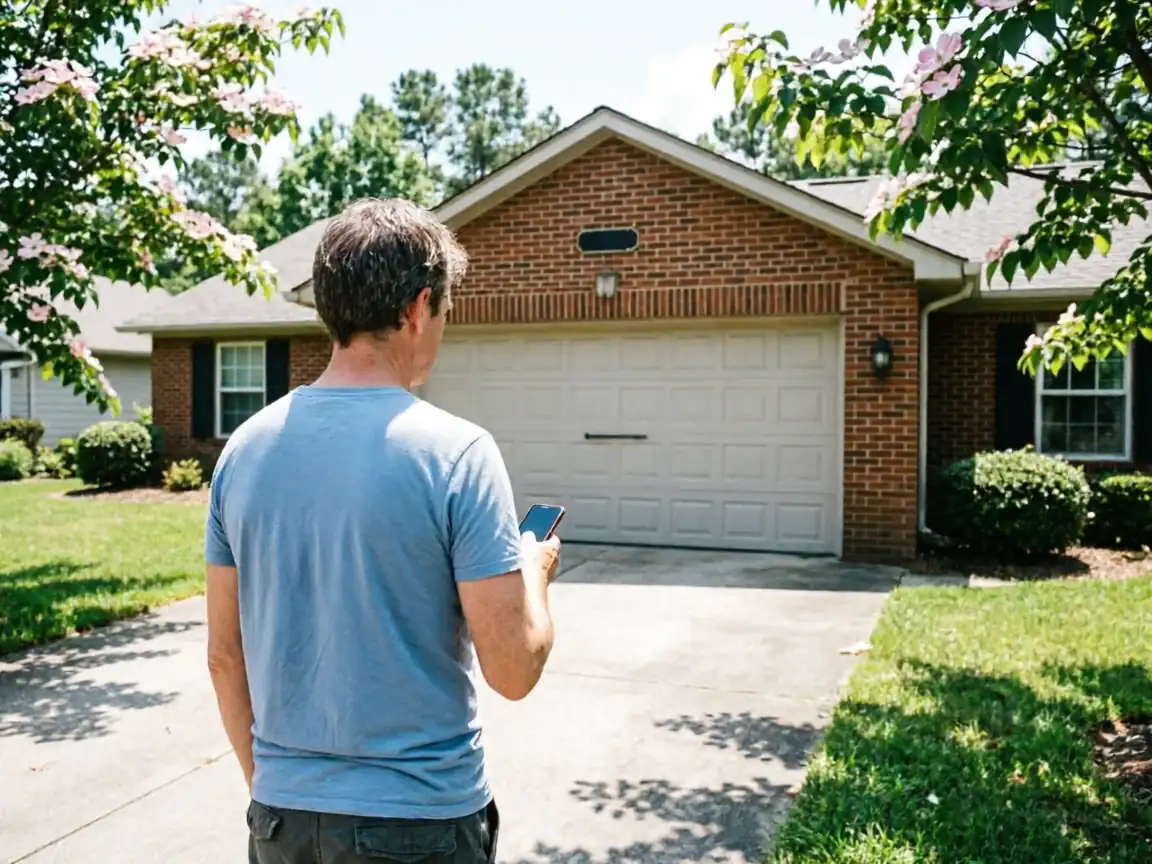
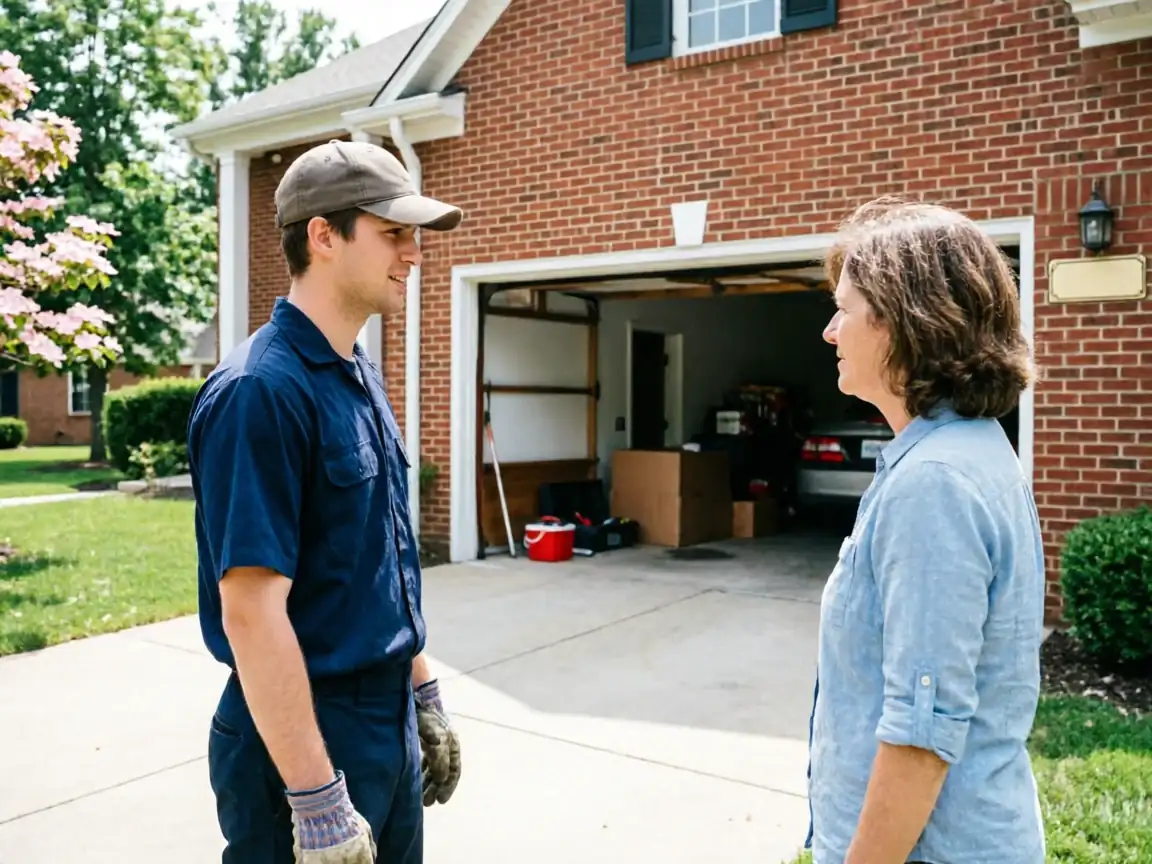
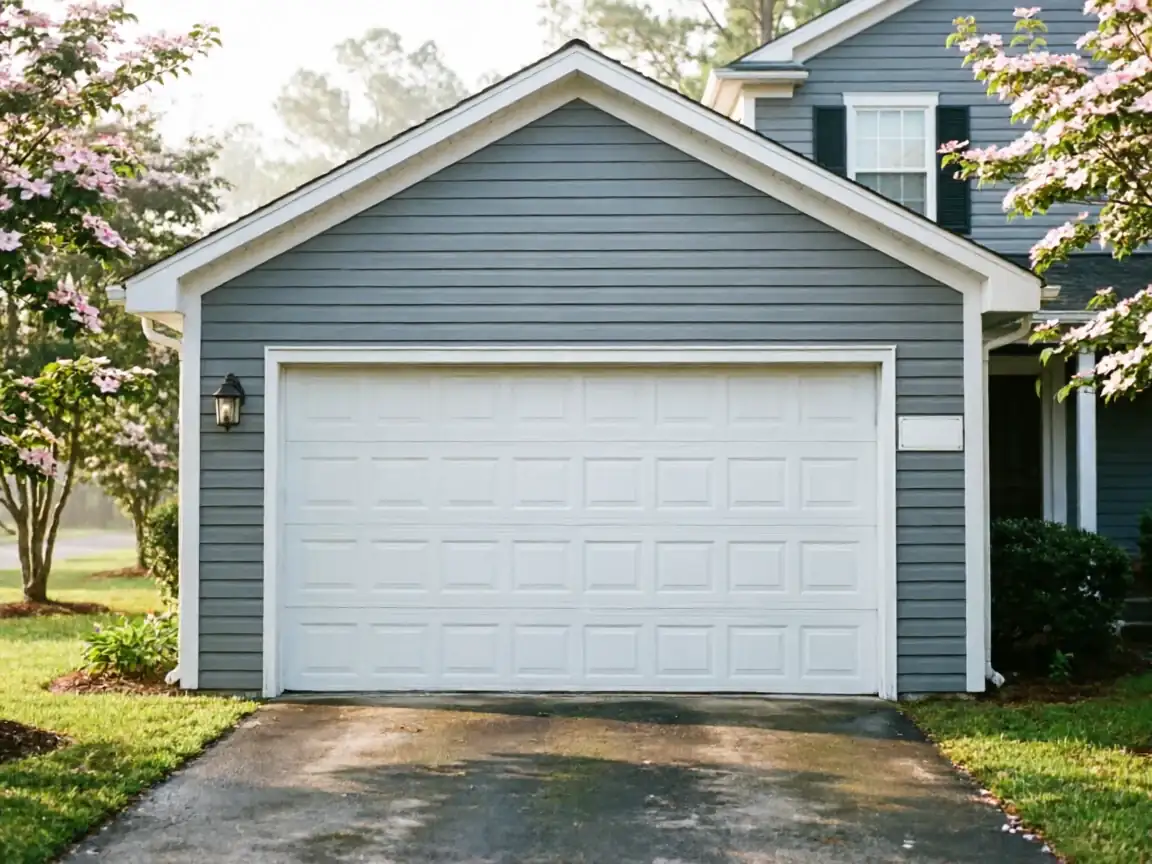
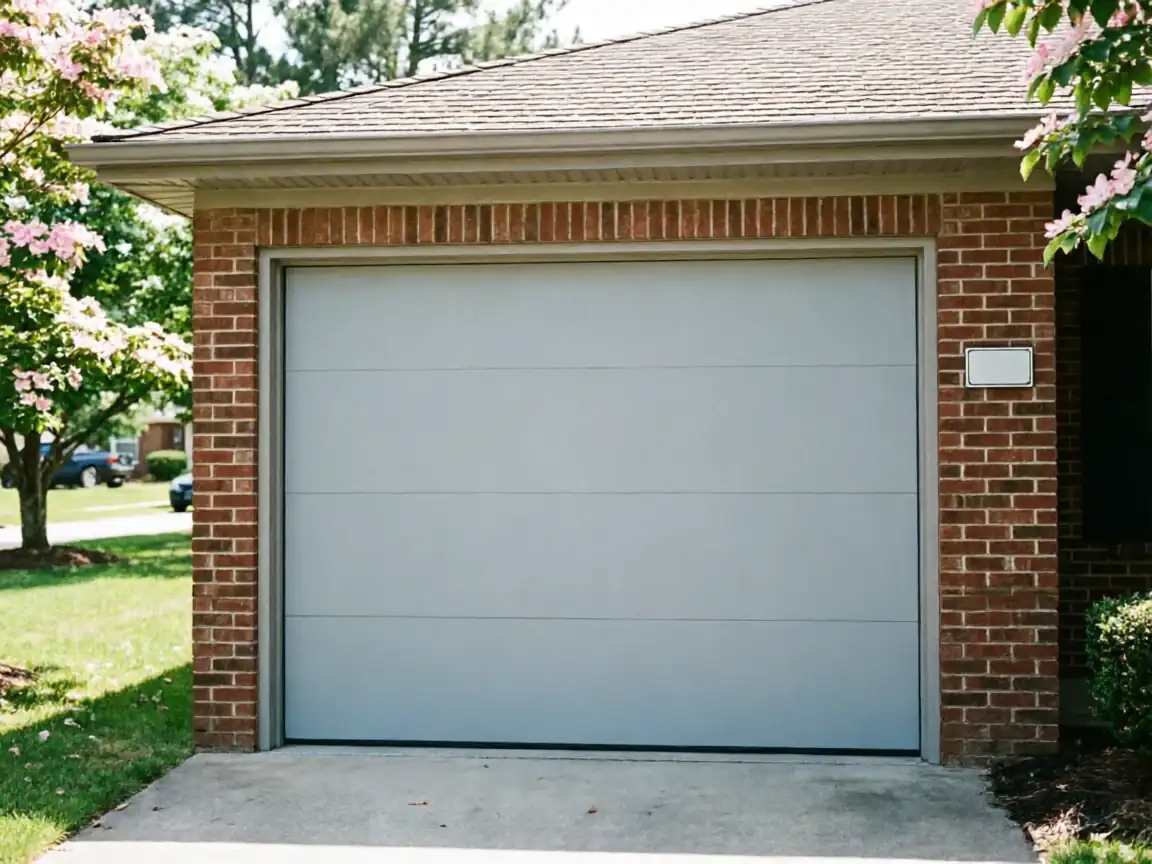
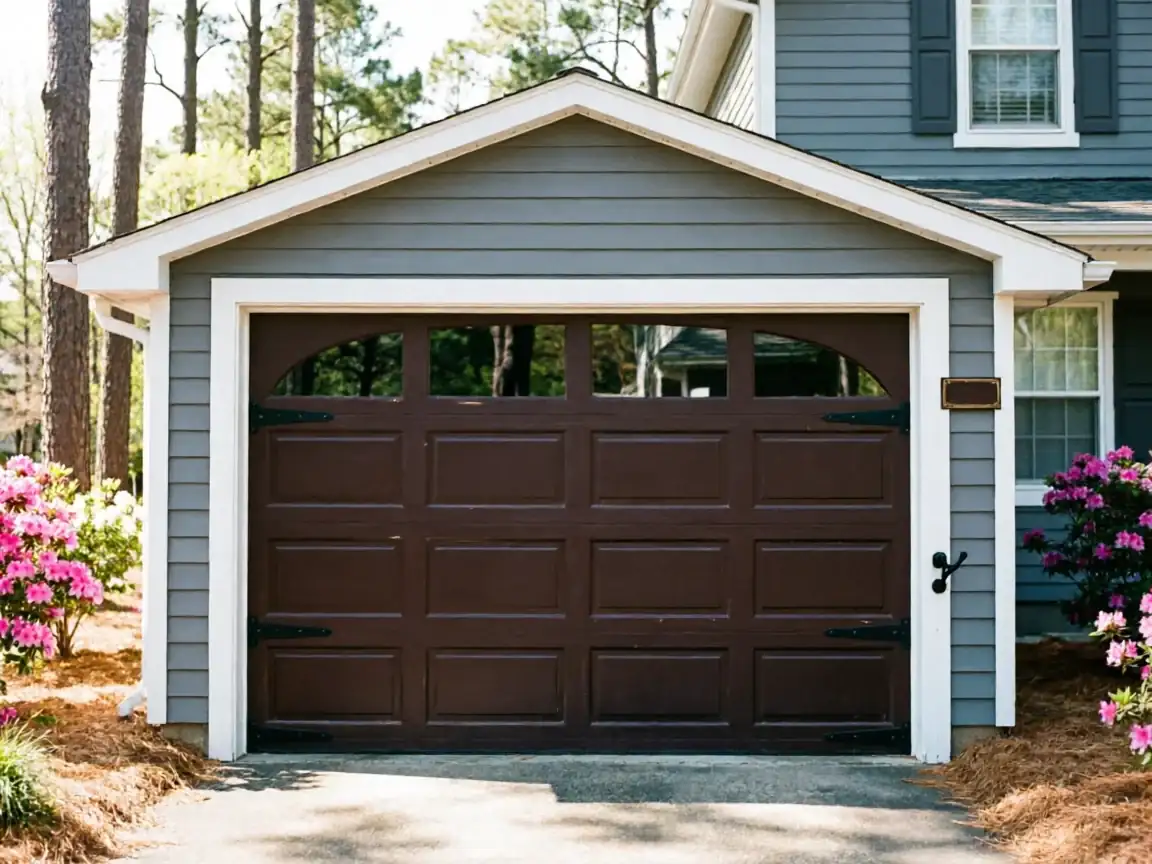
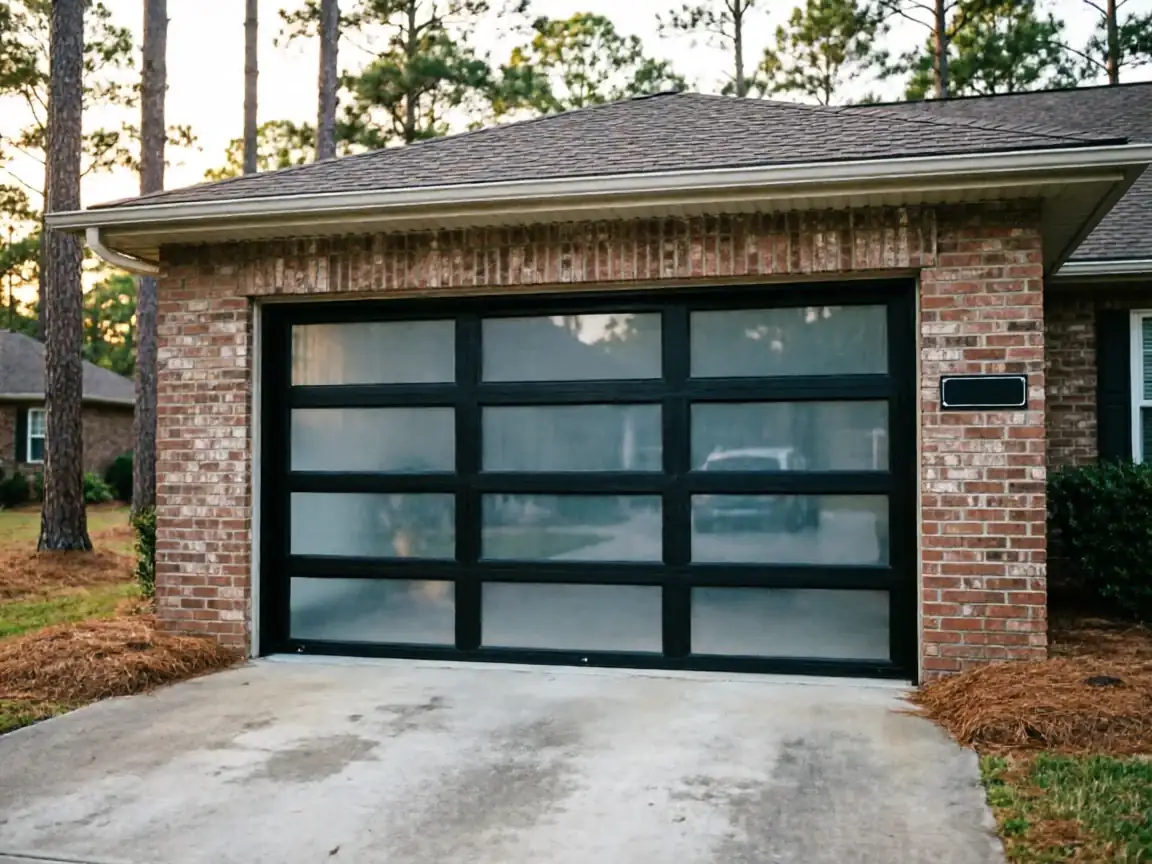
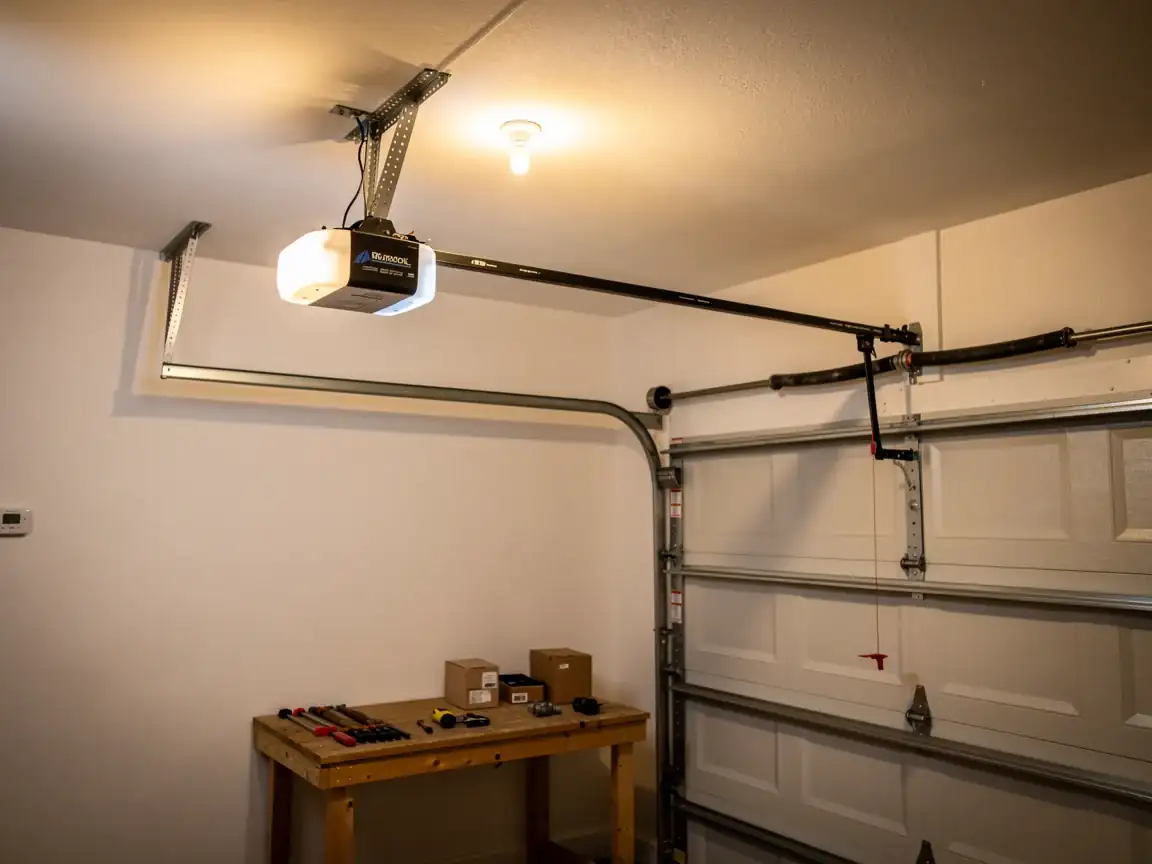
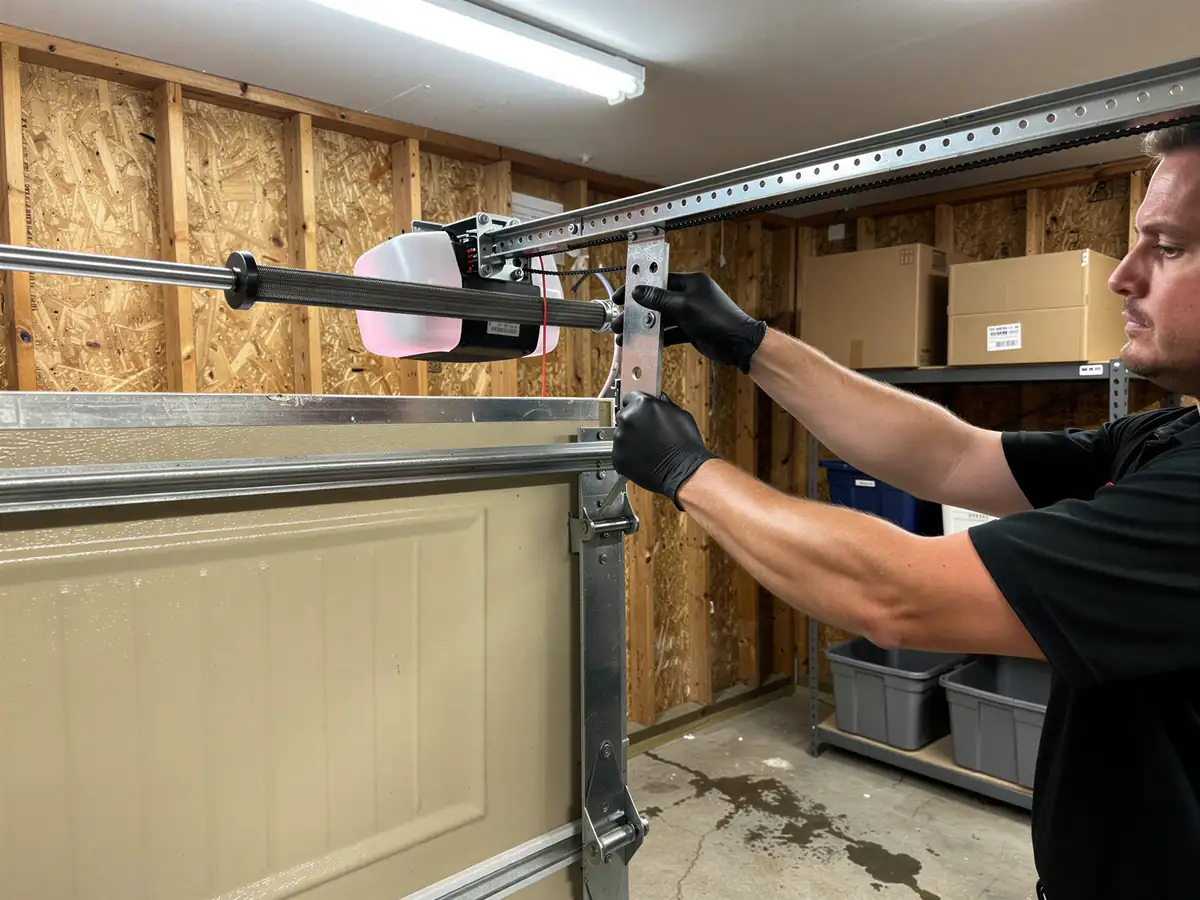
Fair Oaks sits about 13 miles out from our shop in Acworth, which matters more than it sounds like. A call here isn't a quick hop - it's a drive that means we load the truck for what the job is likely to be before we ever see the door, based on what we know about the housing stock in this pocket of the service area. That's different from a same-block call where you can send a tech with a generic kit and figure it out on site. Fair Oaks homes tend to run older than the service area as a whole - median build year here lands around 1970, versus the mid-to-late 1980s that's typical across the wider 12-area territory we cover out of Acworth. That gap is the whole story. A door installed in 1970 was likely replaced once already, sometimes twice, and what's on the house now is a mix of eras: original jamb hardware with a newer steel door bolted onto it, or a torsion conversion done without touching the track. We can usually tell which one we're walking into from the model number a homeowner reads off over the phone, and we load accordingly rather than guessing on the drive out.
What Causes It Around Here
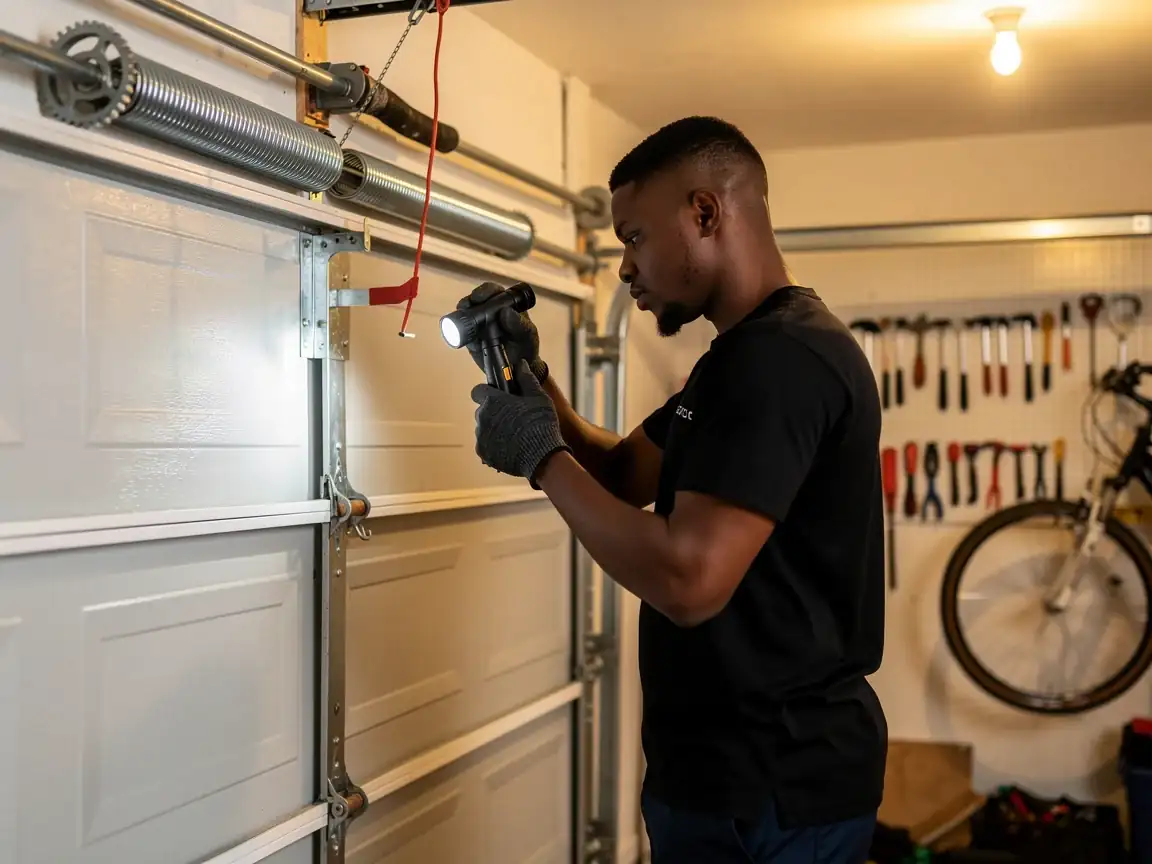
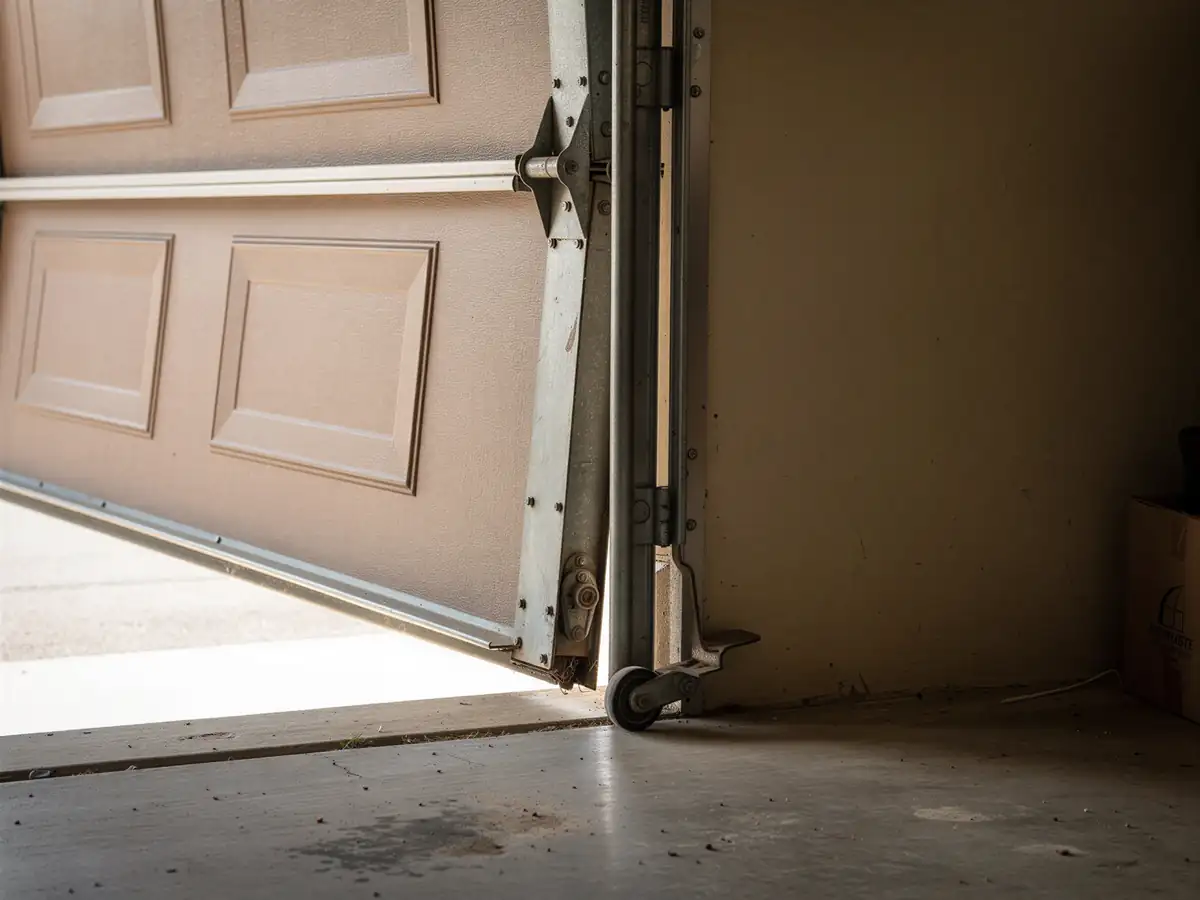
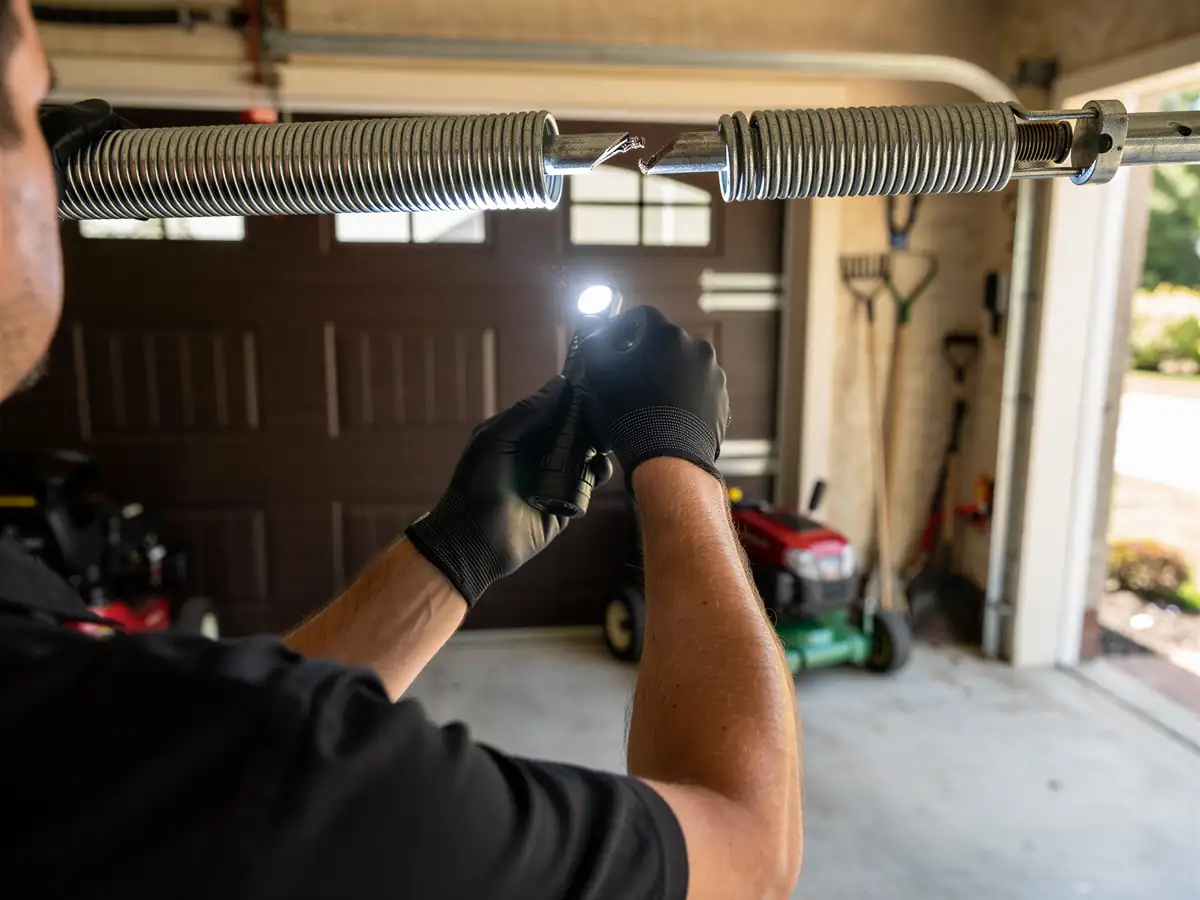
The climate here is cold-moderate rather than harsh, so we're not dealing with the kind of extreme freeze-thaw cycling that cracks concrete footings or warps steel panels outright. What we do see is slower, cumulative wear tied to age rather than weather - extension springs original to a 1970-era build are well past any reasonable service life, and the galvanized coating on hardware from that period has usually started to give up, which shows up as rust on the track bolts before it shows up anywhere visible. Median household income in Fair Oaks runs around $61,681, noticeably under the $78,351 median across the broader 12-area territory we serve, and that tracks with what we see on calls: more repair requests to extend a door's life, fewer full replacements done preemptively. That's not a criticism - it's just the pattern, and it means our first recommendation on an older Fair Oaks door is almost always the cheaper fix if the frame and track are still square, not a sales pitch toward a new unit.
Parts We Carry
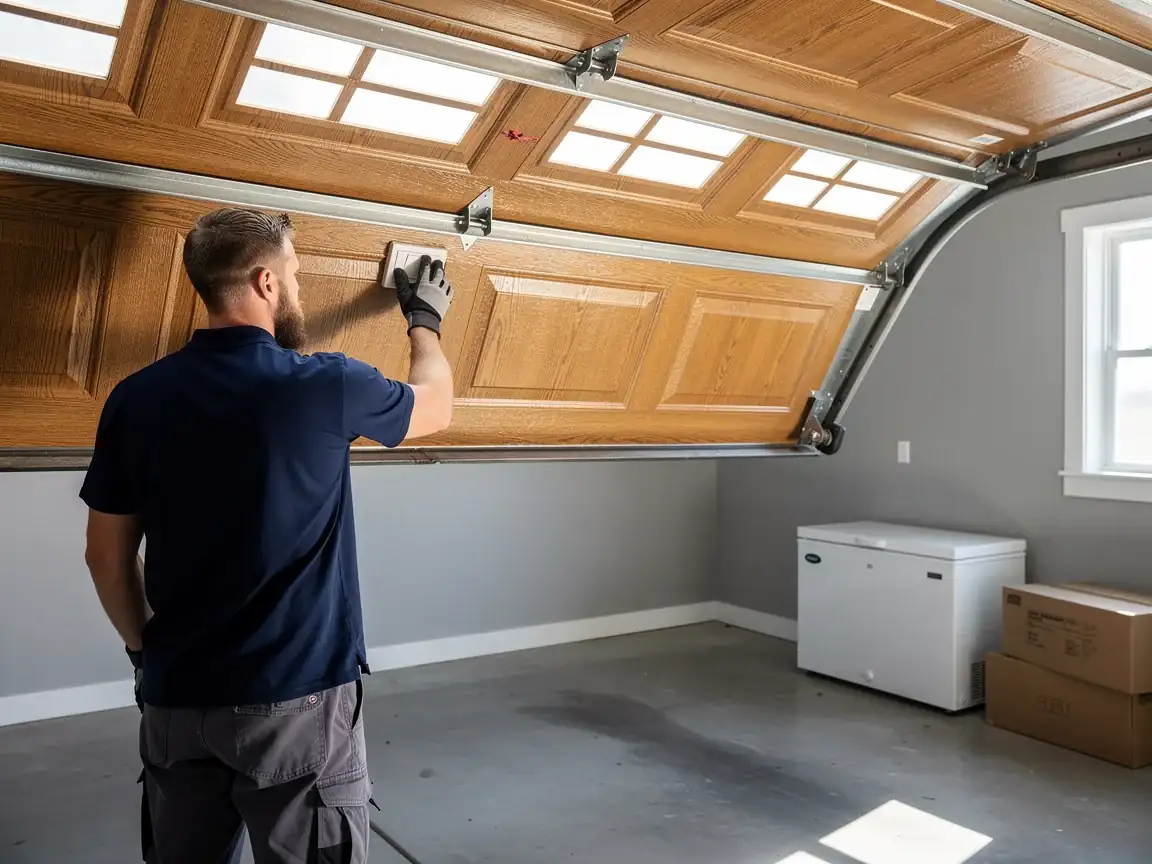
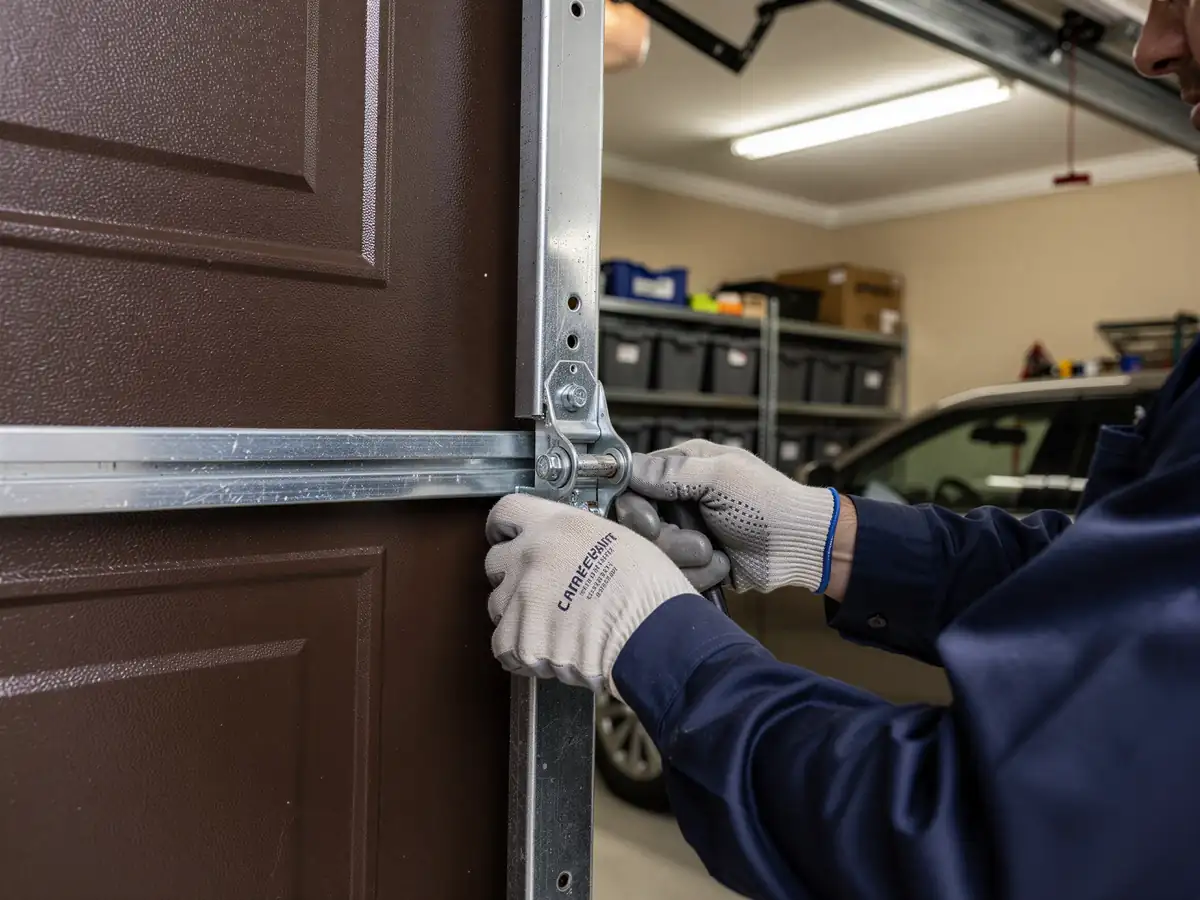
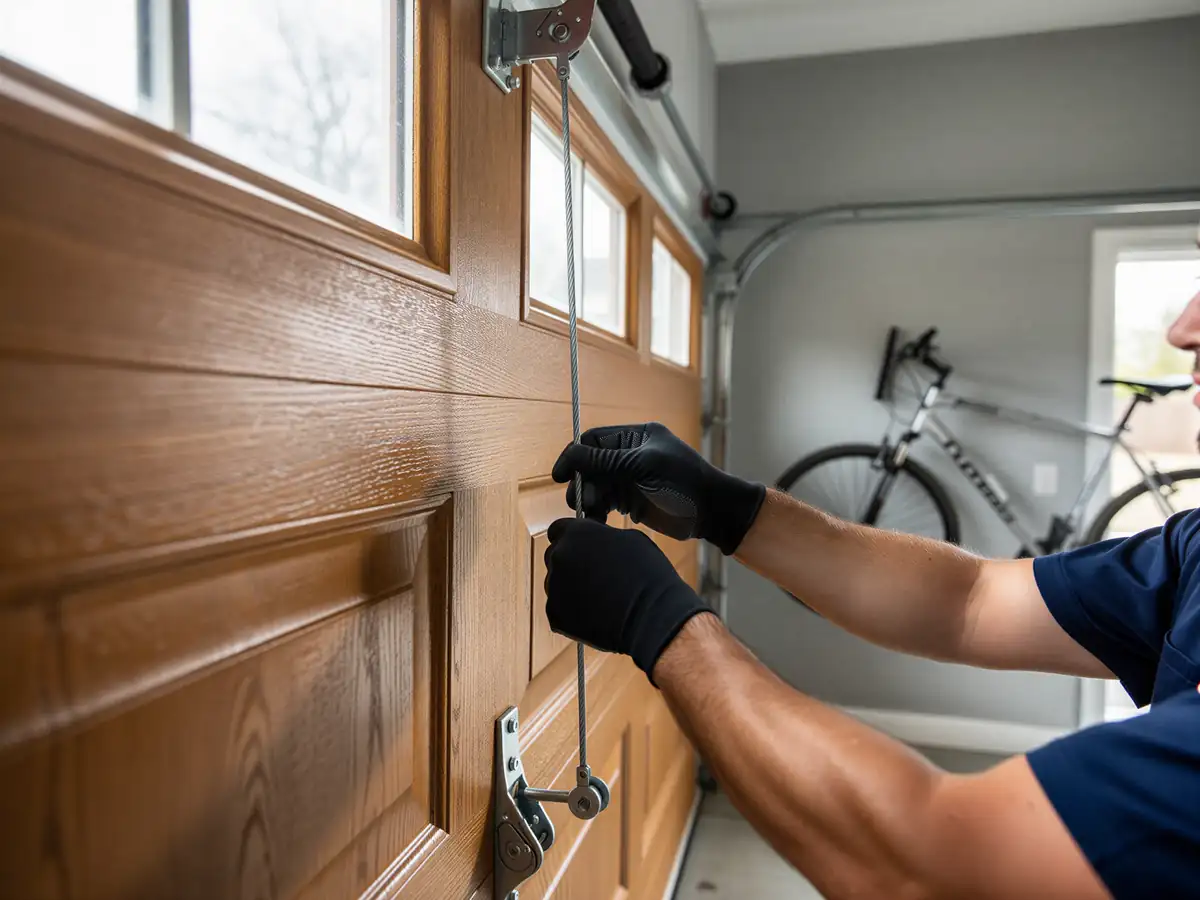
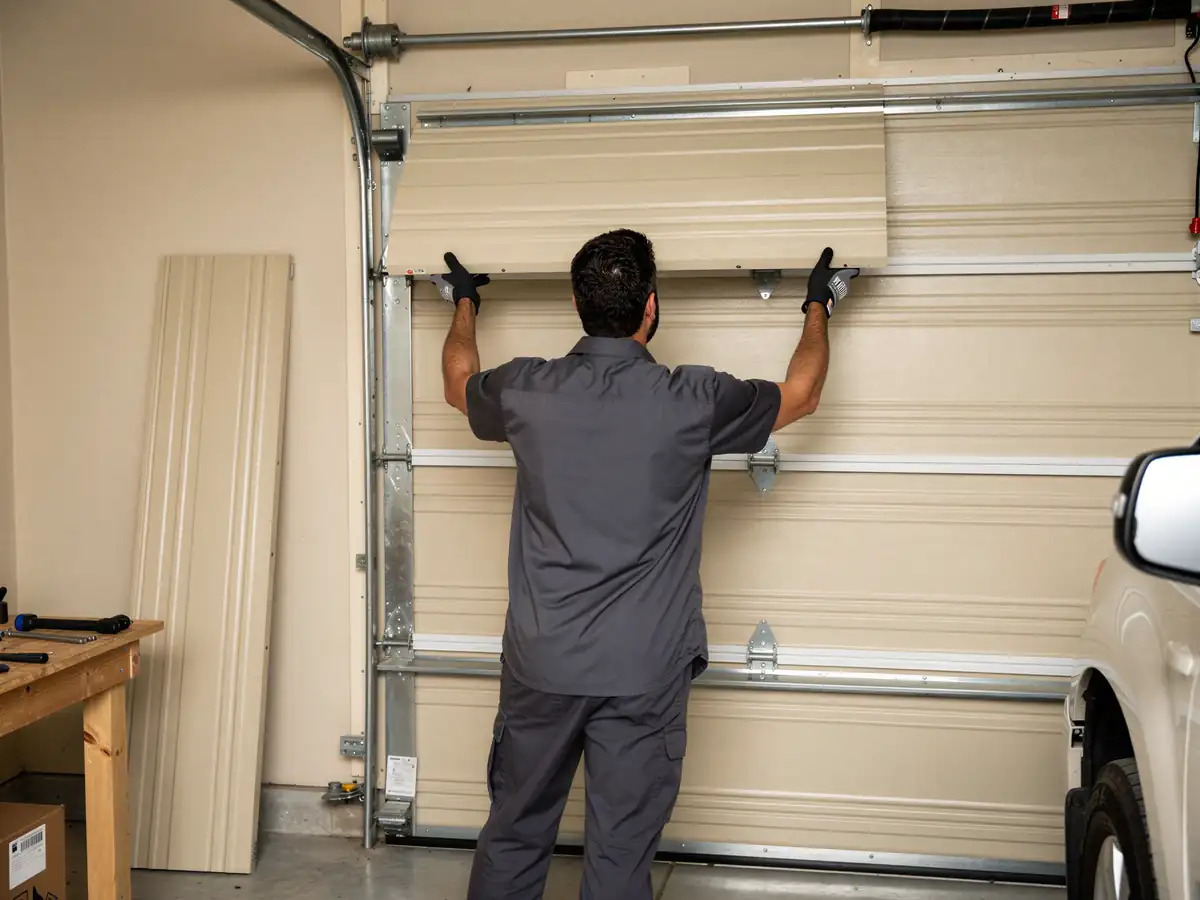
For a neighborhood built out mostly around 1970, the parts that matter are the ones that don't match current standard sizing - older extension spring brackets, non-standard track widths, and in some cases wood jambs that need different mounting hardware than the pre-drilled steel jambs on newer builds. We stock common torsion springs, standard rollers, and cable sets on the truck for most calls. What we don't carry as standard stock is obsolete door-panel sections for discontinued models from that era - those are special-order, and we'll say so rather than stall a repair pretending we have it on hand. If your door is an original 1970s installation that's never been touched, tell us that when you call. It changes what gets loaded before the drive out, not after we're standing in your driveway.