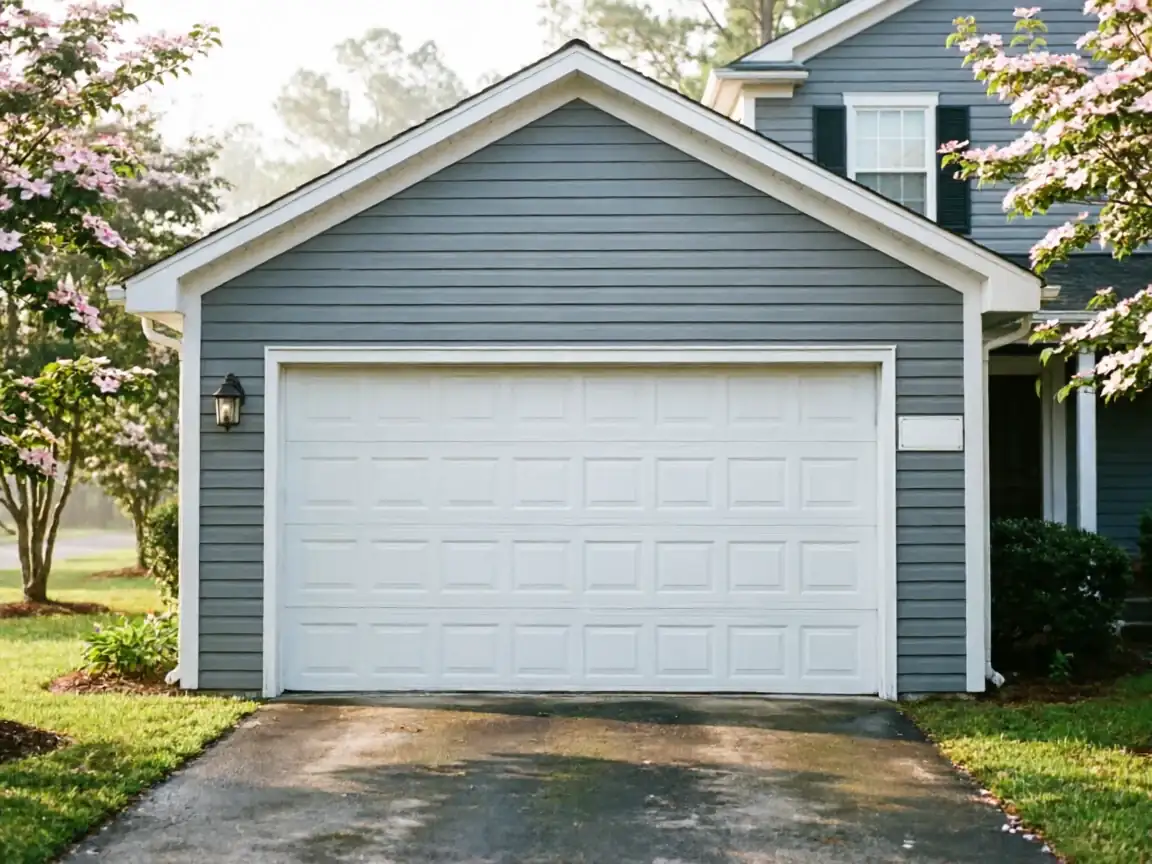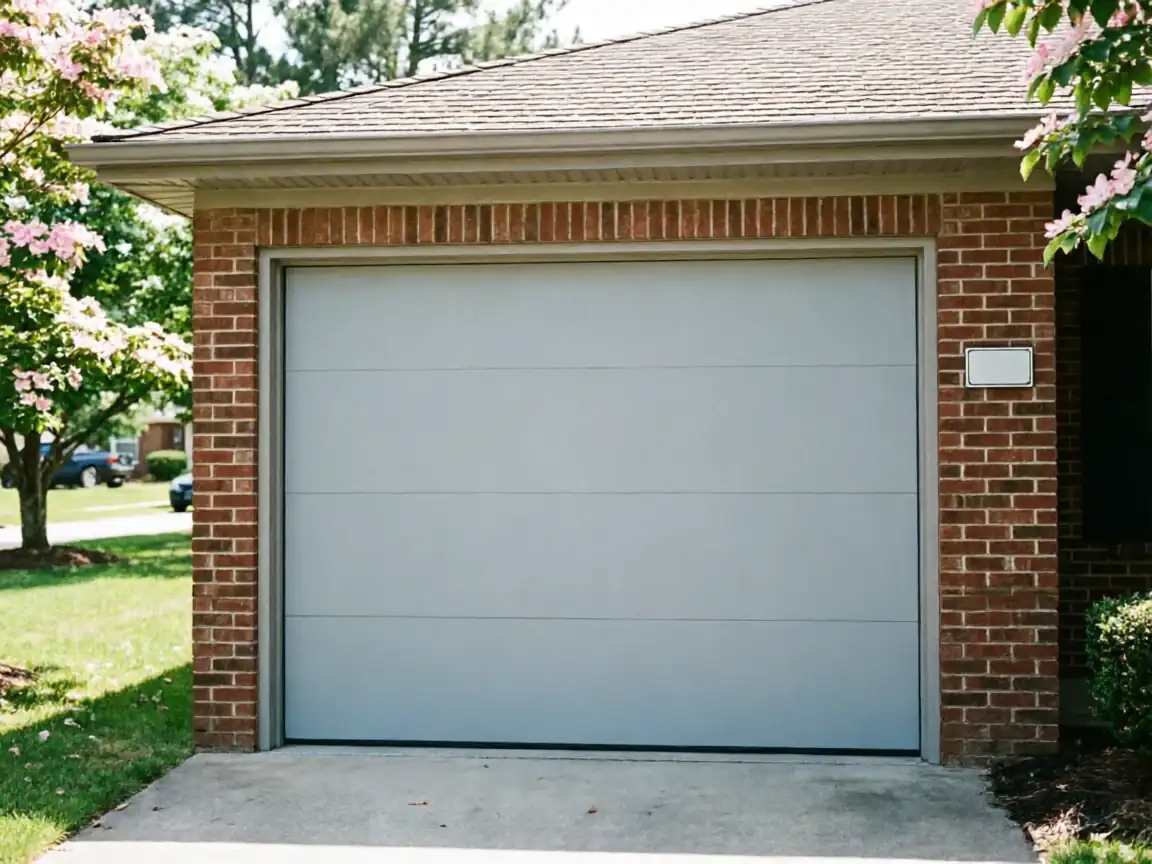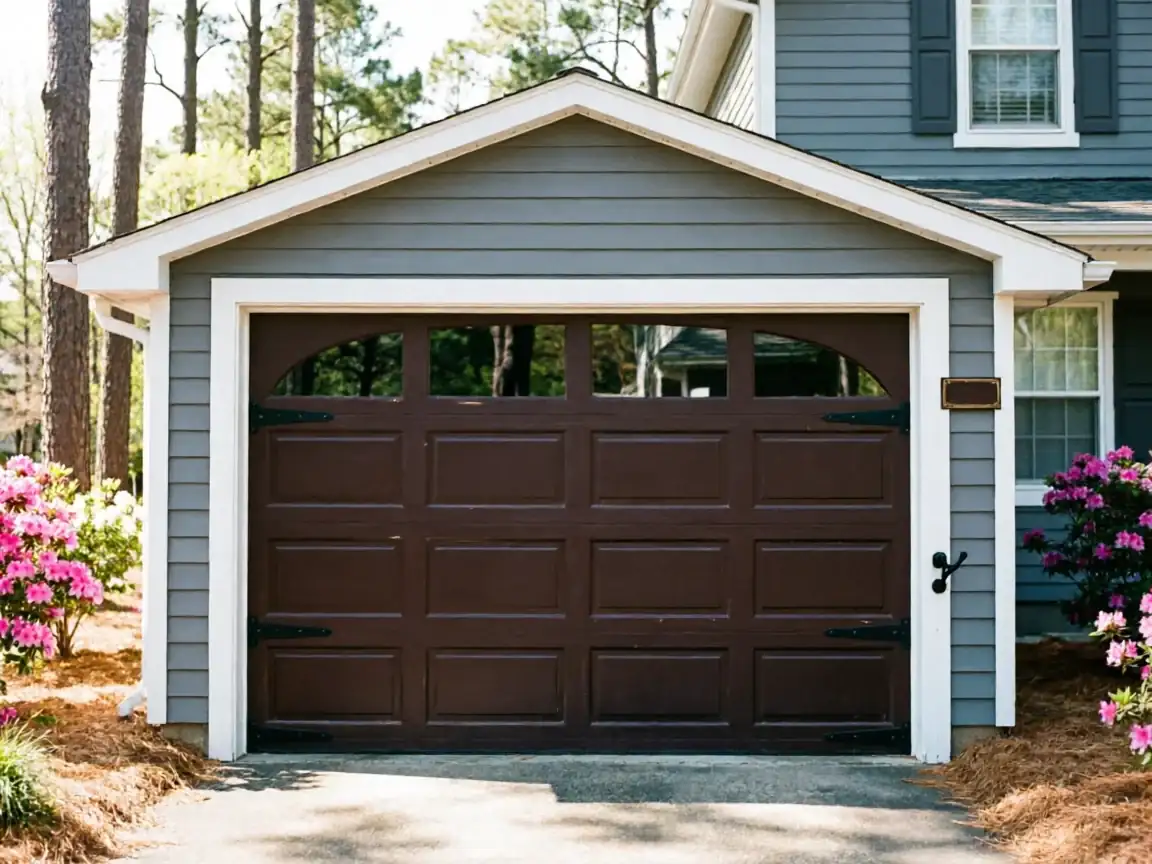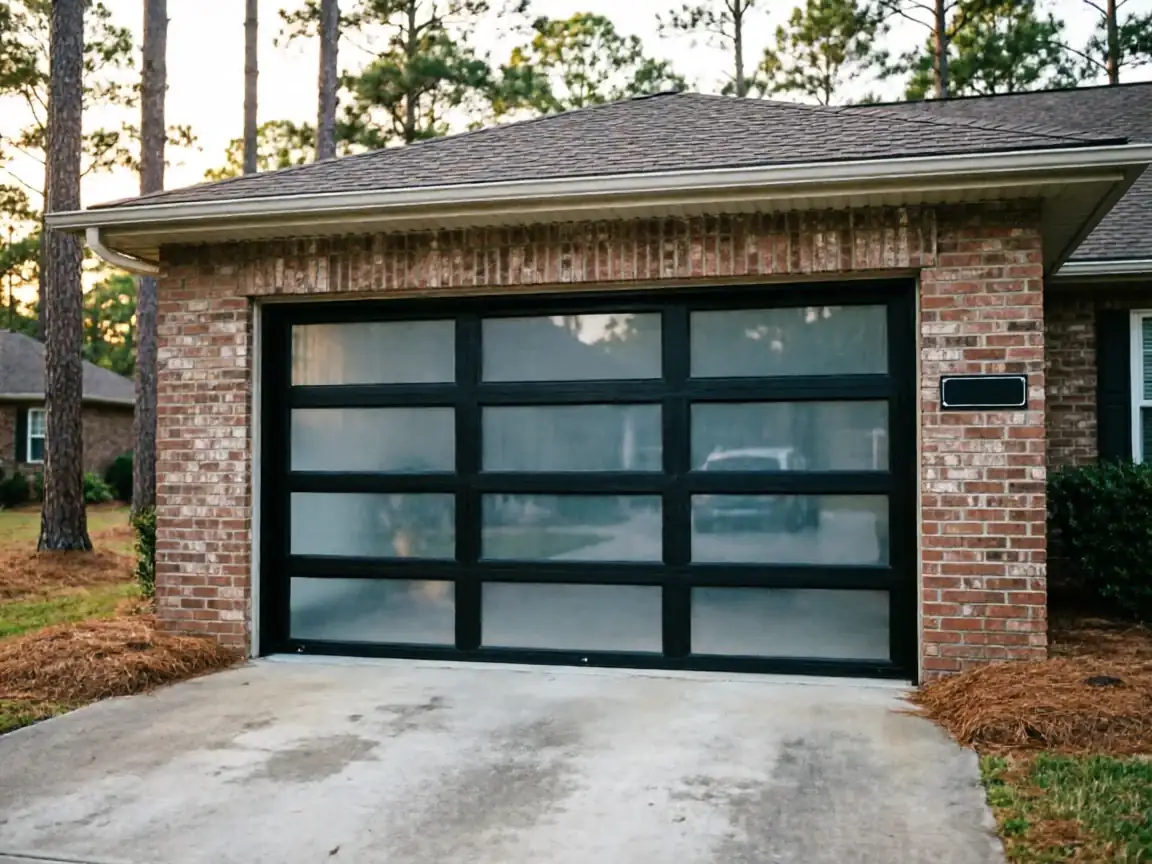
Where This Job Goes Sideways
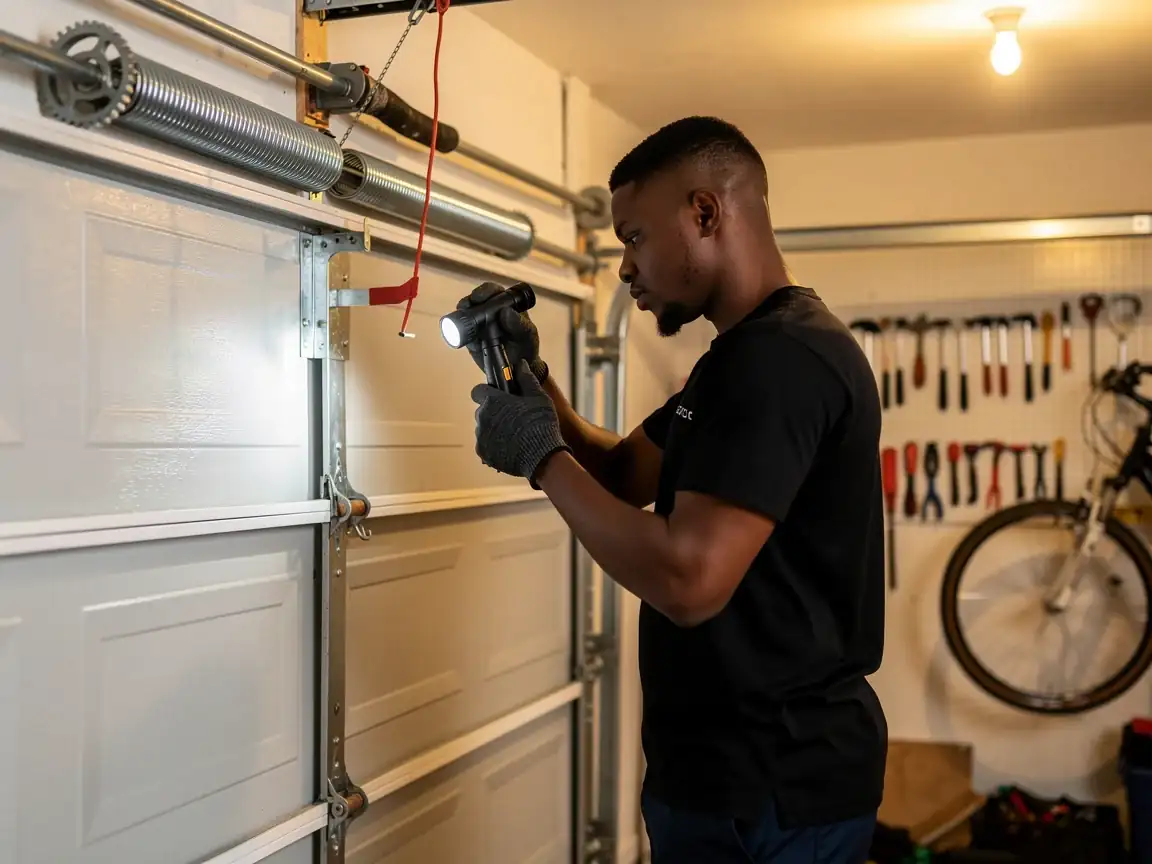
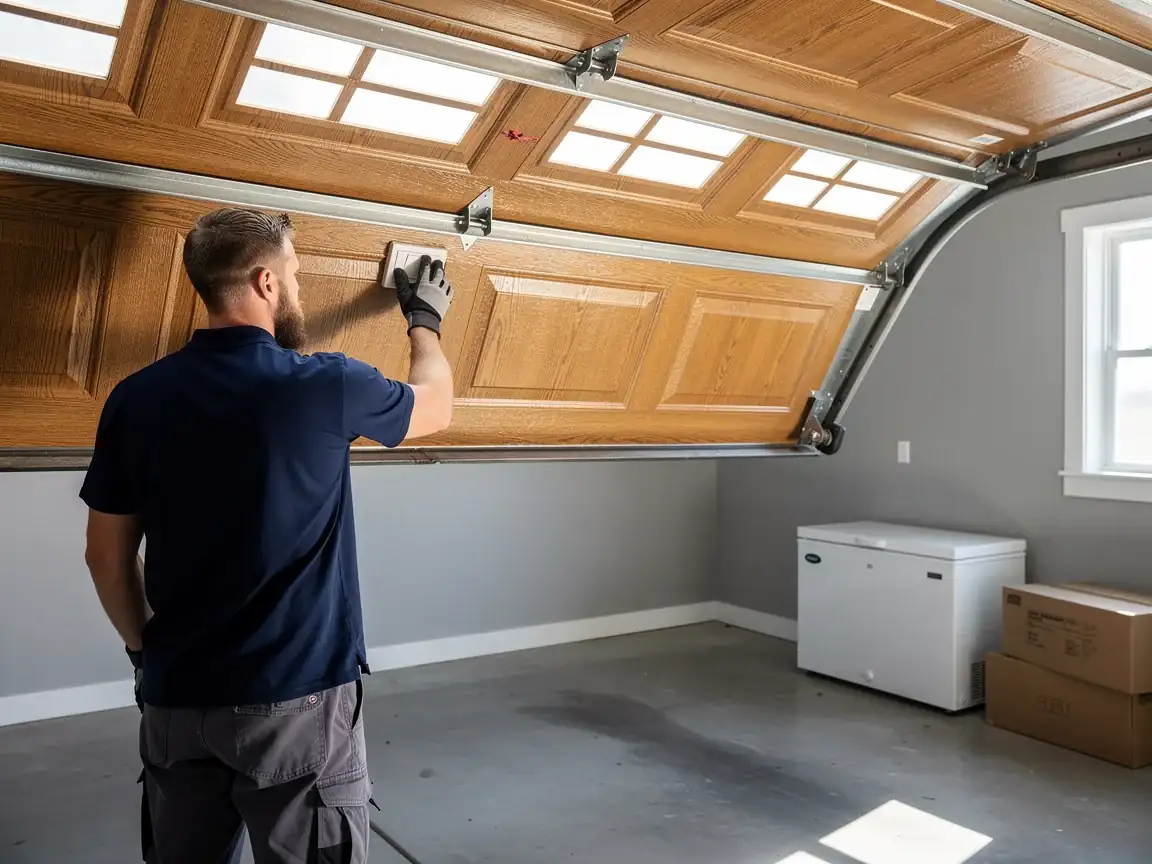
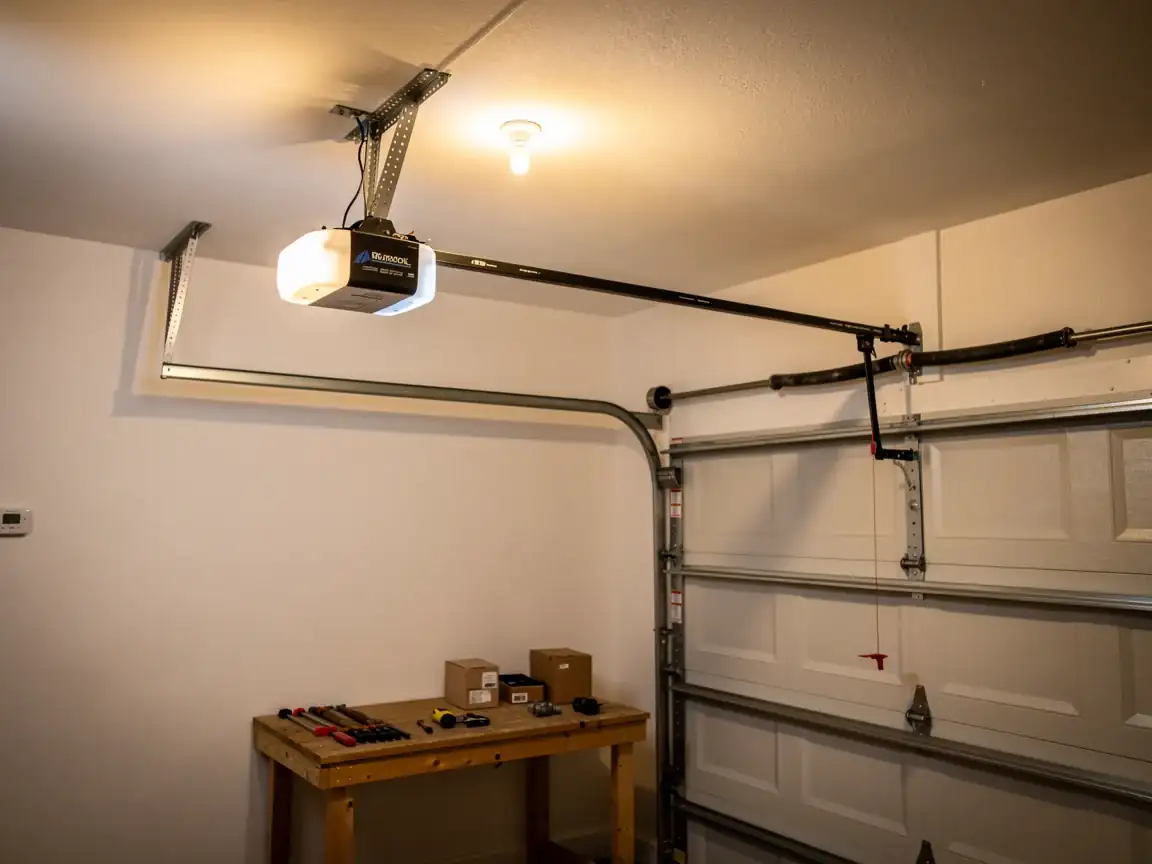
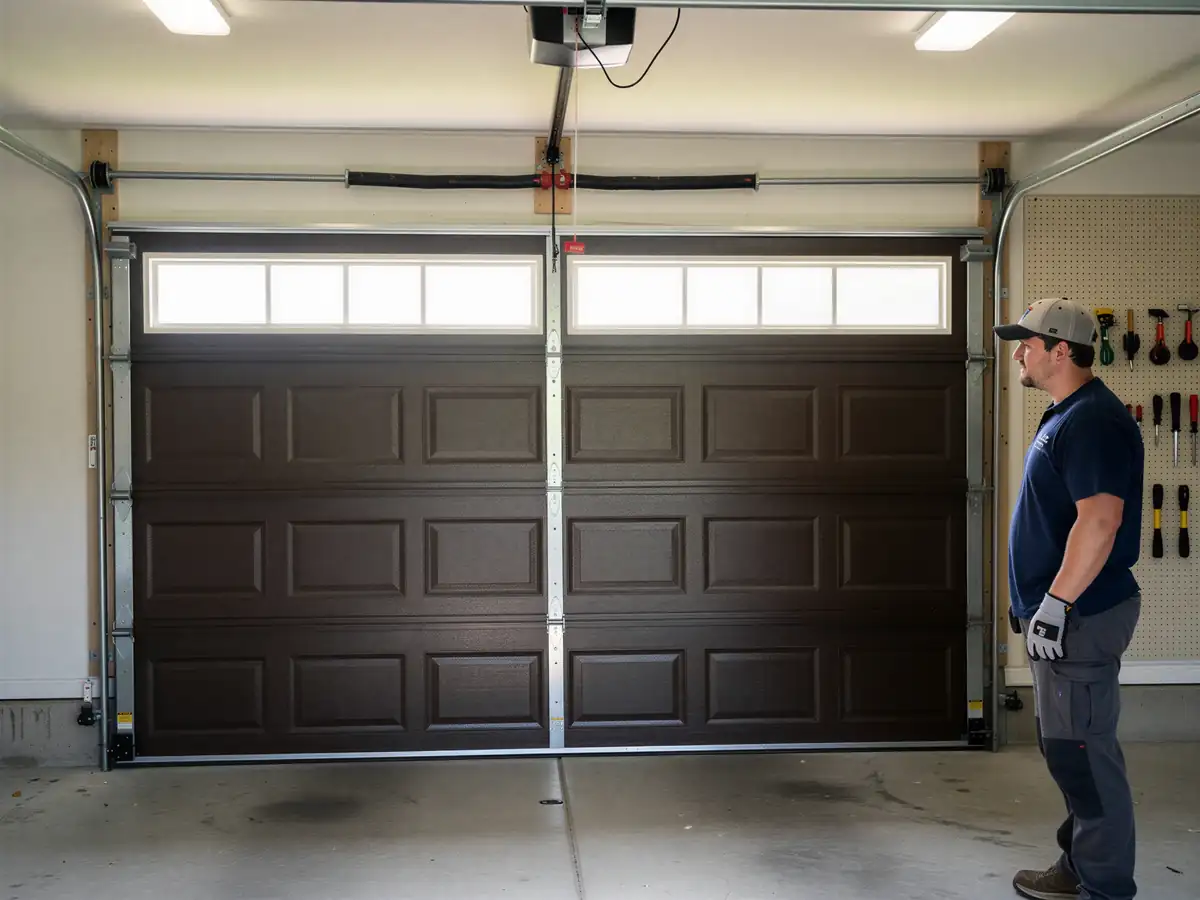
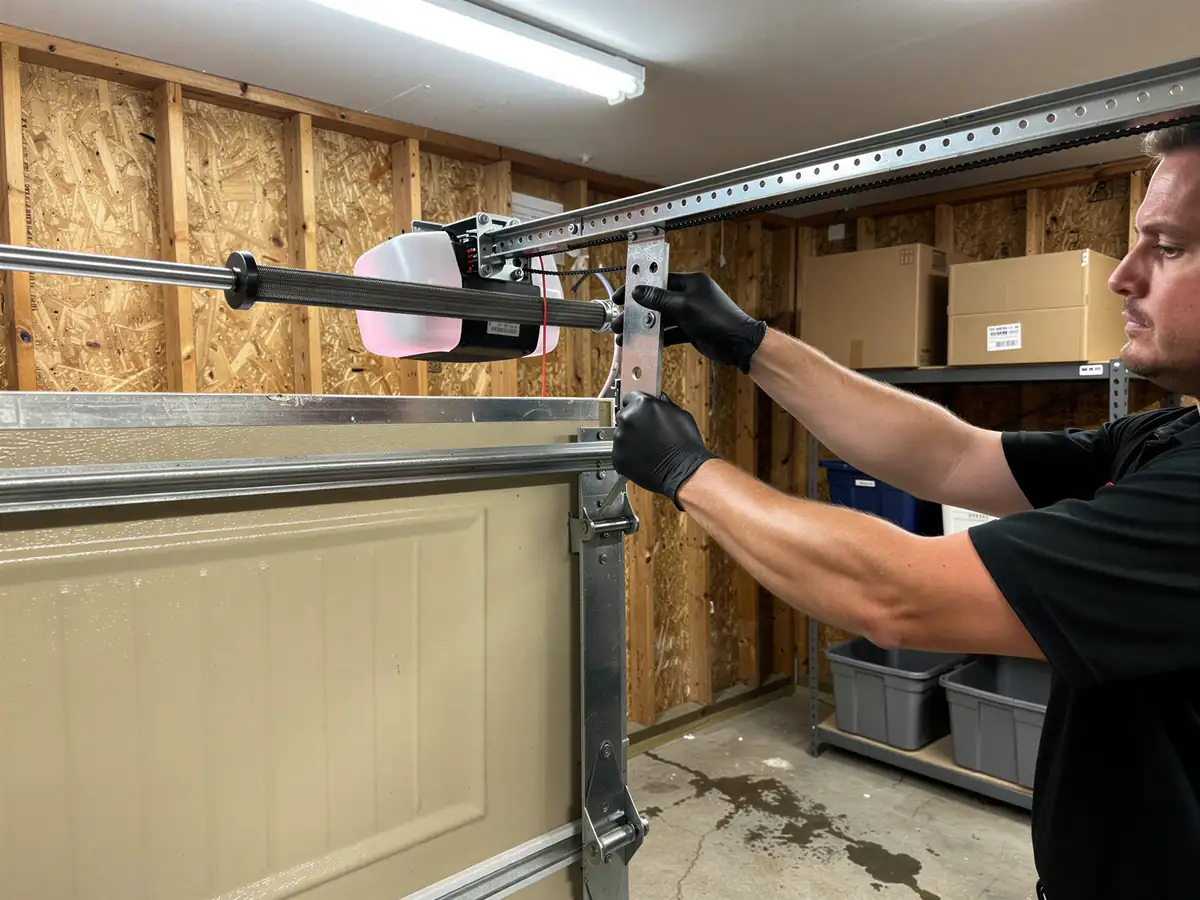
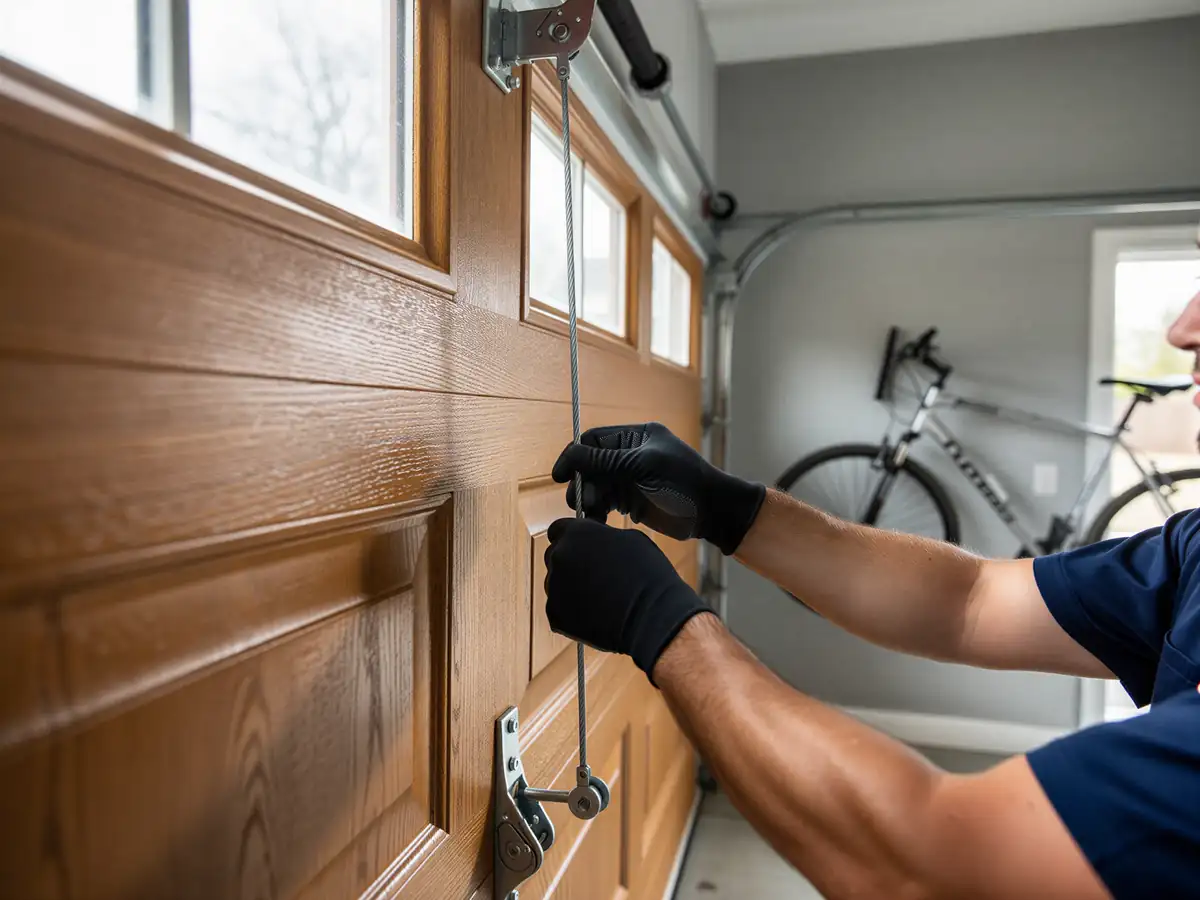
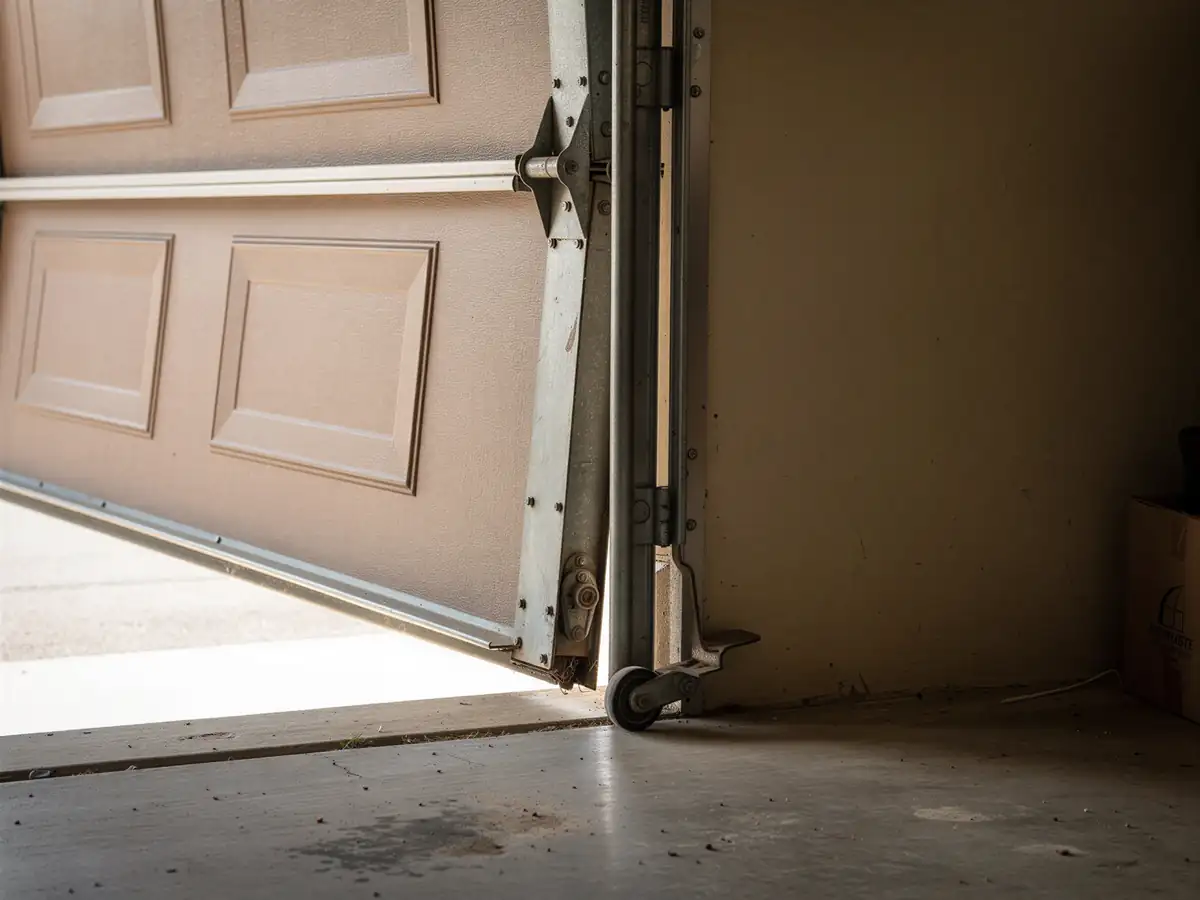
The complaint we hear most from this part of Fair Oaks isn't a dead opener, it's a door that's popped out of the track on one side and now hangs crooked or won't move at all. Usually a roller has worked loose from a bent carrier, or a cable has jumped its drum, and the door's weight is now fighting the track instead of riding in it.
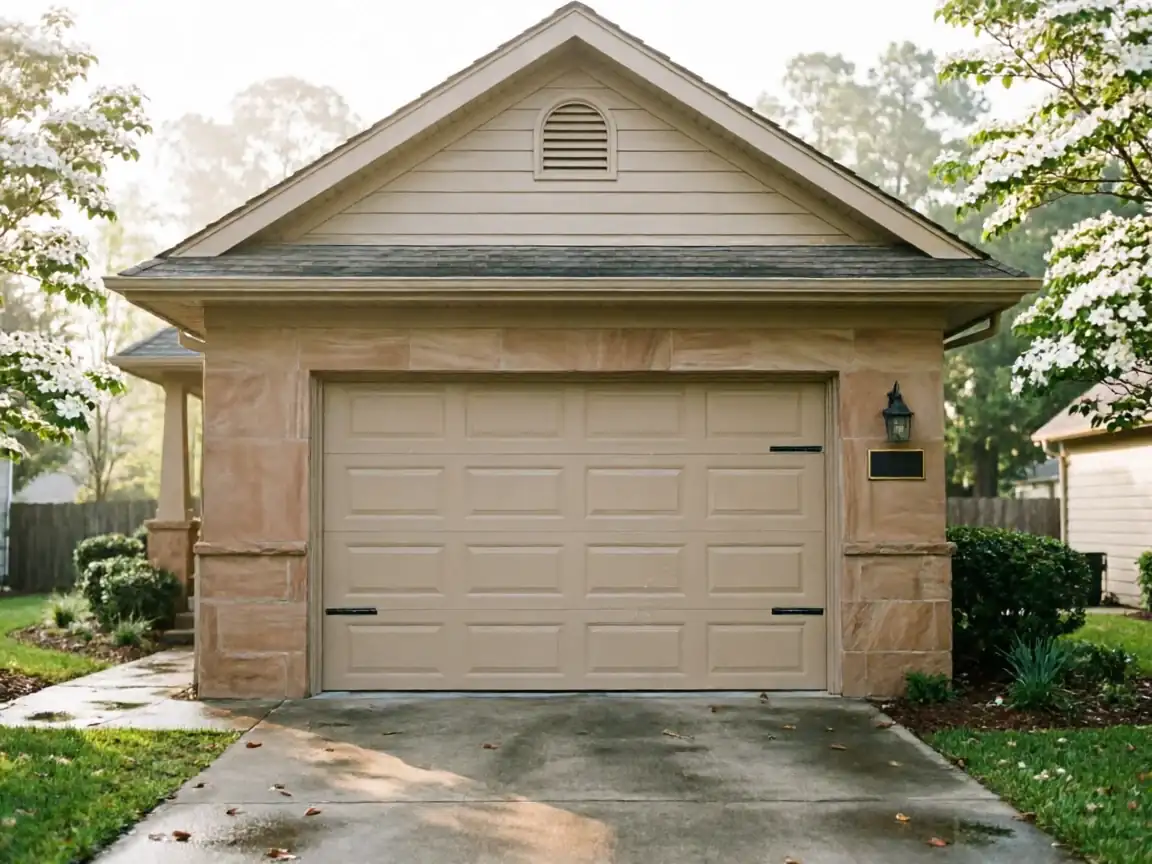
That pattern tracks with the age of the housing here. Fair Oaks homes mostly went up around 1970, which puts this area ahead of the 1980s-90s wave that filled in a lot of the rest of the service area we cover from Acworth. A door from that era is almost always running on galvanized steel track held by riveted brackets, not the heavier roll-formed rail that showed up later. Those older brackets flex more over fifty-plus years, and once one works loose, the rollers start chewing sideways against the rail edge instead of sitting flush. That's the mechanism behind most of the off-track calls we get from this side of town, and it's a different repair than straightening a newer track that's simply been knocked by a car bumper.
Booking a Visit
We run this call out of Acworth, about 13 miles from Fair Oaks
So there's no branch or depot sitting closer. That distance is the honest tradeoff: we don't promise a same-hour window here the way we might for a job five minutes from the shop, and we'll tell you that up front when you call rather than overpromise and show up late.
- 13 miles
What we do bring is the right eye for what you're dealing with
Since Fair Oaks sits outside the main 1980s-90s housing band for this area, we ask about the age of the door and the track style before we load the truck, so we're not guessing at bracket size or roller spec once we're on-site. If you want the broader rundown on what off-track repair covers in general, that's covered on our main Acworth off-track page; this page is specifically about what we see in Fair Oaks.
What Causes It Around Here
This area sits in a cold-moderate climate band, which means real freeze-thaw swings through the winter months rather than a hard deep freeze. On a track system that's already fifty-plus years old, that cycling matters: brackets that were torqued down in 1970 expand and contract season after season, and the lag screws holding them to the jamb loosen a little more with every swing. Add a slab that's settled unevenly over five decades, even slightly, and the track alignment that was fine in year one starts pulling the door off-center in year fifty.
We also see this show up after someone's tried to force a door that's already binding. A door that's dragging on a loose bracket will often still open if you lean into the opener, and that's exactly what walks it the rest of the way off the rail. If your door feels like it's fighting you partway up, that's usually the warning sign before it comes off track entirely, not after.
Parts We Carry
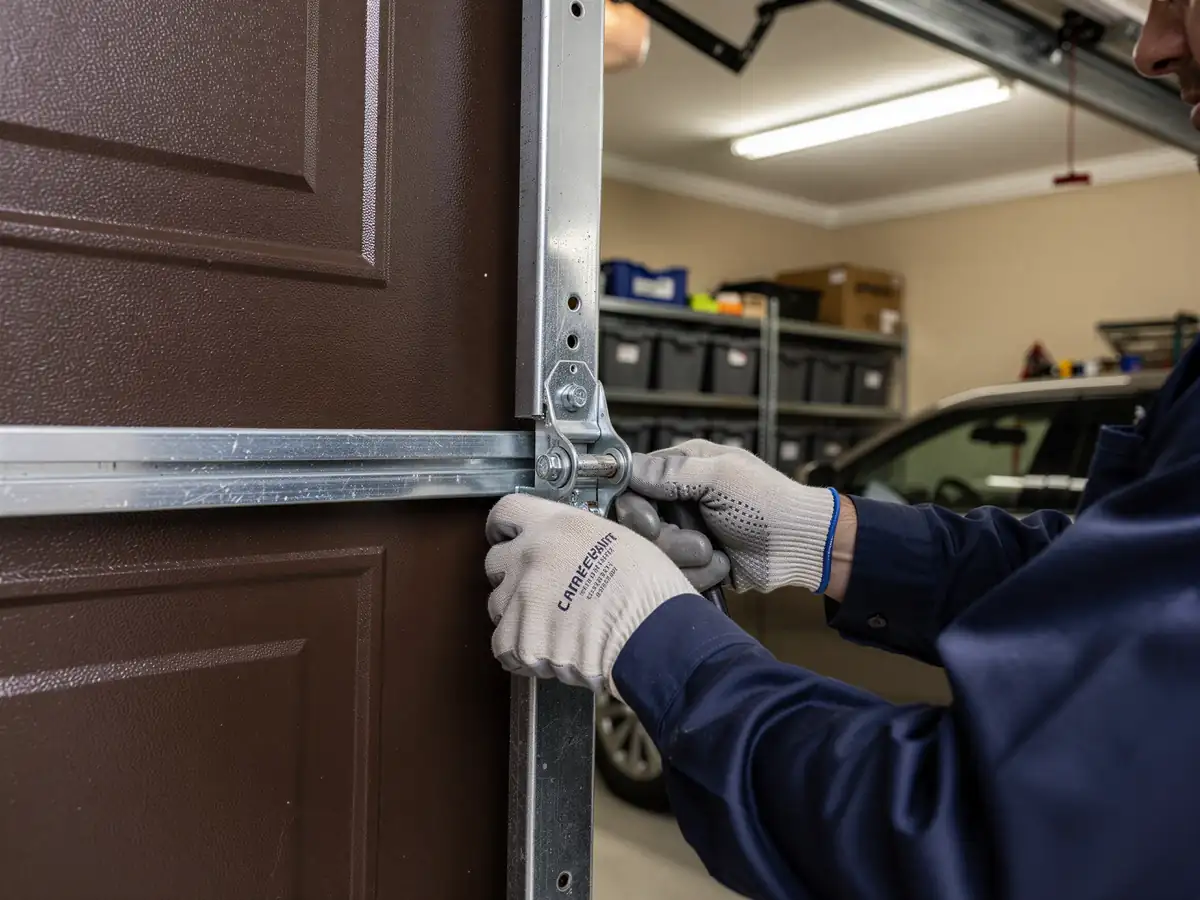
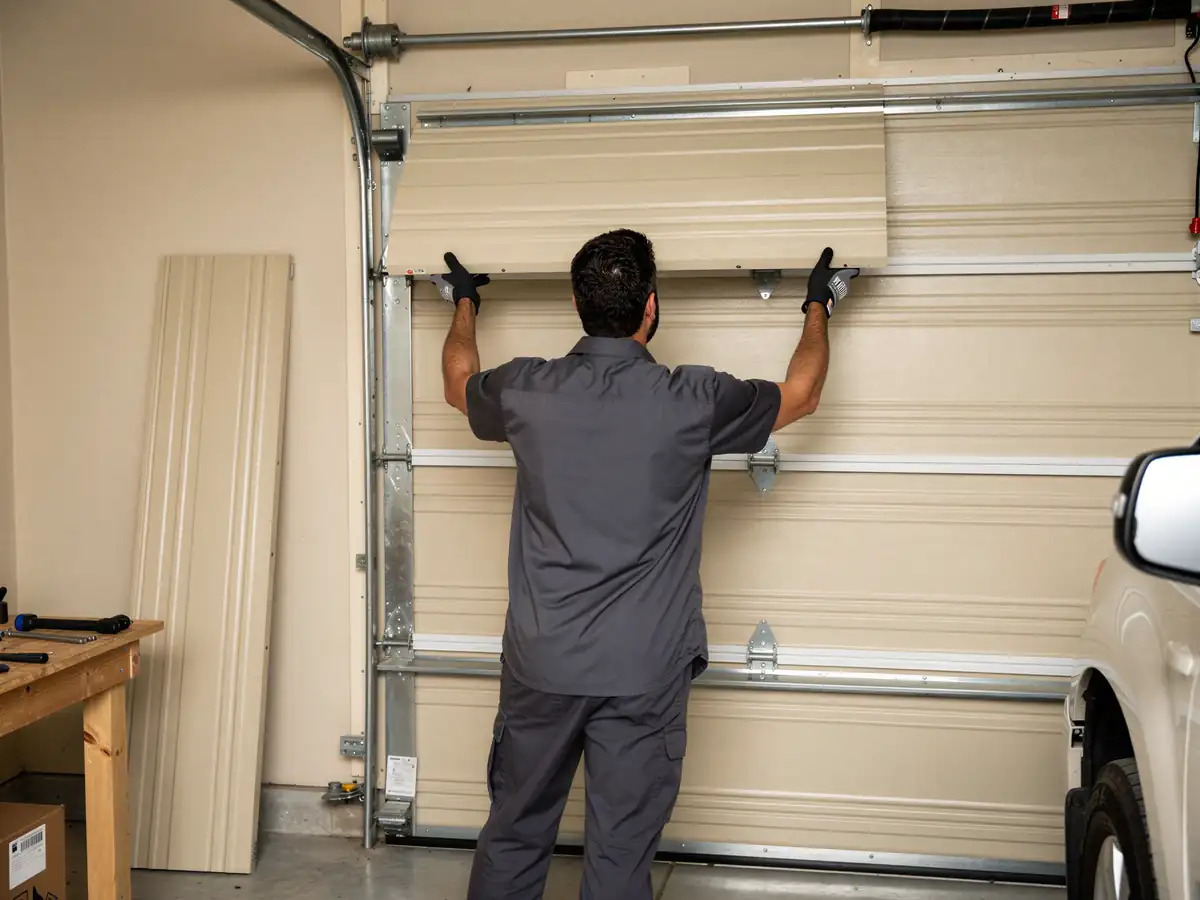
For an off-track call on a door from this era, the truck carries standard rollers, replacement hinges, cable, and sections of galvanized track in common widths, which covers most of what we find bent or sheared on a 1970-era door. What we don't stock is original hardware specific to a manufacturer that stopped making doors decades ago; if a bracket or end stile is a discontinued proprietary part, we'll tell you that on-site rather than disappear for a week chasing it down.
In practice, most off-track repairs don't need an exact factory match. A straightened or swapped section of universal track, paired with new rollers on both sides, gets a door from this period running true again. Where we draw the line is a door with a cracked or badly rusted track that's been off its rail long enough to warp the stile behind it; at that point we'll say so, because replacing the track section twice costs more than replacing the door.