Where This Job Goes Sideways
Fair Oaks sits about 13 miles from our shop in Acworth, and the houses here skew older than what we see on the rest of the route. Median build year in Fair Oaks runs around 1970, while the wider service area we cover centers closer to 1989, with most stock dating 1964 to 2007. That's close to two decades of difference, and it matters because a door installed in 1970 is not getting the same hardware as one from 1992.
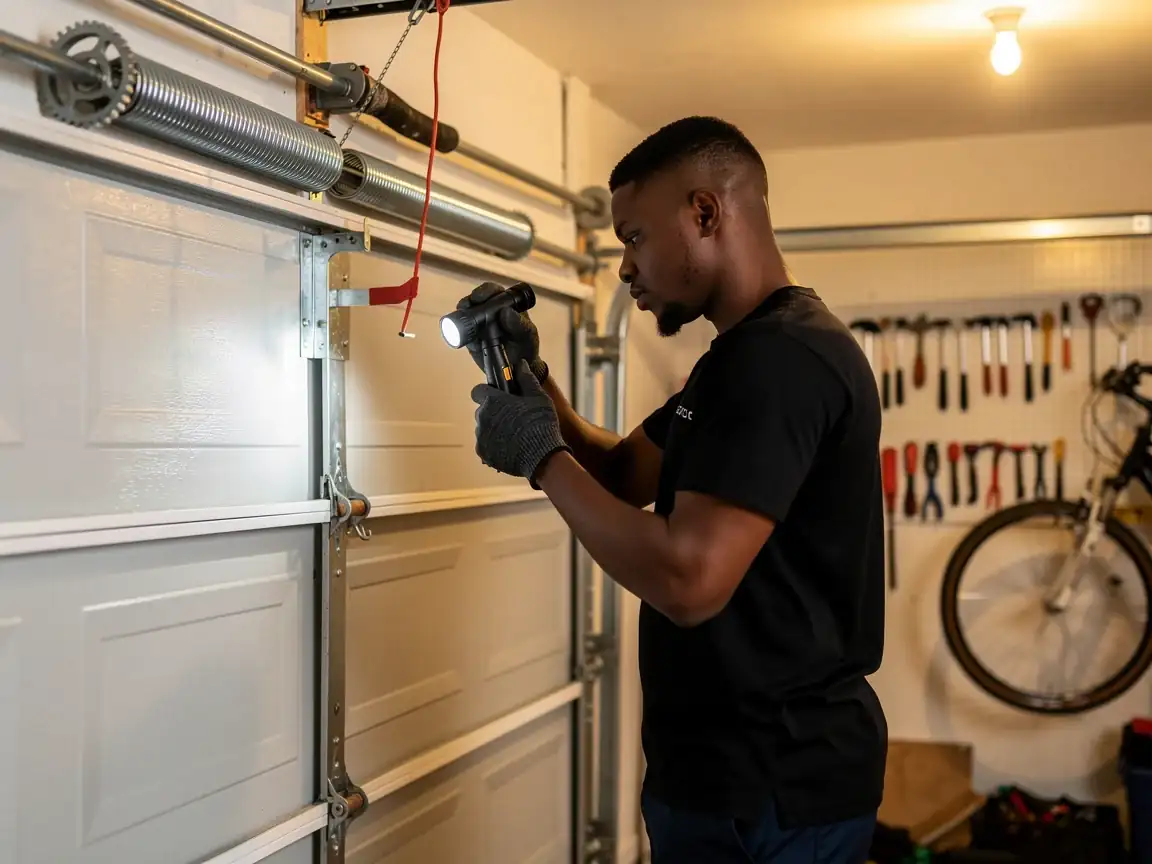
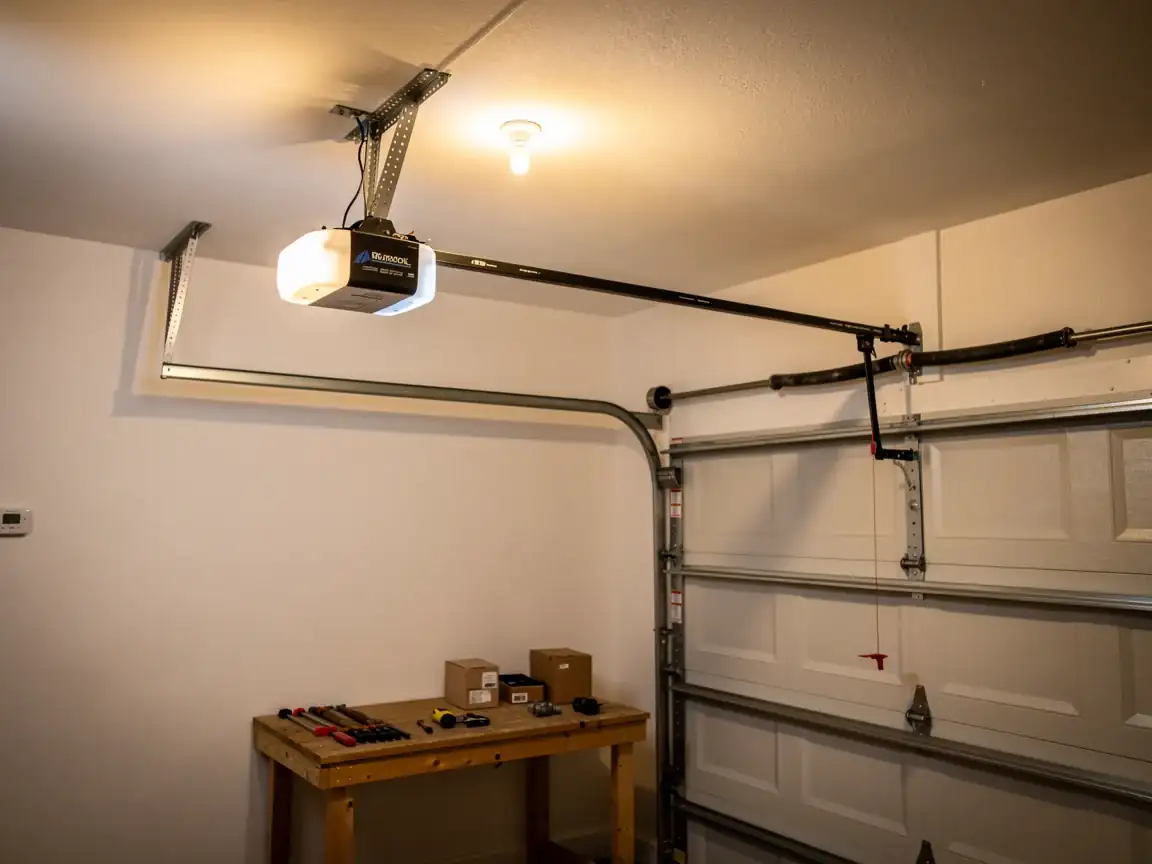
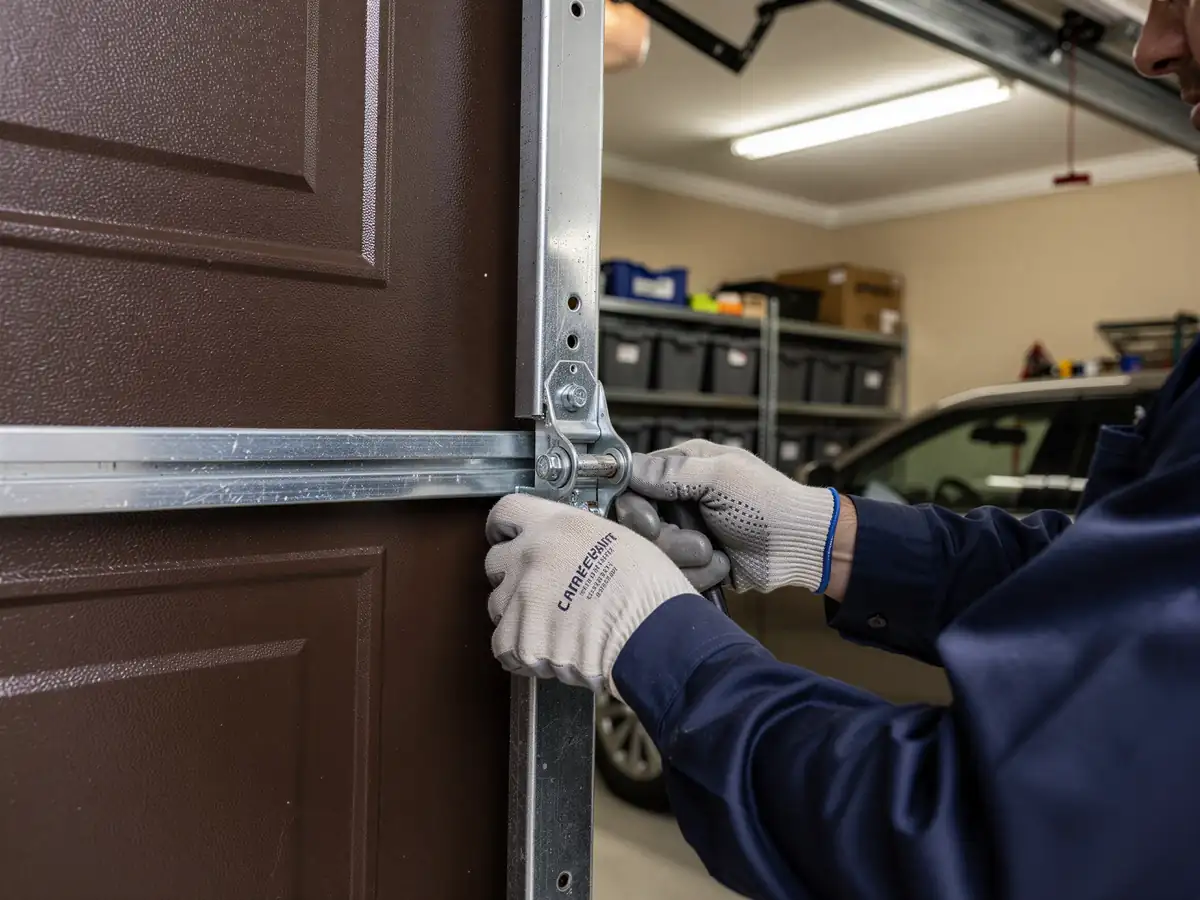
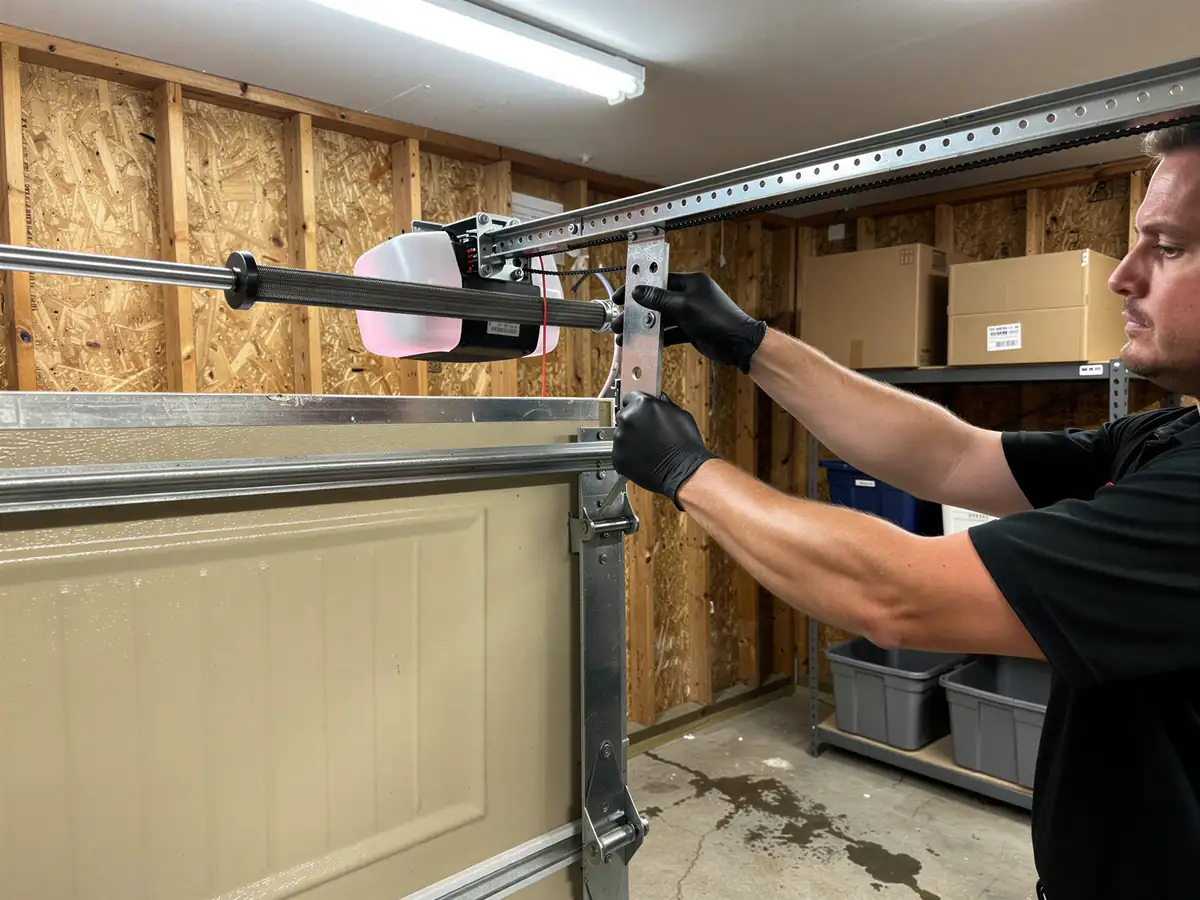
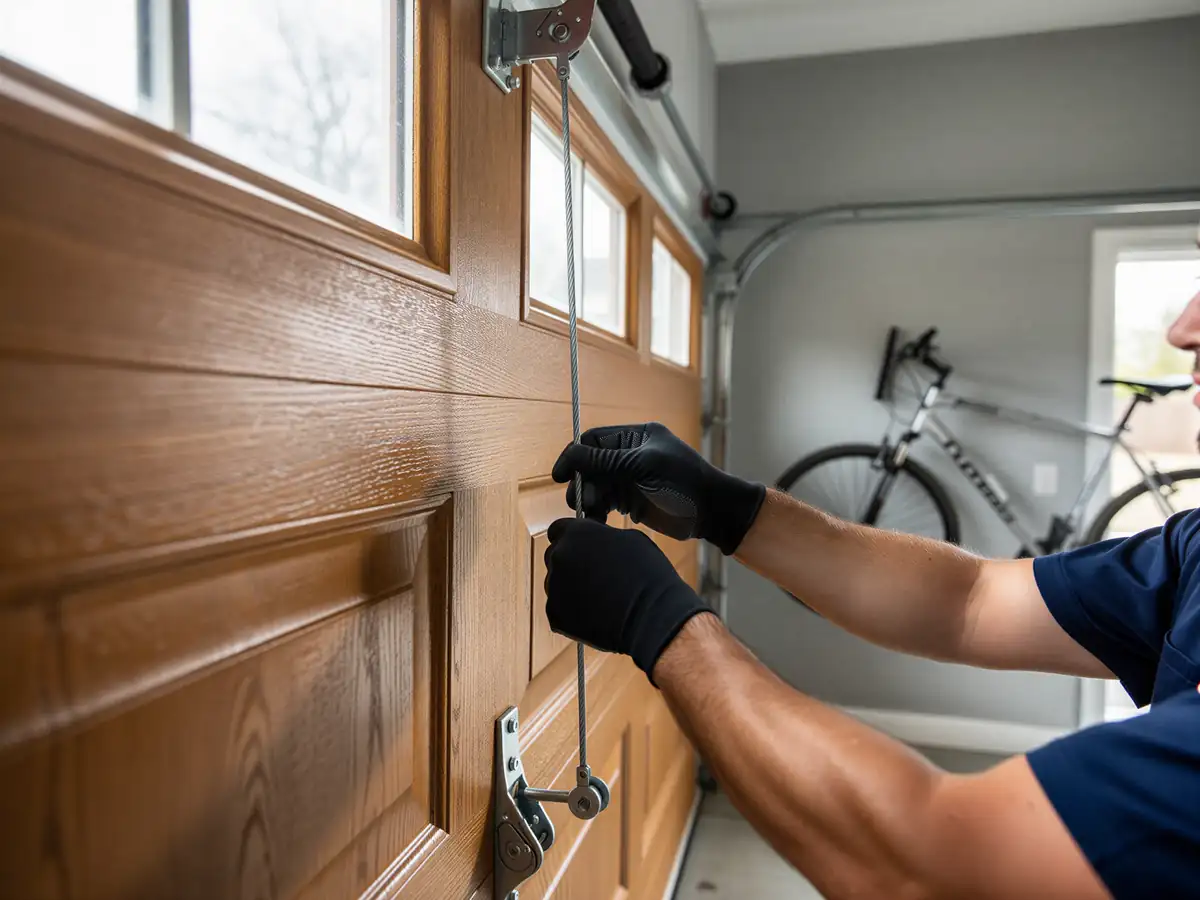
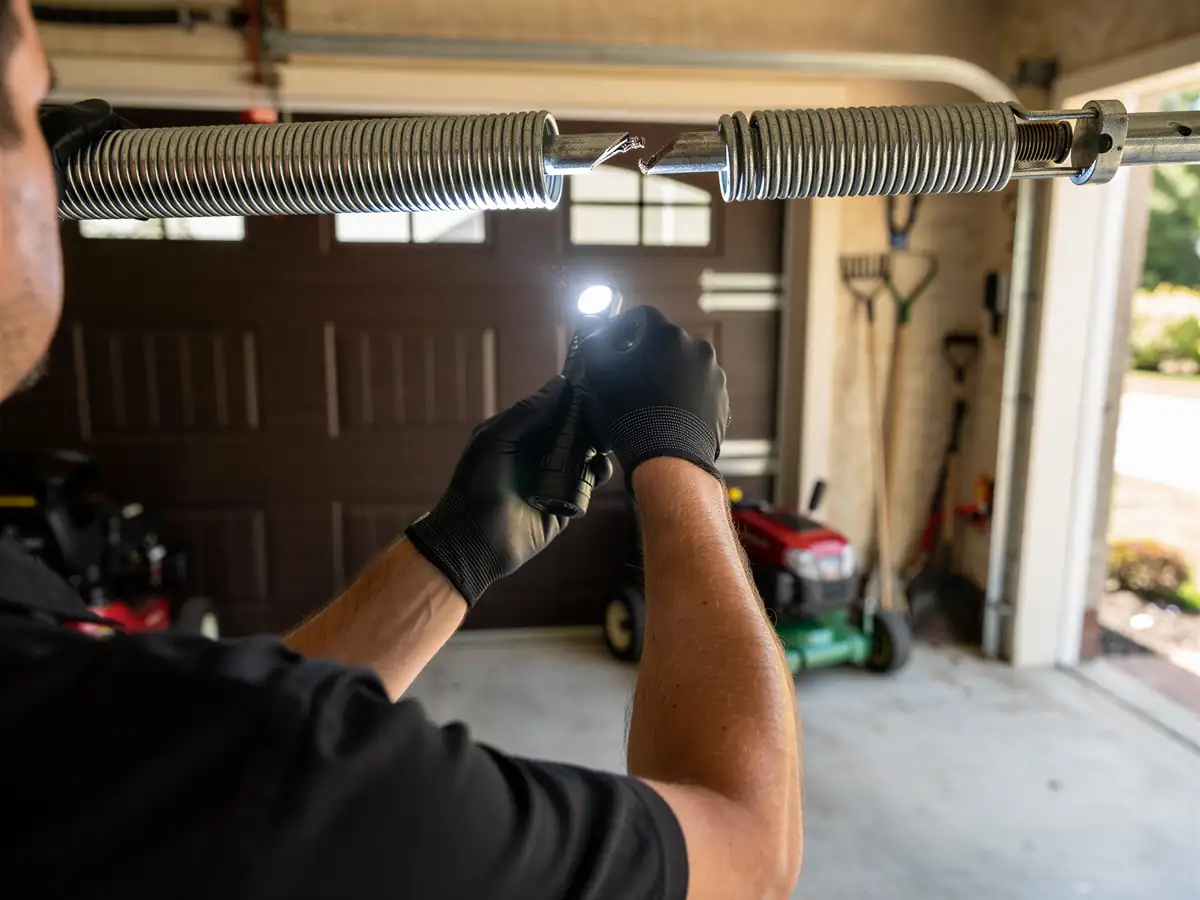
Older openers in this pocket are more likely to be chain-drive units on short rail, paired with torsion springs that have outlived at least one replacement cycle already, sometimes two. The failure mode we see most in Fair Oaks isn't a snapped spring from age alone - it's a cable that's frayed on an original drum nobody's touched since the Carter administration, or a bottom bracket that's been welded, not bolted, because that's how it was done then. We don't walk in assuming 1990s parts will fit. We check the year before we quote the fix.
Booking a Visit
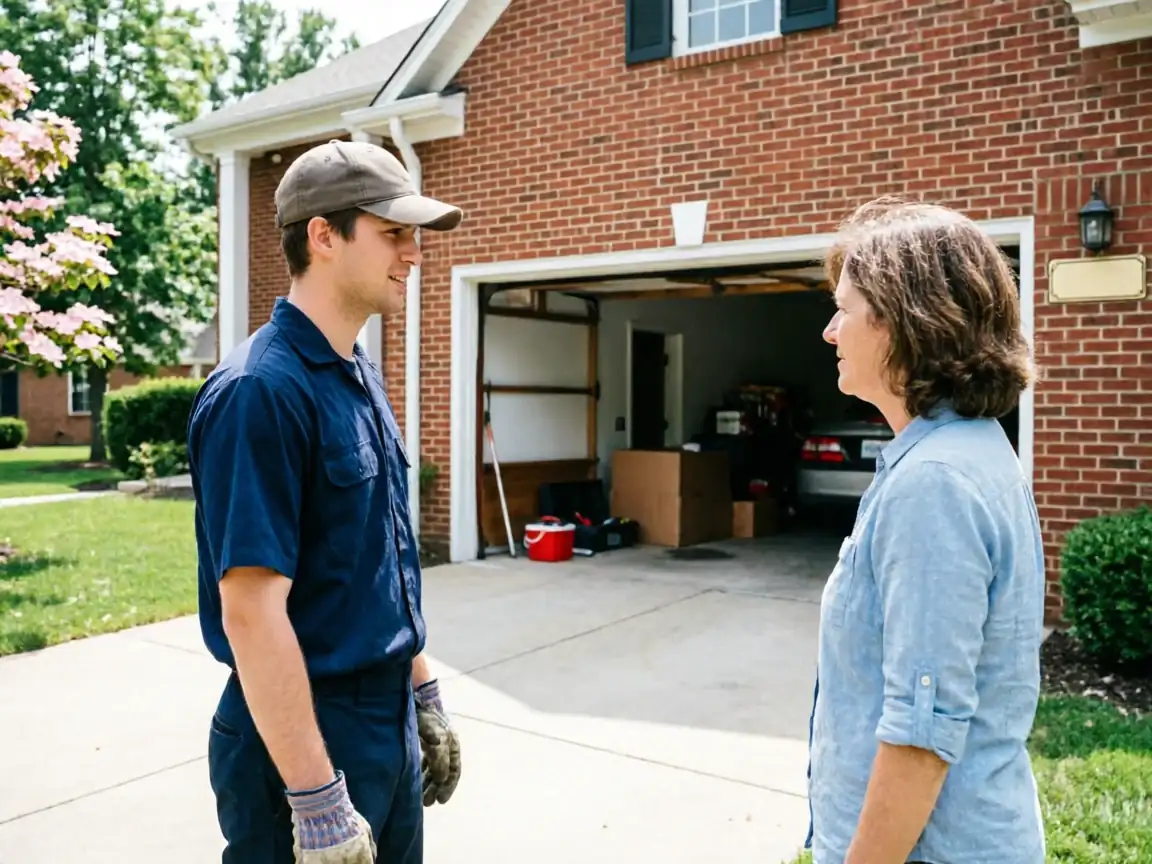
We run this call from Acworth, not from a branch in Fair Oaks
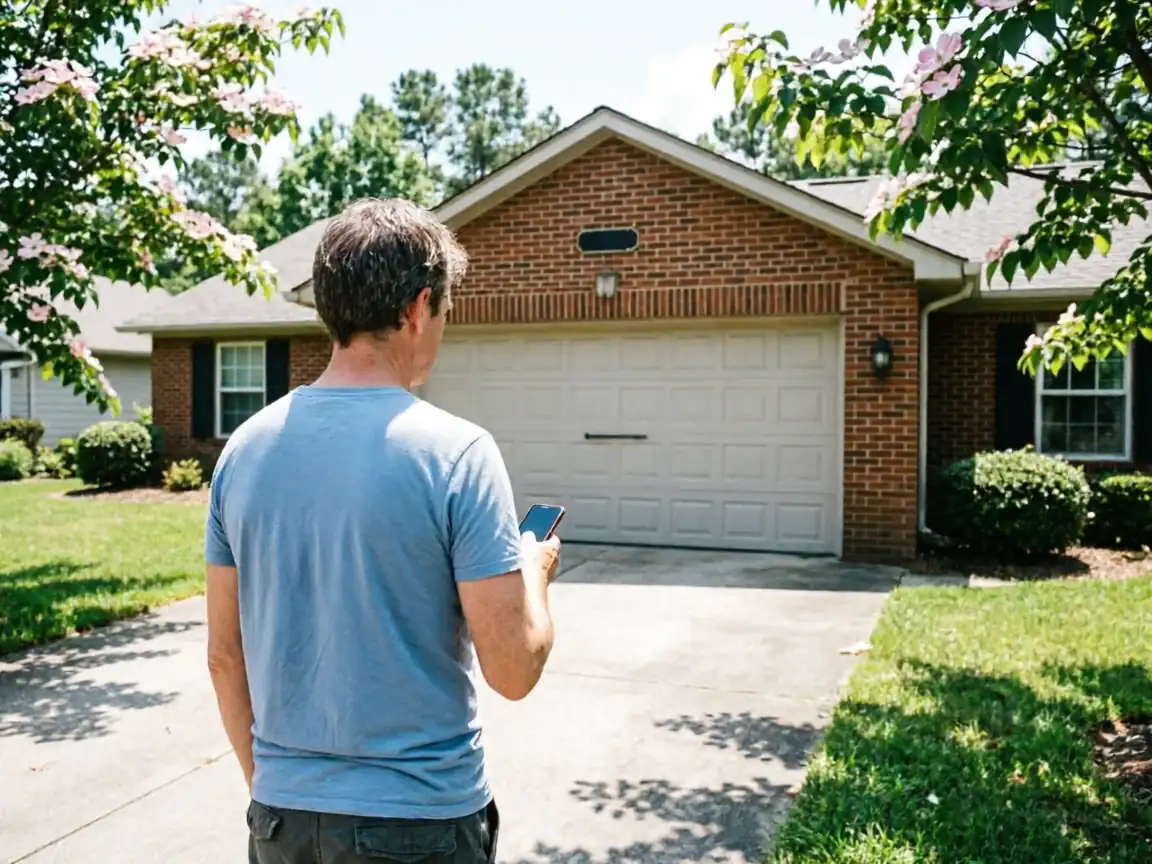
So when you book, tell us it's a 1970-era door if you know it - that single detail changes what's on the truck when we leave the shop. There's no local depot here and we won't pretend otherwise; the job starts with the 13-mile drive, same as every call in this part of the service area.
If the door is stuck open or closed and blocking a car, say so up front
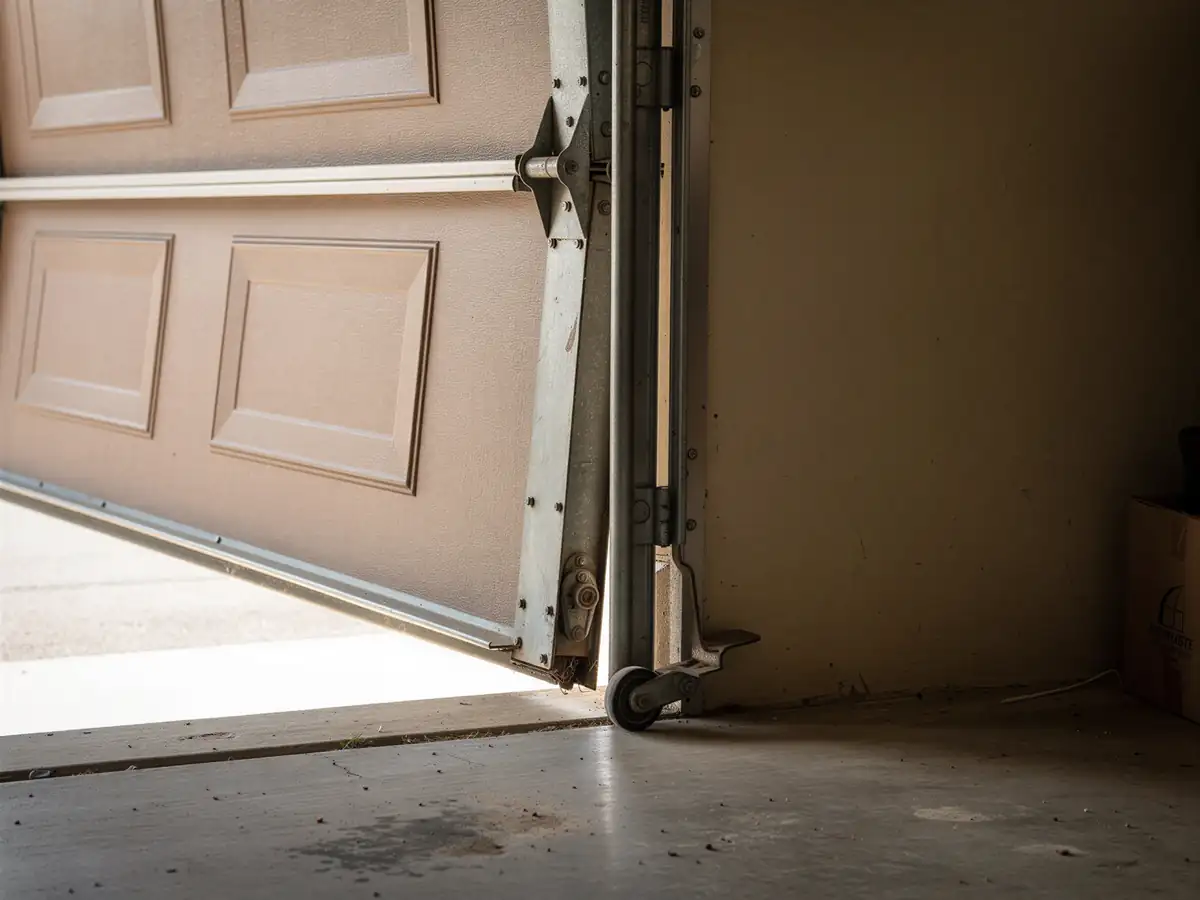
If it's a spring that's already broken, don't try to force the opener past it - that's how a cable jumps the drum and turns a one-part fix into two. We'd rather you wait the extra few minutes for the right parts than have us show up guessing.
What Causes It Around Here
This area sits in a cold-moderate climate band, which means freeze-thaw cycles work on steel fatigue over the winter months even without the brutal cold of the Midwest. On a torsion spring that's already 20-plus years old - which is common on a house built in 1970 - that cycling is often what finally breaks it, not one dramatic cold snap.
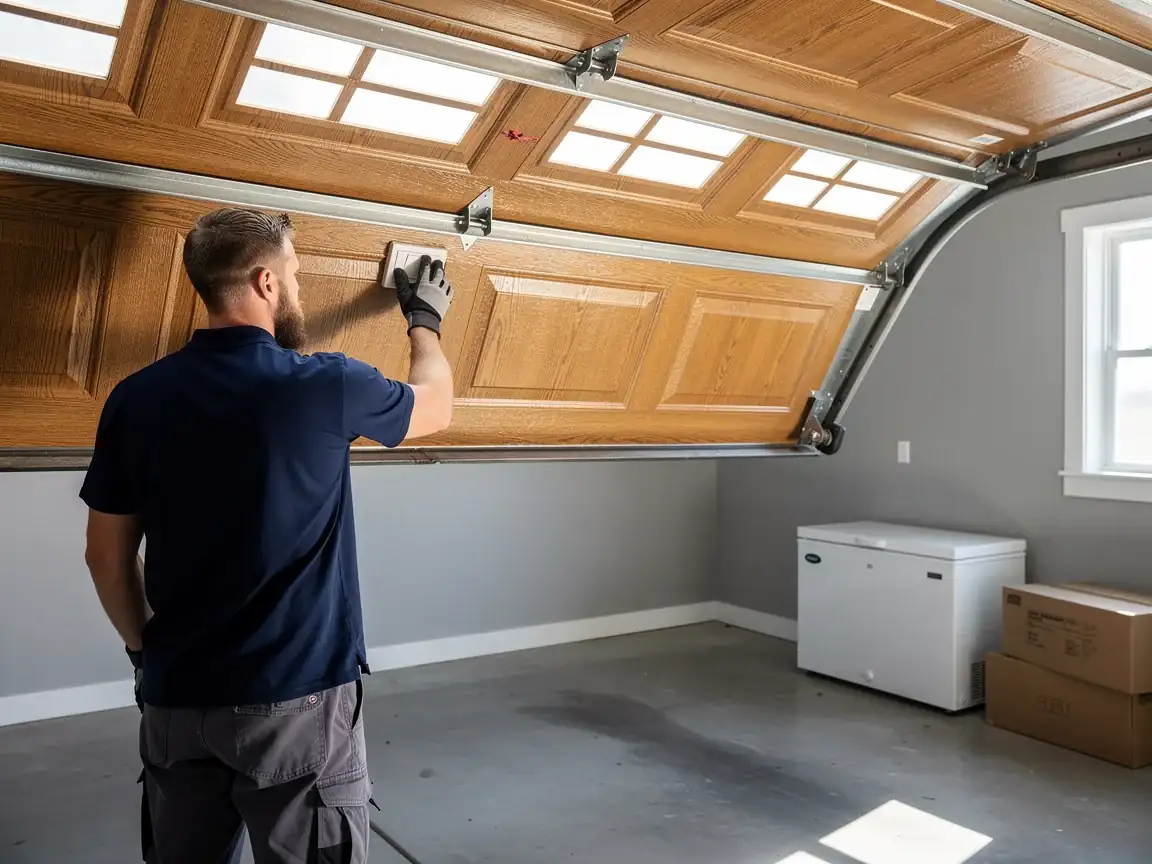
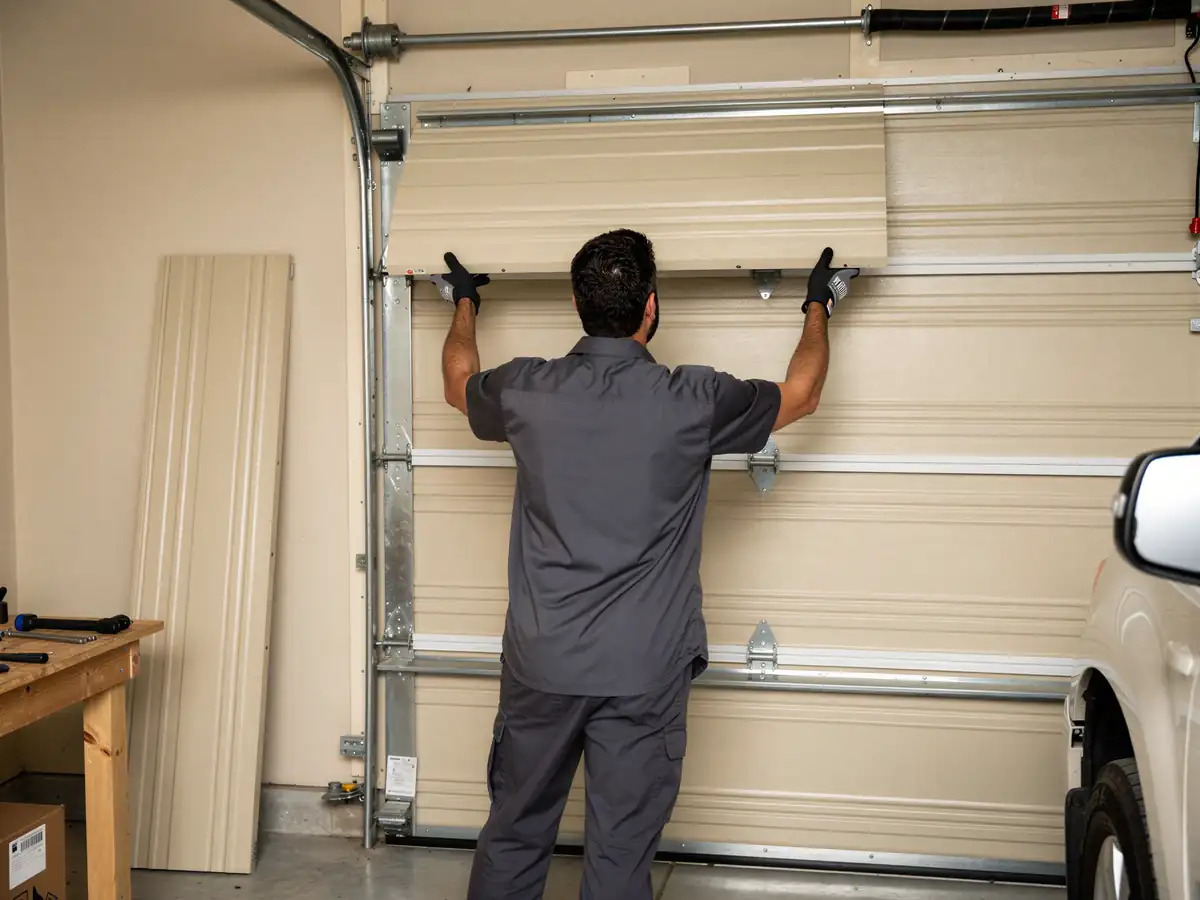
The other pattern we see: openers original to 1970s construction were never built for today's heavier insulated panels. If a Fair Oaks homeowner swapped to a heavier door at some point without upgrading the spring count or opener horsepower, the system's been working harder than it was designed to, and something eventually gives - usually the weakest link, which is the spring or a worn roller.
Parts We Carry
We stock torsion springs across a wide wind range precisely because the stock in this area isn't uniform - a 1970 door and a 2005 door on the same street need different cable drums and often different spring diameters entirely. What we don't carry on the truck is obsolete track hardware for doors predating standard torsion conversion; if a system's original side-mount setup is still in place, that's sometimes a part we need to order rather than swap same-visit, and we'll tell you that up front instead of pretending otherwise.
We also carry standard rollers, cables, and openers suited to both chain and belt drive, since both show up here depending on when a given house had its door last replaced.