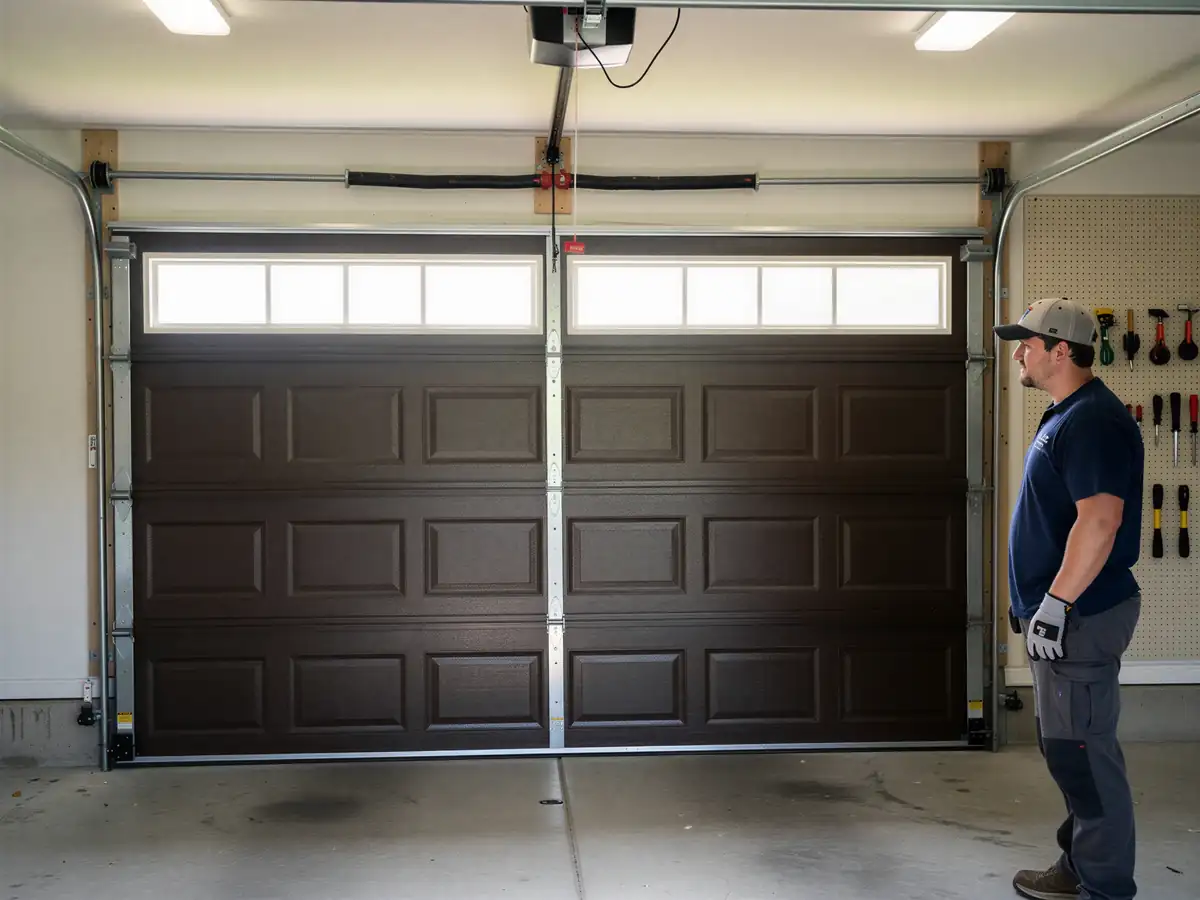
Parts We Carry
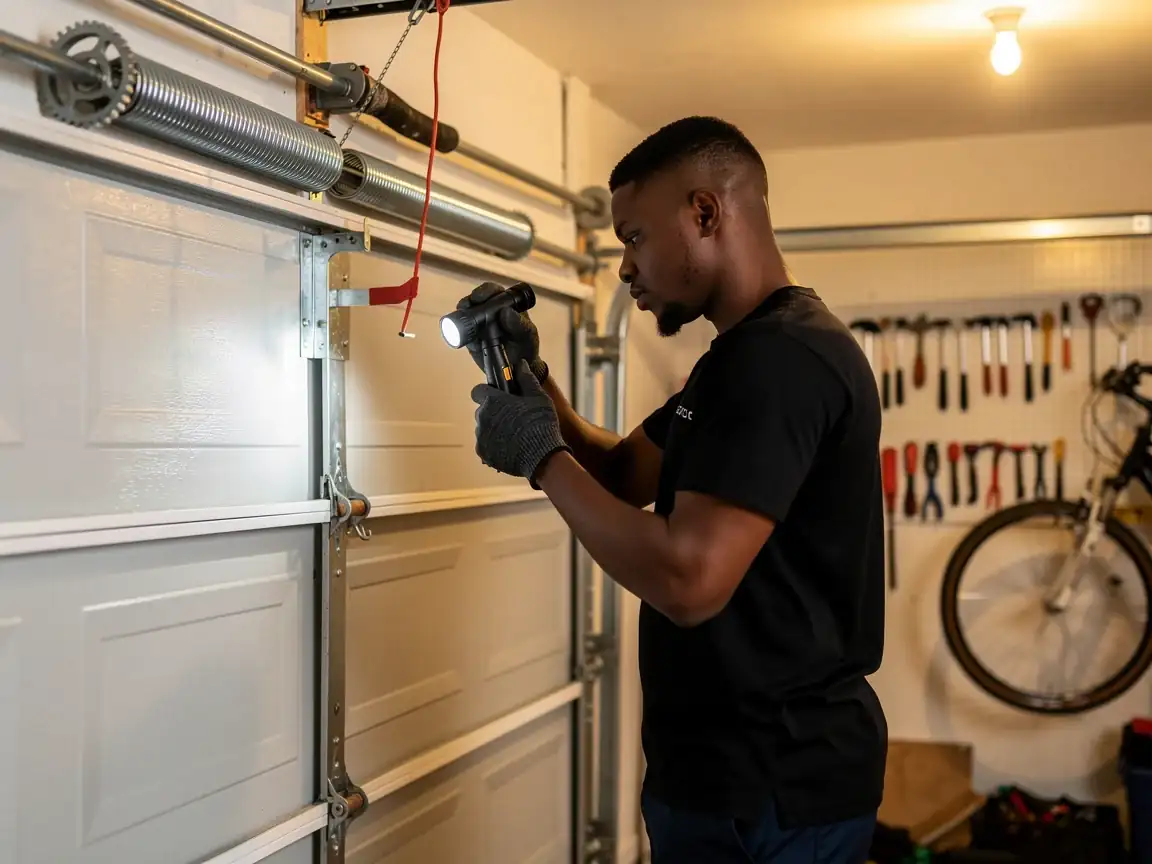
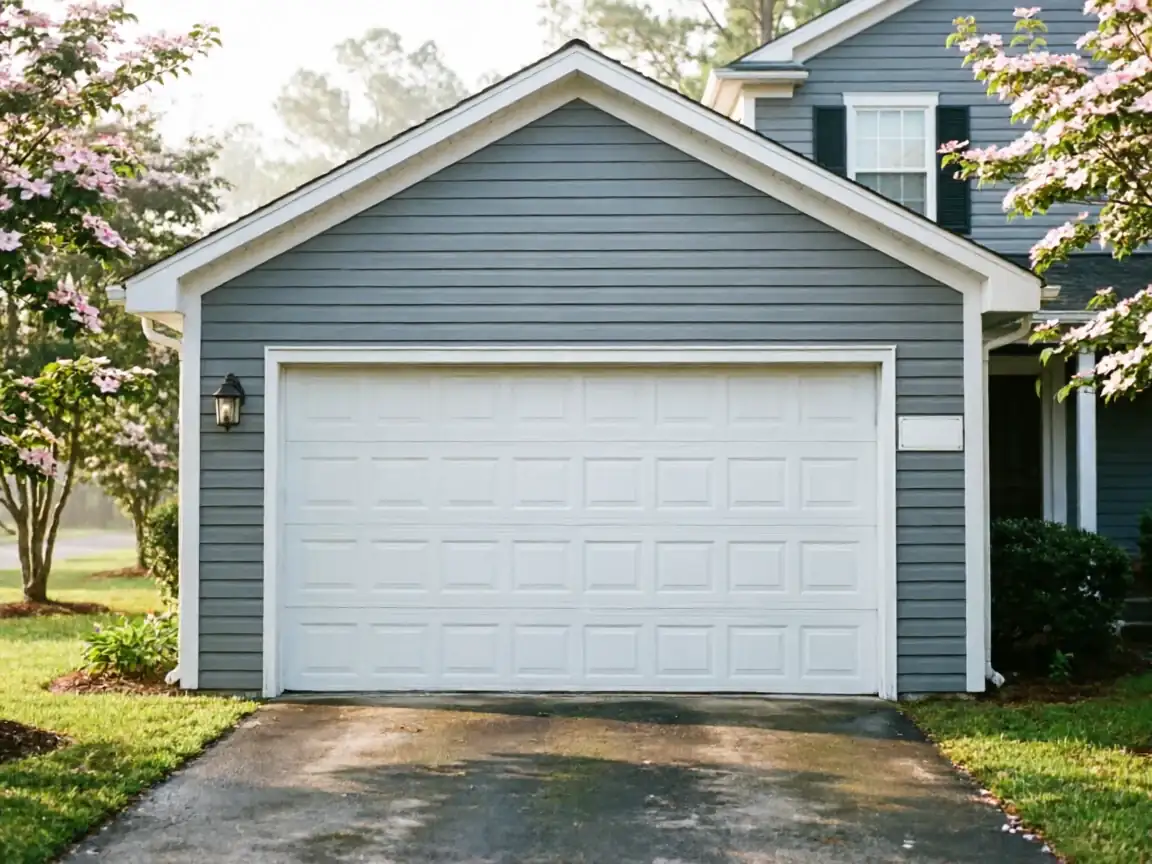
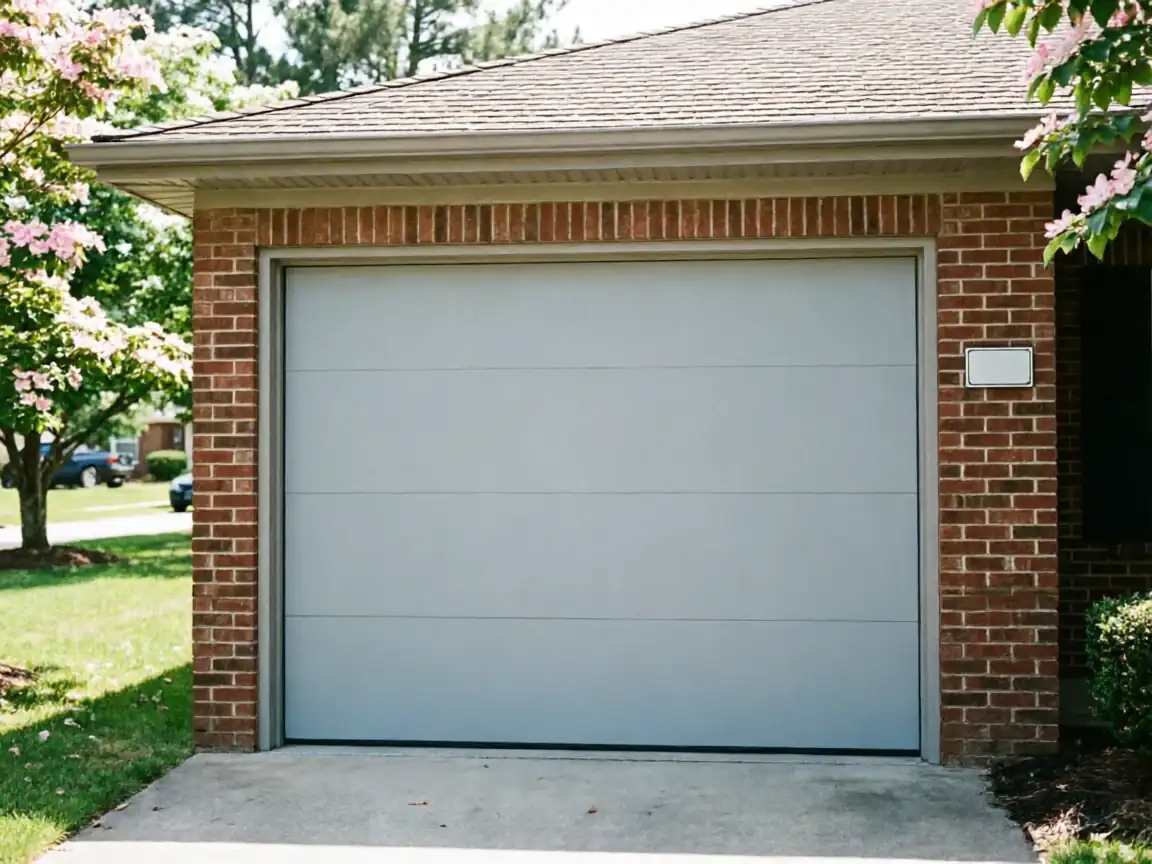
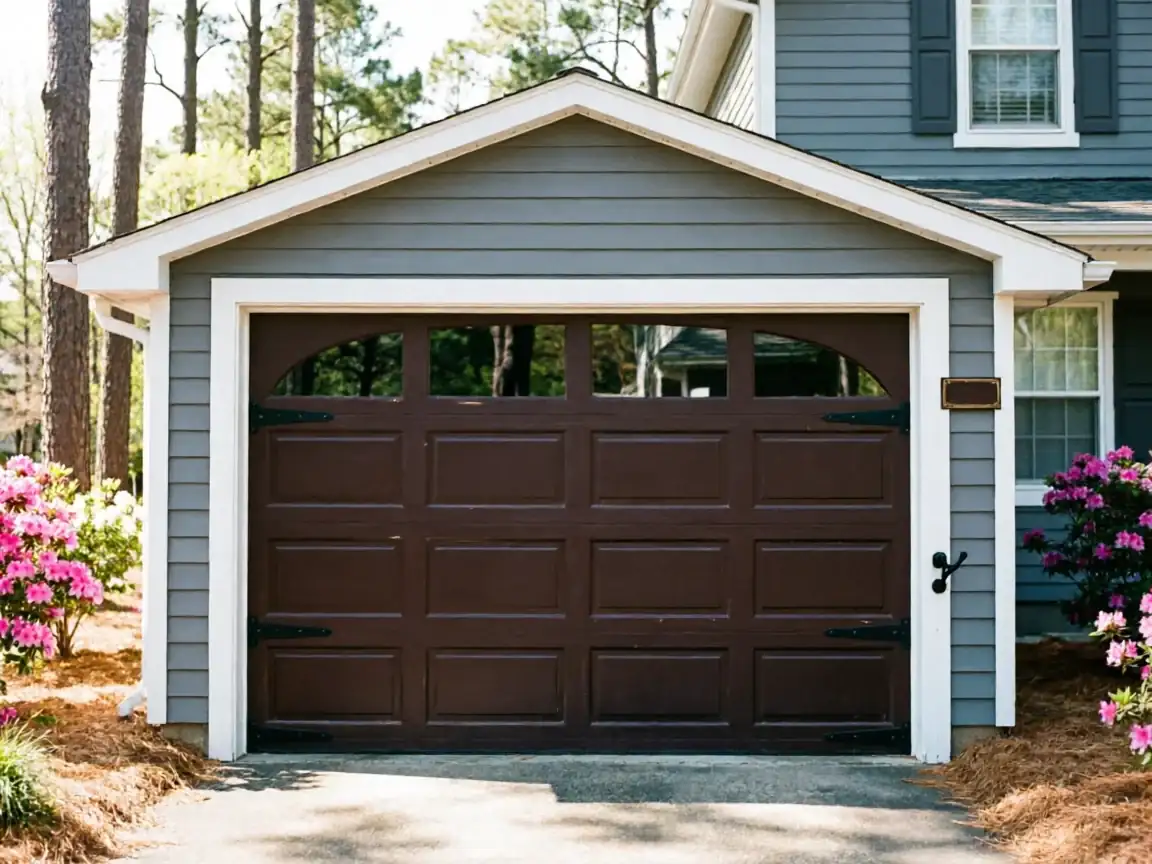
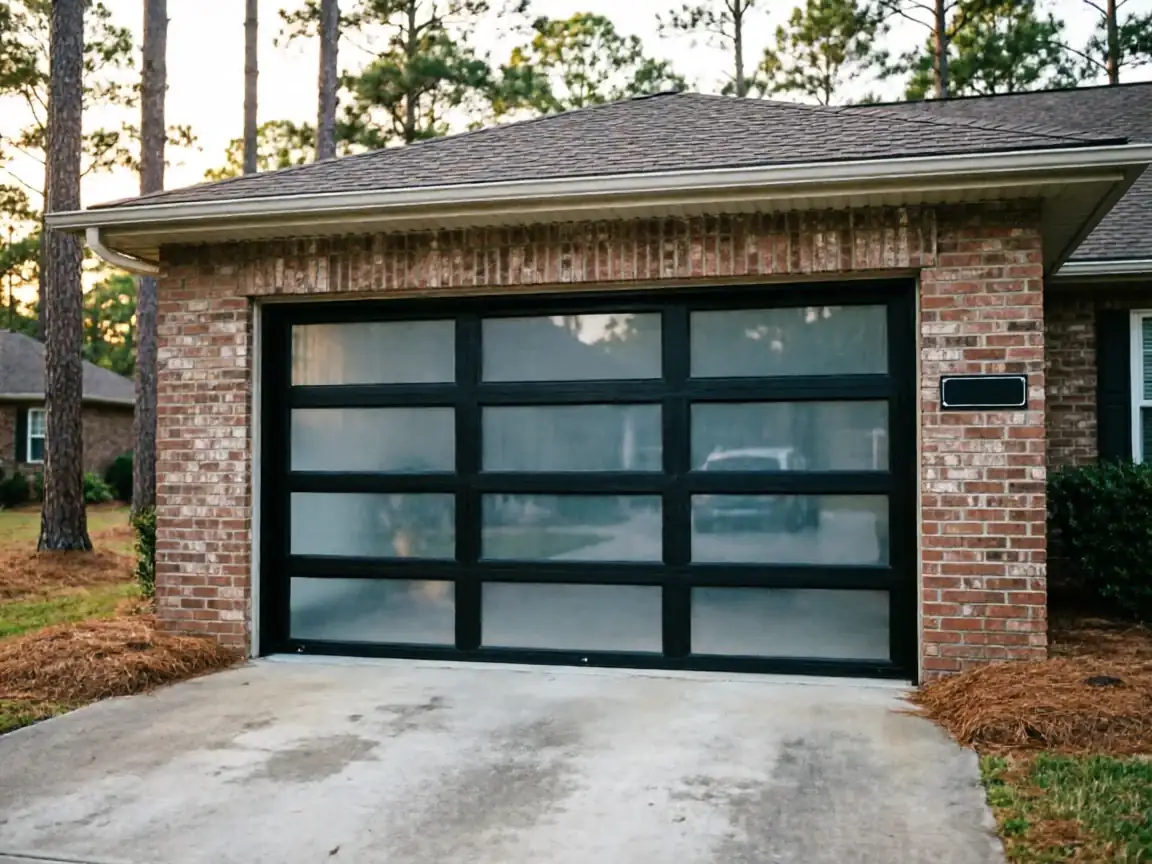
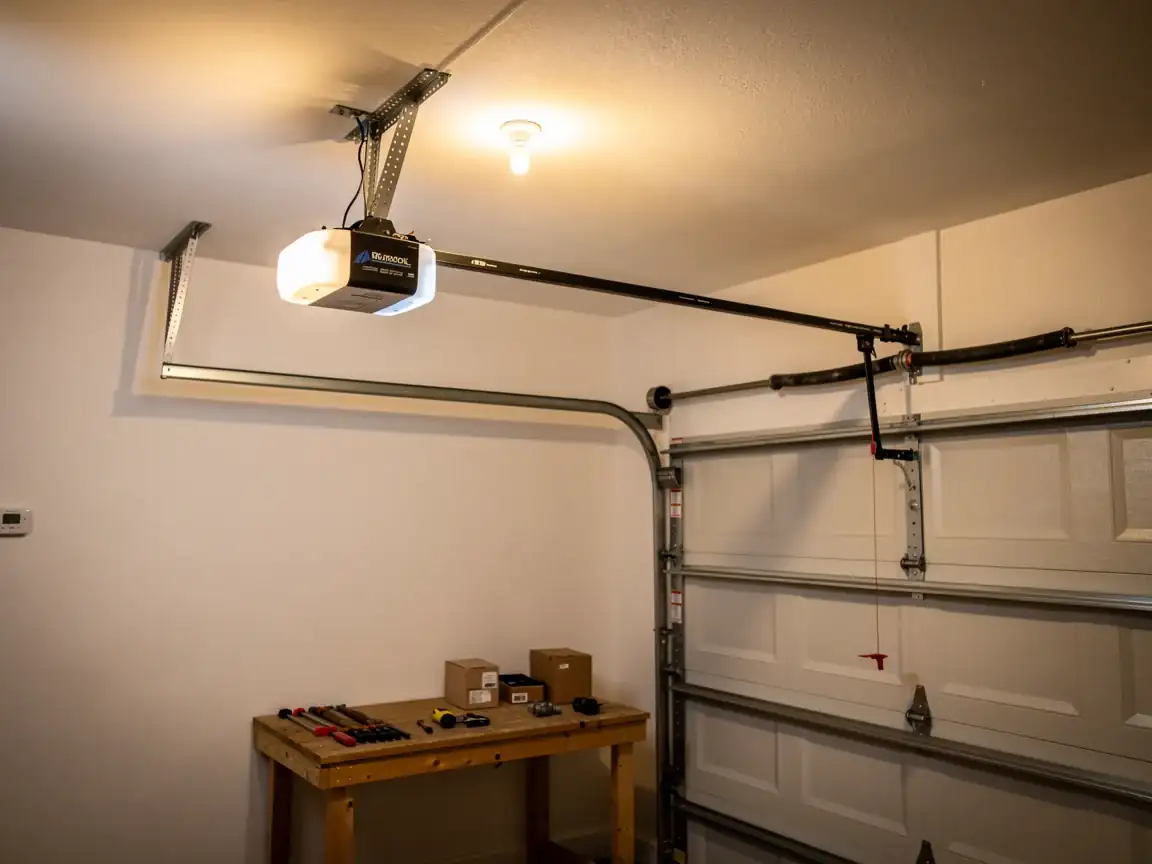
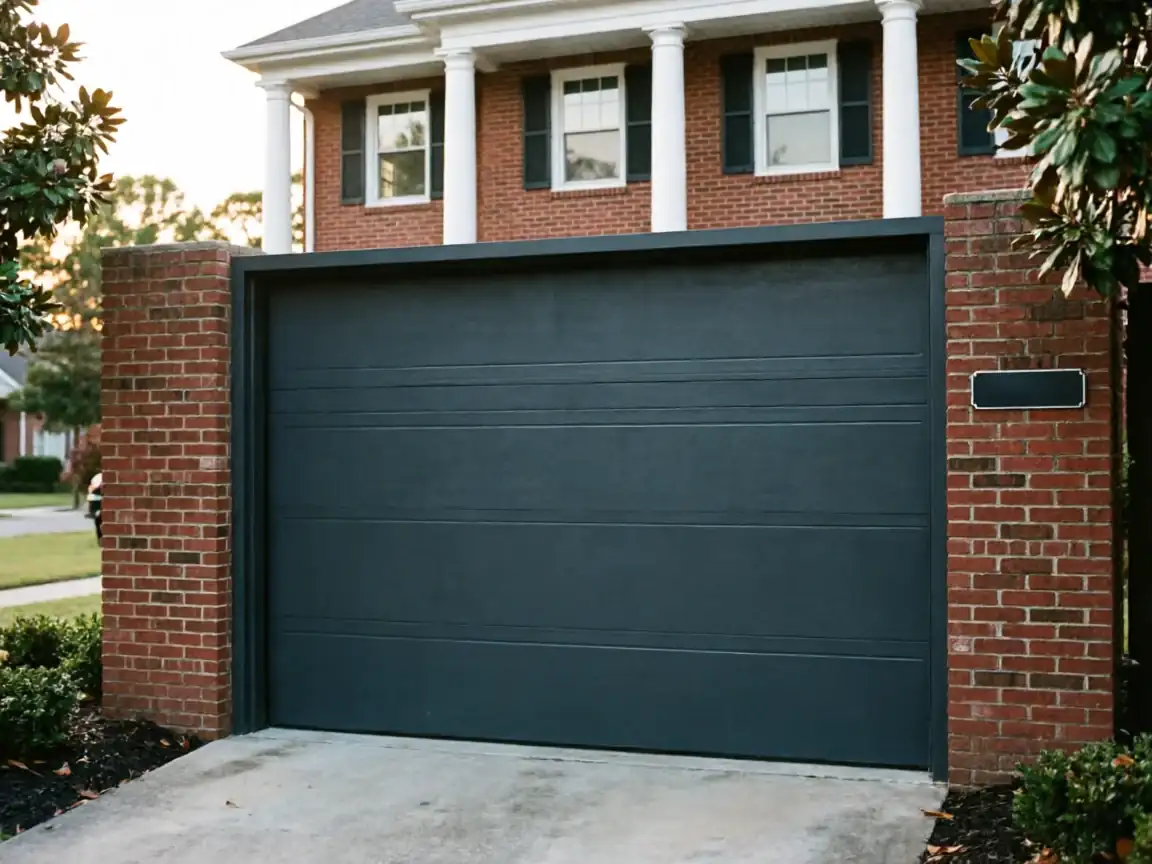
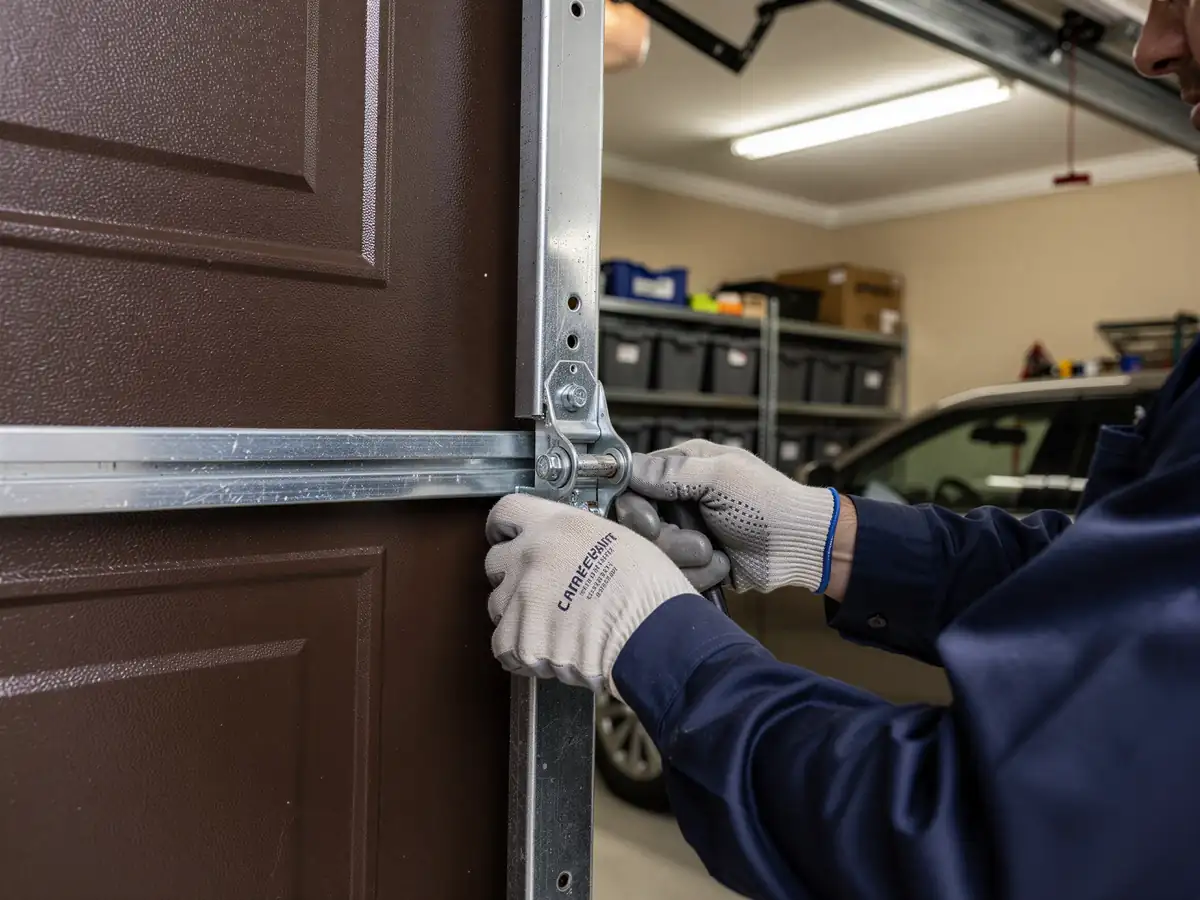
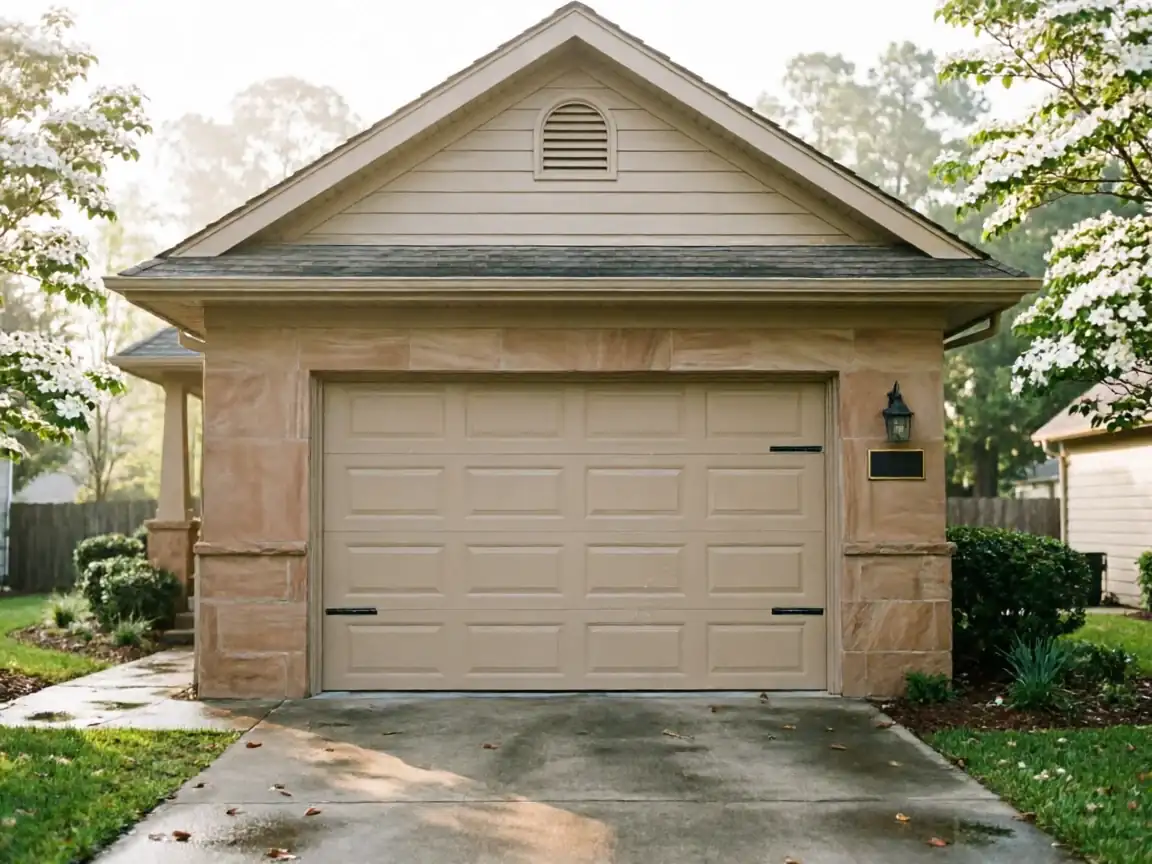
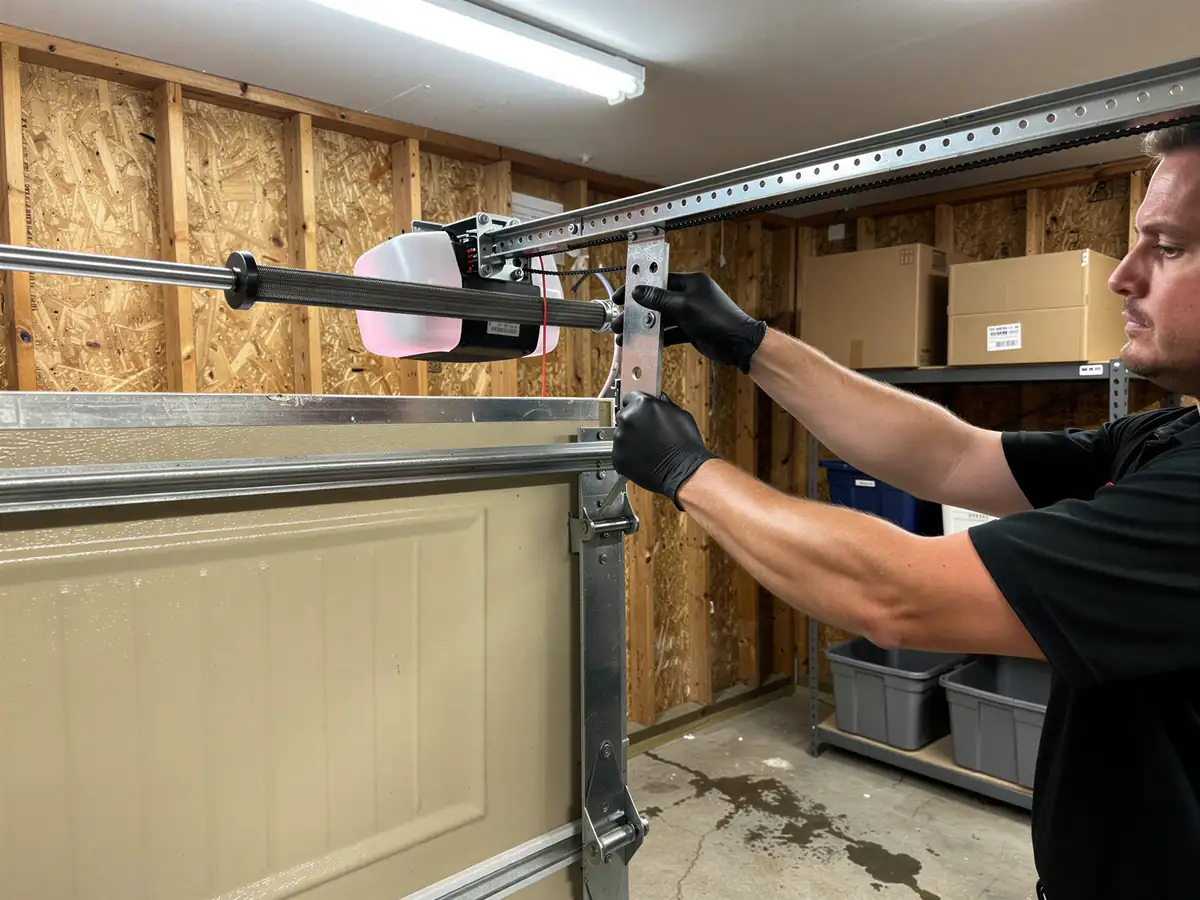
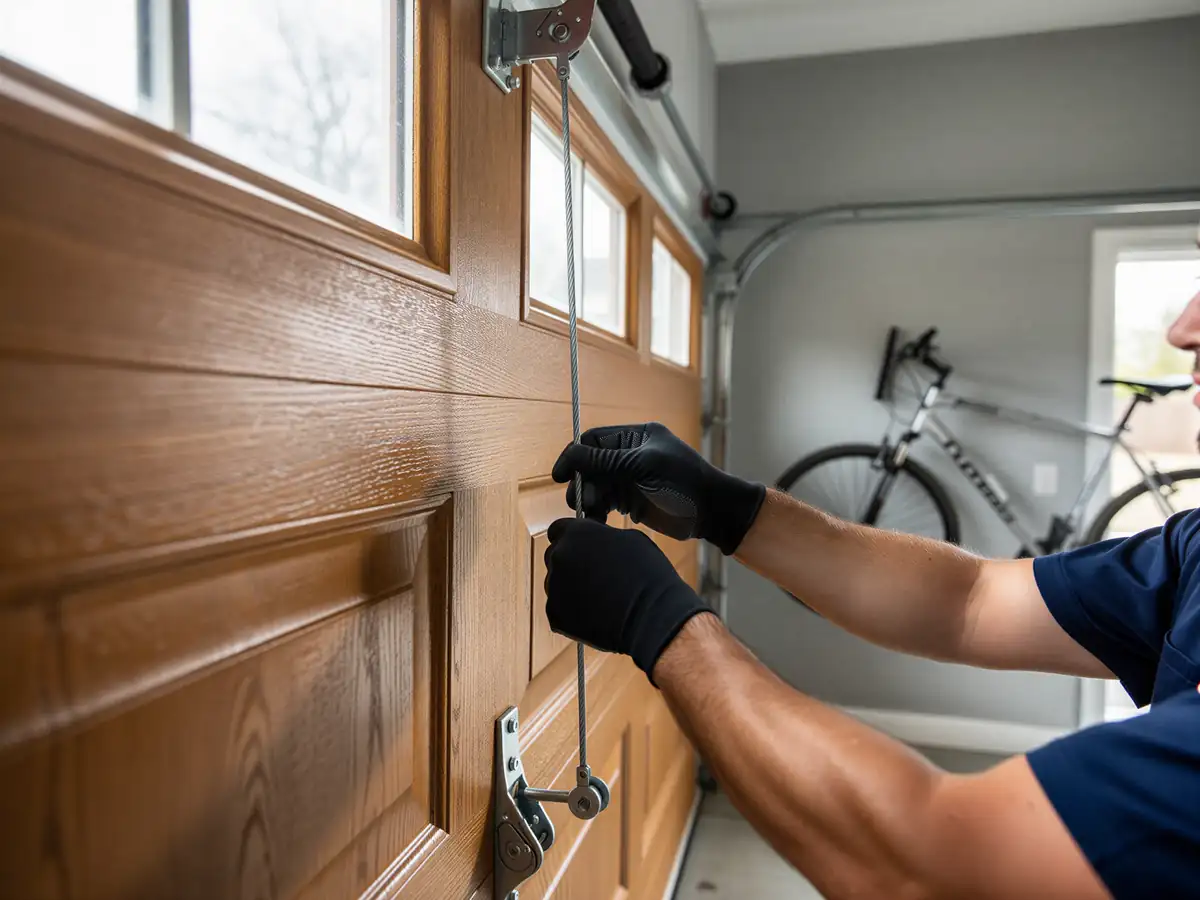
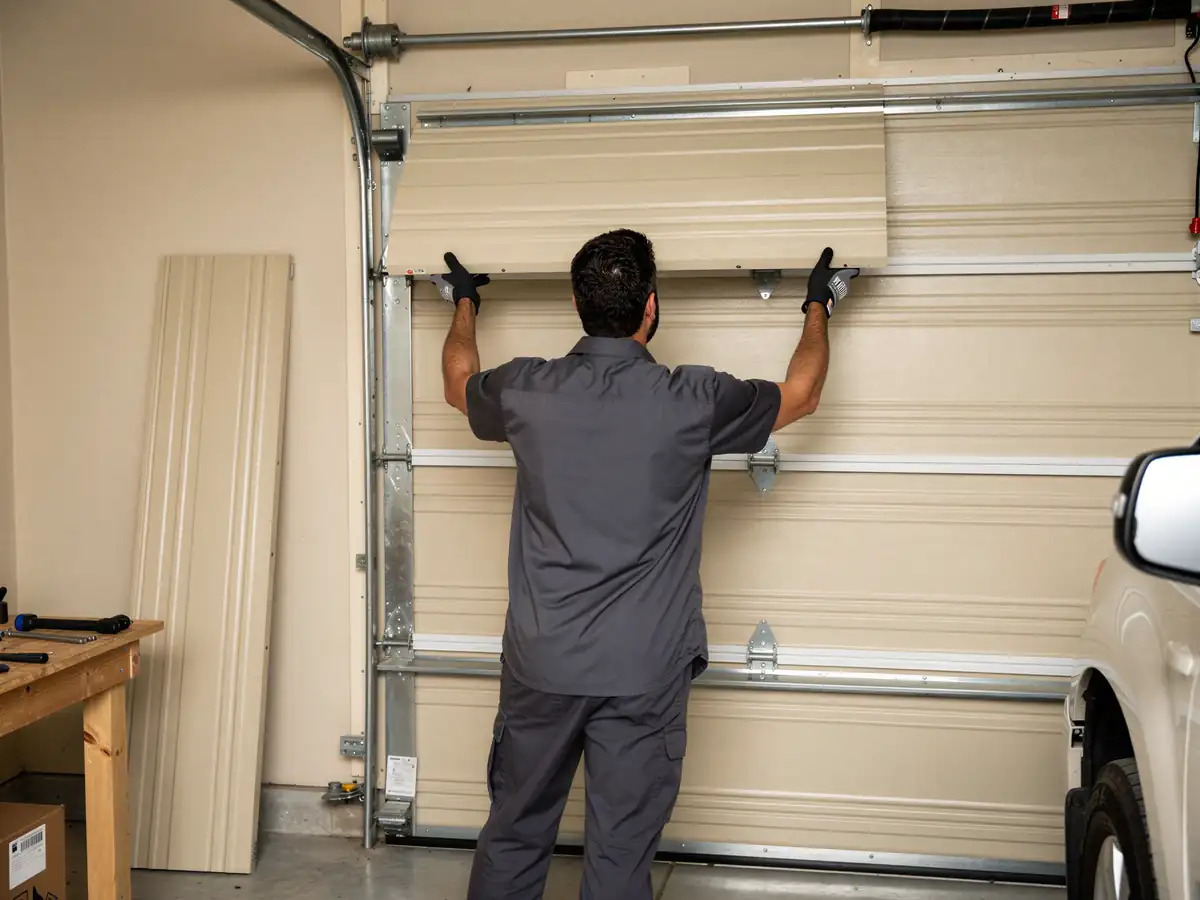
Powder Springs sits in a stretch of the service area where most houses went up around 1995, newer than a lot of what we see closer to Acworth. That means you're less likely to have the old flat-panel steel door with extension springs bolted to the side walls, and more likely to have a torsion-spring setup with a raised-panel steel or composite door already on it. When we replace one of these, we carry torsion springs sized for a standard 7-foot door, steel sectional doors in both non-insulated and insulated builds, and openers with the chain or belt drives that became common once garage doors started doubling as a house's main entry point.
We also stock weatherstrip kits and bottom seals sized for the track widths common in mid-90s construction, since that's the gap that fails first even when the door and opener are otherwise sound. We don't keep every niche hardware package on the truck - if your house has a custom-width opening or an odd legacy track from a renovation, that part may need to be ordered, and we'll tell you that up front rather than quote a job we can't finish that day.
Booking a Visit
We're based out of Acworth, about 14 miles from Powder Springs
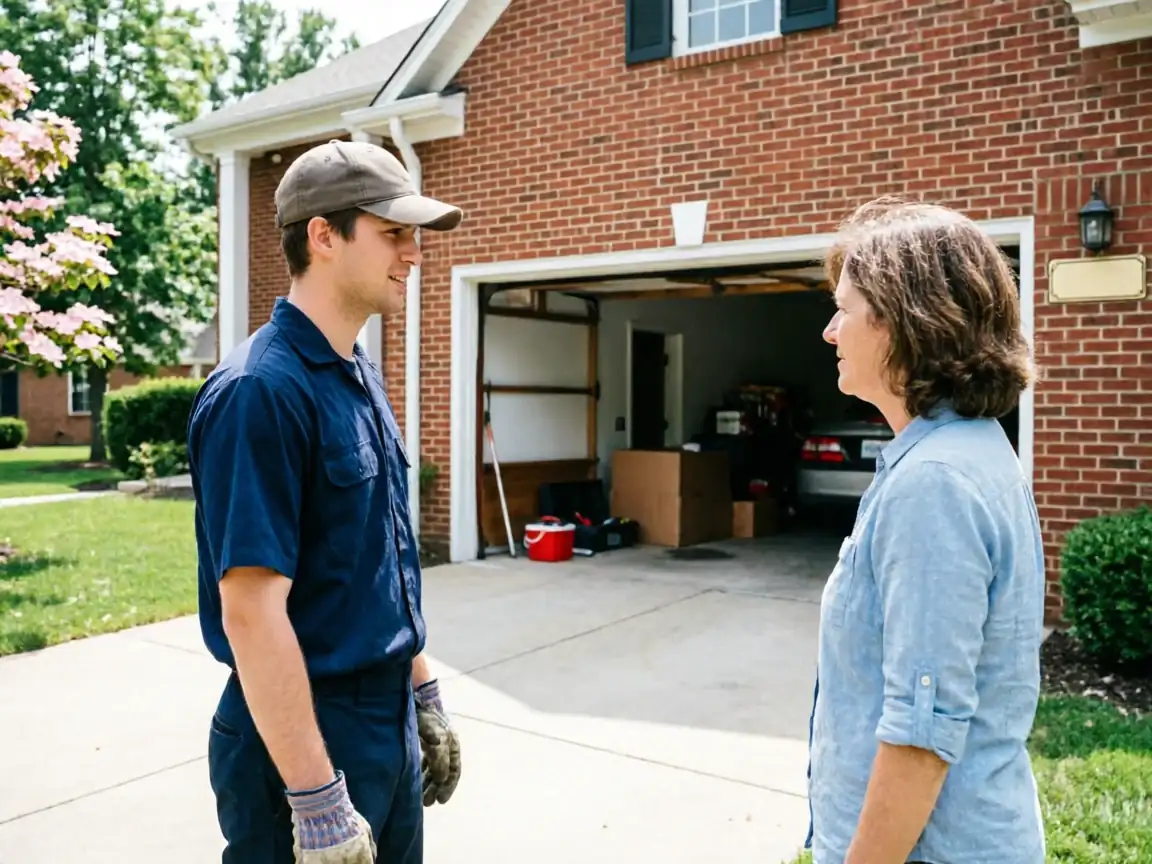
So a new installation here gets scheduled as a dedicated trip rather than something we slot in between closer jobs. When you call, we'll ask the age of your house (if you know it, roughly 1995 is the norm for this area) and whether you're replacing a working door for looks and insulation or dealing with something that's actually failed. That changes whether we bring a measuring kit or a full installation crew on the first visit.
- 14 miles
Because we're not down the street, we try to confirm door size, opener type, and any obstructions (low headroom
Side-mount needs) over the phone before we drive out, so the visit counts toward the actual install rather than a second scoping trip.
Where This Job Goes Sideways
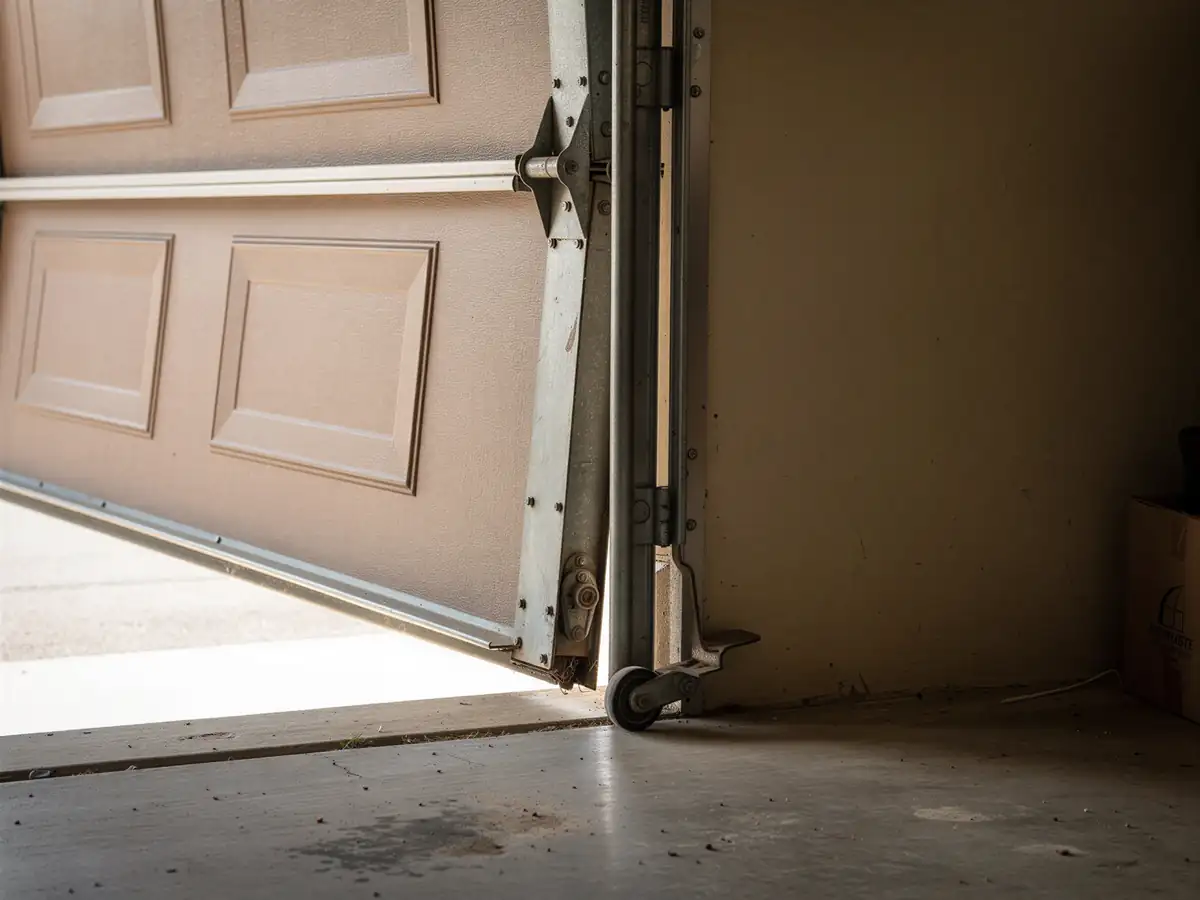
The most common surprise on a 1990s-era Powder Springs install is the track alignment hiding behind a door that still opens fine. Houses from this build period often have the opener mounted to framing that's shifted slightly over three decades, and a new door - especially if it's heavier, insulated steel instead of the older lighter panel - will expose that misalignment the first time it runs. We catch it by checking the rail and header bracket before the new door goes on, not after.
The other spot where things slow down: insulated upgrades. If you're moving from a non-insulated door to an insulated one (a common choice given our winters), the jamb seals and sometimes the header flashing need adjusting to match the thicker panel. Skipping that step is how you end up with a tight-looking door that still leaks cold air around the frame.
The Cost of This Job
We don't have a flat number to quote in writing here - door width, insulation level, and whether the opener is being replaced all move the price. What we can tell you is that household income in the Powder Springs area runs higher than the service-area median of $78,351, and we see more owners here choosing insulated steel or composite doors over the bare steel standard, which adds to material cost but typically lowers the amount of weatherstrip and seal work needed down the line. If a quote comes in higher than you expected, ask which part of it is the door itself versus the opener and hardware - they're priced separately and it's fair to ask for the breakdown.
What Causes It Around Here
With most Powder Springs houses built after 1990
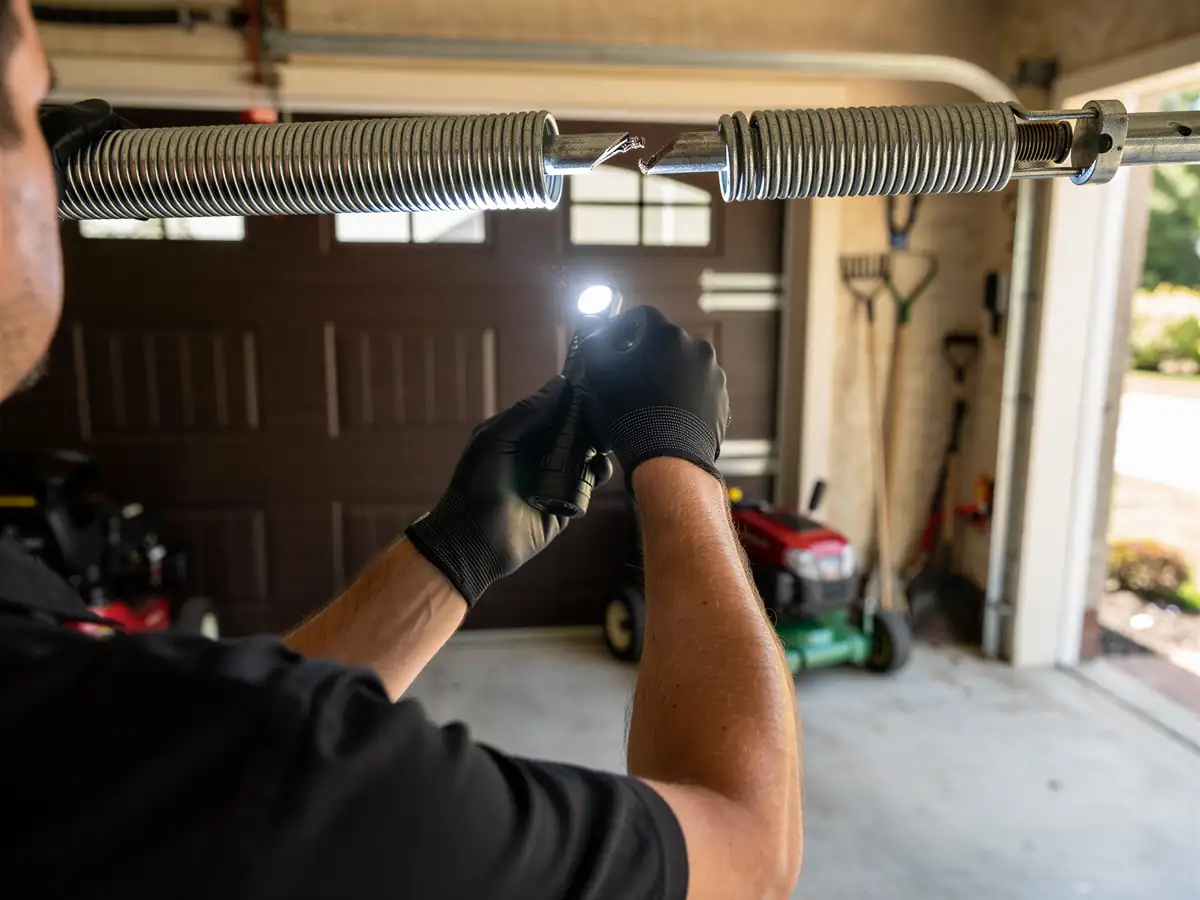
We're not dealing with the ancient one-piece doors you find in older pockets of the wider service area. What we do see is torsion springs reaching the end of their cycle count right around now, since a door installed new in the mid-90s and used daily has likely put 20+ years on its original spring. Cold-moderate winters in this part of Georgia mean steel contracts and expands enough each season to work bolts and brackets loose faster than in a mild climate, which shows up as noise and drift in the door's travel before the spring itself fails.
We also see openers original to the house hitting their limit around the same time as the spring
Since both tend to be installed together and age on the same clock.
Doing It Yourself
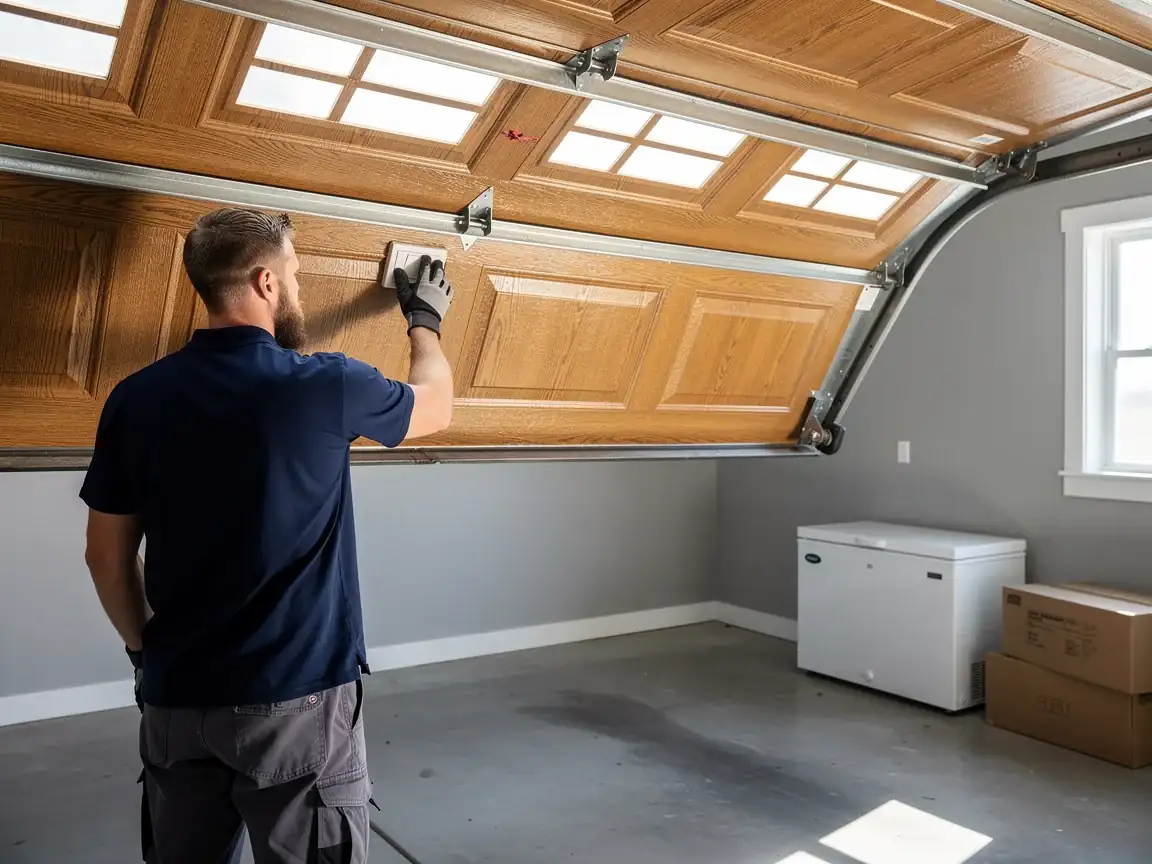
A torsion spring under tension can break a hand or worse, so we don't recommend swapping one yourself regardless of how the job looks online. Where DIY makes sense is cosmetic: repainting panels, replacing a cracked window insert, or installing a new keypad on an existing opener. If your 1995-era door is structurally fine and just dated-looking, those smaller jobs are reasonable to tackle yourself and don't require a truck from Acworth to fix.