Booking a Visit
Most of what we see going wrong on cables in Hiram is tied to one thing: the houses here are younger than a lot of what we work on elsewhere in the service area. Median build year around Hiram is 2004, well past the 1964-2007 range that covers the wider territory, where the overall median lands closer to 1989. That newer construction means standard torsion setups with factory-spec lift cable on a single drum per side, not the older extension-spring doors with cables run through pulleys that we still find in the pre-1990 stock elsewhere.
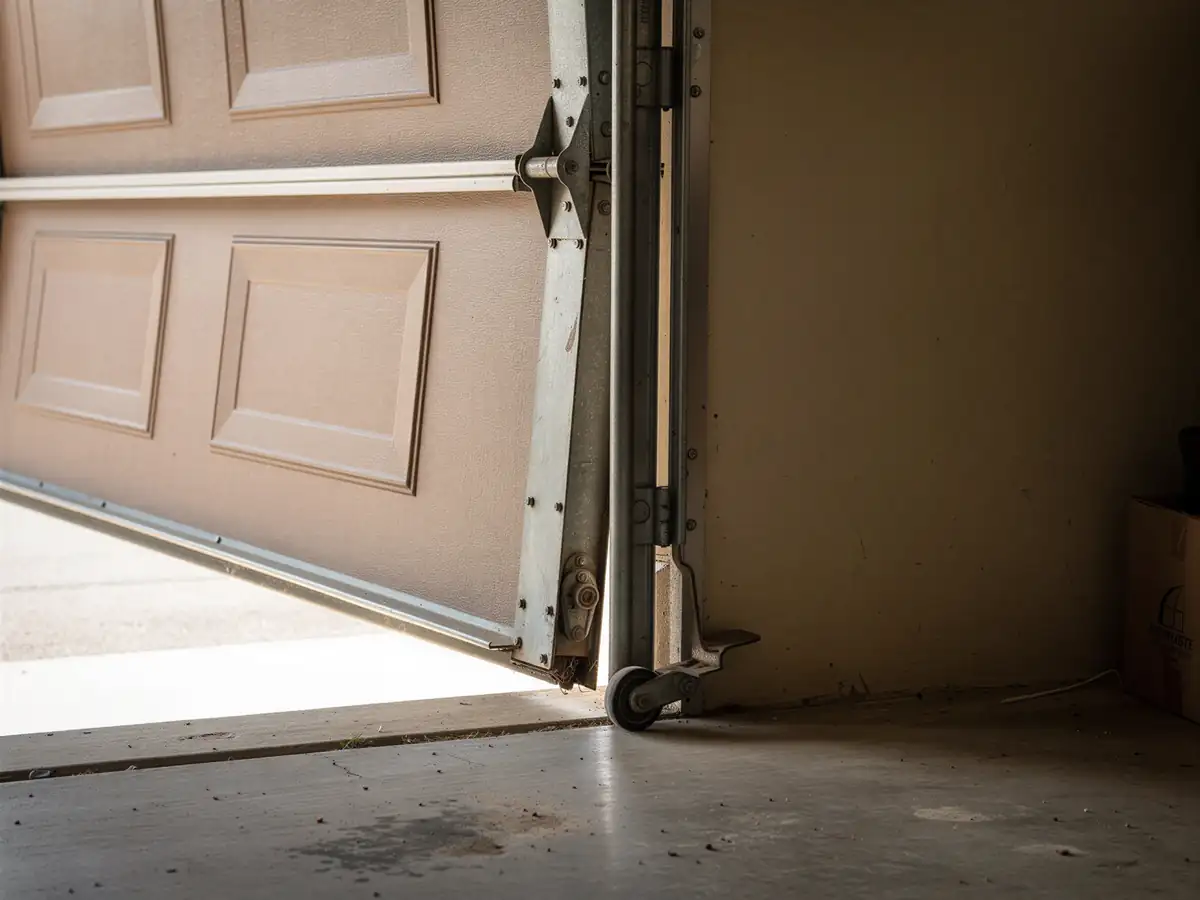
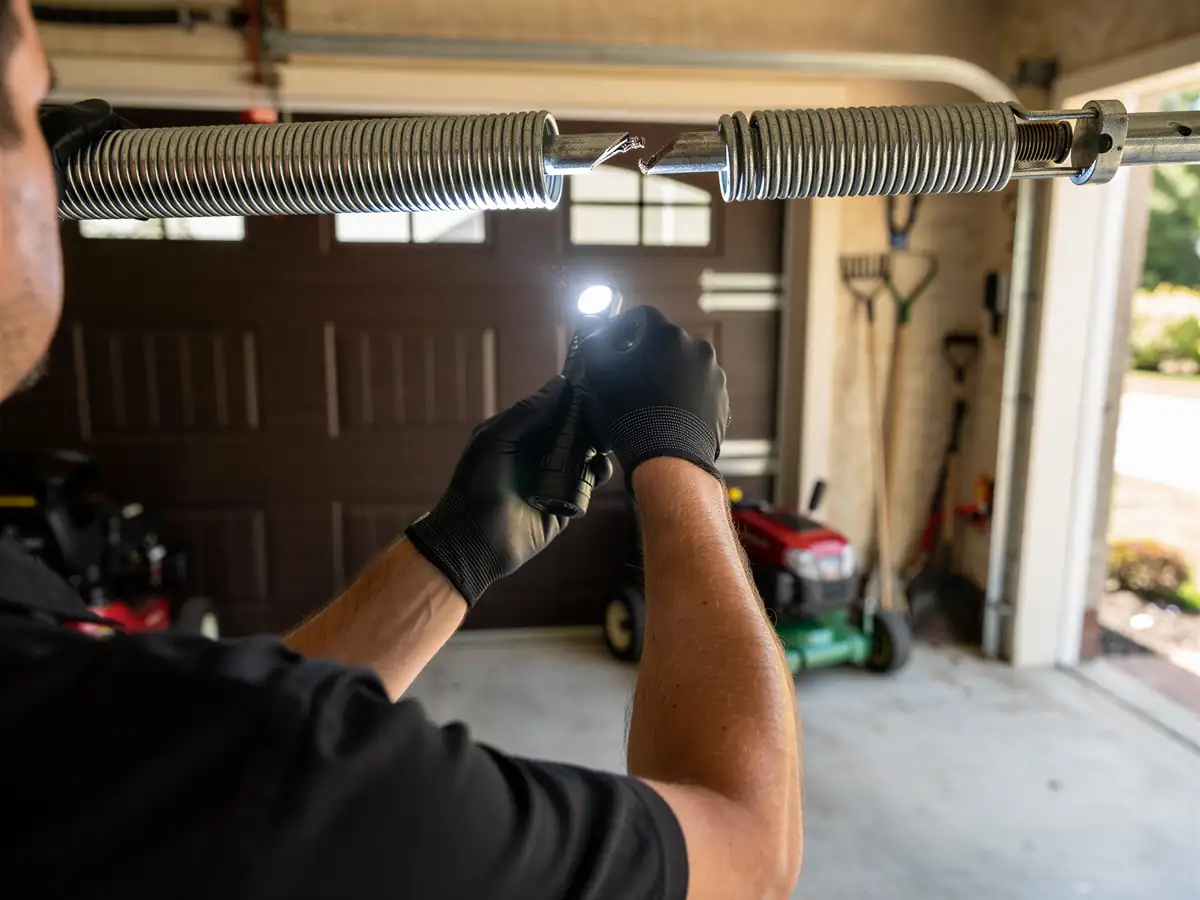
The fault pattern that shows up most with 2004-era torsion hardware is a cable working loose off the drum groove, usually from a spring that's lost tension unevenly on one side. The door goes crooked a few inches before it jumps the track, or it comes down slightly cocked. On a call, tell us which panel looks low and whether you heard a bang before it happened - that's usually the spring letting go first and the cable following. We come out from Acworth, so give us a clear description up front and we'll bring the right drum and cable length for a 2000s-build torsion system rather than guessing.
Doing It Yourself
Don't put your hands on a torsion cable under tension
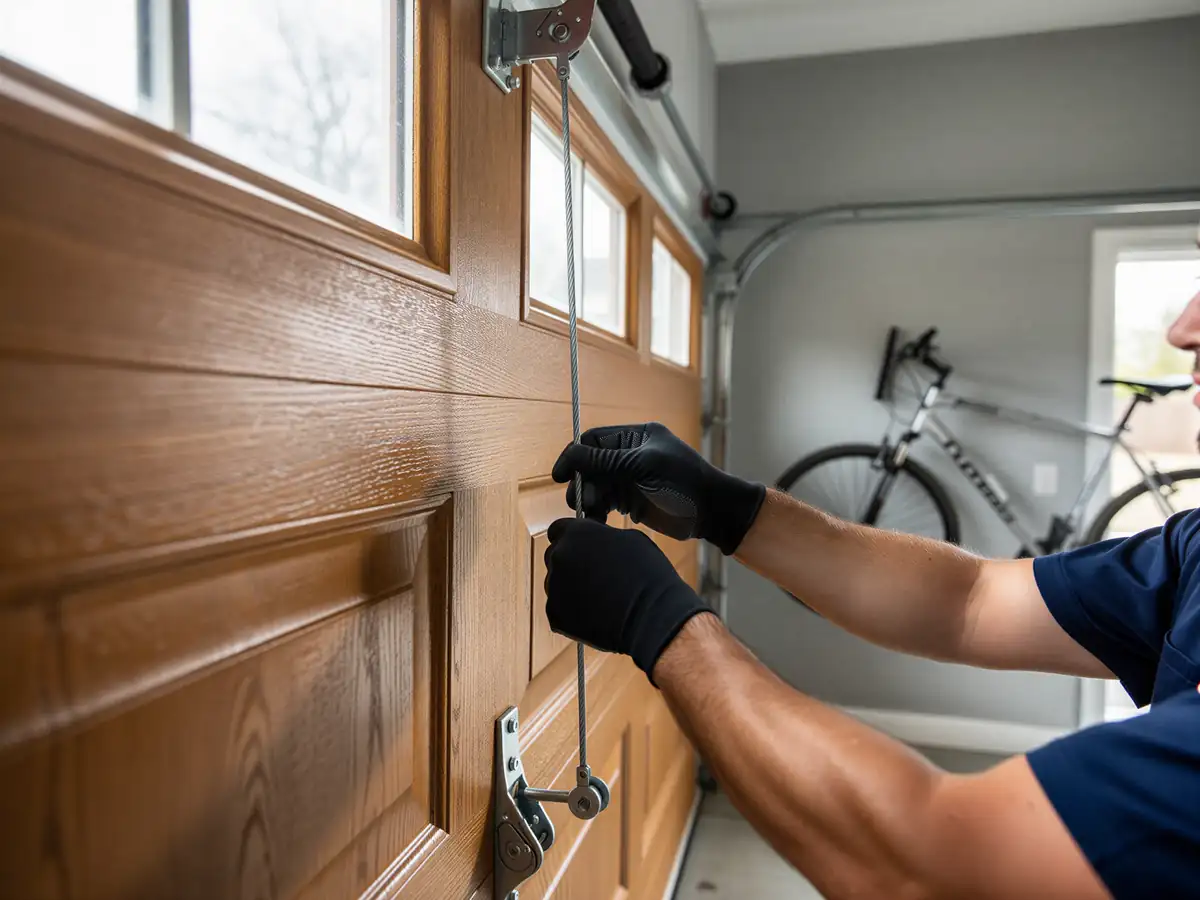
The spring is what stores the force, and a cable that's slipped off a loaded drum can whip hard enough to break fingers or take an eye. What you can safely check yourself: look at the cable where it wraps the bottom bracket corner. If it's frayed, kinked, or the strands are separating, that's your answer, and the door needs to come off service until it's fixed - don't run the opener hoping it holds.
On Hiram's newer builds, the one thing homeowners can usually rule out without opening the garage is rust-through at the cable
Since galvanized cable on 15-to-20-year-old hardware rarely corrodes badly yet in this climate. If the cable looks clean but the door still runs crooked, the problem is almost always tension or drum alignment, not the cable itself, and that's not a DIY fix - it's a call.
How Long You Are Without the Door
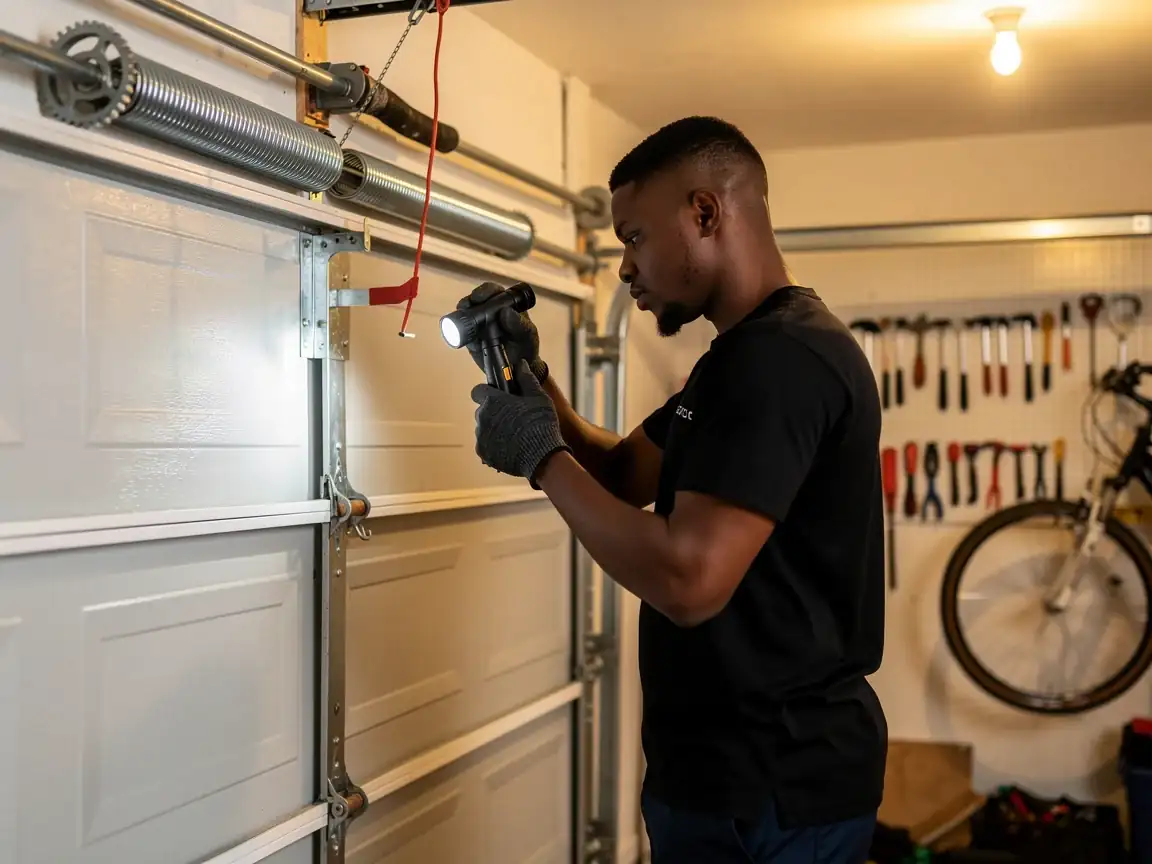
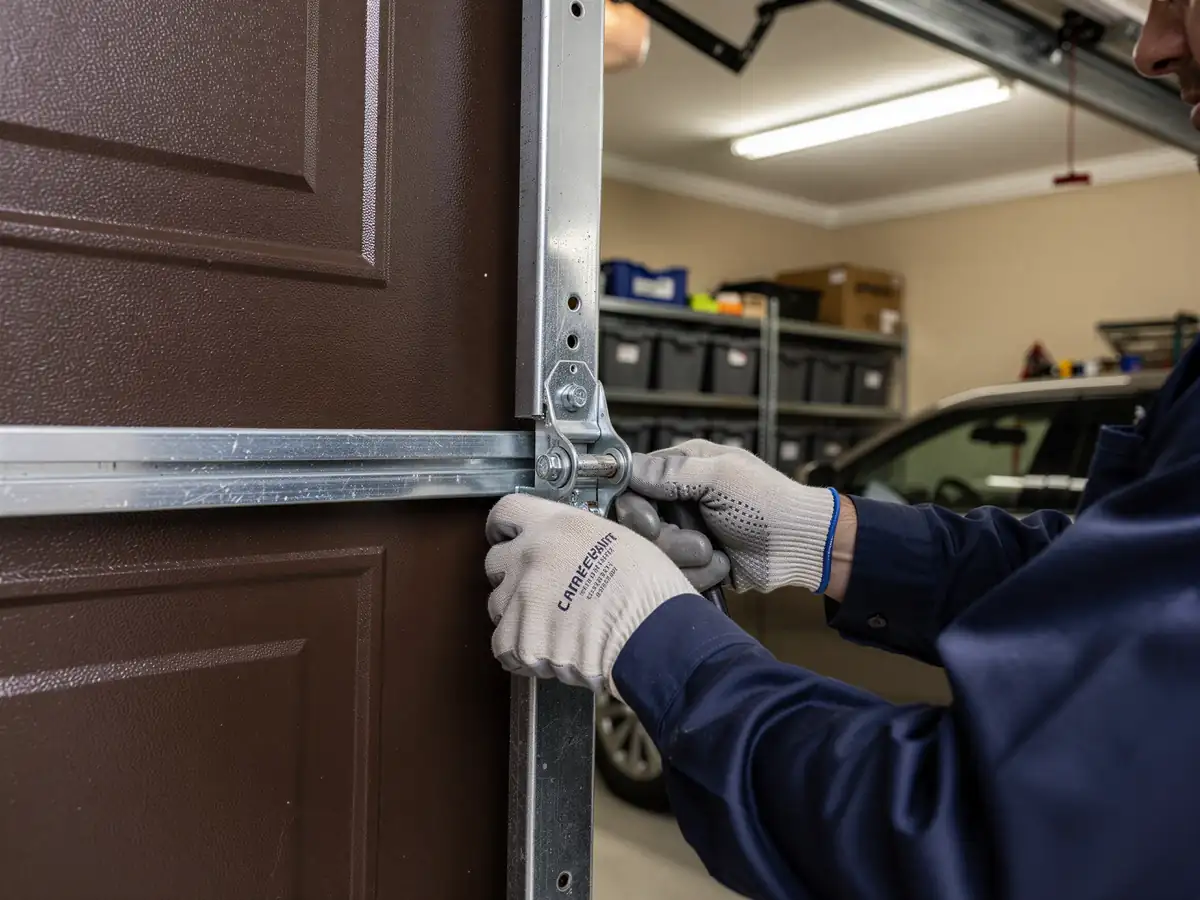
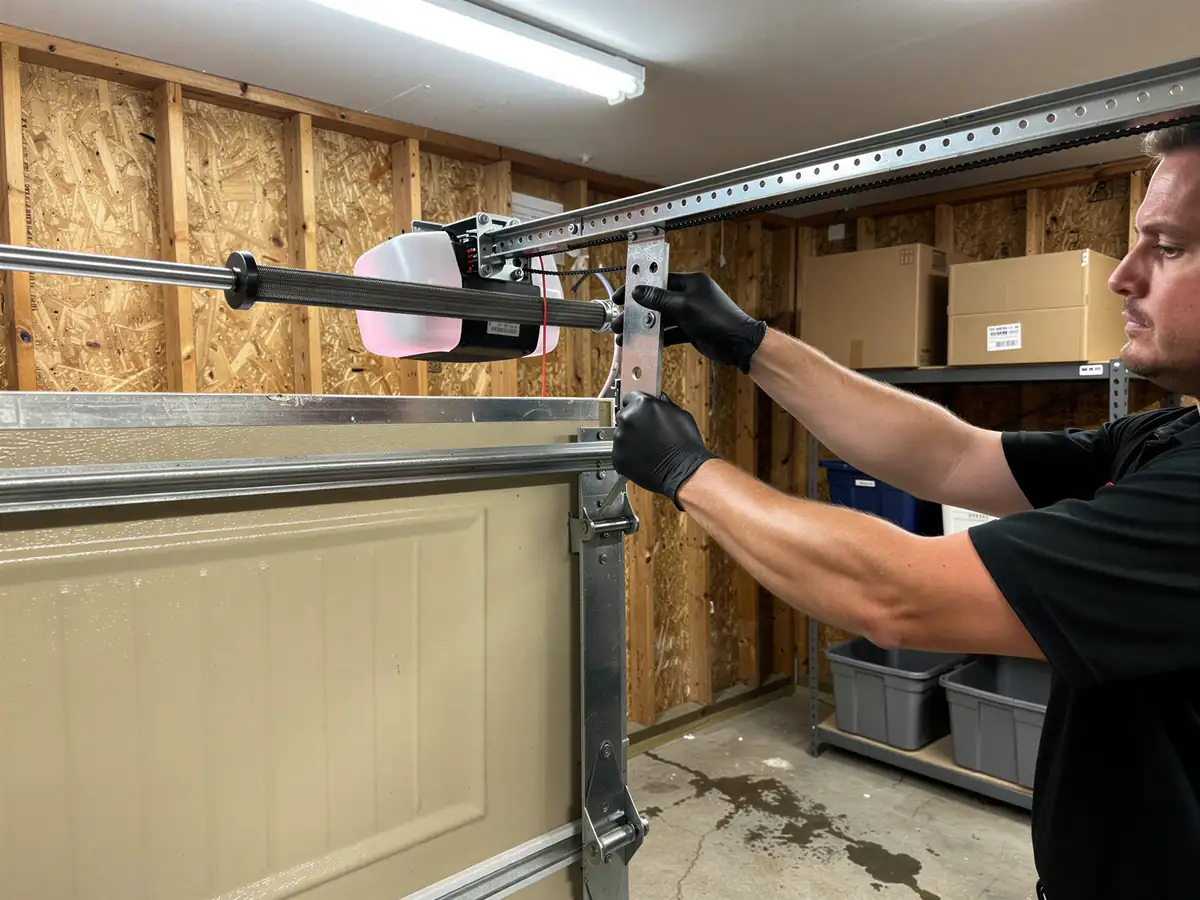
A single snapped cable on a torsion system, with both springs intact, is usually a same-visit fix - we unwind the spring, pull the old cable off the drum, run the new one, and reset tension. Where it takes longer is if the cable let go because a spring failed first, which is the more common chain of events on these 2004-era doors. In that case we're replacing a spring and a cable together, and matching the spring to the door weight takes a few extra minutes on site rather than a second trip.
We don't carry every cable length and drum size on the truck for every door style, so if your opener or track hardware is something less common, there's a chance we need to order a part and come back. That's the honest limit here - it doesn't happen often on standard torsion setups like what's typical in Hiram, but it's not zero.
The Cost of This Job
We don't post a flat number for cable work because the job changes depending on whether it's a straight cable swap or a cable-and-spring replacement, and whether one side or both need new hardware. What we can tell you is that Hiram's housing stock, built mostly around 2004, uses pretty standard torsion components, which keeps parts predictable and doesn't push the job into custom hardware pricing the way older extension-spring doors sometimes do.
Household income in the Hiram area runs a bit above the wider service area's median of $78,351, and we mention that only because it shapes what people ask for here - more requests for full hardware replacement over patch repairs, since a cable failure on a 2004-built door is also a reasonable moment to check whether the opener and springs are nearing the end of their life together.
Where This Job Goes Sideways
The mistake we run into most in Hiram is someone replacing just the cable after it snaps
Without checking the spring that likely caused it. On a torsion system from this era, a cable rarely fails on its own - it fails because the spring lost tension and the drum started pulling unevenly, chewing through the cable at the drum groove. Fix the cable alone and you're back out in a few weeks with the same complaint.
The other spot it goes wrong: opener force settings
A lot of 2000s-era openers get their down-force cranked up over the years to compensate for a door that's gotten harder to lift, and that extra force is exactly what shortens a stressed cable's life. We check the opener settings any time we're replacing cable on a door this age, because fixing the cable and leaving the force setting high just resets the clock on the same failure.